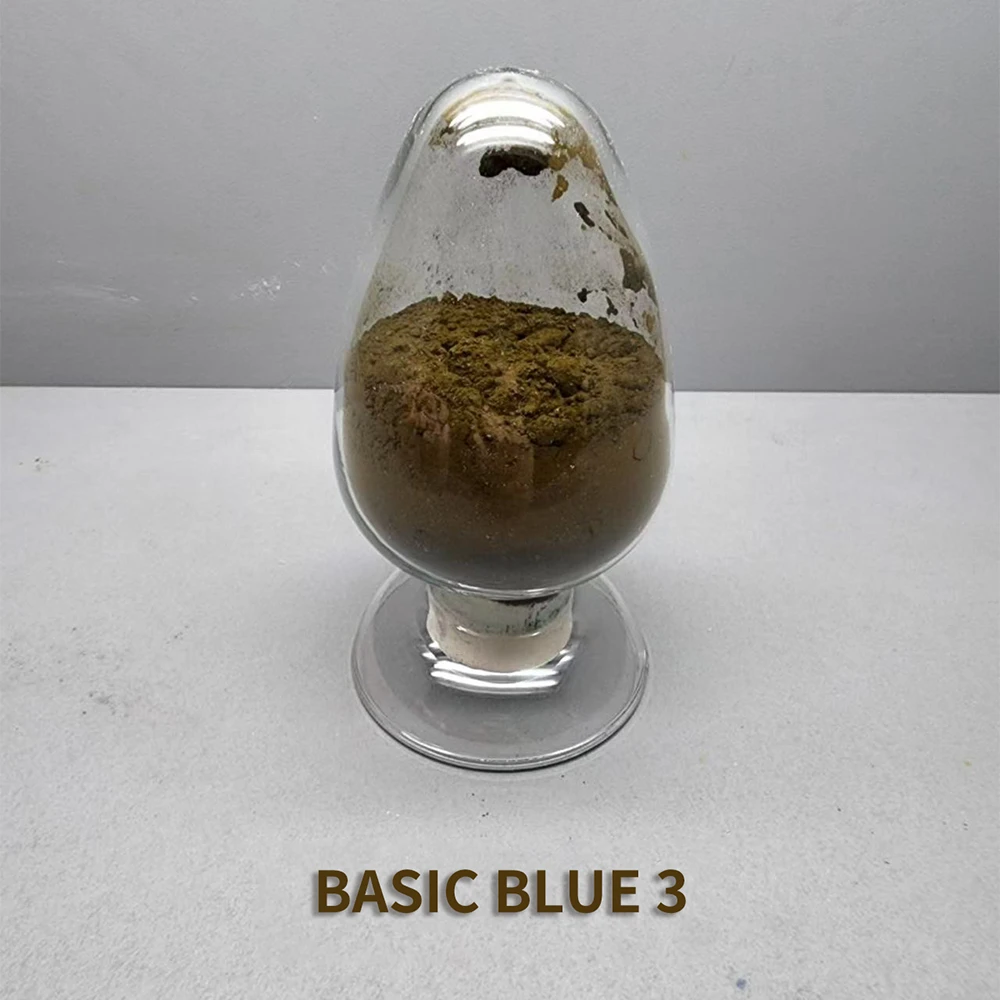
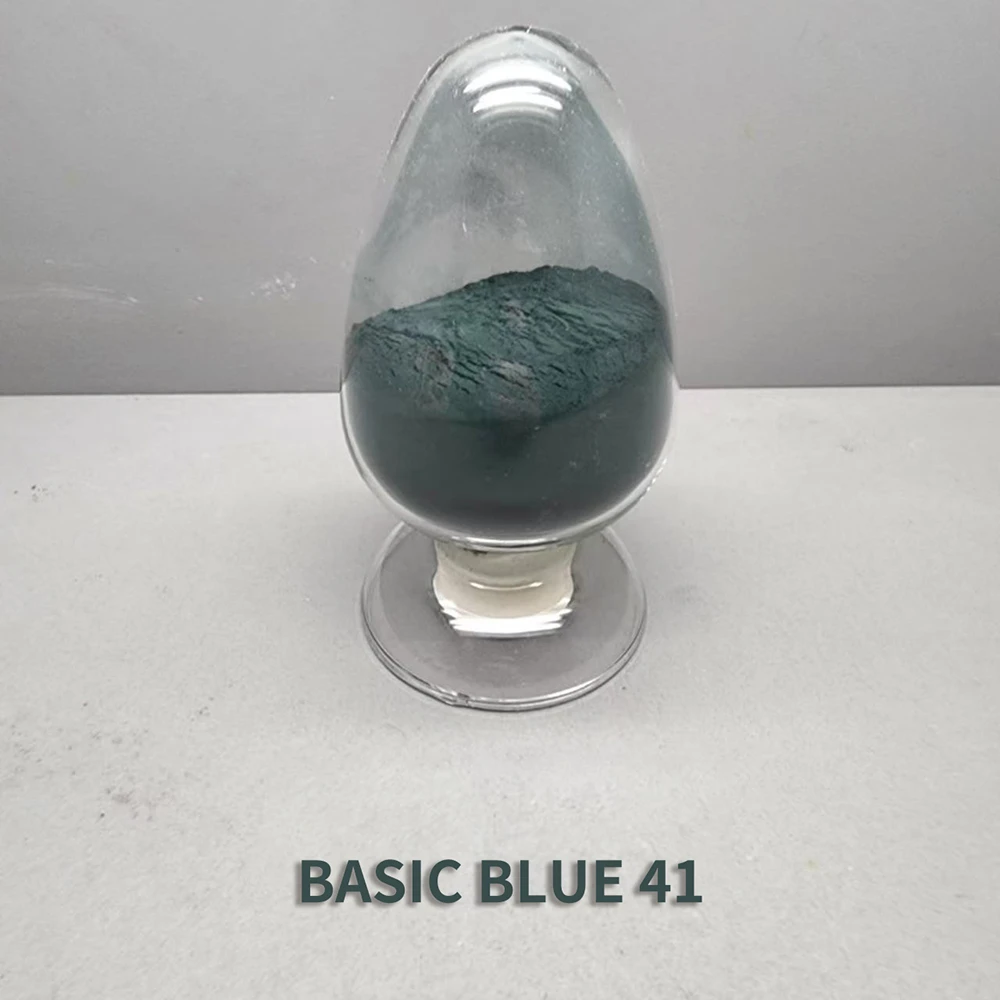
Durable and Eco-Friendly Navy Clothes Dye for Global Textiles
Navy Clothes Dye: More Than Just a Color
When we talk about navy clothes dye, it’s tempting to think purely of the deep, enduring blue that instantly conveys professionalism, trust, and sturdiness. But, in reality, it's a world where chemistry meets culture meets industry and even humanitarian work. Understanding navy clothes dye isn’t just about picking the right shade for your uniform or jeans; it touches issues as broad as sustainable manufacturing, global trade, and even disaster relief — truly global in its scope and impact.
Why care? Because this dye plays a surprisingly crucial role in wardrobes of millions worldwide, in industries from fashion to military, and in non-profit aid where dignity and reliability matter. And frankly, it’s fascinating how something as simple as dye can ripple into economics, environment, and tech innovation.
The Global Canvas: Why Navy Clothes Dye Matters Today
Globally, the textile and apparel market was valued at nearly $1.5 trillion in 2023, with dyed fabrics making up a critical fraction of this (International Textile Organization, 2024). Navy blue shades, in particular, hold a special place: uniforms for professionals, officers, and workers often rely on this color due to its association with authority and formality.
However, here’s the rub — traditional dyeing methods can be environmentally taxing. Textile dyeing is one of the largest industrial polluters globally according to UN Environment reports. The use of synthetic dyes, with navy being no exception, involves chemical treatments that can harm waterways and ecosystems if not properly managed.
Thus, challenges include creating navy dyes that maintain rich color and durability but with a smaller environmental footprint and better safety profiles. Plus, on an industrial scale, dyeing must be scalable and cost-effective. It’s a balancing act, and one many companies are racing to perfect.
Understanding Navy Clothes Dye: What Is It Exactly?
Simply put, navy clothes dye refers to the specific pigments and chemical agents that impart the deep, dark blue hue to fabrics. Unlike the simple pigments you might find in art supplies, these dyes have to bond with textiles like cotton, polyester, or blends in ways that resist fading, washing out, or color bleeding.
In the modern textile industry, these dyes come mainly as reactive, vat, or sulfur dyes, each with different chemical structures and application methods. The larger goal is consistent colorfastness combined with minimal environmental impact.
Oddly enough, this shade’s demand also intersects with humanitarian needs: uniforms for emergency responders, school uniforms for displaced children, and durable fabrics for disaster zones often feature navy dye — where both reliability and dignified appearance are critical.
Core Components of High-Quality Navy Clothes Dye
- Durability
Navy dye must endure harsh washing and exposure to sun while retaining its richness. Applied in naval uniforms, workwear, or uniforms, poor durability can degrade professional appearance quickly. - Scalability
Supplying large textile mills globally demands a dye formula that scales without degrading quality. This means repeatable processes, consistent pigment batches, and adaptability to different fabric types. - Cost Efficiency
Balancing premium color with acceptable cost supports large-scale adoption — especially for industries relying on budget constraints, like schools or NGOs providing uniforms. - Eco-Friendly Technologies
Increasingly, navy dyes are developed to reduce toxic byproducts. Innovations aim at minimizing water use, avoiding heavy metals, and using biodegradable pigments. - Color Consistency
An essential but often overlooked quality: a true navy dye shows uniformity across fabric runs and various lightings, preserving brand identity or uniform standards. - Compatibility with Fabrics
Different textiles absorb dyes differently; high-quality navy dye must bond well with cotton, wool, polyester, and blends.
Mini takeaway: navy clothes dye’s success depends on durability, eco-friendliness, consistency, and cost — quite the harmony to strike.
Where Navy Clothes Dye Makes a Difference Around the World
From uniforms to fashion staples, navy clothes dye is everywhere, spanning multiple continents and uses. In Europe, it colors high-end corporate apparel, while in Asia, mass-produced fabrics rely on fast, cost-effective dyeing without compromising quality.
In humanitarian contexts, NGOs and emergency organizations choose navy-dyed garments for their balance of professionalism and ruggedness. For instance, in cyclone-prone Bangladesh, relief agencies distribute navy uniforms to local volunteers who need hardy clothes capable of withstanding tough conditions. Meanwhile, in remote industrial zones in Africa or South America, navy blue workwear is preferred for both safety and symbolic authority.
The military’s historical reliance on navy blue uniforms is well documented, but even police forces, security, transport workers, and educational institutions worldwide promote this dye’s usage.
Mini takeaway: navy clothes dye is a global staple that bridges commercial fashion and essential uniforms, underpinning social and professional identity.
Specifications of a Typical Navy Clothes Dye Product
| Specification | Value |
|---|---|
| Dye Type | Reactive Vat or Sulfur Dye |
| Color Fastness to Washing | Grade 4-5 (ISO 105 C06) |
| Light Fastness | Grade 5 (ISO 105 B02) |
| Water Usage per Kg Dye | 10-15 Liters (approx.) |
| Heavy Metal Content | Below Detectable Limits |
| Compatible Fabrics | Cotton, Polyester Blends, Wool |
The Long-Term Value of Using Quality Navy Clothes Dye
Choosing navy clothes dye wisely isn’t just about aesthetics or brand consistency. From a buyer’s perspective, it’s about reliability, social impact, and sustainability. High-grade navy dyes reduce the need for frequent replacement — which saves money and lessens environmental burden. Many suppliers now emphasize dyes free from harmful substances, contributing to better worker safety and reduced ecological footprint.
On an emotional level, a vibrant navy uniform boosts morale, pride, and professionalism. This intangible quality often goes overlooked but is essential in sectors like healthcare, policing, and education.
Frankly, the trust in a uniform’s appearance sends a message to communities — safety, dignity, and belonging.
What’s Next? Future Trends in Navy Clothes Dye
Several exciting innovations are bubbling up, promising improved navy dyes with reduced water consumption, use of natural ingredients, and digital dyeing technologies that cut waste. Nanotechnology is making inroads, enabling deeper fabric penetration and longer-lasting colors.
Meanwhile, sustainability programs aligned with ISO environmental guidelines push manufacturers to rethink entire dyeing processes. “Green” navy dyes that use bio-based pigments or enzymes are gaining traction.
Automation and AI-driven quality control are also quietly transforming the dyeing industry — ensuring perfect navy tone consistency at mass scale. This means better uniforms faster, without compromise.
Challenges in the Navy Clothes Dye Industry & How Experts Fix Them
Despite progress, some persistent hurdles remain:
- Environmental Waste: Traditional dyeing generates toxic effluent. Solution: Closed-loop water systems and enzyme-based dyes reduce this dramatically.
- Color Uniformity: Batch variability can cause mismatched garments. Solution: Digital dyeing with AI controls color more precisely.
- Fabric Compatibility: Some navy dyes don’t work well on synthetics. Solution: Formulations tailored for individual fabric types.
- Cost Pressures: Sustainable dyes may initially be pricier. Solution: Scale economies and subsidies help spread costs.
Many engineers say the key is collaboration across chemical suppliers, mills, and brands. Only through shared innovation can the full promise of navy clothes dye be unlocked.
FAQ: Quick Answers on Navy Clothes Dye
- What makes navy clothes dye different from other color dyes?
- Navy dyes require deep, consistent blue tones and exceptional colorfastness given their widespread use in uniforms. The chemistry often involves reactive or vat dyes, optimized for textiles commonly used in high-wear clothing.
- How can I ensure the navy color won't fade quickly?
- Look for dyes tested with ISO standards for washing and light fastness (typically Grade 4 or 5). Also, proper fabric pre-treatment and fixation processes play critical roles.
- Are eco-friendly navy dyes available?
- Yes, many suppliers now offer bio-based or enzyme-aided navy dyes. These reduce toxic waste and water usage compared to traditional synthetic dyes.
- Which fabrics take navy clothes dye best?
- Cotton, polyester blends, and wool are generally well-suited for navy dyes. However, each requires tailored dye formulations to ensure absorption and durability.
- How do large manufacturers keep navy color consistent batch to batch?
- They increasingly use digital color matching technology and AI quality control to monitor pigment concentrations and application processes for uniform results.
Wrapping It Up: Why Navy Clothes Dye Still Matters
Navy clothes dye stands at an unusual crossroads—where chemistry, commerce, culture, and conscience meet. It's far more than a pigment; it’s a symbol of trust, durability, and sustainability in textiles worldwide. From the office to the battlefield, from disaster zones to fashion runways, understanding and evolving navy clothes dye unlocks value for everyone involved.
If you want to explore more about quality dyes or sustainable textile solutions, check out navy clothes dye suppliers who are pushing the boundaries of innovation and care.
Thanks for sticking with me through this deep dive. Kind of makes you see your wardrobe a bit differently next time you put on that navy shirt, doesn’t it?
References
- UN Environment - Textile Industry Pollution
- ISO 105 Color Fastness Standards
- Wikipedia - Dyeing Process Overview
Vendor Comparison: Key Navy Clothes Dye Suppliers
| Vendor | Eco-Friendliness | Price per Kg | Fabric Compatibility | Global Distribution |
|---|---|---|---|---|
| Yanhong Chemical | High (bio-based) | $$ | Cotton, Blends, Wool | Asia, Europe, Americas |
| IndigoTech Dyes | Medium (reduced heavy metals) | $ | Cotton & Polyester | North America, Asia |
| BlueWave Solutions | High (enzyme processed) | $$$ | All natural and synthetic fabrics | Europe, Australia, Asia |
-
Basic Green Color – Sustainable Pigments for Industry & InnovationNewsDec. 13, 2025
-
Comprehensive Guide to Polyester Fabric Dye: Global Trends, Applications & InnovationsNewsDec. 03, 2025
-
Photochromic Fabric Dye: Innovative Textile Solutions for B2B Professionals | YanHongChemNewsJan. 06, 2026
-
Comprehensive Guide to CI 42520: Industrial and Humanitarian ApplicationsNewsDec. 03, 2025
-
Mustard Fabric Dye: Durable & Sustainable Color Solutions for Industrial Fabrics | YanhongchemNewsJan. 05, 2026
-
Comprehensive Guide to Choosing the Best White Dye for ClothesNewsMar. 28, 2026