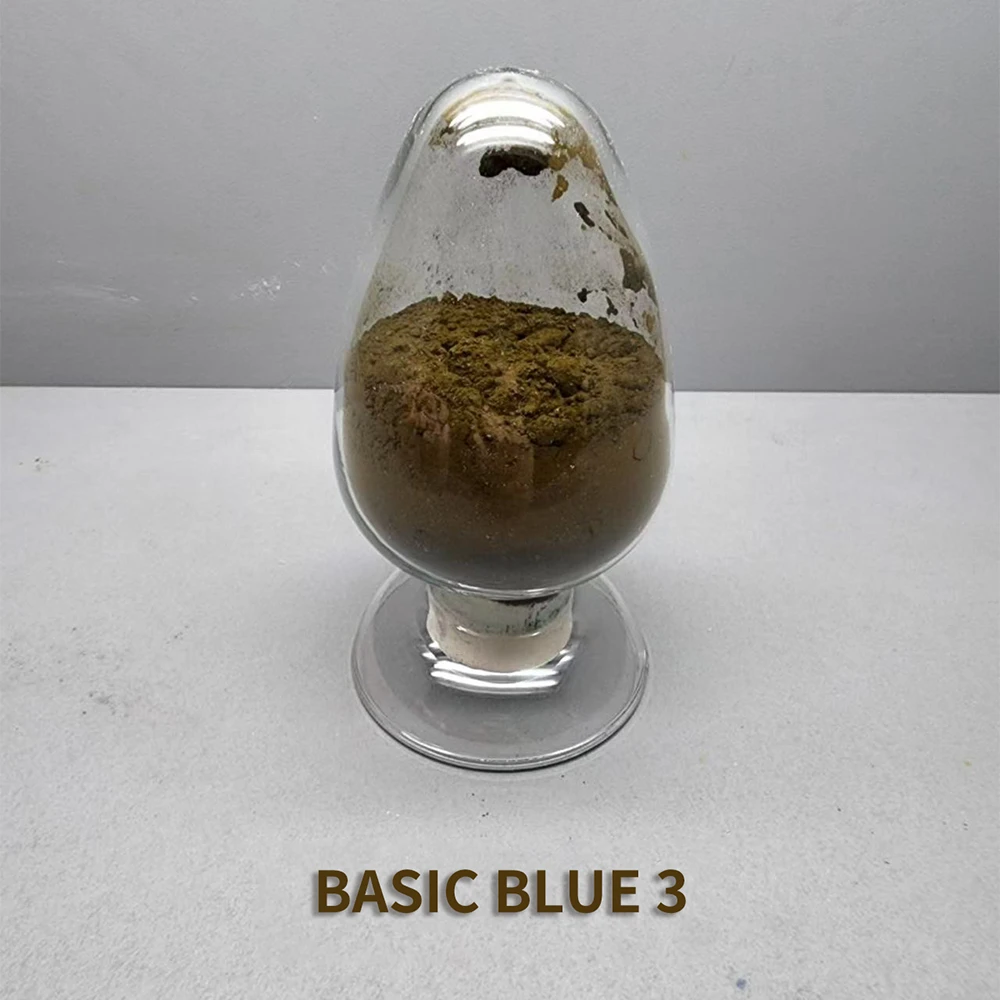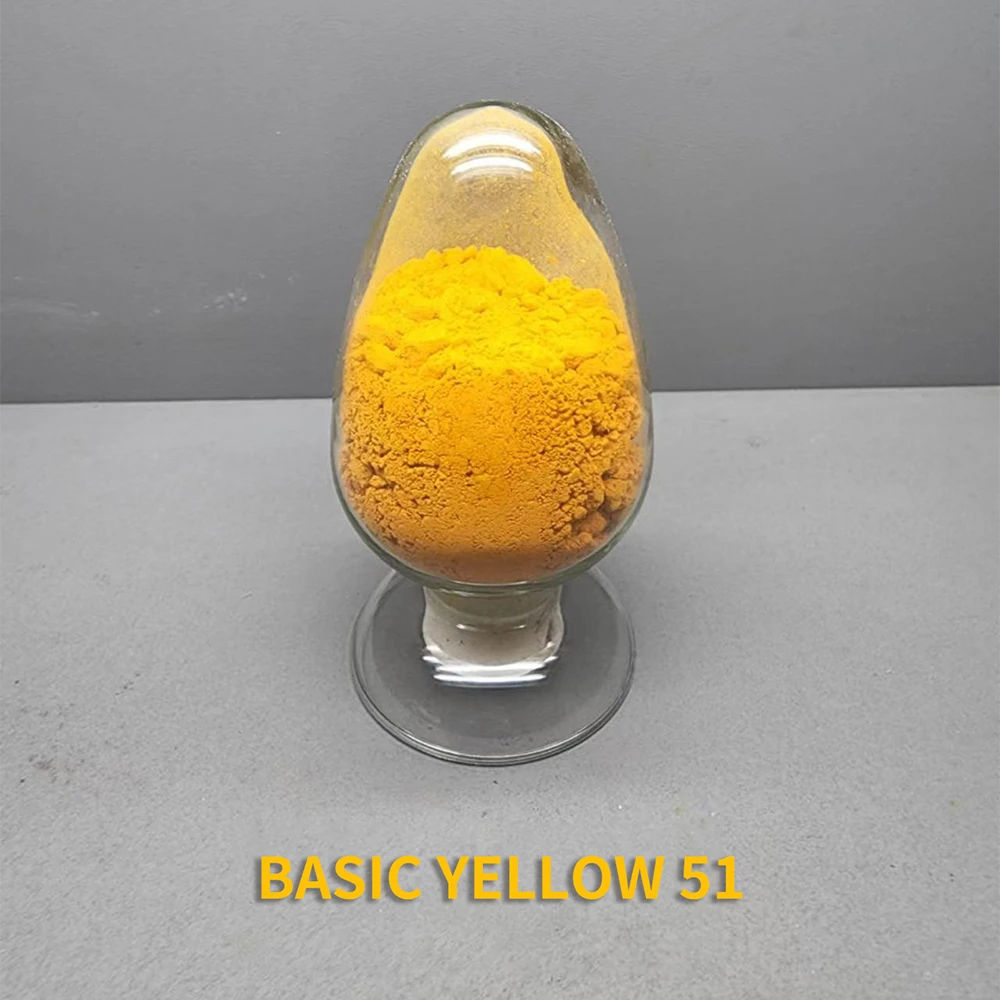
Dark Grey Fabric Dye | Sustainable Textile Coloring Solutions
Dark Grey Fabric Dye: Why It Matters and What You Should Know
Dark grey fabric dye might sound like just another color product in the textile world, but it plays a quietly crucial role globally—from fashion runways to industrial uniforms. Understanding it inside and out can open doors to better sustainability, cost savings, and even social impact. Whether you're a manufacturer, designer, or buyer, knowing the ins and outs of this pigment is more relevant today than ever.
Introduction: A Global Palette with Real-World Impacts
Industries worldwide consume millions of tons of dyes annually, with darker shades gaining popularity for their versatility and practicality. Dark grey fabric dye, in particular, is pivotal in sectors spanning apparel, automotive textiles, and technical gear. According to a 2023 report by the International Dye Federation, grey hues represent a 22% share in global dye usage—a number that’s been creeping upward steadily due to both fashion trends and functional reasons.
But it’s not just about aesthetics. The dyeing industry struggles with environmental footprints and supply chain challenges, especially when it comes to darker pigments that often require chemical-intensive processes. Dark grey dyes offer a middle ground—strategic in color depth and easier to produce sustainably compared to pure blacks. This can reduce waste, water consumption, and chemical loads.
Hence the question: How do manufacturers balance quality, environmental concerns, and affordability when it comes to dark grey fabric dye?
What Exactly Is Dark Grey Fabric Dye?
Simply put, dark grey fabric dye is a pigment or mixture of pigments used to impart a deep grey shade to textiles. Unlike simple black dyes that can be harsh or overly saturated, dark grey offers subtlety and practicality—think utility uniforms, modern athleisure, or upholstery that hides stains well.
These dyes can be synthetic or plant-based, with modern industry mostly leaning on reactive and vat dye formulations that promise excellent colorfastness and durability. They meet modern demands for both quality and environmental compliance, especially in textile-heavy nations like India, China, and Bangladesh.
Interestingly, dark grey fabrics also have benefits beyond factory floors: in humanitarian aid, durable grey textiles are preferred because they minimize visible dirt and extend garment lifespans—critical factors in crisis zones.
Core Components & Key Properties of Dark Grey Fabric Dye
Durability & Colorfastness
One of the biggest considerations is how well the dye holds up under washing, sunlight, and abrasion. A good dark grey fabric dye should resist fading and bleeding, preserving uniformity over time. Vat and reactive dyes generally lead this charge, offering long-lasting vibrancy.
Cost Efficiency
With global textile production being so price-sensitive, cost efficiency is critical. Dark grey shades often require fewer pigments than true blacks or vivid colors, cutting both dye volume and process complexity, thus lowering costs.
Environmental Sustainability
Modern users demand cleaner processes. Many dark grey dyes now come with OEKO-TEX or GOTS certifications, meaning they contain fewer harmful chemicals. Using such eco-conscious dyes helps brands meet increasingly strict regulations worldwide.
Scalability & Availability
Another practical aspect: manufacturers want dyes available in both small batches (for designers or small brands) and industrial volumes (for mass production). Dark grey fabrics have the advantage of broad availability, often in well-established supply chains.
Compatibility with Various Fabrics
Whether it's cotton, polyester, or wool, the ideal dark grey dye should be versatile. Some formulations excel on natural fibers, while others are optimized for synthetics. This flexibility enables designers and producers to meet diverse consumer needs without juggling multiple suppliers.
Global Applications & Use Cases
- Workwear & Uniforms: In industries from construction to hospitality, dark grey uniforms are prized for professionalism and stain concealment.
- Fashion & Athleisure: The color’s understated vibe fits well with the current minimalist trend, making it a staple in casual and high-tech wearable lines.
- Automotive Textiles: Seating and interior fabrics use grey dyes for durability and style.
- Humanitarian Aid: Durable fabric dyed in dark grey is often preferred by NGOs because it’s practical in rugged field conditions and easier to clean—important for refugee camps or disaster relief.
- Home Textiles: Furniture, curtains, and linens benefit from the neutral yet functional dark grey shade.
Oddly enough, in remote industrial zones where supply chains can be disrupted, dark grey fabric dye remains a reliable constant because it’s generally easier to source than more complex colors.
Advantages & Long-Term Value of Dark Grey Fabric Dye
- Cost Savings: Lower pigment requirements reduce raw material costs.
- Environmental Benefit: Less chemical input and water usage make sustainable dyeing easier.
- Durability: Long-lasting color reduces textile waste and replacement frequency.
- Social Impact: Practical colors support dignity and safety in uniforms, especially when used in humanitarian contexts.
- Consumer Appeal: Neutral grey appeals to broad audiences and pairs easily with other design elements.
Future Trends & Innovations Shaping Dark Grey Fabric Dye
The industry is abuzz with greener chemistry and digital color solutions. Nanotechnology-based dyes promise sharper hues with less environmental burden. Automation in dyeing plants improves precision and consistency—no more uneven grey blotches! Furthermore, bio-based dyes derived from algae or fungi are edging into the mainstream, offering sustainable dark grey options that feel less “chemical.”
Regulatory pressures from bodies like the ISO are pushing manufacturers toward certifications related to both environmental footprint and worker safety. Factories that embrace digital color measurement and closed-loop water systems can not only boast cleaner production but also satisfy discerning international buyers.
Challenges & Expert Solutions
Of course, no dye is perfect. Challenges include:
- Fading under harsh sunlight: Some dark grey pigments degrade faster outdoors.
- Color inconsistency: Variable fabric types and batches can yield uneven shades.
- Environmental impurities: Non-certified dyes risk toxicity and wastewater pollution.
To mitigate these, many suppliers offer customized blends tailored to fabric and end-use. Advanced testing tools help predict dye performance before full-scale production. Plus, partnerships between textile mills and chemical companies foster innovation in non-toxic, weather-resistant pigments.
Product Specification Table: Typical Dark Grey Fabric Dye Characteristics
| Property | Specification |
|---|---|
| Color Shade | Dark Grey (Pantone 433 C approx.) |
| Dye Type | Reactive / Vat / Sulfur |
| Applicability | Cotton, Polyester, Wool blends |
| Colorfastness to Washing | Grade 4–5 (ISO 105-C06) |
| Odor | Low/none post finishing |
| Environmental Certification | OEKO-TEX Standard 100 / GOTS (optional) |
Vendor Comparison: Leading Dark Grey Fabric Dye Suppliers
| Supplier | Dye Type | Sustainability Certifications | MOQ | Lead Time | Notes |
|---|---|---|---|---|---|
| YanHong Chemical | Reactive & Vat | OEKO-TEX, ISO 14001 | 10 kg | 3–5 weeks | Flexible batch sizes, global shipping |
| ColorFast Inc. | Sulfur | OEKO-TEX Standard 100 | 25 kg | 4–6 weeks | Known for consistent quality |
| EcoDyes Ltd. | Bio-based | GOTS Certified | 5 kg | 6–8 weeks | Leading innovator in sustainable dyes |
FAQs About Dark Grey Fabric Dye
1. How durable is dark grey fabric dye compared to black dye?
Dark grey fabric dye generally offers comparable durability to black, especially when using reactive or vat dyes. Some find that dark grey fades less noticeably because minor changes aren’t as stark as with black. Proper finishing can ensure retention for over 30 wash cycles depending on fabric quality.
2. Can dark grey fabric dye be used on synthetic materials?
Absolutely. There are specific formulations designed for synthetics like polyester and nylon. Reactive dyes tend to work best on natural fibers, while disperse dyes are better suited for synthetics. Many suppliers provide blended solutions for mixed fibers.
3. Is dark grey fabric dye environmentally friendly?
This depends on the formulation and dyeing process. Many manufacturers now offer eco-certified dark grey dyes with reduced chemical usage, low water consumption, and minimized emissions. Always look for OEKO-TEX, GOTS, or ISO certificates for assurance.
4. How long does it take to get dark grey fabric dye from a supplier?
Lead times vary but typically range from 3 to 8 weeks depending on batch size and certification complexity. Smaller orders may ship sooner, which is useful for designers and small businesses.
5. Can I get customized shades of dark grey fabric dye?
Yes, many suppliers offer customization to match specific Pantone shades or fabric types. Custom orders may require minimum quantities and longer lead times but allow excellent color precision.
Conclusion: The Subtle Power of Dark Grey Fabric Dye
When you think about it, dark grey fabric dye quietly stitches together function, sustainability, and style on a massive scale. Its balance of durability, cost-effectiveness, and eco-friendliness makes it invaluable across industries and geographies. For anyone looking to make smarter textile choices—whether in a fashion line, industrial order, or humanitarian aid project—dark grey fabric dye offers a reliable, adaptable color anchor.
To explore high-quality dark grey fabric dye options and learn more about sustainable dyeing solutions, visit our site: dark grey fabric dye.
-
Leading Fabric Dye Companies: Insights and ComparisonsNewsDec. 03, 2025
-
Factors Affecting The Coloring Of Cationic DyesNewsAug. 05, 2025
-
Jacquard Basic Dye: Durable, Vibrant Textile Solutions from Yanhong ChemicalsNewsDec. 03, 2025
-
Comprehensive Guide to CI Basic Violet 3 – Uses, Properties & Industry InsightsNewsDec. 03, 2025
-
Explore Cationic Dyes Names: Chemistry, Applications & Global InsightsNewsDec. 03, 2025
-
Neon Fabric Dye: Industrial-Grade Bright Textile Solutions | YanhongNewsDec. 09, 2025