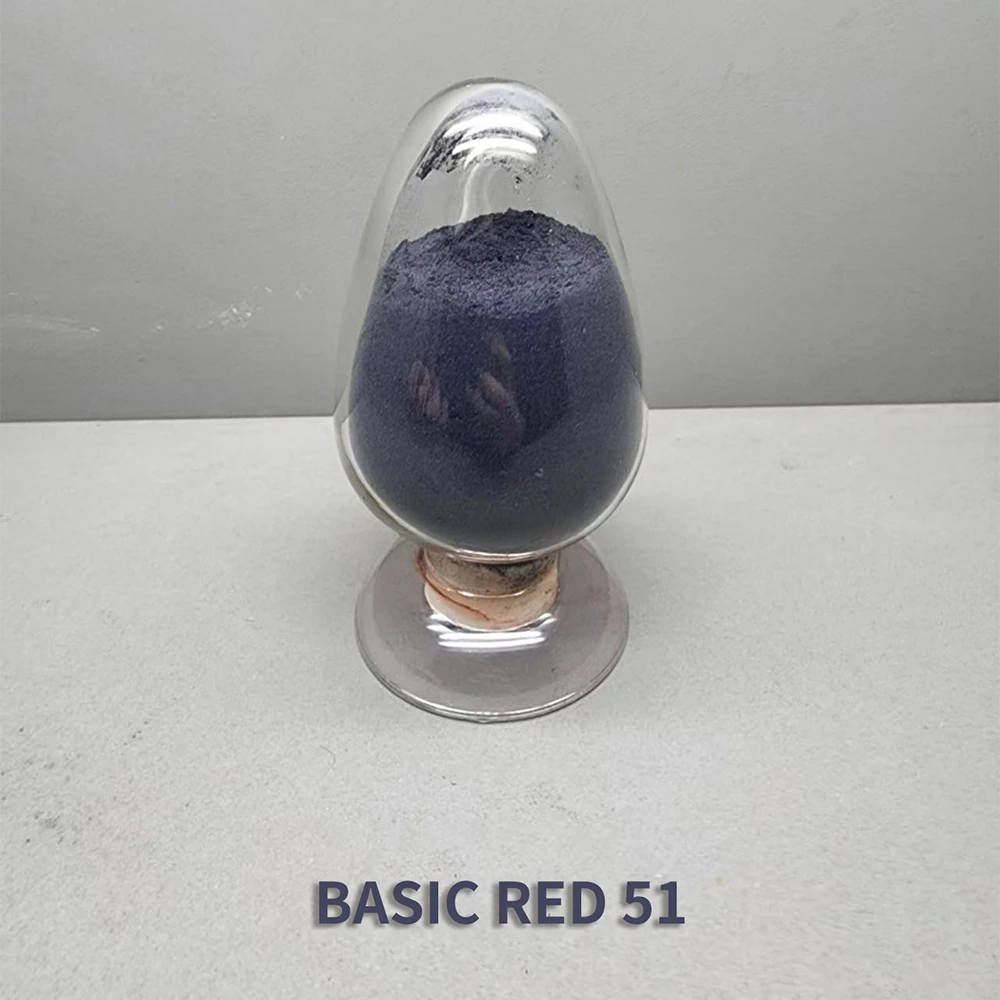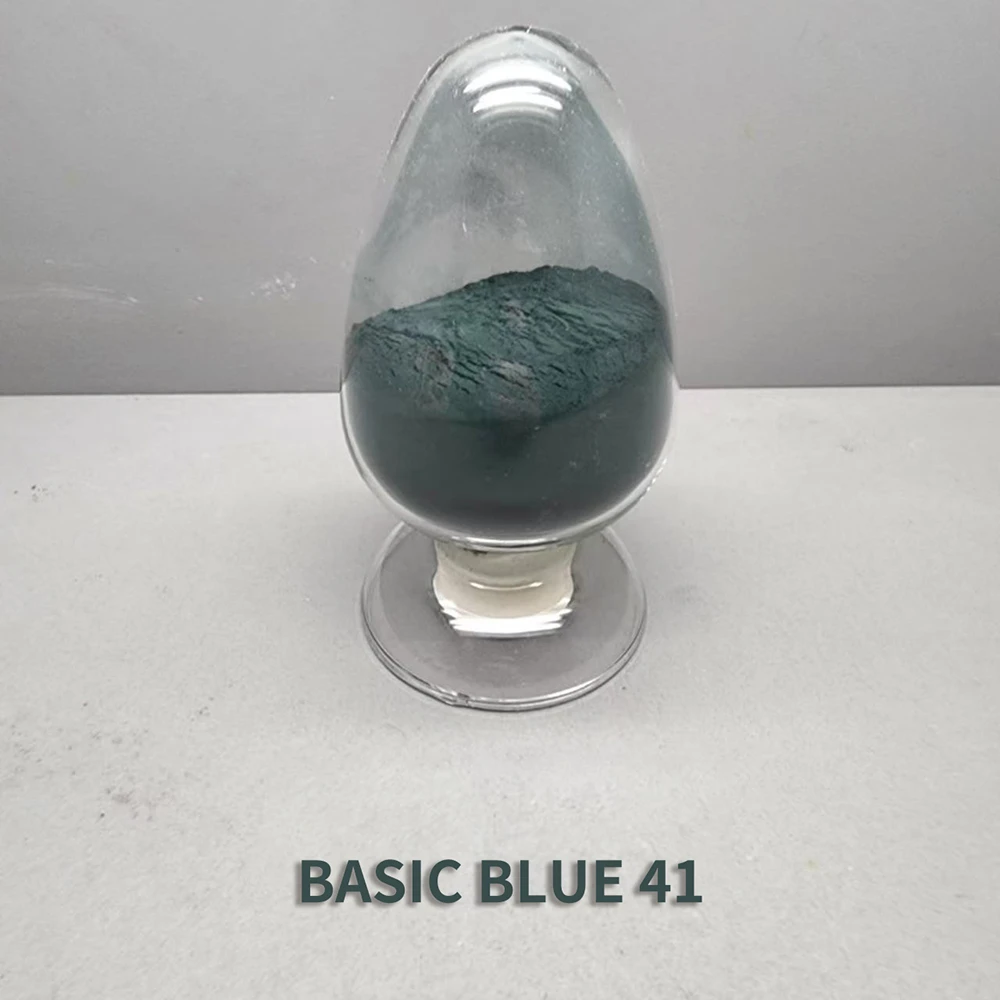
Comprehensive Guide to Dyes & Intermediates | Industry Insights & Innovations
Why Understanding Dyes & Intermediates Matters Globally
When you think about colors—those vibrant shades on your clothes, upholstery, or even your smartphone screens—you’re actually touching a fascinating chemical story. At the heart of this tale lie dyes & intermediates, key chemical substances responsible for adding life and vividness to countless materials worldwide.
Why should we care beyond the pretty colors? Because these substances are critical for global industries like textiles, plastics, cosmetics, and even food packaging. The nuance and innovation involved here affect not just aesthetics but also sustainability, manufacturing efficiency, and economic development on a massive scale. In a world where supply chains intertwine and environmental pressures mount, understanding dyes and their intermediates sheds light on how products reach us, their safety, and their ecological footprints.
Mini takeaway: Dyes & intermediates are unsung heroes in industrial chemistry, influencing everything from fashion to environmental impact.
Setting the Stage: The Global Context of Dyes & Intermediates
Globally, the dyes and intermediates market has been growing steadily, with estimates from the United Nations Industrial Development Organization (UNIDO) noting annual industry worth around $20 billion. Asia-Pacific dominates production—roughly 70%—thanks mainly to China and India, powering textiles and plastics across the world.
However, this dominance comes with a challenge: significant environmental pollution risks from manufacturing waste. According to the World Bank, untreated discharge of dye effluents contributes to 17–20% of industrial pollution in water bodies globally. So we’re caught between booming markets and the urgent need for sustainable production—a perfect case study for balancing industrial growth with ecological and social responsibility.
Mini takeaway: Though vast and valuable, the dyes & intermediates sector must overcome pollution challenges to thrive sustainably.
What Exactly Are Dyes & Intermediates?
Simply put, dyes are chemical compounds that impart color by absorbing and reflecting particular wavelengths of light. Intermediates are the building blocks—chemical precursors turned into dyes through various reactions and processes. Think of intermediates as the lego pieces; dyes are the finished model you admire.
Their uses aren't just for aesthetics. Beyond textiles, they appear in inks, plastics, cosmetics, and pharmaceuticals. These compounds are central to modern industry but also influence humanitarian efforts—for example, in producing color fast and durable materials for emergency shelters or protective clothing.
Mini takeaway: Dyes & intermediates combine chemistry and creativity, with applications spanning industry and human needs alike.
Core Components Impacting Dyes & Intermediates
1. Durability and Color Fastness
The dye’s ability to keep its hue over time is called color fastness. For products exposed to sunlight, washing, or chemicals, this durability is critical. Without it, your vibrant red dress fades into a sorry pink.
2. Scalability of Production
It’s one thing to produce dyes on a lab scale and quite another to manufacture tons while maintaining quality and minimizing costs. Efficient, scalable processes mean these dyes can reach millions of consumers affordably.
3. Toxicity & Environmental Impact
Some traditional dye intermediates contain heavy metals or azo compounds harmful to ecosystems and humans. Today’s research pushes toward safer alternatives with less bioaccumulation and enhanced biodegradability.
4. Cost Efficiency
In highly competitive markets like fast fashion, raw material costs directly influence pricing. Innovating cheaper but reliable intermediates without sacrificing quality remains a core industry pursuit.
5. Compatibility With Varied Substrates
Different materials—from natural fibers like cotton to synthetic polymers—require specially formulated dyes. This versatility is vital for broad industrial usability.
Mini takeaway: The ideal dyes & intermediates blend durability, scalability, safety, affordability, and material compatibility.
Real-World Uses of Dyes & Intermediates Around the Globe
In textile hubs like Bangladesh and Turkey, dyes color garments that skirt store shelves worldwide. Elsewhere, cosmetic manufacturers in Europe rely on intermediates to create safe, hypoallergenic colorants. Even food packaging suppliers require special dyes to meet strict regulatory guidelines, particularly in North America and the EU. Oddly enough, remote industrial zones benefit, too—fast-drying, weatherproof dyes keep machinery parts corrosion-protected under challenging conditions.
Humanitarian operations also leverage durable dyed materials—consider post-disaster shelters with UV-resistant fabrics ensuring longer functionality amid harsh climates. The interplay is fascinating: a single chemical innovation can ripple through multiple sectors.
Mini takeaway: Dyes & intermediates shape industries as diverse as fashion, food safety, cosmetics, and disaster relief worldwide.
Advantages & Long-Term Value of Investing in High-Quality Dyes & Intermediates
- Cost Savings: Long-lasting dyes reduce repeat purchases and waste.
- Sustainability: Environmentally friendlier intermediates reduce water pollution risk and align with global climate goals.
- Social Impact: Safer production conditions protect workers and consumers alike.
- Reliability: Consistent quality boosts brand trust in competitive markets.
- Innovation: Cutting-edge formulas allow the creation of new colors and textures.
Mini takeaway: Choosing the right dyes & intermediates isn’t just a chemical decision; it’s an investment in sustainability and social responsibility.
Emerging Trends & Innovations in Dyes & Intermediates
A wave of green chemistry breakthroughs now aims to replace hazardous components with bio-based intermediates derived from renewable resources—algae or agricultural waste, for example. Digital printing technologies reduce dye waste dramatically compared with classic methods. Automation and AI-driven quality control tighten production tolerances, improving consistency and efficiency.
Policies tightened by the International Organization for Standardization (ISO) and sustainable development goals (SDGs) push companies toward transparent sourcing and lifecycle assessments—two concepts now non-negotiable for top producers.
Mini takeaway: Future dyes & intermediates are greener, smarter, and more precisely tailored to industry needs.
The Main Challenges and How Industry Innovators Are Overcoming Them
Despite progress, environmental contamination still shadows the industry. Wastewater treatment remains a costly hurdle for many producers. Some intermediates generate hazardous byproducts; disposal demands expensive procedures.
The silver lining? A surge in catalytic processes and closed-loop manufacturing helps minimize emissions. Collaborative efforts—between governments, corporations, and NGOs—speed the deployment of cleaner technologies, particularly in emerging economies.
Mini takeaway: Challenges persist, but innovative solutions and global cooperation brighten the path forward.
Specifications for a Typical Synthetic Dye Intermediates Product
| Specification | Parameter | Value |
|---|---|---|
| Purity | HPLC Analysis | ≥ 98% |
| Appearance | Physical State | Crystalline Powder |
| Color | Visual | Off-white to Light Yellow |
| Moisture Content | Karl Fischer | ≤ 0.5% |
| Bulk Density | g/cm3 | 0.6 - 0.8 |
| Solubility | In Water | Sparingly soluble |
Vendor Comparison: Leading Suppliers of Dyes & Intermediates
| Vendor | Product Range | Sustainability Initiatives | Global Reach |
|---|---|---|---|
| Yanhong Chemical | Wide variety of azo and reactive dyes and intermediates | ISO 14001 certified, water treatment tech | Asia, Europe, Americas |
| Ciba Specialty Chemicals | High-performance dispersions, pigments | Green manufacturing processes | Worldwide |
| Huntsman Corp | Broad portfolio, speciality dyes | Renewable feedstocks usage | Global, including emerging markets |
FAQs About Dyes & Intermediates
- Q1: How do environmental standards affect the dyes & intermediates industry?
-
Increasingly stringent environmental regulations push manufacturers to develop greener alternatives and invest in waste treatment technologies. These standards drive innovation but can increase costs in the short term.
- Q2: What differentiates azo dyes from other dye classes?
-
Azo dyes contain nitrogen-nitrogen double bonds and are the most common synthetic dyes due to their bright colors and versatility. However, some azo compounds can be toxic, requiring careful handling and safer design.
- Q3: Can dyes & intermediates be customized for specific industrial needs?
-
Absolutely. Many suppliers offer customization services, tailoring colorfastness, solubility, or compatibility to client material requirements, enhancing product performance and longevity.
- Q4: How can companies ensure sustainable sourcing of dye intermediates?
-
Partnering with certified vendors, implementing supply chain audits, and adopting lifecycle assessment frameworks are common approaches to confirm sustainable and ethical sourcing.
- Q5: Are bio-based dyes commercially viable yet?
-
While bio-based dyes show promise and niche use, challenges remain around scalability, color range, and cost-effectiveness compared to synthetic dyes, though this gap continues to close.
In Conclusion: The Lasting Impact of Dyes & Intermediates
Navigating the colorful world of dyes & intermediates introduces you to a realm where chemistry meets culture, economy, and sustainability. Their significance for industries, communities, and the environment is enormous, shaping what we wear, how we manufacture, and even how we heal. The ongoing shift toward greener, smarter solutions is inspiring—as much a story of innovation as one of responsibility.
Interested in learning more or sourcing top-quality dyes and intermediates for your business? Visit https://www.yanhongchem.com and explore the possibilities.
References
-
Fabric Dye Company: Durable, Sustainable Solutions for B2B Textile NeedsNewsDec. 03, 2025
-
Reliable Powdered Fabric Dye for Industrial Textile ApplicationsNewsJan. 04, 2026
-
Reliable Fabric Color Dye Insights for Industrial ApplicationsNewsDec. 07, 2025
-
Mauve Fabric Dye: Durable, Sustainable Textile Solutions | YanhongchemNewsJan. 04, 2026
-
Exploring the World of Synthetic Dyes Applications and Industrial SourcingNewsMar. 09, 2026
-
Light Blue Fabric Dye: Industrial Guide & Vendor InsightsNewsDec. 12, 2025