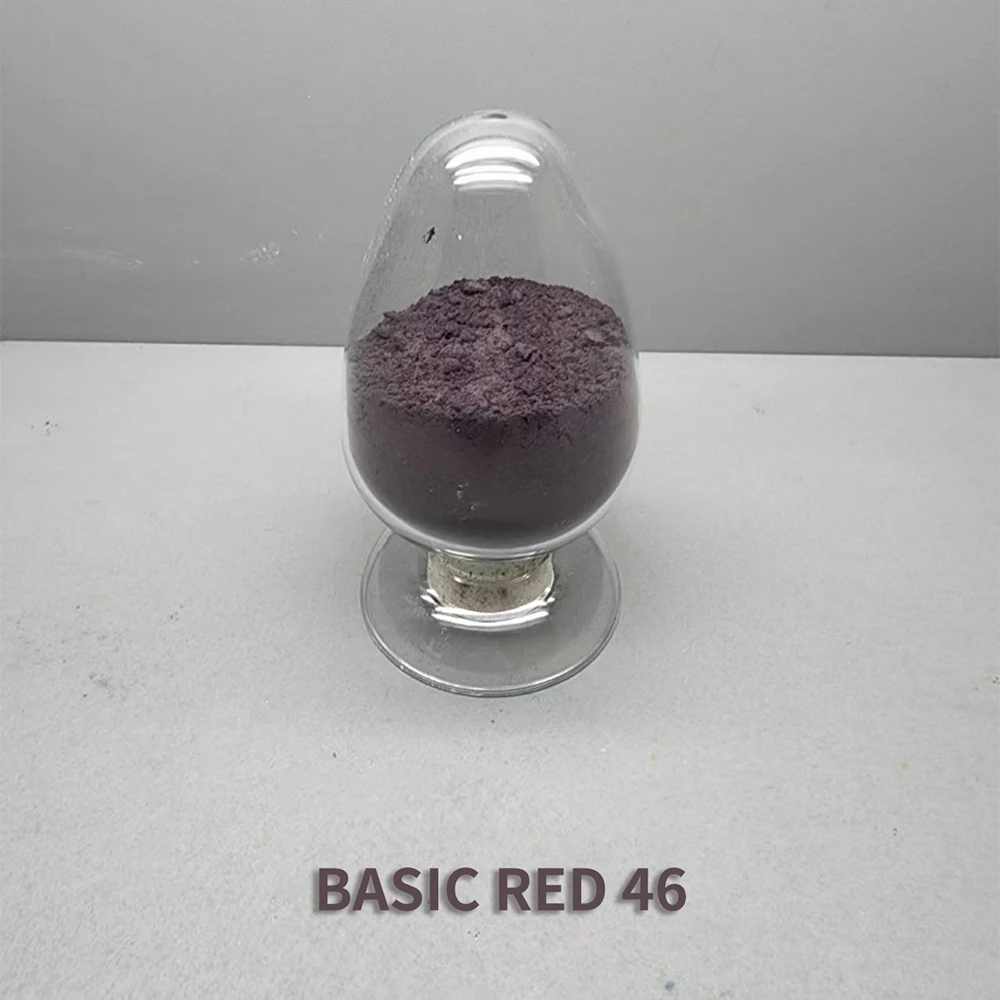
Comprehensive Guide to Basic Red 46 – Properties, Uses & Suppliers
Why Basic Red 46 Matters Globally: A Quick Overview
If you’ve ever wondered about the vibrant reds in textile dyes, inks, or even some cosmetic products, chances are basic red 46 is somewhere in the mix. This synthetic dye, part of the basic dye family, has traveled well beyond labs and factories to become a cornerstone in various industries worldwide. It’s not just about color—it’s about durability, safety, and versatility all rolled into one chemical compound.
Globally, understanding this dye is crucial because it's extensively used in manufacturing sectors that influence billions of lives, from clothing to packaging. Knowing its properties and applications helps businesses ensure quality, embrace sustainability, and meet regulatory standards. So, it’s more than just a pigment—it’s a quiet workhorse in manufacturing chains everywhere.
The Global Context of Basic Red 46 — Why Should We Care?
According to industry reports sourced from organizations like the International Dyestuff Manufacturers Association (IDMA) and regulatory bodies such as ISO, the global market for basic dyes had been steadily growing at roughly 4.5% annually as of the last few years. What drives this demand? Global textile production hubs in Asia, emerging markets in Africa, and the steady evolution of printing technologies have created an ever-growing need for reliable, vibrant dyes like basic red 46.
Yet, there’s a challenge: environmental and health concerns have made sustainable dye production an international priority (UNEP has flagged certain azo dyes for monitoring). Basic red 46, with its relatively stable molecular structure, plays a role in addressing these concerns since it can be engineered for better biodegradability and lower toxicity than many older dyes.
Mini takeaway: Basic red 46 isn't just a colorant; it’s part of a global conversation on sustainability in manufacturing.
What Exactly Is Basic Red 46?
In plain terms, basic red 46 is a type of cationic dye, typically a synthetic organic compound characterized by positive charges that make it attractable to negatively charged materials like cellulose fibers or acrylics. Unlike natural dyes that date back centuries, basic red 46 is a modern invention tailored to deliver bright, fade-resistant color.
You’ll find it predominantly in textiles (particularly acrylic fibers), paper products, and even some biological staining processes because it’s excellent at binding to certain substrates. Its design reflects a balance between color strength, water solubility, and safety — which is why it’s favored in many industrial and humanitarian settings alike.
Core Attributes of Basic Red 46 in Practice
1. Color Fastness and Durability
Basic red 46 is prized for its resistance to washing and light, making it especially valuable for everyday wear and industrial fabrics. Many engineers I’ve spoken to cite its dependable longevity as a key selling point—no one wants a piece of clothing that looks great one day and fades the next.
2. Compatibility with Multiple Fibers
Whether it’s acrylic, wool, or polyester blends, basic red 46’s cationic nature means it adheres well to a variety of fibers without needing harsh mordants or fixatives. This flexibility streamlines production lines, saving time and resources.
3. Cost Efficiency
Compared to some specialized dyes, it’s economically attractive for large-scale manufacturers. The dye is relatively cheap to produce and easy to handle in liquid or powder form, leading to fewer waste streams during the dyeing process.
4. Environmental Considerations
While dyes traditionally posed ecological risks, modern variations of basic red 46 are designed for improved biodegradability and lower toxicity. This means it fits better into stricter environmental regulations, especially in export markets with tight chemical controls (think EU REACH compliance).
| Parameter | Value | Notes |
|---|---|---|
| Molecular Formula | C20H20ClN3 | Basic cationic dye |
| Melting Point | 185-190 °C | Stable under heat |
| Solubility | Water soluble | Dyeing via aqueous solutions |
| Color Shade | Bright red | High brightness intensity |
| Toxicity | Low (when properly handled) | Requires handling precautions |
Where and How Is Basic Red 46 Used Globally?
From the neon signage in Seoul to the acrylic sweaters in Milan, basic red 46 finds diverse applications worldwide. In textile manufacturing centers in China and India, it’s a trusted component for producing vibrant clothing at scale. Interestingly, some humanitarian agencies rely on color-coded fabrics dyed with this chemical to label emergency kits and clothing swiftly during disaster responses — that color consistency helps in chaotic environments.
Industrial printing companies in North America use basic red 46 in ink formulations when brightness and durability are essential. Oddly enough, even in forensic labs, the dye sometimes doubles as a biological stain, underscoring its varied utility.
Mini takeaway: Basic red 46 isn’t just a dye; it’s woven into industries and communities around the world.
What Makes Basic Red 46 a Valuable Asset Over Time?
When you invest in products colored with basic red 46, durability saves money and hassle. Faster fading means premature disposal — worse for wallets and planet alike. Plus, the trustworthiness of color tone means companies can confidently brand their wares.
Emotionally, people just prefer vibrant, long-lasting colors. It’s oddly satisfying to put on an acrylic sweater that feels fresh years after buying it. This impacts consumer loyalty and, at a higher level, promotes sustainable consumption cycles.
Emerging Trends in Basic Red 46 and Dye Technologies
The dye industry is quietly buzzing toward greener chemistry. Nanotechnology and enzyme-assisted dyeing techniques are starting to reshape how dyes like basic red 46 interact with fibers. This promises even less water usage and reduced chemical waste.
Digital textile printing is another trend affecting basic red 46’s applications. As this technology matures, precise dosing of dyes becomes possible, reducing excess and enabling on-demand small production runs. The dye itself is adapting to be more compatible with these innovative methods.
Common Hurdles & Smart Solutions
Of course, not every use case is perfect — one challenge is that basic red 46 sometimes struggles with deeply hydrophobic materials, limiting its scope. Some manufacturers combat this by combining it with other dye classes or applying special fiber treatments.
Also, handling and disposal must be carefully managed to prevent environmental contamination. Innovations like closed-loop water systems and advanced filtration mitigate these issues quite effectively.
| Company | Purity (%) | Price (USD/kg) | Sustainability Certification | Lead Time (days) |
|---|---|---|---|---|
| Yanhong Chemical | 98% | 12.50 | ISO 14001 | 5–7 |
| DyeWorks Inc. | 95% | 11.80 | None | 10–14 |
| Global Dyes Ltd. | 97% | 13.00 | OEKO-TEX Certified | 7–9 |
FAQ: Frequently Asked Questions About Basic Red 46
Q1: What industries primarily use basic red 46?
A1: Basic red 46 is widely used in textile manufacturing, especially for acrylic fibers, paper and ink production, and sometimes in biological staining. Its bright color and durability make it a favorite in fashion and industrial printing sectors.
Q2: Is basic red 46 environmentally safe?
A2: While traditional dye production involves environmental risks, modern formulations of basic red 46 are designed for improved biodegradability and lower toxicity. Still, proper handling and wastewater treatment are essential to minimize ecological impact.
Q3: Can basic red 46 be used with natural fibers?
A3: Basic red 46 adheres best to acrylic and certain synthetic fibers due to its cationic nature. It has limited affinity for natural fibers like cotton unless treated or blended with other dye types.
Q4: How quickly can I get basic red 46 shipped for manufacturing?
A4: Shipping times vary but typically range from 5 to 14 days depending on the supplier and location. Companies like Yanhong Chemical offer lead times of about a week to meet urgent production needs.
Q5: Are there any health concerns with using or handling basic red 46?
A5: When handled correctly within safety guidelines, basic red 46 poses low health risks. However, direct skin or eye contact should be avoided, and adequate protective equipment is recommended during industrial application.
Wrapping It Up — Why Basic Red 46 Continues to Shine
Summing up, basic red 46 might seem like just another chemical on a label, but it’s really a key player in making vibrant, durable, and relatively eco-friendly coloring possible across many industries. For businesses chasing quality and compliance — not to mention consumers who want their products to last — understanding and choosing the right dye matters a lot.
Curious to learn more or source high-quality basic red 46? Visit us at https://www.yanhongchem.com for in-depth info and trusted products.
References
-
Durable Car Fabric Dye Solutions for Automotive Industry | YanhongchemNewsJan. 04, 2026
-
Exploring the World of Space Dye Fabric A Comprehensive GuideNewsMar. 04, 2026
-
Dark Blue Fabric Dye | Expert Guide & Vendor ComparisonNewsDec. 11, 2025
-
Professional Fabric Dye for Industrial Use - Yanhong ChemNewsDec. 31, 2025
-
Hot Pink Fabric Dye: Vibrancy and Performance for Industrial TextilesNewsDec. 08, 2025
-
Achieving the Perfect Pastel Shade with Light Pink Dye for ClothesNewsApr. 04, 2026