Comprehensive Guide on What Basic Fuchsin Stain Is Used For | Yanhong Chemicals
Understanding What Basic Fuchsin Stain Is Used For and Why It Matters
Basic fuchsin stain, a vibrant magenta dye, may sound niche, but its utility spans far beyond what you’d expect. From microbiology labs to textile industries, it plays a pivotal role in identifying bacteria, diagnosing diseases, and even quality-controlling manufactured goods worldwide. Understanding what basic fuchsin stain is used for isn’t just a nerdy sideline — it’s a key insight for anyone interested in practical science or industrial production.
Globally, the demand for reliable staining agents like basic fuchsin relates directly to advances in healthcare diagnostics, environmental monitoring, and manufacturing standardization. This article will unpack the uses, meanings, and evolving applications of this classic stain — yes, even in an age of fluorescent labels and digital imaging.
Global Context: Why Basic Fuchsin Stain Still Holds Relevance
According to World Health Organization data, nearly 300 million laboratory tests worldwide each year rely on simple, affordable staining techniques — and basic fuchsin features prominently in these routines. In low-resource settings where advanced molecular diagnostics remain costly or unavailable, the stain's efficacy and affordability become lifesavers.
Moreover, industries like textiles, paper manufacturing, and chemical analysis use basic fuchsin stain as an essential quality control measure. The challenge? Finding robust, sensitive staining agents that work consistently under varied conditions, from remote field labs to large-scale production floors. Basic fuchsin answers this challenge with a combination of durability, high affinity for cellular components, and ease of use.
Defining Basic Fuchsin Stain: What It Really Is and How It Works
At its core, basic fuchsin is a synthetic dye of the triphenylmethane class. Chemically, it’s a mix of rosaniline and pararosaniline compounds that bind to acidic components in cells — think nucleic acids, bacterial cell walls, or fibers. When applied, it imparts a distinct reddish-magenta color that helps differentiate structures under the microscope or spots impurities during production.
Its connection to modern industry and humanitarian efforts is surprisingly broad. In pathology, it’s often a vital ingredient in Ziehl-Neelsen staining used to detect tuberculosis-causing mycobacteria. In environmental science, it helps identify microorganisms influencing water quality. And oddly enough, textile firms value it for its specificity in dye testing, ensuring consistent coloration outcomes.
Mini Takeaway:
- Basic fuchsin stain is a versatile, synthetic dye used for identifying biological and industrial substances.
- Its affordability and strong binding properties maintain its global relevance despite newer alternatives.
Core Characteristics That Make Basic Fuchsin Effective
1. High Affinity for Cellular and Fabric Components
One reason basic fuchsin stain is favored is its excellent ability to cling to negatively charged molecules in bacterial walls, DNA, and tissue structures. This results in sharp contrast and easy visualization.
2. Cost Efficiency
Compared to fluorescent stains or immunohistochemical dyes, basic fuchsin is cheap to produce and stable for long storage, which is crucial in resource-scarce settings.
3. Durability Under Varied Conditions
It withstands heat and chemical processing, which makes it suitable for protocols like acid-fast staining without fading or losing clarity.
4. Versatility Across Industries
Whether in medical labs, water testing, textile dye analysis, or even forensic science, the stain maintains clarity and precision, making it an all-rounder.
5. Ease of Use and Rapid Results
Its staining protocols are straightforward and fast, allowing technicians to get quick diagnostic or quality control feedback.
Mini Takeaway:
- Basic fuchsin’s strong binding, stability, and affordability drive its persistent adoption.
- Its ease of use makes it a staple in many kinds of applied science.
Global Applications & Use Cases
In practical terms, basic fuchsin stain pops up in diverse but vital roles globally:
- Medical Diagnostics: In tuberculosis detection, Ziehl-Neelsen staining with basic fuchsin is still the gold standard in many parts of Africa and Asia, where lab infrastructure is limited.
- Textile Industry: Fabric manufacturers worldwide use it to test dye consistency and detect unwanted fiber residues, particularly in India and China’s garment hubs.
- Water Quality Monitoring: Environmental agencies in Europe and North America apply basic fuchsin in microbial water testing, ensuring ecosystems are protected.
- Research Laboratories: Universities and research centers use it in various staining protocols to study cell morphology and pathology, underpinning advances in medicine and biology.
Oddly enough, even in some forensic applications, it helps detect latent bloodstains when paired with certain enhancements – quite a versatile little agent.
Mini Takeaway:
- Basic fuchsin’s practical use across continents underlines its critical role in health, environment, and industry.
- Its reliability makes it indispensable in both routine and specialized settings.
Advantages & Long-Term Value of Basic Fuchsin Stain
If you consider why such a stain matters long-term, it’s not just about cost savings (although that’s huge). It’s about the trust professionals place in it day after day — that consistent, bright color that doesn’t let you down, even when working under heat or with toxic samples.
Socially, basic fuchsin stain aids in global health by facilitating timely diagnosis of infectious diseases, contributing to better patient outcomes. Environmentally, its stability reduces waste in testing protocols. Economically, it keeps diagnostic costs low — a boon for developing regions struggling to fund extensive lab networks.
Specifications Snapshot
| Specification | Value |
|---|---|
| Chemical Class | Triphenylmethane Dye |
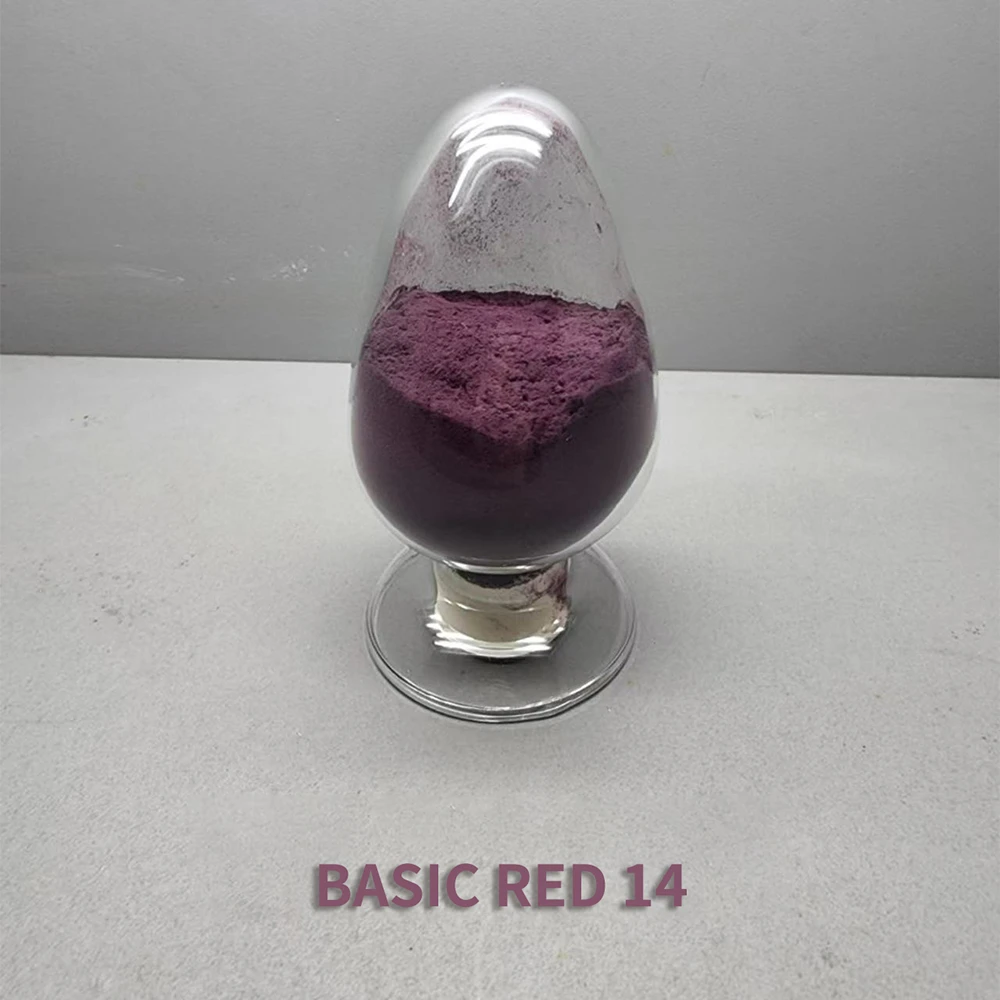
| Color | Bright Magenta |
| Typical Concentration | 0.1-1% w/v aqueous solution |
| Heat Stability | Up to 100°C (during staining) |
| Solubility | Water and alcohol soluble |
Comparing Leading Vendors of Basic Fuchsin Stain
| Vendor | Purity (%) | Packaging | Typical Price (per 100g) | Region Availability |
|---|---|---|---|---|
| Yanhong Chemicals | 99.5 | Aluminum foil bags | $120 | Global (including Asia, Europe) |
| Sigma-Aldrich | 98.0 | Glass bottles | $140 | Global |
| Merck Group | 99.0 | Bulk & small packs | $130 | Europe, Americas |
Future Trends & Innovations in the Use of Basic Fuchsin Stain
One might think dyes like basic fuchsin are stuck in a lab-coated past, but innovation whispers otherwise. Green chemistry initiatives aim to reduce hazardous waste from stains, prompting more eco-friendly synthesis routes. Automation in staining machines is increasing throughput and standardizing results even in busy labs.
Digital imaging and AI-assisted diagnostics now integrate classic stains with advanced analytics, enhancing accuracy in detecting diseases. Moreover, there’s ongoing research into nanoparticle-bound fuchsin derivatives that could boost sensitivity for ultra-precise microbial detection — imagine spotting a tuberculosis bacterium from a single droplet.
Challenges & Practical Solutions
Despite its many perks, basic fuchsin isn’t flawless. It can produce background staining that occasionally confuses beginners, and its toxicity requires careful handling. Supply-chain disruptions, especially amid global crises, can strain availability too.
Experts suggest training personnel rigorously and combining basic fuchsin with complementary stains to offset background noise. Chemists are also tweaking formulations to reduce harmful byproducts. And companies like Yanhong Chemicals invest in robust logistics to solve availability headaches.
FAQ: Frequently Asked Questions About Basic Fuchsin Stain Used For
Q1: What exactly is basic fuchsin stain used for in clinical diagnostics?
A1: It’s primarily used to detect acid-fast bacteria, such as those causing tuberculosis, through Ziehl-Neelsen staining. It colors the mycobacteria magenta, making identification straightforward under microscopes.
Q2: Is basic fuchsin stain safe to handle in laboratories?
A2: While effective, it can be toxic and irritating. Lab users should wear gloves, eye protection, and work in well-ventilated areas to minimize exposure.
Q3: Can basic fuchsin stain be used in environmental testing?
A3: Yes, it helps identify microorganisms in water samples, aiding in monitoring water quality and safety.
Q4: How stable is basic fuchsin stain during storage and use?
A4: It’s fairly stable if kept in airtight, dark containers at room temperature. Avoid prolonged exposure to heat or sunlight to maintain potency.
Q5: Where can labs source high-quality basic fuchsin stain?
A5: Trusted chemical suppliers like Yanhong Chemicals, Merck, and Sigma-Aldrich offer high-purity formulations with certifications, ensuring reliability.
Wrapping It Up: The Lasting Impact of Basic Fuchsin Stain
So, after all, why care about what basic fuchsin stain is used for? Because it embodies the beauty of simple yet powerful science that slices through complexity and makes life better — from diagnosing a disease to checking your shirt’s dye quality. While new technologies blossom, this trusty dye won’t just vanish overnight.
Whether you're a lab tech, an industrial chemist, or just an enthusiast of how ordinary substances do extraordinary things, keep an eye on basic fuchsin stain. You might be surprised at how often it quietly supports the modern world. Curious? Explore more at Yanhong Chemicals.
References
-
Reliable Navy Fabric Dye for Industrial Textile Applications | YanhongNewsDec. 07, 2025
-
Comprehensive Guide to Polyester Fabric Dye: Global Trends, Applications & InnovationsNewsDec. 03, 2025
-
Mustard Fabric Dye: Durable & Sustainable Color Solutions for Industrial Fabrics | YanhongchemNewsJan. 05, 2026
-
Choosing The Right Dress Dye For Vibrant And Durable TextilesNewsMar. 06, 2026
-
Achieving the Perfect Pastel Shade with Light Pink Dye for ClothesNewsApr. 04, 2026
-
Burnt Orange Fabric Dye: Durable, Eco-Friendly Color Solutions for Global TextilesNewsDec. 07, 2025