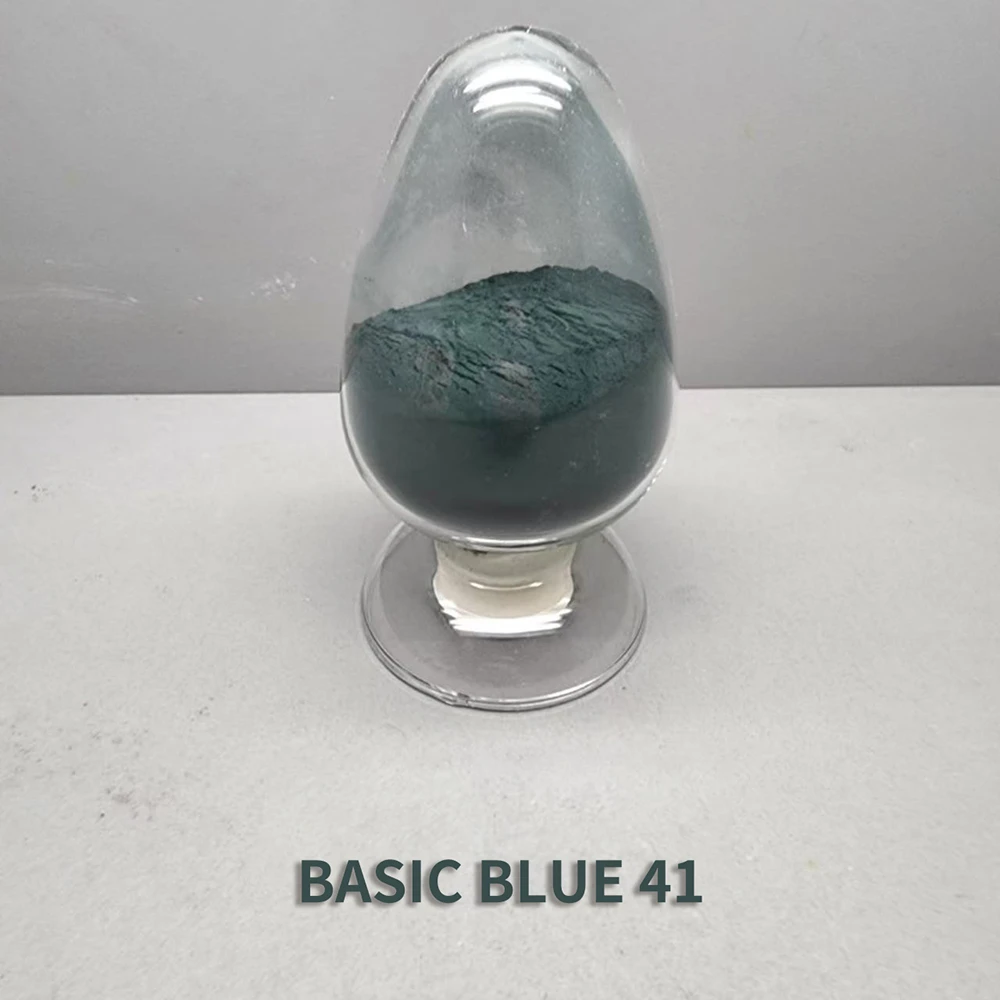
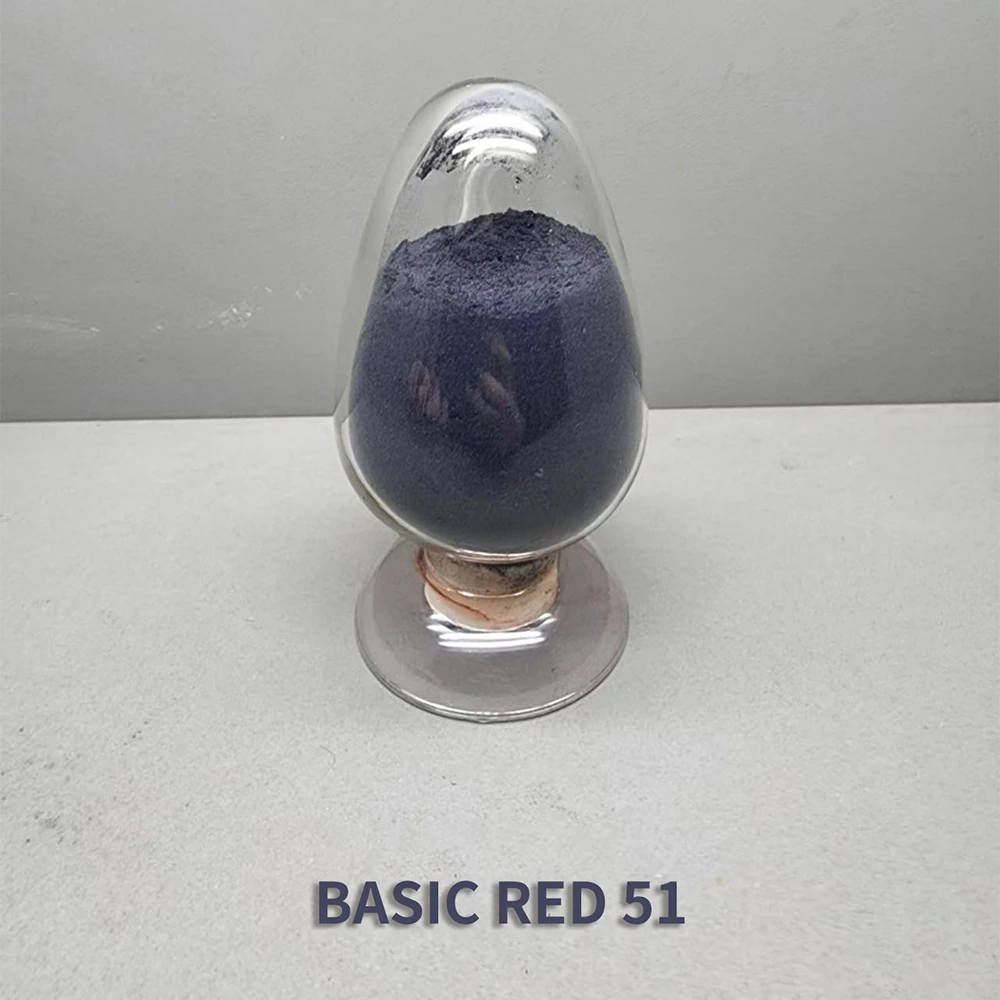
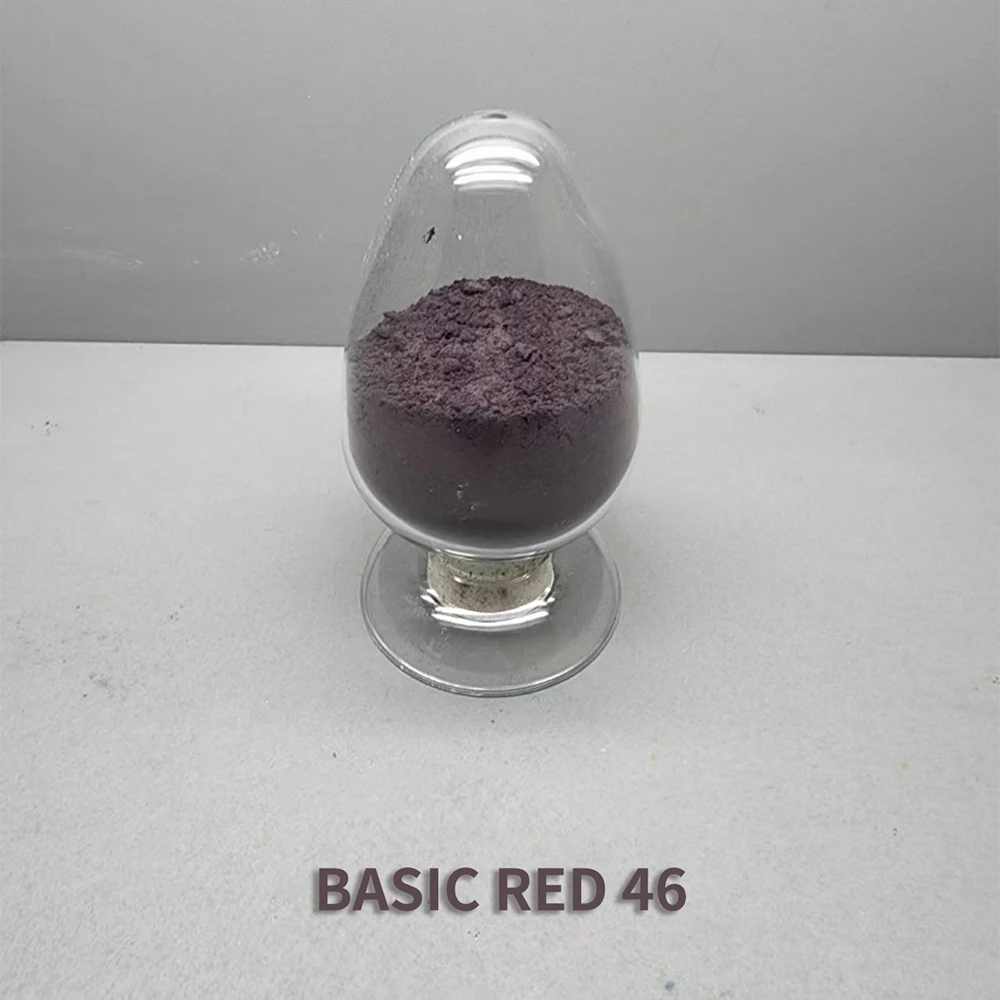
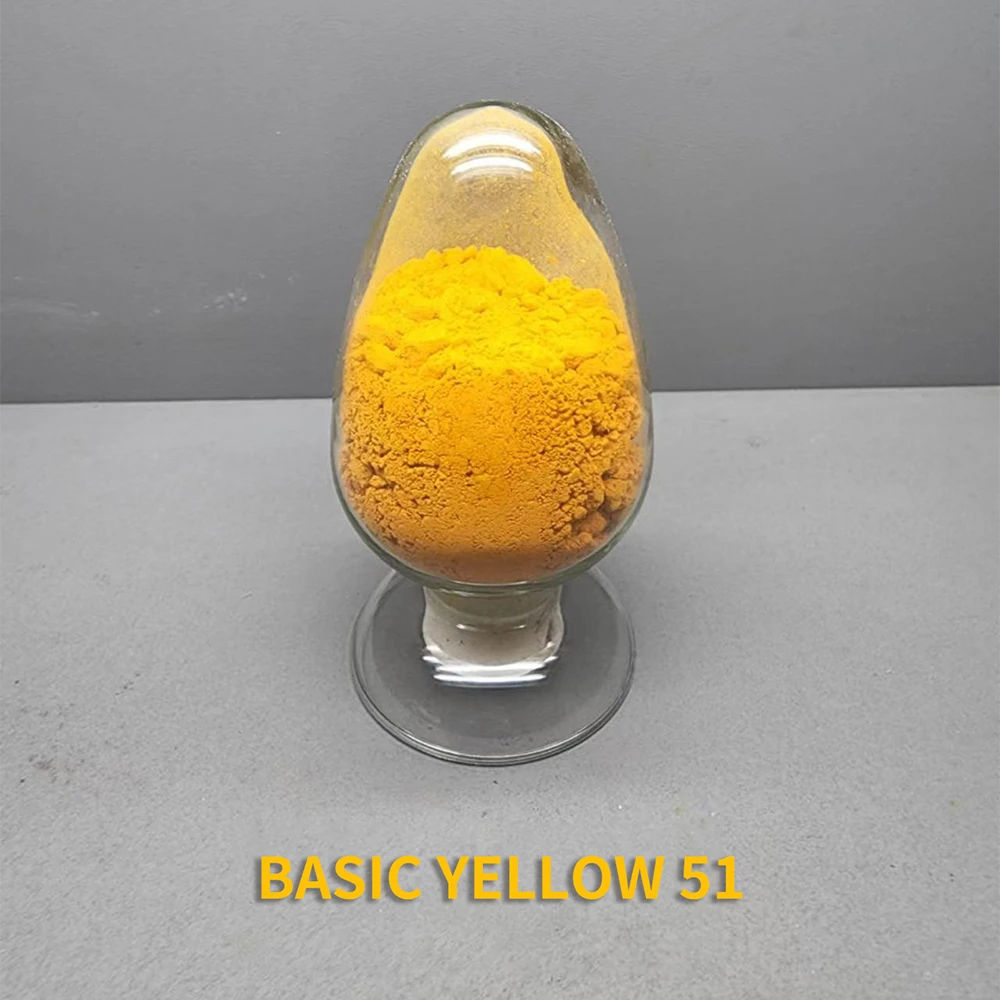
Comprehensive Cationic Dyes List for Textile and Industrial Applications | Yanhong Chemical
What’s on the Cationic Dyes List — And Why It Matters
If you’ve ever wondered how the color in your clothes, hair, or ink stays so vibrant, well, cationic dyes are often the unsung heroes. The cationic dyes list is basically an inventory of positively charged dyes vital to textiles, paper, and even wastewater treatment industries worldwide. Understanding this list isn’t just about colors, though; it’s a gateway into improving manufacturing sustainability, reducing environmental impacts, and meeting rigorous quality standards globally.
In a world striving for eco-friendlier production cycles and higher efficiency, knowing which cationic dyes fit the bill is increasingly critical — from nylon stocking factories in Asia to paper mills in Europe. Plus, with strict regulations pushing cleaner processes, these dyes become more than just pigments — they’re part of a bigger story involving technology, health, and global trade.
Why the Cationic Dyes List Holds Global Relevance
On a worldwide scale, the dye industry is a behemoth, valued at over $35 billion as of 2023 (source: Statista). Cationic dyes make up a significant portion of this, especially because of their unique affinity for certain fibers like acrylic and wool. The global challenge lies in balancing vibrant, lasting color with environmental regulations — the UN’s Sustainable Development Goals (SDGs) emphasize reducing industrial pollution, and dyeing processes are a big part of that.
Moreover, cationic dyes often pose less wastewater treatment challenge than their anionic counterparts — which is a relief for industries operating in regions with scarce water treatment infrastructure. The cationic dyes list helps manufacturers and regulators “speak the same language” when they’re sourcing or auditing dyes, leading to better compliance and innovation.
So, What Exactly Is a Cationic Dyes List?
Simply put, a cationic dyes list catalogues dyes that carry positive charges (cations) when dissolved in water. This positive charge lets them cling onto negatively charged surfaces—think of synthetic fibers like acrylic or wool's protein structures. They offer brilliant color, excellent fastness (meaning they don’t easily fade), and have some water solubility quirks that make them a bit tricky but fascinating to use.
Industrially, these dyes are invaluable because their interaction is selective — no indiscriminate staining but targeted coloring. And beyond fashion or décor, they play roles in biomedicine (fluorescent tagging) and paper printing, indicating their versatile value beyond just “pretty colors.”
Main Factors that Define the Cationic Dyes List
1. Durability & Fastness
One of the top reasons cationic dyes are prized comes down to how they endure wear, washing, and light exposure. Many of the dyes listed offer excellent wash and light fastness, meaning products retain color for longer periods. This is a huge deal, especially in textiles subjected to regular laundering or sunlight.
2. Fabric Compatibility
Cationic dyes primarily target fibers with anionic sites, like acrylics or nylon, although there are special blends for wool and silk. Knowing the exact dyes on the list helps mills avoid costly mismatches — you want your dye-hands to “stick” to the right fabric.
3. Environmental Impact
The charge-based nature can help in treating dye-containing wastewater, as cationic dyes are easier to remove via ion exchange or flocculation techniques. Plus, some dyes on the list are engineered to be biodegradeable or less toxic — a response to the growing global pressure for greener chemistry.
4. Cost Efficiency
From raw material sourcing to dyeing process energy consumption, cationic dyes on this list vary widely in cost. Many manufacturers aim to balance upfront price with longevity and process savings — sometimes spending more upfront avoids expensive corrections later.
5. Scalability for Industry
Whether a small textile artisan or a large-scale mill, the cationic dyes list encompasses dyes adaptable to different batch sizes and machinery types, with some offering superior solubility and mixing characteristics.
Where Are These Dyes Really Making a Difference?
Globally, cationic dyes are everywhere — here are some rough sketches of their footprint:
- Textile Manufacturing in Asia: Major hubs in China, India, and Bangladesh rely on cationic dyes to meet growing fashion demands.
- Paper Industry in Europe and North America: These dyes add hues and fluorescent effects in high-end brands, cards, and security printing.
- Biomedical & Research Labs Worldwide: Fluorescent cationic dyes tag DNA or proteins for diagnostic and research purposes.
- Water Treatment Plants: Ironically, cationic dyes help in processes to treat contaminated water by serving as indicators or binding agents.
For humanitarian organizations, particularly in refugee or post-disaster camps, durable fabrics treated with cationic dyes ensure garments and shelters maintain dignity longer in harsh conditions — a seemingly small factor, but crucial for morale and health.
Advantages That Keep Industry Leaders Loyal
- Cost Savings Long-Term: Less fading equals fewer returns or complaints.
- Sustainability: Many dyes adhere to ISO 14001 environmental standards.
- Social Impact: Creating safe, comfortable products from fabrics folks rely on daily.
- Innovation: Continual R&D in dye chemistry spurs smarter colors and processes.
Frankly, the trust built around a standardized cationic dyes list benefits everyone: manufacturers, brands, consumers, and planet alike — a little color goes a long way.
Looking Ahead: What’s Next for Cationic Dyes?
Future trends focus on sustainability and digital transformation. Expect more bio-based dyes replacing petroleum-derived ones, smart dyes that change color with temperature or pH, and automation enhancing precision dye application. Green chemistry policies from the EU and other blocs are also driving innovation to reduce hazardous byproducts.
The combination of AI-powered dye formulation and IoT-controlled dye baths can optimize resources and minimize waste—the classic win-win for industry and environment.
Challenges That Need Tackling – And How
Despite all their advantages, cationic dyes bring challenges: water solubility control can be tricky, sometimes leading to uneven dyeing; some dyes still pose toxic risks if mishandled; and pricing volatility in raw materials can impact supply chains.
Experts recommend rigorous quality testing, support for rinse-water recycling systems, and ongoing research into less-toxic dye variants. Many companies also collaborate with NGOs and environmental agencies to push for more circular, resource-efficient dyeing cycles.
Quick FAQ About the Cationic Dyes List
- What fabrics are best suited for cationic dyes?
- Cationic dyes excel with synthetic fibers like acrylic and nylon due to their negatively charged surfaces, but can also be formulated for wool and silk. Choosing the right dye from the cationic dyes list ensures good color uptake and longevity.
- Are cationic dyes eco-friendly?
- Many modern cationic dyes are designed to be biodegradable and less toxic. Their positive charge also makes wastewater treatment easier, but like all dyes, environmental impact depends on production and disposal methods.
- How do manufacturers pick dyes from the list?
- Selection depends on fabric type, desired fastness, cost constraints, and compliance with environmental standards. The list helps standardize options and ensures consistent quality.
- Can cationic dyes be used in digital printing?
- Yes, some cationic dyes are compatible with inkjet and other digital printing technologies, especially when used with synthetic fibers that attract the positive dye molecules.
- Is it hard to remove cationic dyes if needed?
- Due to their positive charge, cationic dyes bind strongly but can be removed or neutralized with certain chemical treatments, making recycling of dyed fabrics somewhat manageable under advanced processes.
A Handy Product Specification Table for Popular Cationic Dyes
| Dye Name | Fiber Type | Fastness (Wash/Light) | Toxicity | Cost (USD/kg) |
|---|---|---|---|---|
| Basic Violet 10 | Acrylic, Wool | 7/6 | Low | $45 |
| Basic Red 1 | Nylon, Acrylic | 6/5 | Moderate | $38 |
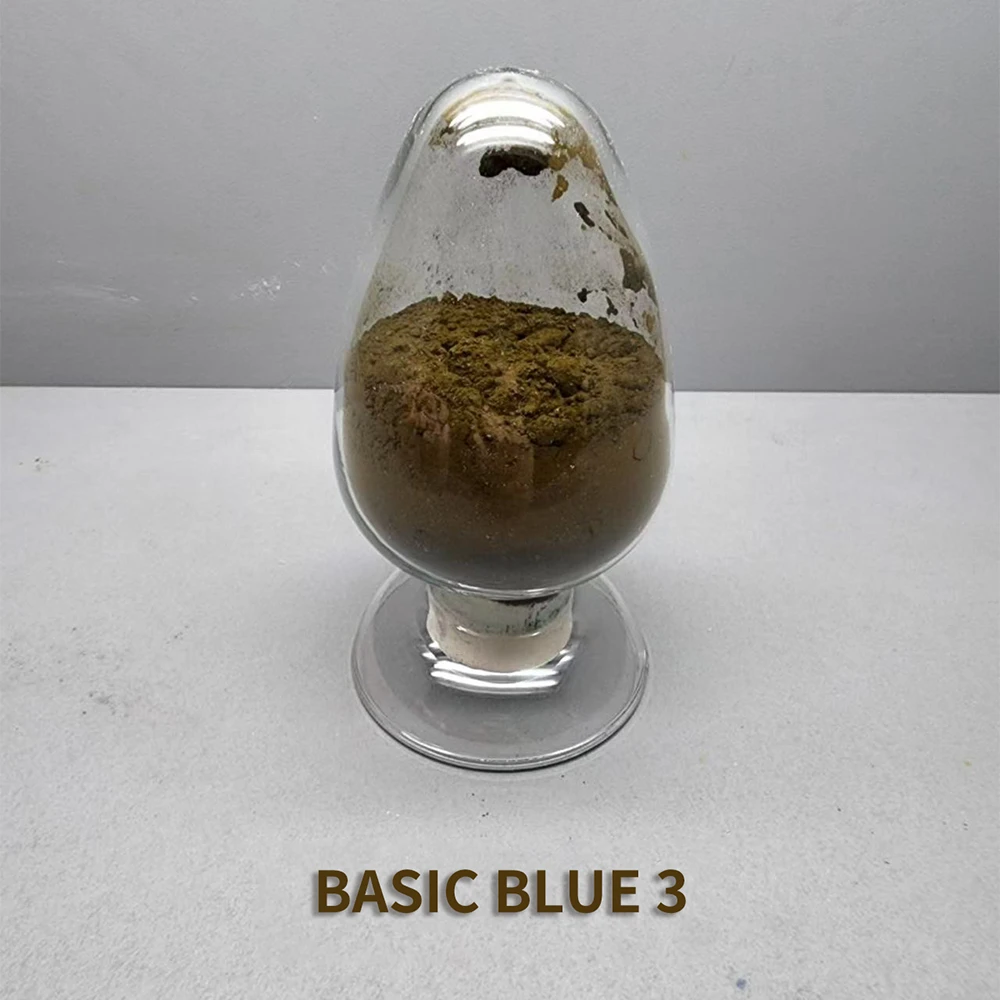
| Basic Blue 3 | Paper, Acrylic | 8/7 | Low | $50 |
| Basic Orange 2 | Cotton blends, Acrylic | 5/5 | Low | $30 |
Vendor Comparison: Leading Suppliers of Cationic Dyes
| Supplier | Product Range | Quality Certification | Sustainability Initiatives | Global Reach |
|---|---|---|---|---|
| Yanhong Chemical | Wide (Basic & Reactive Cationic) | ISO 9001, REACH | Water Reduction, Green Chemistry | Asia, Europe, Americas |
| Chromatech Dyes | Focused on Textile Range | ISO 14001 | Recycled Materials Program | Global, Strong in Europe |
| DyeLab Corp | Niche Biomedical & Paper Dyes | FDA Approved Materials | Biodegradable Series | North America & Asia |
Final Thoughts on the Cationic Dyes List
In the swirling world of industrial dyes, the cationic dyes list emerges as an essential toolkit for manufacturers, designers, and environmental stewards alike. It’s not just about pretty colors—it’s about choosing responsibly, innovating boldly, and meeting global standards that protect workers, consumers, and ecosystems.
Next time you admire a bright garment or high-quality paper, take a moment to reflect on the complex chemistry and international cooperation behind that color. It’s quite something.
Interested in exploring more? Visit Yanhong Chemical for a deep dive into available dyes and sustainable solutions.
References:
-
Durable Fabric Dye for Chairs | Industry-Leading Chemical SolutionsNewsJan. 06, 2026
-
Basic Dye Factory: High-Quality Dyes from YanHong Chemical for Industrial UseNewsDec. 03, 2025
-
Gray Fabric Dye Solutions | Durable & Sustainable Textiles by YanhongChemNewsDec. 10, 2025
-
Comprehensive Guide to Choosing the Right Fabric Leather Dye for Optimal ResultsNewsFeb. 28, 2026
-
Guide to Choosing the Best black color dye for clothesNewsApr. 09, 2026
-
Off White Fabric Dye – Industry-Trusted Quality and DurabilityNewsDec. 30, 2025