Commonly Used Dyes in Textile Industry – Global Insights and Sustainable Solutions
Understanding Commonly Used Dyes in the Textile Industry
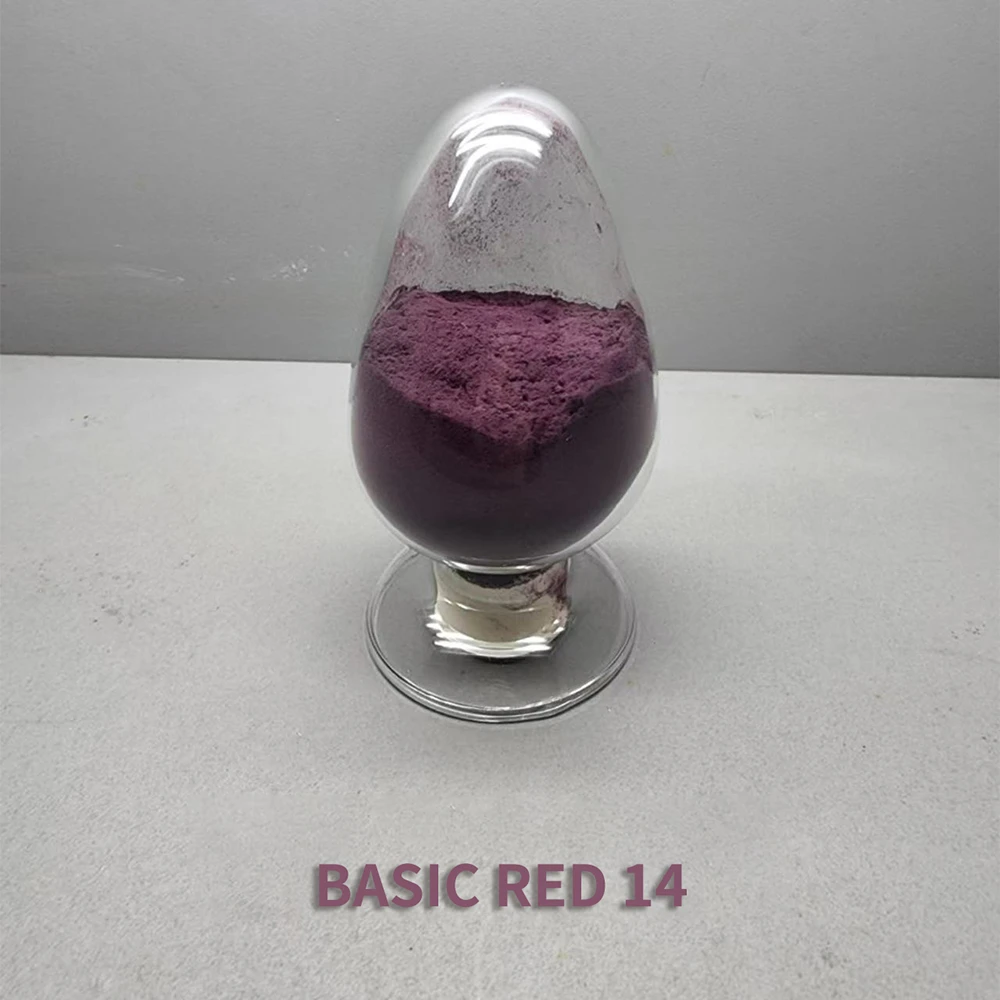
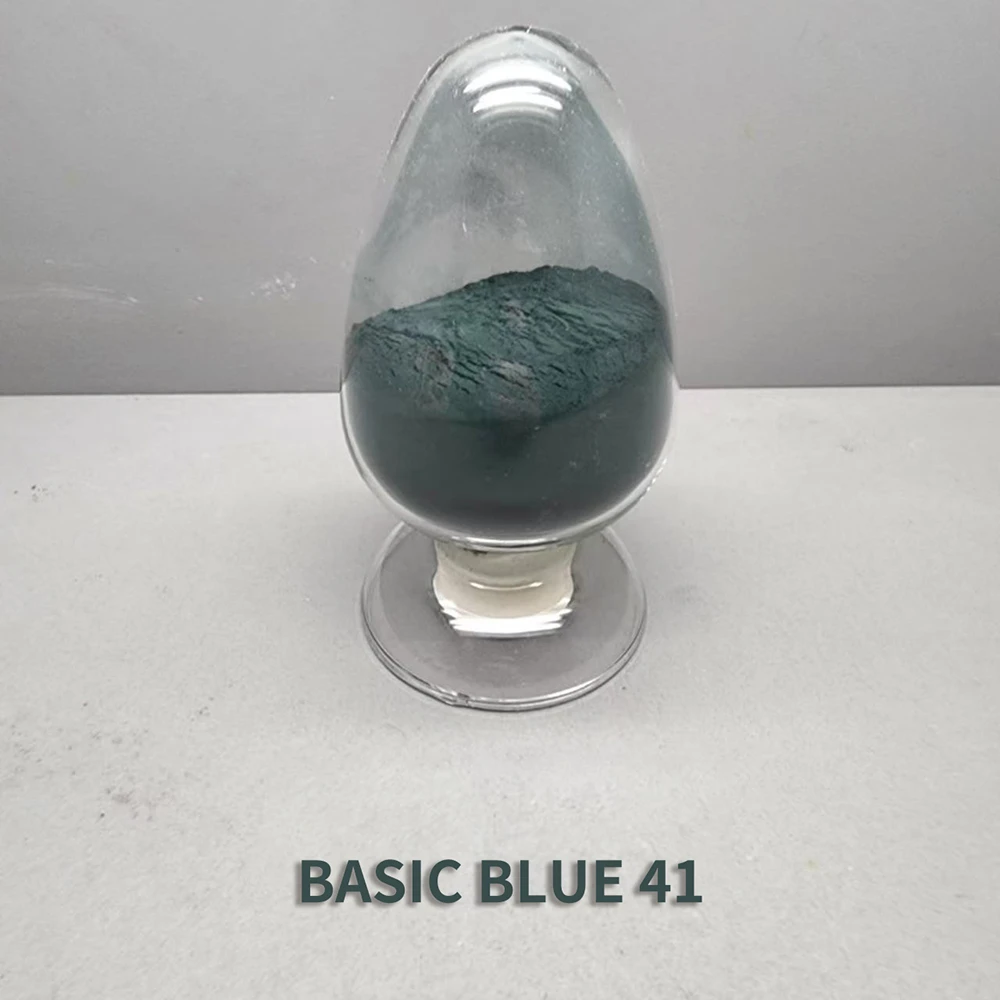
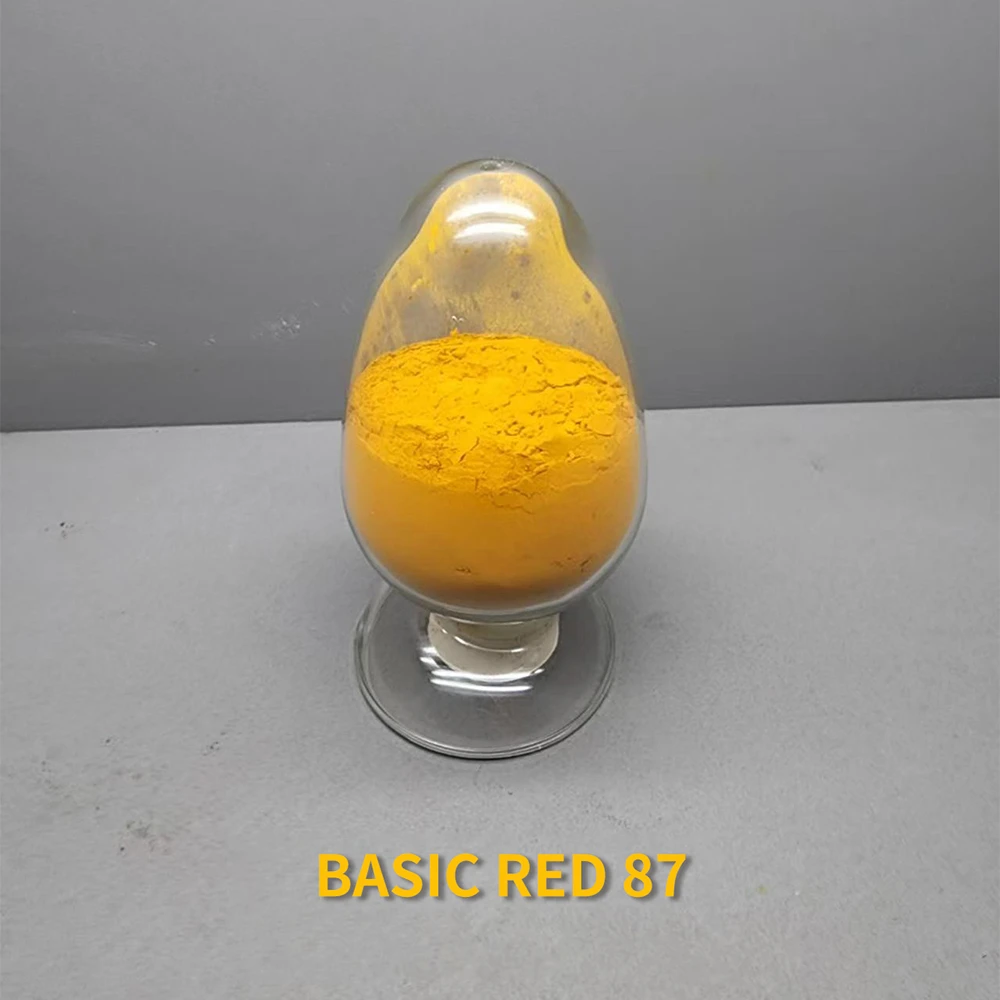
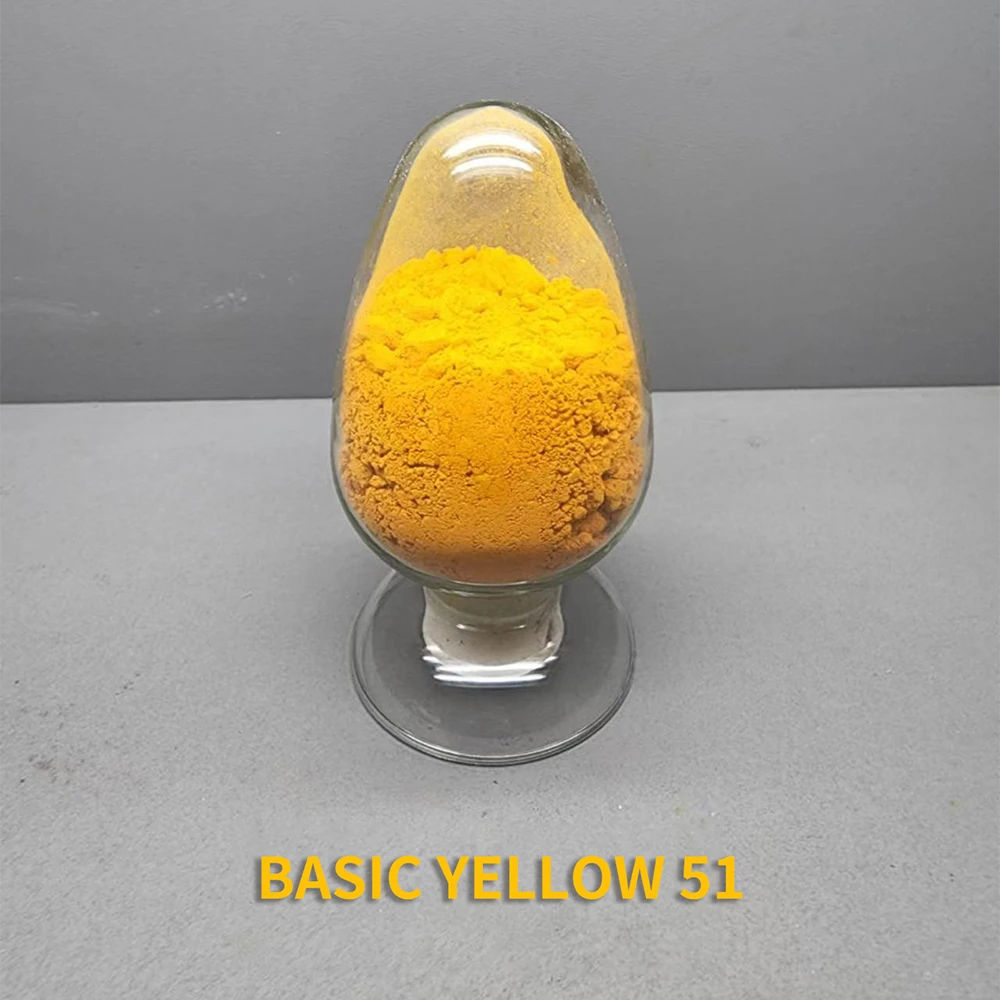
When you think about the clothes, upholstery, or linens around you, it’s pretty astounding how much of their appeal comes down to color. The commonly used dyes in the textile industry are the unsung heroes in this vibrant story. Globally, this sector influences billions of dollars, impacting economies, cultures, and environmental landscapes alike. Diving into this topic isn't just about pigments—it's about sustainability, innovation, even social responsibility. Knowing which dyes are standard, why they matter, and their broader implications can elevate not only manufacturing but also consumer awareness and industry practices.
The Global Relevance of Textile Dyes: A Closer Look
Textile dyeing is a global affair. According to the United Nations Industrial Development Organization (UNIDO), the textile industry provides employment to over 60 million people worldwide and contributes a major chunk to the economy in developing countries. Dyeing processes represent roughly 17–20% of the total production costs and are one of the most chemically intensive stages.
But there’s a challenge: traditional dyeing methods often lead to massive water pollution and energy consumption. The World Bank reports that textile dyeing accounts for about 20% of industrial water pollution globally. So, these commonly used dyes in textile industry come with both promise and pitfalls. Balancing vibrant, durable colors with environmental and safety standards is a complex puzzle manufacturers constantly try to solve.
What Are Commonly Used Dyes in the Textile Industry?
Simply put, these are the most widespread colorants applied to fabrics to impart color during manufacturing. They are chosen for attributes like brightness, fastness (how well the color holds), compatibility with fibers, and cost-effectiveness. From reactive dyes that create chemical bonds with cotton fibers to vat dyes best for cellulose materials, these dyes form the backbone of modern textile production.
Interestingly, the range of dyes used aligns closely with the fiber type—cotton, wool, polyester—showing a fascinating interplay between chemistry and material science. And beyond just fashion, many humanitarian efforts, for example, producing safe tents and uniforms for relief workers, rely heavily on tried-and-true dye formulations that meet strict quality standards.
Key Factors Behind Choosing the Right Textile Dyes
Durability & Colorfastness
One big practical concern is how long the color lasts — wash after wash, sun exposure, even industrial cleaning. Dyes that fade quickly reduce product value and customer trust. For instance, reactive dyes are renowned for excellent colorfastness on cotton, making them a favorite for everyday apparel.
Environmental Impact
Of course, dyes are chemicals, and their environmental footprint matters. Many manufacturers now prioritize azo-free dyes or natural alternatives to reduce toxicity. This echoes ISO standards on effluent discharge, pushing the industry towards cleaner processes.
Cost Efficiency & Scalability
In a market driven by large volumes, cost per unit is always scrutinized. Common dyes like direct or acid dyes are available in bulk, allowing economies of scale. However, a balance must be struck between price and attributes like brightness or fastness.
Compatibility with Fibers
Not all dyes play well with all textiles. Polyester’s hydrophobic nature demands disperse dyes, whereas wool reacts best with acid dyes. This compatibility ensures the dye penetrates well, gives consistent color, and sticks firmly.
Ease of Application
Automation and industry-standard machinery rely on dyes that respond predictably. Some dyes require complicated fixation steps, others are more straightforward. Efficiency here correlates directly with operational costs and throughput.
Mini takeaway: Choosing the right dye isn’t just about color — it’s a juggling act between durability, environment, cost, and chemistry.
How Textile Dyes Make Their Mark Globally
The impact of these dyes stretches beyond factories. In South Asia, textile dyeing provides critical livelihoods, while in Europe and North America, zero-discharge policies push innovation in dye choices.
Take post-disaster relief operations, for example: durable, colorfast dyed fabrics are essential for equipment like tents, backpacks, and uniforms. Organizations rely on these textiles to withstand harsh conditions without frequent replacements — saving money and ensuring safety.
Remote industrial zones also depend on dyes that offer easy application, reducing technical skill needs and ensuring rapid production cycles. Not to mention, many fashion labels increasingly demand sustainably dyed fabrics as part of their corporate responsibility programs.
Advantages & The Long-Term Value of Textile Dyes
- Cost Savings: Durable dyes minimize product returns and replacements.
- Sustainability: Eco-friendly dyes lower pollution, conserving water and energy.
- Social Impact: Safer chemicals improve worker health and community wellbeing.
- Innovation & Trust: Reliable colors foster brand loyalty and open new markets.
Frankly, many textile manufacturers now see dye choices as part of their social license to operate. It’s no longer enough to just produce pretty fabrics; people want to wear stories they can trust.
Looking Ahead: Innovations in Textile Dyeing
The future is bright — or sometimes brilliantly colored with innovation. Digital textile printing is revolutionizing how dyes are applied, cutting waste and allowing for short-run customization. Advances in biotechnology bring enzymes and natural dyes into play, reducing hazardous chemical use.
In parallel, policies like the European Union’s REACH regulation encourage safer alternatives and transparency in dye components. Industry-wide, there’s a shift to “closed-loop” water systems and energy-efficient dye fixation methods.
Oddly enough, integrating green chemistry with automation offers both sustainability and scale, a combination previously thought tough to achieve.
Common Challenges and Practical Solutions
- Water Pollution: Effluents containing dye residues are tough to treat. Solution? Advanced membrane filtration and effluent recycling.
- Health Risks: Some dyes release harmful amines. Manufacturers substitute azo dyes with safer analogs and enforce strict worker safety.
- Inconsistent Color Quality: Changes in raw material batches affect dye uptake. Rigorous quality control plus computerized color matching help maintain consistency.
- Cost Pressures: Cheaper dyes tempt some toward low-quality materials. The industry counters with certification schemes emphasizing responsible sourcing.
Product Specification Table: Sample Dye Characteristics
| Dye Type | Fiber Compatibility | Colorfastness | Environmental Impact | Application Method |
|---|---|---|---|---|
| Reactive Dyes | Cotton, Cellulosic fibers | Excellent | Moderate; requires effluent treatment | Batch & Continuous dyeing |
| Acid Dyes | Wool, Silk, Nylon | Good | Lower toxicity, biodegradable | Exhaust & continuous methods |
| Disperse Dyes | Polyester, Acetate | Very Good | Moderate; careful handling required | High temperature dyeing |
| Vat Dyes | Cotton and Cellulose | Excellent | Low; complex processing needed | Batch dyeing with reduction & oxidation |
Vendor Comparison Table: Leading Textile Dye Suppliers
| Vendor | Primary Dye Types | Geographical Reach | Sustainability Programs | Average Pricing |
|---|---|---|---|---|
| Yanhong Chemical | Reactive, Acid, Disperse | Asia, Europe, Americas | ISO 14001 certified, water treatment R&D | Mid-tier, volume discounts |
| Dystar | Wide range including Vat, Sulfur, Reactive | Global | Strong focus on eco-friendly dyes | Higher-end pricing |
| Archroma | Specialty dyes & finishing chemicals | Europe, Asia, Americas | Leader in sustainable textile chemicals | Premium pricing |
FAQ: Common Questions About Dyes in Textile Industry
- What are the safest dyes to use in textile manufacturing?
- Natural dyes and azo-free reactive dyes are generally safer, reducing toxic residues and allergic reactions. Look for certifications like Oeko-Tex that indicate non-harmful substances in fabrics.
- How do sustainable dyes reduce environmental impact?
- Sustainable dyes typically require less water and energy, produce fewer hazardous byproducts, and come from renewable sources. Innovations include enzymatic dyeing and digital printing to minimize waste.
- Are commonly used textile dyes expensive for small businesses?
- Costs vary, but many dyes like reactive and disperse types are widely available at competitive prices, especially when purchased in bulk. Small-scale producers can often access eco-friendly dye formulations through cooperatives or distributors.
- Can these dyes be used for all fabric types?
- No, each dye works best with certain fibers. For example, acid dyes excel on wool and silk, while reactive dyes are ideal for cotton. Using incompatible dyes leads to poor coloring and durability issues.
- How is color consistency maintained during large-scale production?
- Manufacturers use standardized recipes, computerized color matching, and strict quality control procedures to ensure dye batch uniformity, preventing visible shade differences across production runs.
Wrapping Up: The Colorful Road Ahead
So, what’s the big picture? The commonly used dyes in textile industry are not just technical ingredients; they are key to a sustainable, innovative, and efficient textile sector. With environmental pressures mounting and consumer demands evolving, the choices made today shape the fabrics of tomorrow. And frankly, it feels like an exciting time for this century-old craft—blending chemistry with conscience.
Want to learn more or explore quality dyes for your projects? Visit our website: Yanhong Chemical for insights, product details, and expert support.
References:
1. UNIDO Industrial Statistics
2. Wikipedia: Textile dyeing
3. ISO 14001 Environmental Management
-
Reliable China Fabric Dye Manufacturers - Quality & Custom SolutionsNewsDec. 03, 2025
-
Understanding Dye Fabric Colour for Optimal Textile Production and QualityNewsFeb. 24, 2026
-
Cationic Dyed Polyester: Revolutionizing Sustainable Textile Dyeing WorldwideNewsDec. 03, 2025
-
China Basic Dye Factory | Colorfast, Eco-Friendly, OEMNewsDec. 13, 2025
-
Outdoor Fabric Dye: Durable & UV-Resistant Options for IndustryNewsDec. 09, 2025
-
Durable Terracotta Fabric Dye for Industrial Use | Yanhong ChemicalNewsDec. 11, 2025