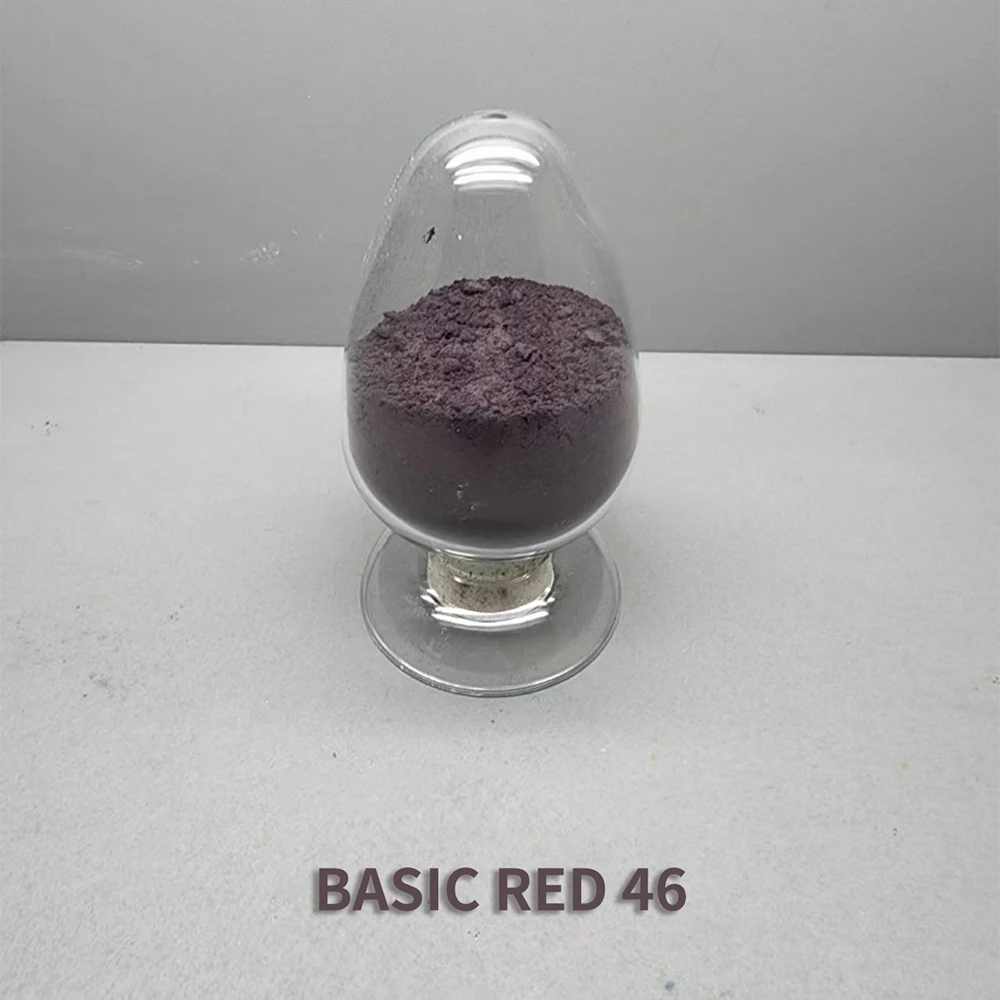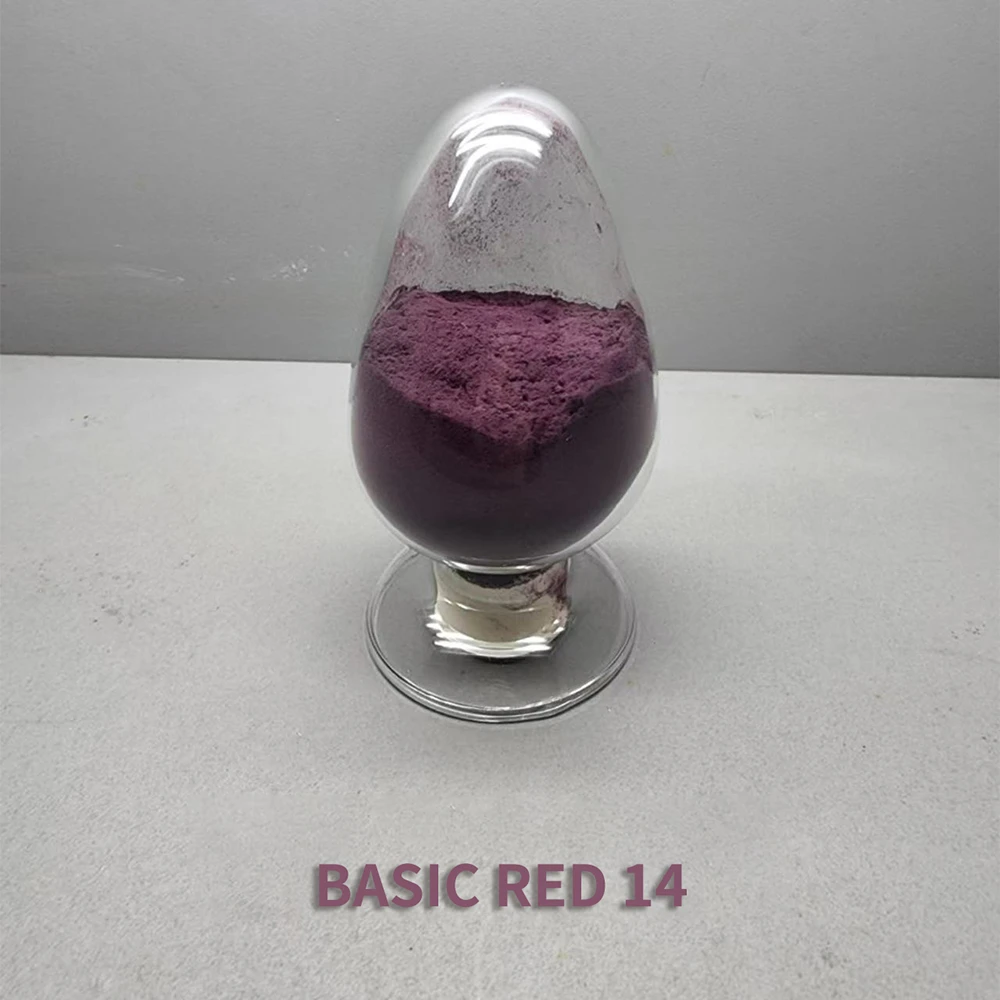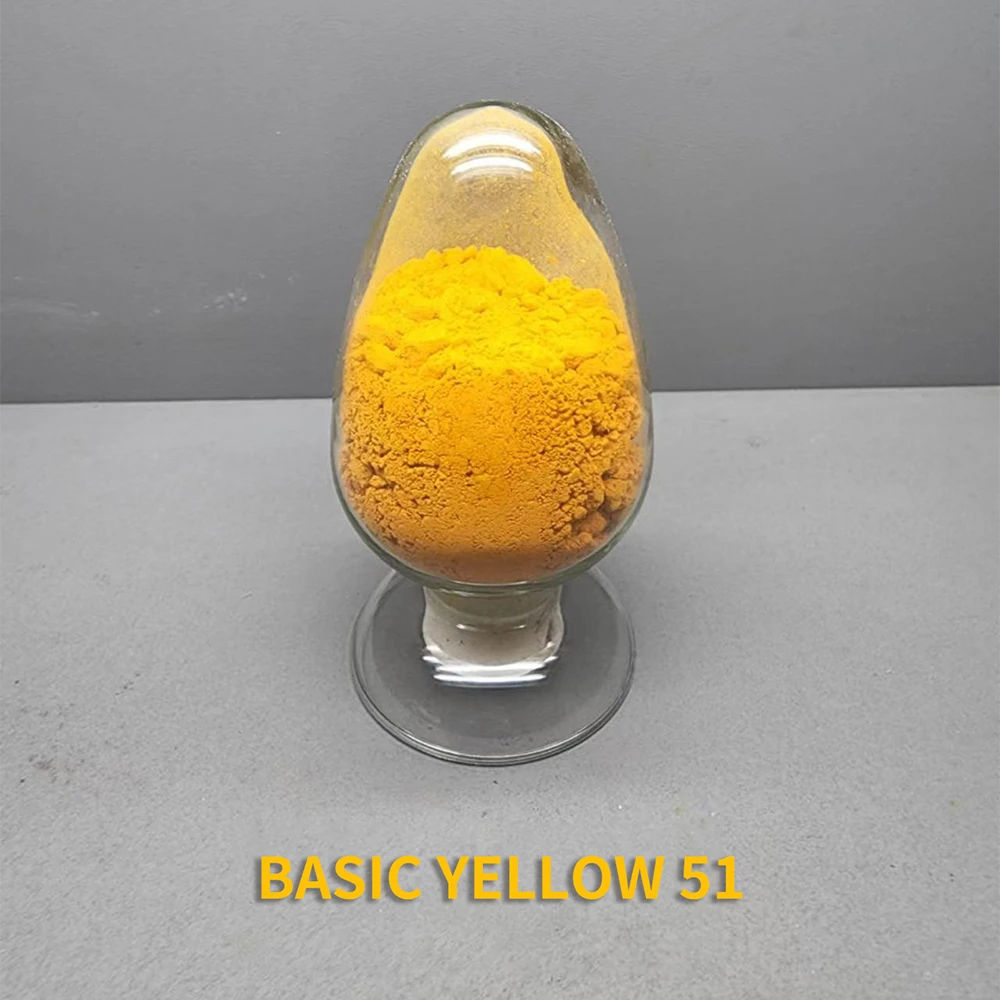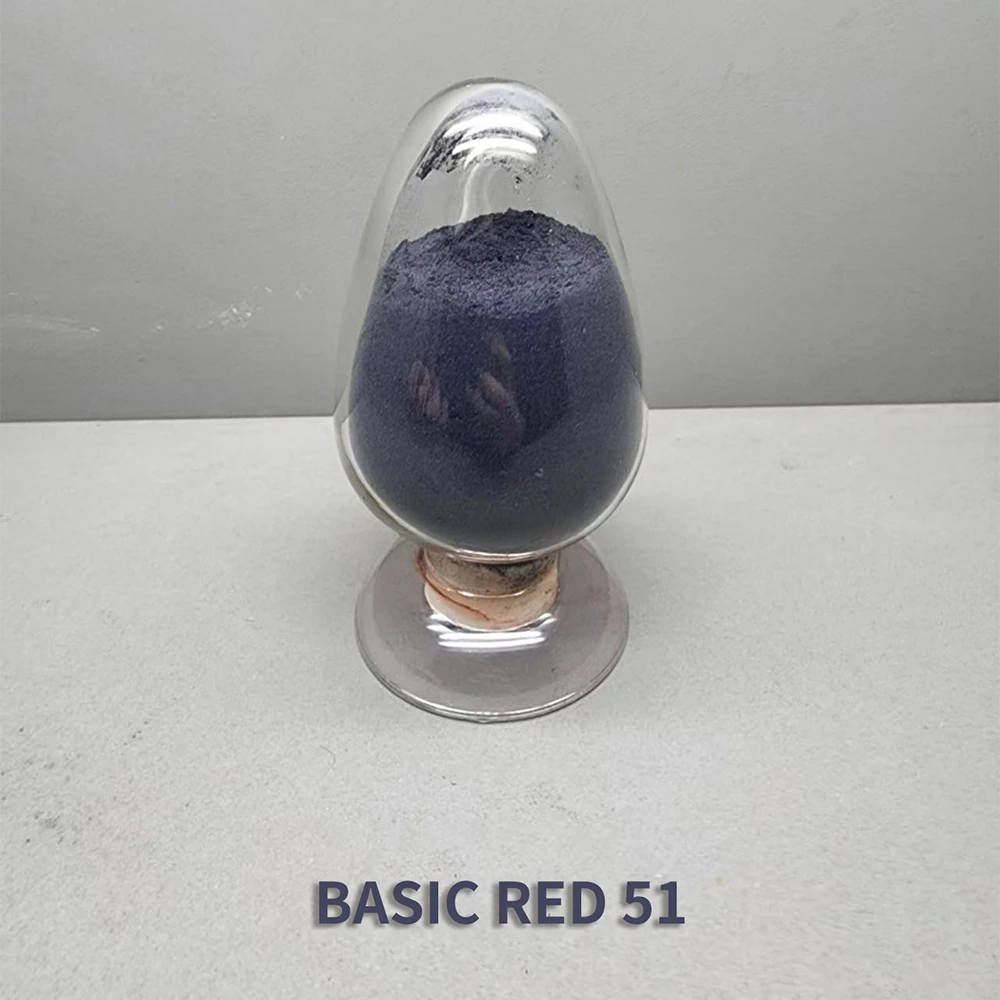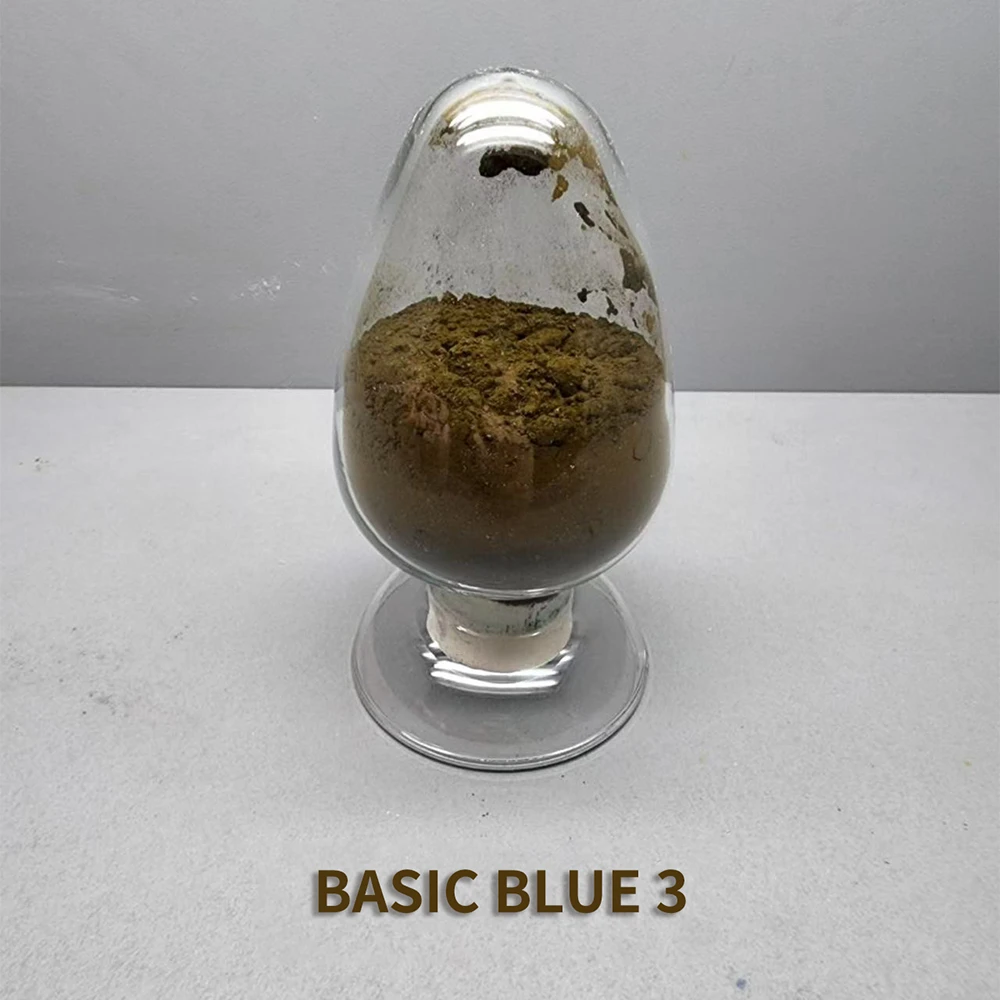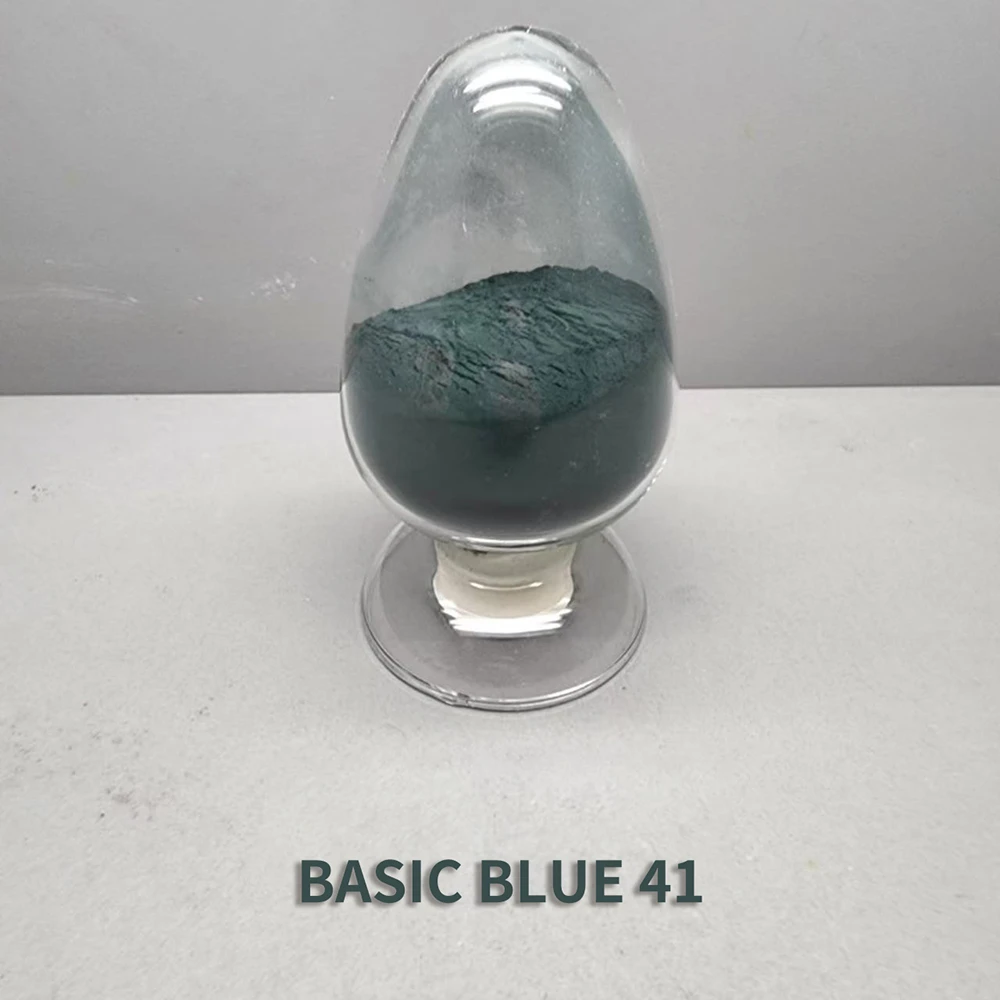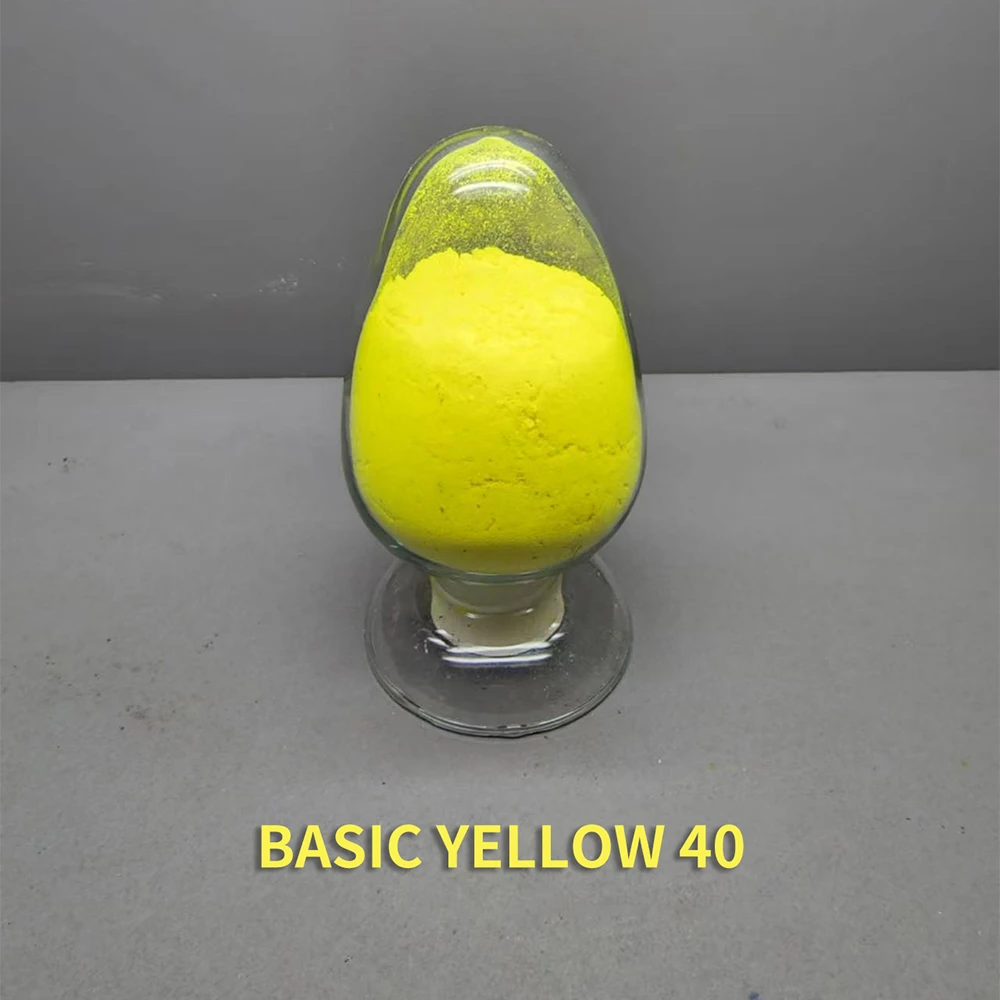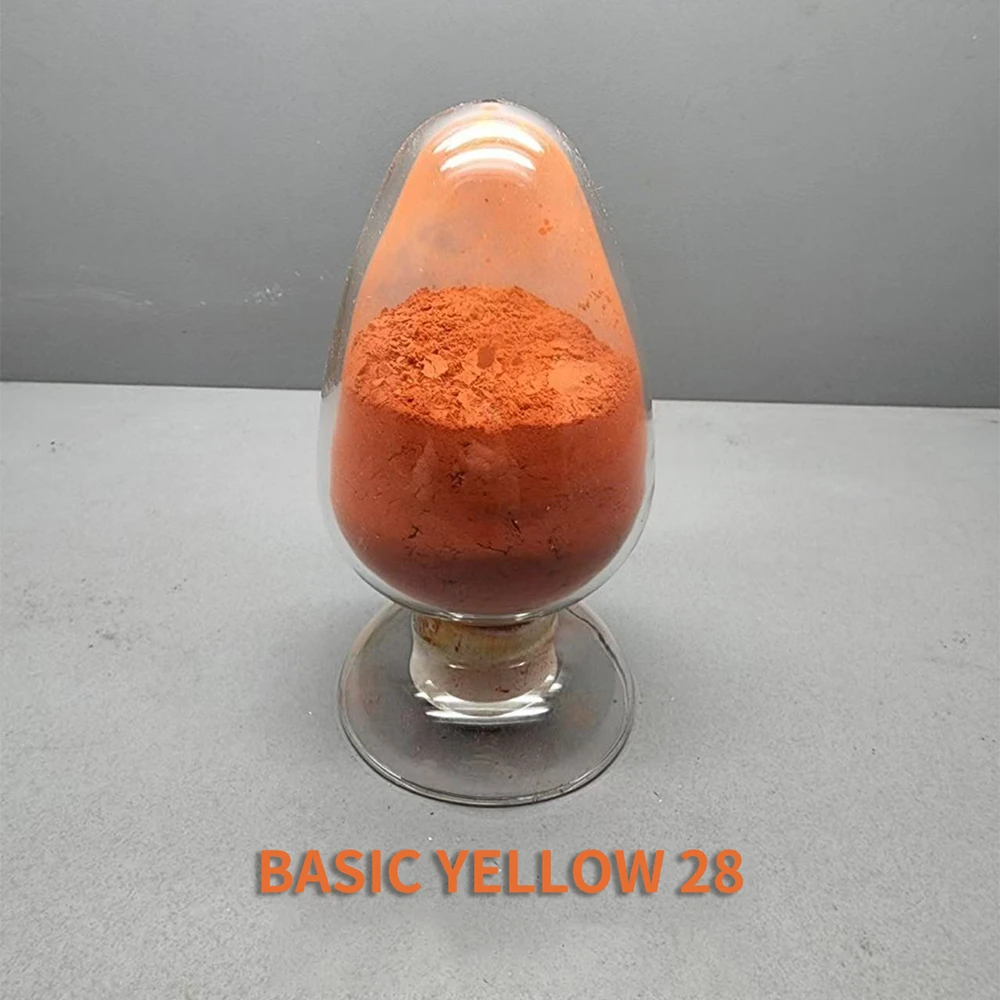
What Basic Dyes Are – Industry Insights, Applications, & Future Trends
What Are Basic Dyes and Why Their Global Importance Matters
If you stepped into any textile factory or dipped a finger into a colorful solution, you'd probably be dealing with basic dyes without even knowing it. But basic dyes are more than just colorants — they’re essential in industries ranging from fabric manufacturing to medical diagnostics, even affecting environmental technology. Their unique properties help industries dye materials efficiently while offering enduring color fastness.
Understanding basic dyes are crucial isn’t just a niche chemist’s concern but a global matter. The global textile and dye industry generated multibillion-dollar revenues in 2022, and basic dyes contribute a sizable chunk to this market, especially in fast fashion and technical textiles. Plus, as sustainability becomes a deciding factor, learning their chemistry and applications might unlock innovations aligned with greener manufacturing.
Mini takeaway: Basic dyes matter worldwide because they blend chemistry, industry, and sustainability into vibrant solutions with tangible economic and ecological impacts.
Understanding the Basics: What Exactly Are Basic Dyes?
In simple terms, basic dyes (also called cationic dyes) are water-soluble dyes that carry a positive charge. They bind particularly well to materials with a negative charge, like acrylic fibers and stained glass. This electrostatic attraction makes them indispensable for coloring synthetic textiles and paper products.
From a humanitarian angle, these dyes help produce materials for medical tests and indicators, where clear and strong coloration can save time and lives. Oddly enough, the science behind basic dyes are as old as the synthetic dye industry itself, tracing back to the first synthetic dyes in the 19th century that revolutionized clothing and art.
Mini takeaway: Basic dyes are positively charged colorants that interact strongly with certain materials, bridging chemistry and practical needs.
Key Factors that Define the Performance of Basic Dyes
1. Color Intensity & Brightness
Basic dyes give intensely bright and vibrant colors, often described as “brilliant.” This deep intensity makes them popular where eye-catching hues are necessary, like signage or crafts.
2. Fastness (Durability)
The dye's affinity to substrates is strong, though lightfastness and wash-fastness vary. For example, acrylic fibers hold these dyes well, but cotton doesn’t – at least not without mordants or additives.
3. Solubility & Application Methods
Since basic dyes dissolve easily in water, their application is straightforward. But in industrial setups, this water solubility can cause challenges with color leakage or pollution, which leads us to environmental concerns.
4. Cost Efficiency
Compared to some reactive or acid dyes, basic dyes are relatively affordable, making them attractive for large-scale textile producers and paper manufacturers.
5. Range of Colors
While they excel in bright reds, blues, and purples, their palette is somewhat limited compared to other dye types, though innovations continue to broaden this range.
Mini takeaway: Brightness, durability, ease of use, and cost make basic dyes go-to choices—though each factor has its quirks.
Global Applications: Where and How Basic Dyes Are Used
- Textile Industry: Acrylic fibers dyed with basic dyes are prevalent in jackets, upholstery, and carpets worldwide.
- Ink and Toner Manufacturing: Due to their vibrancy, they are key in inks for printers and toners.
- Medical Diagnostics: Basic dyes like methylene blue stain cells for microscopic examination.
- Paper Industry: For coloring paper and packaging materials – especially where brilliant colors are needed.
- Developing Economies: Regions in Asia and Africa exploit basic dyes for textile exports, boosting local employment while facing environmental scrutiny.
For example, in post-disaster relief scenarios, brightly colored fabrics dyed with basic dyes help mark tents or supply bags for easy identification under chaotic conditions.
Mini takeaway: From fashion to health care, basic dyes impact industries that touch millions daily.
Advantages and Long-Term Benefits of Using Basic Dyes
On the surface, it's the cost and bright colors that win buyers over — but the benefits cut deeper. Basic dyes tend to be less chemically intensive in manufacturing compared to other dyes, translating into lower emissions and lower processing energy.
Socially, their use supports industries in developing countries, offering jobs and livelihoods, particularly in textile hubs where synthetic fiber manufacturing thrives.
Environmentally, while not perfect, ongoing research into biodegradable carriers and effluent treatment promises a less toxic footprint. Manufacturers keen on innovation are already adopting cleaner tech to handle the dyes’ wastewater.
Emotionally, there's something reassuring about suppliers who choose a dye known for its reliability and consistency. Trust and safety go hand-in-hand when textile companies pick a dependable dye, and, frankly, that affects consumer confidence.
Product Specification Table: Typical Properties of Basic Dyes
| Property | Value/Range | Notes |
|---|---|---|
| Solubility in Water | High | Important for easy application but causes effluent challenges |
| Colorfastness to Washing | Moderate to Good | Varies by substrate |
| Colorfastness to Light | Fair to Moderate | Affected by exposure time and dye type |
| pH Stability | Stable in Neutral to Slightly Acidic | Can degrade in alkaline conditions |
| Typical Substrates | Acrylic, nylon, paper | Limited on cellulose fibers |
| Price Range (per kg) | $10 - $40 | Varies with purity and batch size |
Comparing Leading Basic Dye Suppliers
| Supplier | Product Range | Sustainability Initiatives | Price Competitiveness | Global Reach |
|---|---|---|---|---|
| Yanhong Chemicals | Wide - Reds, Blues, Violets | Water-recycling processes implemented | Mid-range; attractive bulk pricing | Asia, Europe, Americas |
| Global Dyes Inc. | Moderate | Investing in biodegradable carriers | Higher-end market | Global, strong North America focus |
| EcoDye Solutions | Selective eco-friendly ranges | Full lifecycle sustainability audits | Premium pricing | Europe and emerging markets |
Future Outlook: Innovations and Challenges on the Horizon
The basic dyes realm is evolving — not just around color choices but how we source and apply them. Digital textile printing, automation in dye baths, and AI-based quality control are injecting innovation. More importantly, green chemistry is reshaping how these dyes are produced or substituted with non-toxic analogs.
Recycling dye effluents, reducing water consumption, and embracing bio-based dye precursors are challenges manufacturers actively tackle. It’s hard to overstate the significance of international guidelines, like ISO standards on wastewater treatment, influencing this transition.
In some ways, we’re witnessing a balancing act: keeping the joyful vibrancy while ensuring that the planet doesn’t pay the price.
Common Questions About Basic Dyes
Q1: Are basic dyes safe for all textile types?
A1: Not exactly. Basic dyes work best on acrylic and certain synthetic fibers due to their positive charge pairing well with negatively charged substrates. Cotton and wool usually require different dyes or treatment because their fiber chemistry differs.
Q2: How environmentally friendly are basic dyes?
A2: Basic dyes pose environmental challenges mainly due to their solubility and potential effluent contamination. However, modern wastewater treatments and green chemistry innovations are mitigating these effects effectively.
Q3: Can basic dyes be used in medical applications?
A3: Definitely. Some basic dyes like methylene blue are gold standards for staining in medicine and biology, helping visualize cells and tissues under microscopes.
Q4: How long does the color last when using basic dyes?
A4: Color durability depends on the fiber and exposure conditions—indoors under limited light, colors may last several years; outdoor exposure can diminish brightness faster.
Q5: Are there eco-friendly alternatives to basic dyes?
A5: Yes. Researchers are developing bio-based cationic dyes and improving existing basic dye formulations to reduce toxicity and environmental impact.
In Closing: Why Understanding Basic Dyes Pays Off
Basic dyes are not just chemistry lab oddities; they underpin many everyday products and industrial processes. Getting a grip on what basic dyes are helps manufacturers, designers, and even consumers make informed, sustainable choices. Their vibrant colors and relatively low costs make them mainstays in modern industry, but ongoing innovation ensures they’ll evolve with global needs.
If you want to discover more or explore our comprehensive range of basic dyes, visit our website: https://www.yanhongchem.com — where color meets innovation.
References
-
Green Fabric Dye: Industrial Insights & Eco-Friendly SolutionsNewsDec. 03, 2025
-
Tulip Fabric Dye – Durable, Eco-Friendly Textile Color SolutionsNewsDec. 07, 2025
-
Color Changing Dye for Fabric – Innovative Textile SolutionsNewsJan. 01, 2026
-
Dark Blue Fabric Dye | Expert Guide & Vendor ComparisonNewsDec. 11, 2025
-
Basic Red 46 Dye - High-Purity, Bright Shade, Fast DeliveryNewsNov. 13, 2025
-
How to Choose the Best black colour dye for clothes for FabricsNewsApr. 16, 2026