Comprehensive Guide to Examples of Cationic and Anionic Dyes – Uses, Benefits & Trends
Understanding the Role of Cationic and Anionic Dyes in Modern Industry
If you've ever wondered how vibrant fabrics maintain their colors after countless washes or how certain inks stick so well to surfaces, you're touching on the world of cationic and anionic dyes. These compounds aren't just for coloring—they're foundational to many industrial and humanitarian applications globally. Their importance extends from textile manufacturing to environmental sustainability, and delving into examples of cationic and anionic dyes reveals insights into chemical interactions that impact everything from fashion to water treatment.
Why These Dyes Matter Globally
At a glance, textile dyeing seems like a purely aesthetic process. However, the dye industry is a behemoth, valued at over $30 billion annually worldwide, with robust growth in Asia and Africa—regions leading in textile production and consumption (Wikipedia Textile Industry). Yet, dye chemistry, especially involving cationic and anionic types, presents challenges, including water pollution and chemical waste management, posing environmental concerns recognized by the United Nations Sustainable Development Goals (UN SDG 6: Clean Water and Sanitation).
These dyes' behavior in water systems and their interaction with textiles are crucial to address in both industrial scale use and humanitarian applications, like producing durable, safe materials for relief operations.
Mini Takeaway:
Understanding cationic and anionic dyes isn't just about color—it's about environmental impact, manufacturing innovation, and sustainability on a global scale.
What Are Cationic and Anionic Dyes?
Simply put, dyes attach color molecules to fibers through various chemical processes. Cationic dyes carry a positive charge, allowing them to bind effectively to negatively charged fibers like acrylics. Conversely, anionic dyes hold a negative charge and are ideal for fibers with positive charges, such as nylon or wool. This difference governs how dyes perform, their fastness, and applications.
In industries ranging from fashion to industrial fabrics and even water treatment, leveraging these dyes means understanding how they work chemically to ensure durability and environmental compatibility.
Mini Takeaway:
Cationic and anionic dyes differ by their charge and fiber affinities, shaping how industries choose them for specific applications.
Key Characteristics of Cationic and Anionic Dyes
1. Durability and Fastness
One of the standout aspects of these dyes is their durability. Cationic dyes are known for excellent wash and light fastness on synthetic fibers, whereas anionic dyes offer superb brightness and penetration on protein-based fibers. In the real world, this means reduced fading and longer-lasting textiles, which is a pretty big deal for manufacturers and consumers alike.
2. Compatibility With Fiber Types
Practical use boils down to matching dye charge with fiber charge. For example, polyester—which is neutral or slightly negative—often requires cationic dyes with a carrier or high temperature. Wool, on the other hand, loves anionic dyes. This interplay governs industrial processes, impacting speed and efficiency.
3. Environmental Impact
Textile dyeing is infamous for pollution. Due to their ionic nature, both cationic and anionic dyes pose challenges in effluent treatment. Thankfully, newer methods like bio-adsorbents and membrane filtration are emerging to remove dye residues. This means industries can embrace these dyes while being mindful of ecological footprints.
4. Cost Efficiency
Choosing between cationic and anionic dyes impacts costs beyond the dye itself—processing times, energy use, and wastewater treatment all add up. For instance, cationic dyes sometimes require specialized conditions but save time on drying and finishing. Knowing when to deploy which dye can be a budget-saver in large operations.
Mini Takeaway:
- Durability varies by dye-fiber pair
- Matching charge is fundamental
- Environmental mitigation is evolving
- Cost considerations are multifaceted
Typical Examples and Their Applications Worldwide
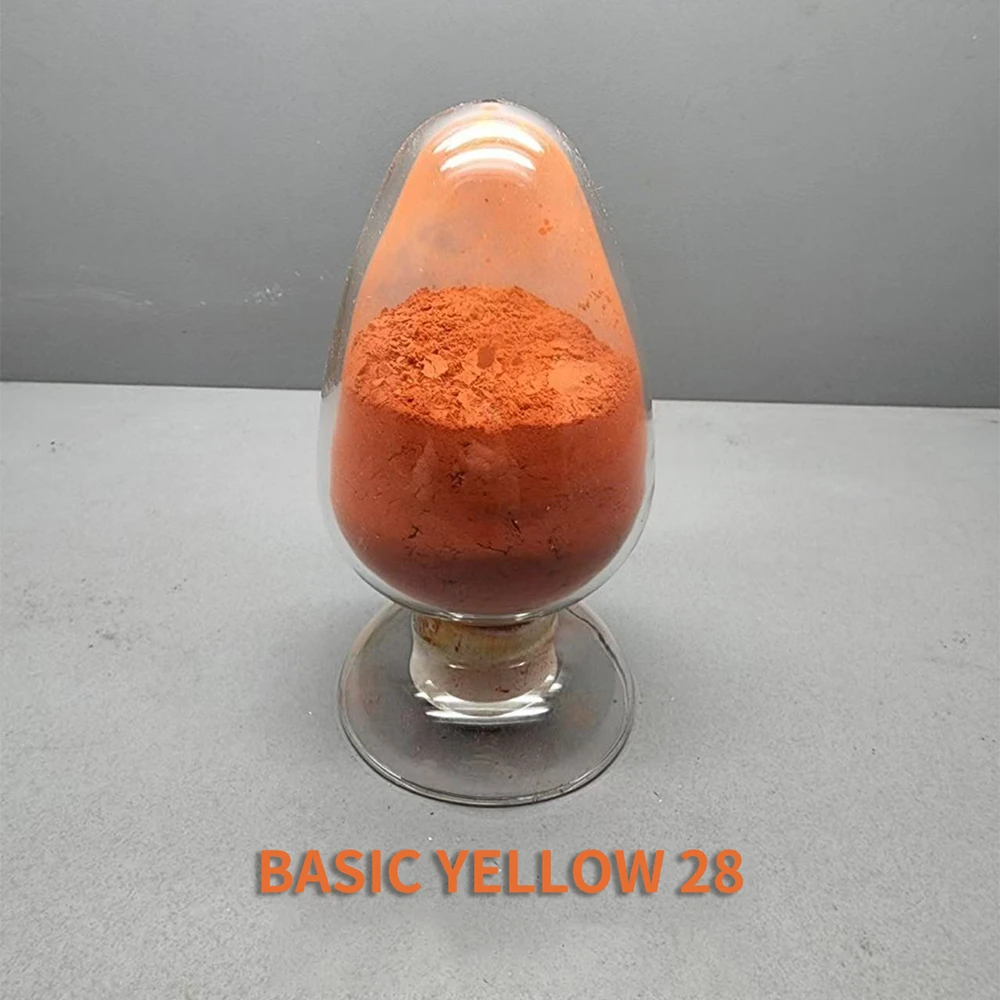
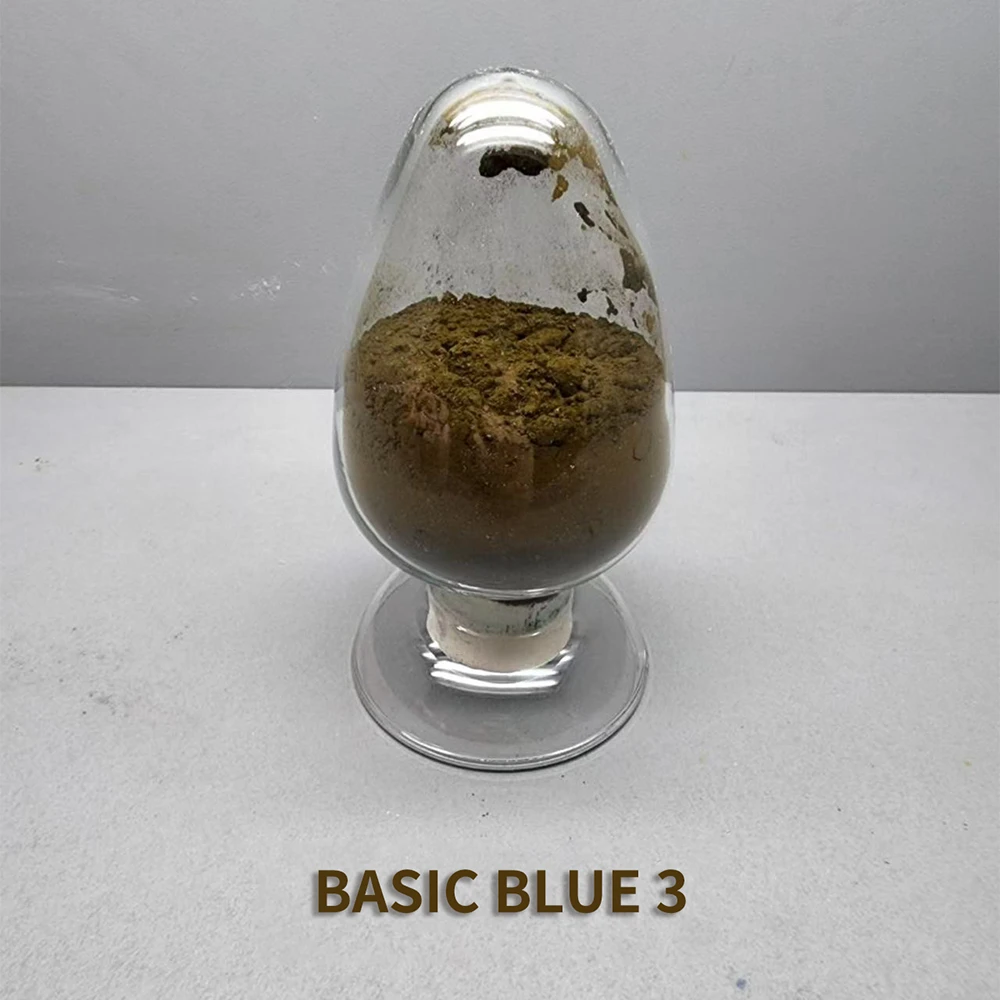
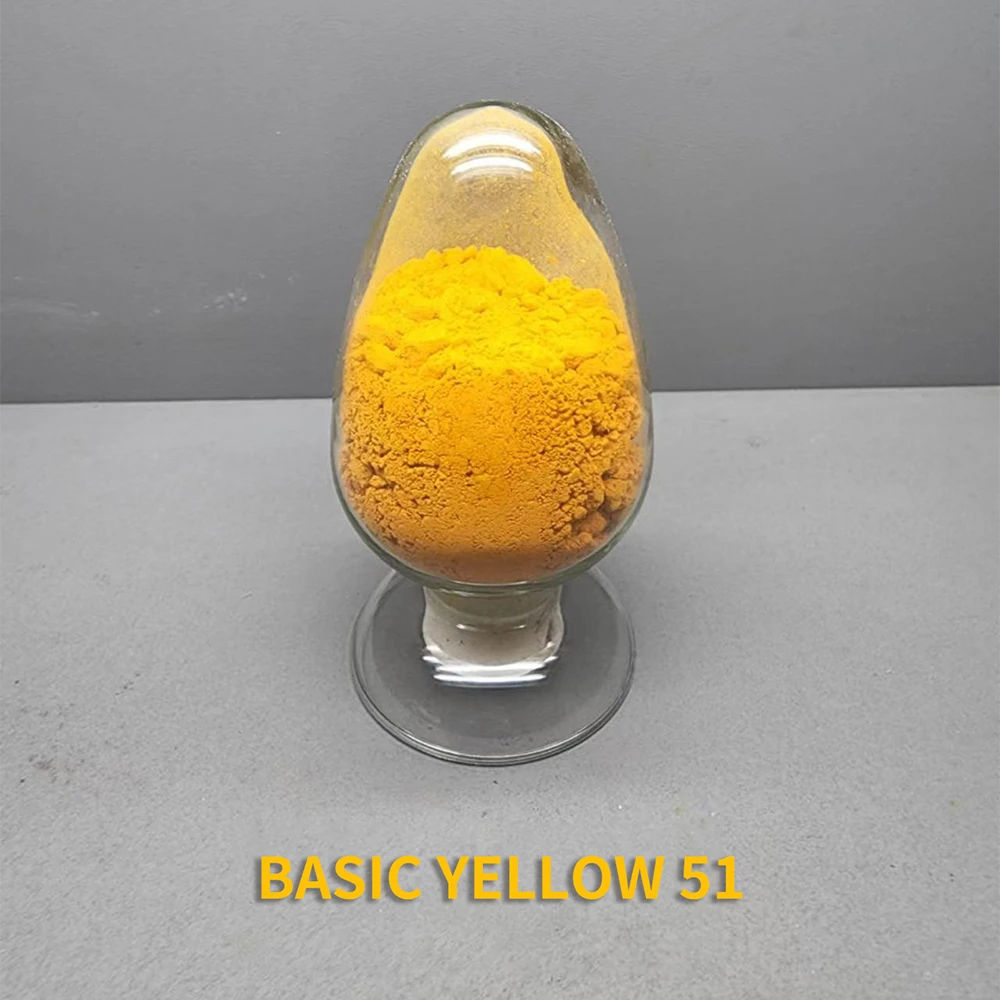
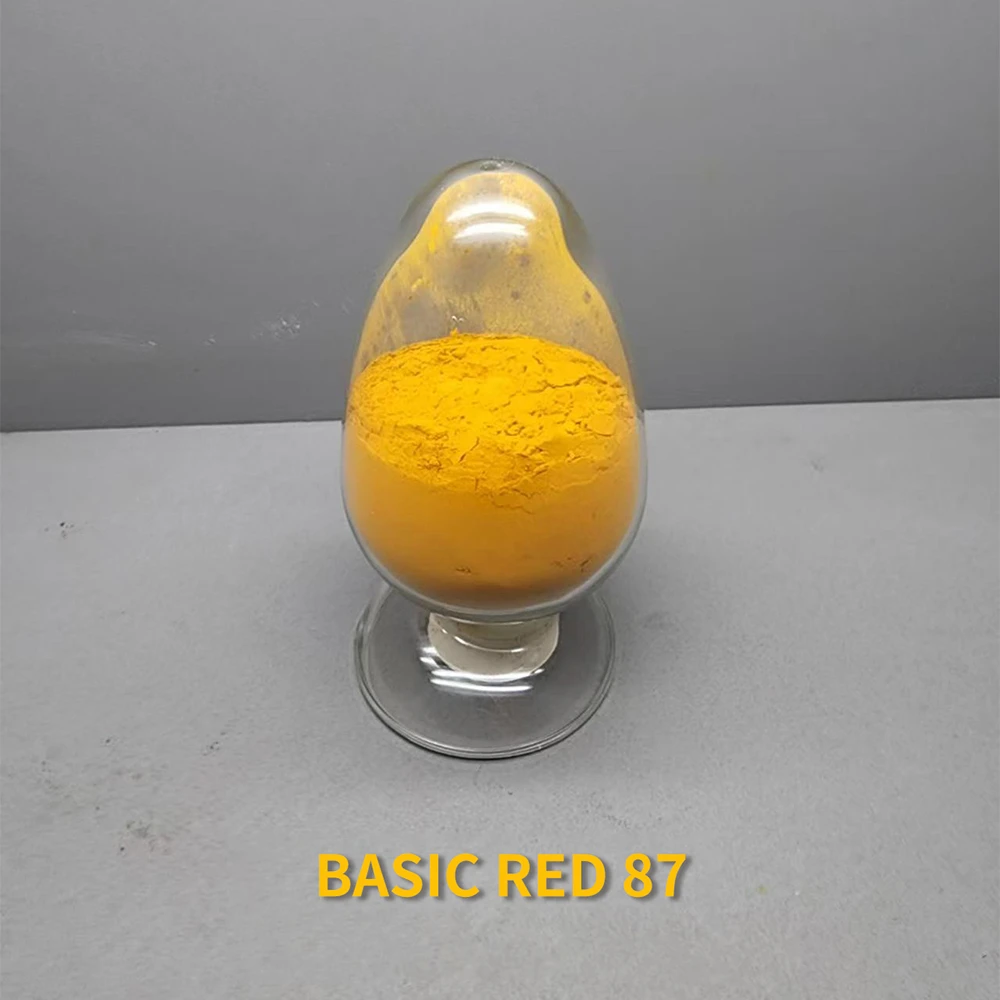
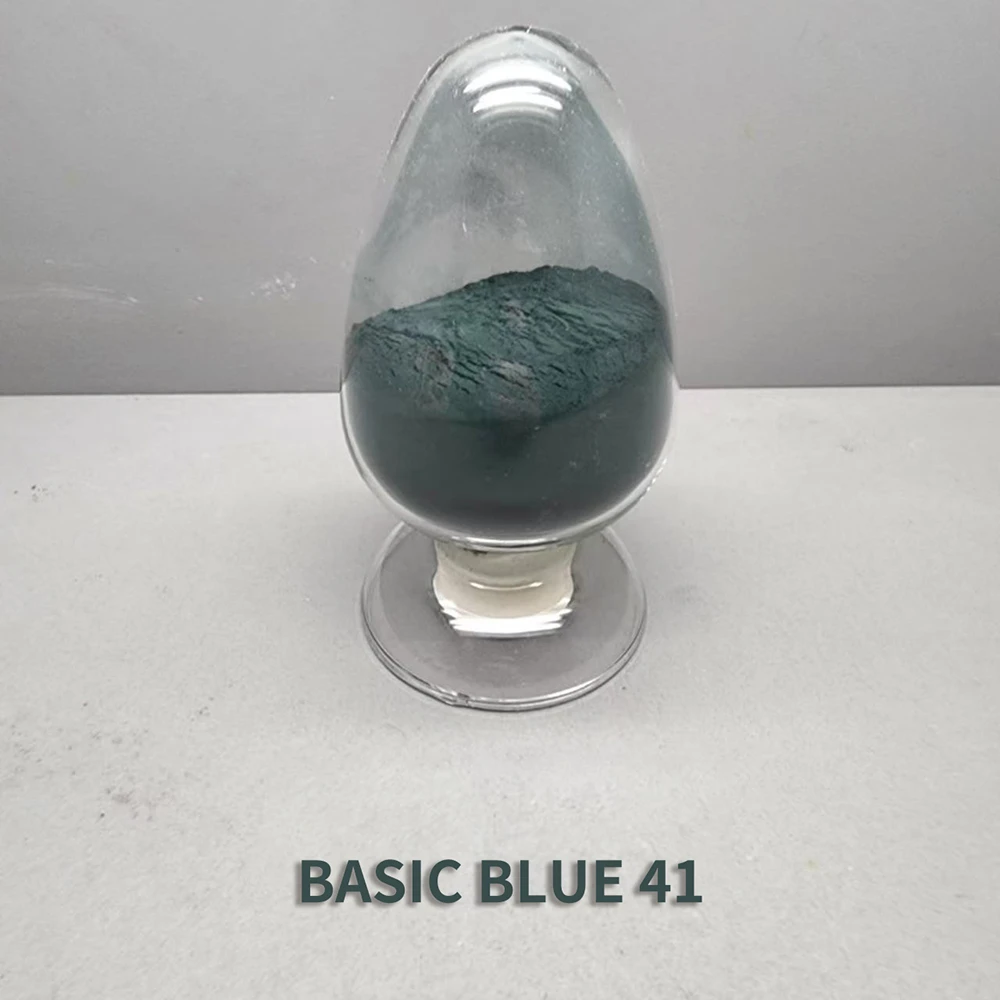
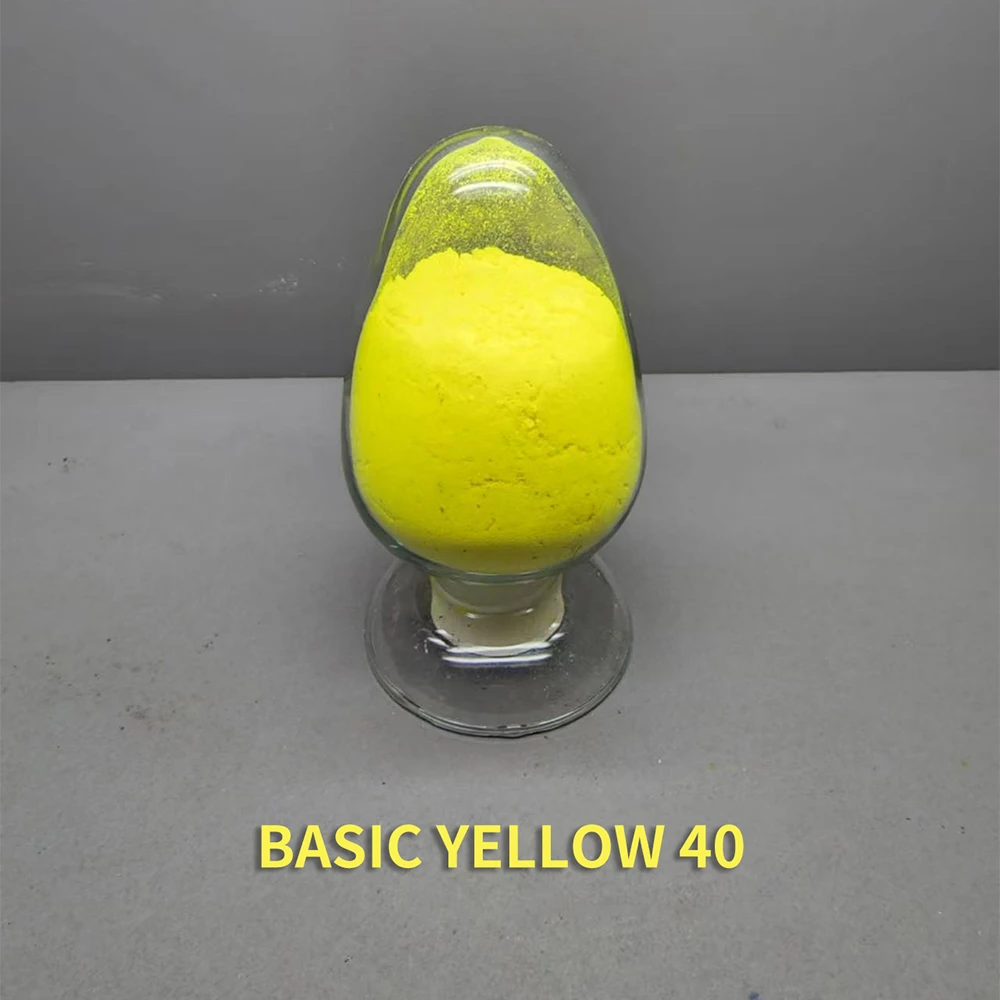
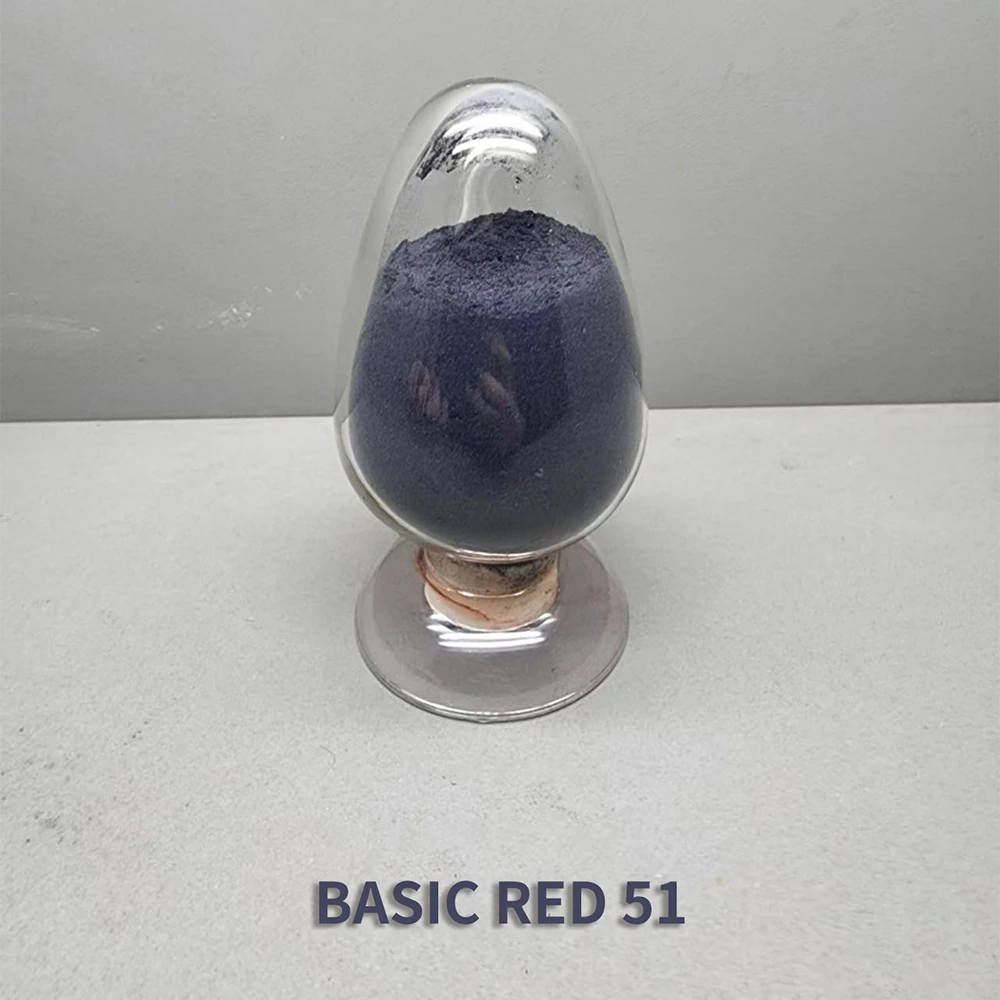
So, where exactly do these dyes get used? It's diverse. In Asia—a hotbed of textile manufacturing—reactive anionic dyes like Procion MX are popular for cotton due to their washfastness. Meanwhile, cationic dyes such as Basic Violet 10 tend to be prevalent in acrylic knitting for vibrant colors.
Beyond textiles, cationic dyes find roles in water purification as indicators or tracers. For example, wastewater treatment plants sometimes use methylene blue, a cationic dye, to track water flows.
Humanitarian agencies, too, use textiles dyed with these compounds for durable shelter fabrics and uniforms that resist wear and exposure in post-disaster zones.
Interestingly, European Union regulations on dye toxicity influence dye selections globally, pushing manufacturers towards safer, compliant examples of cationic and anionic dyes.
Product Specification Table: Common Examples of Cationic and Anionic Dyes
| Dye Name | Type | Typical Use | Fiber Compatibility | Environmental Notes |
|---|---|---|---|---|
| Methylene Blue | Cationic | Water tracer, textile dye | Acrylic, wool | Moderate biodegradability |
| Procion MX | Anionic | Cotton dyeing | Cellulose fibers | Requires careful wastewater processing |
| Basic Violet 10 | Cationic | Acrylic textiles | Acrylic fibers | Low toxicity, persistent color |
Advantages and Long-Term Value of Using These Dyes
Frankly, the right dye choice can be the difference between a fabric that lasts a season or a decade. Organically, cationic and anionic dyes enable fabrics with vibrant, consistent colors that resist wear. This has social implications, too—think uniforms that maintain dignity under tough conditions or medical fabrics that remain identifiable after repeated washing.
On the sustainability front, efficient dyeing reduces chemical waste and water consumption, a win-win for manufacturers and the planet. And as consumers grow conscious of ethical fashion, traceability of dye sources is becoming a selling point.
How Industry Leaders Stack Up: Vendor Comparison
| Vendor | Product Range | Sustainability Initiatives | Innovation Focus | Global Reach |
|---|---|---|---|---|
| DyStar | Wide range anionic/cationic dyes | Water recycling tech | Bio-based dyes | Asia, America, Europe |
| Clariant | Specialty cationic dye focus | Renewable feedstocks | Digital color matching | Europe, Asia |
| Huntsman | Balanced cationic and anionic portfolio | Wastewater minimization | Automation | Global |
Emerging Trends and Innovations Shaping the Future
The industry feels a noticeable push towards eco-friendly dyes and digital dyeing techniques that reduce consumption and waste. Cationic and anionic dye chemistries are adapting too; biobased dyes created from agricultural waste and microbial processes are entering the stage, aiming for lower toxicity and enhanced biodegradability.
Moreover, automation helps eliminate human error, optimizing dosing and improving fabric quality. Tracking and traceability systems via blockchain may be your next favorite buzzwords here, promising transparency from dyeing plant to retail store.
Challenges and How the Industry is Responding
Despite all this, challenges around toxicity, wastewater, and disposal remain. Removal of stubborn dye molecules from effluents is complex due to their ionic nature. Still, innovations such as advanced oxidation processes and bio-remediation are proving promising. These solutions, paired with stricter regulations, are pushing manufacturers to adopt cleaner production methods.
Frequently Asked Questions About Cationic and Anionic Dyes
- What makes cationic dyes better for acrylic fibers?
- Cationic dyes carry positive charges that attract the negatively charged sites on acrylic fibers, resulting in deeper penetration, vibrant color, and strong wash fastness. This affinity allows more efficient dyeing processes compared to other dye types.
- Are anionic dyes safe for natural fibers like wool?
- Yes, many anionic dyes suit protein-based fibers such as wool and silk due to their negative charge interacting well with positively charged amino groups. However, care is needed to optimize conditions and reduce fiber damage during dyeing.
- How is environmental pollution from these dyes managed?
- Industries are implementing wastewater treatment solutions—such as membrane filtration, chemical coagulation, and bio-filtration—to capture and break down dye residues, reducing the environmental footprint significantly.
- Can these dyes be used in digital printing?
- Absolutely. Advances in dye formulations have made both cationic and anionic dyes compatible with digital textile printers, offering high precision, reduced waste, and vibrant results.
- Where can I find more examples of cationic and anionic dyes?
- For detailed examples and product listings, check out this source, which covers a wide range of industrial dyes.
Final Thoughts: Why Knowing Your Dyes Matters
In the end, grasping how examples of cationic and anionic dyes work—and their real-world implications—feels like gaining a secret map to better textile production, sustainable innovation, and mindful consumption. Whether you’re a manufacturer, designer, or curious reader, these dyes' story teaches us about chemistry’s power to shape industries and environmental futures alike.
If you want to dive deeper or source quality dyes for your next project, visit https://www.yanhongchem.com.
References
-
Durable Fabric Dye for Outdoor Cushions – UV & Water Resistant SolutionsNewsDec. 09, 2025
-
Buy Fabric Dye – Durable and Sustainable Solutions for Textile Industry | Yanhong ChemNewsDec. 03, 2025
-
Reliable Navy Fabric Dye for Industrial Textile Applications | YanhongNewsDec. 07, 2025
-
Burnt Orange Fabric Dye: Durable, Eco-Friendly Color Solutions for Global TextilesNewsDec. 07, 2025
-
Dark Blue Fabric Dye | Expert Guide & Vendor ComparisonNewsDec. 11, 2025
-
Choosing The Right Dress Dye For Vibrant And Durable TextilesNewsMar. 06, 2026