Common Dyes Used in Textile Industry: Global Overview, Applications & Trends
Understanding Common Dyes Used in Textile Industry: Why They Matter Globally
Every piece of clothing we wear flaunts colors that, frankly, have a deeper story than meets the eye. Those vibrant reds, calming blues, or earthy browns are thanks to common dyes used in textile industry – a niche yet critical component of global manufacturing. Why does this matter? Well, textiles touch every corner of the world, from modest village tailor shops to sprawling multinational factories. Getting a grip on these dyes means understanding sustainability, cost, quality, and even social impacts linked to fashion and industrial textiles. The better we understand them, the better we can innovate — and hopefully, keep things greener and cleaner worldwide.
Global Context: The Widespread Role of Textile Dyes
The textile dye sector is a multi-billion-dollar global industry. According to the United Nations Industrial Development Organization (UNIDO), textile production accounts for nearly 20% of global chemical use, with dyes representing a significant slice. More than 100,000 tons of dyes are produced annually worldwide, and the textile industry consumes about 60% of all dyes manufactured. That's immense! However, with this scale comes environmental concerns: wastewater from dyeing processes contributes to 20-30% of global industrial water pollution (World Bank data).
Moreover, as demand for textiles surges in developing countries, stakeholders are challenged to find durable, cost-efficient dyes that meet evolving regulatory standards and consumer expectations. The push for fast fashion sometimes overlooks dye impact, but the tide is turning with sustainability and safety gaining ground.
Quick takeaway: Textile dyes are everywhere and essential—but managing their environmental footprint is a global challenge that drives innovation and responsible sourcing.
What Are Common Dyes Used in Textile Industry?
Simply put, common dyes used in textile industry are the synthetic or natural compounds that impart color to fabrics through chemical or physical bonding. These dyes can be broadly categorized into reactive, vat, direct, acid, and disperse dyes, each suited for different fabric types like cotton, wool, nylon, or polyester. They’re more than just pigments – they interact with fibers at the molecular level to provide permanence, brilliance, and wash-fastness.
Nowadays, with global textile supply chains stretching far and wide, selecting the right dye is also about compatibility with water treatment systems, energy consumption in drying, and human safety standards. Oddly enough, our need for a red shirt eventually ties into environmental regulations and fair labor in Asia or Africa.
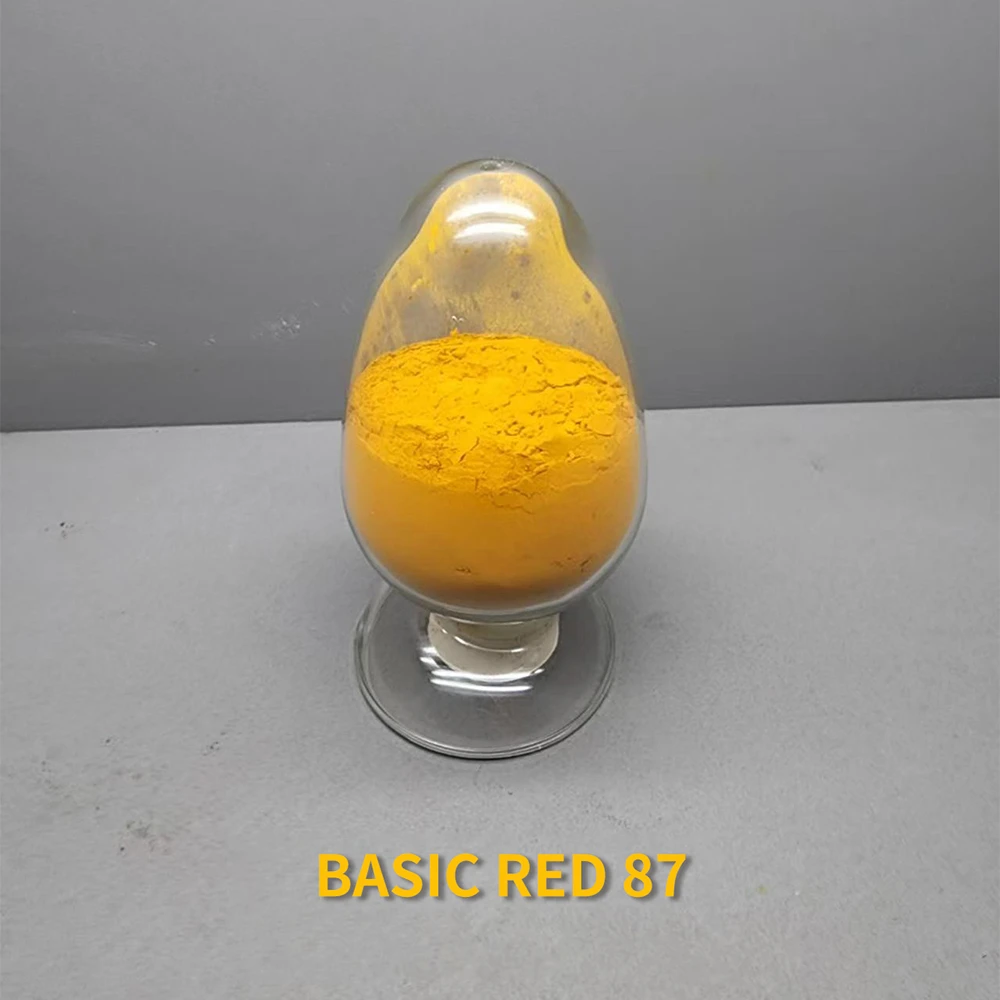
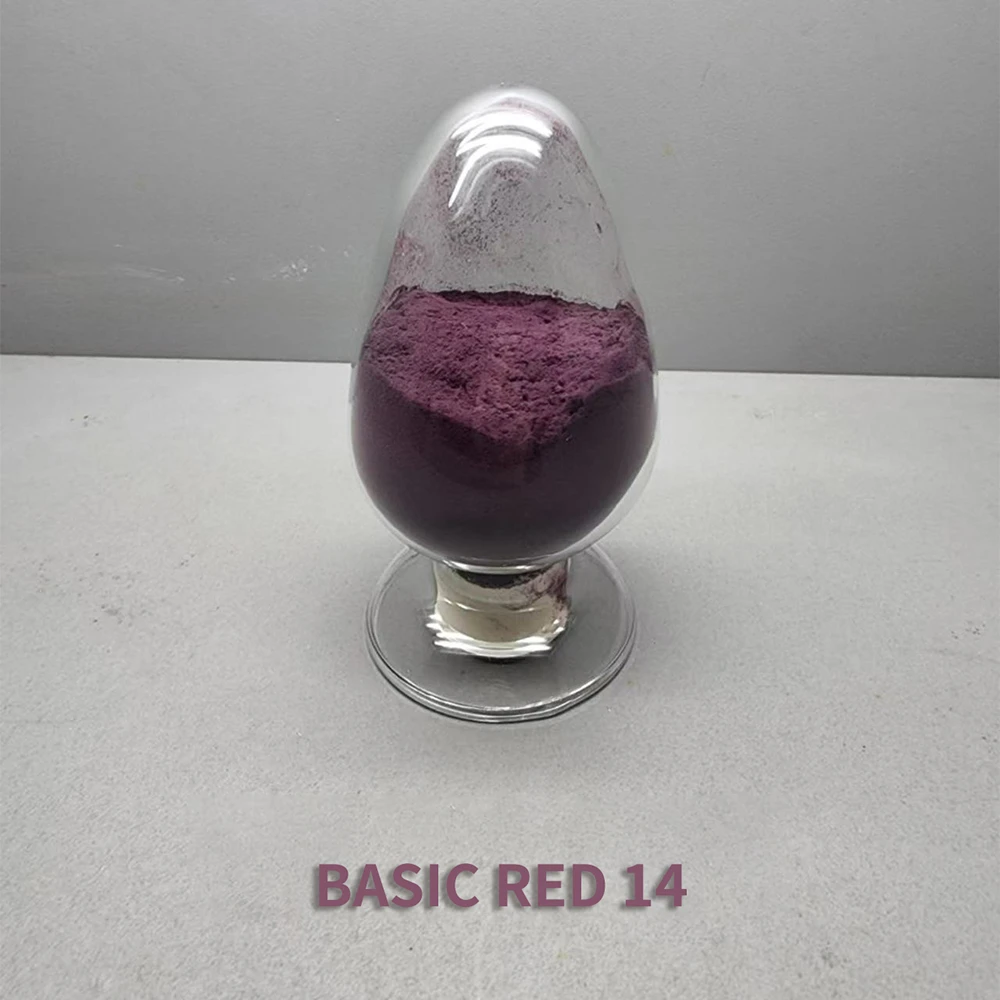
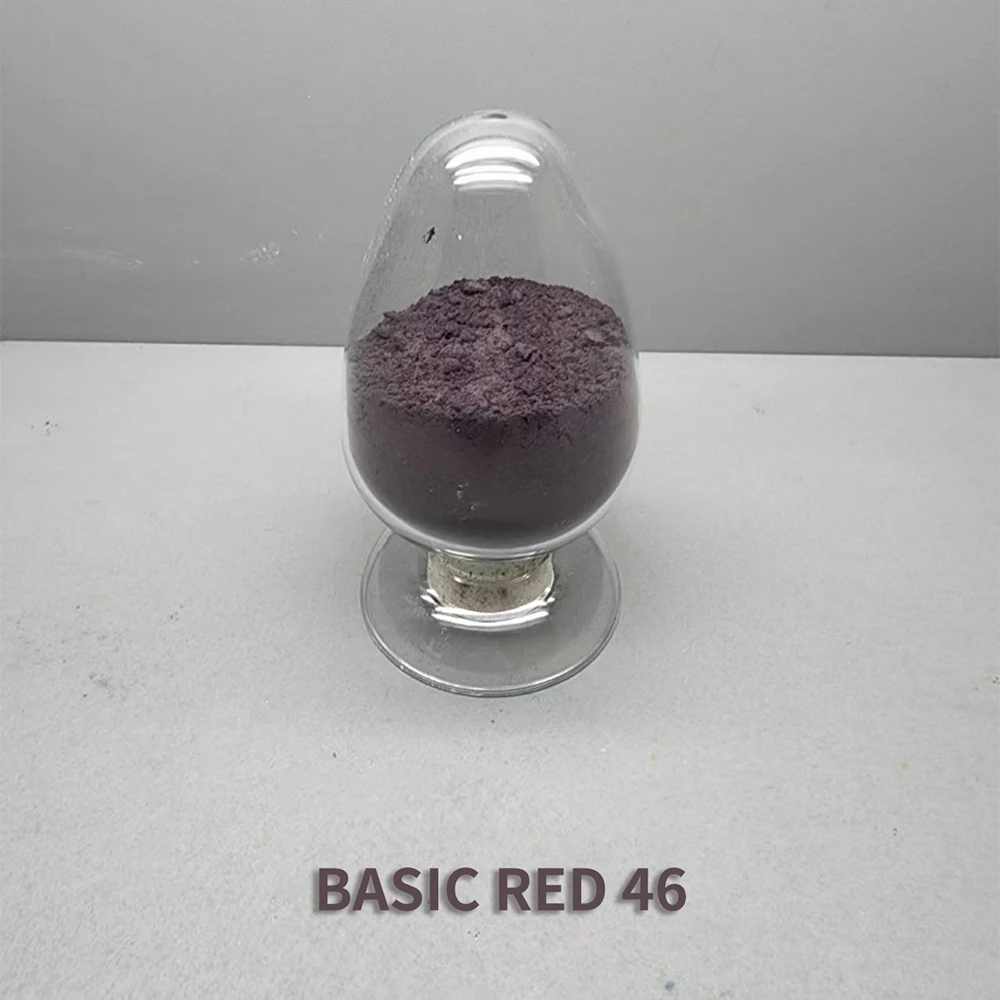
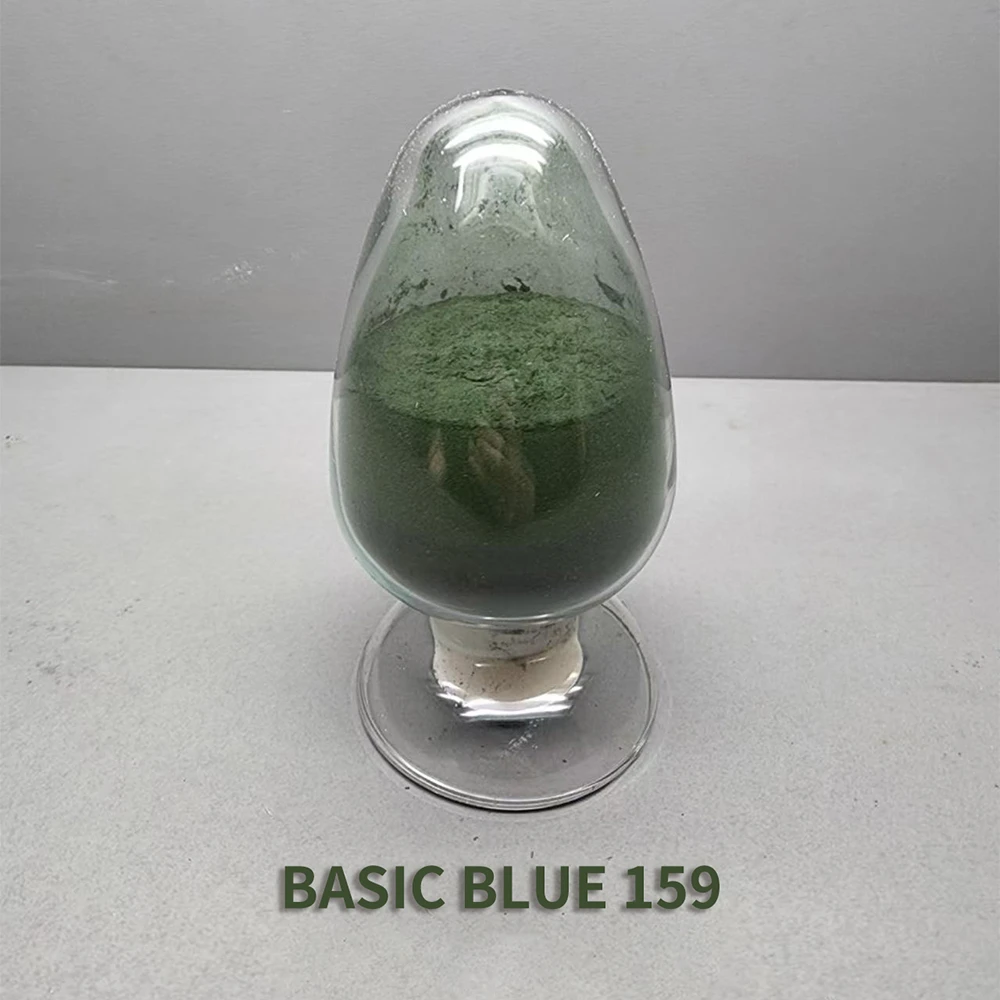
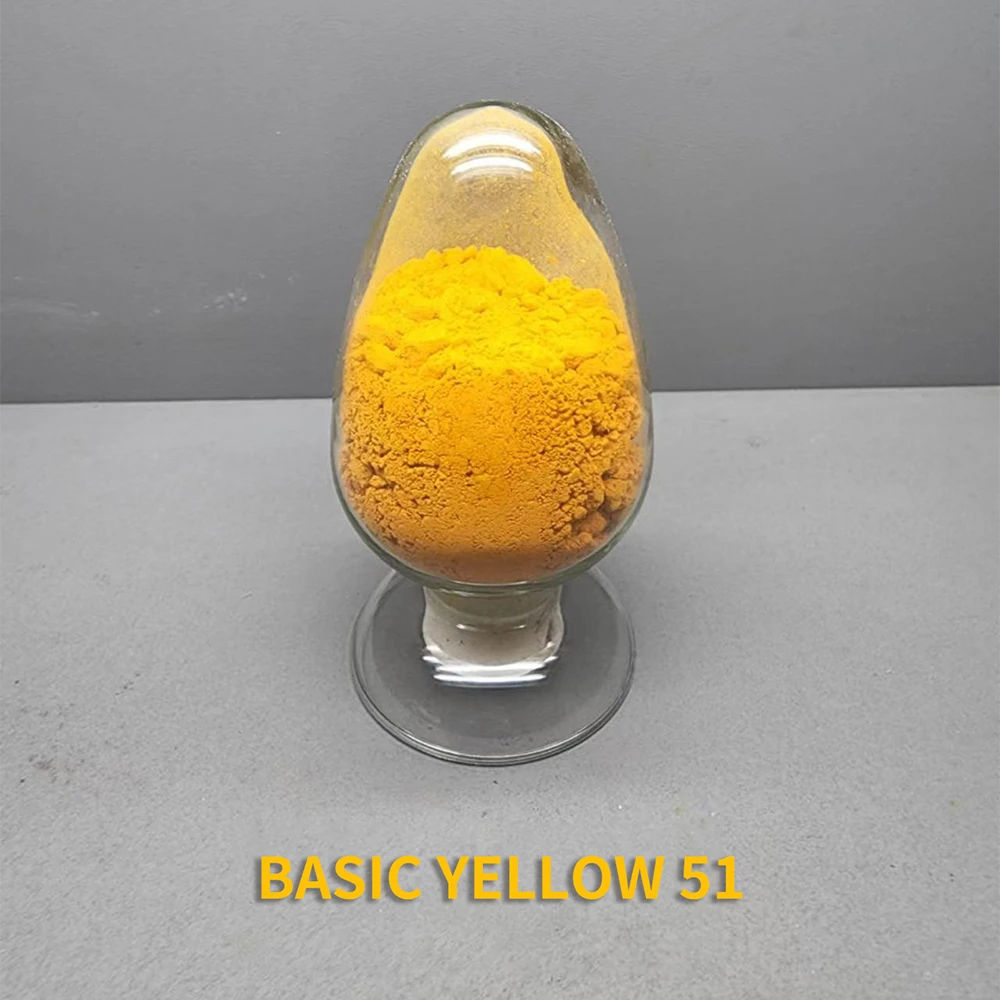
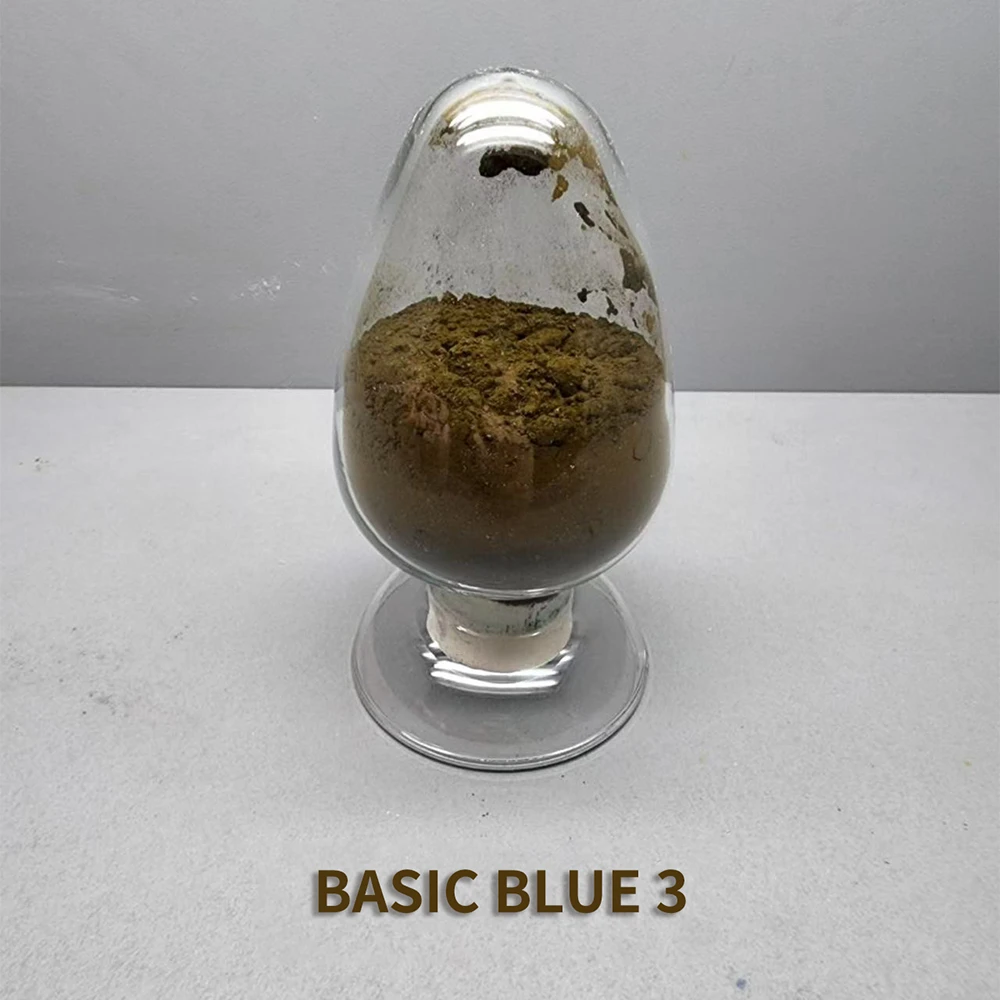
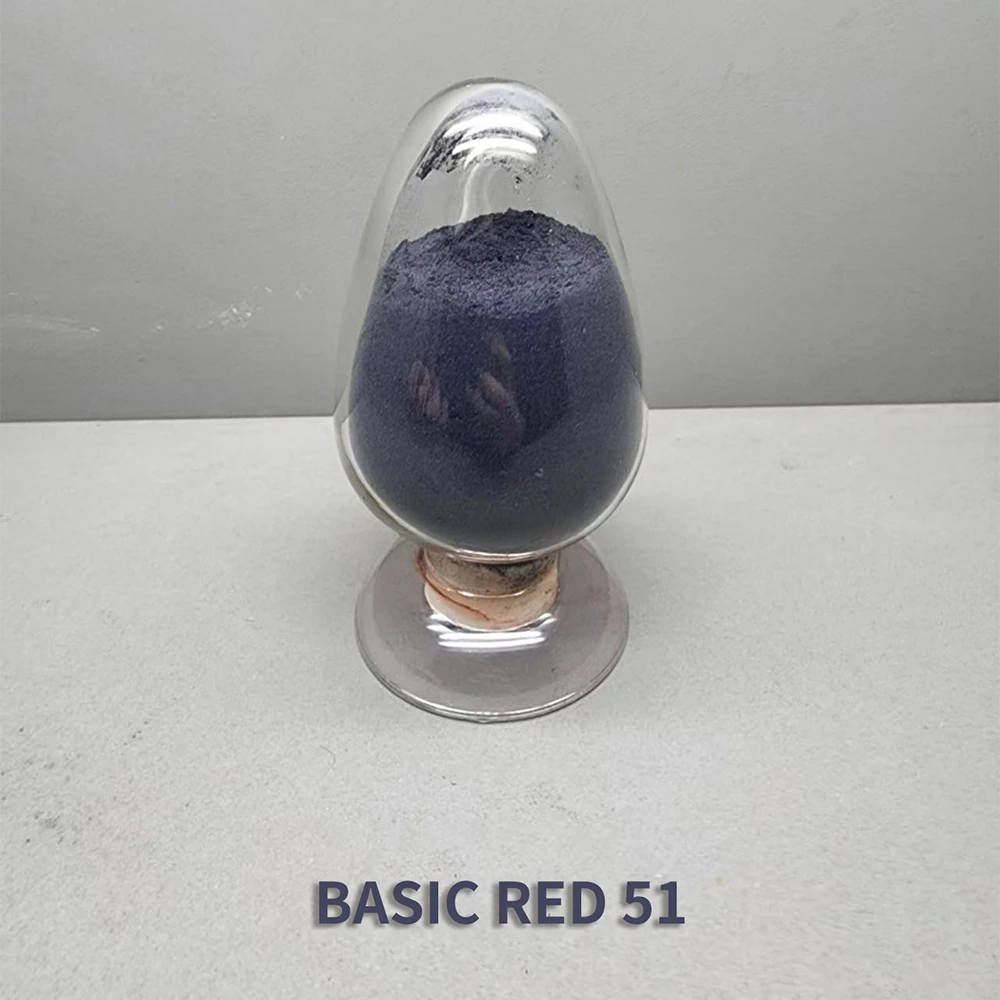
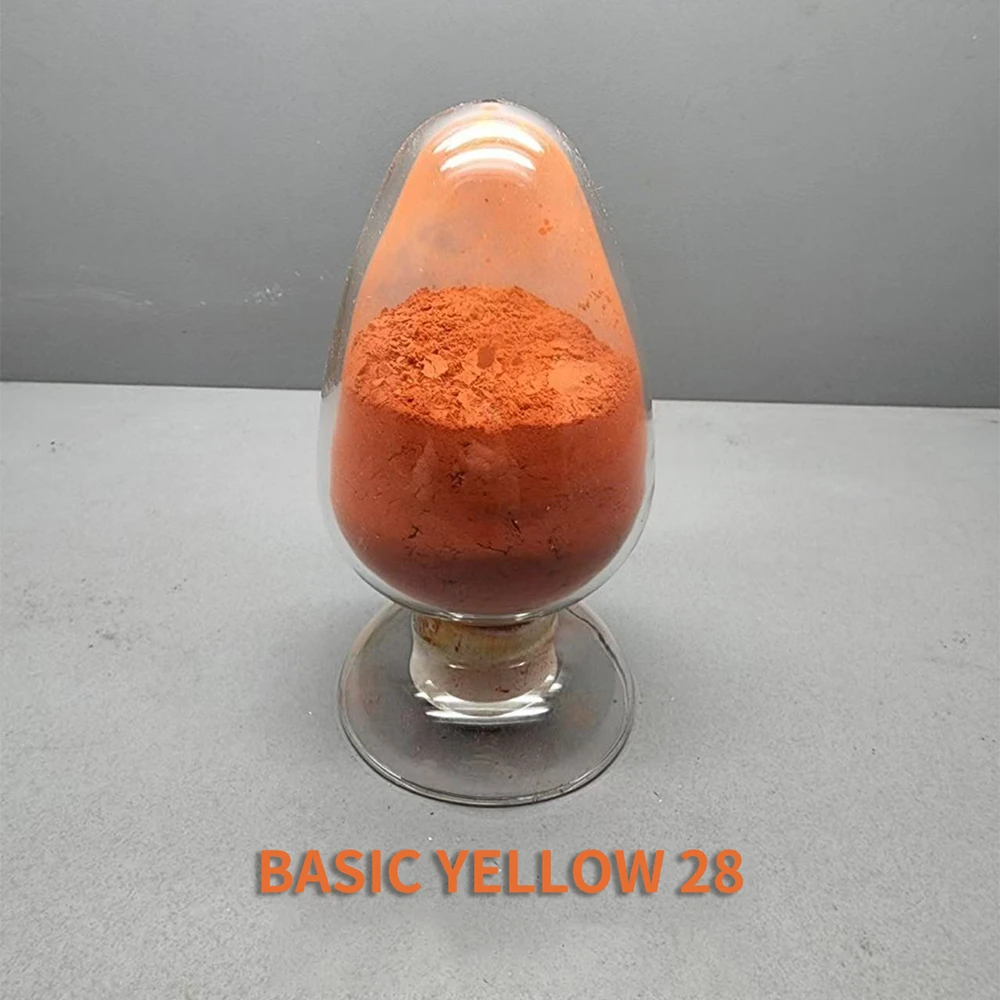
Here you can explore the diverse range of dyes used in the textile industry in detail.
Core Factors to Consider When Choosing Textile Dyes
1. Color Fastness and Durability
One paramount requirement is how long the color lasts against washing, sunlight, and wear. Reactive dyes, for example, chemically bond with cotton fibers offering excellent wash fastness. In contrast, direct dyes tend to be less durable but easier to apply, often favored for cost-sensitive applications. Durability affects not just consumer satisfaction but also environmental impact — less fading means less frequent garment replacement.
2. Cost Efficiency and Availability
Not every manufacturer can afford top-tier dyes. The balance between price and performance is delicate. Bulk production and economies of scale help, but raw material volatility (like the price of aniline chemicals for azo dyes) can spike costs unpredictably. Also, the accessibility of certain dye intermediates varies worldwide, restricting options in some regions.
3. Environmental Impact and Compliance
With stricter ISO and REACH regulations, many traditional dyes containing heavy metals or toxic azo compounds are being phased out. More brands are opting for azo-free, low-impact dyes or bio-based alternatives. Water pollution treatment, dye bath recycling, and safe effluent discharge are hot topics among manufacturers and NGOs. “Going green” isn’t just marketing fluff anymore. It's increasingly mandatory.
4. Scalability and Production Speed
Fast fashion demands fast dyeing cycles. Some dyes, like disperse dyes for polyester, require high temperatures and lengthy processes, which might conflict with just-in-time production. Conversely, pigments enable quicker application but often at the expense of colorfastness. Striking this balance influences everything from factory throughput to carbon footprint.
5. Compatibility with Fiber Types
Different fibers require different dyes — wool needs acid dyes, cotton prefers reactive ones, synthetics like polyester look to disperse dyes. That selection drives the choice of machinery, energy use, and quality — each affecting the final product’s feel and longevity.
Quick takeaway: Picking the right dye isn’t just about pretty colors; it’s a complex decision combing durability, cost, environment, speed, and chemistry.
Real-World Use Cases: Where Textile Dyes Really Make a Difference
From fashion hubs in Italy to mass production plants in Bangladesh, common dyes used in textile industry are everywhere. But it’s in unexpected places where their impact becomes especially clear. For instance:
- Humanitarian Relief: Temporary shelters and uniforms for disaster response need quick-drying, fade-resistant, and skin-safe dyes. This ensures dignity and safety for displaced populations.
- Industrial Workwear: Manufacturers produce flame-retardant and chemical-resistant fabrics dyed to strict standards, essential for worker safety in sectors like mining or metallurgy.
- Eco-conscious Brands: Scandinavian fashion labels are pioneering the use of plant-based dyes and closed-loop processing to minimize environmental footprints.
- Emerging Markets: In African countries expanding their garment exports, affordable, durable dyes are critical to meeting both cost and quality expectations.
Each scenario has nuanced demands, shaping how dyes are formulated and deployed worldwide.
Advantages & Long-Term Value of Using Ideal Textile Dyes
When we talk about common dyes used in textile industry, it’s not just about aesthetics. The right choice carries tangible long-term perks:
- Economic Savings: Durable dyes reduce returns, reprocessing, and wastage.
- Environmental Sustainability: Cleaner dyeing processes preserve water and reduce hazardous waste.
- Brand Reputation: Consumers increasingly trust brands with ethical sourcing, including eco-friendly dyes.
- Safety and Health: Eliminating toxic components protects workers and end-users alike.
- Innovation Catalyst: Advancements in dye chemistry pave the way for smart textiles, UV protection, and antimicrobial clothing.
On an emotional level, clothing is also about identity and confidence. A rich, stable color can make all the difference in someone’s day — oddly powerful, right?
Future Trends and Innovations in Textile Dyeing
The future of textile dyes is leaning heavily into green chemistry. Emerging trends include:
- Bio-Dyes: Using microorganisms to biosynthesize dyes, reducing reliance on petrochemicals.
- Digital Printing: Direct application of dyes through robotics, cutting water use drastically.
- Waterless Dyeing Technologies: Systems using supercritical CO2 instead of water for dyeing synthetic fibers.
- Smart Dyes: Pigments that change color with temperature or light exposure, ideal for adaptive fashion or industrial uses.
- Regulatory Push: Stricter global standards will push the industry towards safer, traceable dye chemistries.
It feels a bit like science fiction but those innovations are fast becoming mainstream. Likewise, automation and AI help optimize dye formulations for minimal waste and maximum performance.
Challenges and Forward-Looking Solutions
Yet, dyeing isn't without its headaches. Persistent issues include:
- Pollution and wastewater treatment remain expensive and complex.
- Some high-performance dyes still rely on hazardous chemicals.
- Supply chain opacity can hide environmental or ethical violations.
- Balancing cost pressures with sustainability goals is tricky for many producers.
Solutions are emerging through tighter collaboration between chemical producers, manufacturers, and regulators. Technologies like closed-loop dyeing, real-time effluent monitoring, and blockchain for sourcing transparency are on the rise. Also, increased R&D into alternative feedstocks for dyes — like agricultural waste — show promise.
Frequently Asked Questions About Common Dyes Used in Textile Industry
- Q: What types of dyes are most suitable for cotton fabrics?
- A: Reactive dyes are generally preferred for cotton because they form covalent bonds with cellulose fibers, delivering bright colors with excellent wash-fastness. They are water-soluble and work well under mild conditions.
- Q: Are natural dyes still relevant in modern textile manufacturing?
- A: Yes, though less common due to cost and colorfastness challenges, natural dyes like indigo or madder are valued for their eco-friendly profile in niche or artisanal markets, often combined with modern processing for improved durability.
- Q: How do manufacturers ensure dyes don’t harm the environment?
- A: Techniques include adopting non-toxic dye formulations, implementing effluent treatment plants, recycling dye baths, and following international standards such as OEKO-TEX and GOTS certification for organic textiles.
- Q: Can synthetic dyes cause allergic reactions?
- A: Some synthetic dyes, particularly disperse types, may cause mild allergic reactions in sensitive individuals, especially with prolonged skin contact. That’s why rigorous testing and hypoallergenic standards are increasingly important.
- Q: What advancements are helping reduce water usage in textile dyeing?
- A: Technologies like digital inkjet textile printing or CO2-based waterless dyeing dramatically cut water consumption compared to conventional vat or batch dyeing, contributing to sustainability goals.
Summary and Call to Action
Common dyes used in textile industry are truly at the crossroads of chemistry, sustainability, and economics. Proper understanding and innovation not only improve product quality but help protect the environment and enhance social wellbeing globally.
If you’re interested in exploring more about textile dyes, their applications, and cutting-edge products, do visit https://www.yanhongchem.com. Your next breakthrough in textile coloration might just be a click away.
Technical Specification Table of Typical Textile Dyes
| Dye Type | Fiber Compatibility | Typical Application | Color Fastness | Environmental Impact |
|---|---|---|---|---|
| Reactive Dyes | Cotton, Viscose | Garments, Home textiles | Excellent | Moderate; requires effluent treatment |
| Disperse Dyes | Polyester, Nylon | Sportswear, Industrial fabrics | Good | Higher energy use; waterless options emerging |
| Acid Dyes | Wool, Silk | Luxury apparel, upholstery | Very Good | Low to moderate; careful disposal needed |
| Vat Dyes | Cotton | Denim, industrial fabrics | Excellent | Moderate; complex process, recovery possible |
Vendor Comparison: Popular Textile Dye Suppliers
| Supplier | Product Range | Environmental Certifications | Global Reach | Notable Clients |
|---|---|---|---|---|
| Yanhong Chemical | Reactive, Disperse, Acid Dyes | ISO 14001, REACH Compliant | Asia, Europe, Americas | Fashion Brands, Workwear |
| BASF | Broad spectrum including bio-based dyes | Global Sustainability Program | Worldwide | Automotive, Apparel |
| Clariant | Specialty and functional dyes | OEKO-TEX, Bluesign | Europe, Asia | Outdoor, Performance Wear |
| Huntsman | Disperse, Reactive, Specialty Dyes | REACH, GlobalOrganic | Global | Fashion, Automotive |
Final Thoughts
Trying to pin down the importance and complexity of common textile dyes feels like peeling an onion — the more layers you remove, the more fascinating it gets. Today these dyes weave together art, chemistry, environmental science, and global trade. And oddly, they hint that even the smallest pigment molecule has a vast story spanning continents and cultures. Hopefully, this glimpse helps you appreciate the colors of the clothes we often take for granted.
References
-
Fabric Dye for Couch – Industrial Insights & Supplier ComparisonNewsJan. 03, 2026
-
Comprehensive Guide to Khaki Green Dye for Clothes and Textile ApplicationsNewsMar. 17, 2026
-
Comprehensive Guide to Dark Green Fabric Dye: Sustainability and Durability in TextilesNewsDec. 07, 2025
-
Basic Dye Factory: High-Quality Dyes from YanHong Chemical for Industrial UseNewsDec. 03, 2025
-
Beige Fabric Dye Solutions for Sustainable and Durable Textile Coloring | YanhongchemNewsDec. 09, 2025
-
Cream Fabric Dye Solutions for Industrial Textile Applications | YanHong ChemNewsDec. 08, 2025