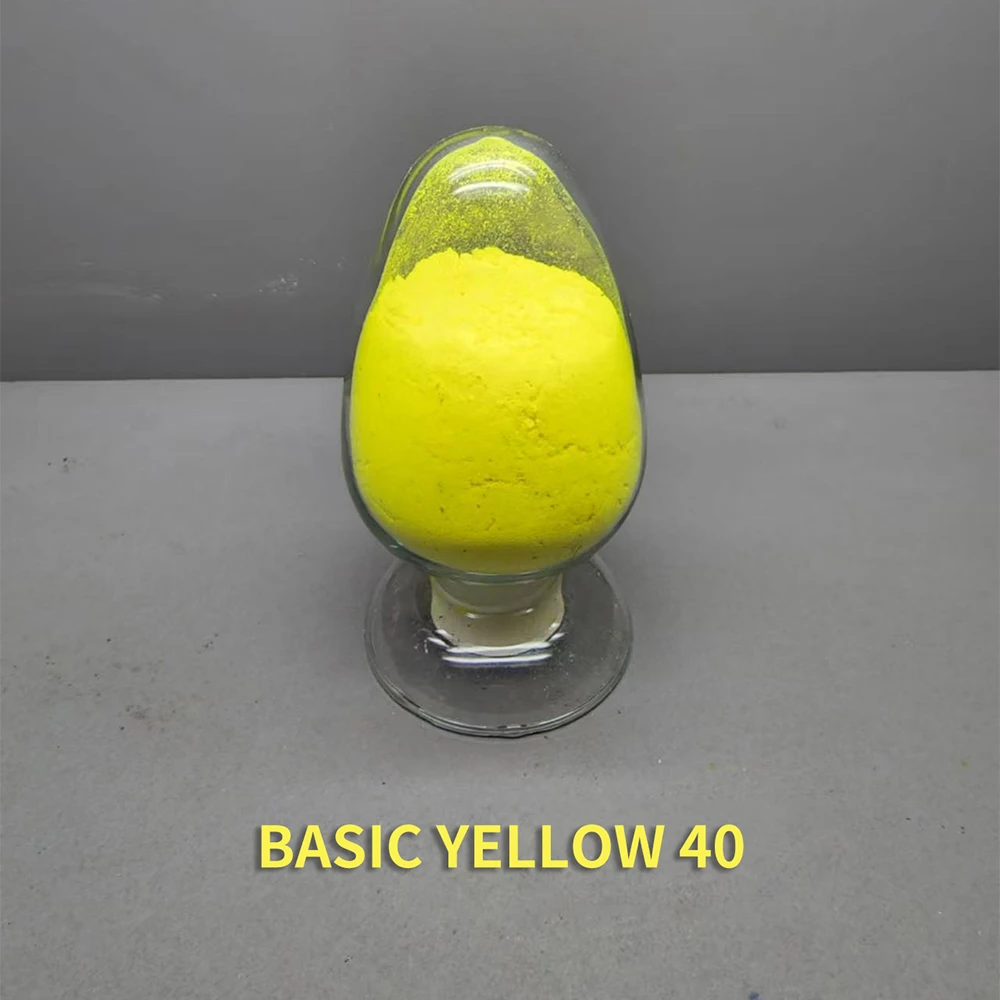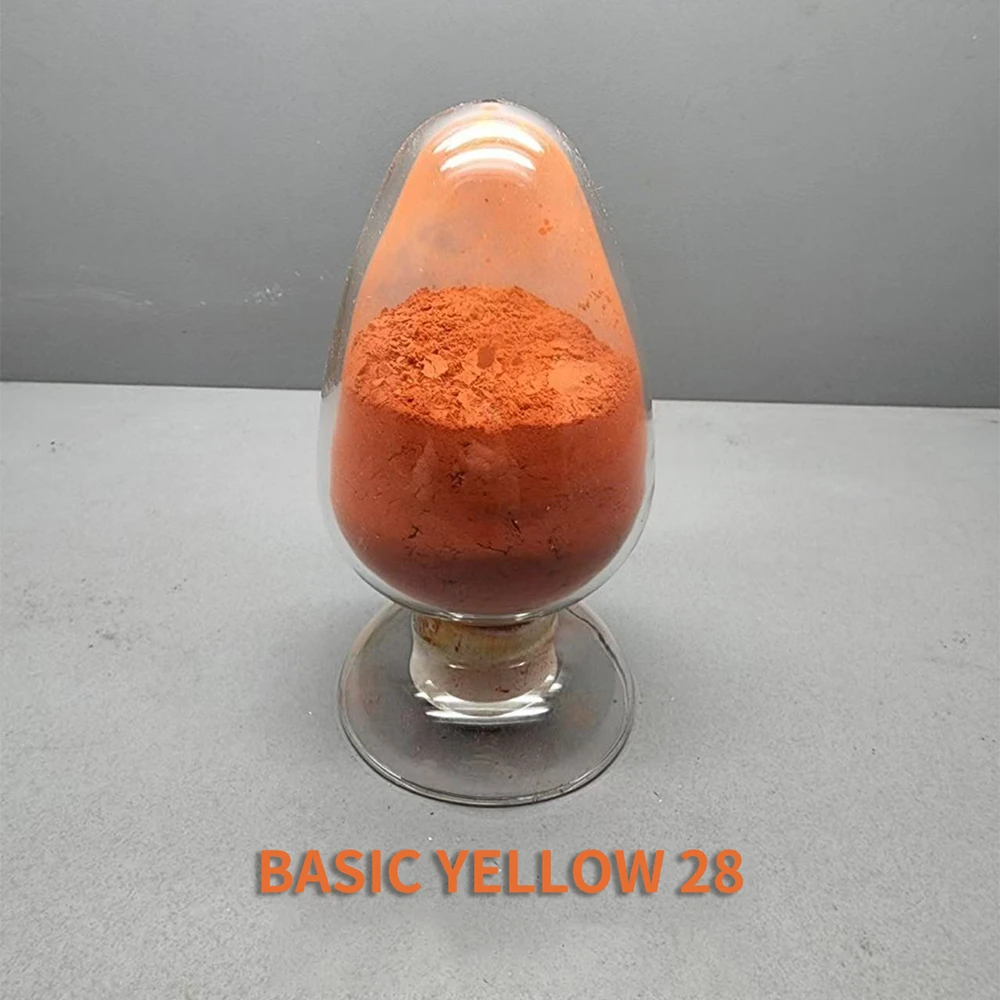
Color Changing Fabric Dye – Smart Textiles for Safety & Sustainability
Why Color Changing Fabric Dye Matters Today
Color changing fabric dye isn’t just a fancy tech for the runway or sci-fi movies anymore. It’s quietly making waves in industries ranging from fashion and safety to humanitarian aid and environmental monitoring. With climate change, supply chain shifts, and sustainability concerns increasing worldwide, this technology offers a way to build smarter, more responsive textiles that benefit users at a global scale.
Why should we care beyond aesthetics? Because these adaptive textiles improve safety, reduce waste, and even support vital field operations. That’s quite a handful for something as simple-sounding as dye.
Industry Context: A Global Shift Toward Smart Textiles
As the fashion and technical textiles industries push toward innovation, color changing fabric dye technology sits near the forefront. The global smart textile market is projected to surpass $5 billion by 2027, driven by growing demand in sportswear, military gear, and medical applications (Statista, 2023).
Moreover, the United Nations highlights sustainable product innovation as a key goal to meet climate action and responsible consumption targets (UN SDGs). Traditional textile production is resource-heavy; dyeing alone uses 28% of industrial water pollution worldwide (source: UN Water Reports). So, the industry faces a real challenge: how to innovate without worsening environmental harm.
Color changing dyes address this by enhancing fabric function while potentially reducing the need for multiple garments or added gear — a big win when supply chains are fragile and resources scarce.
What Exactly Is Color Changing Fabric Dye?
Put simply, this dye changes its color in response to environmental triggers like temperature, light, or moisture. The technology extends beyond simple pigment alteration — it involves chemical compounds known as chromic dyes that react to stimuli.
In practice, that means your jacket might shift hues when cold, or your uniform signals overheating or exposure to certain chemicals by altering colors. For industry, it opens new avenues for real-time condition monitoring, branding, and user safety. For humanitarian efforts, it can be literal lifesaving gear that signals urgent needs.
Core Components Behind the Magic
1. Durability Under Stress
One might wonder — how long does this magic last? The durability of the dye under repeated washing, UV exposure, and abrasion is critical. Advances in microencapsulation and polymer bonding have made these dyes more robust in daily use.
2. Scalability of Production
Scaling from lab samples to millions of yards of fabric is no small feat. Manufactures must ensure consistent color response without skyrocketing costs or compromising environmental safety in the dyeing process.
3. Cost Efficiency
Though costs have fallen, specialized dyes still carry a price premium. Bulk buyers and OEMs are keenly watching for suppliers who balance innovation with cost-effectiveness — which often depends on local regulations and supply chains.
4. Environmental Impact
Many color changing dyes are being developed with green chemistry principles, aiming to minimize hazardous chemicals and water use. This isn’t just marketing fluff — ISO standards are increasingly applied here.
5. Responsiveness & Sensitivity
The threshold for color change varies — from subtle shifts to bold transformations — allowing customization for different uses, from fashion to industrial safety markers.
Product Specification Highlight
| Specification | Details |
|---|---|
| Type of Dye | Thermochromic & Photochromic blends |
| Activation Temperatures | -10°C to 50°C |
| Color Transition Time | |
| Wash Durability | Up to 50 cycles |
| Environmental Compliance | ISO 14001 Certified Process |
| Common Applications | Safety apparel, sportswear, medical monitoring |
Where in the World Is This Making a Mark?
The applicability spans continents and sectors:
- Asia: Fast fashion brands in Japan and South Korea blend color changing fabrics into eco-conscious collections.
- Europe: Industrial safety gear uses these dyes in Germany and the Netherlands to provide visual alerts of overheating or chemical exposure.
- Africa: NGOs utilize color responsive tents and clothing in post-disaster zones to quickly assess environmental hazards or temperature extremes.
- North America: Medical textiles integrating thermochromic dyes assist in patient temperature monitoring without invasive gadgets.
Many engineers say the technology’s versatility is a real plus, allowing quick pivots to local challenges. For example, in remote industrial zones, color cues can preempt accidents where digital sensors fail.
Vendor Overview: Comparing Some Key Providers
| Vendor | Dye Types | Price Range (per kg) | Environmentally Friendly | Customization Options |
|---|---|---|---|---|
| Chromatek Industries | Thermochromic, UV Reactive | $200 - $300 | Yes | Full color palettes & formulations |
| EcoDye Solutions | Photochromic, Thermochromic | $180 - $250 | Certified organic processes | Limited palette, biodegradable options |
| ThermoHue Labs | Thermochromic only | $150 - $220 | No formal certification | Custom activation temps available |
Advantages & Enduring Values of Color Changing Fabric Dye
There are some truly compelling reasons brands and agencies flock to this tech:
- Cost Saving: Reduces need for additional sensors or layers by embedding intelligence in fabric itself.
- Sustainability: Promotes multi-use, reduces textile waste and the reliance on toxic dyestuffs.
- Enhanced Safety: Immediate visual alerts on overheating, chemical exposure, or weather changes.
- Social Impact: In disaster zones, quickly conveying danger or medical issues can be life-changing.
Oddly enough, the emotional reassurance users feel wearing a responsive, “aware” fabric is sometimes overlooked. It’s trust in the material, a modern version of safeguarding, that sticks with people.
Looking Ahead: Innovations on the Horizon
The race is on to make these fabrics smarter and greener. Some intriguing trends include:
- Sustainable Material Blends: Using bio-based polymers in conjunction with color changing dyes.
- Digital Integration: Fabrics that change color and sync with apps or IoT devices for precise monitoring.
- Advanced Recycling: Developing dyes that separate easily during textile recycling.
- Automation in Production: 3D knitting and robotic dye application improving accuracy and lowering waste.
Challenges and How to Get Past Them
Still, it’s not all sunshine. Some of the usual pain points are:
- Cost Pressure: High innovation costs can keep smaller firms out.
- Durability Concerns: Fading after repeated washes or exposure.
- Color Consistency: Ensuring reliable activation across large production runs.
To solve these, some vendors are collaborating with research institutes to better understand polymer chemistry and lifecycle impacts. New testing standards — ISO 105-C06 for colorfastness, for instance — help set expectations and improve quality control.
Frequently Asked Questions About Color Changing Fabric Dye
Q1: How long does the color change effect last on fabric?
A1: Typically, modern thermochromic dyes remain effective for up to 50 wash cycles, depending on factors like fabric type and care methods. More robust blends might last even longer, but users should follow recommended washing instructions to maximize longevity.
Q2: Can color changing dye be applied to natural fibers like cotton?
A2: Yes, many dyes are compatible with cotton, wool, and other natural fibers. However, the bonding process varies and may require special treatments to maintain dye responsiveness and fabric feel.
Q3: Are these dyes environmentally safe?
A3: Reputable suppliers use compounds adhering to ISO 14001 environmental standards, minimizing ecotoxicity and waste. Always check vendor certifications to ensure sustainability claims.
Q4: Can these fabrics be custom tuned to change color at specific temperatures?
A4: Absolutely. Many manufacturers offer customization of activation temperatures to fit industrial requirements, from cold-weather gear to heat-sensitive medical textiles.
Q5: How quickly does the color change occur?
A5: Usually within a few seconds (under 5), though it depends on environmental conditions and dye formulation.
Wrapping It Up: Why This Matters for the Future
Color changing fabric dye represents a quiet revolution in the way textiles interact with their environment and users. Whether enhancing safety, reducing waste, or simply adding flair, it offers multifaceted value in a world that demands more from every product.
Curious to explore this topic further or want to innovate with your textiles? Visit our website: https://www.yanhongchem.com for detailed resources and product options.
Mini Takeaway:
Color shifting dyes aren’t just trendy — they’re a practical, sustainable solution bridging technology, industry, and social needs worldwide.
References
- UN Sustainable Development Goals: https://sdgs.un.org/goals
- UN Water Reports on Textile Industry: https://www.unwater.org/publications
- Statista: Smart Textile Market Forecast 2027
-
Fabric Dye Company: Durable, Sustainable Solutions for B2B Textile NeedsNewsDec. 03, 2025
-
China Fabric Dye Manufacturers: Eco, High-Fastness, OEMNewsDec. 13, 2025
-
Purple Fabric Dye: Durable, Sustainable, and Vibrant Textile SolutionsNewsDec. 05, 2025
-
Pink Fabric Dye - Durable, Eco-Friendly Textile Solutions for Industry | YanhongchemNewsDec. 04, 2025
-
Fabric Dye for Sofa - Industrial-Grade Solutions & Supplier InsightsNewsDec. 07, 2025
-
Comprehensive Guide to Fabric Dye Price Factors and Optimization StrategiesNewsFeb. 27, 2026