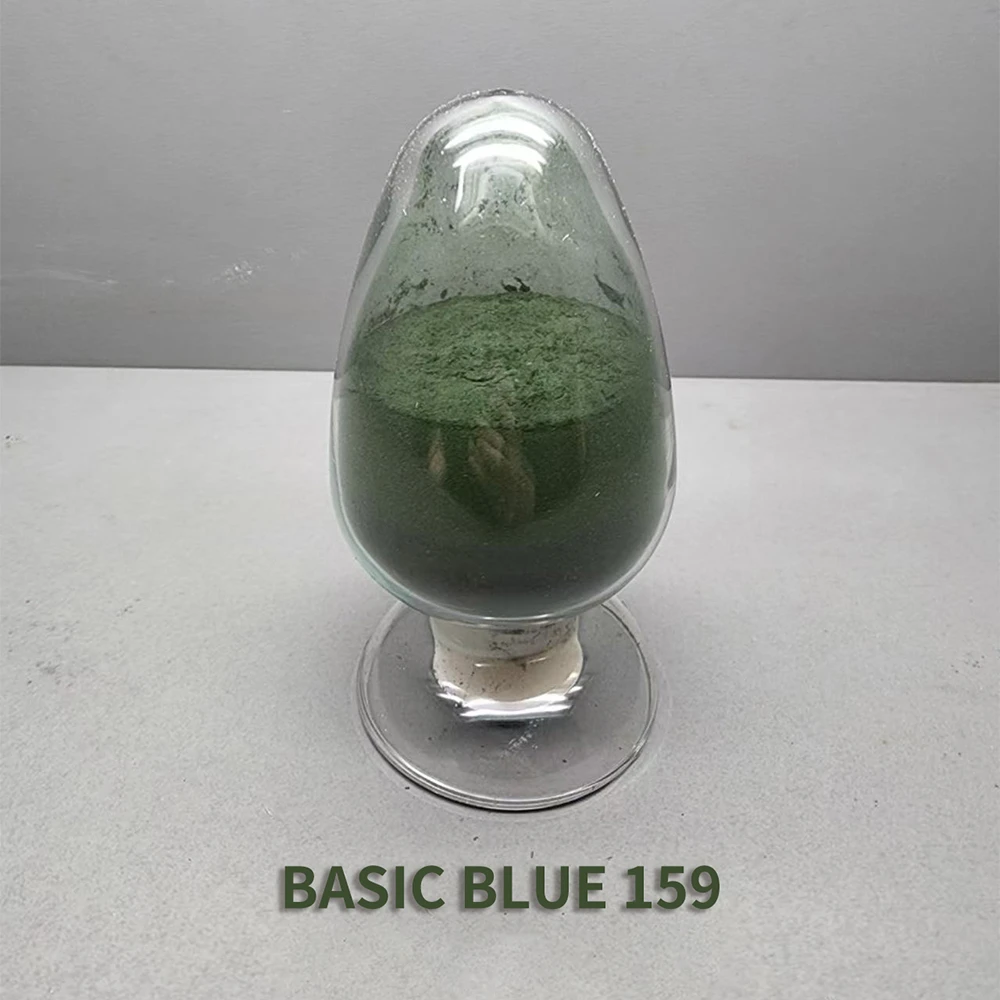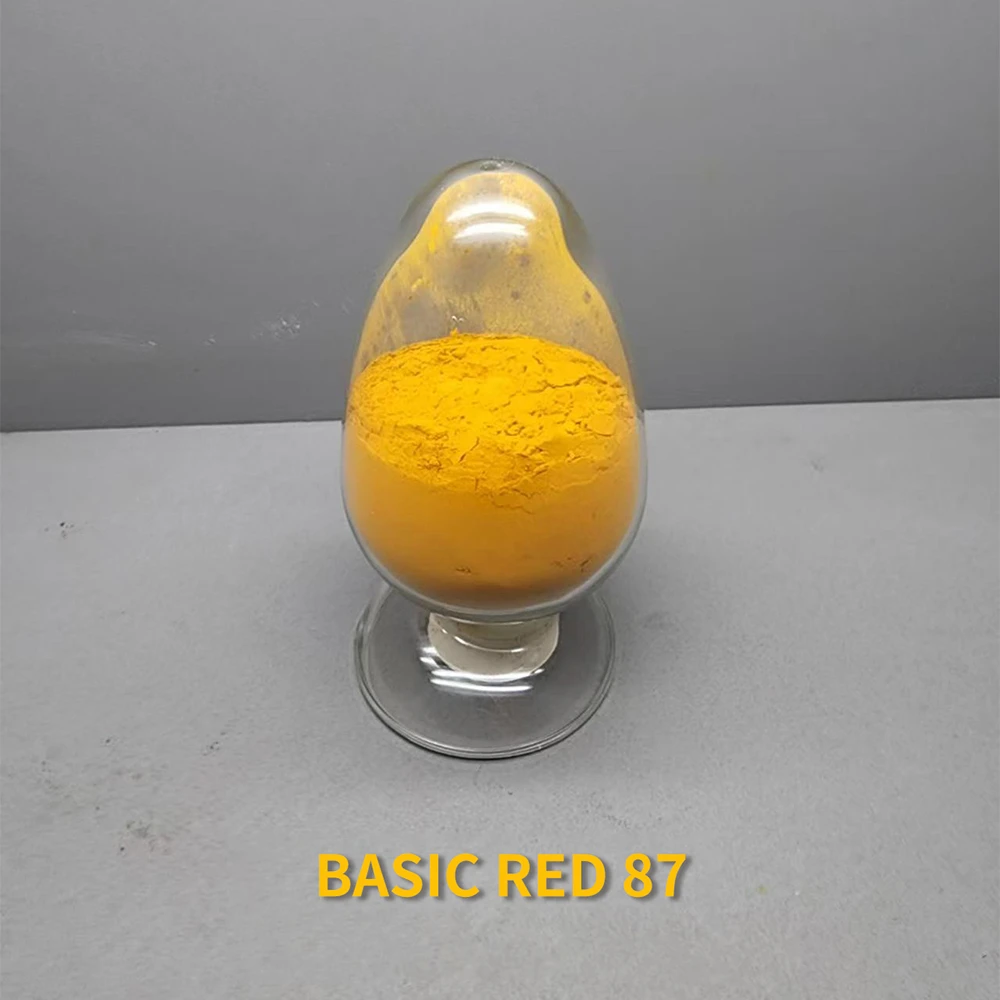
Blue Colour Dye for Clothes | Sustainable & Durable Textile Solutions
Why Blue Colour Dye for Clothes is More Than Just a Shade
Blue colour dye for clothes isn’t just about aesthetics — it carries a rich legacy and practical impact across global industries. From the iconic indigo jeans that defined cultural revolutions to industrial textiles used worldwide, understanding this specific dye holds surprising importance. It matters globally because it touches sustainability, fashion trends, supply chain economics, and even humanitarian aid in disaster zones.
So, what makes the blue colour dye for clothes a key player? Its durability, vibrancy, and environmental footprint shape how clothing manufacturers, designers, and NGOs plan and execute their projects on every continent.
The Global Stage for Blue Colour Dye in Clothing Production
Blue dyes have been woven into human culture for millennia — but modern production and application methods have brought new relevance. According to the International Trade Centre, over 60% of global textile exports contain dyed fabrics, with blue shades consistently among the top-selling colour categories. Fashion capitals from Milan to Mumbai all demand consistent and lasting blues that withstand wear and washing.
However, there’s a flip side. The UN Environment Programme highlights water pollution from dye effluents as a persistent challenge, especially in developing countries where wastewater treatment is poor. This environmental impact forces the industry to rethink dye chemistry — pushing for less toxic, more biodegradable blue colour dye for clothes. In real terms, this rebalancing act is urgent for maintaining water security and public health.
What Exactly is Blue Colour Dye for Clothes?
At its core, blue colour dye for clothes refers to a wide range of pigment and chemical compounds used to impart blue hues to textiles. These vary from natural indigo — a plant-based dye famous since ancient times — to synthetic azo and anthraquinone dyes developed in the 19th and 20th centuries.
Modern dyes are chosen based on the fabric type (cotton, polyester, blends), desired shade intensity, and environmental factors like fastness to sunlight and washing. In humanitarian situations, for instance, bright blue fabrics can symbolize aid uniforms or shelter materials, aiding recognition and safety.
Key Components of Quality Blue Dyeing
1. Durability and Fastness
One of the main challenges is how well the blue colour dye withstands fading. Good dyes resist washing, UV exposure, and friction. The science behind this involves the chemical bonding between dye molecules and textile fibers, generally stronger in reactive or vat dyes.
2. Scalability of Production
Mass production demands that blue dyes can be manufactured at volume without losing quality or overwhelming costs. The rise of global fast fashion has put massive pressure on suppliers to keep blue hues consistent and fast.
3. Cost Efficiency
Price per kilogram of dye affects the end garment price, especially for budget brands operating on thin margins. Some synthetic dyes are cheap but environmentally harsh, while natural alternatives cost more but offer sustainability benefits.
4. Environmental Impact
With water scarcity and pollution on the rise, dyes must align with better wastewater treatment practices or be inherently less toxic. Innovations like enzymatic dyeing or plant-based extracts are promising.
5. Colour Precision and Variety
Not all blues are created equal. From deep navy to bright azure, precise chemical formulations allow fabricators to meet diverse style requirements.
Mini Takeaway:
Understanding the components behind blue colour dye for clothes shows how this simple element is a linchpin in fashion, industry, and sustainability.
Applications of Blue Colour Dye in the Real World
- Fashion and Apparel: The jeans industry remains the largest consumer of blue dyes, especially indigo dyes, to achieve that classic denim look.
- Medical Uniforms and PPE: In hospitals, the familiar blue scrubs and gowns rely on fast-drying, durable dyes for hygiene and comfort.
- Military and Emergency Services: Blue fabrics help differentiate teams and elevate visibility in field operations.
- Humanitarian Aid: Blue-coloured tents and tarps are common in refugee camps, signifying safety and shelter often coordinated by agencies like the UNHCR.
- Industrial Textiles: Demand for protective clothing in manufacturing and construction sectors uses specialized blue dyes resistant to solvents and abrasion.
Mini Takeaway:
The versatility of blue colour dye for clothes shows up in everything from everyday jeans to lifesaving relief efforts.
Why Blue Dyes Bring Long-Term Value
Blue dyes, especially modern formulations, offer durability that translates into garments lasting longer and looking newer despite heavy use. That means less frequent replacement and less waste — a plus for sustainability advocates.
From a social perspective, blue uniforms and clothing can foster identity and trust in healthcare and first responder contexts. Feeling safe and recognized is no small thing, especially in emergencies.
Moreover, as brands face rising consumer awareness around ecology, switching to eco-friendly blue colour dye alternatives can differentiate companies, align with green policies, and reduce regulatory risks.
Product Specification: Typical Blue Colour Dye for Clothes
| Specification | Detail |
|---|---|
| Type | Reactive / Vat / Indigo |
| Fastness (wash/ UV) | Grade 4-5 (ISO 105) |
| Typical Cost per kg | $15 - $40 (varies with type) |
| Environmental Compliance | OEKO-TEX, Bluesign (optional) |
| Application Method | Pad dyeing, Exhaust dyeing |
| Compatibility | Cotton, Polyester blends, Nylon |
Comparing Key Vendors of Blue Colour Dye for Clothes
| Vendor | Price Range (per kg) | Eco Certification | Primary Dye Type | Global Reach |
|---|---|---|---|---|
| Yanhong Chemicals | $20 - $35 | OEKO-TEX, REACH | Reactive & Indigo | Asia, Europe, Americas |
| Global Dye Works | $15 - $30 | Bluesign Certified | Vat & Sulfur Blue | North America, Europe |
| Eco Dye Corp. | $25 - $40 | 100% Organic, ISO 14001 | Natural Indigo Extract | Global |
Looking Ahead: Future Trends in Blue Colour Dye for Clothes
The textile dye industry is moving towards sustainability at full speed. I’m seeing a rising trend of genetically engineered microbes producing indigo naturally, which could revolutionize cost and pollution. Digital textile printing also is becoming mainstream, meaning blue dyes from liquid inks instead of powder might become common.
Furthermore, regulations worldwide encourage waterless or low-water dyeing techniques, which significantly reduce environmental footprints. These innovations bode well for companies investing in blue colour dye for clothes who want both style and responsibility.
Common Challenges and How to Overcome Them
Despite progress, several hurdles remain:
- Water Pollution: Toxic effluents from dye baths contaminate rivers, especially in poorly regulated regions.
- Colour Consistency: Achieving the exact blue shade batch-to-batch can be challenging in large scale operations.
- Cost vs. Sustainability: Eco-friendly dyes often cost more, making adoption slower.
Addressing these requires investment in water treatment technology, better supply chain transparency, and consumer education on paying a slight premium for sustainable blues. Industry experts also recommend partnering with specialized suppliers like Yanhong Chemicals who emphasize eco-certifications alongside quality.
FAQ: Blue Colour Dye for Clothes
- What makes blue dyes more durable than other colours?
- Blue dyes like vat and reactive types create strong chemical bonds with cotton fibers, making them more resistant to fading from washing and sunlight than many other colours.
- Are natural blue dyes better for the environment?
- Generally yes, natural dyes like indigo sourced from plants or microbes are biodegradable and less toxic. However, their extraction and processing methods also need to be sustainable to truly make an impact.
- Can blue dye fabrics be recycled easily?
- Bleached or dyed fabrics are harder to recycle due to contaminating chemicals. Advances in dye removal or using biodegradable dyes help improve recyclability but the industry still faces challenges.
- How do manufacturers ensure consistent blue hues?
- Precision chemical formulation, tight quality control during dyeing, and standardized testing (ISO 105) help keep blue shades uniform across batches.
- Is blue dyeing costly compared to other colours?
- Not necessarily; while some blue dyes demand more processing, common synthetic variants are competitively priced, making blue one of the most popular and cost-effective colour choices.
Conclusion: Embracing the Future of Blue Colour Dye for Clothes
From elegance in everyday fashion to vital roles in safety apparel and humanitarian aid, blue colour dye for clothes commands a unique mix of art, science, and responsibility. With ongoing innovations targeting sustainability and affordability, using these dyes thoughtfully can drive positive global impact — environmental, social, and economic.
If you want to explore premium, eco-certified blue dyes that balance quality and care, no doubt Yanhong Chemicals is worth checking out.
References:
1. UN Environment Programme, Water Pollution from Dyeing Effluents, 2022
2. International Trade Centre, Global Textile Export Data, 2023
3. ISO 105 – Colour Fastness Tests
-
Fabric Dye for Sofa - Industrial-Grade Solutions & Supplier InsightsNewsDec. 07, 2025
-
Green Fabric Dye: Industrial Insights & Eco-Friendly SolutionsNewsDec. 03, 2025
-
Understanding Synthetic Dye Black Applications Sourcing and Emerging TrendsNewsMar. 10, 2026
-
Basic Red Dye – Lab-Grade Basic Fuchsin Stain & SolutionNewsDec. 12, 2025
-
Fabric Dye For Furniture: Durable, Sustainable Solutions for B2B ManufacturersNewsDec. 08, 2025
-
Mint Green Fabric Dye – Durable, Eco-Friendly Textile Solutions from Yanhong ChemicalNewsJan. 02, 2026