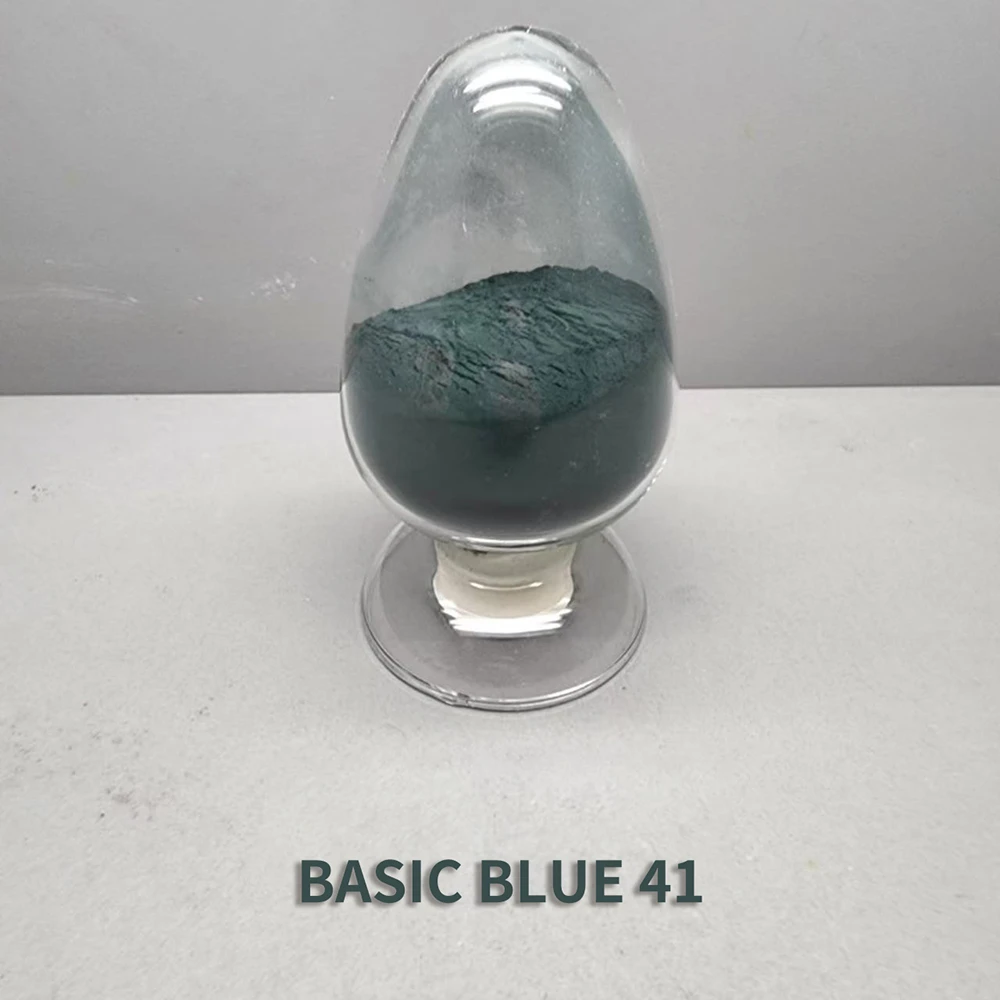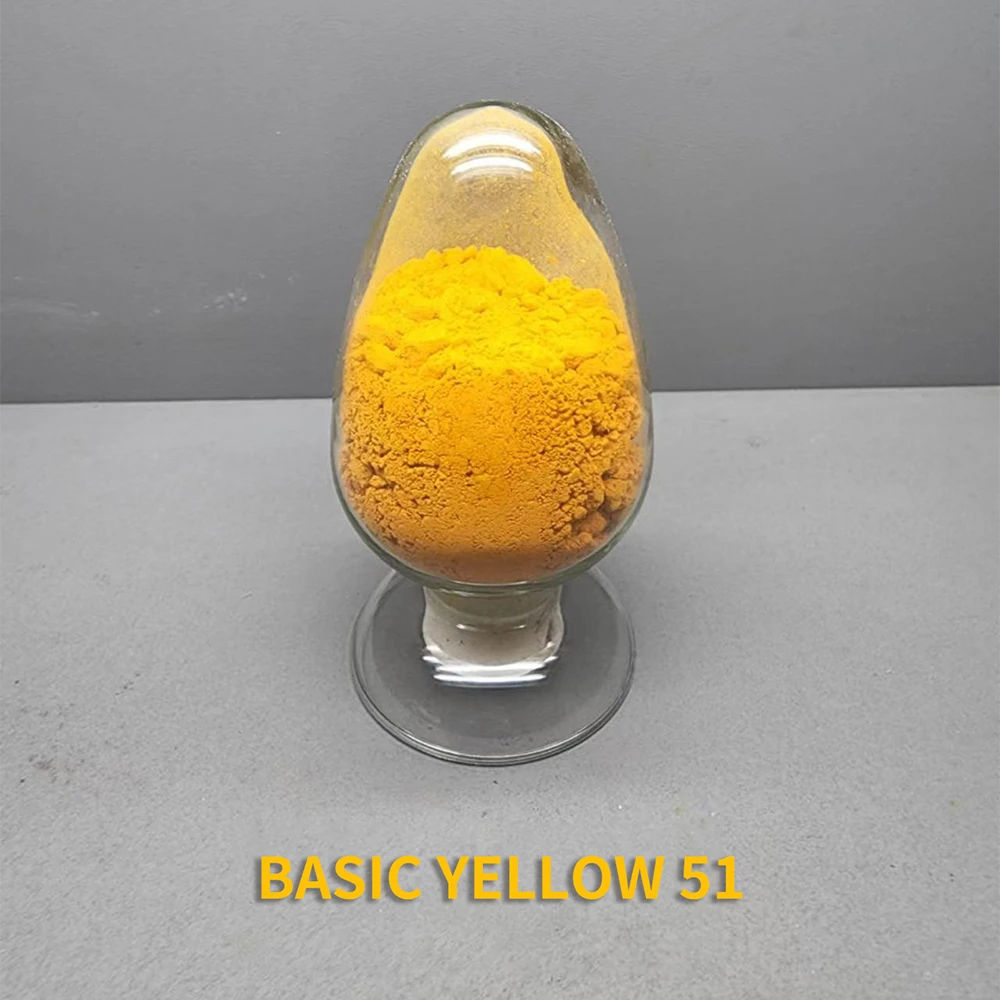
Maroon Dye for Clothes: Durable, Eco-Friendly Pigments for Modern Textiles
What Is Maroon Dye for Clothes and Why Should We Care?
Maroon dye for clothes — it sounds niche, right? But this deep, reddish-brown pigment actually plays a surprisingly important role in global textile manufacturing. Not just because of its rich, warm hue that dresses everything from high fashion to uniforms, but also due to its implications in sustainability, industrial innovation, and even humanitarian aid. Understanding maroon dye means peering into the blend of art and science behind colors that define cultures and markets worldwide, while addressing environmental and cost challenges simultaneously.
Setting the Scene: The Global Relevance of Maroon Dye
The global textile dye market hit an estimated $20 billion recently, with colored dyes accounting for a sizable chunk. Maroon shades are popular in regions spanning South Asia, Eastern Europe, and parts of Africa, often tied to traditional garments and institutional apparel like school uniforms. What many overlook is how critical the production and use of maroon dye are in reducing environmental footprints—a big deal given that the textile industry contributes roughly 10% of global carbon emissions (UN Environment Programme, 2023).
Moreover, consistent color reliability is a huge challenge for manufacturers, particularly with maroon hues known for their tendency to fade unevenly. So here lies an industry problem: how to make maroon dye colors that stay vibrant, are cost-effective, and lean on greener chemistry.
Understanding Maroon Dye for Clothes
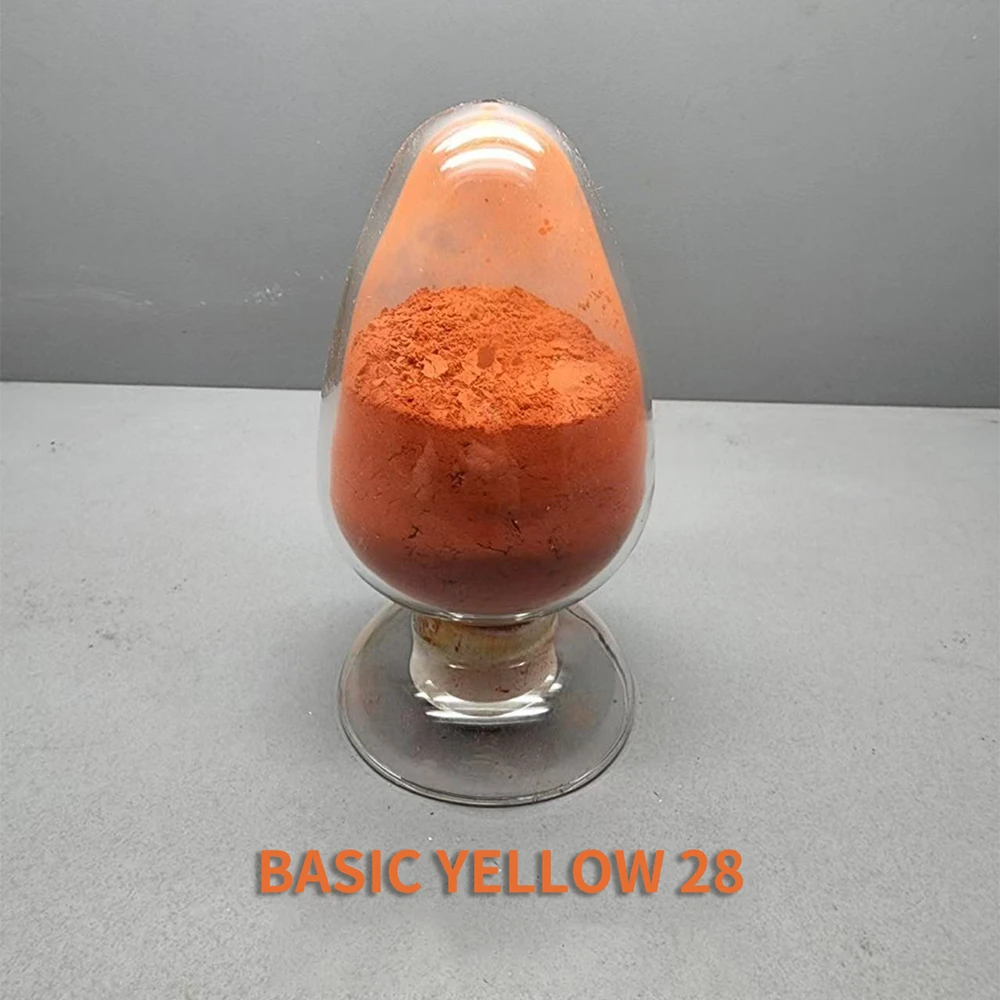
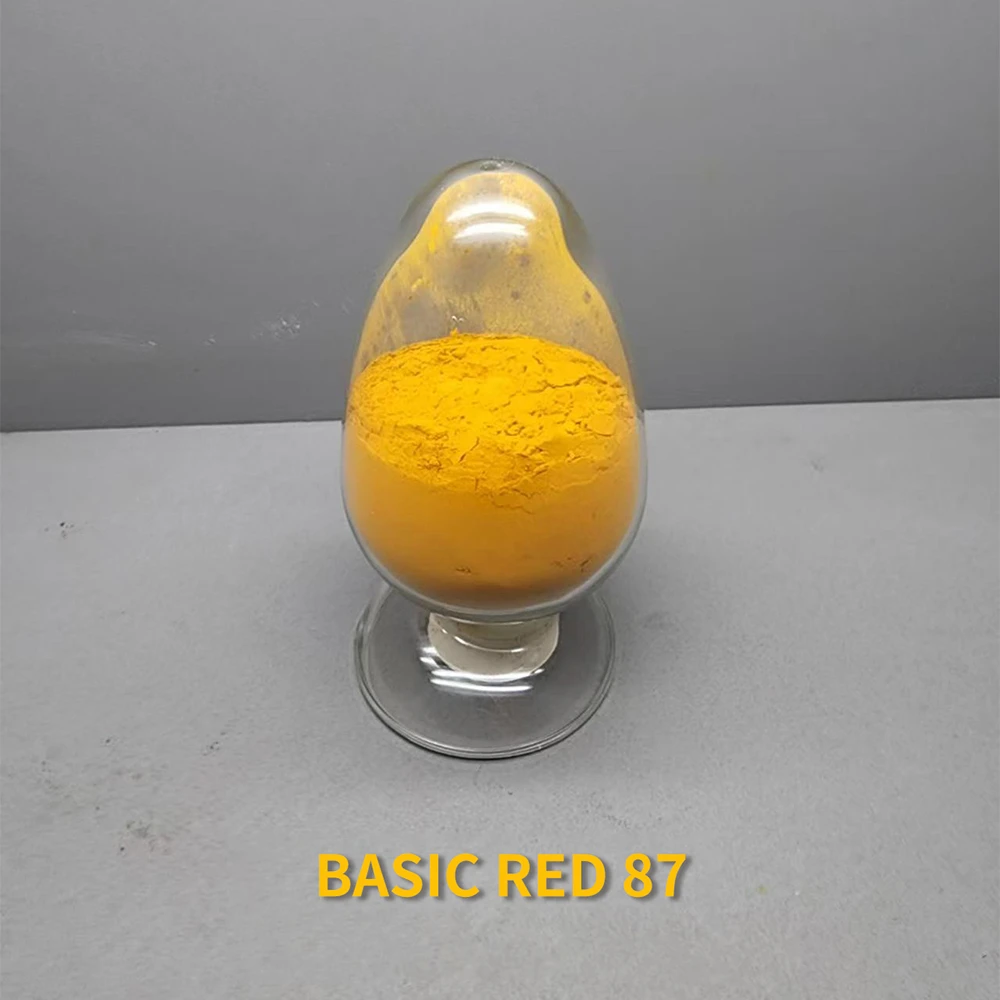
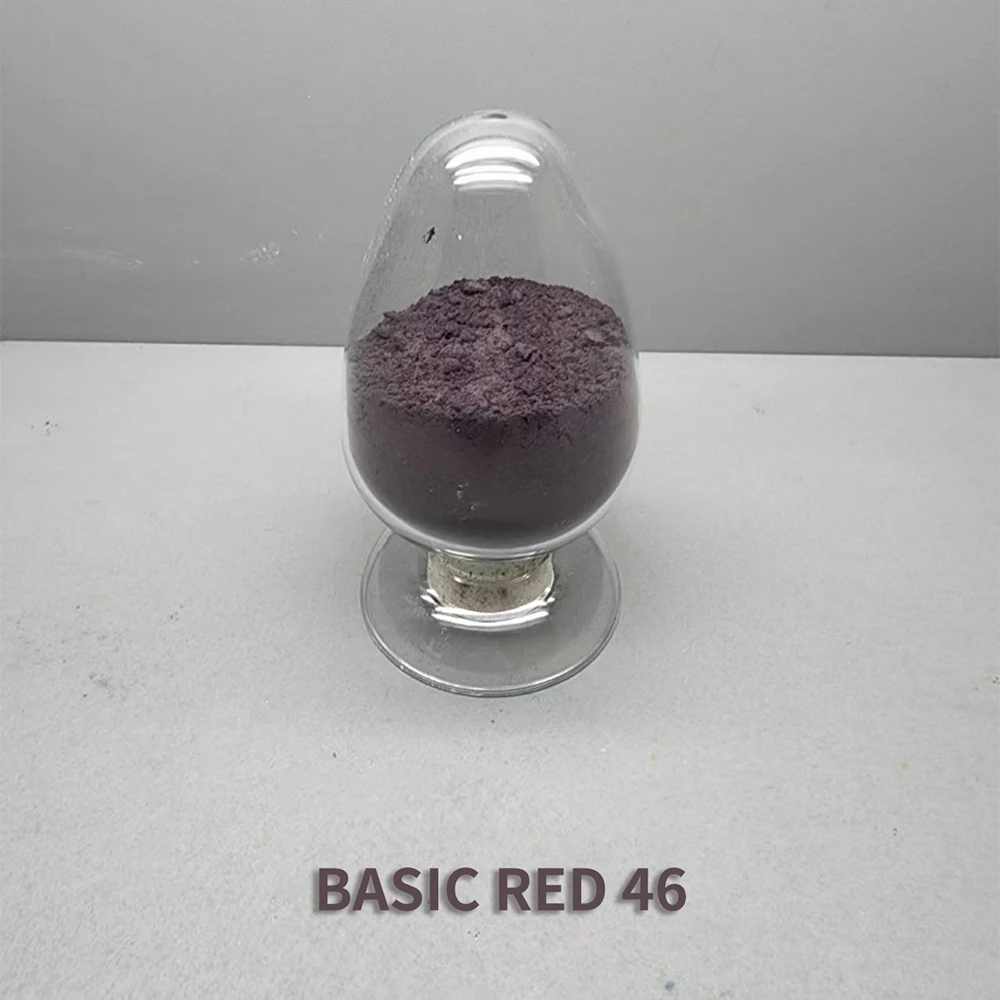
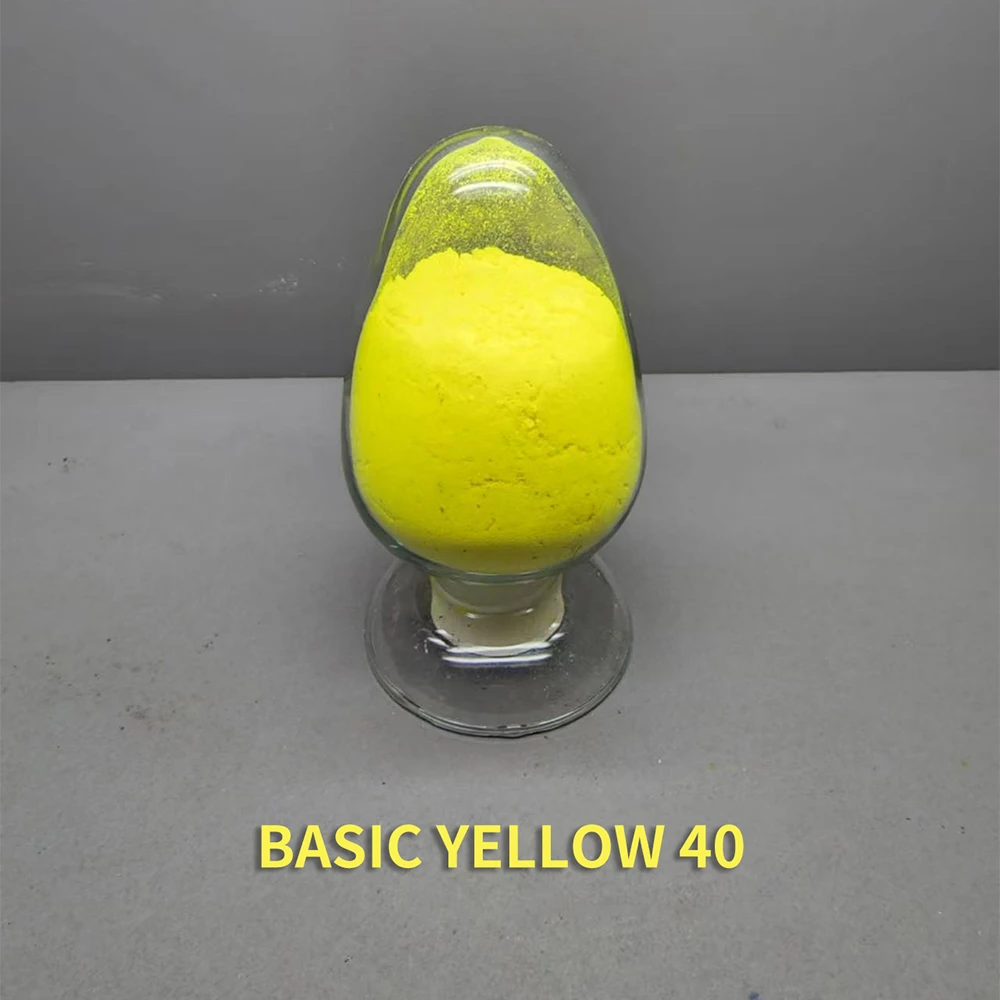
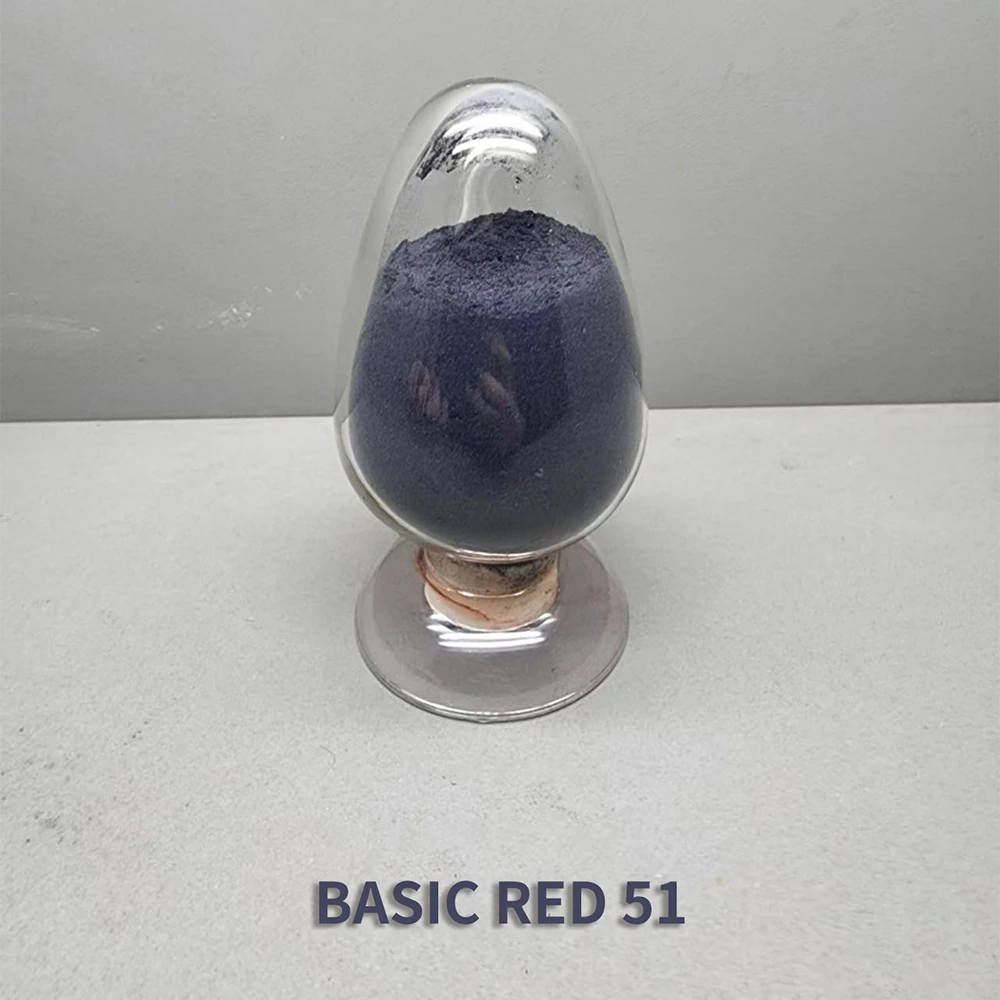
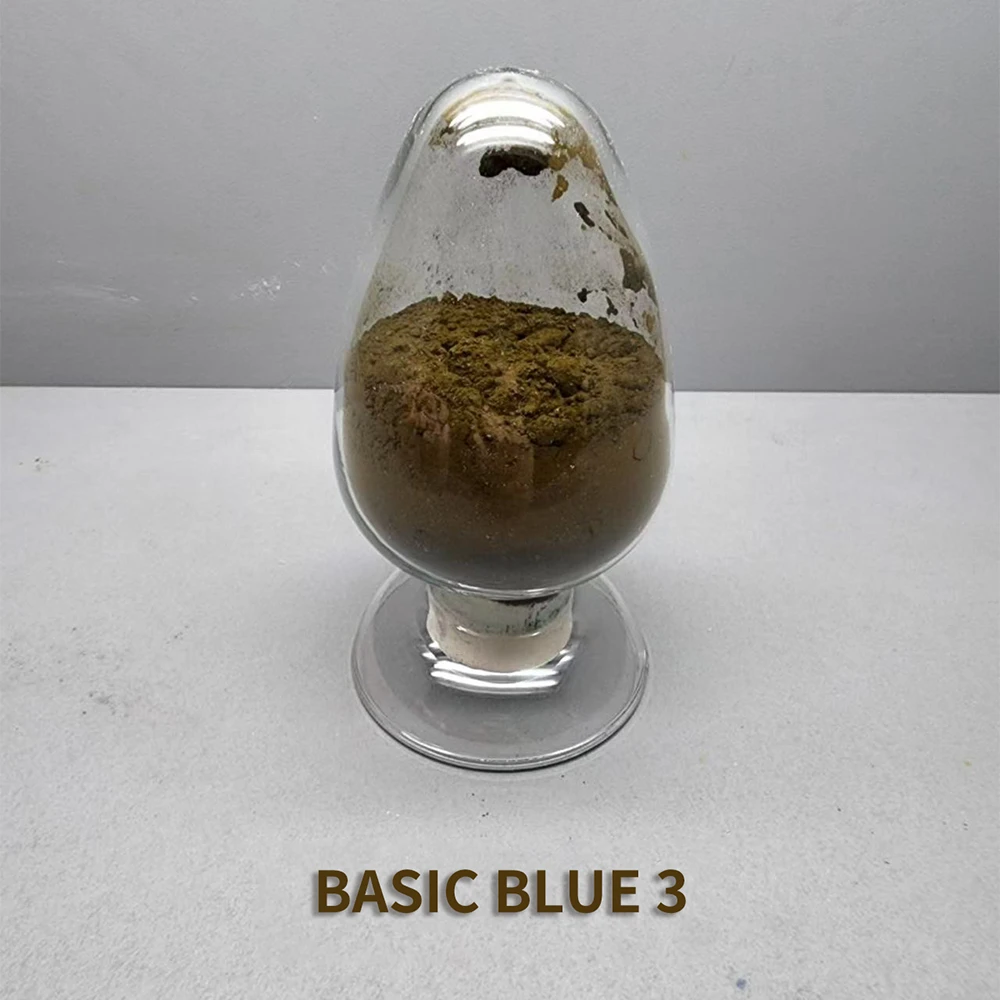
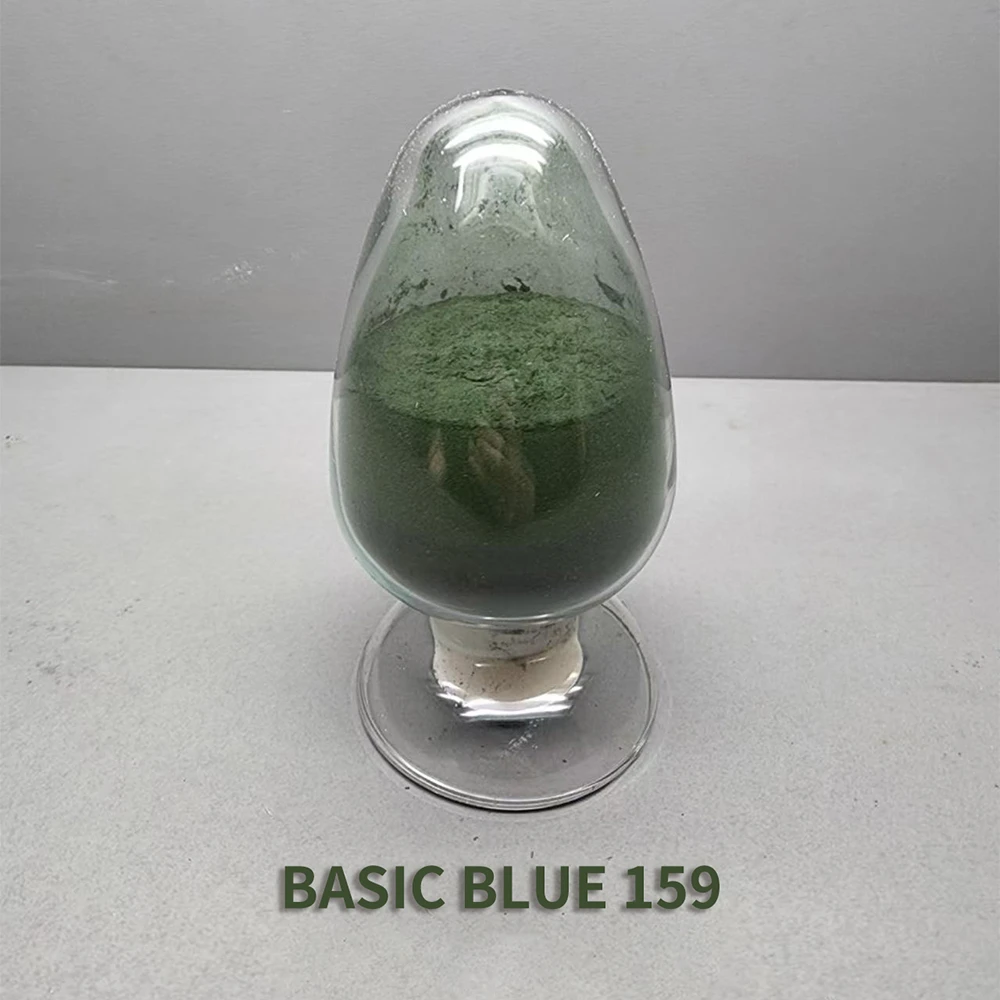
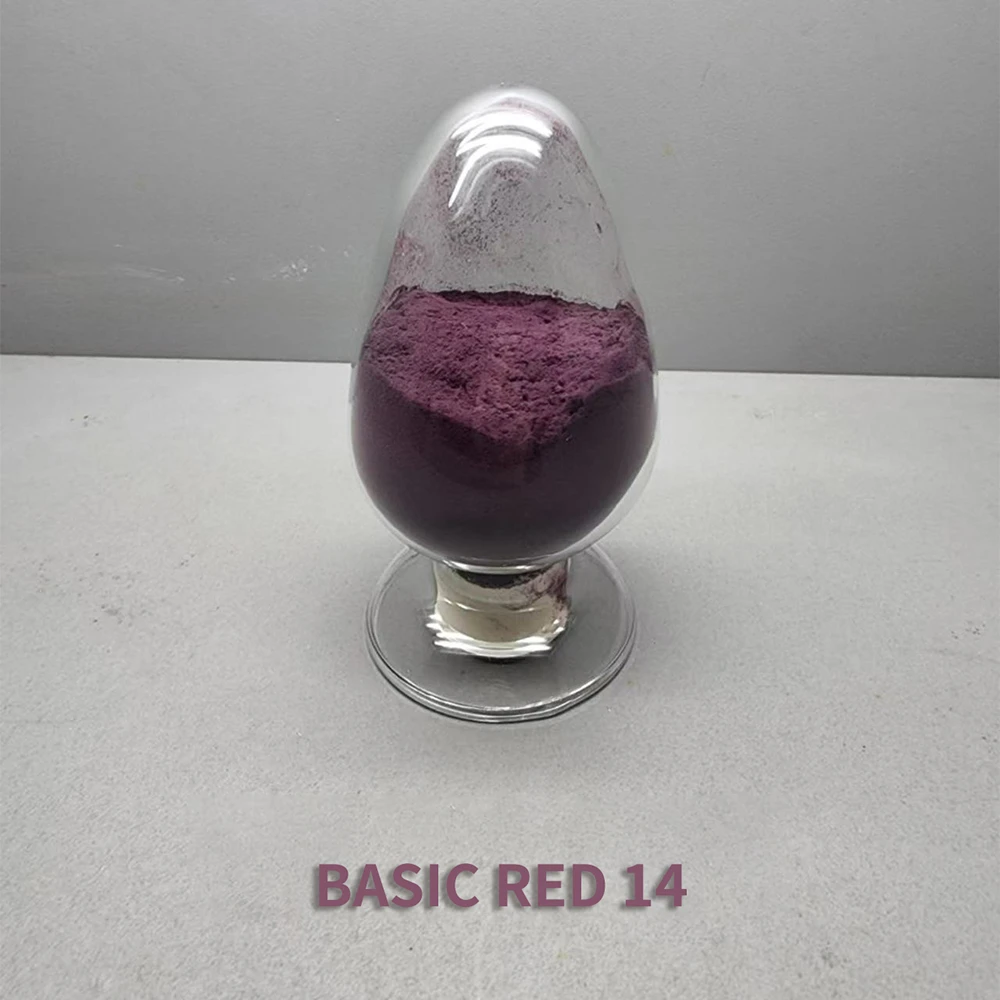
Simply put, maroon dye for clothes refers to concentrated pigments used to give fabrics a dark reddish-brown color. It’s a blend of red and brown dyes with specific chemical formulations to achieve that signature deep tone. In modern textile science, these dyes often materialize as reactive, acid, or disperse dyes, selected based on fabric type (cotton, polyester, wool, etc.).
On a more humanitarian note, maroon dye has featured in emergency relief clothing—where durable, distinctive uniforms or blankets need reliable coloring through rugged use. Its psychological impact of warmth and trust makes it a strategic choice beyond aesthetics.
Key Factors to Know About Maroon Dye
1. Durability
Maroon dyes must adhere tightly to fibers to resist washing and sunlight exposure. Some formulations include advanced mordants or fixation agents to reduce fading. In real terms, this means uniforms and garments spend longer looking sharp.
2. Scalability
Interestingly, not all maroon dyes scale well. Industrial dyeing facilities prefer formulas that behave predictably at large volumes and varied textile weights. Scalability entails keeping color uniformity between small test batches and massive production runs.
3. Cost Efficiency
While premium, eco-friendly dyes are rising, cost remains king for many manufacturers in developing markets. A balance is needed: affordable dyes with respectable environmental credentials and robust performance.
4. Environmental Impact
Dye waste pollution is a notorious textile industry issue. Maroon dyes with greener chemistries or made from natural sources (like certain plant extracts) reduce hazardous effluents and water footprint. That’s no small thing when many factories are near sensitive ecosystems.
5. Compatibility
The type of fabric dictates which maroon dye you can apply. Cotton responds better to reactive dyes, while synthetics like polyester favor disperse dyes. Mishandling this leads to poor color and wasted resources.
Mini takeaway: In practice, the best maroon dye balances durability, sustainability, and cost — all while matching the textile’s material perfectly.
Worldwide Applications of Maroon Dye
Maroon-dyed fabrics show up in many places: school uniforms across Southeast Asia, airline stewardess attire in Europe, and even traditional African Kente cloth accents. It’s common in post-disaster relief gear, too—sturdy clothing and blankets dye with maroon for visibility and cultural resonance.
Industrially, it’s a staple in sportswear and military uniforms where designers need that particular shade to foster identity and morale. Remote manufacturing hubs in Bangladesh and Vietnam depend heavily on reliable maroon dyes to keep export garments on trend.
- In disaster zones, maroon uniforms help relief workers stand out clearly.
- In fashion hubs, bespoke maroon dye batches create seasonal collections.
- In educational institutions, uniform colors symbolize unity and tradition.
Advantages and Long-Term Value of Maroon Dye
Choosing the right maroon dye means more than hitting a color target. It’s about cost savings from reduced re-dyeing, plus environmental dividends by avoiding toxic chemicals. These perks add up in social trust — consumers and institutions value brands harnessing innovative, responsible colorants.
Emotions play a surprising role here. Maroon evokes warmth, dignity, and stability. Durable maroon textiles mean clothes last longer, which fosters sustainability on a pretty human level — fewer garments discarded, less waste, and a smaller carbon footprint.
Looking Ahead: Trends and Innovations in Maroon Dye
The future feels promising. Green chemistry advancements are producing maroon dyes derived from bio-based materials, reducing reliance on petroleum-derived pigments. Digital dyeing technologies offer precise color matching, minimizing waste. Automation in dyeing processes leads to quicker turnaround and fewer defects.
Plus, international standards like ISO 105 for colorfastness are tightening, pushing manufacturers to improve quality and consistency in maroon dye production. This means brighter, more durable hues and less environmental harm.
Challenges and How Experts Tackle Them
Of course, it isn’t all rosy. Maroon dyes can still lose vibrancy after repeated washes. Scaling up eco-friendly dyes tends to increase costs. Wastewater treatment often lags behind dye innovations, causing pollution hold-ups.
Experts suggest integrated approaches: suffixing dye formulations with natural fixatives, adopting closed-loop water systems in factories, and investing in workforce training to ensure best practices. It feels like with every breakthrough, we circle back to the age-old quest for color that lasts and doesn't cost the planet dearly.
Frequently Asked Questions About Maroon Dye for Clothes
- What fabrics best suit maroon dye for lasting color?
- Natural fibers like cotton typically take reactive maroon dyes well, yielding vibrant and durable results. Synthetic fabrics like polyester require disperse dyes tailored to their chemical structure. Knowing fabric type is essential for choosing the right dye to avoid fading or uneven color.
- Is maroon dye for clothes environmentally safe?
- Many modern maroon dyes adhere to eco-standards, but it depends on the formulation. Bio-based and low-impact dyes reduce water pollution and toxicity. Always check certifications such as OEKO-TEX or Bluesign to ensure safety.
- How do manufacturers ensure uniform maroon shades at scale?
- They rely on precise formulation recipes, consistent quality inputs, and digital color matching systems. Laboratory testing and trial batches help anticipate color shifts before large runs.
- Are natural maroon dyes a viable alternative?
- Natural sources, like madder root or certain beet extracts, can produce maroon hues but often lack the durability of synthetic dyes. They’re gaining interest thanks to sustainability, but scalability remains a hurdle.
- Can maroon dye be customised for special industry needs?
- Absolutely. Suppliers often tweak dye chemistries to meet specific durability, brightness, or fabric compatibility requirements, especially for military or sportswear clients.
Comparing Top Maroon Dye Suppliers
| Supplier | Dye Type | Eco Certification | Price (per kg) | Lead Time |
|---|---|---|---|---|
| Yanhong Chem | Reactive & Disperse | OEKO-TEX, ISO 14001 | $18.00 | 2 weeks |
| Global Colorants | Acid & Reactive | Bluesign Certified | $22.50 | 3 weeks |
| EcoDyes Inc. | Natural Extracts | 100% Organic | $30.00 | 4 weeks |
Typical Specifications of a Maroon Dye Product
| Specification | Details |
|---|---|
| Color Code | MRN-2315 |
| Type | Reactive for cotton, Disperse for polyester |
| Color Fastness | Grade 4-5 (ISO 105-B02) |
| pH Stability Range | 5.5 - 8.0 |
| Solubility | Water-soluble powder |
| Packaging | 25 kg bags |
Bringing It All Together
So, in wrapping up, maroon dye for clothes isn’t just about color—it’s about marrying tradition with innovation, beauty with sustainability, and quality with affordability. This pigment quietly influences industries and cultural identities worldwide, all while pushing the textile sector toward greener, smarter practices.
If you’re intrigued by how maroon pigments can elevate your textiles or projects, don’t hesitate to explore maroon dye for clothes offered by leading specialists committed to quality and eco-responsibility.
Because after all, color is more than skin-deep—it’s the story your fabric tells the world.
References
-
Rye Fabric Dye: Sustainable Textile ColoringNewsJan. 26, 2026
-
Neon Pink Fabric Dye – Vibrant, Durable, and Sustainable Textile Solutions | YanhongChemNewsDec. 12, 2025
-
Comprehensive Guide to Grey Fabric Dye: Industry Insights & SustainabilityNewsDec. 04, 2025
-
Professional Fabric Dye for Industrial Use - Yanhong ChemNewsDec. 31, 2025
-
Velvet Fabric Dye for Durable & Vibrant Velvet Textiles | Yanhong ChemNewsJan. 01, 2026
-
Ivory Fabric Dye - Durable, Eco-Friendly Textile Solutions | YanhongchemNewsDec. 10, 2025