Basic Red 12: Essential Properties, Applications & Global Impact | Yanhong Chemicals
Understanding Basic Red 12: A Vibrant Chemical with Global Significance
At first glance, “basic red 12” might sound like just another technical phrase with limited appeal outside a chemistry lab. But, oddly enough, this vibrant dye plays a surprisingly important role in industries all over the world. From coloring textiles and plastics to serving in analytical processes, the broad utility of basic red 12 is a little beacon of color in global manufacturing and trade. Why should we care? Because understanding the properties and applications of such chemicals helps industries optimize production for cost, safety, and sustainability — and that’s a win for everyone.
In a world increasingly focused on sustainable materials and clean processes, knowing about compounds like basic red 12 becomes more than just academic. It’s practical, too.
The Global Context of Basic Red 12: More Than Just a Dye
Globally, the dye and pigments industry is reportedly worth over $30 billion, with Asia-Pacific countries leading production and consumption. According to the International Organization for Standardization (ISO), chemical colorants like basic red 12 are pivotal in creating products ranging from safe food packaging to cosmetics and automotive finishes.
However, challenges persist. Traditional dyes can sometimes be environmentally harmful or costly to manufacture. Basic red 12 helps address some of these issues because of its relatively straightforward synthesis and versatile applications. For regions where textile industries form the backbone of economies — think Bangladesh, India, or Turkey — access to reliable dyes translates directly into economic growth and job creation.
Still, some concerns about toxicity and wastewater treatment remain, which keeps chemists and industrial engineers busy innovating safer and greener alternatives based on compounds like basic red 12.
Mini Takeaway:
Basic red 12 is not just a colorant — it’s a global industrial staple that ties directly into economic development and environmental challenges.
So, What Exactly Is Basic Red 12?
Basic red 12 is a synthetic dye, specifically a cationic (positively charged) dye used prominently for coloring a variety of materials. In simpler terms, it’s a chemical compound that sticks well to fibers like wool, silk, and nylon. Its vivid red shade and stability under different conditions make it pretty useful — from textile manufacturing to biological staining in laboratories.
Interestingly, its use also extends beyond aesthetics. In biomedical fields, basic red 12 can act as a tracer or indicator dye, helping scientists detect or measure compounds in complex mixtures. So, while it’s best known as a coloring agent, its role is multifaceted.
Mini Takeaway:
Basic red 12 is a versatile, bright red dye valued across industries, with applications that sometimes surprised even the people who handle it.
Key Properties of Basic Red 12 That Matter Most
1. Color Intensity & Stability
The strength and vibrancy of basic red 12’s color remain stable across a range of temperatures and pH levels—a major reason industries favor it. Many textile producers specifically seek dyes that don’t fade or shift too much once applied.
2. Solubility and Affinity
This dye dissolves readily in water and has a strong affinity for certain fibers due to its positive charge. That makes it efficient in applications where even, consistent coloration is vital—think industrial fabrics or paper products.
3. Cost Efficiency
Compared to some natural and other synthetic alternatives, manufacturing basic red 12 is reasonably economical. Its good yield and performance reduce waste, so factories save money in the long run.
4. Compatibility and Versatility
Basic red 12 blends well with other chemicals and dyes, allowing for customized colors and finishes without complex processes. This versatility benefits everything from fashion textiles to printing inks.
5. Environmental Impact
While not perfect, in recent years, industry research has made strides toward improving its biodegradability and reducing toxicity, aligning better with global environmental regulations.
Mini Takeaway:
Its durability, solvency, and ease of use make basic red 12 a dependable choice for diverse industries looking to balance cost, quality, and environmental concerns.
Basic Red 12 in Action: Applications Around the World
So where do you see basic red 12 in use? Here are some common arenas:
- Textile Industries: Predominantly in Asia and Europe, it dyes synthetics and natural fibers alike—powering everything from sportswear to upholstery.
- Laboratory Research: Used as a staining agent in histology, microbiology, and cytology, helping scientists visualize cellular components or detect contaminants.
- Ink and Plastics Manufacturing: It imparts vibrant color to products like packaging, signage, and decorative plastic goods worldwide.
- Disaster Relief and Emergency Kits: Oddly, some humanitarian aid groups pack textiles dyed with basic red 12 for visibility and durability in harsh environments.
Many manufacturers in the Middle East and South America have adopted it because it's easy to source and reliably consistent — a vital factor when production scales up or contracts suddenly.
Mini Takeaway:
The dye sees surprisingly widespread use, from cutting-edge labs to everyday clothes, embodying a small but essential piece of the global supply chain.
Advantages & Long-Term Value of Using Basic Red 12
Choosing basic red 12 brings several benefits beyond its bold hues. Here's the gist:
- Economic Value: Lower costs for raw materials and processing can boost profitability.
- Consistency and Reliability: Minimized batch-to-batch variation ensures predictable production outcomes.
- Environmental Compliance: Newer formulations help meet strict wastewater discharge standards.
- Social Impact: Reliable supply chains mean job security for workers in dye-dependent communities.
On a more human note, fabrics and products colored with basic red 12 often retain their appearance years later; they carry a sort of dignity and pride for wearers and makers alike. It’s subtle but meaningful — those little touches matter.
Basic Red 12: Current Specs at a Glance
| Property | Specification |
|---|---|
| Chemical Name | Basic Red 12 (Rosolic Acid derivative) |
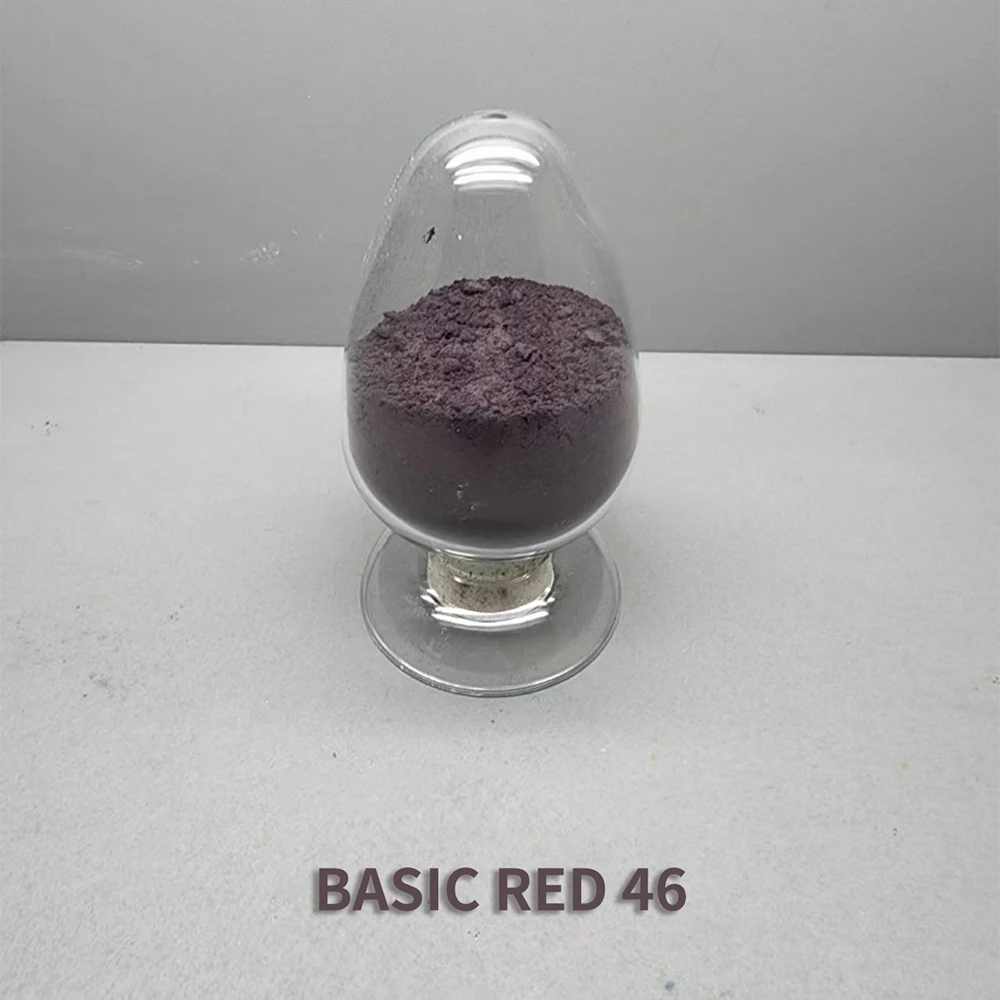
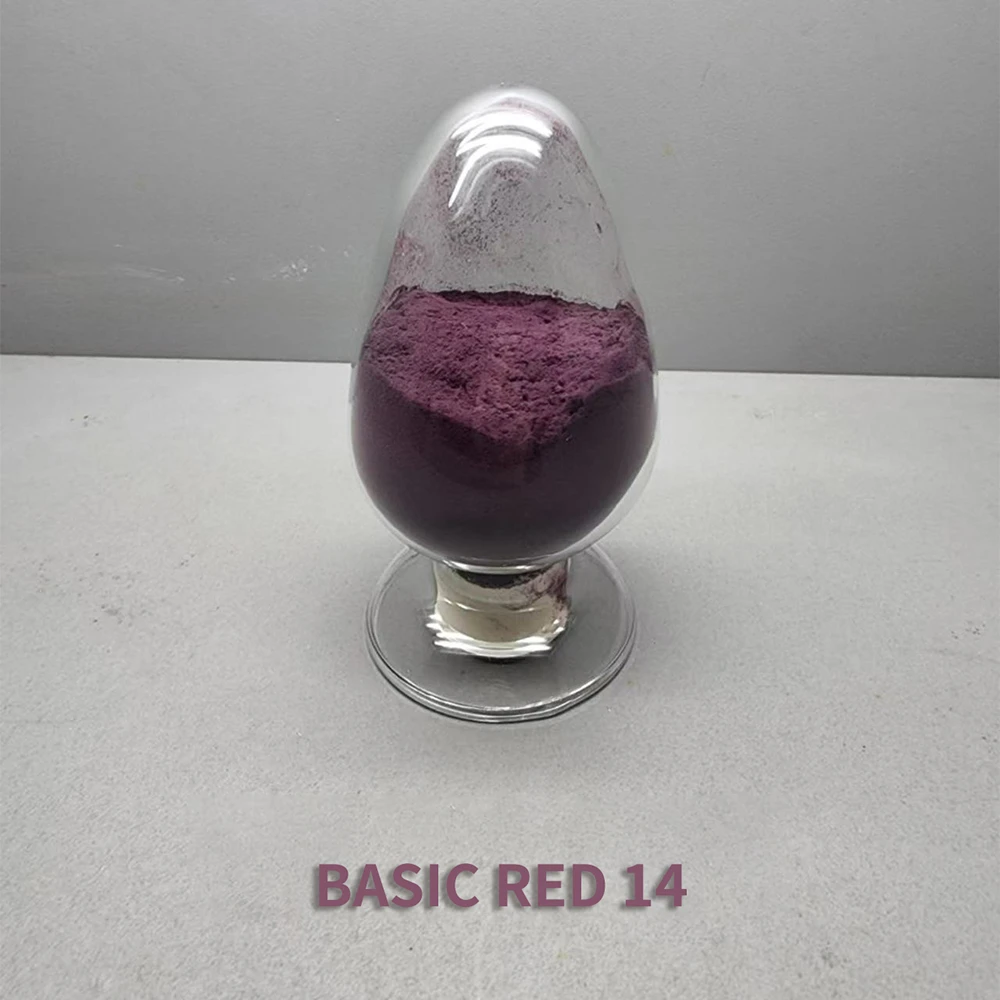
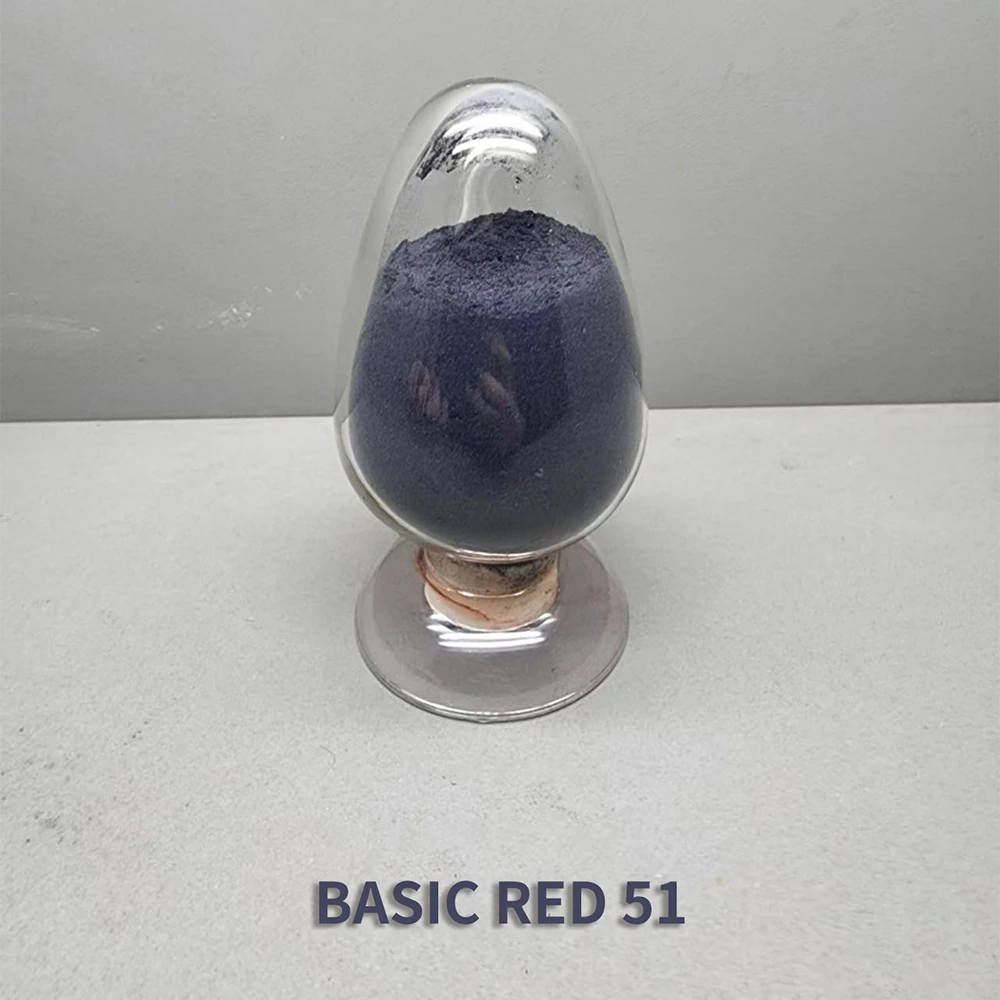
| Appearance | Dark Red to Brownish Powder |
| Molecular Formula | C20H19N3Cl |
| Solubility | Soluble in Water, Alcohol; Insoluble in Ether |
| Lightfastness | Good (Grade 6 on Blue Wool Scale) |
| pH Range | 4–9 (Stable Color) |
How Leading Vendors Compare in Supplying Basic Red 12
| Vendor | Product Purity | Price (USD/kg) | Sustainability Certifications | Lead Time |
|---|---|---|---|---|
| Yanhong Chemicals | ≥98% | $25–28 | ISO 9001, REACH | 2–3 weeks |
| Global Dye Inc. | ≥96% | $22–27 | Oeko-Tex Standard 100 | 3–4 weeks |
| DyeTech Solutions | ≥97% | $27–30 | ISO 14001 | 1–2 weeks |
Looking Ahead: Trends and Innovations Shaping Basic Red 12
Significant innovations are underway to make basic red 12 even more sustainable and functional. Researchers are exploring bio-based raw materials to reduce reliance on petrochemicals, aiming to lower carbon footprints.
On the technology side, automation in dye synthesis and precision color-matching software are making batches more consistent and less wasteful. This digital transformation also means companies can adapt more quickly to market demands, cutting lead times sharply.
There’s also growing interest in integration with advanced materials — for example, dyes that offer antimicrobial properties or enhanced UV protection.
So, in some ways, basic red 12 is poised not just to stay relevant but to lead a small revolution in how industries think about color and chemical safety.
Addressing Challenges in the Use of Basic Red 12
Yet, it’s not all smooth sailing. Traditional manufacturing of basic red 12 can produce hazardous byproducts, and improper wastewater treatment can harm ecosystems. Plus, batch inconsistencies remain a pain point for some users, causing production delays or waste.
Experts recommend:
- Investing in closed-loop manufacturing systems.
- Adopting stricter quality control and testing procedures.
- Collaborating with environmental agencies to develop safer disposal methods.
The bottom line? Continuous improvements rely on a mix of science, regulation, and corporate responsibility — a trio that, frankly, can take time to harmonize.
FAQ: Your Basic Red 12 Questions Answered
- What makes basic red 12 preferred over other red dyes in textiles?
- Basic red 12 offers excellent color fastness and is cost-effective to produce. Its positive charge enhances affinity with fibers like wool and nylon, resulting in vibrant, long-lasting color.
- Is basic red 12 harmful to the environment?
- While earlier manufacturing posed concerns, modern production techniques and wastewater treatments have significantly reduced environmental risks. However, proper handling and disposal remain essential to avoid pollution.
- Can basic red 12 be used for biological staining?
- Yes, it's commonly used as a stain in laboratories to highlight cells and tissues, aiding researchers and medical diagnostics.
- How do I import basic red 12 into my country?
- Check local chemical import regulations and ensure suppliers provide necessary documentation like Safety Data Sheets (SDS). Partnering with reputable vendors like Yanhong Chemicals helps streamline compliance and logistics.
Wrapping Up: Why Basic Red 12 Matters for Your Business
So, what’s the takeaway? Basic red 12 serves as a quiet cornerstone in global industry, linking economics, safety, and innovation through color chemistry. Whether you’re dyeing textiles, conducting laboratory research, or exploring new manufacturing horizons, basics like these matter profoundly.
For reliable supply and technical expertise on basic red 12, why not check out Yanhong Chemicals? They combine quality, service, and sustainability — just the kind of partnership that feels right as industries evolve.
After all, that splash of red isn’t just color; it’s the pulse of progress manifest in a compact chemical form.
References:
-
Cationic Dyed Polyester: Revolutionizing Sustainable Textile Dyeing WorldwideNewsDec. 03, 2025
-
Mint Green Fabric Dye – Durable, Eco-Friendly Textile Solutions from Yanhong ChemicalNewsJan. 02, 2026
-
Burgundy Fabric Dye – Durable, Vibrant Solutions for Textile Industry | YanhongchemNewsDec. 11, 2025
-
Hot Pink Fabric Dye: Vibrancy and Performance for Industrial TextilesNewsDec. 08, 2025
-
Clothes Dye: Global Industry Insights, Sustainability & InnovationNewsDec. 03, 2025
-
Bulk Fabric Dye: Quality and Choices for Industrial Textile ProcessingNewsDec. 03, 2025