Basic Fuchsin: Uses, Benefits, and Global Impact of This Essential Dye
Understanding Basic Fuchsin: A Vibrant Chemical Dye with Global Impact
Basic fuchsin might sound like just another chemical name in the lab, but it’s far more than that. It’s a dye with a rich, deep pink hue widely used in multiple industries worldwide—from textiles to microbiology. Why does it matter, you ask? Well, this vibrant dye plays a pivotal role in staining biological specimens, fabric coloring, and even in important safety applications. Grasping its properties and uses unlocks insights into how industries maintain quality, innovation, and efficiency globally.
Global Context: Why Basic Fuchsin Matters Everywhere
On a worldwide scale, dyes like basic fuchsin are embedded in the fabric of many crucial industries that keep economies ticking. According to UNIDO (United Nations Industrial Development Organization), the global dye and pigment market size was valued at over $30 billion in recent years and is projected to rise steadily. A big challenge here is balancing vibrant, effective dyes with sustainability. Basic fuchsin’s unique chemical structure allows for intense coloration, but the industry constantly grapples with environmental impact concerns, pushing innovation toward greener processes.
Furthermore, basic fuchsin aids in medical diagnostics—particularly in tuberculosis identification—putting it in a humanitarian spotlight. When you think about global health goals targeted by the WHO, dyes that improve diagnosis reliability have an indirect but profound effect worldwide.
Mini takeaway: Basic fuchsin isn’t just a pretty color; it’s a critical tool in health and industry with a footprint stretching across continents.
What Is Basic Fuchsin? A Simple Definition
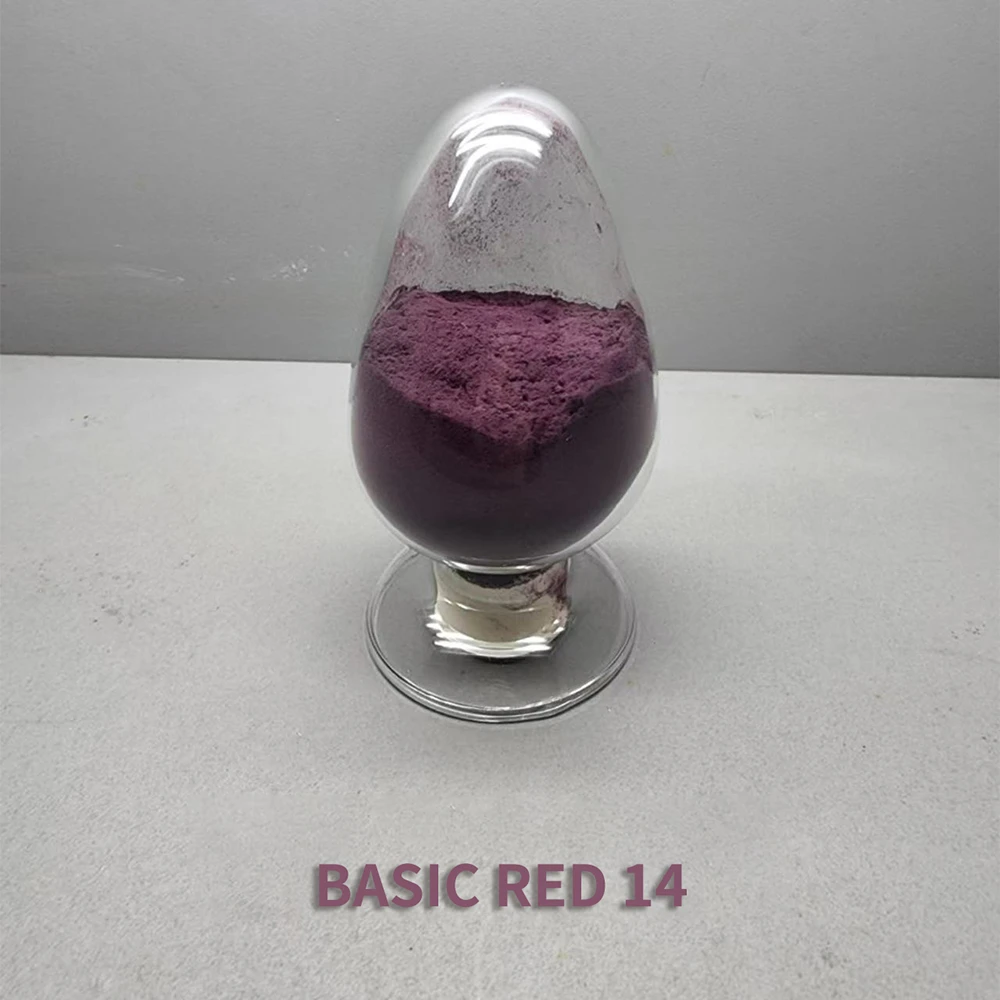
In plain English, basic fuchsin is a magenta or deep pink colored synthetic dye classified chemically as a mixture of rosaniline dyes, including pararosaniline. It is soluble in water and alcohol, making it incredibly versatile. Industrially, it’s that go-to stain for bacterial cell walls or microscopic structures. The connection to humanitarian needs is subtle but real—through better diagnostic staining techniques, basic fuchsin helps healthcare workers detect diseases faster and more effectively.
Oddly enough, despite its synthetic roots, basic fuchsin also finds charm in traditional textile dyeing, especially in parts of Asia and Europe, where artisans appreciate its rich hues.
Core Components & Features of Basic Fuchsin
1. Intense Color Strength
Basic fuchsin delivers bright, vivid coloration at low concentrations, making it cost-effective for dyeing fabrics and biological samples alike.
2. Water Solubility
This is crucial for laboratory use, where aqueous staining solutions are preferred. It also simplifies processing in industrial dye applications.
3. Specificity in Staining
In microbiology, basic fuchsin binds selectively to the acid-fast bacilli, which is paramount in tuberculosis testing.
4. Chemical Stability
While generally stable, basic fuchsin does have sensitivity to light and pH changes, necessitating proper storage.
5. Compatibility
It blends well with other dyes and chemicals, opening pathways for combined staining or dyeing protocols.
Mini takeaway: The brilliance of basic fuchsin lies not just in its color but how reliably and selectively it performs in diverse settings.
Global Applications & Use Cases of Basic Fuchsin
- Medical Diagnostics: Essential for Ziehl-Neelsen staining in tuberculosis detection. Tuberculosis remains a leading cause of death globally, underscoring the dye’s relevance.
- Textile Dyeing: Used for coloring silk, wool, and sometimes cotton, especially in traditional crafts and industries across India and China.
- Industrial Marking: Employed in quality control to mark products or components.
- Research & Academia: Applied widely to visualize cell structures under microscopes.
In regions dealing with disease outbreaks, such as parts of Sub-Saharan Africa and Southeast Asia, laboratories depend heavily on stains like basic fuchsin for rapid diagnosis. Similarly, in remote textile hubs, this dye enables artisans to maintain vibrant, competitive products.
Basic Fuchsin Product Specifications
| Property | Specification |
|---|---|
| Appearance | Deep magenta crystalline powder |
| Purity | ≥ 85% |
| Solubility | Water, alcohol |
| pH Range | 5 - 8 (optimal) |
| Storage | Cool, dark place, avoid moisture |
Vendor Comparison for Basic Fuchsin Suppliers
| Vendor | Purity (%) | Price (per kg) | Lead Time | Certifications |
|---|---|---|---|---|
| Yanhong Chemicals | ≥ 85% | $45 | 1-2 weeks | ISO 9001, REACH |
| ChemCorp Ltd. | ≥ 80% | $42 | 2-3 weeks | ISO 14001 |
| Global DyeWorks | ≥ 88% | $50 | 1 week | ISO 9001, GMP |
Advantages & Long-Term Value of Basic Fuchsin
The tangible benefits of basic fuchsin extend beyond its color. Its cost efficiency means industries, especially in developing regions, can afford consistent quality without huge overheads. From a sustainability perspective, while synthetic dyes often face scrutiny, ongoing advancements make formulations cleaner and less wasteful.
On the social front, its role in disease diagnosis fosters trust in medical systems – something that often feels quite fragile in remote or underserved areas. The reliability and innovation tied to basic fuchsin indirectly enhance safety and dignity for countless people globally.
Mini takeaway: Basic fuchsin balances cost, sustainability, and social impact—a trifecta that’s hard to find in many industrial chemicals.
Future Trends & Innovations Around Basic Fuchsin
Looking ahead, researchers are working on bio-based dyes that mimic or replace synthetic counterparts like basic fuchsin, aiming at better biodegradability and lower toxicity. Digital transformation means labs are adopting automated staining processes, which require consistent dye performance. There's also a push to optimize pH stability and lightfastness through nanotechnology enhancements.
It's a bit of a race between maintaining traditional strengths and pushing new boundaries in environmental compliance.
Challenges & Solutions
Let’s be frank: basic fuchsin isn’t perfect. Its sensitivity to light and pH means degradation can reduce effectiveness, which is a concern in high-demand labs or large-scale industrial use. Then there’s the environmental concern; synthetic dyes can pollute waterways if not managed properly.
Innovative solutions include improved packaging, stabilizers within formulations, and strict industrial effluent treatment protocols. Partnering with vendors committed to ISO and REACH compliance (like basic fuchsin suppliers) also helps mitigate these concerns.
FAQ: Frequently Asked Questions About Basic Fuchsin
- Q: What makes basic fuchsin suitable for medical diagnostics?
A: Its affinity for acid-fast bacteria helps highlight pathogens like Mycobacterium tuberculosis, making it invaluable for clear microscopic visualization. - Q: Is basic fuchsin safe in textile applications?
A: When used correctly and following environmental protocols, it’s safe. Regulations differ by country, but certifications like REACH ensure compliance. - Q: How should basic fuchsin be stored for longevity?
A: Keep it in a cool, dry, and dark place, ideally sealed in airtight containers to prevent moisture absorption and photodegradation. - Q: Can basic fuchsin be used with other dyes?
A: Yes, it is compatible with many other dyes, making combined staining techniques possible for enhanced analytical results.
Conclusion + Call to Action
In summary, basic fuchsin stands as a cornerstone dye with wide-reaching applications in health, industry, and culture. Its powerful coloration, cost benefits, and utility in helping detect diseases make it indispensable worldwide. As industries strive for sustainability and innovation, basic fuchsin’s future looks bright, albeit with challenges to overcome.
If you want to learn more, or source high-quality basic fuchsin safely and reliably, visit https://www.yanhongchem.com to explore trusted options and expert support.
Just a quick note before you go—while basic fuchsin is a staple, the chemistry field is evolving fast, so staying updated with supplier tech sheets and regulatory info is always wise.
References:
1. UNIDO. “Dye & Pigment Market Data.”
2. WHO. “Tuberculosis Diagnostic Standards.”
3. ISO 9001, REACH chemical regulations overview.
-
Fabric Dye For Tie Dye – Durable, Vibrant Solutions for Textile Industries | YanhongchemNewsJan. 03, 2026
-
Dye Sublimation Fabric: Durable & High-Performance Fabrics for Industry | YanhongchemNewsJan. 02, 2026
-
Industrial Dark Red Fabric Dye: Durable & High-Quality Textile ColorNewsDec. 31, 2025
-
Guide to Choosing the Best black color dye for clothesNewsApr. 09, 2026
-
Fabric Dye Solutions for B2B Textile Industry | YanhongChemNewsDec. 03, 2025
-
Tulip Fabric Dye – Durable, Eco-Friendly Textile Color SolutionsNewsDec. 07, 2025