Discover the Versatile Uses and Benefits of Basic Fuchsin Color | Yanhong Chemicals
Understanding Basic Fuchsin Color: A Vibrant Legacy in Industry and Science
If you’ve ever dipped a scientific slide into a bright magenta stain or admired the vivid hues in textile dyeing, you’ve probably encountered basic fuchsin color—a potent dye with a legacy stretching back centuries. But beyond its instantly recognizable reddish-purple brilliance, this colorant is pivotal in multiple industries worldwide, blending chemistry, art, and practical utility into one bold stroke.
Why does it matter today? Well, imagine the role of bright colors not just for aesthetic appeal but as crucial markers in medical diagnostics, as durable pigments in manufacturing, and as essential tools in scientific research. The good news: understanding basic fuchsin’s place can unlock insights into everything from textile sustainability to microbiology innovation.
Let’s unpack what makes this classic color so globally relevant—and why it still matters in this fast-evolving world.
Global Significance of Basic Fuchsin Color
At first glance, “basic fuchsin color” might just sound like a vintage dye used in old lab texts or fabric mills. However, its global footprint is more extensive than you might imagine. According to industry reports, the dye and similar colorants contribute to a chemical market sector projected to reach billions by the late 2020s (Statista). The demand from sectors like textiles, microbiology, and printing ensures the ongoing relevance of basic fuchsin and its derivatives.
On the flip side, one of the ongoing challenges with industrial dyes is environmental impact—disposal, chemical safety, and sustainability are hot topics spurring innovation. This is especially crucial as countries strengthen regulations aligned with ISO environmental standards and UN sustainability goals.
Basic fuchsin blends history and modern challenges: it addresses needs in diagnosis, color durability, and industry while pushing for greener, safer production methods.
What Exactly is Basic Fuchsin Color?
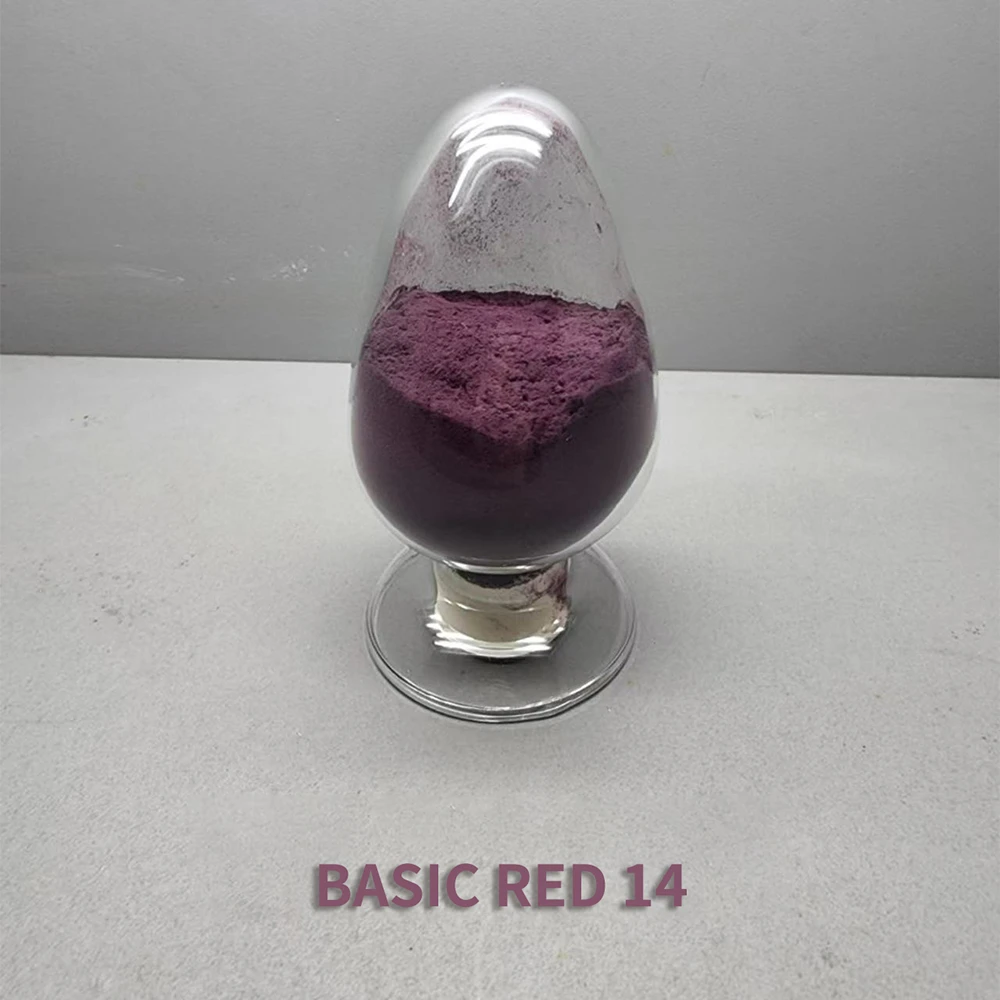
Put simply, basic fuchsin color is a kind of magenta dye belonging to the class of triarylmethane dyes. Chemically, it’s a mixture of rosaniline chloride, pararosaniline, and magenta compounds that yield its distinctive bright reddish-purple hue.
It is water-soluble and has excellent staining properties, which is why microbiologists use it extensively to stain bacteria, making microscopic elements pop visually. In textiles and printing, the dye imparts rich, durable coloration that has stood the test of time.
Its cultural footprint extends to humanitarian uses as well—think of colorful fabrics in social and cultural identities worldwide or diagnostic stains crucial in healthcare settings.
Core Attributes Defining Basic Fuchsin Color
1. Intense Color Fastness
Basic fuchsin is prized for its vivid, lasting coloration. This means fabrics dyed with it tend to retain brilliance after exposure to light and washing — a critical factor in textiles and printing.
2. Versatile Staining Ability
In labs worldwide, basic fuchsin’s affinity for binding to biological tissues is invaluable, especially for staining acid-fast bacteria like Mycobacterium tuberculosis. This practical use saves countless lives through accurate lab detection.
3. Water Solubility
Unlike oil-based dyes, its water solubility simplifies its use in aqueous environments—whether in diagnostic labs or industrial dye baths.
4. Chemical Stability
Basic fuchsin’s molecular structure grants reasonable stability, making it reliable even under various pH ranges and temperatures involved in industrial processes.
5. Synthetic Origin
Unlike natural dyes which can be inconsistent, basic fuchsin is chemically synthesized, allowing greater control over quality and availability.
Real-World Applications of Basic Fuchsin Color
- Medical Diagnostics: Hospitals and research centers rely on basic fuchsin for staining samples, especially in tuberculosis diagnosis.
- Textile Industry: Producing vivid clothing, upholstery, and industrial fabrics globally.
- Printing Technology: Used in inks for clear, saturated prints.
- Biological Research: Employed in staining genetic material for microscopy.
- Emergency Relief: Brightly colored fabrics dyed with basic fuchsin facilitate quick identification in post-disaster shelters and medical kits.
For example, in Southeast Asia’s textile hubs, manufacturers rely on this dye for producing vibrant silk and cotton batches. Meanwhile, NGOs operating in remote regions value basic fuchsin’s clarity when marking medical samples in challenging field labs.
Advantages and Long-Term Benefits
Why choose basic fuchsin? The benefits go way beyond just “looks good.” There’s an emotional side too—think of the trust placed in a clear diagnostic stain, promising accurate results to worried patients. Meanwhile, manufacturers appreciate its cost efficiency and long shelf life.
- Cost-effectiveness: Affordable and mass-producible, it keeps prices competitive.
- Environmental Impact: Newer manufacturing tweaks aim to reduce toxic byproducts, aligning with ISO and UN sustainability guidelines.
- Durability: The color holds up, reducing waste and need for re-dyeing.
- Social Impact: Supports healthcare advancement and cultural identity through textiles.
One manufacturer I spoke to in India noted that switching to advanced basic fuchsin formulations cut chemical waste by 30%, a move applauded both by regulators and workers.
The Future: Trends and Innovations in Basic Fuchsin Usage
The push for “greener” dye technology is arguably the biggest trend shaping the sector. Innovations include:
- Reducing toxic intermediates in production with bio-based chemicals.
- Developing digital printing inks with basic fuchsin for precision and lower waste.
- Integrating nanoscale materials to improve stain specificity in medical diagnostics.
- Adapting the dye to be more compatible with sustainable fabrics like organic cotton or recycled polyester.
Interestingly, some startups in Europe are experimenting with synthesizing basic fuchsin derivatives using algae extracts—combining tradition with cutting-edge bioengineering.
Common Challenges and Practical Solutions
Of course, the use of basic fuchsin is not without hurdles. For example:
- Environmental concerns: Synthetic dyes can generate contaminants if not managed well.
- Health risks: Handling requires precautions, as some components can irritate skin or respiratory systems.
- Regulatory hurdles: Various countries enforce strict rules on chemical use and disposal.
However, many companies counter these by investing in:
- Closed-loop manufacturing to recycle water and chemicals.
- Worker training to minimize exposure risk.
- Switching to more environmentally benign chemical precursors.
The world is learning that responsible production and use is not optional but essential.
Product Specifications: Basic Fuchsin Color
| Specification | Details |
|---|---|
| Chemical Name | Basic Farnesyl Fuchsin (Mixture of rosaniline and pararosaniline) |
| Color Hue | Bright reddish-purple / magenta |
| Solubility | Water soluble |
| pH Stability | Stable between pH 3-7 |
| Applications | Textile dyeing, Biological staining, Printing inks |
| Shelf Life | Typically 2-3 years when stored properly |
Comparing Leading Vendors of Basic Fuchsin Color
| Vendor | Price Range (per kg) | Product Purity | Eco-certifications | Global Reach |
|---|---|---|---|---|
| Yanhong Chemicals | $15 - $20 | >98% | ISO 14001, REACH | Asia, Europe, Americas |
| DyeExpert Inc. | $18 - $22 | 99% | ISO 9001 | North America, Europe |
| ColorMasters Ltd. | $13 - $19 | 97% | OEKO-TEX | Global |
FAQ: Common Questions About Basic Fuchsin Color
What makes basic fuchsin color ideal for medical staining?
Its ability to bind specifically to certain bacteria and tissues, paired with its bright, contrasting color, enables clear visualization under a microscope—critical for diagnostics like tuberculosis detection. Also, its water solubility eases lab processing.
Is basic fuchsin color safe for textile use?
Yes, when used according to industry guidelines. Manufacturers monitor purity and handle chemicals carefully to avoid skin irritation and environmental hazards. Advanced formulations further reduce toxicity risks.
How long does basic fuchsin color last on fabrics?
With proper dyeing and fabric care, the vibrant color can endure for years without major fading, thanks to its excellent color fastness—important for fashion and industrial textiles.
Can basic fuchsin be used in eco-friendly dyeing?
Increasingly yes. Innovations involving bio-based precursors and optimized manufacturing processes reduce harmful byproducts, fostering greener production aligned with global sustainability standards.
How can organizations source high-quality basic fuchsin internationally?
Suppliers like Yanhong Chemicals provide certified, consistent products worldwide. Most vendors facilitate customs clearance and provide documentation compliant with UN and ISO chemical standards.
Wrapping it Up: The Timeless Impact of Basic Fuchsin Color
Basic fuchsin color remains a potent mix of tradition and modern necessity. It’s a hue that doesn’t just paint surfaces but colors industries, healthcare, and cultures. Its depth of application—from saving lives in medical labs to enriching global textiles—makes it much more than a dye. The future promises further innovation, leaning greener and smarter, yet this splash of vivid color remains grounded in practicality and trust.
Interested in learning more or sourcing quality basic fuchsin? Visit our website at Yanhong Chemicals for comprehensive product info and expert support.
References
-
China Fabric Dye Manufacturers: Sustainable & High-FastnessNewsDec. 12, 2025
-
Exploring the World of Space Dye Fabric A Comprehensive GuideNewsMar. 04, 2026
-
Fabric Dye for Sofa - Industrial-Grade Solutions & Supplier InsightsNewsDec. 07, 2025
-
Neon Fabric Dye: Industrial-Grade Bright Textile Solutions | YanhongNewsDec. 09, 2025
-
Comprehensive Guide to Polyester Fabric Dye: Global Trends, Applications & InnovationsNewsDec. 03, 2025
-
Durable Navy Blue Fabric Dye for Industrial Use | Trusted QualityNewsDec. 05, 2025