Basic Fuchsin Dye – Uses, Specifications & Global Applications | Yanhong Chemicals
Understanding Basic Fuchsin Dye: A Small Molecule with Global Reach
Basic fuchsin dye might not be a daily conversation topic around your morning coffee, but its importance across industries and laboratories worldwide can’t be overstated. From aiding in accurate bacterial staining in clinical diagnostics to playing a role in textile coloring, this vibrant magenta pigment carries a legacy of utility that blends chemistry with practical solutions. The more we understand it — its properties, applications, and challenges — the better we can leverage its benefits in medical, industrial, and scientific fields.
Why Basic Fuchsin Dye Matters on a Global Scale
Across the globe, millions rely on dependable laboratory resources for disease diagnosis, textile manufacturing, and chemical research. Basic fuchsin dye is a mainstay in these sectors. For instance, Gram staining—a foundational microbiological technique used worldwide—depends heavily on derivatives of basic fuchsin to distinguish bacterial species. According to the World Health Organization, accurate bacterial identification is critical in managing infections, especially in low-resource settings. The dye's affordability and relative ease of production have positioned it as a staple wherever microscopic clarity and diffusion of work is a requirement.
However, the challenge isn't just availability, but also environmental and health concerns stemming from azo dyes and similar synthetic products. Sustainable sourcing and safer formulations therefore sit at the core of current industry conversations.
Mini Takeaway:
Basic fuchsin dye, often overlooked, is crucial in healthcare and industry, especially given its accessibility and the ongoing push for greener chemical processes.
What Is Basic Fuchsin Dye? A Simple Explanation
Basic fuchsin dye is a mixture of magenta-colored chemical compounds primarily used as a staining agent. Chemically, it’s a magenta dye composed of rosaniline hydrochloride and closely related compounds. In simple terms, it’s a synthetic dye that imparts a bright pink color, used to highlight structures in microscopic samples.
Its ubiquitous use stretches beyond laboratories: from textile dyeing in emerging economies to forensic marking and biological research. It bridges the gap between chemical innovation and practical humanitarian needs — especially in disease-ridden or low-resource regions where diagnostic accuracy is a matter of life and death.
Key Factors That Define Basic Fuchsin Dye's Utility
Color Intensity and Contrast
The dye provides strong color contrast, critical for microscopic observations. Cells impregnated with it stand out vividly against other biological components, making it easier for technicians and researchers to detect minute details.
Ease of Use
Basic fuchsin dye solutions are generally easy to prepare and apply. This factor is a boon in remote labs where high-tech instruments might not be available.
Cost-Effectiveness
Compared to some newer specialized dyes, basic fuchsin remains affordable globally. Many small- to medium-sized enterprises (SMEs) and educational institutions prefer it for budget reasons.
Stability and Storage
It’s relatively stable under standard storage but can degrade if exposed to sunlight or heat for extended periods. This aspect requires caution in warehouse management.
Toxicity and Environmental Impact
Basic fuchsin is considered a hazardous chemical if handled improperly, with potential mutagenic effects if exposure is excessive. Waste treatment and user safety protocols are crucial, especially in bulk use.
Mini Takeaway:
Its vivid color, affordability, and straightforward handling make basic fuchsin dye highly practical — though safety and storage remain ongoing concerns.
Global Applications and Real-World Use Cases
In clinical diagnostics, basic fuchsin is used in acid-fast staining to detect tuberculosis and other mycobacterial infections. For example, in many parts of Africa and Southeast Asia where TB prevalence is high, laboratories use this dye daily to help identify infected patients quickly.
Meanwhile, in textile industries in countries like India and Bangladesh, it colors fabrics vividly and cost-efficiently. Even in academic research, basic fuchsin plays a role in histological studies, helping scientists delineate cellular structures.
Emergency responders sometimes use it to mark samples or areas, due to its bright, unmistakable color — especially handy in disaster zones where quick identification can save precious time.
Mini Takeaway:
From remote clinics to bustling textile mills, basic fuchsin dye’s adaptability makes it a key player worldwide.
Advantages of Basic Fuchsin Dye and Its Long-Term Value
- Reliability: Consistent performance under varied conditions.
- Affordability: Suitable for budget-sensitive environments.
- Sustainability efforts: Manufacturers increasingly focus on eco-friendlier production techniques.
- Social Impact: Tens of thousands of diagnostics depend on it daily, underpinning healthcare worldwide.
Besides economic and technical merits, using well-understood dyes like basic fuchsin builds trust. Lab technicians know what to expect — no surprises in staining quality. That familiarity also helps protect dignity in healthcare by ensuring faster, more reliable test outcomes.
Product Specification Table
| Parameter | Specification |
|---|---|
| Chemical Formula | C20H19N3·HCl (rosaniline hydrochloride) |
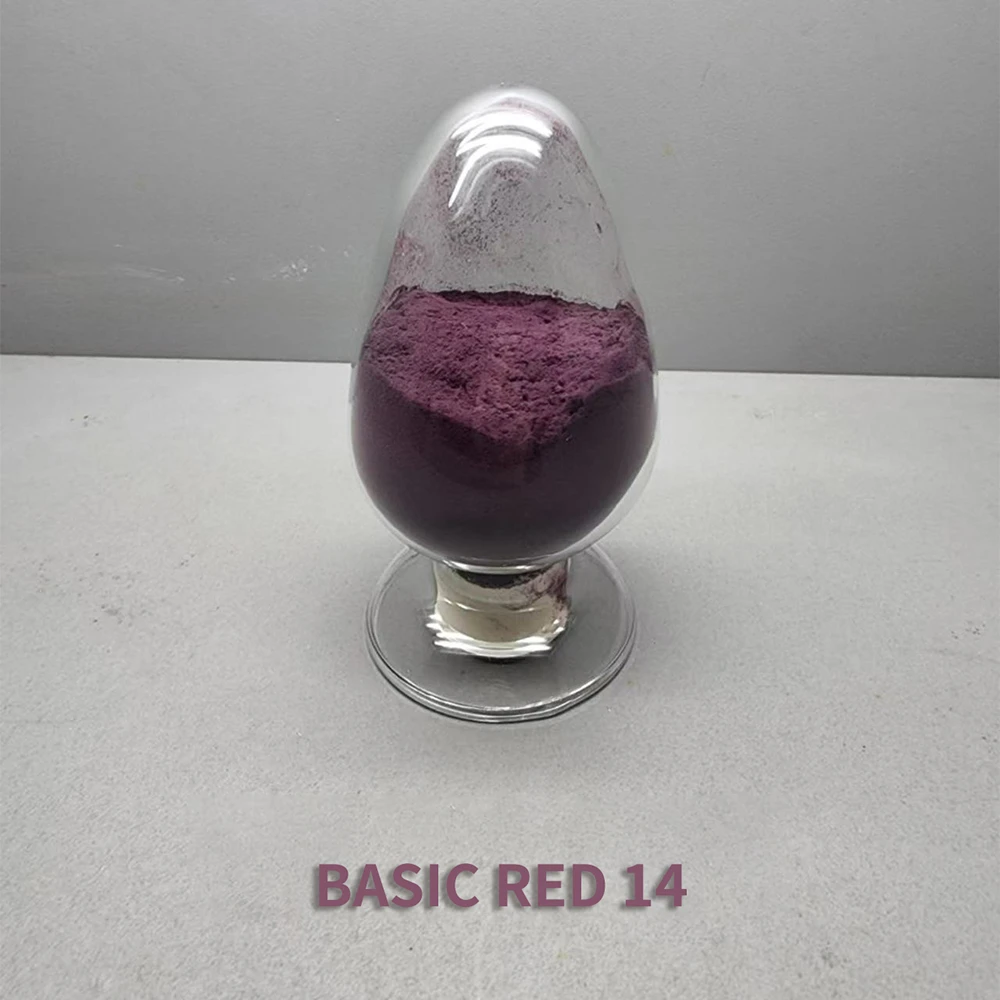
| Appearance | Dark violet crystalline powder |
| Solubility | Water soluble |
| pH Range for Best Staining | Acidic to neutral (~ pH 4-7) |
| Shelf Life | 12-24 months (dry and dark storage) |
| Hazards | Toxic if inhaled or ingested; irritant |
Top Vendors Comparison
| Vendor | Purity (%) | Price (per kg) | Compliance | Global Shipping |
|---|---|---|---|---|
| Yanhong Chemicals | >97% | $450 | ISO 9001, REACH | Yes |
| Sigma-Aldrich | >98% | $600 | ISO 9001, FDA Certified | Yes |
| BASF | >95% | $520 | REACH, ISO 14001 | Limited |
Future Trends and Innovations in Basic Fuchsin Dye
With sustainability becoming front and center, the future for basic fuchsin involves greener synthesis methods and reduced toxicity. Some research groups explore enzymatic or bio-based production systems to replace traditional petrochemical routes. Digital technologies also play a role — automated staining equipment integrated with AI-driven microscopes now tailor dye concentrations for optimal results, reducing waste.
Moreover, regulatory bodies like the ISO are updating standards to push manufacturers toward more eco-friendly dyes, decreasing hazardous emissions during production and disposal. With rising interest in circular economies, we might soon see more recyclable or biodegradable dye components.
Common Challenges and How to Address Them
For all its benefits, handling basic fuchsin dye is no walk in the park. Its toxicity requires strict safety protocols during manufacturing and use. Inadequate lab ventilation or improper disposal can contribute to environmental contamination and health risks for workers.
One solution is adopting comprehensive training programs alongside investing in modern fume hoods and personal protective equipment. On the production side, substituting harmful solvents and improving waste treatment facilities have shown promising results. Hence, cooperation between regulators, vendors, and end users is vital.
FAQ: Frequently Asked Questions About Basic Fuchsin Dye
Q1: What industries most commonly use basic fuchsin dye?
A1: Primarily, clinical laboratories use it for bacterial staining, textile manufacturers for fabric coloring, and academic institutions for biological research. Some forensic and chemical applications exist too.
Q2: How should basic fuchsin dye be safely stored?
A2: Keep it in a cool, dry, and dark place packed in airtight containers to prevent degradation. Avoid exposure to sunlight and excessive heat for longer shelf life.
Q3: Is basic fuchsin dye environmentally hazardous?
A3: Yes, if released untreated in large quantities, it can harm aquatic life and pose health risks. Proper disposal protocols and treatment are essential to mitigate this impact.
Q4: Can the dye be replaced with more eco-friendly alternatives?
A4: Research is ongoing into bio-based and less toxic dyes, but basic fuchsin’s effectiveness and cost-efficiency still make it a top option. For now, green innovations focus on safer production and waste management.
In Conclusion: The Everlasting Role of Basic Fuchsin Dye
So there you have it — basic fuchsin dye is far more than just a pigment. It’s a critical player in global health, science, and industry. Its balance of performance and price has ensured it stays front and center for decades, even as the world pushes toward sustainability and innovation. If you’re curious to dive deeper or source high-quality basic fuchsin dye, check out the latest offerings and certifications available at Yanhong Chemicals and explore how this unassuming dye continues to make a quiet but profound difference.
Mini Takeaway:
With the right handling and forward-looking innovations, basic fuchsin dye’s legacy is set to continue — vivid, vital, and here to stay.
References
-
Comprehensive Guide to Choosing the Best White Dye for ClothesNewsMar. 28, 2026
-
Cationic Dyed Polyester: Revolutionizing Sustainable Textile Dyeing WorldwideNewsDec. 03, 2025
-
Buy Dye for Clothes – Expert Tips & Reliable ProductsNewsDec. 03, 2025
-
Fabric Dye for Couch – Industrial Insights & Supplier ComparisonNewsJan. 03, 2026
-
Tulip Fabric Dye – Durable, Eco-Friendly Textile Color SolutionsNewsDec. 07, 2025
-
Sustainable Eco Friendly Fabric Dye Solutions for Industrial UseNewsJan. 01, 2026