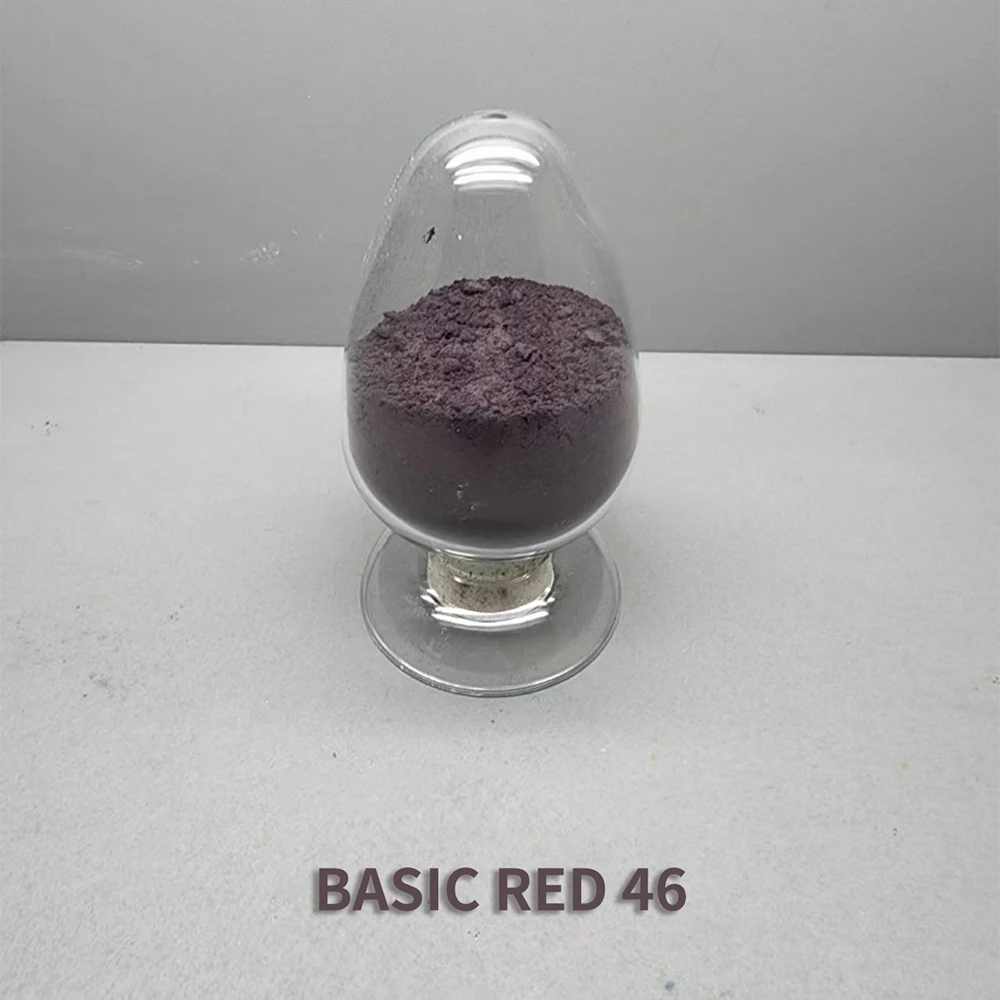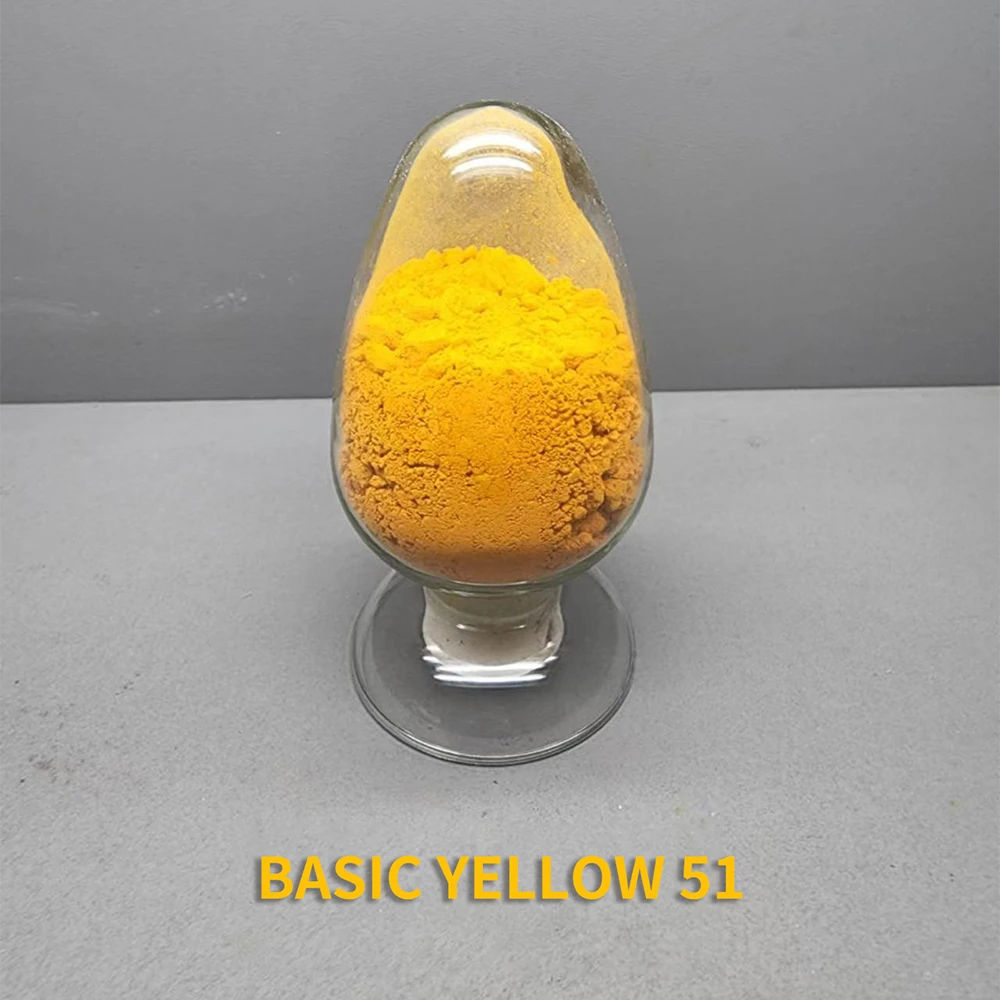
Basic Dye Manufacturer: Key Industry Insights & Global Impact
Understanding the Role of a Basic Dye Manufacturer in Modern Industry
If you’ve ever marveled at the brilliant colors in textiles, inks, or plastics, you’ve indirectly appreciated the work of a basic dye manufacturer. These companies produce highly vital chemical compounds used across a broad range of industries—from fashion to electronics. But why does this industry matter globally? In simple terms, basic dyes lend vibrant, durable hues that stand the test of time and usage. Beyond aesthetics, these dyes often enhance product longevity and functionality.
Recognizing the impact of basic dye manufacturers also highlights supply chain dependencies and sustainability challenges faced worldwide. With environmental concerns and booming market demand, understanding how these manufacturers operate, innovate, and adapt has never been more critical.
Mini takeaway: Basic dye manufacturers aren’t just color providers; they’re indispensable players shaping global manufacturing and consumer experiences.
The Worldwide Importance of Basic Dye Manufacturing
Globally, the dye industry is valued in the tens of billions of dollars, with basic dyes holding a significant share owing to their unique properties. According to the Wikipedia page on dyes and UN trade statistics, Asia-Pacific countries account for roughly 65% of dye production, driven by aggressive textile sectors in India, China, and Bangladesh. These countries depend heavily on reliable and cost-effective dye production to keep their massive garment factories running smoothly.
Still, this sector faces huge challenges. Environmental regulations are tightening — the ISO 14001 standards for environmental management applied to chemical manufacturing industries put a spotlight on waste and water pollution from dyes. Basic dye manufacturers must balance scaling up to meet demand while minimizing ecological harm. The question arises: how can they innovate without sacrificing sustainability?
Mini takeaway: The global market relies on efficient and eco-conscious basic dye manufacturing to satisfy booming industries and ancient arts alike.
What Exactly is a Basic Dye Manufacturer?
Let’s demystify this term. A basic dye manufacturer specializes in producing a class of cationic dyes—meaning they carry a positive charge. This positive charge allows them to bind strongly with negatively charged surfaces like acrylic fibers, paper, leather, and some plastics. The end result? Bright, fast colors resistant to washing and fading.
Beyond just colors, these manufacturers provide chemical expertise to tweak dye formulas for different applications—helping industries meet exacting quality standards. Many basic dye firms also partner with basic dye manufacturer specialists to navigate complex chemical processes efficiently.
Mini takeaway: Basic dye manufacturers are chemists and engineers crafting dyes that empower multiple industries to produce vibrant, durable products.
Core Components That Make a Basic Dye Manufacturer Effective
1. Durability & Colorfastness
Customers want colors that stay bright after washing, sunlight exposure, or industrial use. A reliable basic dye manufacturer rigorously tests for resistance to fading, bleeding, and wear.
2. Scalability of Production
Meeting global demand means handling large batches without compromising quality. Efficient facilities with automated processes speed up production while controlling consistency.
3. Cost Efficiency
Basic dye production involves petroleum-derived compounds, which fluctuate in cost. Manufacturers strive to optimize raw material sourcing and process flows to keep prices competitive, especially for large textile producers.
4. Environmental Compliance
New regulations demand harmful waste minimization. Leading manufacturers invest in cleaner processes, wastewater treatment, and greener chemistry alternatives.
5. Customization & Innovation
Clients often request tailored dye shades or performance features. Manufacturers with R&D labs can innovate to meet evolving needs—be it anti-bacterial properties or digital textile printing compatibility.
Mini takeaway: Effective basic dye manufacturers combine science, scale, sustainability, and customer focus to stay competitive and relevant.
Global Applications of Basic Dyes and Manufacturer Impact
Basic dyes find their way into many corners of life:
- Textiles: Acrylic fabrics, often used in winter clothing, rely on basic dyes for lasting color.
- Paper and Printing: Bright dyes are used in paper products, packaging, and even currency inks.
- Leather and Plastics: Automotive interiors and accessories benefit from vibrant, durable dye solutions.
- Industrial Marking & Safety: Color-coded wiring and safety gear use basic dyes for easy identification.
Consider regions recovering from natural disasters, where basic dyes help create durable shelter fabrics or medical textiles that withstand harsh conditions. And in emerging markets like Southeast Asia, where textile exports fuel economies, local manufacturers depend on accessible basic dye suppliers to keep their factories operational.
Mini takeaway: From everyday apparel to critical industrial components, basic dye manufacturers enable a colorful, functional world.
Advantages and Long-Term Value of Choosing the Right Basic Dye Manufacturer
When manufacturers and buyers pick a trusted basic dye manufacturer, they unlock benefits including:
- Economic Savings: Stable supply and optimized formulae reduce waste and re-dye costs.
- Environmental Responsibility: Green processing cuts pollution footprints, aligning with consumer values.
- Social Impact: Safer dyes protect workers and downstream communities, promoting ethical industry.
- Innovation and Flexibility: Adaptation to digital printing and eco-friendly fibers opens new markets.
- Reliability and Quality Assurance: Consistency builds brand trust across supply chains.
Oddly enough, the emotional factor counts too—buyers and consumers alike appreciate a trusted basic dye source that supports dignity in production, and that’s something no spreadsheet can quite measure.
Mini takeaway: The right basic dye manufacturer is a partner in sustainability, innovation, savings, and social ethics.
Emerging Trends and Innovation Shaping the Future
What’s next for basic dye makers? Industry experts point to:
- Green Chemistry: Safer, bio-based raw materials to reduce toxic waste.
- Digital Textile Printing: Precision dyes optimized for inkjet and laser printers.
- Automated Quality Control: AI-powered inspection ensures batch uniformity.
- Sustainability Certifications: Growing demand for ISO- and GOTS-certified dyes.
- Nanotechnology: Dyes with enhanced UV protection and anti-bacterial properties.
Innovation isn’t just about color anymore—it’s about embedding function, safety, and sustainability in every molecule.
Mini takeaway: Staying ahead means investing in smarter, cleaner, and more precise dye production technologies.
Challenges and How Leading Manufacturers Overcome Them
Challenges remain — volatile raw material costs, stringent environmental laws, and global competition can squeeze manufacturers. Some simply can’t scale efficiently or meet green standards.
Innovators adopt:
- Closed-loop water treatment systems to recycle wastewater.
- Alternative feedstocks derived from plant oils.
- Collaborative partnerships with environmental NGOs.
- Flexible small-batch production to serve niche markets.
These approaches allow manufacturers to maintain viability and be environmentally responsible—two goals that used to feel like oil and water.
Mini takeaway: Facing eco and economic pressures, success blends creativity with technology and responsibility.
Frequently Asked Questions About Basic Dye Manufacturers
- What exactly differentiates a basic dye from other dyes?
- Basic dyes are cationic, meaning they have a positive charge that binds strongly to negatively charged fibers like acrylics. This results in bright, washable, and fast colors that differ from acid or reactive dyes used for other fibers.
- How can manufacturers ensure environmental compliance?
- They use advanced wastewater treatment, select less toxic raw materials, adopt greener synthesis methods, and constantly monitor emissions to comply with international standards such as ISO 14001.
- Are basic dyes suitable for digital textile printing?
- Many modern basic dyes are specially formulated for digital textile printing technologies, offering vibrant colors with excellent precision and wash fastness.
- Can a small textile company work with a large basic dye manufacturer?
- Yes, many manufacturers offer flexible minimum order quantities and can customize dye batches to meet small or large clients' needs.
- Is sustainability achievable without raising costs significantly?
- While green processes might increase upfront costs, the long-term savings in waste management, regulatory penalties, and brand reputation often balance or outweigh these expenses.
Conclusion: Coloring the Future with Confidence
In real terms, basic dye manufacturers occupy a unique space where art, science, and pragmatism meet. They’re the unsung heroes behind many products we use daily, and their evolution mirrors global priorities—balancing demand, sustainability, and innovation. For businesses seeking trusted partners in this colorful sector, diving deeper into the expertise and values of their chosen manufacturers is a smart move.
If you’re looking for a cutting-edge, eco-conscious basic dye manufacturer that fits both industrial scale and quality demands, visit our website. Your products—and your planet—will thank you.
Product Specification Snapshot
| Specification | Typical Value | Units |
|---|---|---|
| Molecular Weight | 350-450 | g/mol |
| Color Fastness (Wash) | 4-5 | ISO Scale (1-5) |
| Water Solubility | >20 | g/L at 25°C |
| pH Stability Range | 4-10 | pH Units |
| Typical Production Capacity | 10,000-50,000 | tons/year |
Vendor Comparison: Leading Basic Dye Manufacturers
| Vendor | Sustainability Practices | Production Scale | Customization Options | Price Range |
|---|---|---|---|---|
| Yanhong Chemicals | Advanced wastewater treatment, ISO 14001 | 40,000 tons/year | Full R&D support & custom shades | Mid to High |
| Global Dye Corp | Moderate, ongoing improvements | 25,000 tons/year | Standard color library | Mid |
| EcoDyes Ltd | Plant-based dyes, zero discharge | 10,000 tons/year | Limited custom options | High |
References
-
White Fabric Dye for Clothes: Industrial Insights & Best ChoicesNewsJan. 03, 2026
-
Outdoor Fabric Dye: Durable & UV-Resistant Options for IndustryNewsDec. 09, 2025
-
Understanding Synthetic Clothes Dye Composition Benefits and Sustainable PracticesNewsMar. 08, 2026
-
Unlock Vibrant Hues with Expert Mint Fabric Dye Techniques and OptionsNewsFeb. 11, 2026
-
Mustard Fabric Dye: Durable & Sustainable Color Solutions for Industrial Fabrics | YanhongchemNewsJan. 05, 2026
-
A Comprehensive Guide to Achieving Beautiful Pastel Dye for ClothesNewsApr. 07, 2026