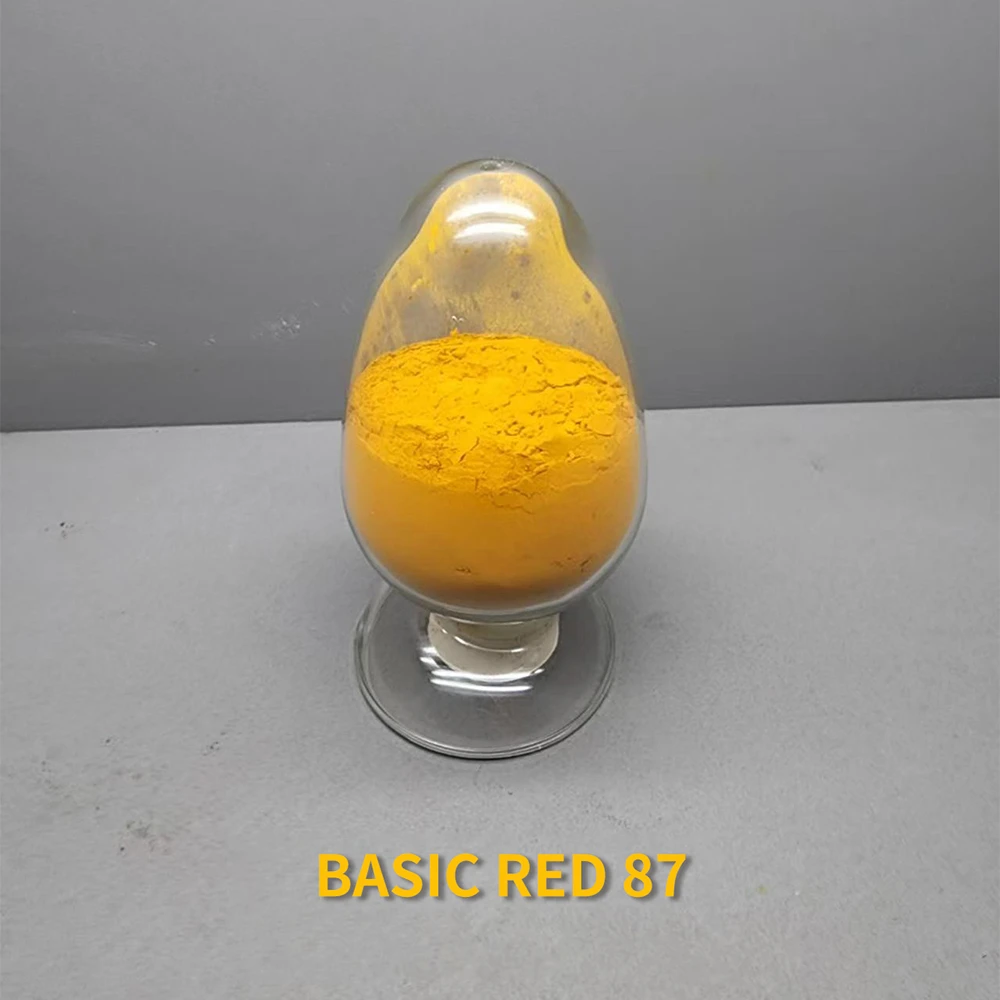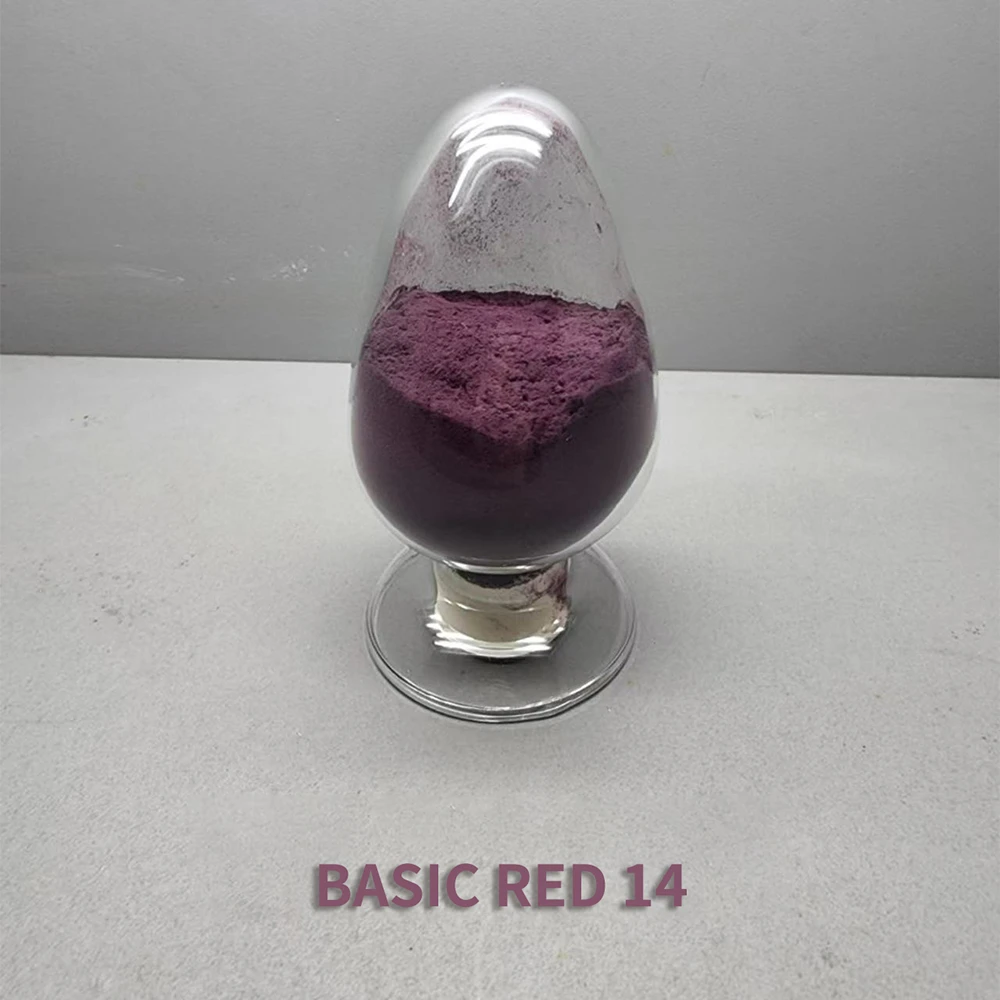
Basic Blue Dye – Global Uses, Benefits, and Sustainable Innovations
Basic Blue: A Deep Dive into Its Global Significance and Industry Impact
When you hear the term basic blue, you might picture a simple color. But in industrial and humanitarian circles, this phrase goes much deeper — referring often to synthetic dyes or compounds critical for a rainbow of applications. Understanding basic blue isn't just about aesthetics; it’s about appreciating how a humble chemical helps shape global markets, from textiles to high-tech manufacturing, and even post-disaster recovery. This article will unwrap what basic blue is, why it matters worldwide, and how it’s pushing industries forward.
The Global Context: Why Basic Blue Matters More Than You Think
Basic blue dyes and pigments have a footprint that stretches worldwide, touching industries and communities in surprising ways. According to ISO standards for dye classification and the World Bank's data on textile production, the global dye market is expected to grow by over 4% annually, driven largely by innovations with basic blue compounds. One of the underrated challenges in this field lies in balancing production scale with environmental safeguards — after all, factories releasing untreated dye waste can harm ecosystems severely. That’s why a deeper focus on sustainable basic blue manufacturing is gaining traction.
Oddly enough, many developing regions, especially in Asia and Africa, depend heavily on these dyes for their textile exports — a major source of employment and economic growth. Yet, the environmental challenges here have pushed for greener alternatives and better regulations. The tension between demand, environmental health, and industry costs makes basic blue a fascinating blend of chemistry and economics.
What Exactly Is Basic Blue?
In the simplest terms, basic blue refers to a category of synthetic dyes, known for their vivid blue coloration and water solubility. Chemically, they’re typically cationic, meaning they carry a positive charge which makes them bind strongly to negatively charged surfaces — think fabrics or paper fibers. This quality makes them invaluable in producing bright, long-lasting colors, used extensively in textiles, inks, plastics, and even biological staining.
Beyond aesthetics, these dyes are integral to sectors tackling humanitarian needs. For instance, color-coded safety gear or medical fabrics often rely on stable, reliable dyes to ensure clarity under various conditions. You see, the connection between basic blue and real-world utility runs deeper than a splash of color.
Core Components of Basic Blue's Effectiveness
1. Color Stability
One of the big selling points for basic blue dyes is how stable they are against light and washing. Many brands test their products extensively to maintain vibrancy through repeated use — a feature that textile manufacturers swear by.
2. Solubility and Versatility
Because basic blue dyes dissolve easily in water, they can be applied to a vast range of materials, from cotton and wool to synthetic fibers. This ease of application broadens their usability across diverse industries.
3. Cost Efficiency
Basic blue dyes are relatively inexpensive to produce compared to some specialized pigments, making them a staple in budget-conscious manufacturing without sacrificing quality.
4. Environmental Concerns
Not all that glitters is gold — the chemical makeup means untreated dye effluents can threaten water supplies. That’s why modern production increasingly focuses on treatment and recycling protocols.
5. Compatibility with Modern Processes
Its compatibility with digital printing and automated fabric treatment machines makes basic blue a dye primed for the future.
Global Applications & Use Cases for Basic Blue
From the bustling textile mills of Bangladesh to high-tech labs in Germany, basic blue plays a starring role:
- Textile Industry: The most dominant user, thanks to the dye’s durability and bright tone.
- Medical & Scientific Fields: Used in staining cells for research and diagnostics, where clarity is crucial.
- Safety & Signaling: High-visibility industrial garments often use shades of blue incorporated with reflective materials.
- Art & Design: Artists and manufacturers rely on quality pigments to maintain color consistency over time.
For example, in post-disaster relief operations, identifying medical staff and aid supplies with color-coded fabrics incorporating basic blue can aid coordination, safety, and efficiency.
Advantages & Long-Term Value of Using Basic Blue
Frankly, the benefits of basic blue go beyond cost effectiveness:
- Sustainability: Recent advances have led to more eco-friendly production methods reducing chemical waste.
- Reliability: Basic blue’s consistency offers end-users confidence in product quality.
- Social Impact: With many textile jobs worldwide depending on these dyes, it supports millions of livelihoods.
- Innovation: New formulations make the pigment adaptable for digital textile printing and microencapsulation.
It’s not just a color — it’s a thread connecting economic growth, environmental care, and technological progress.
Future Trends & Innovations in Basic Blue
Look out for these exciting developments:
- Biodegradable dyes: Leading manufacturers are pioneering basic blue dyes that break down harmlessly after use.
- Digital textile printing: Basic blue-compatible inks enable precision and less waste.
- Advanced dye fixation technologies: To lock in colors longer and minimize environmental runoff.
- Automation and AI quality control: Improving dye consistency and reducing defect rates.
Challenges & Real-World Solutions
There are still hurdles — for example, the need to treat wastewater effectively remains a pressing issue. Yet, emerging solutions like membrane filtration systems and catalytic degradation promise to clean factory outputs at scale. In addition, regulatory frameworks, especially in Europe and parts of Asia, are tightening, pushing companies towards greener alternatives.
Many engineers suggest process integration using renewable energy sources can cut costs while enhancing sustainability. It’s a tricky balancing act, but ongoing R&D is optimistic.
Basic Blue Product Specification Table
| Specification | Typical Value | Units |
|---|---|---|
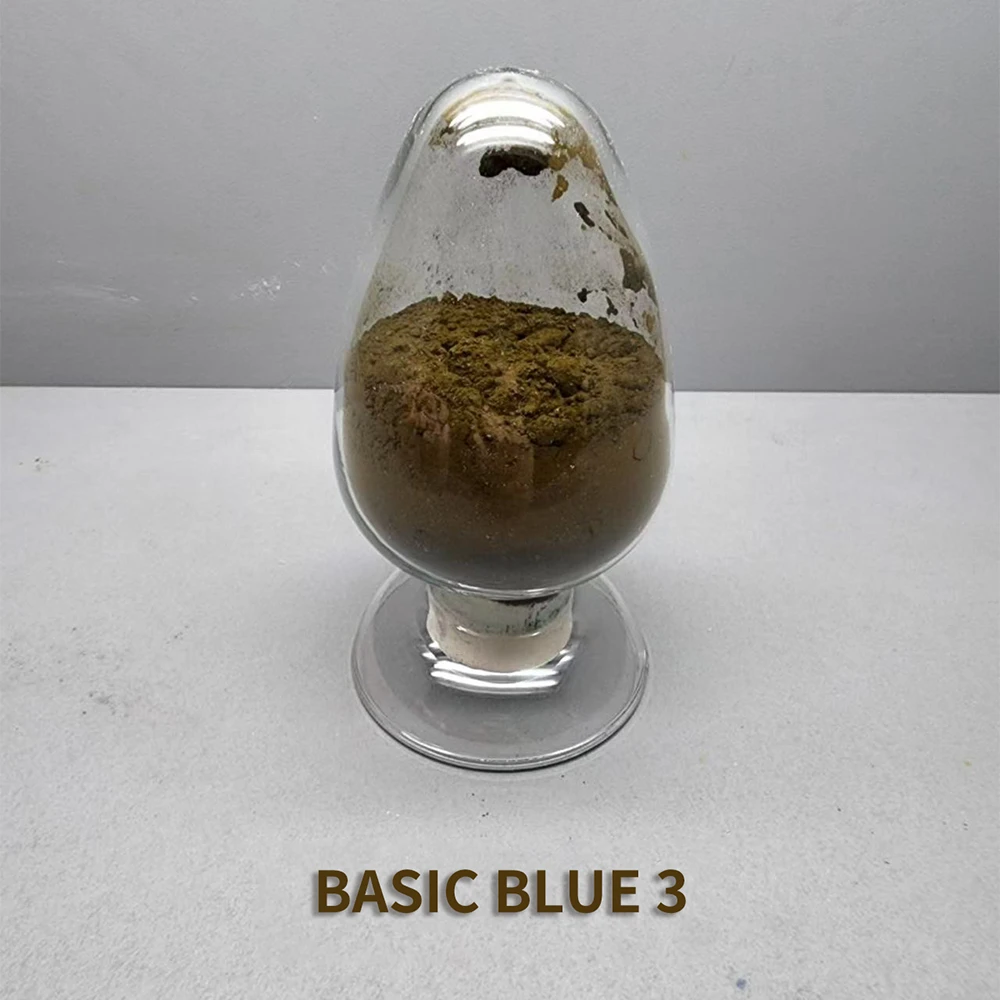
| Chemical Structure | C.I. Basic Blue 3 (Methylene Blue) | - |
| Molecular Weight | 319.85 | g/mol |
| Solubility | Highly soluble in water | - |
| Light Fastness | 4-5 (ISO 105-B02 standard) | Rating (1-8) |
| pH Stability Range | 5 – 9 | pH units |
Vendor Comparison for Basic Blue Suppliers
| Vendor | Price/kg | Eco Certification | Customization Options | Lead Time |
|---|---|---|---|---|
| Yanhong Chemicals | $18 | ISO 14001 | Custom color shades & packaging | 2–3 weeks |
| BlueDynamics Ltd. | $22 | Oeko-Tex Standard 100 | Bulk orders only | 4 weeks |
| EcoPigments Co. | $20 | GOTS Certified | Small batch custom blends | 3 weeks |
Frequently Asked Questions About Basic Blue
1. What industries can benefit most from basic blue dyes?
Basic blue dyes have vast applications, primarily in textiles, printing, and medical staining. Additionally, safety equipment manufacturers and certain plastics industries also rely on these dyes for their vivid color properties and reliability.
2. Are basic blue dyes environmentally safe?
Traditionally, dye waste posed environmental risks, mainly from untreated effluents. However, modern methods including wastewater treatment, closed-loop systems, and biodegradable dye variants greatly improve environmental safety.
3. How customizable are basic blue dyes for different applications?
Many suppliers offer customization, including varying intensity, particle size, and packaging formats. This flexibility caters to industries needing specific shades or application methods.
4. Can basic blue dyes be used in digital textile printing?
Yes, recent innovation has adapted basic blue dyes for digital printing inks, providing precise color control while reducing waste compared to traditional dyeing.
5. How can companies ensure compliance when importing basic blue dyes internationally?
Companies should verify supplier certifications (ISO, Oeko-Tex, etc.), ensure compliance with regional chemical regulations (like REACH in Europe), and work closely with logistics providers familiar with chemical handling.
Conclusion
In essence, basic blue is much more than a color — it’s a cornerstone chemical with global economic, environmental, and social ramifications. The balance between its wide industrial use and sustainability challenges represents both opportunity and responsibility. For businesses ready to innovate and invest wisely, basic blue offers a vibrant path forward.
Thinking about sourcing high-quality basic blue dyes or learning more about eco-friendly options? Visit our website at https://www.yanhongchem.com to explore products tailored to your needs.
Until next time, keep an eye on those colors — sometimes, a simple shade tells a complex story.
References & Further Reading
-
Exploring the Vibrant World of Turquoise Fabric Dye and Application TechniquesNewsJan. 28, 2026
-
Durable Taupe Fabric Dye for Industrial Use | Expert InsightsNewsJan. 01, 2026
-
Bulk Fabric Dye: Quality and Choices for Industrial Textile ProcessingNewsDec. 03, 2025
-
Guide to Choosing the Best black color dye for clothesNewsApr. 09, 2026
-
Green Fabric Dye: Industrial Insights & Eco-Friendly SolutionsNewsDec. 03, 2025
-
Velvet Fabric Dye for Durable & Vibrant Velvet Textiles | Yanhong ChemNewsJan. 01, 2026