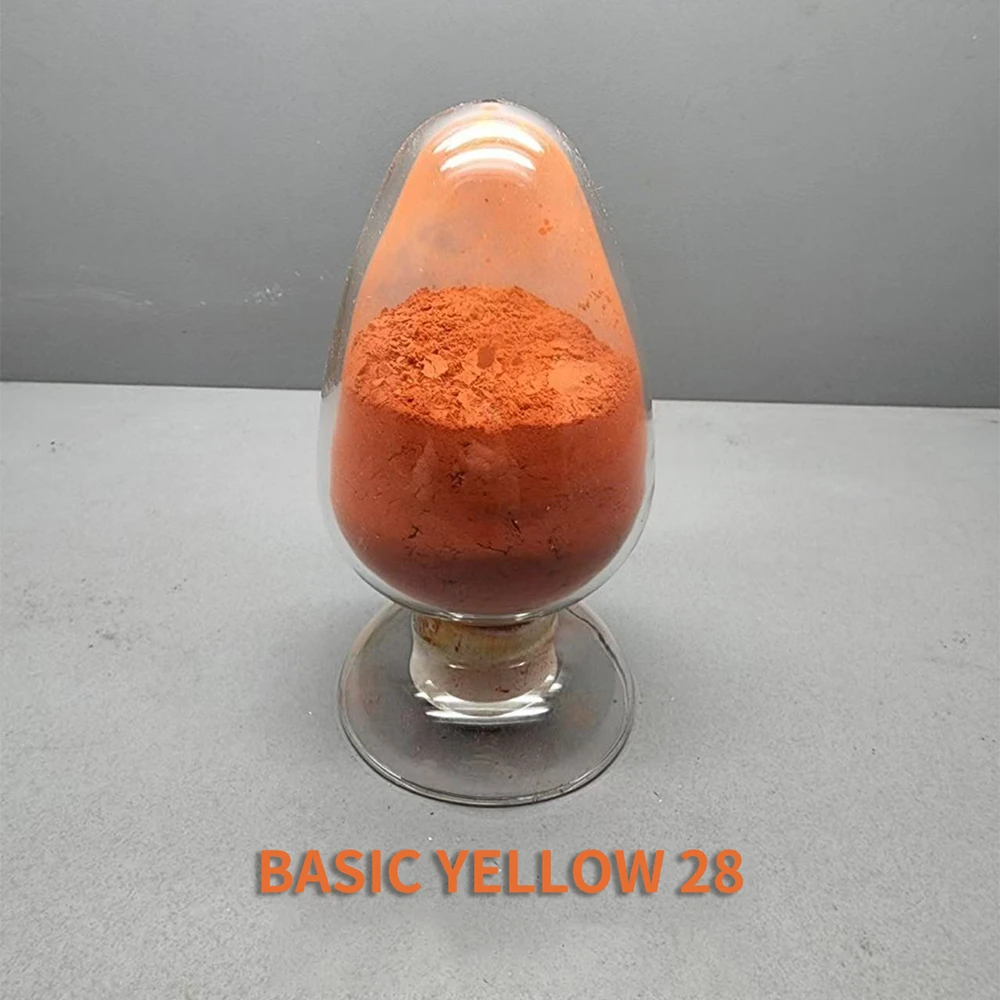
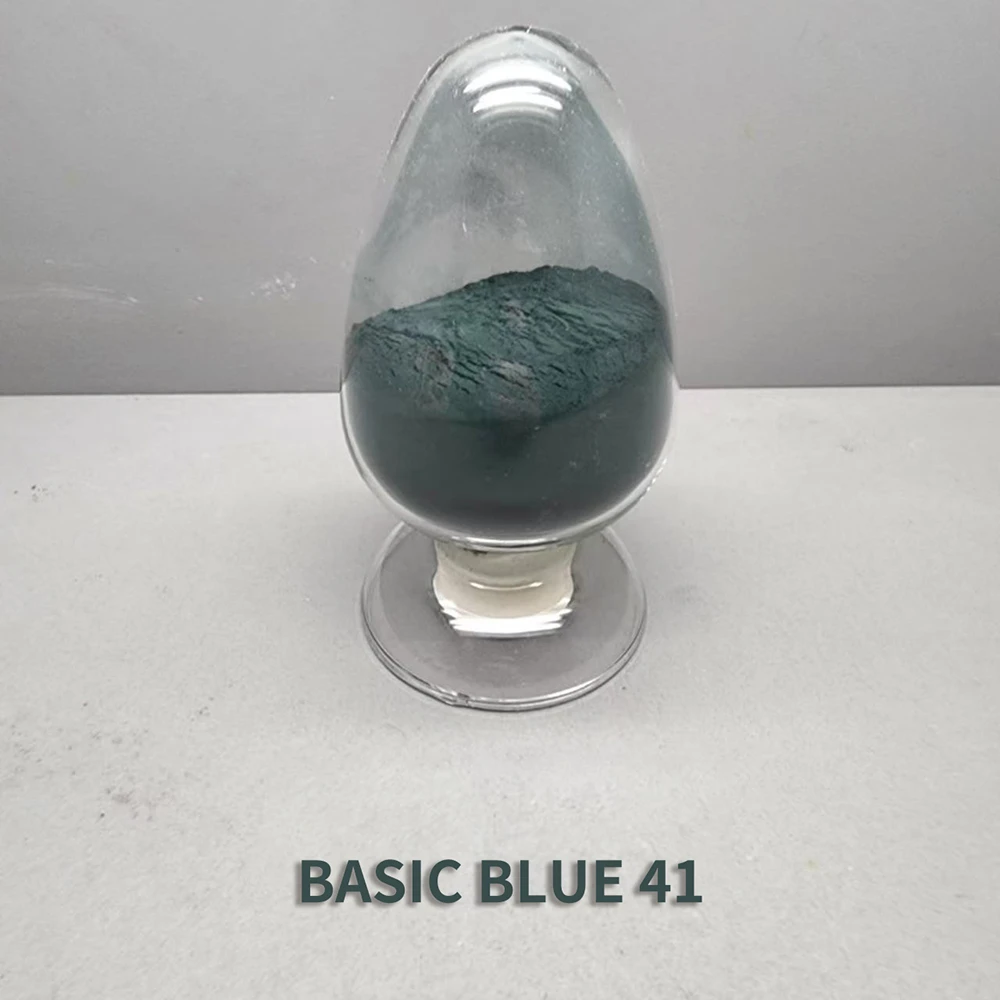
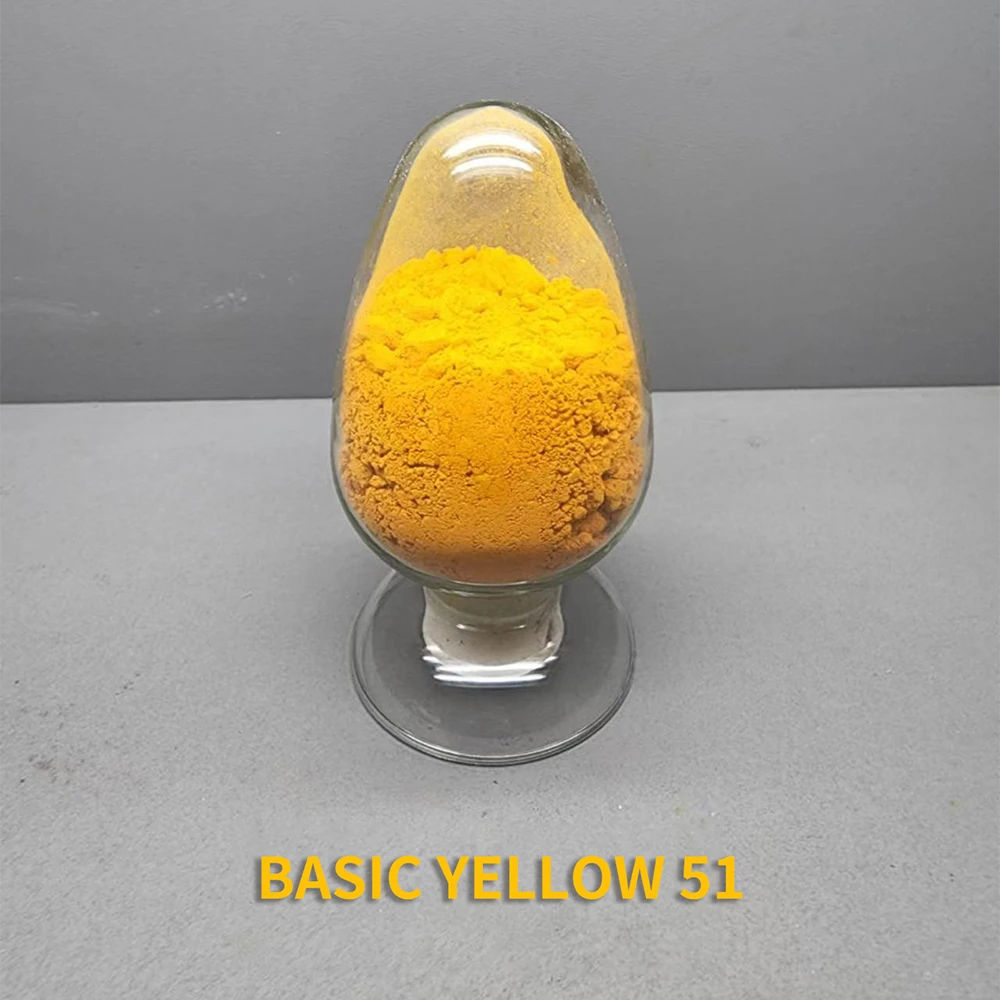
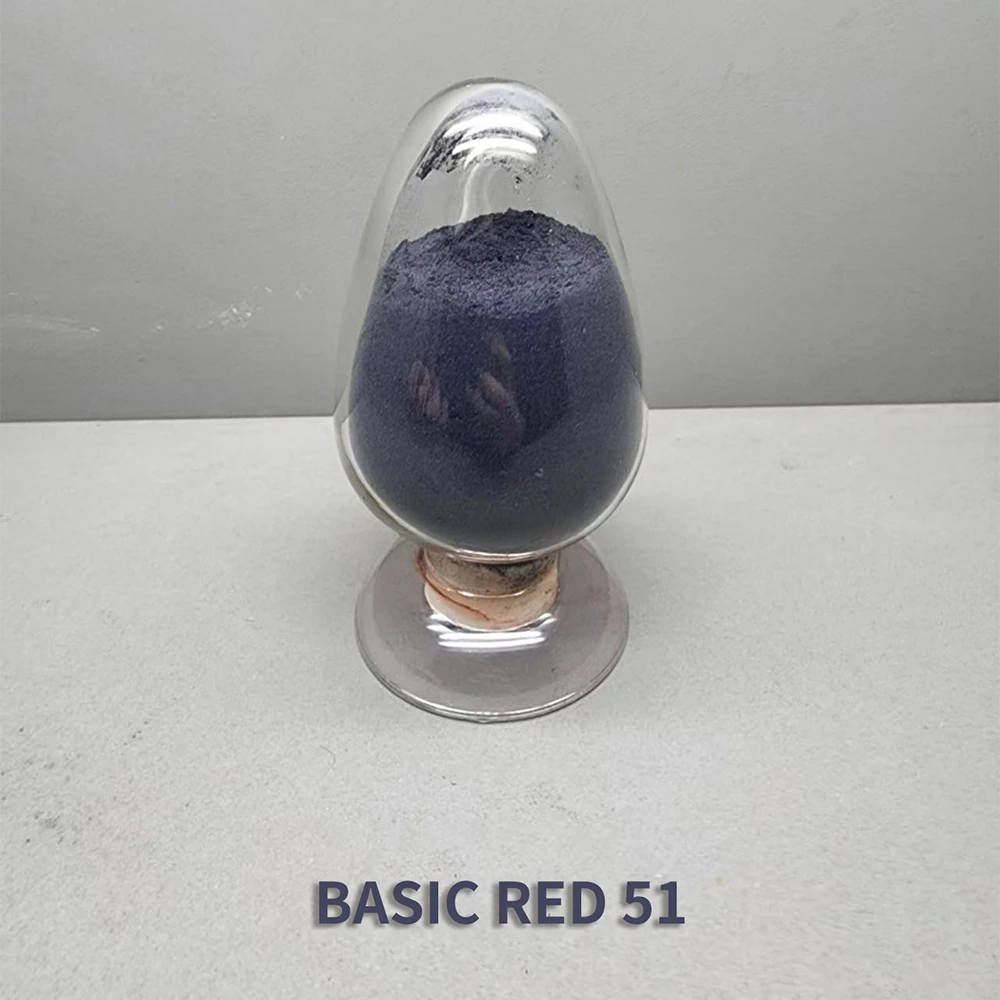
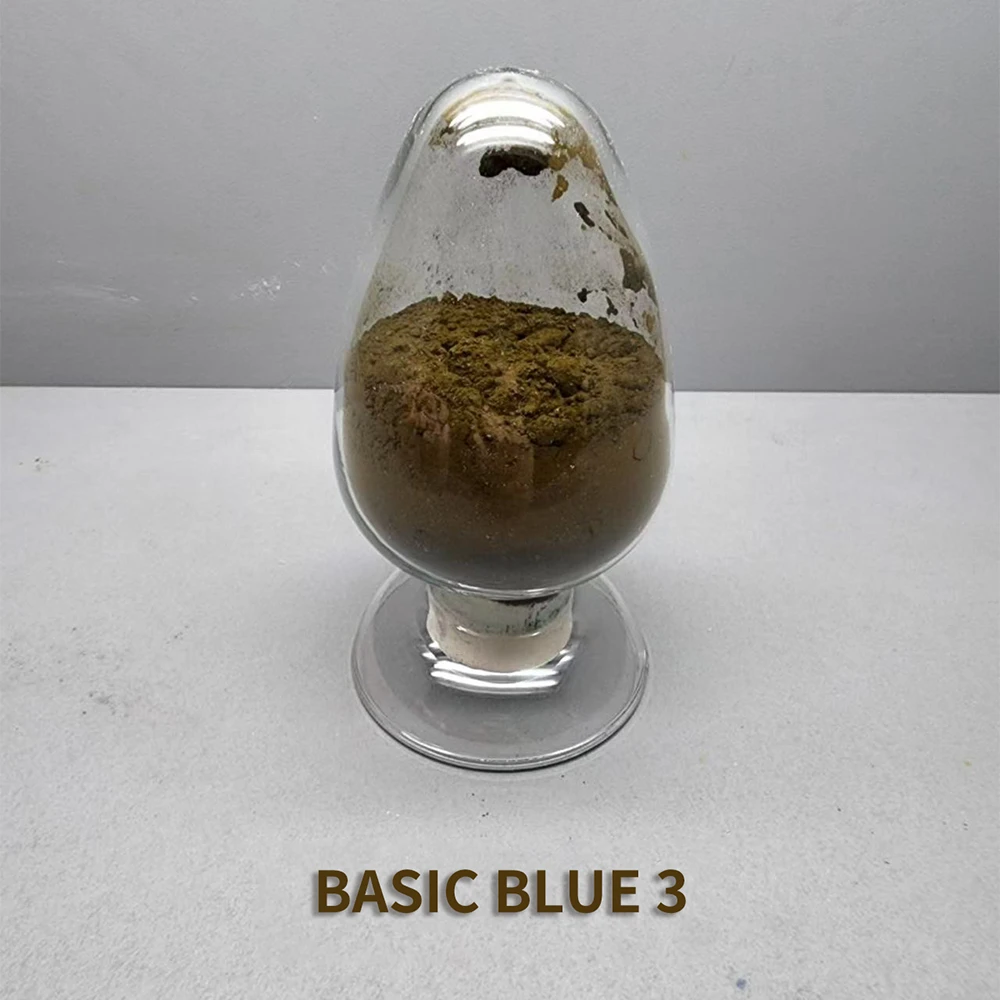
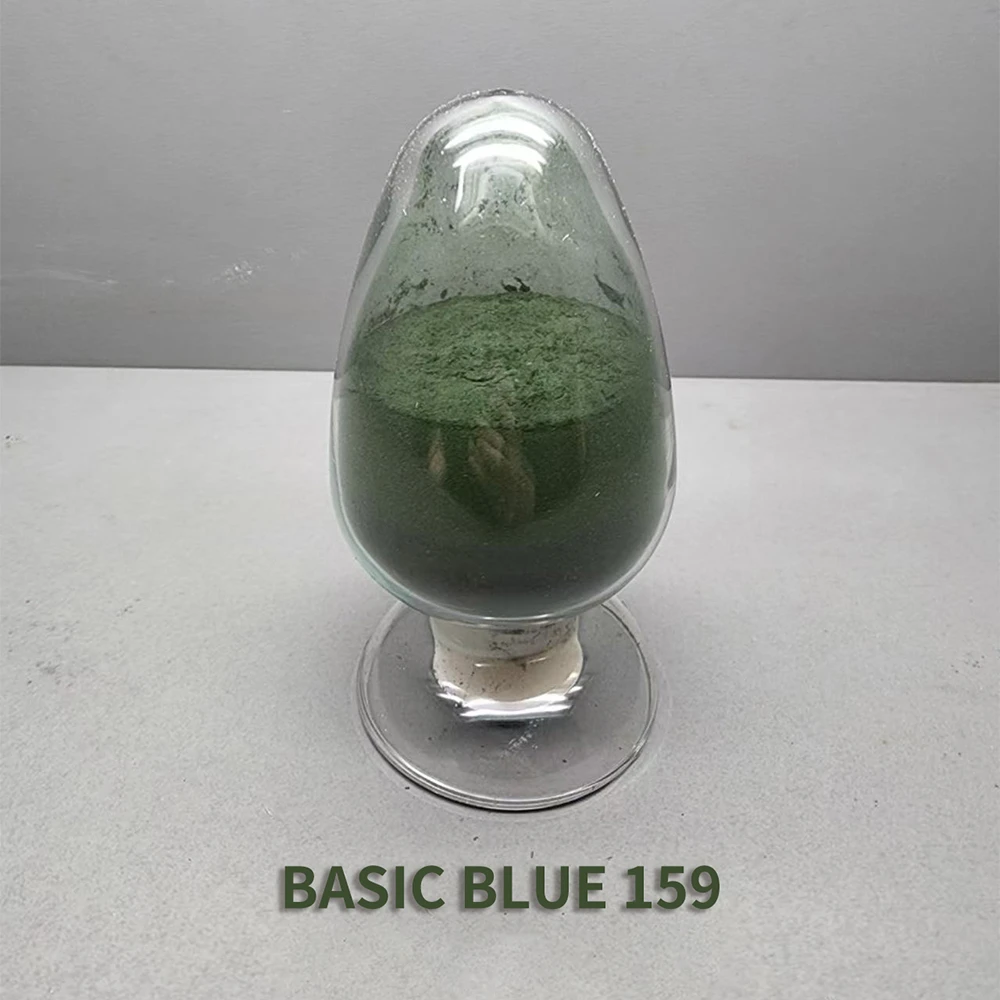
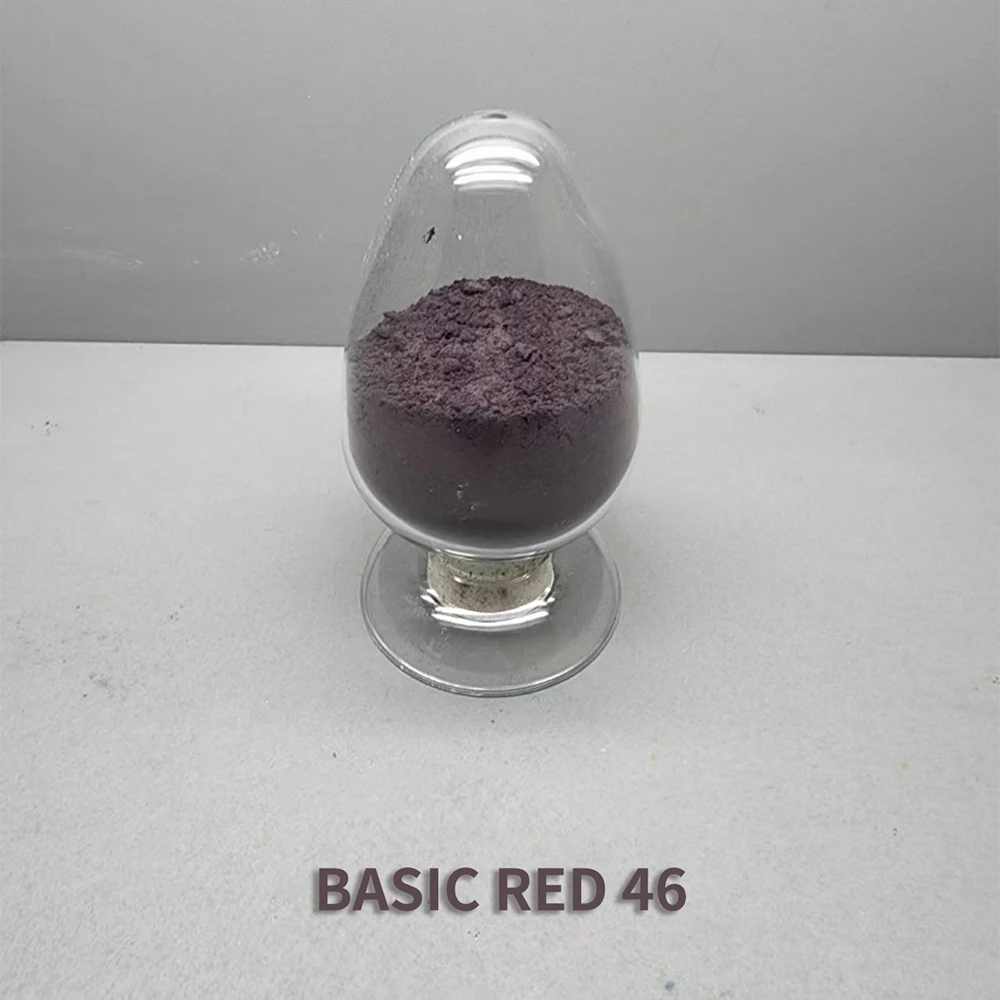
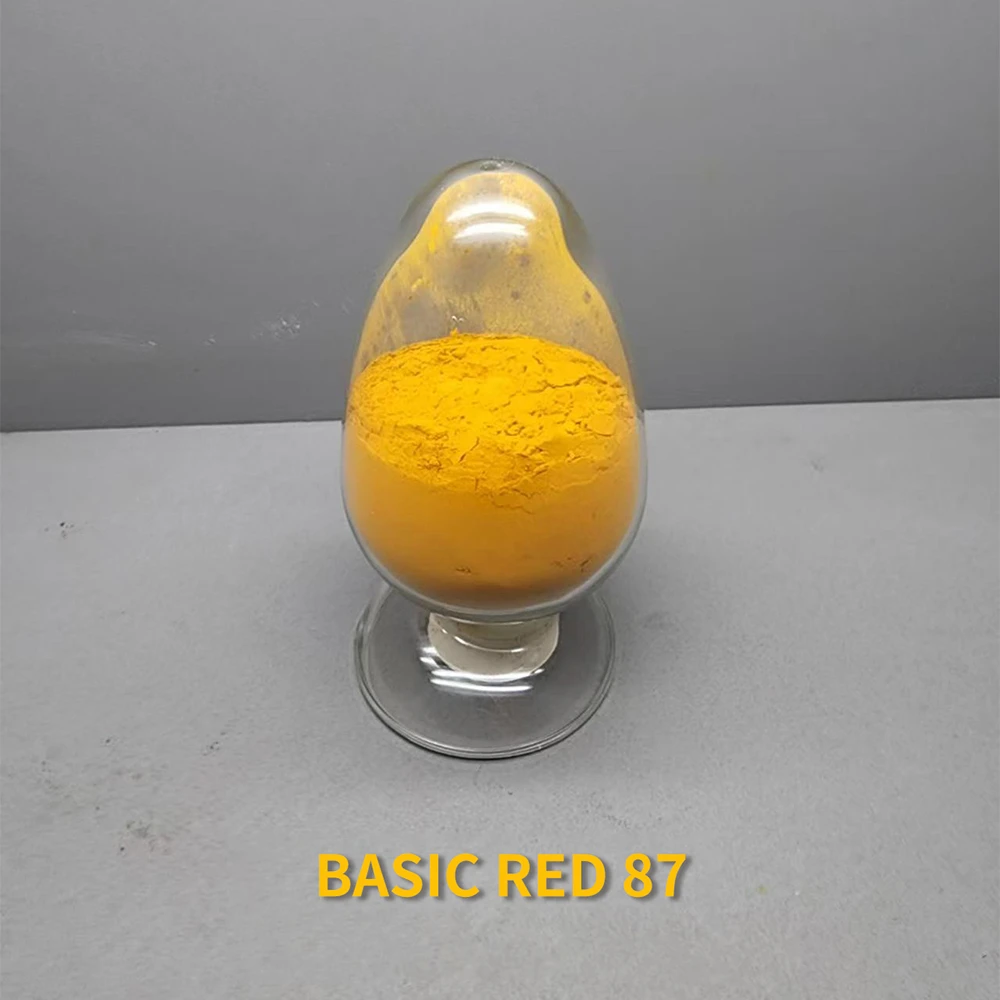
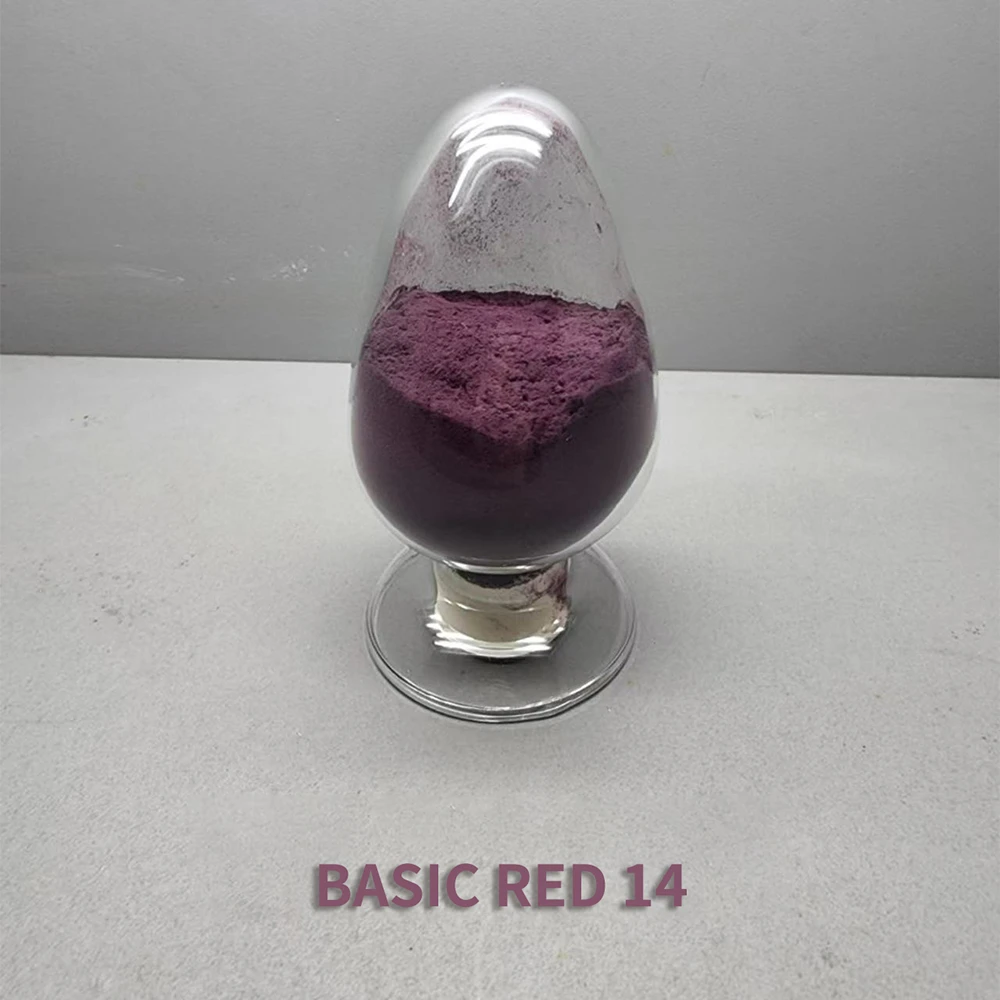
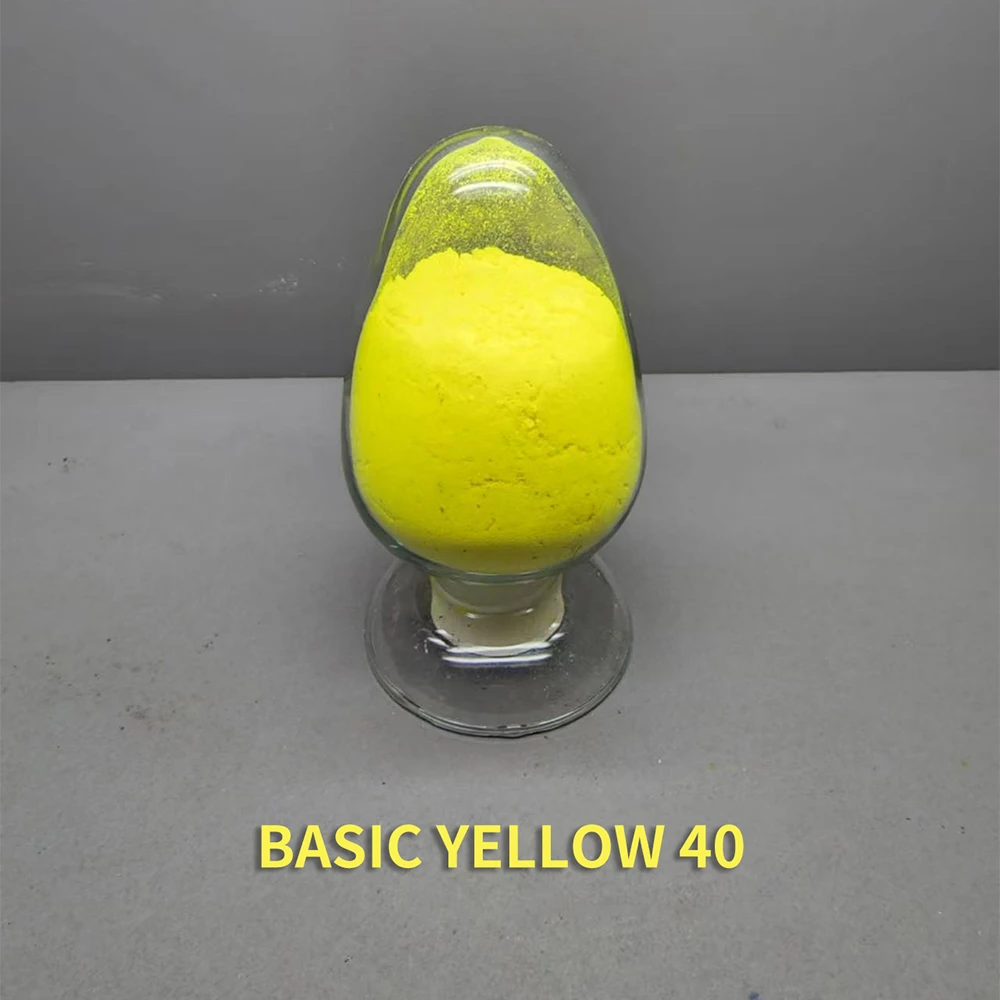
Automotive Fabric Dye: Durable, Eco-Friendly Solutions for Modern Vehicles
Understanding Automotive Fabric Dye: Why It Matters in Today’s World
Automotive fabric dye, at its core, is much more than just coloring material for car interiors. It’s a carefully formulated chemical solution that breathes life into fabrics used inside vehicles. Its significance reaches beyond aesthetics; it plays a key role in durability, safety, and sustainability in the automotive industry globally. Understanding automotive fabric dye is essential for manufacturers aiming to meet environmental standards, enhance user experience, and innovate for the future.
Introduction: The Global Relevance of Automotive Fabric Dye
In 2023, the global automotive industry was worth roughly $3 trillion, with interior materials representing a substantial slice of that pie. According to the International Organization for Standardization (ISO), “durability and environmental compliance are the cornerstones of automotive textiles.” Automotive fabric dyes are involved at this juncture, with their role pivotal in making car interiors both attractive and fit-for-purpose. The United Nations Environment Programme (UNEP) highlights increased environmental concerns about dye manufacturing and disposal, pressing automakers to adopt greener alternatives.
Yet, there’s a challenge: dyes must meet rigorous standards for colorfastness, toxicity, and resistance to wear, all while balancing cost-efficiency. Manufacturers are on a constant quest to solve this delicate puzzle.
What Exactly Is Automotive Fabric Dye?
Simply put, automotive fabric dye refers to the specialized chemical agents used to impart color to fabrics found inside vehicles — think seat covers, door panels, headliners, and steering wheel wraps. These dyes differ from general textile dyes due to enhanced requirements: they must withstand UV rays, abrasion, sweat, and even the occasional coffee spill.
This isn’t just a beauty routine for cars. In a humanitarian angle, think of fleet vehicles used for disaster relief or medical transport — durable, reliable interiors dyed with advanced automotive fabric dyes help extend vehicle lifespans and usability in harsh conditions.
Core Factors in Automotive Fabric Dye
1. Durability
Durability goes beyond ‘not fading’. Many dyes are tested for resistance against sunlight, friction, and chemical exposure. A fabric faded on the driver’s seat after a year? That’s a no-go.
2. Colorfastness
This refers to the dye’s ability to maintain vibrancy over time and usage cycles, resisting bleeding or staining other materials.
3. Environmental Compliance
With ISO 14001 standards becoming mainstream, automotive fabric dyes increasingly avoid heavy metals and volatile organic compounds (VOCs), moving towards water-based or natural variants.
4. Cost Efficiency
Mass production demands dyes that meet quality without breaking budgets. Economies of scale play a huge role here, especially for global manufacturers.
5. Scalability & Customization
Manufacturers often need a wide color palette customized for brand identity, making scalable dye technologies essential.
Mini Takeaway:
In essence, a perfect automotive fabric dye isn’t judged on color alone. It’s durability, safety, environmental friendliness, and cost-effectiveness all blended together.
Global Applications: Where Automotive Fabric Dye Makes Its Mark
Automotive fabric dye is used worldwide, from luxury sedans in Europe to rugged pickup trucks in the US, and bustling city buses in Asia. In post-disaster relief operations, manufacturers equip vehicles with durable interiors designed using advanced dyes that can endure extreme conditions — think floods, dust storms, and relentless sun.
In remote industrial zones like parts of South America or Africa, vehicles face dirt, sweat, and harsh treatment daily. High-quality automotive fabric dyes help maintain vehicle longevity and appearance in these challenging environments.
Automotive OEMs (original equipment manufacturers) and aftermarket suppliers rely on these dyes to meet varying consumer tastes, regulatory demands, and technical requirements. Regions like Japan and Germany, known for stringent safety standards, have pioneered many innovations in this dye category.
Advantages of Using Specialized Automotive Fabric Dyes
- Cost savings: Reduced need for frequent upholstery replacement.
- Sustainability: Less chemical waste, lower VOC emissions.
- Enhanced user safety: Non-toxic, hypoallergenic dye formulations.
- Improved aesthetics & brand value: Crisp, lasting colors.
- Customer trust: Quality interiors reinforce brand loyalty.
On a human level, imagine the difference: a vehicle interior that feels fresh and reliable during a long commute or a crucial rescue mission — that’s trust built through quality fabric dyes.
Product Specification Table: Typical Automotive Fabric Dye Attributes
| Attribute | Specification | Remarks |
|---|---|---|
| Durability | Minimum 300+ hours UV exposure | Complies with ASTM G154 |
| Colorfastness | Grade 4 or above (ISO 105-B02) | Ensures resistance to washing and rubbing |
| VOC Content | < 10 g/L | Supports green certification |
| Toxicity | Non-carcinogenic, heavy-metal free | Improves user safety |
| Drying Time | 30–45 minutes at 60°C | Optimized for mass production |
Vendor Comparison: Leading Automotive Fabric Dye Suppliers
| Vendor | Eco-Friendliness | Price Range | Customization Options | Global Reach |
|---|---|---|---|---|
| YanHong Chem | High (Water-based, low VOC) | $$ | Full spectrum, custom blends | Worldwide |
| DuraDye Inc. | Medium (Hybrid formulations) | $$$ | Limited vs standard colors | North America, Europe |
| EcoTint Solutions | Very High (Organic & natural) | $$$$ | Fully customizable, batch-to-batch | Europe, Asia |
Looking Ahead: Innovations & Trends in Automotive Fabric Dye
Green chemistry is becoming a not-so-secret weapon in automotive fabric dye development. More brands are focusing on water-based or bio-derived dyes that drastically reduce environmental footprints. Digital transformation means smart dyeing processes: automated color matching, real-time quality checks, and waste reduction.
Some companies are experimenting with dye formulations that change color under different temperatures or lighting — think futuristic car interiors that adapt mood or function. And policies enforcing stricter environmental compliance ensure these innovations continue to roll out globally.
Addressing Challenges and How Industry Responds
Sure, dye fading, chemical toxicity, or inconsistent shades are common problems. But the industry keeps adapting. Advanced testing protocols (like ASTM and ISO standards) demand thorough lab and field validation. Plus, collaboration between chemists, manufacturers, and automotive designers results in dyes tailored to real-world stresses.
On a practical level, many experts recommend investing upfront in high-quality dyes that might cost slightly more but pay off through longevity and reputation. A little diligence saves a lot of post-market headaches.
FAQ: Practical Questions About Automotive Fabric Dye
Q1: How long do automotive fabric dyes typically last?
A1: With quality dye and proper fabric, colors can remain vibrant for 5–7 years under normal use. Exposure to harsh sunlight or chemicals might shorten this life, but advanced dyes are designed to resist these factors.
Q2: Are automotive fabric dyes safe and non-toxic?
A2: Modern automotive fabric dyes comply with international safety standards, avoiding heavy metals and carcinogenic substances. Many use low-VOC or water-based formulas, ensuring safety for passengers and the environment.
Q3: Can automotive fabric dyes be customized for specific brand colors?
A3: Absolutely. Many vendors, including YanHong Chem, offer tailored solutions that match precise brand guidelines and fabric types.
Q4: How environmentally friendly are current automotive fabric dyes?
A4: There’s a clear push toward greener dyes. Water-based and organic options are increasingly common, reducing waste and harmful emissions in manufacturing.
Q5: Are these dyes compatible with various fabric types?
A5: Yes, automotive fabric dyes are formulated for compatibility with synthetic fibers like polyester, nylon, and blends, as well as some natural fabrics.
Conclusion
Automotive fabric dye might sound niche, but its influence stretches wide. From enhancing comfort and aesthetics to pushing sustainability and safety standards, these dyes underpin the quality we expect in vehicles today. Whether you work in design, manufacturing, or procurement, grasping the nuances of automotive fabric dye equips you to make smarter decisions.
For more detailed info and cutting-edge products, visit our website to explore automotive fabric dyes that can transform your projects.
References
-
Durable Taupe Fabric Dye for Industrial Use | Expert InsightsNewsJan. 01, 2026
-
Gold Fabric Dye: Durable, Sustainable, and Luxurious Textile SolutionsNewsDec. 07, 2025
-
Explore Cationic Dyes Names: Chemistry, Applications & Global InsightsNewsDec. 03, 2025
-
Understanding Dye Fabric Colour for Optimal Textile Production and QualityNewsFeb. 24, 2026
-
Tulip Fabric Dye – Durable, Eco-Friendly Textile Color SolutionsNewsDec. 07, 2025
-
Durable Terracotta Fabric Dye for Industrial Use | Yanhong ChemicalNewsDec. 11, 2025