Understanding Cationic Dyed Textiles: Durable and Eco-Friendly Color Solutions
What is Cationic Dyed and Why It Matters Globally
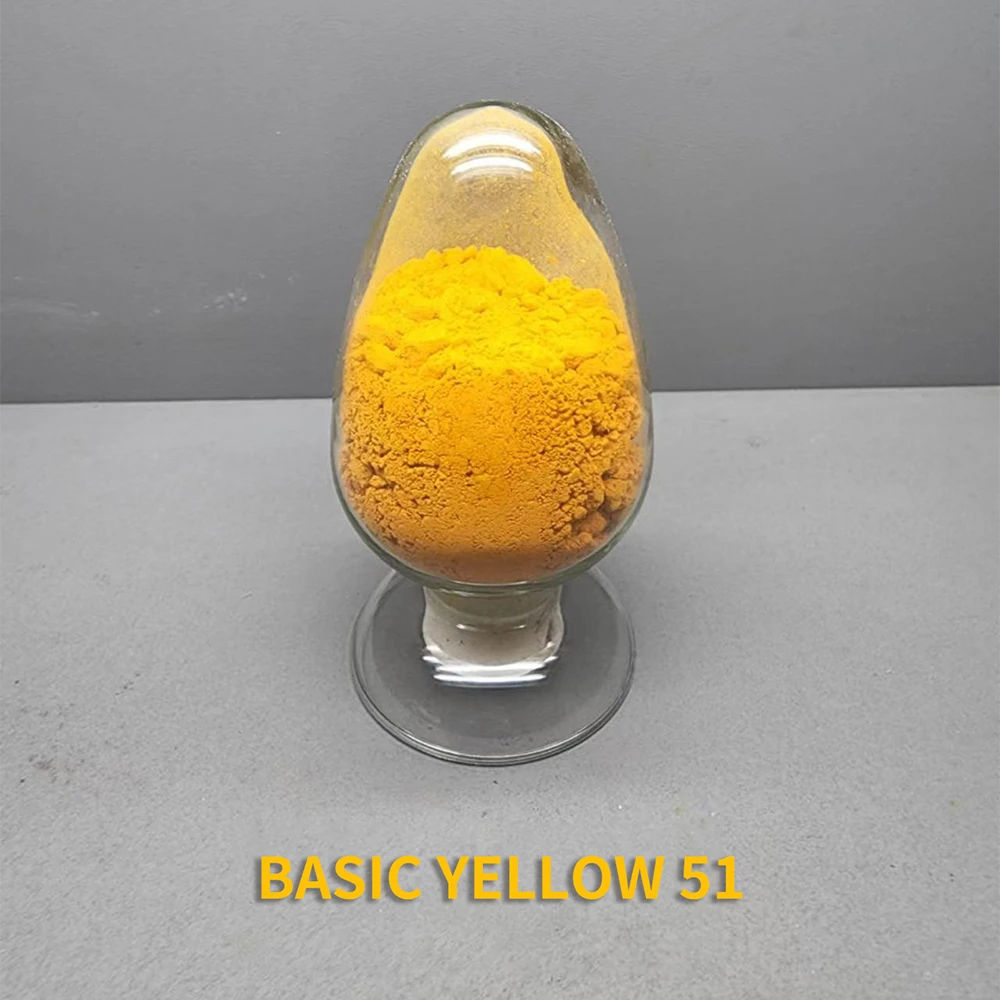
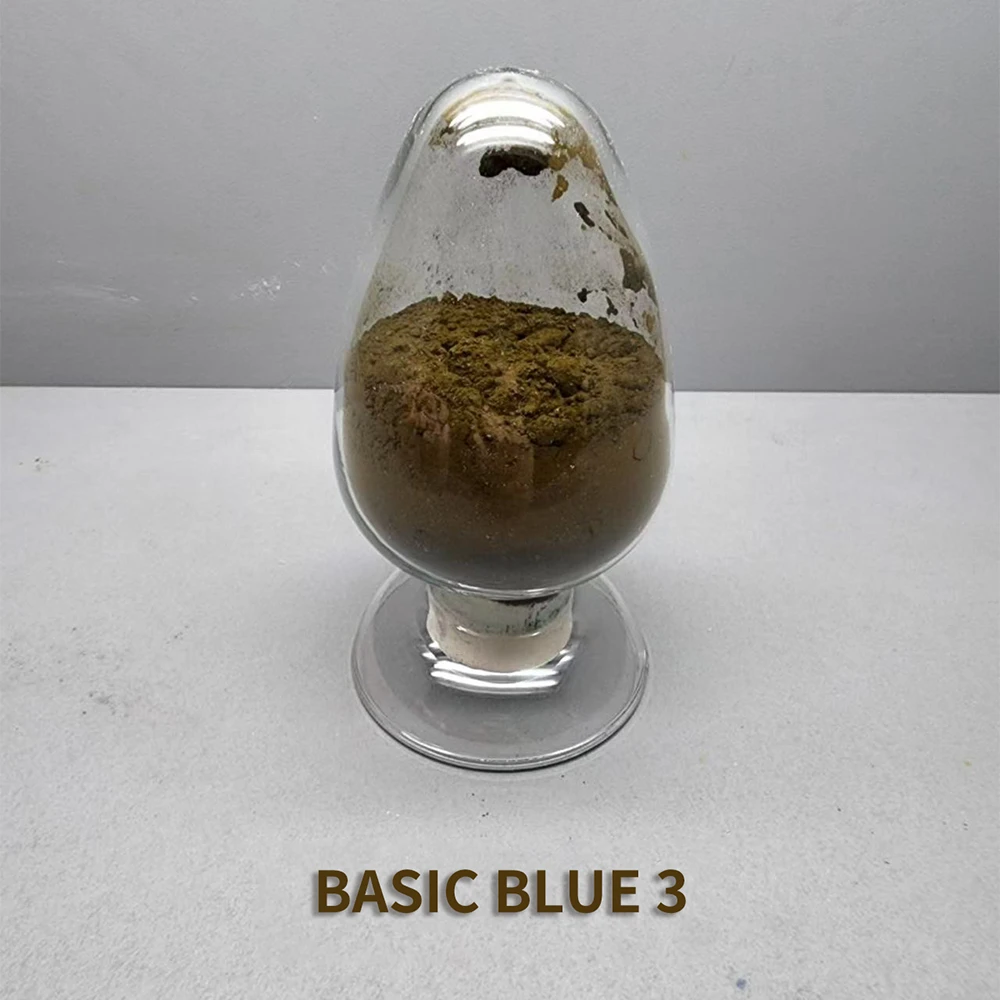
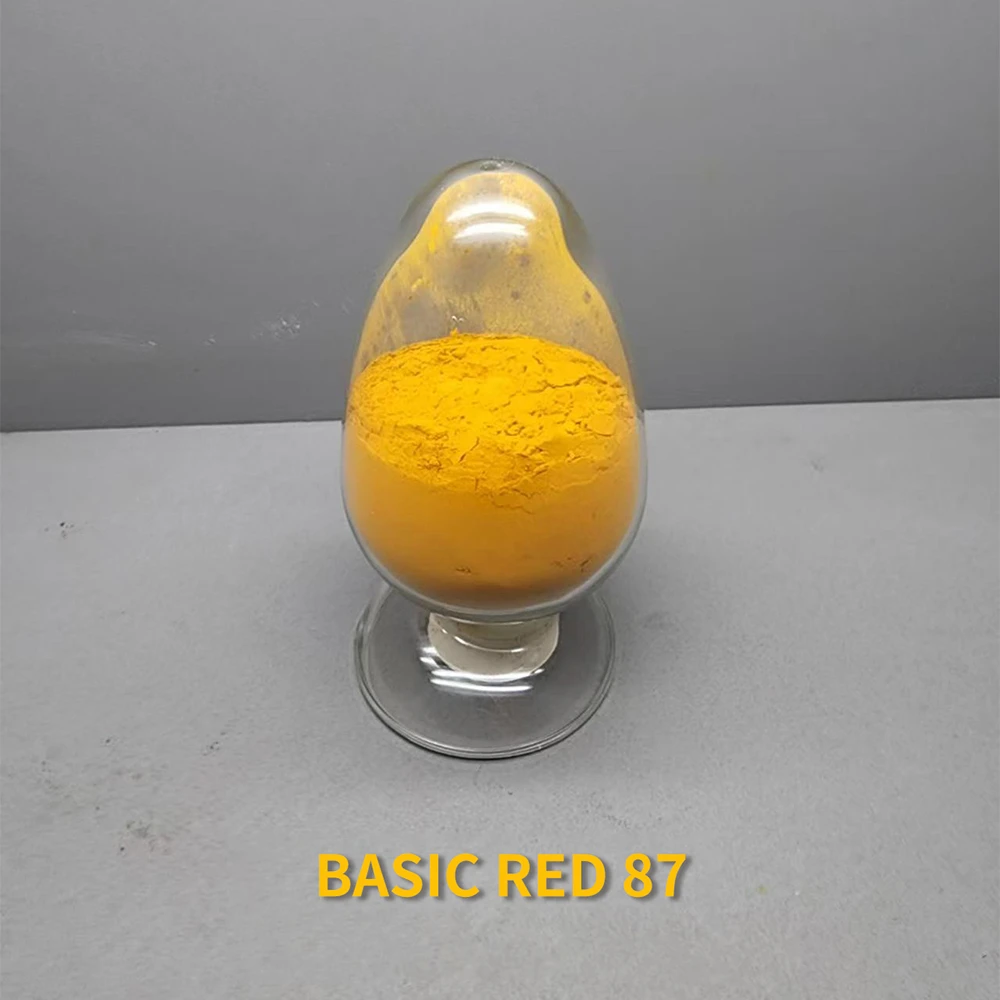
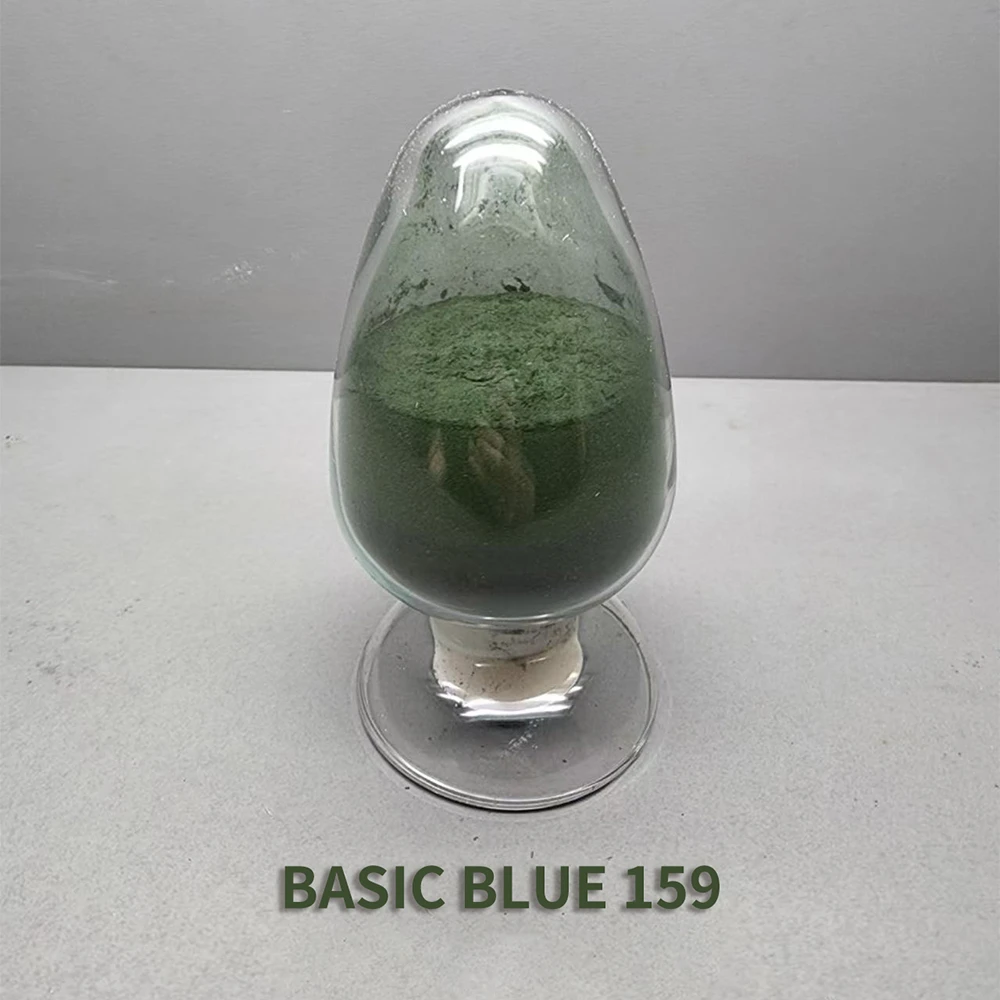
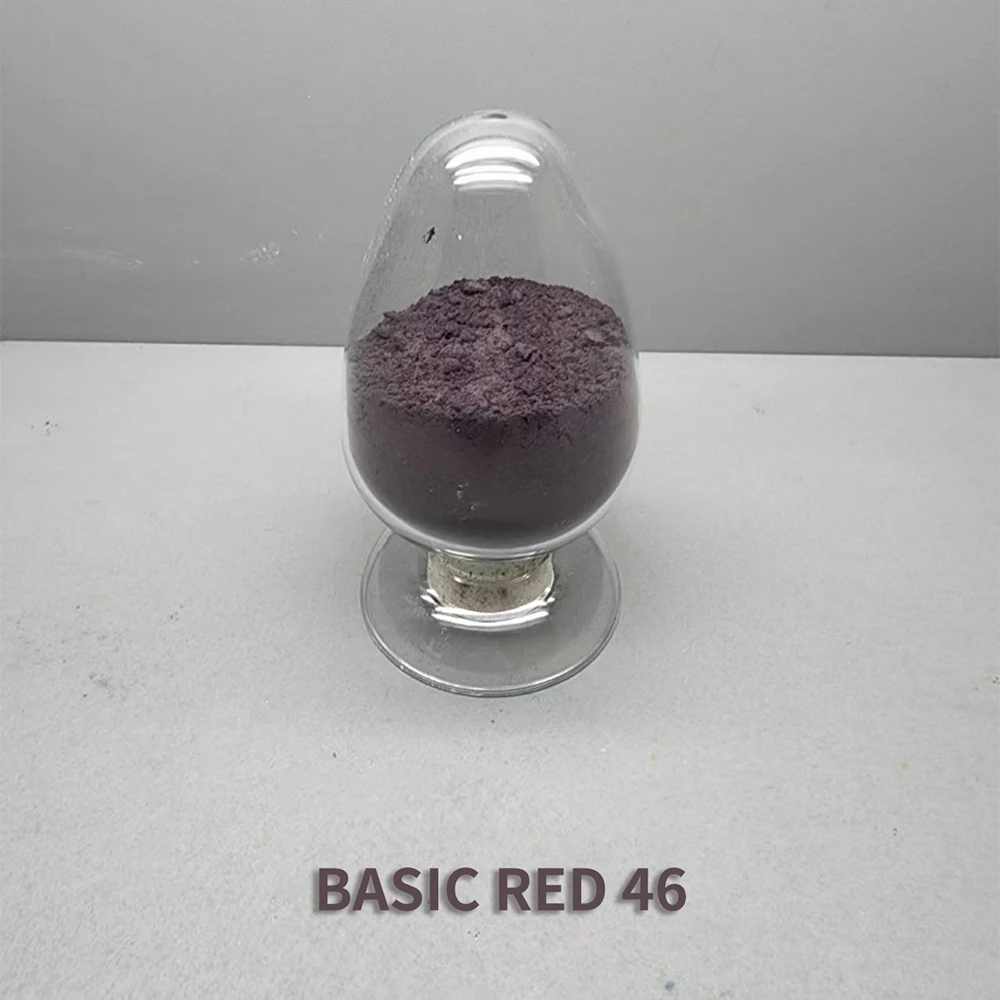
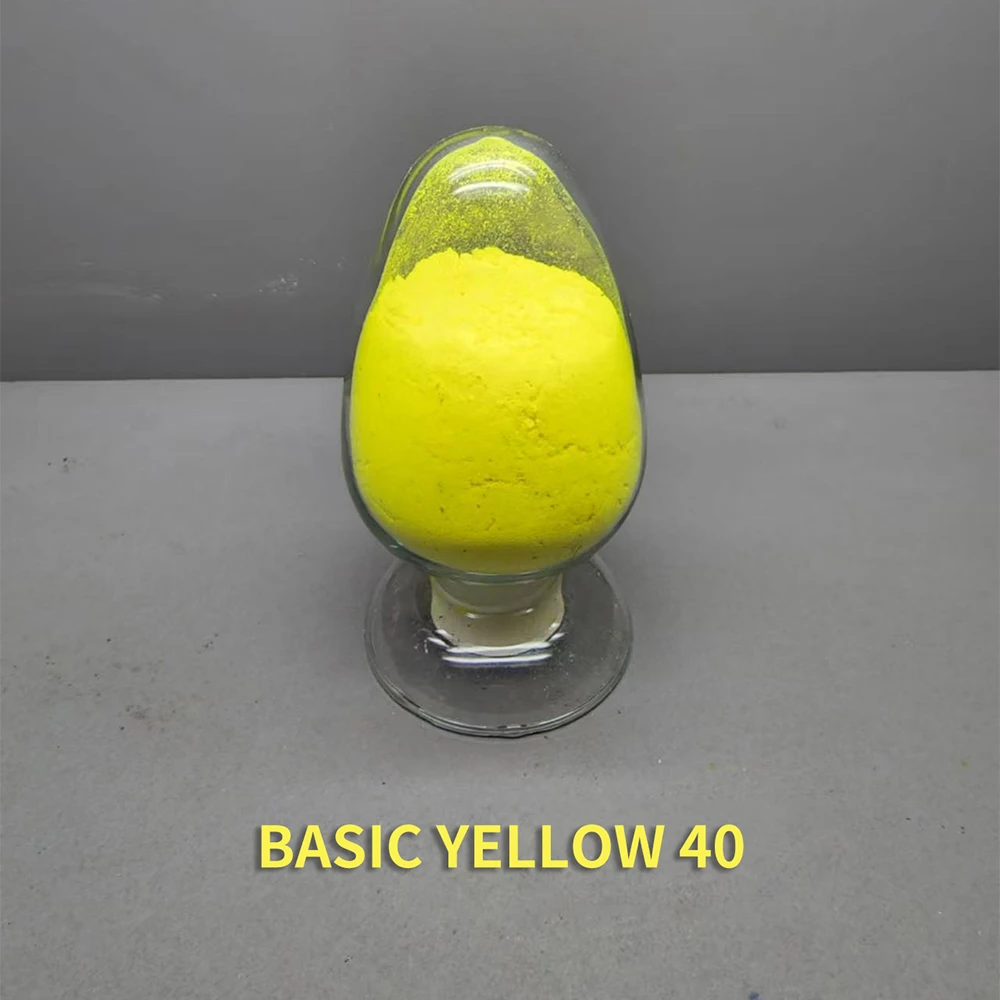
When we talk about cationic dyed materials, we're diving into a niche but incredibly impactful part of textile and chemical industries worldwide. Simply put, cationic dyes are positively charged colorants that bond particularly well with fabrics holding negative charges, such as acrylic fibers. But why should anyone outside the dye and textile industry care? Well, these dyes play a significant role in creating vibrant, long-lasting colors on synthetic fabrics—think sportswear, upholstery, or even medical textiles.
On top of aesthetics, understanding cationic dyed techniques matters on a global scale because it helps industries reduce waste, improve sustainability, and enhance product durability. ISO reports have consistently shown that optimized dye use reduces environmental impact, which matters more now than ever.
The Worldwide Context: Why the Industry Is Turning to Cationic Dyed Solutions
Globally, the textile industry consumes around 93 billion cubic meters of water per year, contributing significantly to pollution and waste. According to the United Nations Environment Programme (UNEP), reducing dye waste is critical to curbing environmental damage. That’s where cationic dyes come in. Their unique chemical structure leads to higher fixation rates on fibers, meaning less dye runoff. Worldwide, fabrics dyed with these colorants help manufacturers in Asia, Europe, and North America reduce water pollutants and production costs.
Interestingly, markets in regions like Southeast Asia have adopted cationic dyed fabrics extensively due to their growing synthetic fiber production. Equally, humanitarian organizations value durable, vibrant textiles, often cationic dyed, for uniforms and relief supplies in challenging environments.
Facing Industry Challenges Head-On
Crying out for vibrant colors that last without wrecking the planet, manufacturers and consumers alike see the cationic dye process as a practical way to deal with fast fashion’s environmental toll and quality concerns. But, frankly, this is no magic bullet — many factories are still learning how to handle the chemicals properly and minimize byproducts. The challenge is real but so are the solutions ahead.
Defining Cationic Dyed: The Basics for Everyday Understanding
Cationic dyed refers to fabrics or materials colored using cationic dyes, which carry a positive electrical charge. This charge difference helps them bind strongly to negatively charged fibers, most notably acrylic or modified polyester blends. The process often involves pretreating fibers to encourage this bond, ensuring colors aren't just slapped on but woven into the fabric’s very chemistry.
In practical terms, it’s this chemistry that brings you sports jerseys that won't fade after countless washes or hospital linens that stay bright and sterile longer. For industries relying on durable, colorfast textiles—be it automotive, fashion, or healthcare—cationic dyed fabrics have become vital.
Five Core Aspects of Cationic Dyed Materials
1. Durability
The electric bond between cationic dyes and fibers means high resistance to washing and light exposure. Roughly 85% of the dye usually stays locked, translating to fabrics looking newer, longer.
2. Scalability in Manufacturing
Because the chemical properties of cationic dyes align well with synthetic fiber production, scaling from boutique runs to million-yard productions is easier than with some natural dyes.
3. Cost Efficiency
Though cationic dyes can be pricier upfront, the overall lifecycle cost drops thanks to lower waste, fewer dye baths, and less corrective processing.
4. Environmental Impact
Higher fixation rates mean less dye waste entering waterways. Even so, strict handling protocols are necessary to prevent chemical discharge.
5. Versatility
Adaptable to diverse textile blends and useful for specialized applications like anti-microbial fabrics or flame-retardant textiles.
What Does cationic dyed Look Like in the Real World?
You’ll find cationic dyed materials practically everywhere— from dense urban factories in China, bustling European garment mills, to relief operations across Africa. For instance, in remote industrial zones, long-lasting workwear dyed with these materials reduces frequent replacement costs.
In healthcare, hospitals in Europe use cationic dyed antimicrobial linens, cutting down on infection spread and laundry loads. Even humanitarian organizations operating in harsh climates use these dyes to keep uniforms vibrant and reliable, essential when resupply is unreliable.
Real-World Example
One NGO reported that switching to cationic dyed tents for disaster relief led to 30% longer fabric lifespan and improved visual presence for aid workers — a small but crucial detail when stakeholders rely on quick recognition during chaos.
Product Specification Table: Typical Cationic Dyed Acrylic Fabric
| Specification | Value | Remarks |
|---|---|---|
| Dye Fixation Rate | >85% | High fixation reduces waste |
| Color Fastness (Washing) | Grade 4–5 (ISO 105 C06) | Excellent wash resistance |
| Light Fastness | Grade 7 (ISO 105 B02) | Excellent resistance to fading |
| Fiber Compatibility | Acrylic, Mod Polyester | Best results on synthetics |
| Environmental Compliance | REACH, Oeko-Tex Certified | Safe for global markets |
Comparing Leading Vendors in Cationic Dyeing Technology
| Vendor | Fixed Dye Rate | Sustainability | Price Range | Global Reach |
|---|---|---|---|---|
| Yanhong Chemicals | 87% | High (Oeko-Tex, REACH) | Mid | Asia, Europe, Americas |
| ColorTex Ltd. | 83% | Moderate | Low | Asia, Africa |
| EcoDye International | 90% | Very High | High | Global |
Advantages & Long-term Benefits of Cationic Dyed Fabrics
- Cost Savings: Long-lasting colors mean fewer replacements and reduced energy spent on re-dyeing or corrections.
- Enhanced Sustainability: Less water usage and reduced chemical discharge respect environmental regulations and improve brand image.
- Social Impact: Reliable, vibrant textiles improve user experience — whether it’s workers, athletes, or emergency responders.
- Innovation Trust: Using cutting-edge dyeing tech signals a modern, quality-conscious approach.
These benefits marry logical economic arguments with more intangible emotional ones: It feels better to trust your clothes won’t let you down — especially when conditions are tough.
Looking Ahead: Emerging Trends in Cationic Dyed Materials
The future looks bright — suddenly brighter, you might say — with emerging eco-friendly dyes that further minimize water and chemical use. Digital textile printing paired with cationic dyes promises more targeted, waste-free color applications. Automation in dyeing systems is reducing error rates, enhancing precision and consistency for large runs.
What’s particularly exciting is the green chemistry wave sweeping the sector. Biopolymer fibers compatible with cationic dyes, and integrated closed-loop water purification systems, are gaining steam in efforts to make the entire cycle circular.
Challenges and How the Industry is Solving Them
Common drawbacks include the need for specialized equipment, the risk of uneven dye uptake if pre-treatment is off, and the sometimes higher initial costs. However, many companies invest in training, advanced quality control, and R&D to reduce these challenges.
For example, real-time monitoring technologies now help operators catch and adjust dye levels mid-process. Partnering closely with chemical suppliers, like Yanhong Chemicals, offsets risks — their expertise ensures compatibility and compliance.
FAQ: Practical Questions About Cationic Dyed Materials
- Q: What fabrics work best with cationic dyes?
- A: Cationic dyes primarily target acrylic fibers but also work well with some modified polyester blends. Natural fibers like cotton don't bind these dyes effectively.
- Q: Are cationic dyed textiles eco-friendly?
- A: They can be. High dye fixation rates limit water pollutants, and certified cationic dyes comply with international safety standards. But proper factory practices are essential.
- Q: How does cationic dyeing affect colorfastness?
- A: These dyes deliver strong wash and light fastness, meaning colors remain vibrant longer, reducing re-dyeing or replacement costs.
- Q: Can cationic dyeing be used for industrial-scale production?
- A: Absolutely. Many large-scale manufacturers rely on cationic dyeing for consistent, cost-effective fabric coloration.
- Q: How can buyers ensure quality when sourcing cationic dyed textiles?
- A: Look for vendor certifications like Oeko-Tex or REACH and ask about fixation rates and environmental compliance. Visiting supplier facilities or requesting samples helps, too.
Wrapping Up: Why cationic dyed Materials Are a Smart Long-Term Investment
In a world that’s increasingly conscious about sustainability and performance, cationic dyed textiles offer a compelling blend of environmental responsibility, cost efficiency, and durability. They’re not just colors for the sake of appearance—they’re a promise of quality and care woven right into the fabric.
If you are looking to explore this further or find trusted suppliers, visit our website to explore the latest in cationic dyed technologies and chemical solutions.
-
Gray Fabric Dye Solutions | Durable & Sustainable Textiles by YanhongChemNewsDec. 10, 2025
-
Organic Fabric Dye: Durable, Eco-Friendly Solutions for IndustryNewsDec. 31, 2025
-
Buy Dye for Clothes – Expert Tips & Reliable ProductsNewsDec. 03, 2025
-
Lavender Fabric Dye - Reliable Industrial Quality from Yanhong ChemicalNewsDec. 13, 2025
-
Reliable China Fabric Dye Manufacturers - Quality & Custom SolutionsNewsDec. 03, 2025
-
China Fabric Dye Manufacturers: Eco, High-Fastness, OEMNewsDec. 13, 2025