Dec . 02, 2025 19:22
Back to list
Basic Dye in Textile: Durable, Vibrant, and Sustainable Color Solutions
What is Basic Dye in Textile and Why Does it Matter?
When we toss around terms like “basic dye in textile,” it’s easy to miss how significant they are globally. Basic dyes—also called cationic dyes—are a unique group of colorants with a positive charge that bond strongly to textiles, especially acrylic fibers. This makes them invaluable in various textile industries, from fashion to industrial materials. Globally, with textile production exceeding 100 million tons annually according to the UN’s data,[1] sustainable and effective coloring methods like basic dyes help shape quality, durability, and even environmental impact. Learning about these dyes opens doors to smarter manufacturing, less waste, and more vibrant product lines. Plus, they play subtle yet crucial roles in humanitarian sectors—think of quality clothing for aid workers or durable gear for harsh climates. ---Understanding the Global Landscape: Why Basic Dye in Textile is More Important Than Ever
On the surface, dyes are just colors on fabric, right? But, globally, the textile industry is under pressure to innovate: reduce water use, meet environmental standards, and ensure fast, durable coloration. The World Bank notes that textile dyeing is one of the largest sources of industrial water pollution globally.[2] Basic dyes offer some solutions here—they require less salt than other dyes for fixation, reducing chemical discharge. Also, their adherence to acrylic fibers means less fading or washing out, which translates into longer-lasting garments—less waste, in eco terms. With developing economies ramping up textile exports, and international standards like ISO 105-C02 helping set fastness benchmarks,[3] embracing efficient dyes is no longer optional. Yet, challenges remain, like toxicity concerns and wastewater treatment. All this means: the old ways of dyeing aren't sustainable, and basic dyes offer a competitive edge for forward-thinking producers. ---Breaking it Down: What Exactly is Basic Dye in Textile?
To keep it simple, a basic dye is a dye molecule that carries a positive electrical charge. When you apply it to a fiber, especially acrylic, it sticks firmly because the fabric’s negatively charged sites attract the dye. This ionic bonding is the magic behind the striking colors and excellent wash fastness basic dyes deliver. Among synthetic dyes, they stand out for their brilliance and ability to color difficult-to-dye fibers. They’re used in: - Acrylic textiles (sweaters, upholstery) - Paper products - Leather goods (occasionally) Think of it like a magnet pulling colors onto fabric—this also makes the colors vivid and hard to fade. From a humanitarian angle, this means reliable, colorful fabrics that won’t bleach out under sun exposure in hot climates—pretty vital for durable outdoor clothing. ---Key Factors Defining Basic Dye Performance
1. Dye Affinity and Fiber Compatibility
Basic dyes have an affinity primarily for acrylic fibers but can also be used with wool and silk with varied results. This specificity means manufacturers can predict color outcomes precisely, saving time and material costs.2. Colorfastness and Durability
One big selling point is how these dyes resist washing and light fading. Many engineers tell me that for products like sportswear or industrial uniforms, this translates into longer product lifespans and happier customers.3. Application Scalability
Because basic dyes work well under a range of process conditions, from batch to continuous dyeing, they scale easily—from small artisan units to massive factories churning out thousands of meters a day.4. Cost Efficiency and Environmental Impact
While basic dyes are moderately priced, their reduced need for auxiliary chemicals and salts cuts down total production costs and pollutants. Remember though, some basic dyes can be toxic, so wastewater treatment is crucial.5. Range of Available Shades
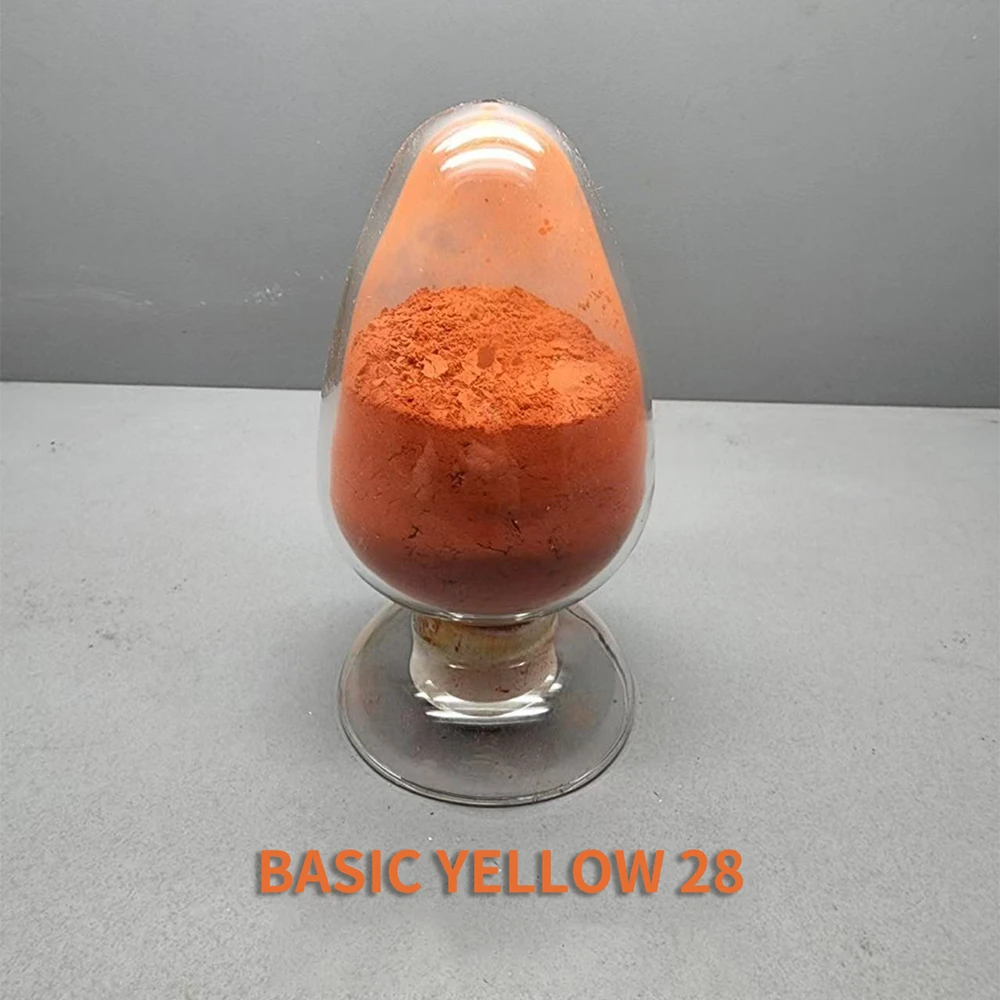
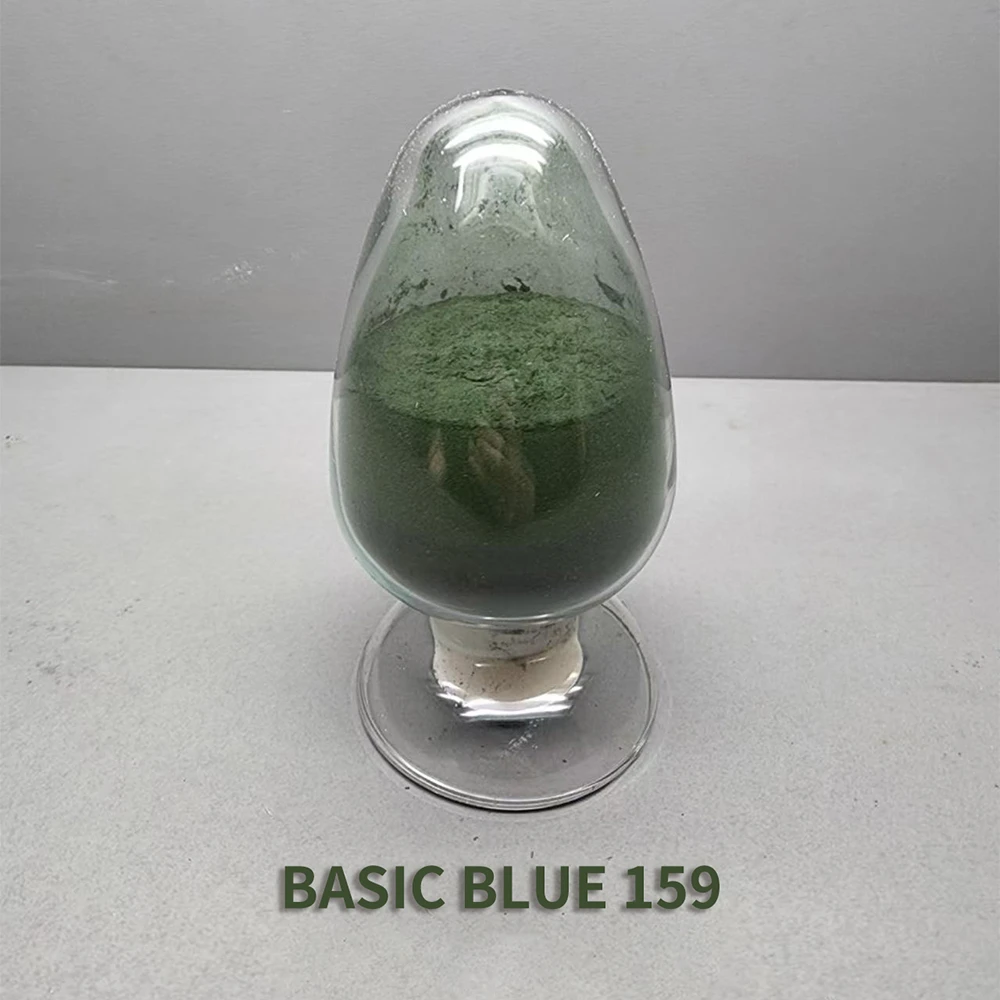
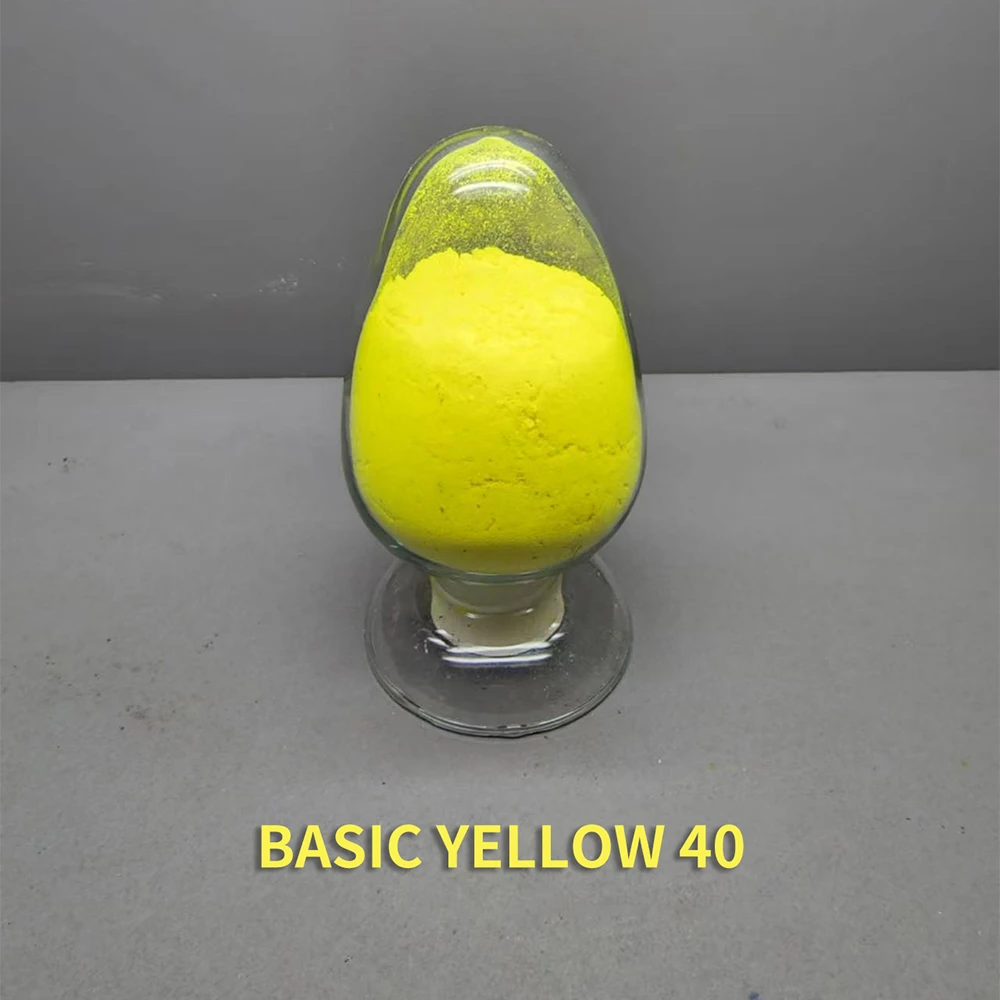
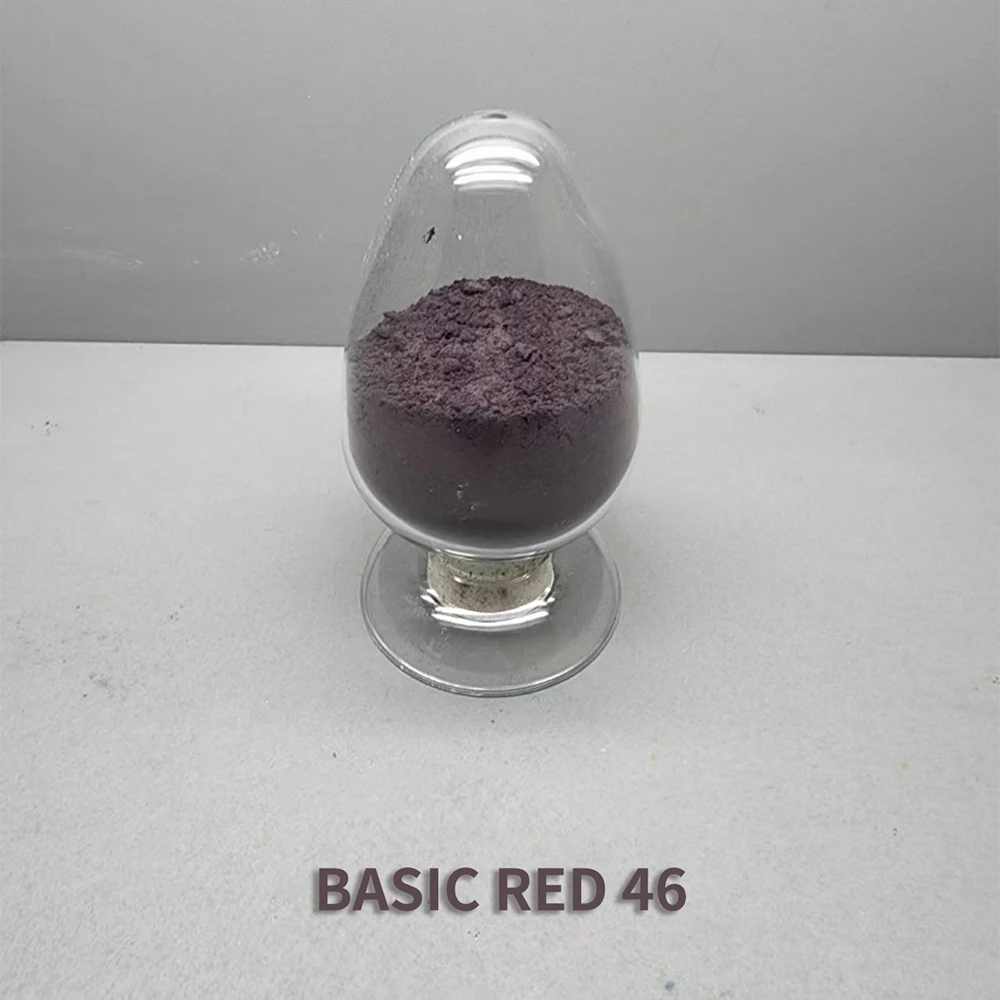
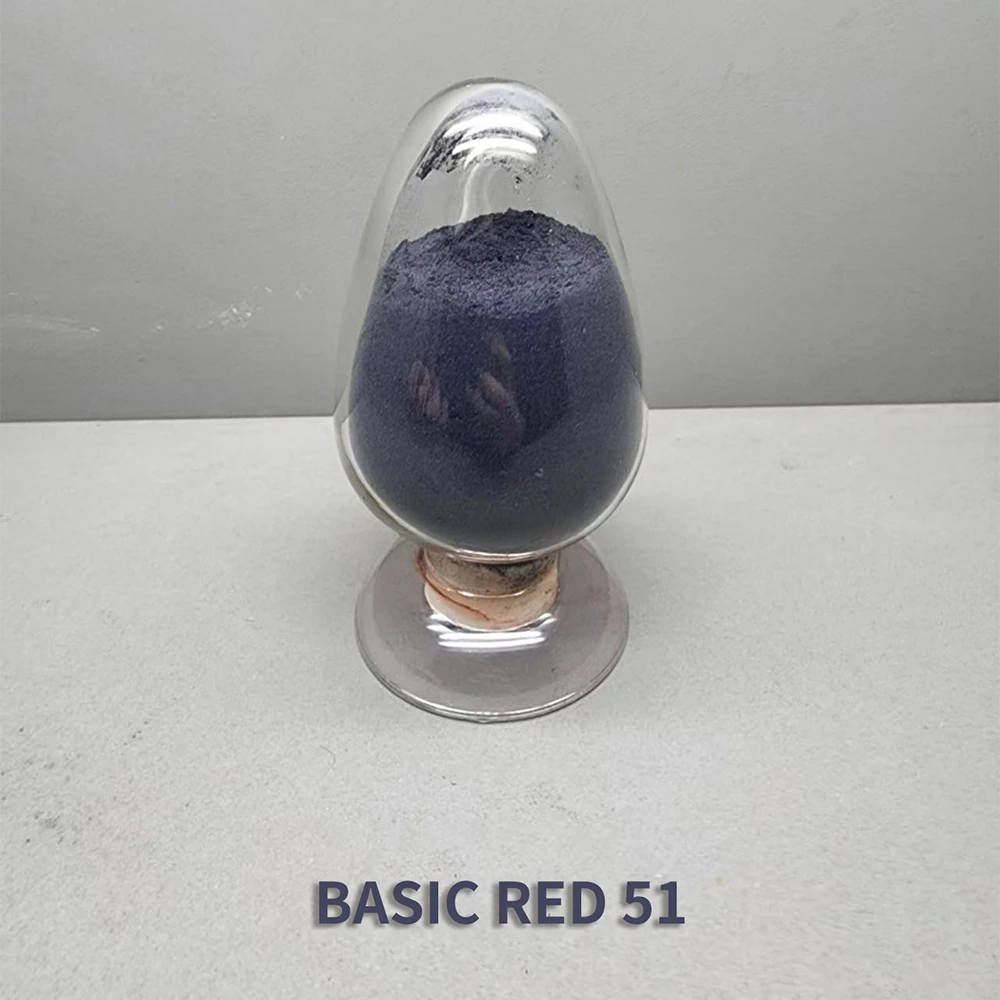
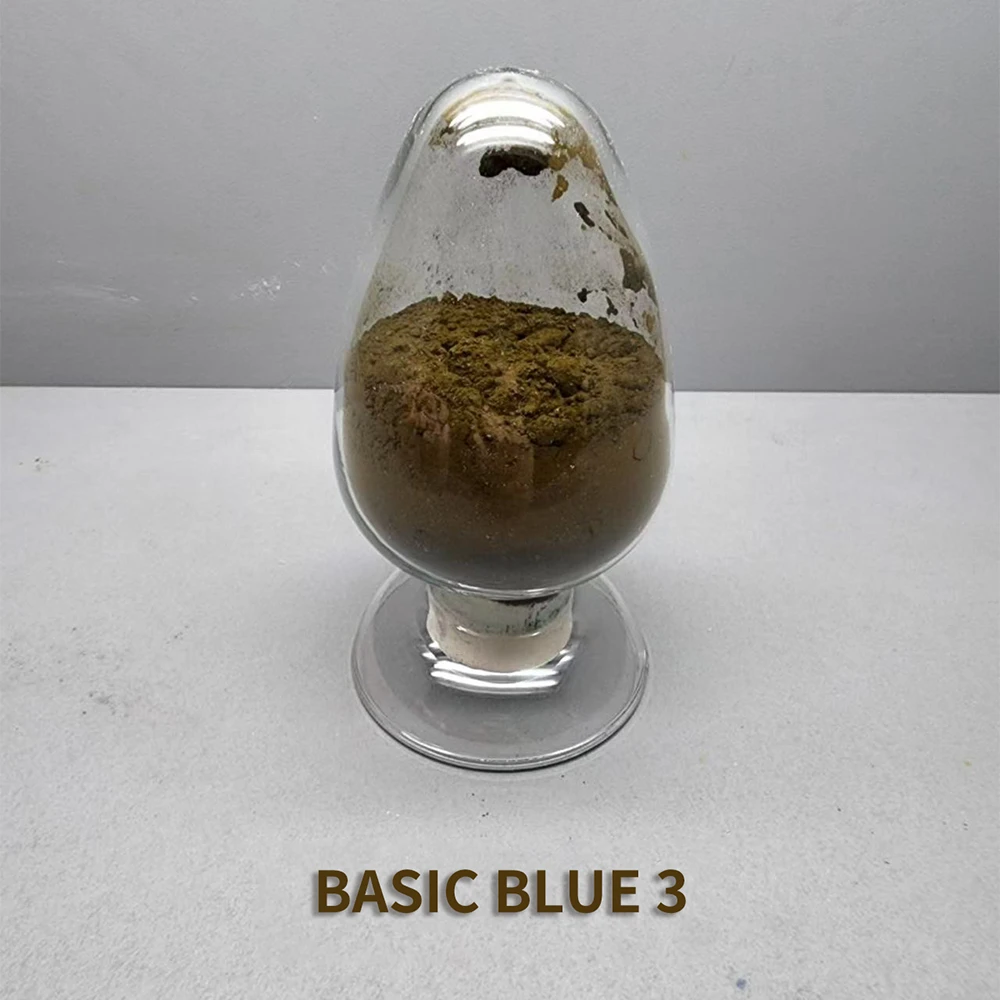
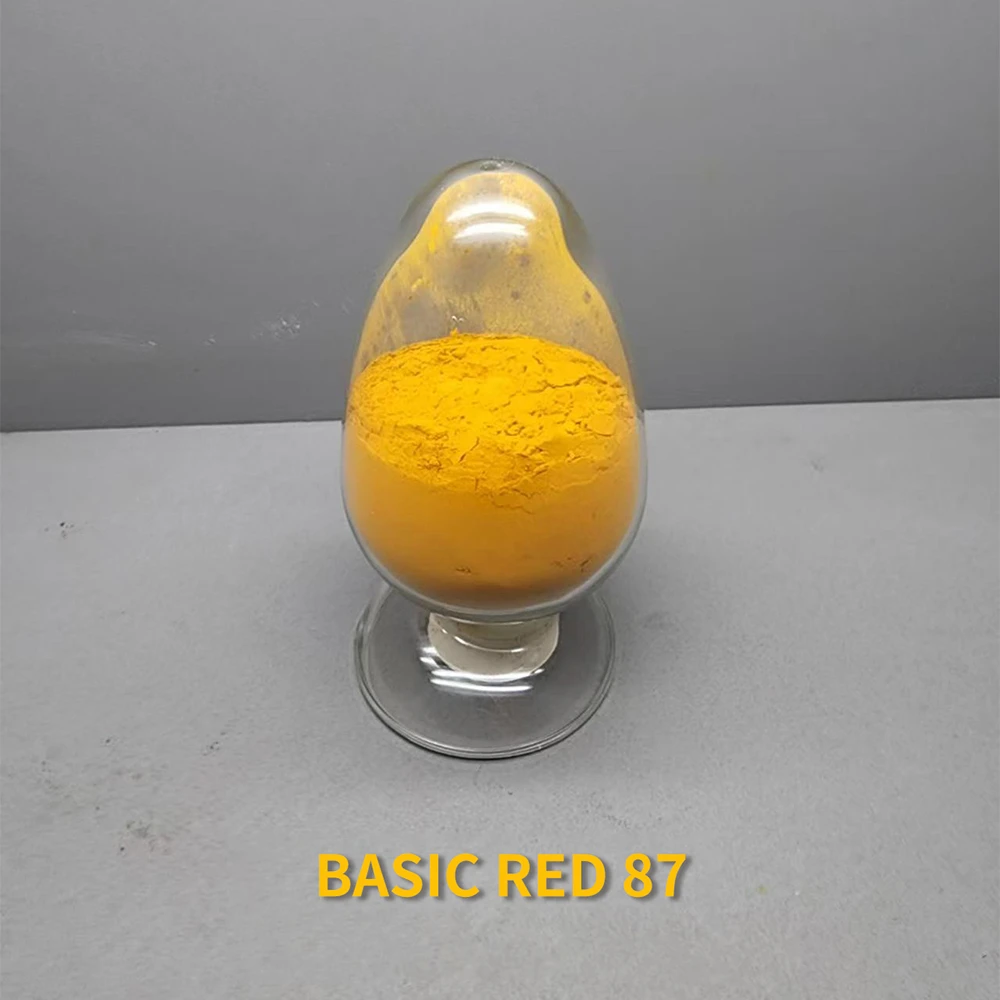
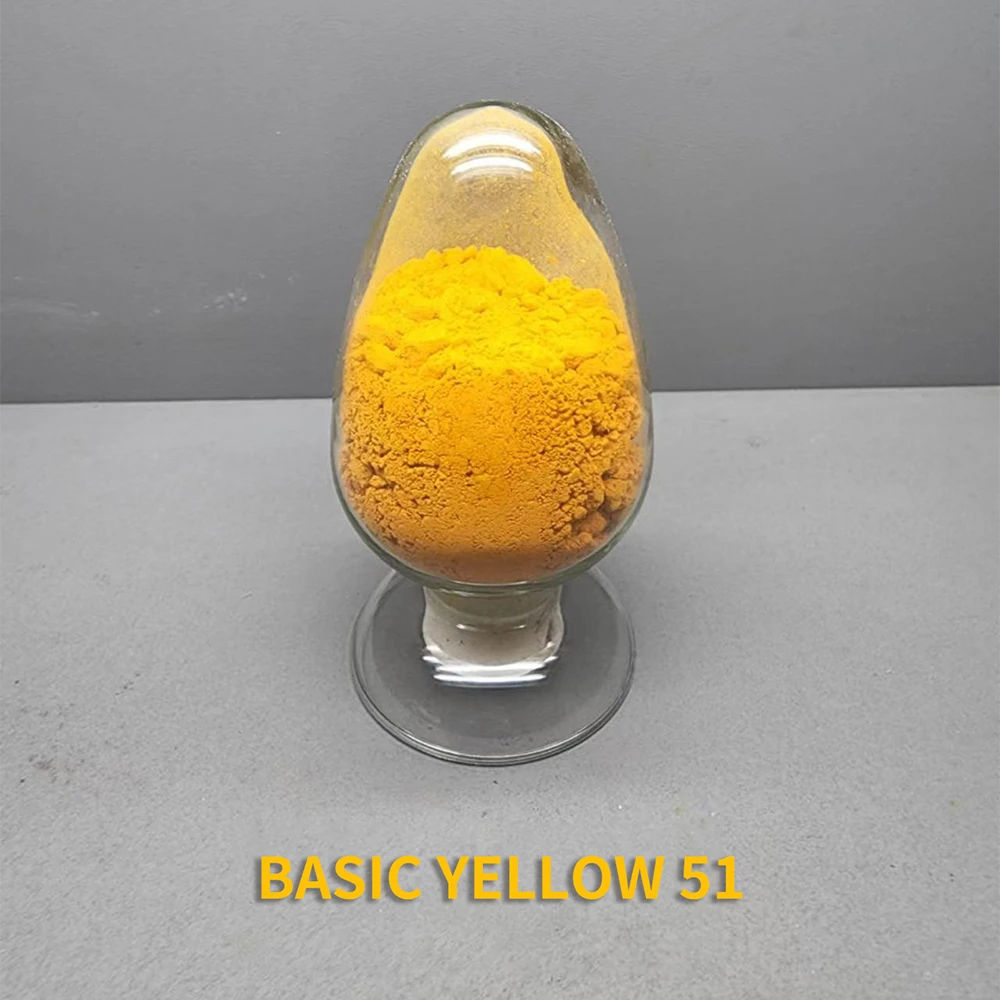
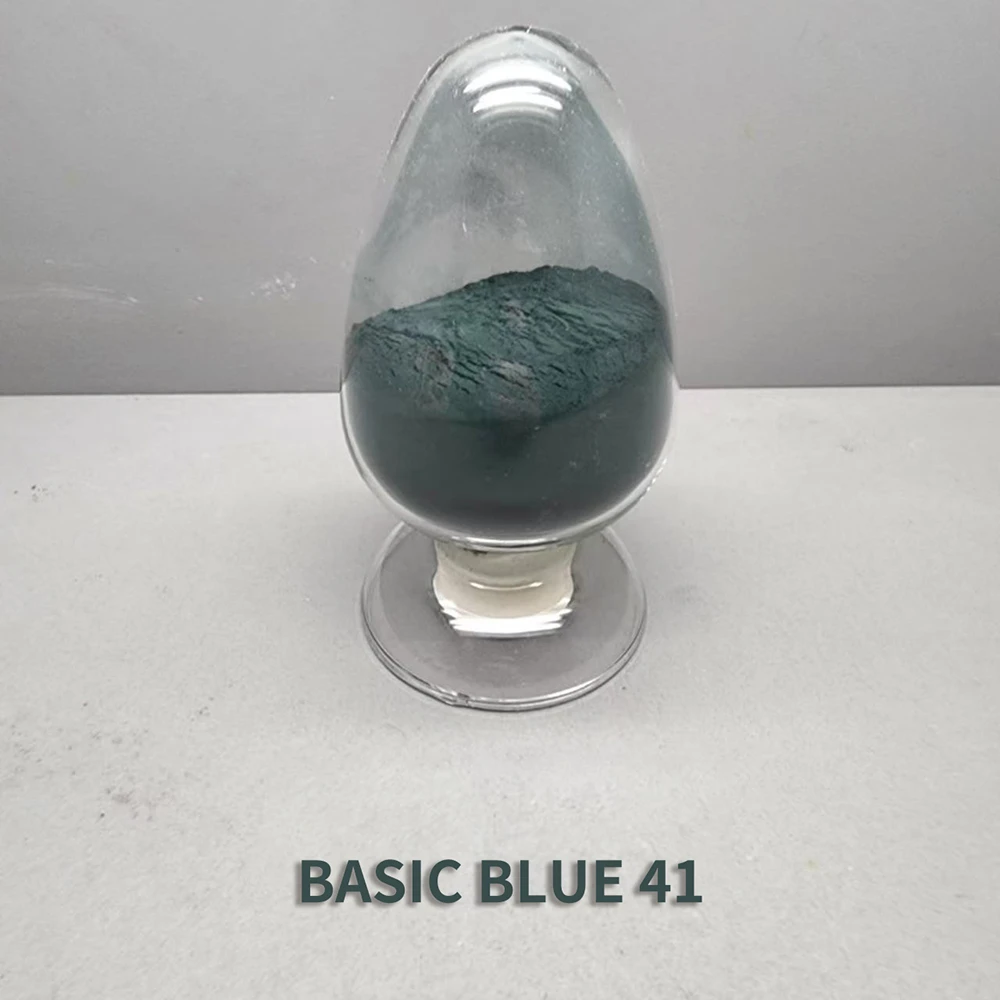
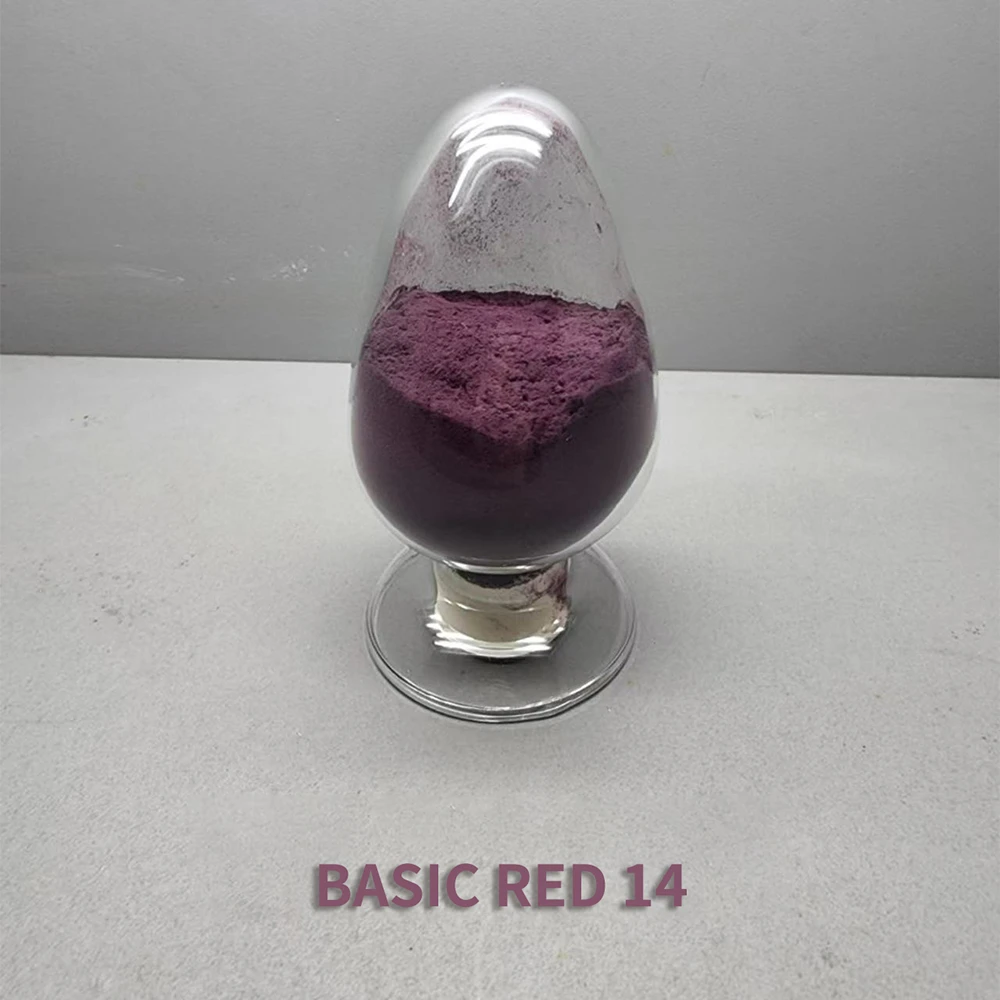
The palette is vibrant—from bright reds and blues to rich purples. This versatility helps brands cater to diverse markets and fast fashion trends. ---Seeing It in Action: Real-World Uses of Basic Dye in Textile
Across continents, basic dyes touch a variety of industries: - Asia: Mega manufacturers in China and India rely heavily on basic dyes for mass-producing acrylic textiles that end up global wardrobes. - Europe: Specialty producers use these dyes in high-end upholstery and costume design because of their color brilliance. - Africa: Some NGOs use fabrics colored with basic dyes in relief kits because of durability and vibrancy under tough conditions. For instance, I heard a story about emergency relief clothing in a tropical cyclone zone. Using acrylic fibers dyed with basic dyes ensured that garments wouldn't fade or degrade in just weeks of sun exposure—giving people some dignity through reliable clothing. ---Advantages and Long-Term Value of Basic Dye in Textile
Here's what really makes basic dyes appealing beyond just the initial pop of color: - Economic Value: Better dye saturation reduces re-dyeing costs and returns. - Environmental Considerations: Reduced chemical load with proper effluent management means a smaller footprint. - Social Impact: Durable, bright fabrics support industries and consumers alike — and boost job creation in textile hubs. - Emotional Connection: Fabrics keeping their color longer preserve not just appearance but user confidence and brand trust. Oddly enough, in a world obsessed with fast fashion, fabrics that “stay good” seem luxurious — a trait many brands are doubling down on. ---Future Trends and Innovations in Textile Dyeing
The future isn’t static. Basic dyes themselves are evolving. Researchers are looking into: - Eco-friendlier formulations with less toxicity but retained brilliance. - Digital dyeing technologies that minimize water and energy use. - Bio-based auxiliaries that enhance binding without heavy metals or carcinogens. - Automation and monitoring for precise control and waste reduction. Sustainability frameworks like the UN’s Sustainable Development Goals push industries to innovate more responsibly. In that sense, basic dye chemistry is just one player amid a green revolution but a pretty key one. ---Challenges with Basic Dye in Textile and How Experts Tackle Them
No solution is without bumps. - Toxicity: Some basic dyes are hazardous if not handled or treated correctly. Industry is pushing safer alternatives. - Wastewater treatment: Dye baths can pollute unless filtered conscientiously. Innovative filtration and bioremediation techniques are improving. - Limited fiber scope: Basic dyes are not ideal for cotton or polyester, requiring blending with other dyes or finishes. Manufacturers often blend dye classes or upgrade effluent plants as solutions. Regular training and certifications (like ISO 14001) help maintain standards, too. ---Product Specification: Sample Basic Dye for Textile Applications
| Parameter | Specification |
|---|---|
| Chemical Class | Cationic (Basic) Dye |
| Primary Fiber Compatibility | Acrylic, sometimes Wool/Silk |
| Solubility | Water-soluble |
| Typical Shades | Brilliant Blue, Red, Violet |
| Fastness to Wash | Good to Very Good |
| Usage Concentration | 0.5% - 3% o.w.f (on weight of fiber) |
Vendor Comparison: Basic Dye Suppliers in the Market
| Supplier | Product Range | Environmental Certifications | Typical Customer Segment |
|---|---|---|---|
| Yanhong Chemicals | Full Basic Dye Range & Specialty Products | ISO 14001, Oeko-Tex Compliant | Textile Mills, Fashion Brands, NGO Suppliers |
| DyeMasters Co. | Basic Dyes & Reactive Dyes | REACH Certified | Industrial Textile Producers |
| GreenHue Ltd. | Eco Basic Dyes with Low Toxicity | GOTS Certified | Organic Textile Brands, Small Batches |
FAQ: Frequently Asked Questions About Basic Dye in Textile
Q1: Which fabrics are best suited for basic dyes?A1: Basic dyes work best on acrylic fibers due to strong ionic bonding. They also have some affinity for wool and silk but perform poorly on cotton or polyester, which require other dye classes. For producers focusing on synthetic acrylic textiles, basic dyeing is usually the go-to process.
Q2: Are fabrics dyed with basic dyes safe for sensitive skin?
A2: Typically, finished and rinsed textiles dyed with basic dyes are considered safe; however, during production, some dyes can be toxic or allergenic if mishandled. Compliance with safety standards like Oeko-Tex ensures products are skin-friendly.
Q3: How is environmental impact minimized when using basic dyes?
A3: While basic dyes reduce salt usage compared to other dyes, wastewater treatment is essential to remove residual colorants. Many mills now use biological treatments and advanced filtration to meet discharge regulations.
Q4: Can basic dyes be combined with digital printing?
A4: Digital printing usually involves reactive or disperse dyes depending on fabric. However, some innovation is underway to digitally print with cationic dyes on acrylic textiles, merging color precision and efficiency.
---
Conclusion: Why Basic Dye in Textile Remains a Solid Choice
In a world where color quality, durability, and sustainability matter, basic dyes continue to offer a neat balance of performance and cost-effectiveness. They’re not just a relic of older textile chemistry; they’re evolving with greener formulations and digital tech, quietly undergirding industries that make our clothes vibrant and last long. If you’re curious about exploring better options in textile dyeing, or want to see how basic dye in textile can benefit your production line, take a closer look at suppliers offering certified, tested products. Sometimes the best colors hide in the details — and in the dyes. Keep an eye on the environmental impact, lean into innovations, and remember: color isn’t just cosmetic, it’s part of the product story. ---References
Latest news
-
What Are Basic Dyes? A Quick Look at Their Industrial UseNewsDec. 13, 2025
-
Comprehensive Guide to Polyester Fabric Dye: Global Trends, Applications & InnovationsNewsDec. 03, 2025
-
A Comprehensive Guide to Achieving Beautiful Pastel Dye for ClothesNewsApr. 07, 2026
-
China Basic Dye Factory Insights & Product Comparison | Industrial Dye GuideNewsDec. 03, 2025
-
Sustainable Eco Friendly Fabric Dye Solutions for Industrial UseNewsJan. 01, 2026
-
Basic Principles And Production Process Parameters Of Cationic DyesNewsAug. 05, 2025