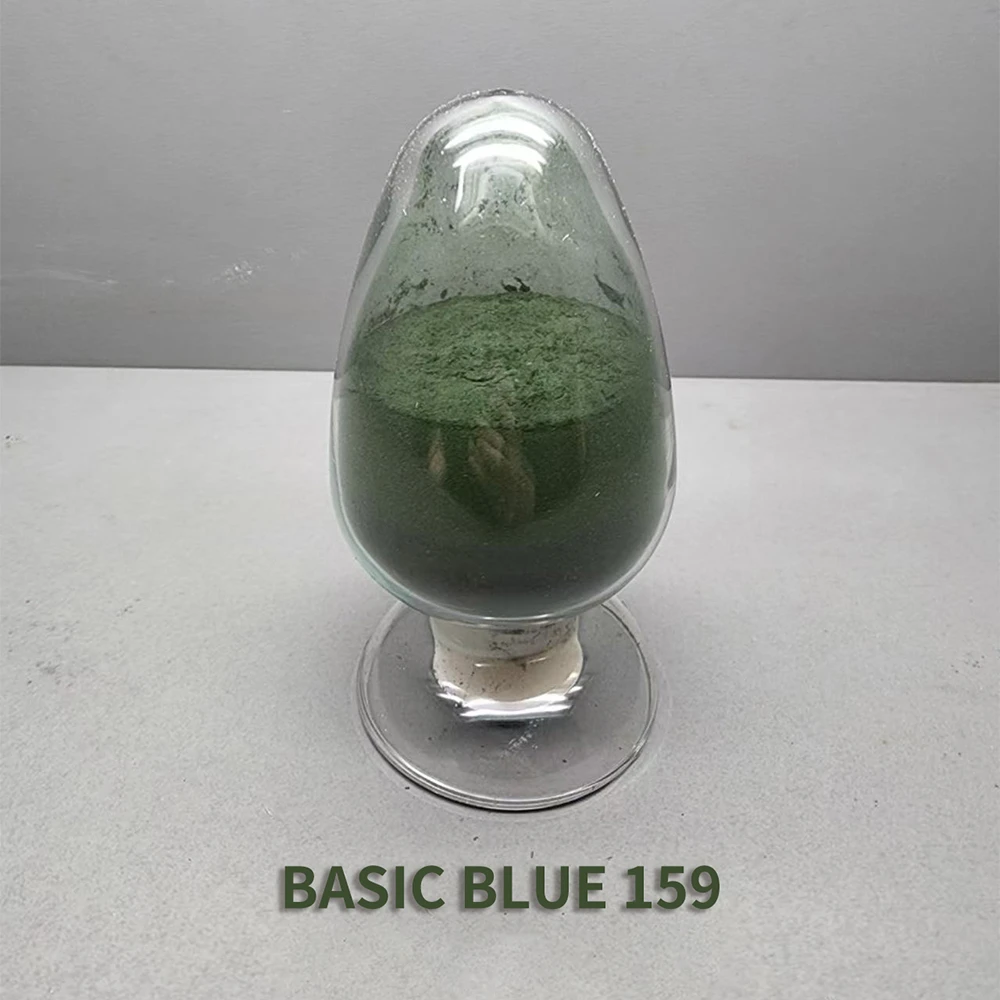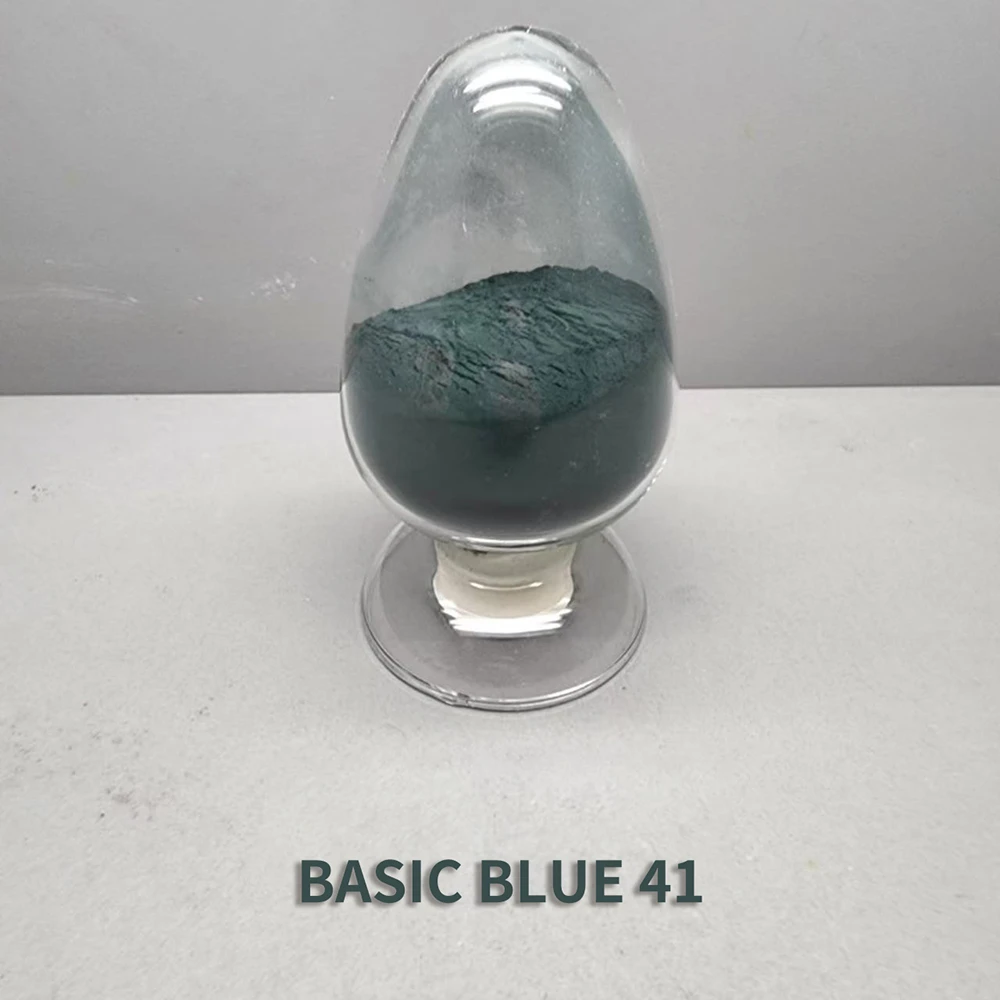
Sustainable Turquoise Clothes Dye – Durable, Eco-Friendly Textile Colors
Understanding Turquoise Clothes Dye: Why It Matters Globally
Turquoise clothes dye — it’s one of those things you might not think much about until you see it in action. Yet, its impact stretches far beyond fashion into areas like humanitarian aid and sustainable manufacturing. Why? Simply put, it’s a shade that symbolizes freshness, calmness, and in some circles, environmental responsibility. More importantly, understanding turquoise clothes dye means appreciating how innovative dye technologies can help reduce waste, improve garment durability, and empower industries worldwide. And frankly, in a world striving for sustainability and efficiency, these are no small matters.
Global Context: The Rising Importance of Turquoise Clothes Dye
The global textile industry is a massive player in both economic and environmental arenas. According to the United Nations Environment Programme (UNEP), textile production accounts for roughly 10% of global carbon emissions and considerable water use. Against this backdrop, dyes—particularly synthetic ones—can be major pollutants if not managed properly. Turquoise clothes dye, often derived from more eco-friendly compounds, represents a growing shift toward greener textile manufacturing.
Roughly 60 million tons of textiles are produced globally each year, with an increasing demand for vibrant, lasting colors like turquoise that appeal in fast fashion and specialized industrial uses. However, challenges such as colorfastness, toxicity, and water use linger. Innovators in turquoise dyeing methods aim to tackle these, balancing beauty with sustainability.
Mini takeaway: The global thirst for vivid, sustainable dyes like turquoise is more than aesthetic — it’s ecological and economic too.
What Exactly Is Turquoise Clothes Dye?
At its core, turquoise clothes dye refers to a palette of pigments and chemicals designed to impart the characteristic blue-green hue to fabrics. Traditionally, this could involve synthetic dyes derived from petrochemicals or natural alternatives extracted from plants and minerals.
Today, the term implies more than color; it signals a category of dyes optimized for textile durability and environmental compatibility. In humanitarian relief, for example, turquoise often helps easily identify uniforms or aid materials — a small but crucial aid to logistics and safety.
turquoise clothes dye thus intersects industry innovation and social utility in clever ways.
Key Aspects of Turquoise Clothes Dye
Durability and Colorfastness
One big factor with any textile dye is how well it stands up to washing, sunlight, and wear. Many turquoise dyes are engineered for superior light fastness, meaning your turquoise t-shirt won’t fade into a sad greenish blur after a couple of washes.
Environmental Impact
The dye’s chemical makeup defines if it releases harmful runoff or if it’s biodegradable. Emerging turquoise dyes now often boast lower toxicity and better biodegradability to meet ISO environmental standards. It’s an important step in reducing water pollution from textile factories across Asia, Europe, and beyond.
Cost Efficiency
Obviously, manufacturers want dyes that balance cost and performance. Turquoise dyes that require less water or energy during application are becoming popular because they directly cut overhead while promoting sustainability.
Scalability
Whether you’re a boutique brand or a multinational apparel maker, scalable dye processes matter. The chemistry behind turquoise dyes must adapt to batch or continuous systems, keeping quality consistent from small runs to massive orders.
Safety and Regulations
With global trade regulations tightening, dyes must comply with standards like REACH in Europe or OEKO-TEX to assure no harmful substances affect workers or users. Turquoise dye products often advertise such certifications as a badge of safety and quality assurance.
Customization and Shades
Oddly enough, turquoise comes in many variants — from pastel minty greens to deep ocean blues. Tailoring the dye formula to hit just the right tone is both a science and an art, influencing a brand’s aesthetic and customer appeal.
Mini takeaway: Turquoise dye isn’t just about looks — its practical attributes like durability and environmental friendliness make it a smart choice all around.
Global Applications: Where and How Turquoise Clothes Dye Makes a Difference
You might think turquoise clothes dye mainly suits fashion — and true, it does color many casual and activewear collections worldwide. But the uses go deeper. In post-disaster relief zones, for example, aid organizations use turquoise-dyed fabrics for tents and uniforms because the shade stands out clearly and conveys calm reliability.
Industrial workers in Southeast Asia, Latin America, and Africa frequently wear turquoise uniforms treated with durable dyes that resist stains and fading. This boosts safety and morale.
Even in hospitals and care facilities, turquoise linens signal cleanliness and serenity — crucial psychological cues that benefit patients and staff alike.
Product Specification Table: Typical Turquoise Clothes Dye Properties
| Property | Value | Notes |
|---|---|---|
| Chemical Type | Reactive / Acid / Natural | Depends on fiber type |
| Colorfastness | Grade 4-5 (ISO 105-B02) | Excellent wash & light resistance |
| Eco Certification | OEKO-TEX Standard 100 | Non-toxic, eco-friendly |
| Application Temperature | 40-80°C | Fits modern dyeing machines |
| Water Usage | Reduced by 30% (vs. traditional) | Saves resources, cuts costs |
| Typical Fabrics | Cotton, polyester, blends | Versatile usage |
Advantages and Long-Term Value of Turquoise Clothes Dye
Why invest in turquoise dye technology? It’s a question many manufacturers ask amidst tighter budgets and growing sustainability demands. Well, for starters, these dyes enhance garment lifespan, reducing the ‘fast fashion’ churn and lowering waste. That alone appeals to environmentally conscious consumers, a big market shift reflected in recent World Bank consumer trends.
On an emotional level, colors like turquoise evoke trust and peace, valuable for brands wanting to signal reliability. From health workers’ scrubs to corporate uniforms, color psychology isn’t just fluff — many engineers and marketers swear by it.
Economically, cost savings emerge via lower water use, less energy per dyeing cycle, and fewer returns due to color fading. Socially, the shift to safer chemicals means better working conditions — a subtle yet profound impact often overlooked by buyers.
Vendor Comparison Table: Leading Turquoise Clothes Dye Suppliers
| Vendor | Eco-Compliance | Range of Shades | Typical MOQ | Global Reach |
|---|---|---|---|---|
| Yanhong Chemical Co. | OEKO-TEX, REACH | 12+ | 500 kg | Asia, Europe, Americas |
| EcoDye Solutions | GOTS Certified | 8 | 200 kg | Europe, North America |
| BlueWave Dyes | REACH | 15+ | 1000 kg | Asia-Pacific |
Emerging Trends and Future Innovations
The field of textile dyes is buzzing with innovation, and turquoise hues are no exception. New research into bio-based dyes—harvested from algae or berry extracts—is making turquoise more sustainable than ever before. And of course, as digital printing technology on fabrics advances, the precision with which turquoise shades can be applied improves, reducing waste and expanding design possibilities.
Automation in dyeing plants offers consistent quality and lower emissions. Plus, innovative dye-fixing agents increase colorfastness while cutting chemical loads. Industry experts predict that within five years, these technologies will become mainstream, transforming how we see and feel that lovely turquoise tone.
Challenges and Their Solutions in Turquoise Dye Production
Not everything is rosy. Turquoise dyes can sometimes struggle to maintain consistency across different materials, leading to unforeseen variations that frustrate manufacturers. Water pollution remains a headache despite advances. But the good news is that enhanced wastewater treatment techniques and stricter government regulations are pushing companies to adopt cleaner practices.
Another challenge lies in cost pressures, which occasionally make cheaper, less eco-friendly dyes still attractive. However, growing consumer awareness and regulatory frameworks are tipping the scale in favor of sustainable suppliers.
FAQ: Common Questions About Turquoise Clothes Dye
- Q: What fabrics work best with turquoise clothes dye?
-
Turquoise dyes are versatile but perform particularly well on cotton, polyester, and blended fibers. Reactive dyes suit cotton, while acid dyes work better with synthetics. Depending on the application, selecting the right dye type ensures vibrant, lasting colors.
- Q: How environmentally friendly is turquoise dye compared to other colors?
-
While color itself doesn’t impact eco-footprint, many turquoise dyes currently on the market are formulated with lower toxicity and water usage compared to traditional dyes. Certifications like OEKO-TEX help guarantee safer chemical use and biodegradability, making these dyes a greener choice.
- Q: Can turquoise clothes dye be customized to specific shades?
-
Absolutely. Turquoise covers a broad spectrum of blue-green tones. Dye producers can mix pigments or adjust chemical formulas to meet precise color requests, catering to brand identity or functional needs.
- Q: Is there a difference in durability between natural and synthetic turquoise dyes?
-
Yes. Synthetic dyes often yield superior durability and colorfastness, while natural dyes are more eco-friendly but may fade faster. Manufacturers weigh these factors when choosing dyes for specific garment lifecycles.
- Q: How do I start sourcing sustainable turquoise clothes dye?
-
Begin by contacting suppliers with strong environmental certifications and proven quality controls. Companies like Yanhong Chemical Co. provide comprehensive options. Request samples and technical datasheets to ensure compatibility with your fabrics.
Conclusion: The Lasting Appeal of Turquoise Clothes Dye
In real terms, turquoise clothes dye is no mere color — it’s a bridge between industry innovation, environmental responsibility, and practical utility. Its growing popularity reflects society’s evolving values around sustainability, cost-effectiveness, and aesthetic appeal. Whether for fashion, healthcare, or humanitarian aid, turquoise dye plays a quiet but impactful role.
If you’re curious to explore the latest in turquoise dye solutions or want to upgrade your supply chain for a greener future, don’t hesitate to visit our website. Sometimes a simple shade can speak volumes…
References
-
Premium Fabric Dye For Sale | Durable Industrial Textile Dyes from Yanhong ChemNewsDec. 03, 2025
-
Jacquard Basic Dye: Durable, Vibrant Textile Solutions from Yanhong ChemicalsNewsDec. 03, 2025
-
High-Quality Synthetic Fabric Dye for Industrial Applications | Yanhong ChemNewsDec. 03, 2025
-
Green Fabric Dye: Industrial Insights & Eco-Friendly SolutionsNewsDec. 03, 2025
-
Mauve Fabric Dye: Durable, Sustainable Textile Solutions | YanhongchemNewsJan. 04, 2026
-
Factors Affecting The Coloring Of Cationic DyesNewsAug. 05, 2025