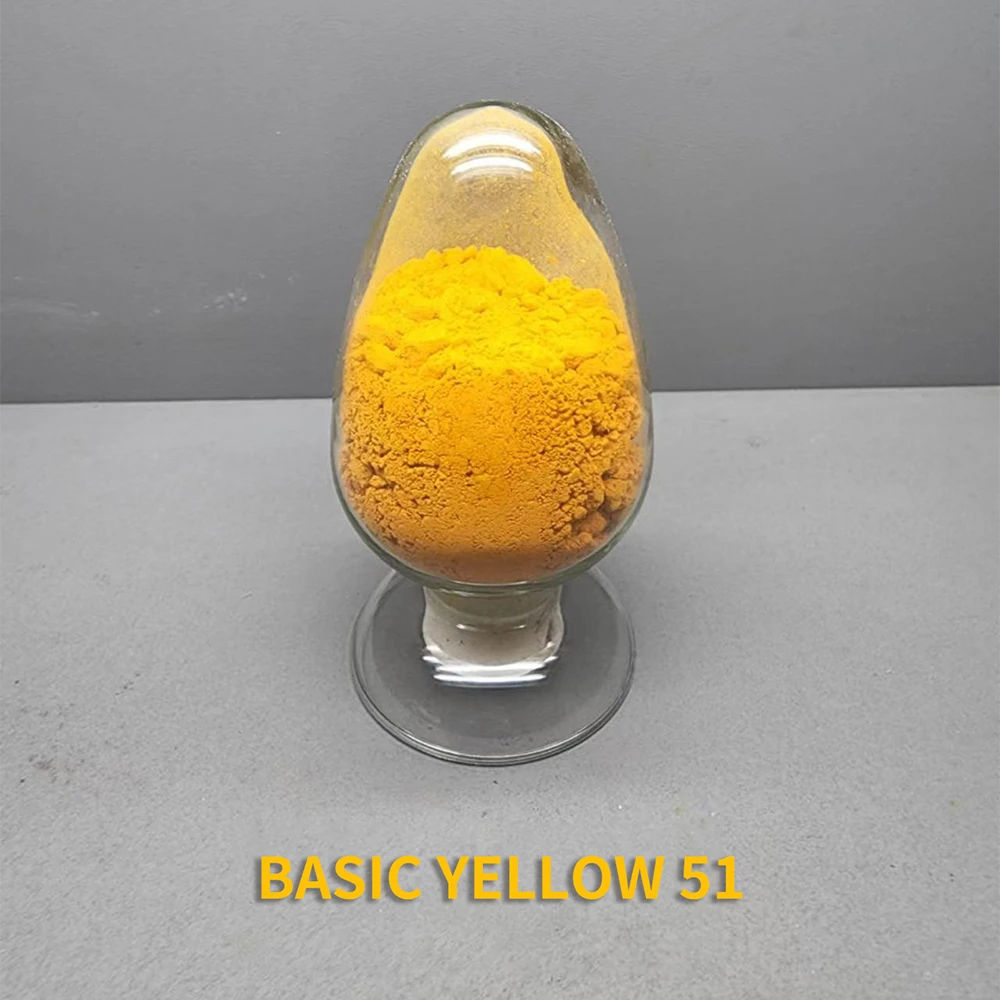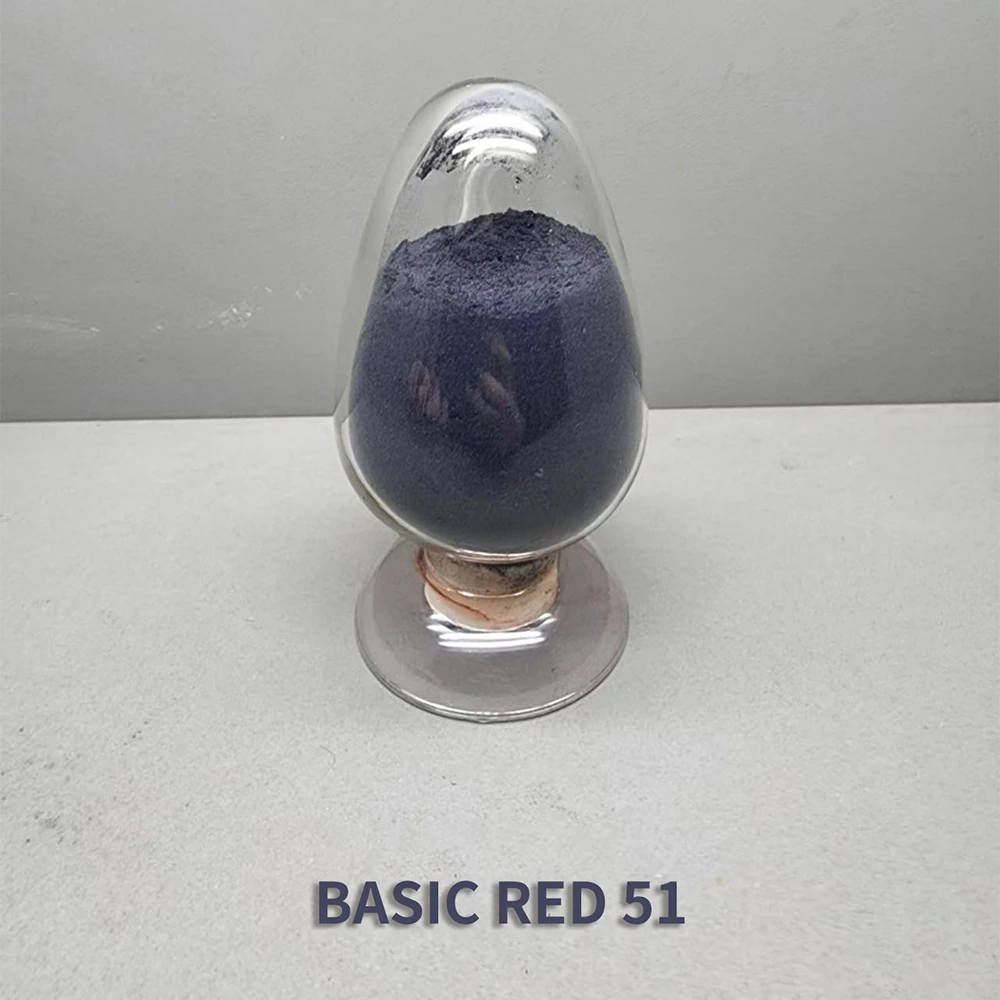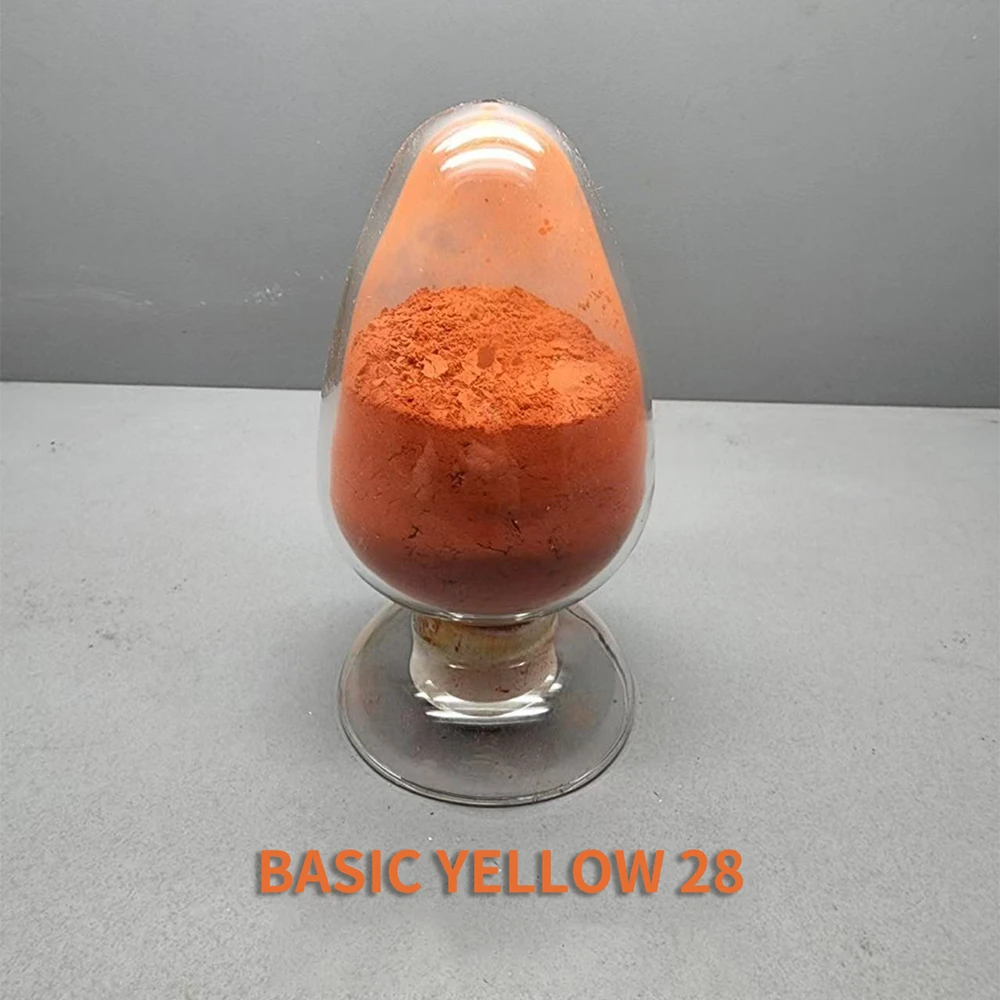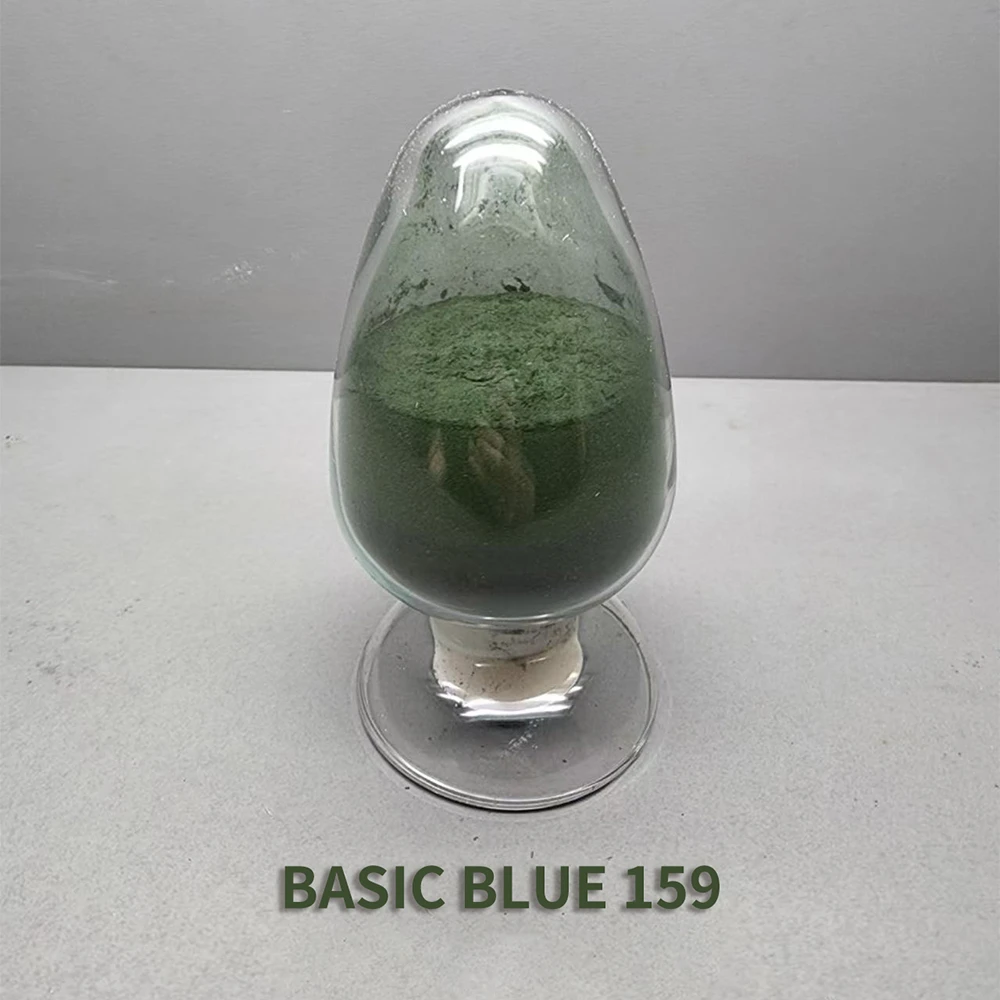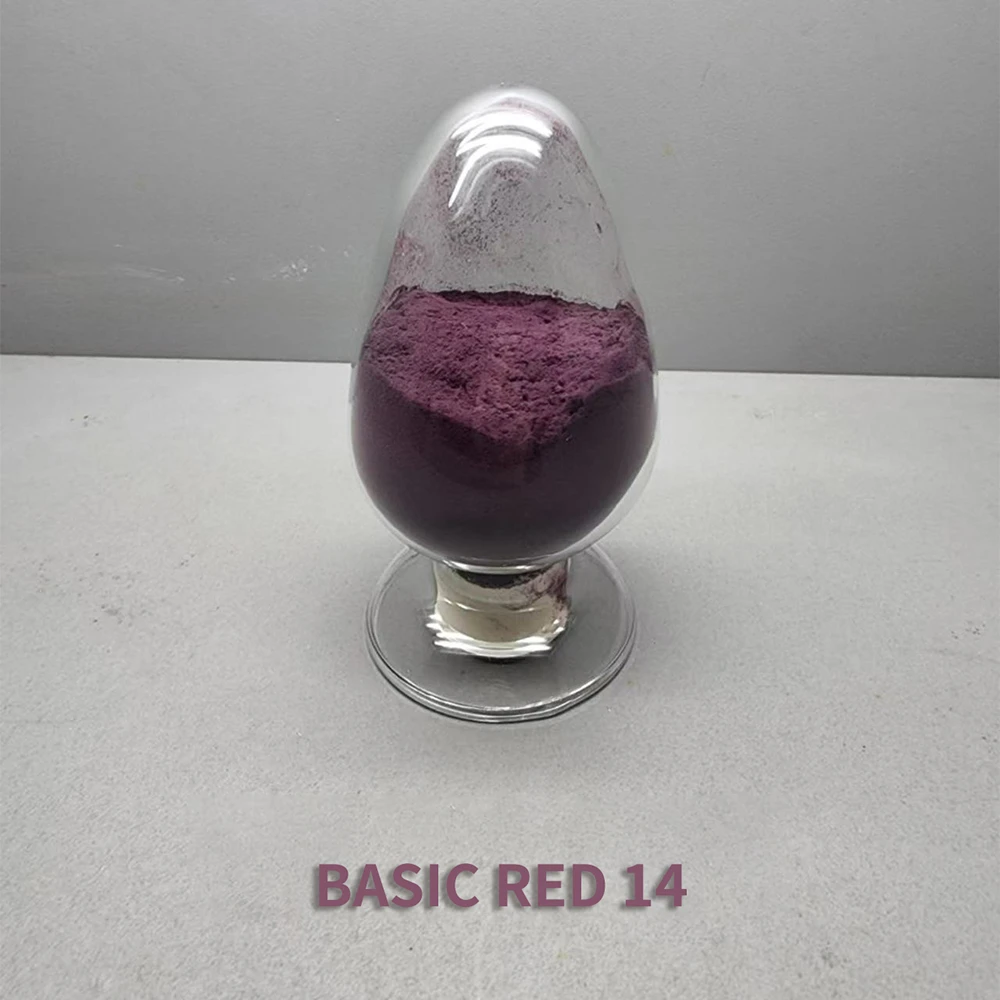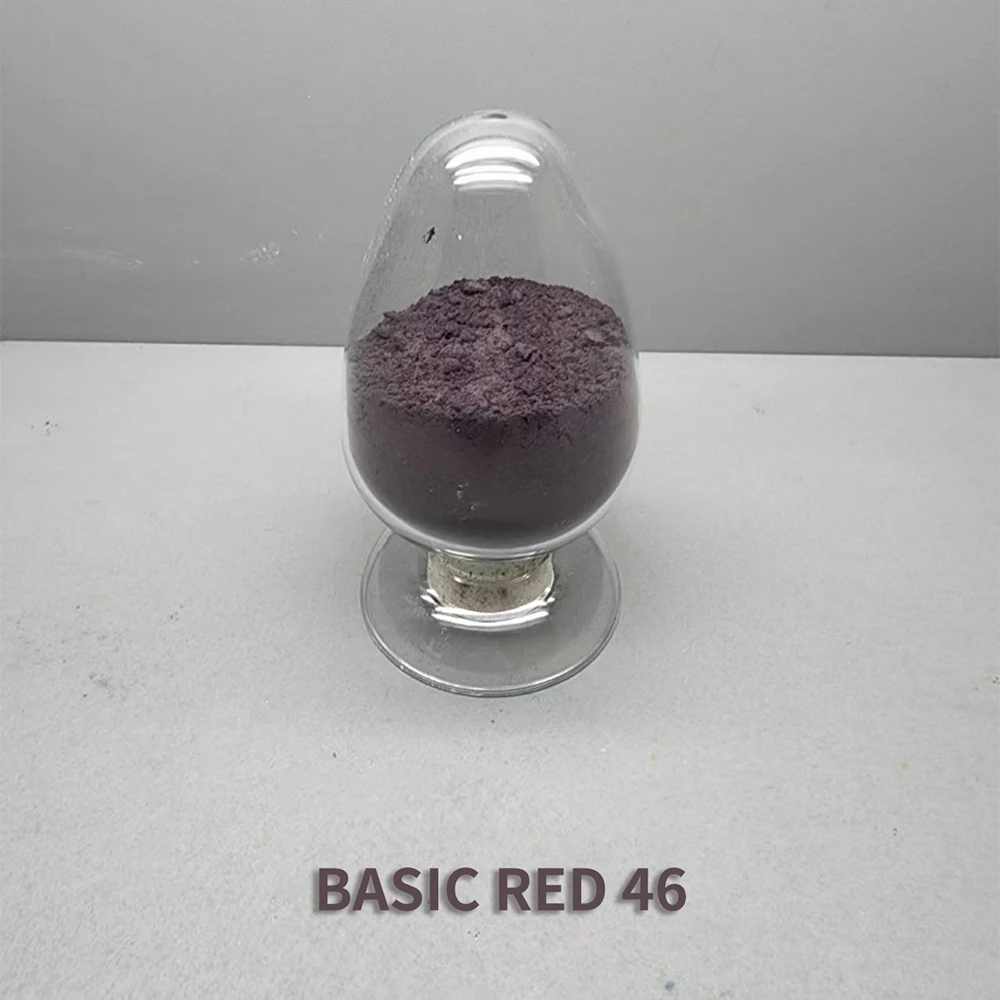
Sustainable Organic Dye for Clothes – Eco-Friendly Textile Solutions
Understanding Organic Dye for Clothes: Why It Matters Today
When we talk about the clothes hanging in your closet, or the fabrics wrapping your furniture, rarely do we consider the journey of the dyes that gave them color. Yet, the advent of organic dye for clothes has been quietly reshaping the textile industry worldwide, driving a shift toward sustainability, safety, and innovation. These natural, carbon-based colorants — mostly extracted from plants, insects, or synthesized to mimic organic compounds — carry tremendous environmental and humanitarian significance.
With over 100 billion garments produced annually (source: Textile World), the cumulative impact of conventional synthetic dyes on water pollution and human health is staggering. Swapping synthetic for organic dyes can reduce harmful chemical discharges while preserving the vibrant hues we all love. But beyond just colors, it’s about embedding ecological wisdom into the very fabric we wear.
Mini takeaway: Organic dyes for clothes represent a vital step in marrying fashion with sustainability at a global scale.
Global Context: Why Organic Dyes are More Than a Trend
The United Nations has emphasized sustainable consumption and production in its 2030 Agenda for Sustainable Development (Goal 12), and the textile sector is squarely in the spotlight. According to the International Organization for Standardization (ISO), about 20% of industrial water pollution stems from dyeing and treatment processes in textiles. These alarming figures create significant pressure on producers to innovate.
Enter organic dyes—a solution with roots in tradition but with eyes on the future. Their biodegradability, non-toxic nature, and compatibility with eco-friendly mordants reduce environmental stress. The challenge remains in scaling production without compromising cost or durability, a balancing act the industry is still mastering.
What Exactly is Organic Dye for Clothes?
Simply put, organic dye for clothes comprises colorants derived from natural sources such as plants (indigo, madder), insects (cochineal), or synthesized from carbon-based molecular structures. Unlike synthetic dyes made through petrochemical processes, organic dyes often boast better biodegradability and lower toxicity.
In practical terms, these dyes not only cater to a growing eco-conscious consumer base but also serve humanitarian efforts where low-impact, safe materials are required — think refugee clothing or emergency relief textiles. It’s a solution where chemistry, ecology, and social responsibility intersect.
Core Aspects Driving Organic Dye Choices
Durability and Colorfastness
One might guess natural dyes are less durable — oddly enough, many newer formulations and mordants (binding agents) have improved colorfastness, making organic dyes nearly as resilient as their synthetic cousins.
Environmental Impact
By definition, organic dyes reduce sludge toxicity and water contamination. They’re much kinder to aquatic life and reduce the hazardous waste burden in industrial zones.
Cost and Scalability
This is tricky. Natural sources can be seasonal, extraction can be labor-intensive, and yield varies. However, advances in biotech and fermentation methods allow mass production in controlled environments, balancing supply and costs more effectively now.
User Safety and Regulations
Organic dyes are less likely to cause allergic reactions or skin irritations. In markets with strict regulations on hazardous substances (e.g., REACH in Europe), these dyes fit perfectly for compliance, reducing legal risks for brands.
Aesthetic Versatility
While the palette might appear limited compared to synthetic dyes, creative blending and modern processing can unlock a full spectrum of vibrant colors, often with a unique “earthy” luster appreciated by designers and consumers.
Supply Chain Transparency
The traceability from source to finished garment can be clearer with organic dyes, supporting certifications like OEKO-TEX or GOTS, which many brands are leveraging for marketing and ethical sourcing.
Mini takeaway: The combination of performance, safety, and environmental gains makes organic dyes compelling despite some cost and supply challenges.
Real-World Use Cases: Where Organic Dyes Shine
In South Asia and parts of Africa, small-scale textile artisans revive ancient dyeing traditions using organic dyes, supporting local economies while reducing environmental impact. Meanwhile, companies in Europe and North America incorporate organic dyes into sustainable fashion lines, tapping into a discerning market.
Example: In post-disaster relief operations, NGOs supply clothing colored with organic dyes to limit exposure to harmful chemicals when people are already vulnerable. It’s an intelligent approach that considers dignity and safety alongside practicality.
On the industrial side, textile manufacturers in remote zones use organic dyes where wastewater treatment infrastructure is limited, reducing ecological damage. Many brands now integrate organic dye for clothes into their supply chain to hit sustainability targets.
Advantages and Long-Term Value of Organic Dyes
- Sustainability: Less water pollution and carbon footprint.
- Safety: Reduced chemical exposure for workers and consumers.
- Brand Reputation: Consumers increasingly prefer ethically made, green products.
- Innovation Drive: Boosts research into biotech and resource-efficient methods.
- Economic Inclusivity: Supports small farmers and traditional communities harvesting natural dye plants.
Frankly, even if the color shades feel a bit less “perfect” than synthetic rivals, the emotional and ethical value resonates deeply with many buyers today. It adds a story behind the fabric, a touch of humanity.
Table: Organic Dye Specification Overview
| Specification | Details |
|---|---|
| Source | Plant extracts (Indigo, Madder), Insect-derived (Cochineal), Biotech-synthesized |
| Color Range | Earth tones, reds, blues, yellows; blending possible for expanded palette |
| Colorfastness | Medium to high (with mordants and advanced fixation methods) |
| Environmental Impact | Biodegradable, low aquatic toxicity, reduced sludge pollution |
| Safety | Non-toxic, hypoallergenic |
| Typical Cost | Moderate; decreasing with biotechnological advances |
Comparing Leading Vendors in Organic Dye Supplies
| Vendor | Product Range | Sustainability Certifications | Minimum Order | Global Reach |
|---|---|---|---|---|
| EcoDyes Ltd. | Plant-based, insect dyes, biotech samples | GOTS, OEKO-TEX | 500 kg | Europe, Asia, Americas |
| Yanhong Chemicals | Organic dyes tailored for apparel and technical textiles | ISO 14001, REACH compliant | 200 kg | Global (including emerging markets) |
| NaturalHues Corp. | Traditional plant extracts, artisan-focused | Fair Trade, Organic | 100 kg | Primarily South Asia |
What Does the Future Hold for Organic Dye for Clothes?
It feels like we’re on the edge of some exciting breakthroughs. Think microbial fermentation producing customizable dye molecules at scale without farming limits. Or AI designing dye recipes that maximize colorfastness while minimizing environmental load.
Policies worldwide are nudging toward sustainable textile production, adding incentives for organic dye adoption. The integration of green energy in processing and digital supply chain transparency will likely make organic dyes ever more viable.
Common Hurdles and How the Industry Tackles Them
Despite the promise, organic dyes face hurdles:
- Consistency in Color: Nature varies; modern analytics and process controls help reduce batch-to-batch differences.
- Cost Competitiveness: Scaling biotechnological synthesis is rapidly making prices more attractive.
- Limited Color Spectrum: Research in hybrid organic-synthetic compounds widens options.
- Supply Chain Constraints: Collaborations with sustainable farms and local communities improve traceability and supply.
Industry experts stress ongoing partnerships — between chemists, farmers, regulators, and brands — as crucial for overcoming these challenges.
FAQ: Answering Your Top Questions About Organic Dye for Clothes
Q1: Are organic dyes durable enough for everyday clothing?
A: Yes, with modern mordanting and fixation techniques, many organic dyes achieve good colorfastness suitable for daily wear. However, some delicate fabrics may require specific treatment to preserve color longer.
Q2: Do organic dyes cost more than synthetic dyes?
A: Historically, yes. But thanks to biotech advances and optimized supply chains, the gap is narrowing. When factoring in environmental and health costs, organic dyes often present better overall value.
Q3: Can organic dyes be used for all types of textiles?
A: Mostly yes, especially natural fibers like cotton, wool, and silk. Some synthetic fibers are less receptive, though innovations in dye chemistry and pretreatment help extend use.
Q4: Where can buyers source reliable organic dyes?
A: Reputable suppliers like Yanhong Chemicals offer globally compliant organic dyes for various applications, backed by certifications.
Q5: How do organic dyes benefit environmental compliance?
A: They reduce the use and discharge of heavy metals and toxic chemicals, lowering water treatment costs and ensuring easier adherence to international regulations like REACH and OEKO-TEX.
Wrapping Up: Organic Dye for Clothes is a Win-Win
The move towards organic dye for clothes catalyzes a positive ripple effect—from cleaner water to safer workplaces, from ethical consumerism to fresh industrial innovations. It’s not just a trend but a thoughtful return to nature with a 21st-century twist.
Interested in exploring sustainable dye solutions? Visit https://www.yanhongchem.com to learn more.
Mini takeaway: In the grand scheme, organic dyes underscore how industry can harmonize with nature without sacrificing quality or style.
References:
-
High-Performance Tan Fabric Dye Solutions for Industrial Use | Yanhong ChemNewsDec. 13, 2025
-
White Fabric Dye for Clothes: Industrial Insights & Best ChoicesNewsJan. 03, 2026
-
Fabric Dye Company: Durable, Sustainable Solutions for B2B Textile NeedsNewsDec. 03, 2025
-
Professional Fabric Dye for Industrial Use - Yanhong ChemNewsDec. 31, 2025
-
Basic Dye Factory: Essential Insights on Production, Impact & InnovationNewsDec. 13, 2025
-
China Fabric Dye Manufacturers: Eco, High-Fastness, OEMNewsDec. 13, 2025