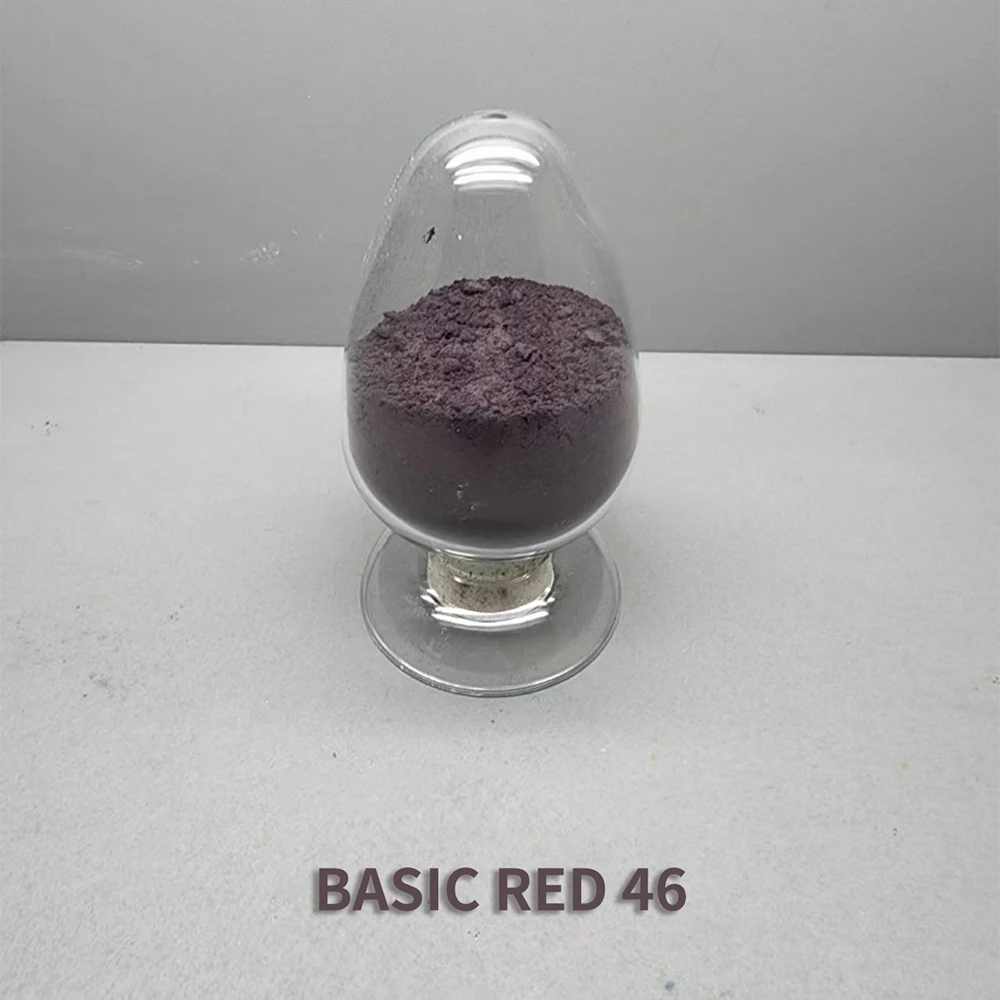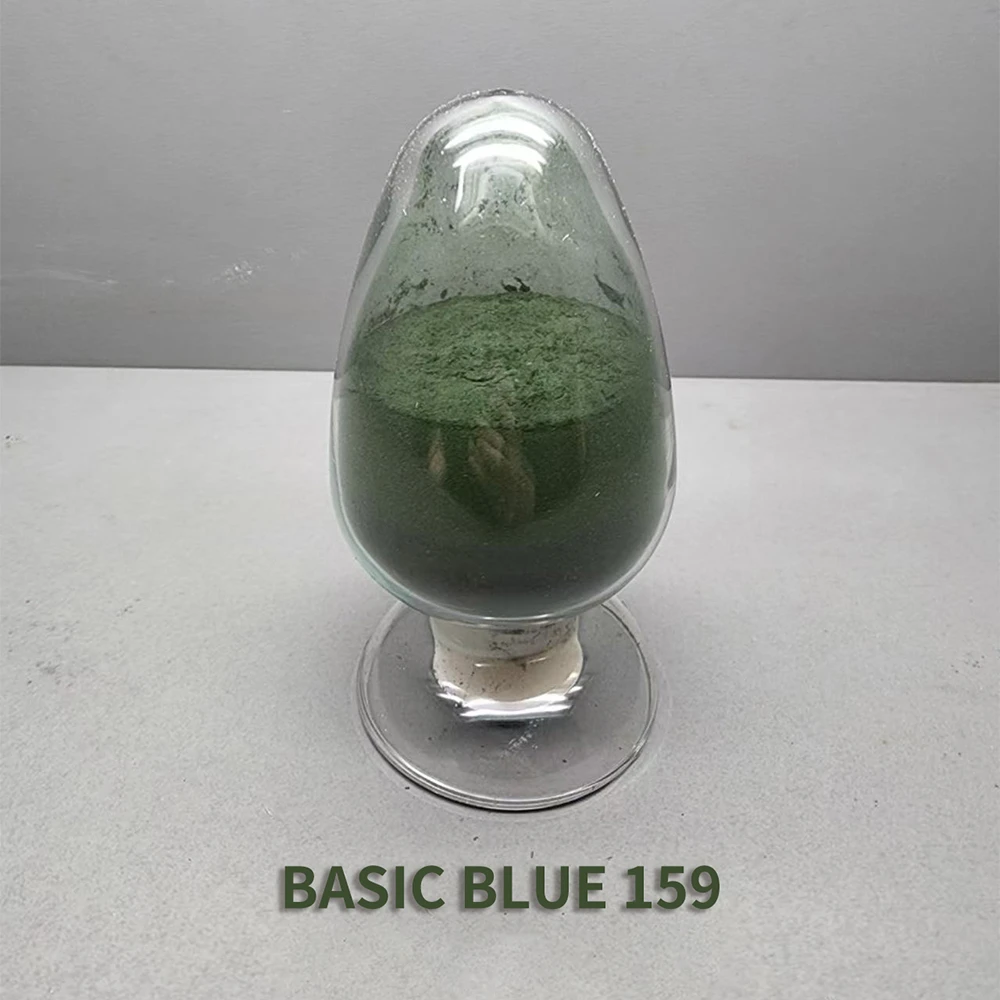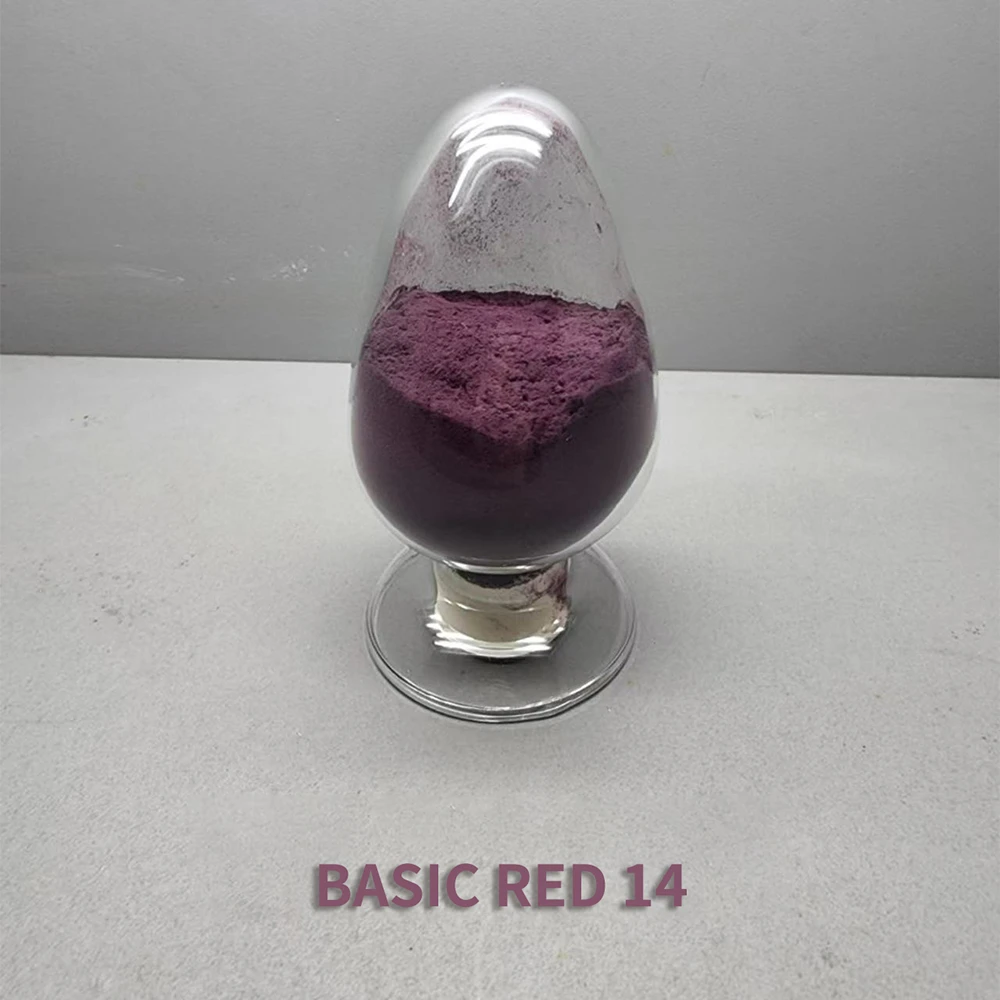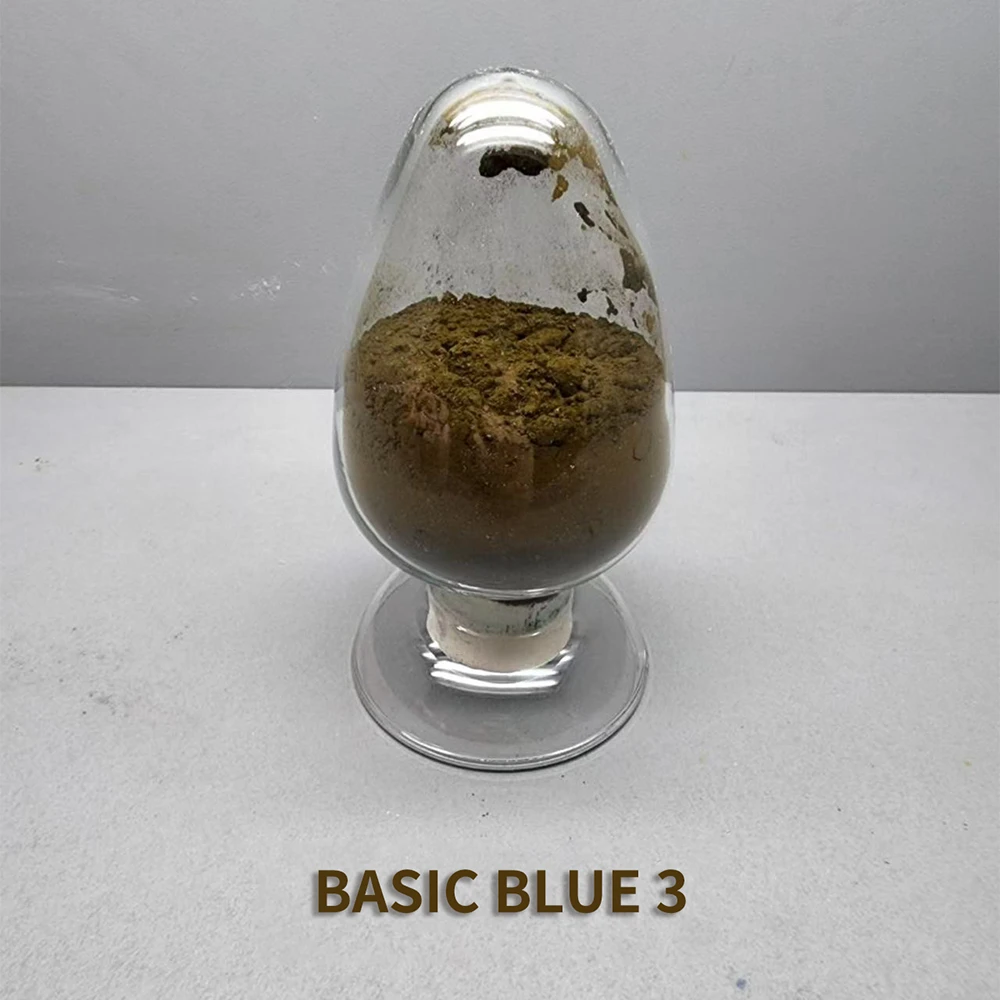
Sustainable Cyanotype Fabric Dye | Eco-Friendly Textile Solutions
The Resurgence of Cyanotype Fabric Dye: Nature, Science, and Global Impact
When you think of fabric dyes, images of vivid synthetic colors or earth-toned natural dyes might come to mind. Yet, one often overlooked yet remarkably versatile dye is the cyanotype fabric dye. Far from just a relic of photographic process history, cyanotype is increasingly relevant for sustainable fashion, industrial textiles, and humanitarian applications. But why? This blue-toned dye holds promise in global sustainability conversations and practical industry challenges alike, offering an eco-friendly, cost-effective alternative that both innovators and traditional manufacturers are excited about.
Why Cyanotype Fabric Dye Matters Worldwide
In a world wrestling with textile pollution and seeking greener materials, dyes that balance performance with planet-friendly credentials are golden. According to the United Nations Environment Programme (UNEP), textile dyeing accounts for up to 20% of industrial water pollution globally — quite massive, if you pause and consider the impact. Cyanotype fabric dye, invented in the 1840s, uses iron salts rather than synthetic chemicals, making it naturally less toxic and easier to handle. This puts it in the spotlight for global garment and textile industries aiming to cut down environmental footprints without sacrificing color vibrancy or durability.
But the plot thickens when you consider its cross-industry adaptability — from art installations and fashion lines in Milan to practical outdoor gear used by relief organizations in regions like Southeast Asia. Basically, it’s not just a pretty blue; it’s a smart solution to several pressing problems.
What Is Cyanotype Fabric Dye? A Simple Explanation
Cyanotype fabric dye is a process and material technique involving light-sensitive iron compounds that react to ultraviolet light. In essence, fabric coated with this dye turns deep blue when exposed to sunlight — akin to an old blueprint copy. The process is straightforward, non-toxic, and requires minimal water, which is rare compared to conventional dyeing methods. Originally famous for photographic prints, today’s textile producers harness cyanotype techniques to create sustainable, visually striking fabric finishes.
On the humanitarian front, this dye’s low toxicity and ease of use mean it’s perfect for mobile dyeing units in remote locations, supporting local craftsmanship and sustainable livelihoods. In short, it's a bridge between art, industry, and social good.
Key Properties Driving Cyanotype Fabric Dye's Popularity
1. Durability and Wash-Fastness
One concern with any fabric dye is longevity. Cyanotype fabrics typically show impressively good wash-fastness, retaining their color vibrancy through multiple washes — roughly comparable to some synthetic dyes, thanks to the strong chemical bonding of iron with cotton or silk fibers. However, prolonged exposure to harsh detergents may fade the intense blue over time, so milder detergents are advised.
2. Eco-Friendly Chemistry
Unlike azo or reactive dyes, cyanotype dye relies on iron(III) ammonium citrate and potassium ferricyanide — both relatively benign in environmental impact. The byproducts break down nicely, posing minimal risks when waste handling is managed properly. This makes cyanotype fabric dye a favorite for manufacturers committed to ISO 14001 environmental standards.
3. Scalability and Production Efficiency
Though originally a craft-based technique, modern industrial processes have begun adapting cyanotype for larger-scale production, aided by automation and digital UV light exposure devices. This boosts throughput without losing artisanal quality. For smaller producers or communities, the low initial investment and minimal infrastructure requirements make cyanotype attractive for localized production.
4. Cost-Efficiency
Iron salts used in cyanotype are generally cheaper than many synthetic dye chemicals, reducing raw material costs. Moreover, because the process requires no high temperatures or lengthy chemical baths, energy and water costs are significantly lower.
Mini takeaway:
- Cyanotype fabric dye balances sustainability, cost, and durability with unique advantages for both industrial and artisanal uses.
Real-World Applications: From Urban Fashion to Disaster Relief
Industries across the globe have found innovative ways to use cyanotype fabric dye. In Southeast Asia, local cooperatives produce indigo-like hand-dyed fabrics that employ cyanotype for creating vibrant patterns without the massive water footprint. Meanwhile, fashion designers in European capitals experiment with cyanotype to develop eco-conscious collections that tell a story of heritage and innovation combined.
On the humanitarian side, NGOs in post-disaster zones use cyanotype kits to empower displaced communities with skills and sustainable income sources, enabling easier reintegration and creating dignified livelihoods. In remote industrial regions, where water scarcity and chemical disposal pose problems, cyanotype fabric dye offers a practical solution for producing durable workwear with minimal environmental harm.
Table 1: Typical Cyanotype Fabric Dye Specifications
| Specification | Typical Range / Value | Notes |
|---|---|---|
| Color Shade | Deep Blue (Prussian Blue) | Varies with UV exposure time |
| Fabric Compatibility | Cotton, Linen, Silk | Natural fibers preferred |
| Process Temperature | Ambient to 25°C | No heat fixation needed |
| Water Usage | Minimal (under 5L per kg fabric) | Much less than traditional dyeing |
| Durability (Wash Fastness) | 4-5 on ISO standard scale | Good for everyday use |
Comparing Leading Cyanotype Fabric Dye Providers
| Vendor | Eco Certification | Production Scale | Price Range (per kg) | Distribution Regions |
|---|---|---|---|---|
| Yanhong Chemicals | ISO 14001, Oeko-Tex | Industrial / Bulk | $15–$22 | Asia, Europe, Americas |
| BlueTone Naturals | Global Organic Textile Standard (GOTS) | Medium Scale | $18–$25 | Europe, North America |
| EcoBlue Dyes | ISO 9001, Oeko-Tex | Small Batch & Custom | $22–$30 | Online/Worldwide |
Why the Long-Term Promise of Cyanotype Fabric Dye is Worth Your Attention
There’s something refreshing in relying on a dye technique that’s 180 years old but still feels innovative. Cyanotype fabric dye isn’t just affordable and eco-friendly; it also carries emotional weight — it connects wearers and makers to sustainable practices and timeless blue aesthetics. Its hypoallergenic qualities also earn trust in sensitive apparel like children’s clothing and healthcare uniforms.
For businesses, adopting cyanotype can signal genuine environmental commitment— vital in a marketplace where consumers increasingly judge brands by their ecological footprints. And frankly, the dye’s visual appeal is timeless. The blueprint blue feels like a statement of both heritage and progress.
Forecasting the Future: Innovations and Trends in Cyanotype Fabric Dyeing
- Digital UV Exposure Integration: Automated machines control light exposure, fine-tuning hues and patterns while speeding production.
- Green Chemistry Advances: New iron salt formulations reduce processing times and enhance colorfastness.
- Hybrid Textile Blends: Researchers experiment with blended fabrics (organic cotton + recycled polyester) that hold cyanotype dye well.
- Sustainability Policies: Increasing regulatory pushes (ISO 14000 family) are encouraging wider industry adoption.
It’s quite exciting, frankly. Combining traditional cyanotype aesthetics with cutting-edge tech opens entire new markets—think of digitally printed patterns capturing artisan tricks, all with a green conscience.
Common Challenges And How Industry Leaders Are Addressing Them
- UV Dependency: Cyanotype requires UV light to set the dye, which limits indoor or non-sunny climate production. Solution: LED UV light boxes and portable exposure kits.
- Shade Limitation: The signature blue hue restricts design diversity. Solution: Layering cyanotype with natural dyes or digital overlays.
- Fabric Compatibility: Works best with natural fibers; synthetic fabrics challenge dye uptake. Solution: Pre-treatment innovations and hybrid textiles research.
FAQ: Everything You Might Wonder About Cyanotype Fabric Dye
- Q: How eco-friendly is cyanotype fabric dye compared to traditional synthetic dyes?
- A: Cyanotype uses iron salts with much lower toxicity and water use than many synthetic dyes, leading to significantly reduced environmental impact according to ISO environmental standards.
- Q: Can cyanotype dyed fabrics be washed like conventional garments?
- A: Yes, cyanotype dyed fabrics typically rate 4-5 in wash fastness on ISO scales, suitable for normal use, although mild detergents are recommended to maintain vibrancy.
- Q: Is cyanotype fabric dye suitable for mass production?
- A: With recent advancements in automated UV exposure and batching processes, cyanotype fabric dye can scale from artisan runs to industrial volumes effectively.
- Q: Can synthetic fabrics be dyed using cyanotype?
- A: Cyanotype works best on natural fibers like cotton, linen, and silk. Research into pre-treatments for synthetics is underway, but results vary.
- Q: Where can I source high-quality cyanotype fabric dye?
- A: Reputable suppliers like Yanhong Chemicals offer industrial-grade cyanotype dyes with certifications ensuring sustainable production.
Wrapping It Up: Why Cyanotype Fabric Dye Could Be Your Next Smart Move
The allure of cyanotype fabric dye lies in its beautiful blend of tradition and sustainability — a bright blue handshake between the past and a cleaner future. Its practical benefits in reducing environmental impact, combined with scalability and cost-effectiveness, make it a dye worth considering whether you're designing cutting-edge fashion or outfitting field workers in remote areas.
If you want to dive deeper and explore high-quality cyanotype fabric dyes, consider visiting our website for comprehensive options and expert guidance tailored to your needs.
Final mini takeaway:
Cyanotype fabric dye offers a unique, responsible alternative with a story and science both rolling perfectly into one.
References:
-
A Comprehensive Guide to Achieving Beautiful Pastel Dye for ClothesNewsApr. 07, 2026
-
Green Fabric Dye: Industrial Insights & Eco-Friendly SolutionsNewsDec. 03, 2025
-
Comprehensive Guide to Effectively Setting Dye in Fabric for Lasting ColorNewsMar. 03, 2026
-
Comprehensive Guide to Black Fabric Dye – Durability, Sustainability & Industry InsightsNewsDec. 03, 2025
-
Choosing The Right Dress Dye For Vibrant And Durable TextilesNewsMar. 06, 2026
-
Basic Principles And Production Process Parameters Of Cationic DyesNewsAug. 05, 2025