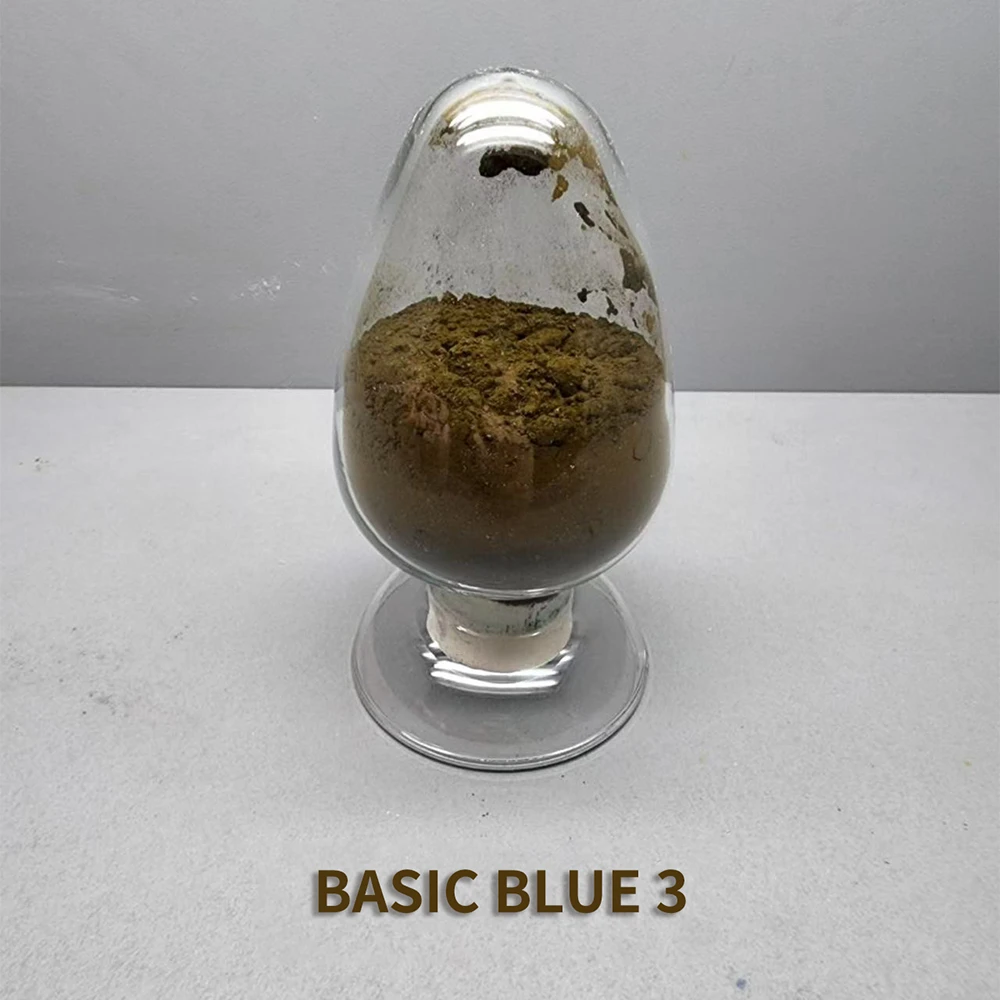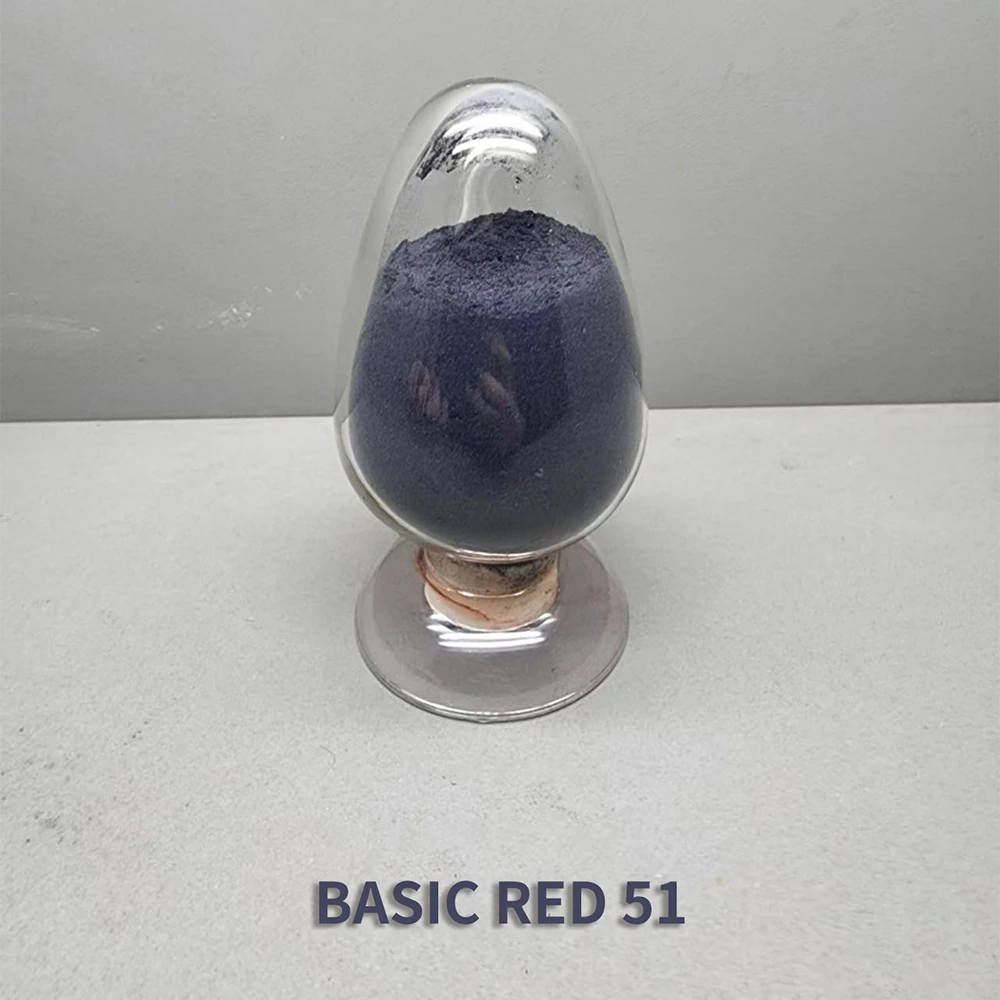
Sage Fabric Dye: Sustainable Textile Solutions for Modern Industry
The Quiet Power of Sage Fabric Dye: Coloring a Sustainable Future
At first mention, sage fabric dye might bring to mind a soft, earthy green tint, maybe tied to natural aesthetics or botanical trends. But dig a little deeper, and it becomes clear this topic carries a lot more weight—both literally and figuratively—in textile industries worldwide. With global textile production grappling with environmental impacts, supply chain disruptions, and evolving consumer tastes, understanding the impact and value of sage fabric dye can actually be quite eye-opening.
Why does it matter globally? Well, as the UN Environment Programme highlights, textile dyeing accounts for roughly 20% of global industrial water pollution (1). Using dyes that are eco-friendly, durable, and socially responsible can ripple through entire manufacturing ecosystems. Sage fabric dye—both as a botanical dye concept and as a modern synthetic palette option—is increasingly sought after for blending sustainability with style.
Key takeaway: Sage fabric dye is more than a color; it’s a nexus of environmental responsibility, industrial efficiency, and cultural resonance in the textile market.
Setting the Stage: Why Sage Fabric Dye is Gaining Global Traction
Let’s zoom out for a moment and look at the bigger picture. The global fabric dye market was valued at over $7 billion in 2022, with a steady CAGR around 4.5% projected through 2028 (2). Sustainability plays a starring role here—ISO certifications for eco-textiles, consumer demands for organic clothing, and governmental regulations pushing for less harmful chemicals are no longer niche concerns. Sage fabric dye fits neatly into this puzzle, being prized for its muted tone and environmental benefits when derived from natural sources or formulated with less toxic agents.
Industries across Asia, Europe, and North America are adopting sage tones—not just for aesthetics but also because such colors reduce reliance on heavy metals and synthetic dyes that challenge wastewater treatment. Oddly enough, this subtle green helps brands tell a bigger story about care—care for the environment and for consumer health.
Mini takeaway: Sage fabric dye is linked strongly to global trends in eco-conscious manufacturing and consumer preference.
What Exactly Is Sage Fabric Dye?
Simply put, sage fabric dye refers to a range of greenish-grey pigments applied to textiles to achieve that iconic, muted sage color. This hue is often described as a blend of gray, green, and sometimes a touch of beige. But beyond color, sage fabric dye denotes a dyeing approach that values sustainability and versatility.
Traditionally, sage dyes were derived from plant materials such as sage leaves and other herbs, which were boiled or steeped to create natural pigments. Today, manufacturers use both natural extracts and synthetic dyes formulated to meet environmental standards while ensuring consistency and washfastness in commercial textiles.
In humanitarian contexts or industries requiring rapid deployment fabrics—say, protective clothing or modular shelters—the sage dye's calming, natural tone aids psychological well-being while meeting technical needs for durability and eco-friendliness.
Core Aspects of Sage Fabric Dye
1. Durability
One big concern with natural dyes (like those derived from sage leaves) is how well the color lasts. Modern sage fabric dyes—especially hybrid or enhanced variants—offer good lightfastness and resistance to washing. This durability means garments and fabrics retain their appeal over multiple uses without needing frequent re-dyeing.
2. Color Consistency
Synthetic or blended sage dyes ensure uniform shade application, vital for branding and large-scale productions. This is particularly important in industries making uniforms or interior textiles where consistent color conveys professionalism and trust.
3. Eco-Friendliness
Many sage fabric dyes are part of a move toward “greener” dye chemistry. Low-impact dyes that minimize water usage, reduce toxic effluent, and align with ISO 14000 environmental standards are increasingly common. Natural direct dyes from sage plants, although variable, also support organic and small-batch textile artisans.
4. Cost Efficiency
While natural sage dyes may be pricier or less scalable, synthetic sage dyes can be cost-optimized for mass production without sacrificing sustainability. This balance is crucial for brands wanting eco-credentials and price competitiveness.
5. Versatility
From cotton and linen to polyester blends, sage fabric dye adapts to a variety of textile bases, making it popular among fashion designers and industrial textile suppliers alike.
Practical Uses of Sage Fabric Dye Around the World
In places like Southeast Asia and parts of Europe, traditional sage dyeing techniques remain part of cultural heritage, supporting local economies and craftspeople. Large apparel brands increasingly source sage-colored fabrics to tap into the earthy aesthetic popular among eco-conscious consumers.
In the technical realm, sage fabric dye features in military and outdoor gear that relies on camouflage and rugged wearability.
Interestingly, NGOs working in disaster relief sometimes opt for sage-dyed textiles in shelters and clothing because the muted color reduces glare and heat absorption while maintaining a dignified appearance—subtle comfort in tough situations.
| Specification | Sage Fabric Dye Details |
|---|---|
| Color Hue | Gray-green, muted sage |
| Composition | Natural extracts & synthetic blends |
| Water Usage | Low-impact dye processes |
| Durability | High wash & lightfastness |
| Fabric Compatibility | Cotton, linen, polyester blends |
Advantages That Make Sage Fabric Dye a Wise Choice
- Environmental impact: Reduced chemical runoff and wastewater burden.
- Social responsibility: Supports artisans and sustainable supply chains.
- Consumer appeal: Trendy yet timeless color enhancing brand image.
- Functional performance: Durability meets aesthetic in one package.
From an emotional standpoint, wearing sage hues can evoke calmness and a connection to nature—something many consumers crave in a tech-saturated world. Logically, the blend of cost-effectiveness and sustainability is a compelling business argument for manufacturers facing tighter environmental laws.
What’s Next? Future Innovations in Sage Fabric Dyework
Expect more automation in dyeing processes that precisely control water and heat consumption, improving consistency and reducing waste. Nanotechnology-enhanced sage dyes promise better fabric adherence and antimicrobial properties—perfect for healthcare and outdoor textiles.
Plus, bio-engineering of herbal dyes like sage might one day allow growers to produce high-pigment plants optimized for textile use. That’d be an amazing synergy of agriculture and chemistry.
Challenges and Clever Solutions
Natural sage dyes sometimes struggle with color consistency—batch variability is a headache for many designers. Also, scaling ecological processes to mass production can clash with cost margins.
Experts recommend hybrid approaches: blending natural sages for authenticity with synthetic pigments for stability. Advances in wastewater filtration and dye recycling technologies also soften environmental concerns.
Frequently Asked Questions About Sage Fabric Dye
- Is sage fabric dye suitable for all types of fabric?
Generally yes, especially cotton, linen, and polyester blends, though dye uptake may vary by fabric. - How environmentally friendly is natural sage dye compared to synthetic options?
Natural sage dye reduces toxic chemicals but may need more water and energy. Synthetic low-impact dyes aim to bridge that gap efficiently. - Can sage fabric dye withstand repeated washing?
Modern sage dyes, especially blends, offer good washfastness, typically lasting dozens of laundering cycles without significant fading. - Where can I source high-quality sage fabric dye?
Many suppliers in Asia and Europe specialize in certified eco-friendly sage dyes. To start, check out trusted vendors like yanhongchem.com. - Does sage fabric dye affect the texture or breathability of fabric?
It usually does not alter these properties meaningfully; natural and synthetic methods maintain fabric softness and airflow.
Wrapping Up: Why Sage Fabric Dye Matters
Sage fabric dye is quietly weaving an important thread in the fabric of sustainable fashion and industrial textiles. It harmonizes well with growing demands for eco-sensitivity, aesthetic sophistication, and functional performance. Whether you’re a brand seeking to reduce environmental impact or a consumer desiring integrity and style, sage fabric dye holds promise.
If you want to explore more about sustainable dyes and their applications, visit our website for detailed product options and expert insights into eco-friendly textile dyeing.
Final thought: Sometimes, the softest colors speak the loudest stories — sage fabric dye is one of them.
| Vendor | Location | Eco Certification | Price Range (per kg) | Specialty |
|---|---|---|---|---|
| YanHong Chemicals | China | ISO 14001, OEKO-TEX | $15 - $30 | Synthetic-natural blends |
| EcoDye Europe | Germany | GOTS, REACH Compliant | $18 - $35 | 100% natural dyes |
| GreenHue Fabrics | USA | Cradle to Cradle | $20 - $40 | Custom organic blends |
References:
1. United Nations Environment Programme: Textile Wastewater Impacts (https://www.unep.org)
2. Market Research Future: Textile Dye Market Report 2023 (https://www.marketresearchfuture.com)
3. ISO Environmental Management Standards (https://www.iso.org/iso-14001-environmental-management.html)
-
Durable Navy Blue Fabric Dye for Industrial Use | Trusted QualityNewsDec. 05, 2025
-
Comprehensive Guide to Fabric Dye Price Factors and Optimization StrategiesNewsFeb. 27, 2026
-
China Basic Dye Manufacturer | High Purity & Eco OptionsNewsDec. 13, 2025
-
A Comprehensive Guide to Achieving Beautiful Pastel Dye for ClothesNewsApr. 07, 2026
-
Durable Fabric Dye for Chairs | Industry-Leading Chemical SolutionsNewsJan. 06, 2026
-
Fabric Dye On Human Hair | Durable, High-Performance Dye Solutions from Yanhong ChemNewsDec. 03, 2025