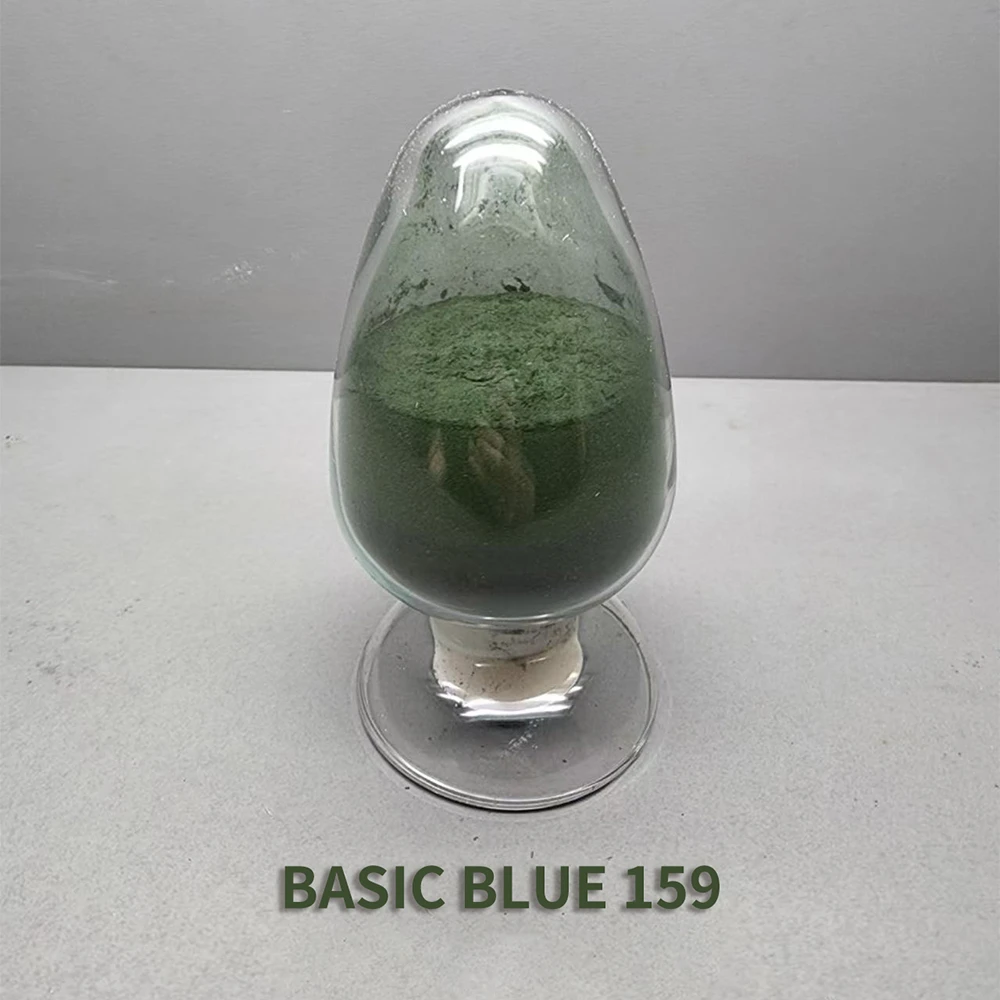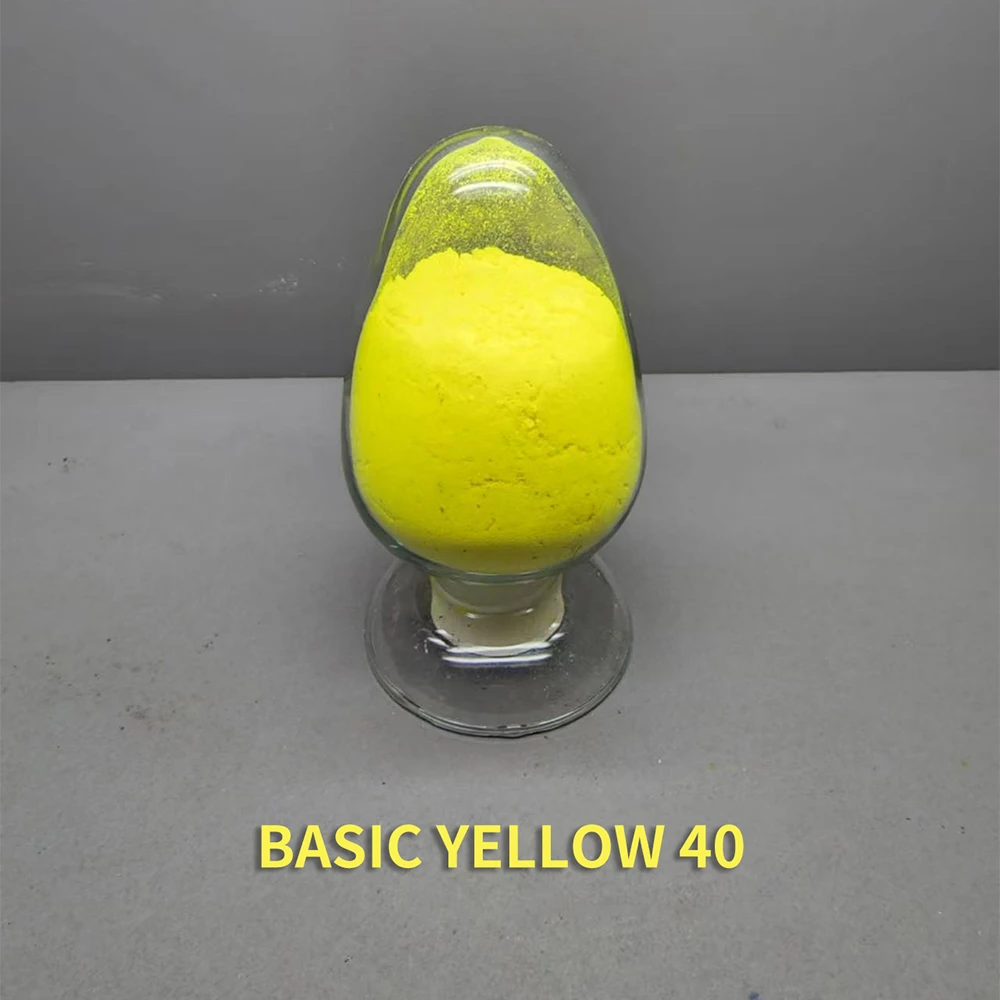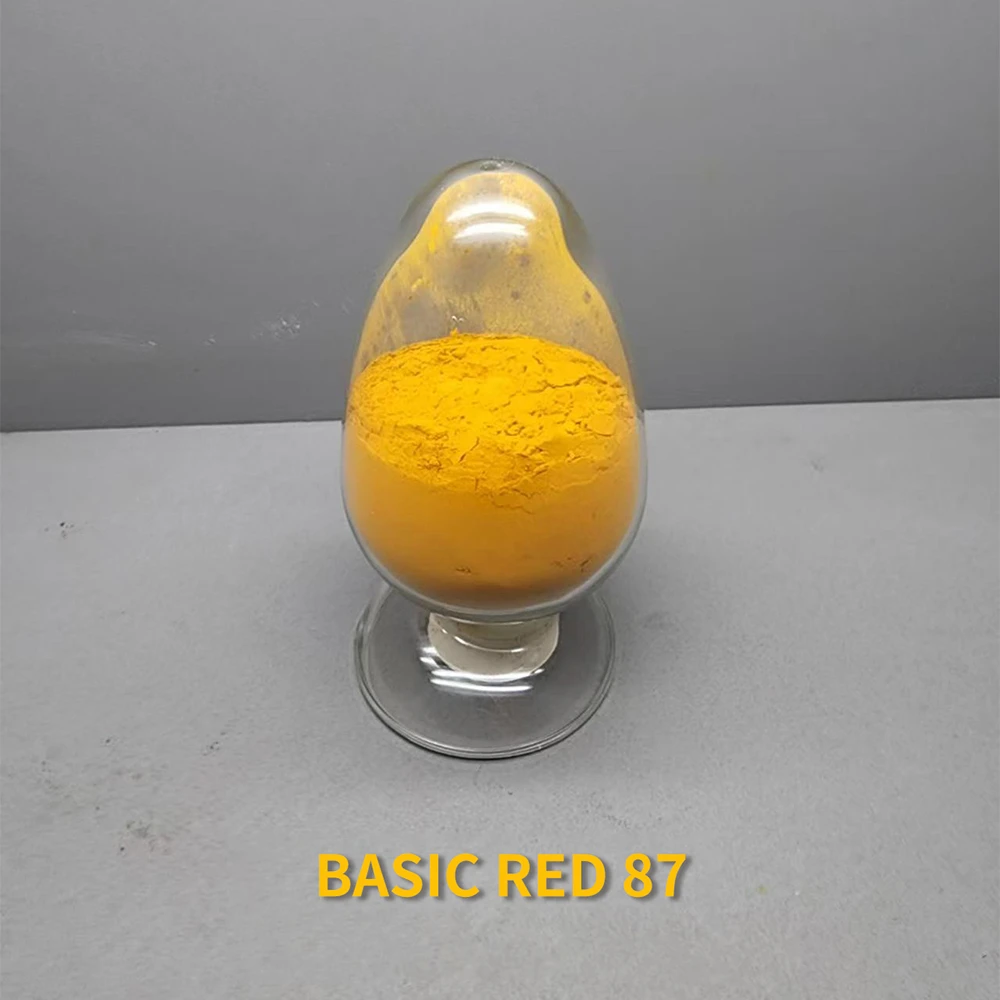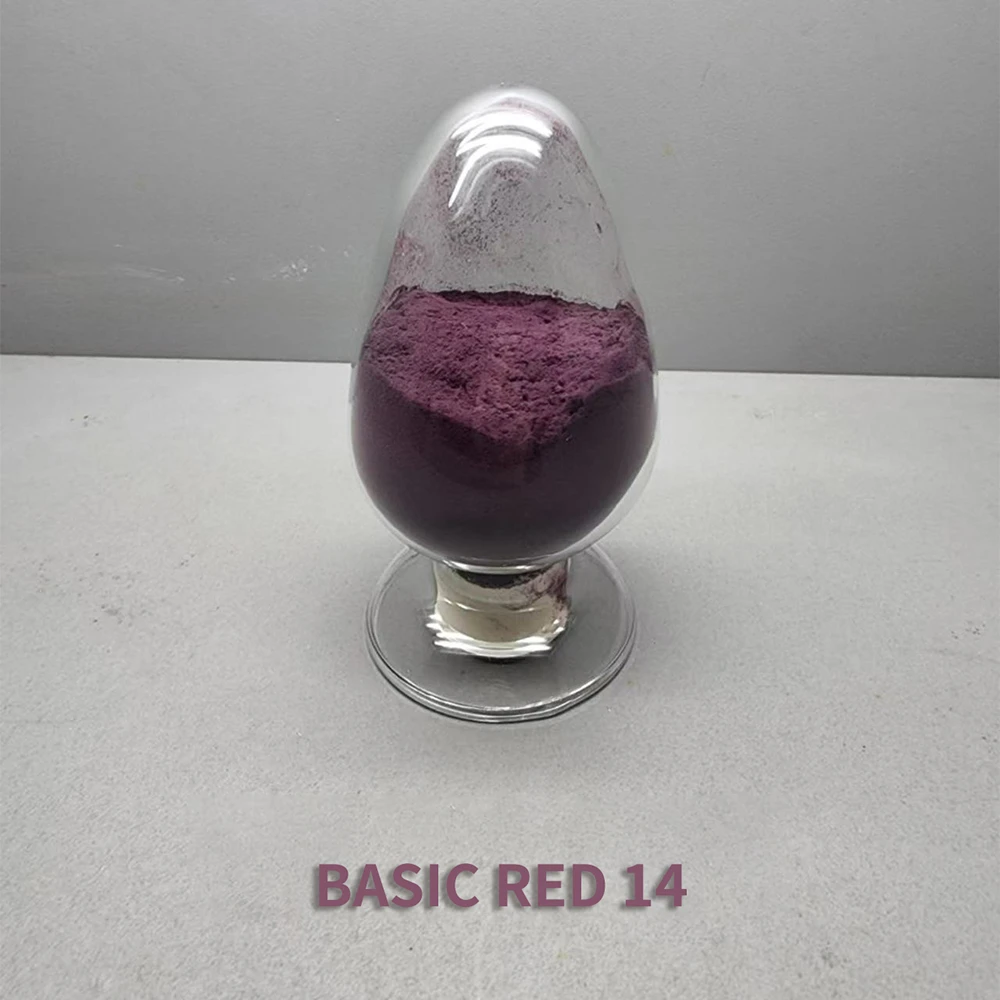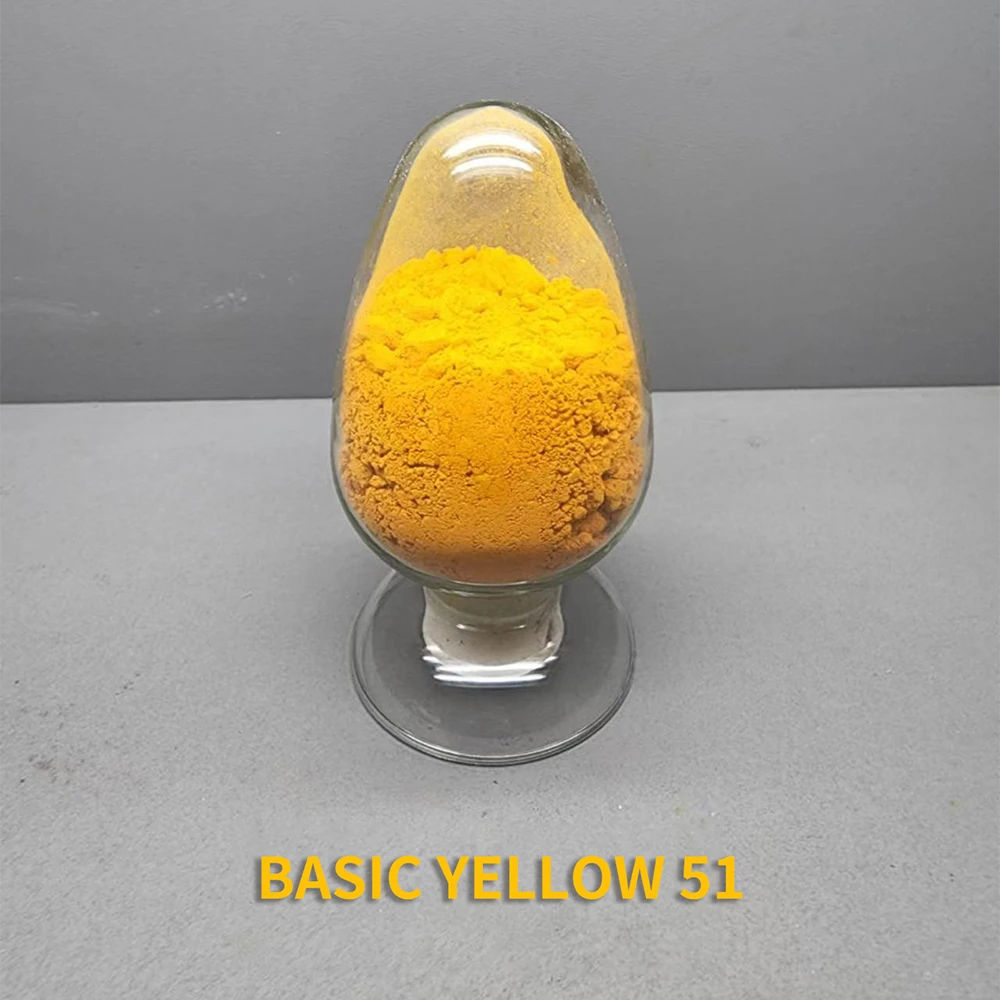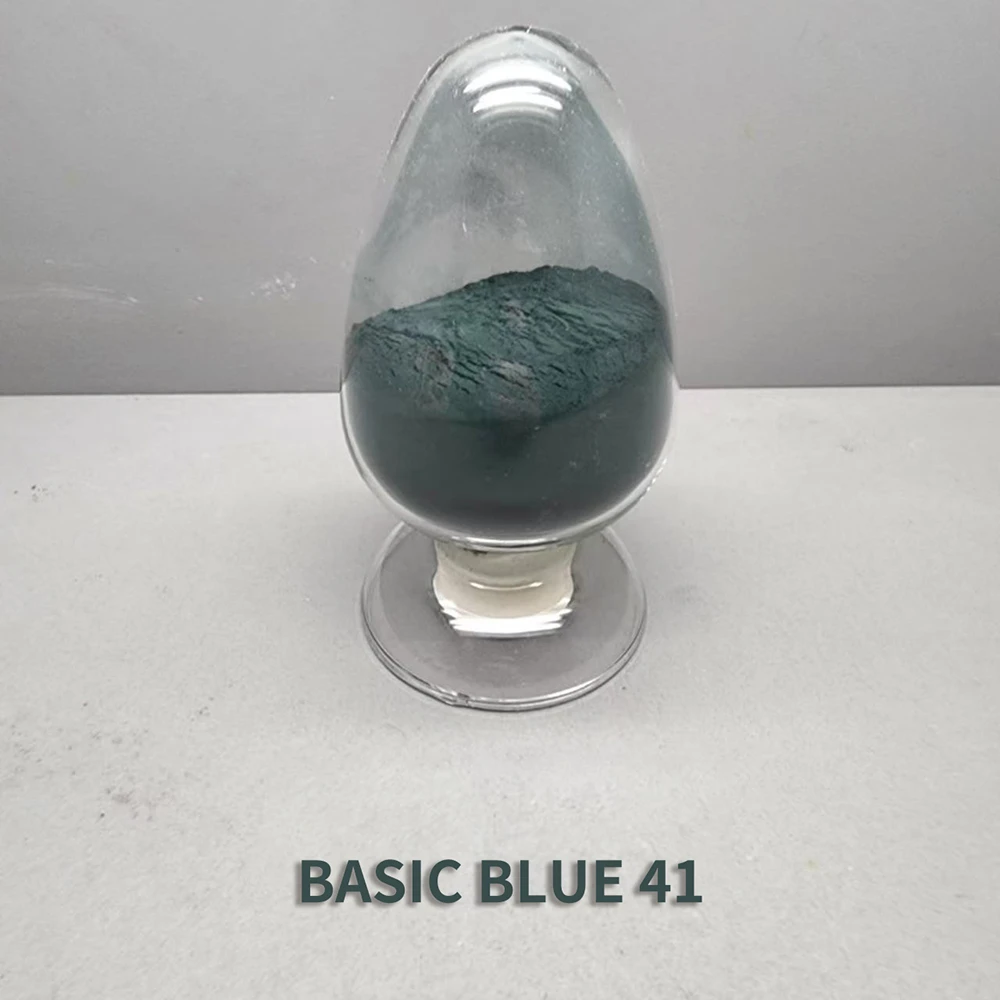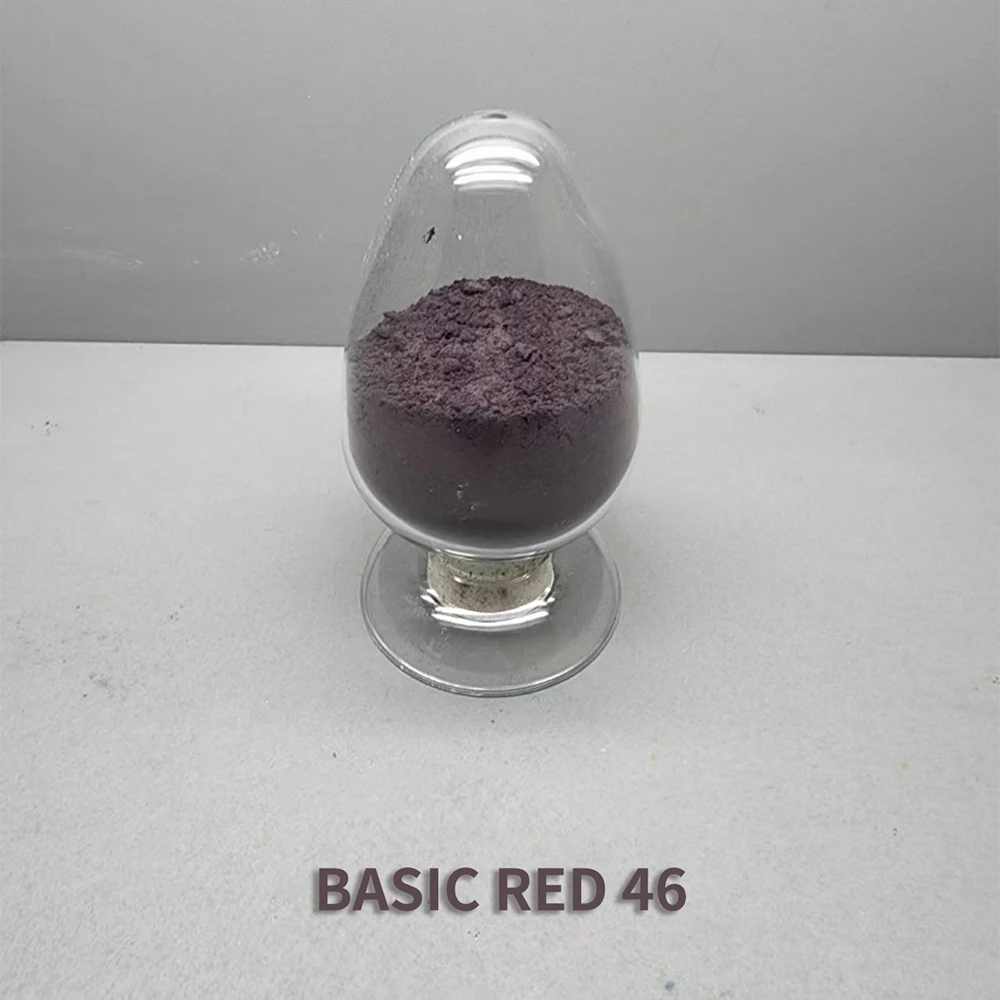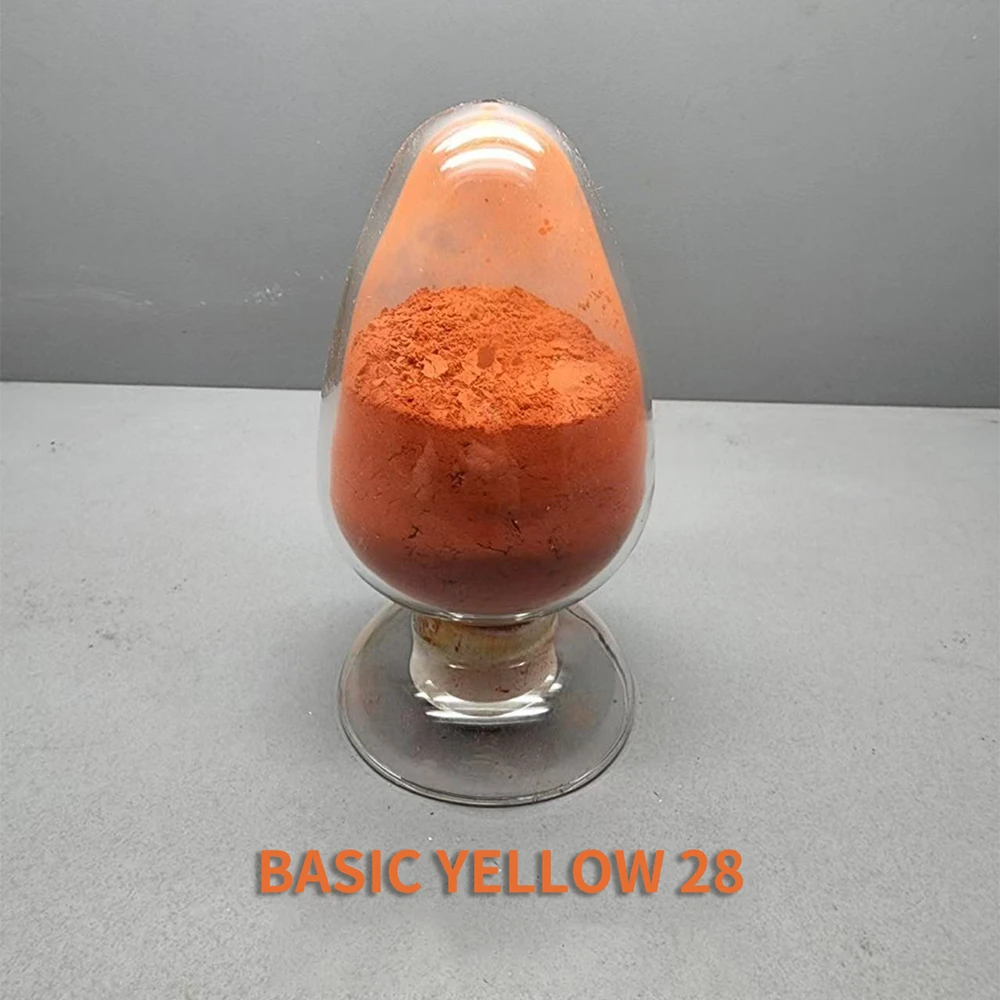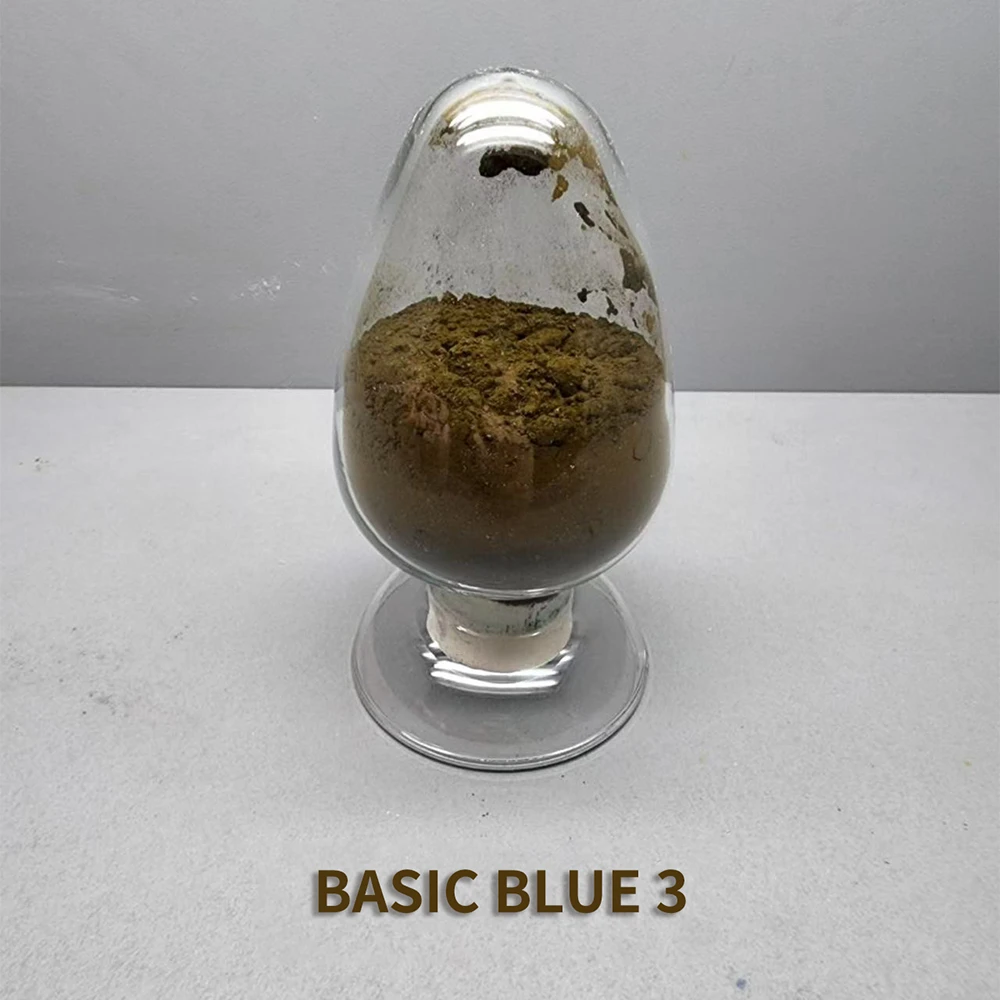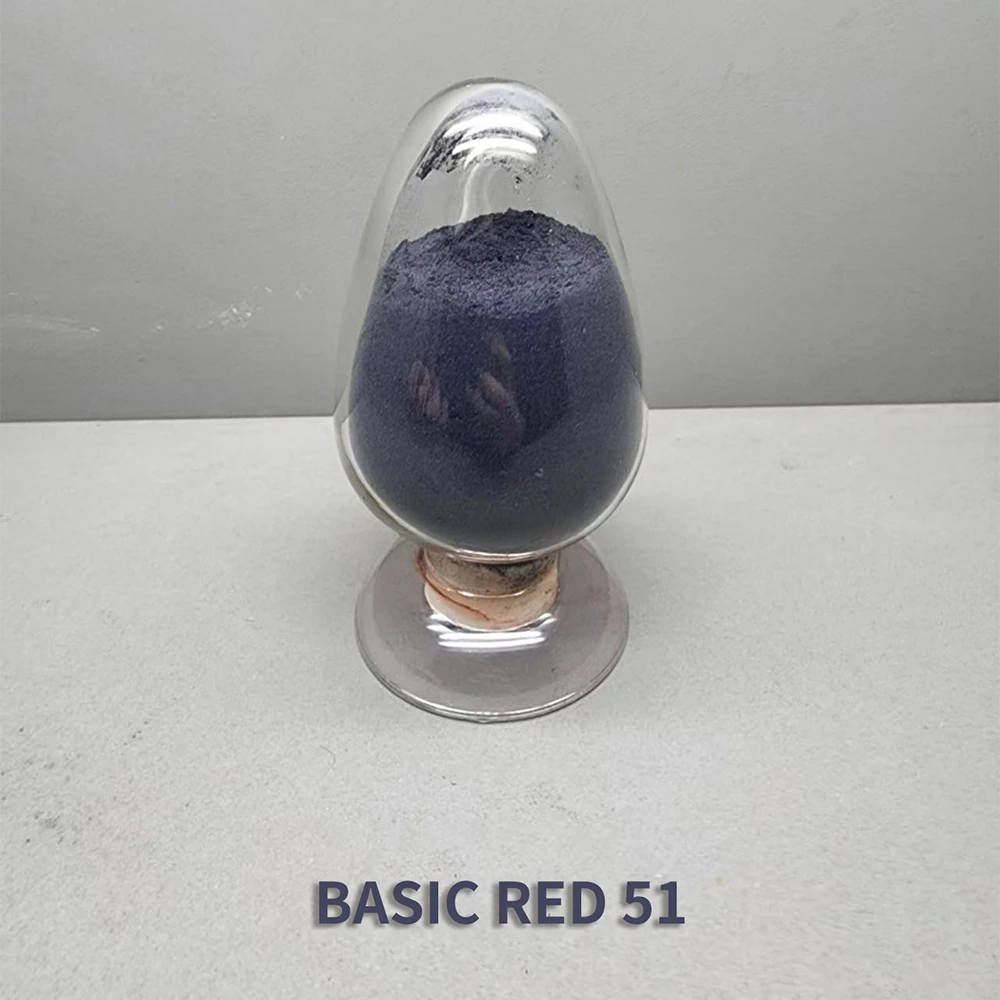
Professional Fabric Dye Solutions for Durable, Sustainable Textiles
The Role of Professional Fabric Dye in Today’s Textile World
When you think about the clothes you wear every day or the fabrics surrounding you at work and home, it’s easy to overlook the science and craftsmanship behind their colors. Professional fabric dye, quietly essential, is the thread weaving together quality, durability, and sustainability in textiles worldwide. This topic matters hugely on a global scale because fabric coloration affects everything from fashion trends and industrial standards to ecological footprints and supply chain resilience.
Understanding professional fabric dye unlocks better choices for manufacturers, designers, and purchasers alike — ensuring colorfastness, safety, and innovation come together in the textiles we depend on.
Why Professional Fabric Dye is Crucial Globally
The textile industry is a giant. According to the World Bank, textile and apparel production contributes directly to millions of jobs worldwide and substantial economic output — but with a hefty environmental impact. The use of professional fabric dye stabilizes this ecosystem by improving dyeing precision, reducing waste, and enhancing fabric lifespan.
Yet, challenges remain. Poor dye quality can cause toxic pollution and costly returns for brands. Consumers increasingly demand sustainable and vibrant fabrics that last. The International Organization for Standardization (ISO) has even set standards for dye quality to promote safer, eco-friendly practices in textile finishing.
To put it plainly, professional fabric dye confronts key global issues: environmental protection, economic efficiency, and social responsibility.
What Exactly is Professional Fabric Dye?
At its core, professional fabric dye refers to specialized chemical formulations designed specifically for industrial-grade textile coloration. Unlike craft dyes or home kits, these dyes are engineered for consistency, strength, and compatibility with modern fibers like polyester, nylon, and blends.
They are not only about bright colors but also about durability, safety, and compatibility with mass manufacturing processes. Professional fabric dye thus plays a pivotal role not just in fashion but also in sectors like medical supplies, automotive textiles, and outdoor gear.
Key Aspects of Professional Fabric Dye
Durability
A fabric color is only as good as its staying power. Professional dyes undergo rigorous tests for wash fastness, light resistance, and rubbing strength. This durability means garments and products withstand daily wear without fading and maintain their appearance for longer.
Scalability
From small batches to millions of meters of fabric, professional fabric dyeing methods scale efficiently. Consistency across large volumes is crucial — imagine the nightmare of a production run where colors vary wildly mid-way through.
Cost Efficiency
At first, professional dyes might seem pricier than basic dyes, but their concentration and precision reduce wastage and reprocessing. This gain balances the ledger over time and is favored by many manufacturers who track detailed cost savings.
Environmental Compliance
Regulations like REACH and OEKO-TEX guide the chemical profiles of professional dyes — minimizing toxins and enabling more sustainable production cycles. Modern dyes can be tailored to reduce water usage and avoid harmful heavy metals, a growing concern in countries with textile hubs.
Compatibility
Some dyes only work on specific fibers, while top-tier professional fabric dye formulations boast versatility. This is particularly vital as blends of natural and synthetic fibers grow in popularity.
Customizability
Many companies demand bespoke shades, whether neon brilliance or muted earth tones. Professional fabric dyes can be mixed and modified to exact customer requests — a subtle art that blends chemistry and creativity.
Mini takeaway:
Professional fabric dye is more than color—it’s a sophisticated intersection of chemistry, economics, and sustainability, influencing quality at every stitch.
Global Applications & Real-World Examples
These dyes find homes everywhere: from high-end fashion ateliers in Italy to sprawling textile complexes in Bangladesh, from hospital gowns that need constant sterilization to heavy-duty fabrics used in automotive interiors.
Consider disaster relief: organizations supplying tents and clothing benefit from fabric dyed with long-lasting yet safe dyes that can endure harsh conditions. Sportswear brands in North America also deploy professional dyes optimized for moisture resistance and UV protection.
In remote industrial zones of Southeast Asia, where textile work remains a backbone of livelihoods, sustainability-conscious dyeing practices minimize environmental damage while boosting local industry’s global competitiveness.
Why Choose Professional Fabric Dye? The Long-Term Benefits
- Cost-effectiveness: Though initial costs may appear steeper, savings on waste, reworks, and logistic returns add up.
- Longevity: Fabrics keep their colors — sometimes for years.
- Environmental gains: Less harmful effluents contribute to cleaner ecosystems.
- Social impact: Safer working conditions and compliance with international standards foster trust.
On a personal note, I often notice the subtle pride textile workers show when discussing their dye practices — it’s a blend of tradition and tech progress that truly powers the industry.
What’s Next? Emerging Trends & Innovations
The future of fabric dye is leaning hard into sustainability. Waterless dye technologies, digital inkjet printing on textiles, and bio-based dye compounds from algae or bacteria are becoming hot topics. These innovations promise to shrink the ecological footprint while expanding creative possibilities.
Also, the rise of automation allows for precision dosing and waste reduction, pushing costs down and consistency up. I find this fascinating: we’re basically merging centuries-old coloring techniques with cutting-edge tech — an intriguing paradox.
Common Challenges & How Experts Tackle Them
Challenges like color mismatch, chemical residues, and energy usage still tug at the industry’s sleeve. But advancements in quality control, like real-time spectrophotometry and closed-loop water treatment, provide robust solutions. Many dye manufacturers are also working hand in hand with NGOs and governments to promote eco-friendly policies.
Professional Fabric Dye: Product Specification Table
| Specification | Detail |
|---|---|
| Type | Reactive, Disperse, Acid, and Vat dyes |
| Color Range | Full Pantone Color Gamut |
| Environmental Compliance | ISO 14001, OEKO-TEX certified |
| Water Usage | Low water formula available |
| Wash Fastness | Grade 4–5 (out of 5) |
| Delivery Form | Powder and liquid concentrates |
Vendor Comparison for Professional Fabric Dye
| Vendor | Price Range (per liter) | Eco Certification | Customization Options | Global Shipping |
|---|---|---|---|---|
| ColorMax | $50–$70 | ISO 14001, OEKO-TEX | High | Yes |
| EcoHue | $60–$80 | GOTS Certified | Medium | Limited |
| DyePure | $45–$65 | OEKO-TEX | High | Yes |
Frequently Asked Questions About Professional Fabric Dye
1. What makes professional fabric dyes different from consumer-grade dyes?
Professional dyes are formulated for industrial scalability, durability, and compliance with environmental standards. Unlike hobby dyes, they ensure consistent, long-lasting coloration suited for mass textile production.
2. Are professional fabric dyes safe for sensitive skin?
Yes, reputable professional fabric dyes comply with certifications like OEKO-TEX Standard 100, which tests for harmful substances, making them safe even for kids’ clothing and medical textiles.
3. Can professional fabric dyes be used on all fabric types?
While some dyes specialize for cotton or polyester, many modern professional dyes cover a broad spectrum of fibers, including synthetic blends. Always check compatibility before application.
4. How do professional fabric dyes contribute to sustainability?
They often minimize water and chemical use, comply with strict pollutant discharge standards, and enable longer-lasting fabric colors, reducing waste and environmental impact.
5. Where can manufacturers purchase professional fabric dyes?
Many vendors provide industrial-grade dyes globally, and interested buyers can explore suppliers or consult companies offering custom formulations like professional fabric dye.
Wrapping It Up
We've touched on how professional fabric dye isn’t just about putting color on textiles. It’s a blend of chemistry, compliance, and craftsmanship that shapes global industries and helps reduce environmental footprints. Whether you’re a manufacturer, designer, or an enthusiast seeking durability and sustainability, picking the right dyes can transform products and protect ecosystems.
Curious about upgrading your fabrics with reliable, sustainable options? Visit our website for expert-grade professional fabric dye solutions tailored to your needs.
References
-
Pink Fabric Dye - Durable, Eco-Friendly Textile Solutions for Industry | YanhongchemNewsDec. 04, 2025
-
Burgundy Fabric Dye – Durable, Vibrant Solutions for Textile Industry | YanhongchemNewsDec. 11, 2025
-
Basic Dye Factory: High-Quality Dyes from YanHong Chemical for Industrial UseNewsDec. 03, 2025
-
Black Basic in Industrial Equipment: Essentials and InsightsNewsDec. 13, 2025
-
Understanding Synthetic Clothes Dye Composition Benefits and Sustainable PracticesNewsMar. 08, 2026
-
Sage Green Fabric Dye: Durable and Eco-Friendly Textile ColoringNewsDec. 05, 2025