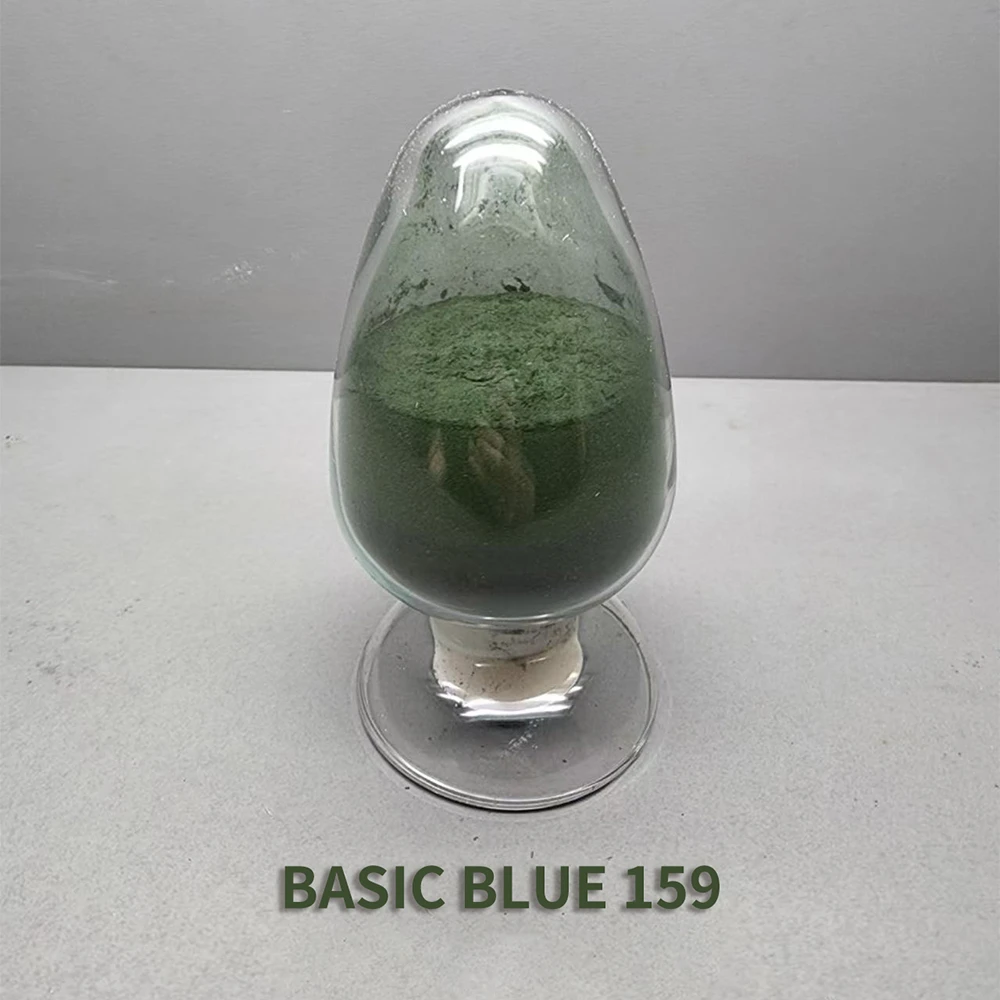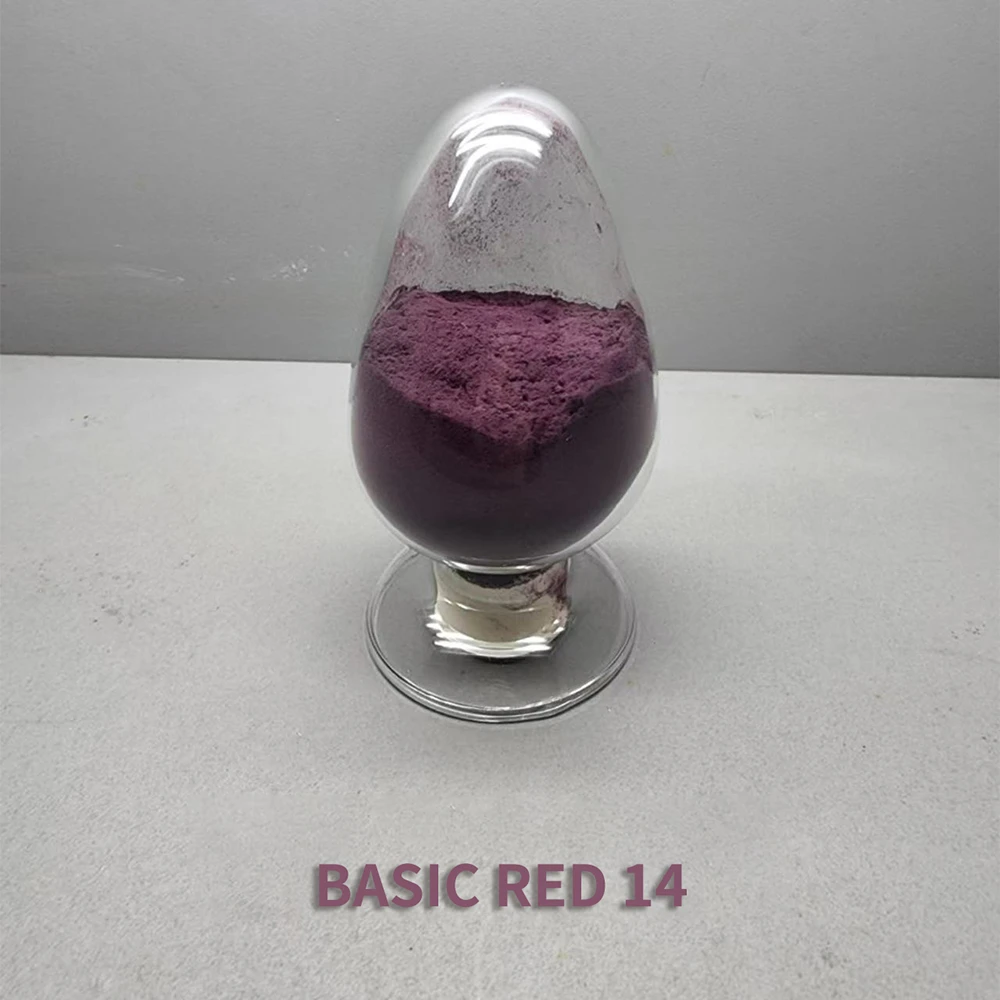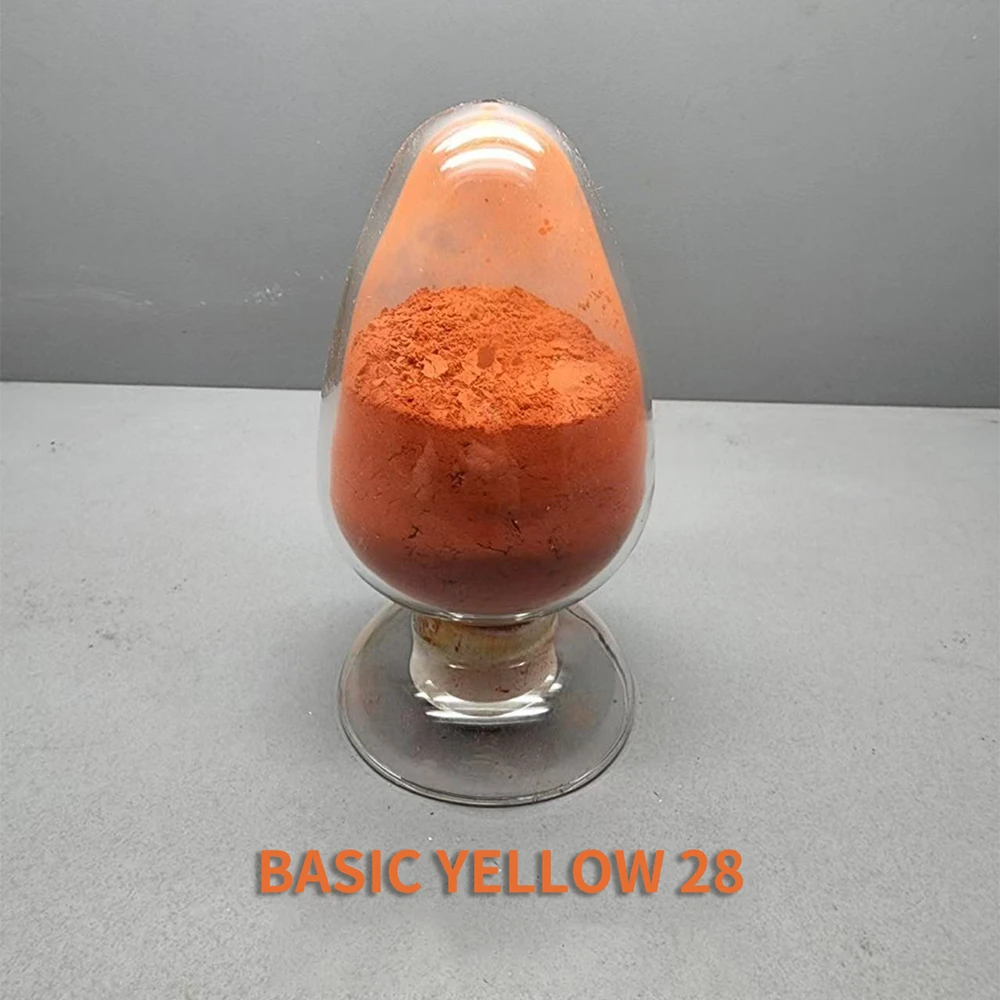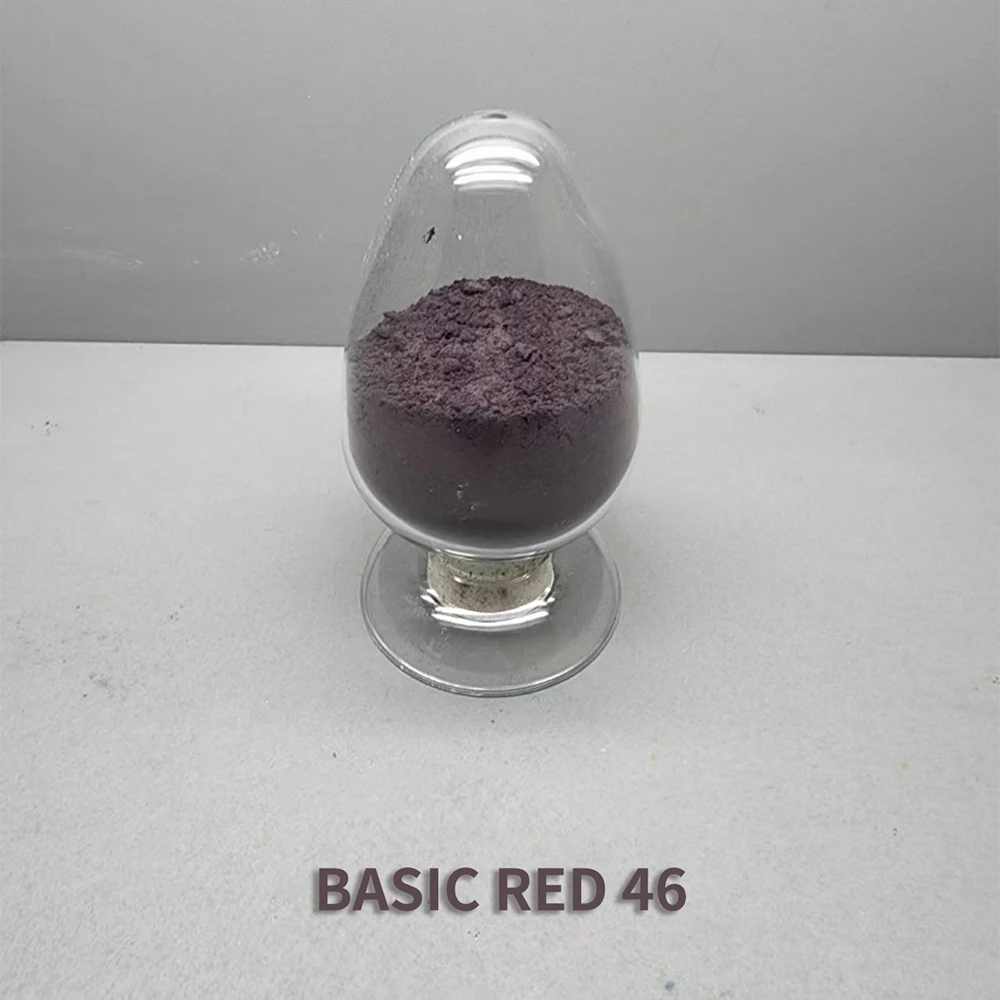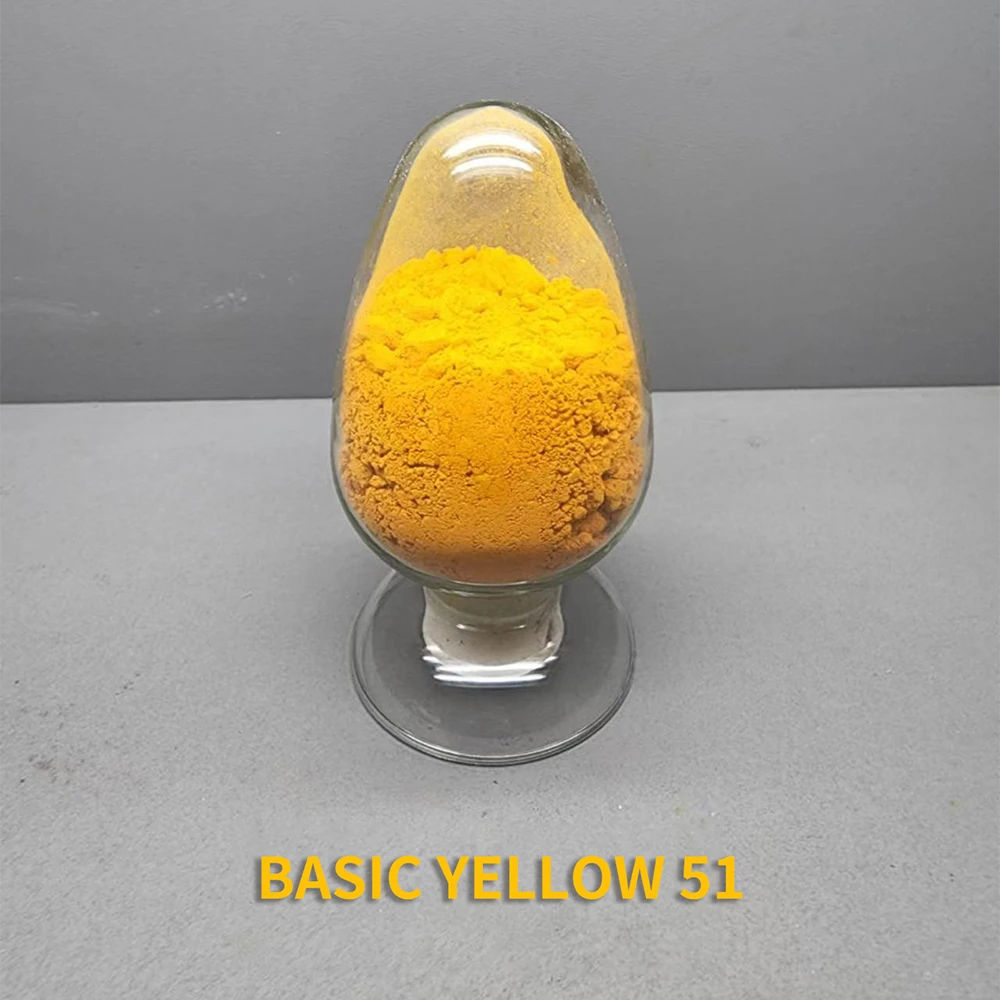
Ochre Fabric Dye – Sustainable, Durable, and Eco-Friendly Textile Pigments
Understanding Ochre Fabric Dye: More Than Just Color
If you paused for a moment and thought about the dyes coloring your clothes, textiles, and even art canvases, you might have missed the humble yet historically rich role of ochre fabric dye. It’s a pigment with roots stretching back to ancient times, but why does it still matter globally? Because ochre fabric dye isn’t just about aesthetics—it’s about sustainability, cultural heritage, and a growing industry demand for natural and durable dyes that respect both environment and tradition. From eco-conscious fashion brands to humanitarian textile projects, mastering this dye means understanding a broader story of innovation meeting legacy.
The Global Context of Ochre Fabric Dye
The textile and fashion industry is responsible for nearly 10% of global carbon emissions and significant water pollution (source: UNEP), pushing suppliers to seek more sustainable dyeing solutions. Ochre fabric dye, being derived from natural iron oxide pigments found worldwide, offers a low-impact alternative to synthetic dyes that often rely on petrochemicals and heavy metals. Interestingly, ochre deposits appear on every continent, making this dye accessible to a broad spectrum of industries and regions—from Southeast Asia’s artisanal producers to large industrial manufacturers in Europe.
On another note, humanitarian organizations often turn to natural dyes like ochre during disaster relief textile projects, where synthetic resources are scarce, but local materials prevail. The challenge it helps solve is clear: providing safe, affordable, and environmentally sound dyeing options in areas where modern chemical infrastructure is limited or harmful.
Mini Takeaway:
Ochre fabric dye bridges the gap between sustainability needs and cultural practices globally, serving both eco-minded industries and communities with fewer resources.
What Exactly is Ochre Fabric Dye?
At its core, ochre fabric dye is a pigment derived primarily from iron oxide minerals mixed with clay and hydrated silica. The name 'ochre' covers a spectrum from pale yellow to deep rusty orange, offering versatility in textile coloring. Unlike synthetic dyes, it’s prized for its stability, UV resistance, and natural origin.
For industries today, ochre fabric dye isn’t just a colorant—it represents a connection between early handcraft methods and modern eco-friendly production techniques. It has found new life in the textile industry’s shift towards biodegradable, skin-safe materials, especially for outdoor apparel and traditional garments requiring millennia-old durability.
Mini Takeaway:
Ochre fabric dye is a natural pigment with proven durability, supporting modern sustainability goals while honoring centuries of human artistry.
Key Factors Behind Ochre Fabric Dye’s Popularity
Durability and Fastness
One of the charms of ochre dyes is their resistance to fading—both to sunlight and washing. Fabrics dyed with ochre often show remarkable longevity, making them ideal for outdoor wear and utility textiles.
Scalability and Source Accessibility
Since ochre pigments can be sourced from abundant natural deposits worldwide, manufacturers can scale production without worrying about synthetic chemical shortages or volatile market prices.
Cost Efficiency
Compared with chemical dyes requiring costly synthesis and disposal methods, ochre dye emerges as a relatively inexpensive alternative, especially for regions leveraging local mineral resources.
Environmental Compatibility
The dyeing process typically demands fewer harsh chemicals and generates less toxic water effluent—addressing increasing regulatory pressures in major textile hubs.
Cultural Significance
Many indigenous communities rely on ochre pigments for traditional garments and ceremonial textiles, keeping ancient dyeing techniques alive and relevant.
Mini Takeaway:
- Ochre dye offers a rare blend: time-tested durability, environmental friendliness, and cost advantages.
Global Applications & Use Cases for Ochre Fabric Dye
Across continents, ochre fabric dye powers a wide array of applications:
- Artisanal Textiles: In West Africa and Australia, ochre-dyed textiles carry cultural symbolism and are often sold globally as heritage crafts.
- Eco-Fashion Brands: Startups and established labels in Europe and North America increasingly use ochre pigments to attract customers demanding natural dyes.
- Humanitarian Relief: Post-disaster relief organizations prefer ochre dyes when providing clothing and blankets in places lacking chemical processing infrastructure.
- Industrial Workwear: Durable fabrics dyed in ochre hues are used in mining and construction sectors, benefiting from the pigment’s stain and fade resistance.
Mini Takeaway:
From artisan to industrial, ochre fabric dye suits an inspiring range of industries, often combining cultural value and practical durability in one package.
Ochre Fabric Dye: Advantages & Long-Term Value
What’s clear after listening to industry insiders is how ochre fabric dye contributes to both emotional and logical value:
- Sustainability: Reduced chemical pollution and reliance on petrochemicals make ochre a green choice.
- Economic Uplift: Local sourcing supports rural economies and smallholder mining communities.
- Consumer Trust: Buyers feel safer choosing dyes free of allergens and harsh chemicals.
- Dignity and Identity: Maintaining traditional practices enhances social heritage.
In other words, it’s about creating value that lasts — not just on the textile, but in the supply chain and human stories attached.
Looking Ahead: Future Trends & Innovations
Interestingly, ochre fabric dye spots a few emerging trends:
- Microbial Synthesis: Research into bacteria-produced iron oxides could revolutionize pigment purity and sustainability.
- Digital Color Matching: Advances in software enable brands to replicate ochre tones precisely without compromising natural characteristics.
- Eco-Certifications: Expanded ISO and GOTS standards now certify ochre dyeing processes, helping brands market authenticity.
- Hybrid Dyes: Combining ochre with organic botanical extracts for customized hues and finishes.
Challenges & How Experts Tackle Them
No product is without challenges. For ochre fabric dye, these include consistency of tone (natural mineral sources vary), scalability outside traditional sites, and sometimes a muted color range compared to synthetic dyes.
Innovative minds are working on better mineral processing methods, quality controls, and combining ochre pigments with mordants and binders to expand versatility. The aim: keep all the good stuff—durability, sustainability—without losing the vibrancy and convenience brands need.
FAQ: Frequently Asked Questions About Ochre Fabric Dye
- What fabrics work best with ochre dye?
Ochre dyes bond naturally with cotton, wool, linen, and silk, offering durable coloration. Synthetic fibers are less receptive without special treatments. - How eco-friendly is ochre fabric dye compared to chemical dyes?
Generally, ochre dyes use less water and no harmful fixatives. Their natural origin reduces chemical runoff and toxicity risks—key for greener textile production. - Is ochre dye safe for sensitive skin?
Because it contains natural iron oxides with minimal additives, ochre fabric dye tends to be hypoallergenic and safer for those prone to irritation. - Can ochre fabric dye colors last through multiple washes?
Yes, ochre pigments are known for their light and wash fastness, particularly when applied and fixed properly. - Are there suppliers offering responsibly sourced ochre fabric dye?
Yes, several vendors now market certified sustainable ochre pigments. Always check for eco-labels and provenance claims to ensure ethical sourcing.
Product Specification Table
| Property | Value | Notes |
|---|---|---|
| Color Range | Yellow to Deep Red/Orange | Dependent on iron oxide concentration |
| Lightfastness | High (7-8 on Blue Wool Scale) | Excellent UV resistance |
| Washfastness | High | Suitable for industrial laundering |
| Typical Dosage | 3-8% Weight of Fabric | Varies by desired depth of shade |
| pH Range | 4-7 | Mildly acidic to neutral preferred |
| Environmental Profile | Biodegradable, Low Toxicity | Supports sustainable textile processing |
Vendor Comparison: Leading Ochre Fabric Dye Suppliers
| Vendor | Sustainability Certification | Typical Lead Time | Price Range (per kg) | Global Reach |
|---|---|---|---|---|
| Yanhong Chemicals | ISO 14001, GOTS Approved | 2-3 Weeks | $12 - $18 | Asia, Europe, Americas |
| EcoPigments Ltd. | Fair Trade Certified | 3-4 Weeks | $15 - $20 | Europe, North America |
| MineralHue Co. | No Official Certification | 1-2 Weeks | $10 - $14 | Asia and Local Markets |
Wrapping Up: Why Focus on Ochre Fabric Dye Now?
There’s an undeniable magic in a pigment that’s been coloring garments and stories for thousands of years, yet still finds relevance in today’s high-tech, eco-aware world. Ochre fabric dye embodies that balance between durability, sustainability, and culture. For textile producers, developers, or even curious consumers, embracing ochre means participating in a narrative that champions natural beauty while confronting urgent environmental challenges.
To learn more about sourcing, certifications, and applications of ochre fabric dye, visit Yanhong Chemicals. Being informed is the first step toward a more colorful and sustainable textile future.
Mini Final Reflection:
Sometimes, the oldest solutions carry the freshest promise—especially when they’re ochre-colored.
References
-
Achieving Vibrant Results with the Right Satin Fabric Dye SelectionNewsJan. 30, 2026
-
Fabric Dye For Curtains – High-Performance Solutions for Textile Manufacturers | YanhongchemNewsJan. 05, 2026
-
Neon Fabric Dye: Industrial-Grade Bright Textile Solutions | YanhongNewsDec. 09, 2025
-
Achieving Vibrant Color with Mint Green Dye for Clothes A Comprehensive GuideNewsMar. 31, 2026
-
Basic Red 46 Dye - High-Purity, Bright Shade, Fast DeliveryNewsNov. 13, 2025
-
Comprehensive Guide to Grey Fabric Dye: Industry Insights & SustainabilityNewsDec. 04, 2025