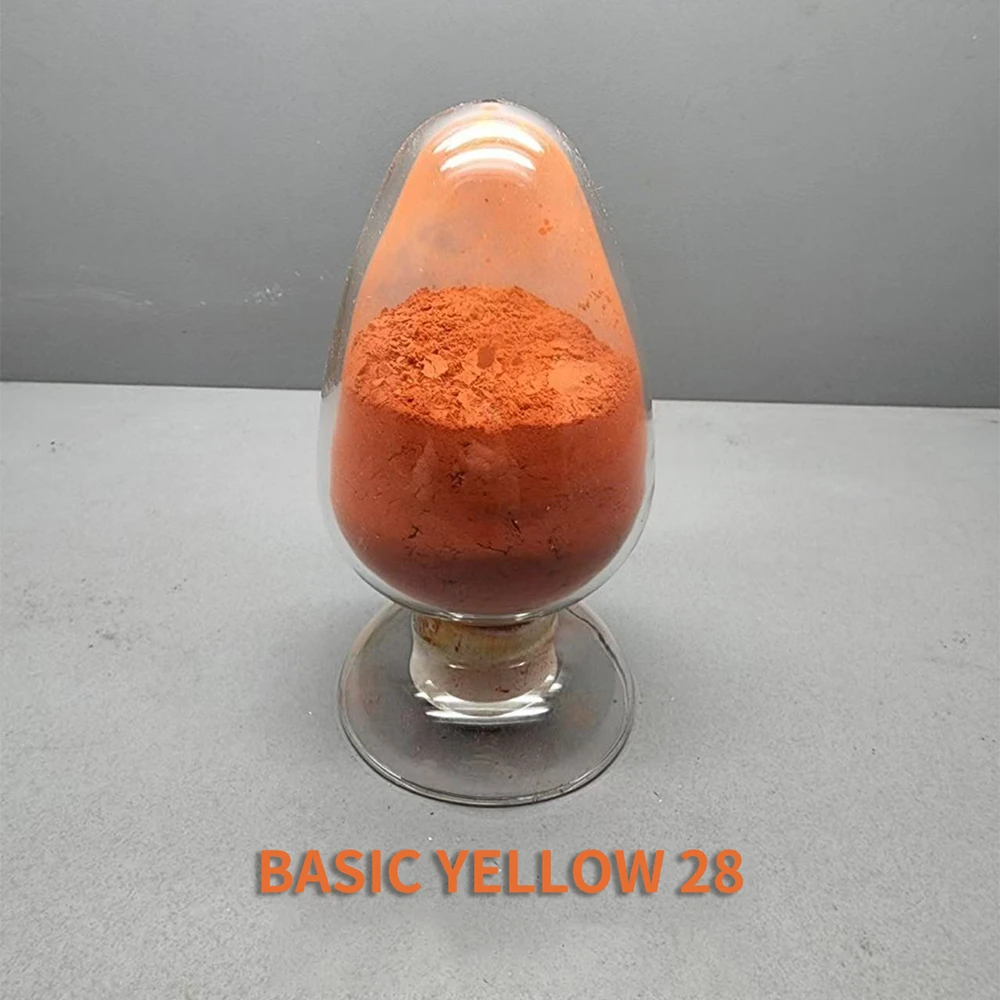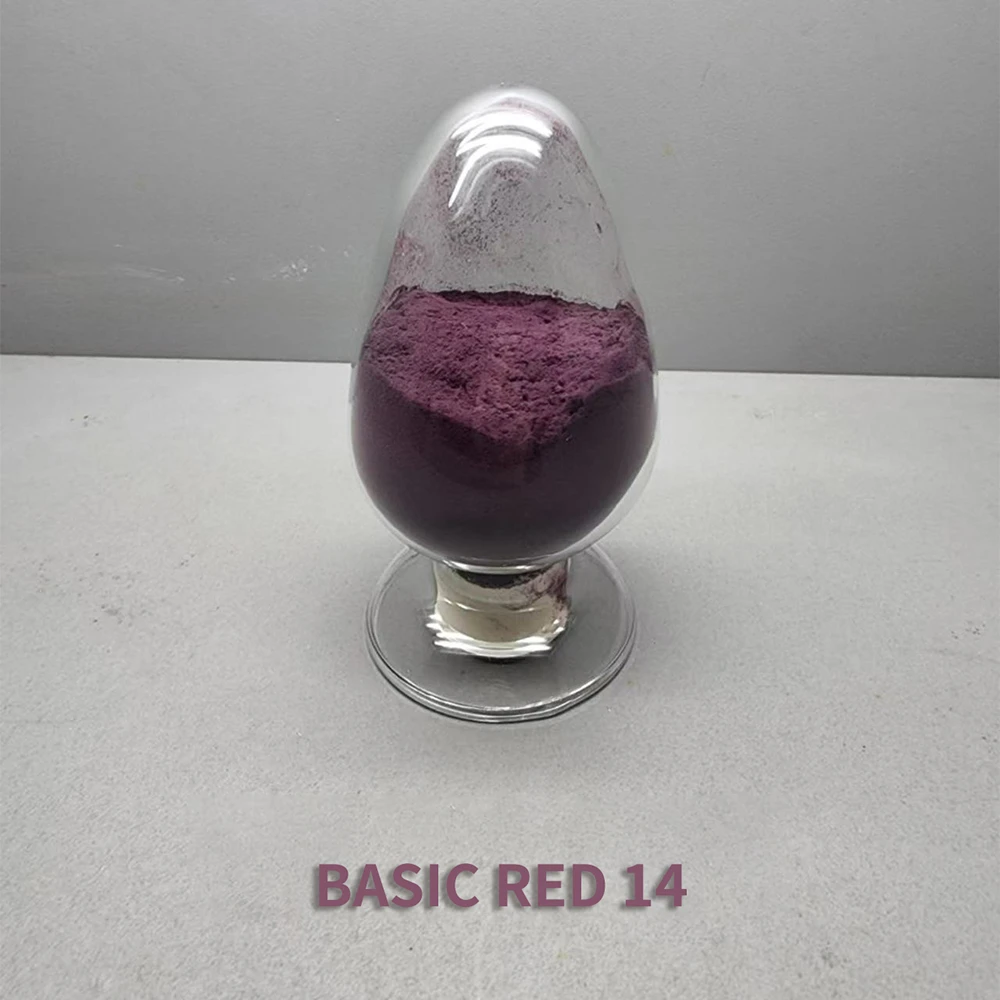
Nov . 29, 2025 07:40
Back to list
Neon Fabric Dye – Vibrant, Durable & Eco-Friendly Textile Solutions
Shedding Light on Neon Fabric Dye: Why It’s More Than Just Bright Colors
If you’ve ever admired clothing that practically glows under nightclub lights or spotting safety gear that’s visible from a mile away, you’ve encountered neon fabric dye in action. But beyond the eye-catching neon hues, these dyes symbolize an intriguing crossroads of chemistry, industry, and even humanitarian needs. Globally, neon fabric dye doesn’t just brighten textiles — it enhances safety, durability, and sustainability in ways that are increasingly important in a world attentive to visibility and environmental impact. Neon fabric dye has a particular relevance across industries such as fashion, safety equipment, and even signage, influencing global supply chains and standards for visibility and colorfastness. As the demand surges for materials that combine aesthetic appeal with functional reliability, understanding neon fabric dye helps brands, manufacturers, and users better meet these expectations. ---The Big Picture: Why Neon Fabric Dye Matters on a Global Scale
Worldwide, textile production accounts for a significant slice of industrial activity; the UN estimates the global fashion and textile market at 1.5 trillion dollars annually. Neon fabric dyes, because of their unique vibrant properties, serve critical roles in visibility and branding, industries that depend heavily on color retention and brightness. But here’s the challenge: many neon dyes have traditionally required heavy chemical processes, often with environmental and health downsides. The industry is pivoting now — ISO data show increasing certification of low-impact dyeing techniques, and sustainable neon dyes are becoming a true thing. This shift meets rising demands especially from safety gear manufacturers and outdoor apparel producers, who need highly visible fabrics that are also durable and safer for the planet. In real terms, neon fabric dye helps solve visibility issues in sectors like construction, emergency services, and fashion retail — and it happens at a scale where failing to nail those properties can have costly or tragic implications. ---Neon Fabric Dye: What Is It Exactly?
So what are we talking about here? Neon fabric dye is a type of chemical colorant designed to produce exceptionally bright, often fluorescent shades on textile fibers. Unlike regular dyes, neon dyes often contain compounds that fluoresce under UV light, making the fabric glow with an almost electric vibrance. These dyes relate closely to modern textile manufacturing trends that demand fast color uptake, broad fabric compatibility, and strong resistance to washing and sunlight fading. More recently, they’re marrying with eco-conscious processes, making the “neon” not just bold but also smarter and greener. Whether it’s the hi-vis jackets worn by mountain climbers or neon trims on festival apparel, these dyes occupy a curious niche — part utilitarian necessity, part fashion statement. ---Key Qualities that Shape Neon Fabric Dye’s Performance
1. Durability
Neon fabric dye needs to hold up against washing, UV exposure, and abrasion. Frankly, many engineers say durability is the toughest balance — keeping brightness yet preventing color bleed or degradation.2. Color Intensity & Fluorescence
Beyond typical color saturation, neon dye's glow under blacklight or sunlight is a big factor. This fluorescence makes them indispensable in safety and branding.3. Eco-Friendly Alternatives
Sustainability is increasingly baked into development. Water-based and low-impact neon dyes seek to reduce waste, toxicity, and energy usage while maintaining vividness.4. Compatibility with Fabrics
From synthetics like polyester to natural fibers like cotton, the chemistry must adapt to the substrate. Dye bonding can vary hugely, which impacts overall effectiveness.5. Cost Efficiency
Neon dyes tend to be pricier than standard ones, but advances in chemical synthesis and dyeing technology are bringing costs down, which makes them accessible beyond niche markets. ---Bright Ideas in Real Life: Worldwide Applications of Neon Fabric Dye
- Safety Gear & Workwear: High-visibility vests and helmets for construction, traffic control, and emergency responders globally depend on neon dyes that meet international standards for luminous visibility. - Fashion & Streetwear: Trend-driven neon hues dominate youth culture wear from Tokyo to New York, boosting branding and recognition. - Event & Festival Clothing: Neon fabrics light up night events and concerts, providing both style and a subtle safety function. - Humanitarian Uses: In disaster-prone regions, neon markings on temporary shelters or equipment improve visibility during crises, contributing to greater safety. To illustrate, the European Union recently funded programs encouraging neon-dyed fabrics in public transportation uniforms, citing a significant reduction in accidents due to increased worker visibility during night shifts. Mini takeaway: Neon fabric dye is the silent hero in many global industries, blending style, safety, and function in one glowing package. ---Why Choose Neon Fabric Dye? The Tangible Benefits
- Safety First: Neons reduce accident risks by improving visibility in low-light settings. - Sustainability Progress: Modern neon dyes can comply with stringent environmental norms, offering a responsible choice. - Brand Impact: Neon colors help products stand out, fostering consumer recognition and trust. - Durability & Cost Savings: Longevity in color means reduced product replacement frequency, which saves money in the long run. - Emotional Connection: Wearing neon can enhance mood or provide reassurance, a subtle but real psychological effect. ---Peering Into the Future: Trends & Innovations in Neon Fabric Dye
Several exciting advances are bubbling up: - Bio-based Neon Dyes: Researchers are experimenting with dyes derived from natural fluorescence sources, aiming to reduce reliance on petrochemicals. - Digital Dyeing Technologies: Inkjet textile printers now handle neon dye with precision, cutting waste by printing designs only where needed. - Smart Fabrics: Integration with sensors could allow neon dyes to change brightness or color based on environment or wearer health signals. - Circular Economy: Recycling neon-dyed textiles and chemical recovery are becoming key discussion points in standardization meetings globally. ---Challenges—and How Industry Experts Tackle Them
Neon fabric dye, while vibrant, faces hurdles: - Environmental Impact: Traditional neon dye production can produce hazardous waste; newer waterless and solvent-free methods are evolving rapidly. - Color Fastness Variation: Not all fabrics sustain neon brightness equally, forcing detailed testing and fabric matching. - Cost Barriers: Though prices are dropping, neon dye remains a niche for many small-scale producers. The solution? Cross-disciplinary collaboration between chemists, textile engineers, and sustainability experts is leading to optimized formulations and smarter processes. ---Frequently Asked Questions About Neon Fabric Dye
- Q: How long does neon fabric dye last without fading?
A: Depending on the dye type and fabric, neon colors maintain brightness for 20-30 washes on average. Advances in fixation technology have improved this significantly over the past decade. - Q: Are neon fabric dyes safe for skin contact?
A: Most modern neon dyes used for clothing comply with international skin safety standards, but consumers with sensitive skin should test fabrics or check certifications. - Q: Can neon dyes be applied to natural and synthetic fabrics equally well?
A: Generally yes, but dye formulation varies; polyester often requires disperse dyes while cotton uses reactive or direct dyes. Specialized neon dyes exist for each. - Q: What makes neon fabric dye sustainable compared to traditional dyes?
A: Sustainable neon dyes minimize hazardous chemicals, use less water or energy, and are sometimes biodegradable—all reducing environmental footprint. - Q: Where can I buy neon fabric dye in bulk for industrial use?
A: Major chemical manufacturers and specialty suppliers serve industrial clients. For example, neon fabric dye solutions can be found through certified vendors like Yanhong Chemicals.
Product Specification Overview
| Specification | Typical Range | Notes |
|---|---|---|
| Color Range | Bright Yellow, Neon Green, Fluorescent Pink, Orange | Fluorescent Spectrum |
| Compatibility | Cotton, Polyester, Nylon | Varies by dye type |
| Fastness to Washing | 4-5 (ISO scale) | Good to excellent retention |
| UV Resistance | Moderate to high | Essential for outdoor uses |
| Environmental Profile | Low-VOC, Water-based options | Recent development focus |
Vendor Comparison: Leading Neon Fabric Dye Suppliers
| Supplier | Price Range (per kg) | Sustainability Certifications | Customization Options | Global Reach |
|---|---|---|---|---|
| Yanhong Chemicals | $30 - $50 | Oeko-Tex, GOTS | Yes, bespoke colors & formulations | Asia, Europe, Americas |
| Lumina Dyes Ltd. | $28 - $45 | ISO14001 | Limited | Europe, N. America |
| BrightGlow Chemicals | $35 - $60 | None Reported | Yes, but min order required | Asia only |
Wrapping Up: Why Neon Fabric Dye Brightens the Future
In a world increasingly focused on sustainability, safety, and style, neon fabric dye stands out as a fascinating solution that meets multiple demands at once. It’s more than just a splash of color — it’s a blend of science and art that helps save lives, boost brands, and reduce environmental impact. The landscape continues evolving, pushed by innovation and strict global benchmarks, promising even brighter and greener neon dyes tomorrow. When you think about it, these luminous colors tell quite a story, quietly weaving their way through industries and cultures, making them safer, more vibrant, and a bit more human. If you want to explore the vibrant possibilities of neon fabric dye, or you’re looking for a reliable supplier, I encourage you to visit Yanhong Chemicals — they’re making neon glow in a whole new light. ---References:
Latest news
-
Rhodamine B Cationic Dye - Industrial Grade & Reliable SuppliersNewsDec. 03, 2025
-
Fabric Dye For Tie Dye – Durable, Vibrant Solutions for Textile Industries | YanhongchemNewsJan. 03, 2026
-
Durable Fabric Dye for Chairs | Industry-Leading Chemical SolutionsNewsJan. 06, 2026
-
What Is Basic Blue? Understanding Its Industrial ImportanceNewsDec. 13, 2025
-
Ivory Fabric Dye - Durable, Eco-Friendly Textile Solutions | YanhongchemNewsDec. 10, 2025
-
A Comprehensive Guide to Achieving Beautiful Pastel Dye for ClothesNewsApr. 07, 2026