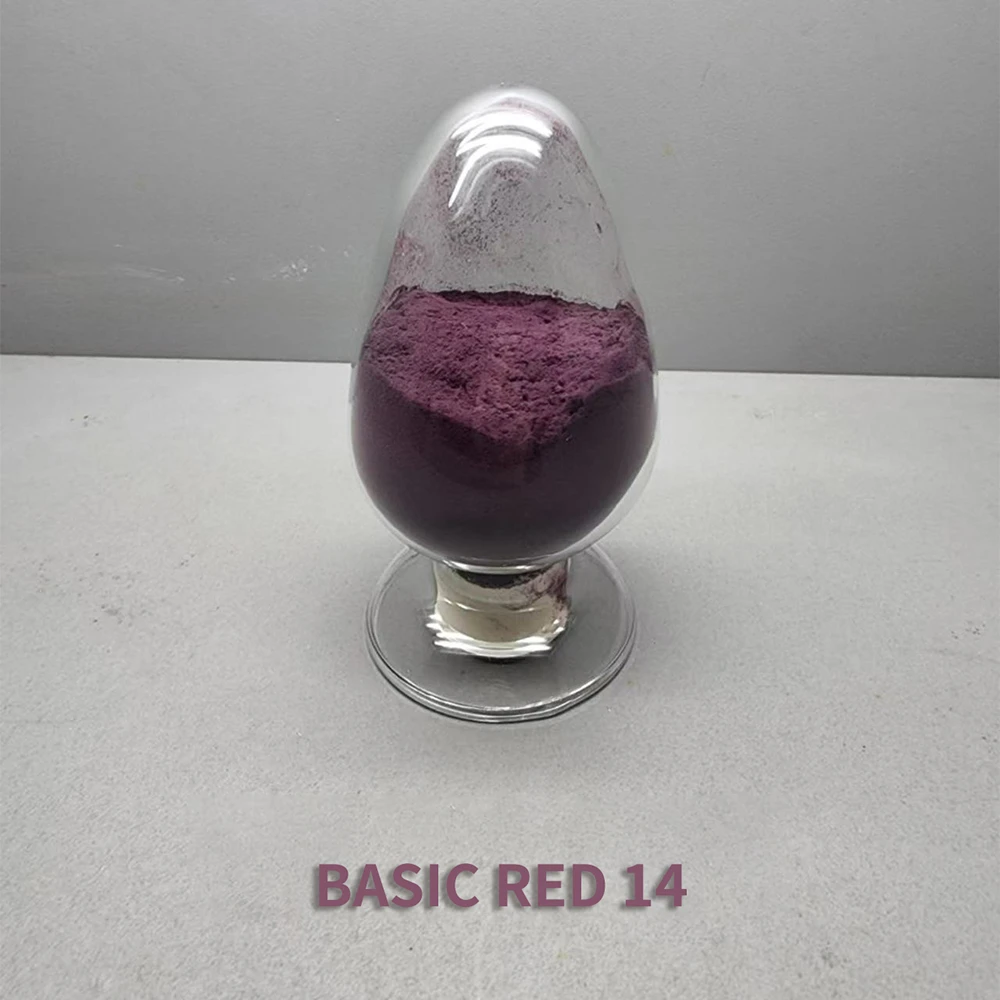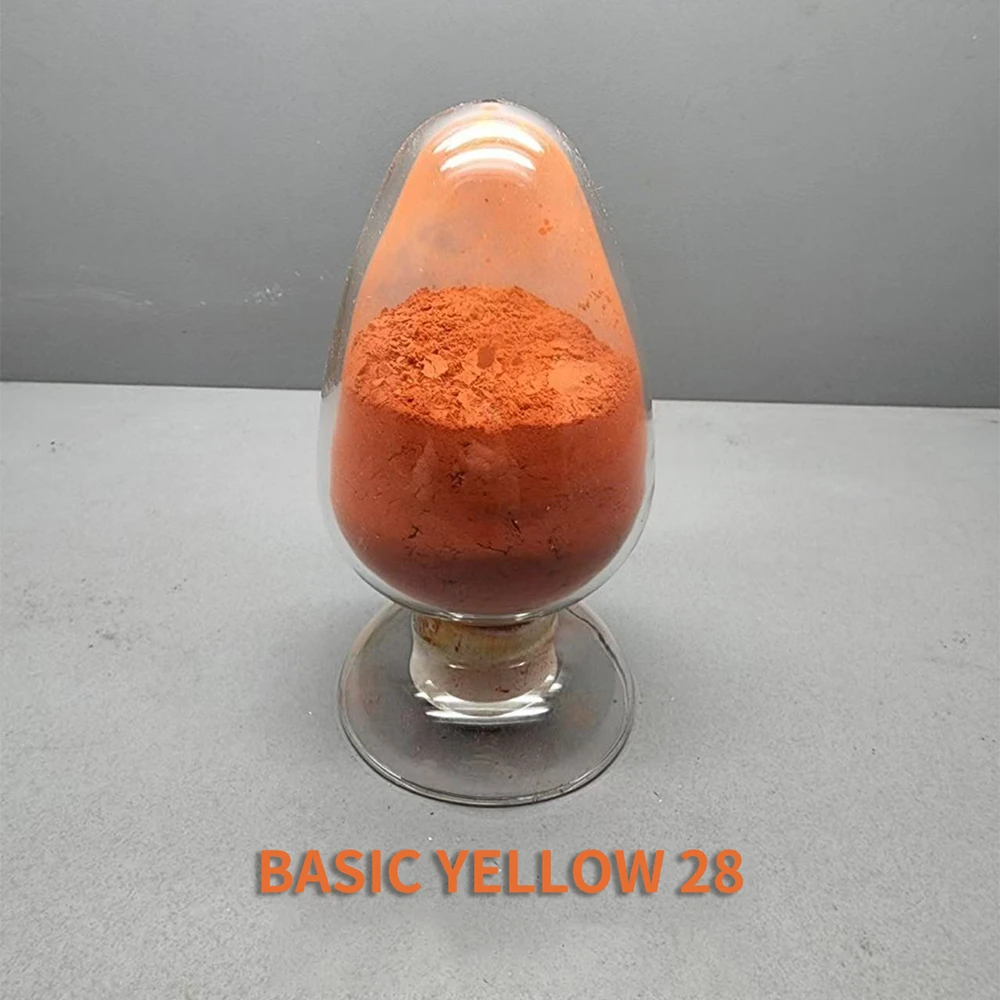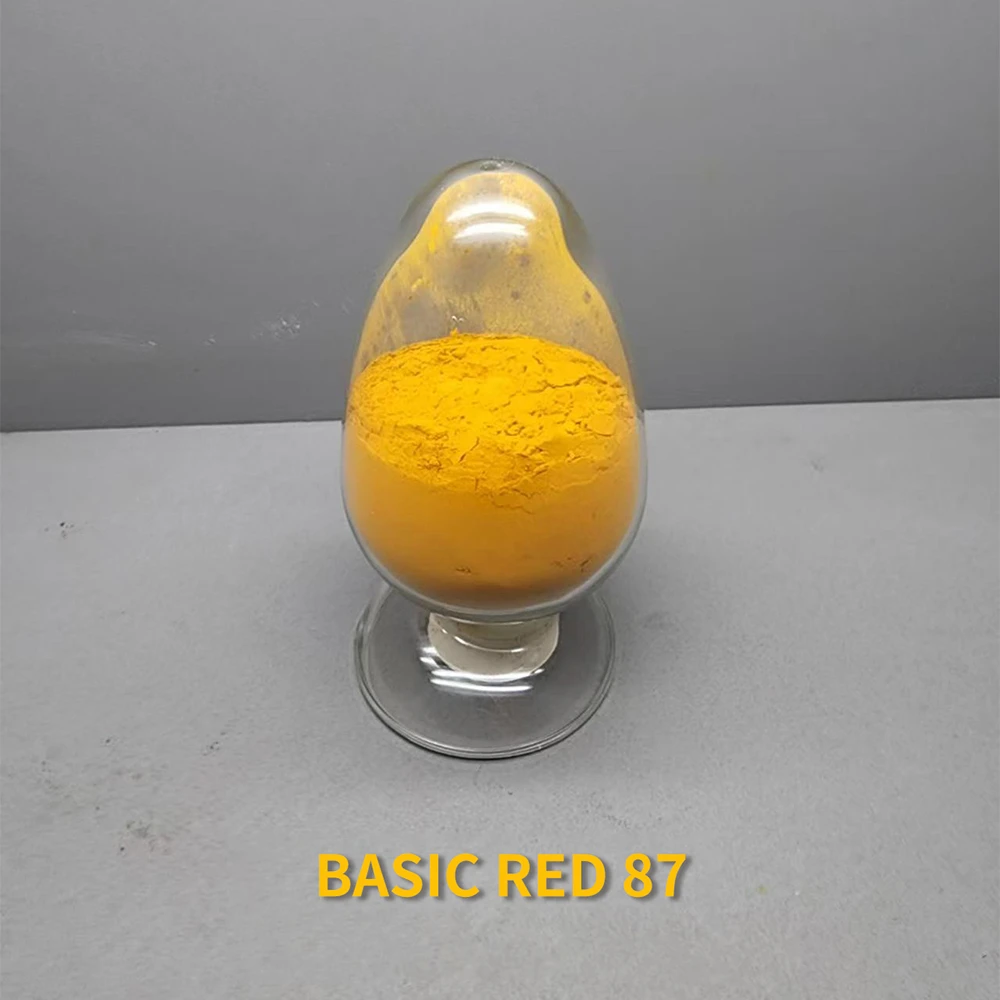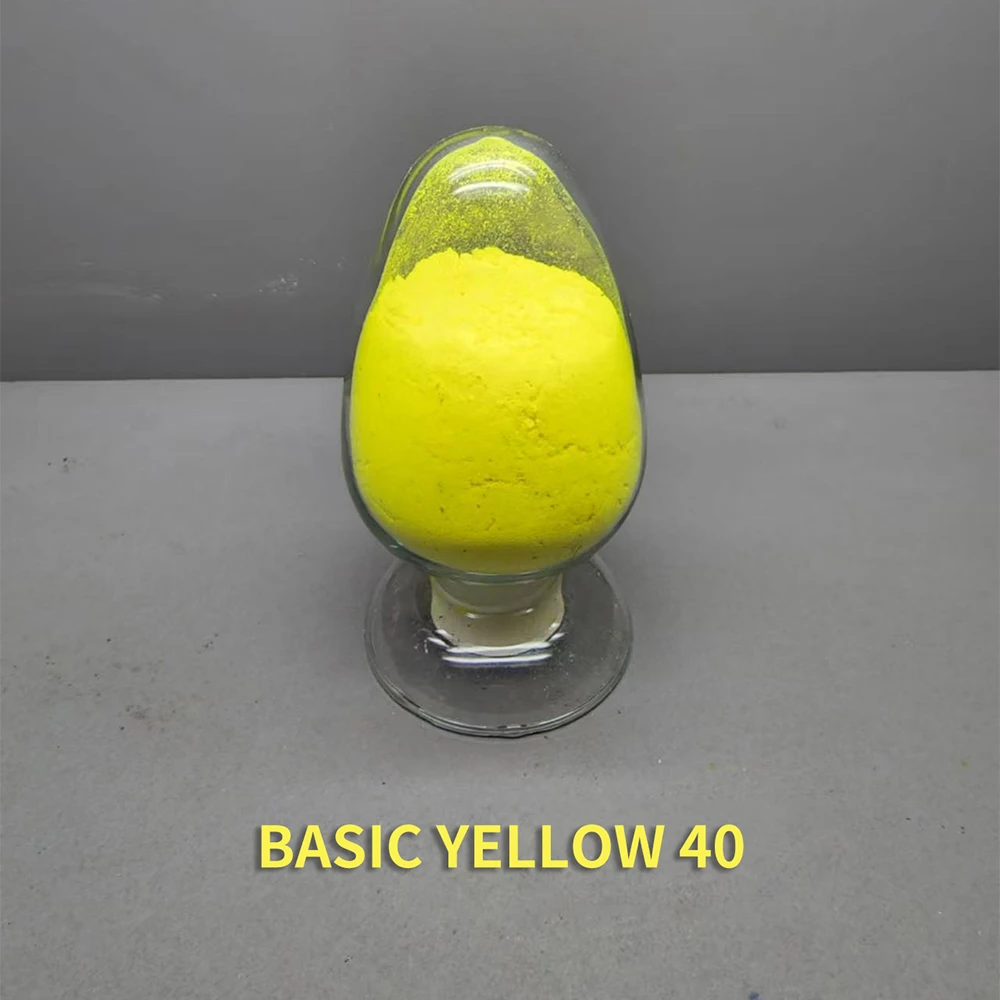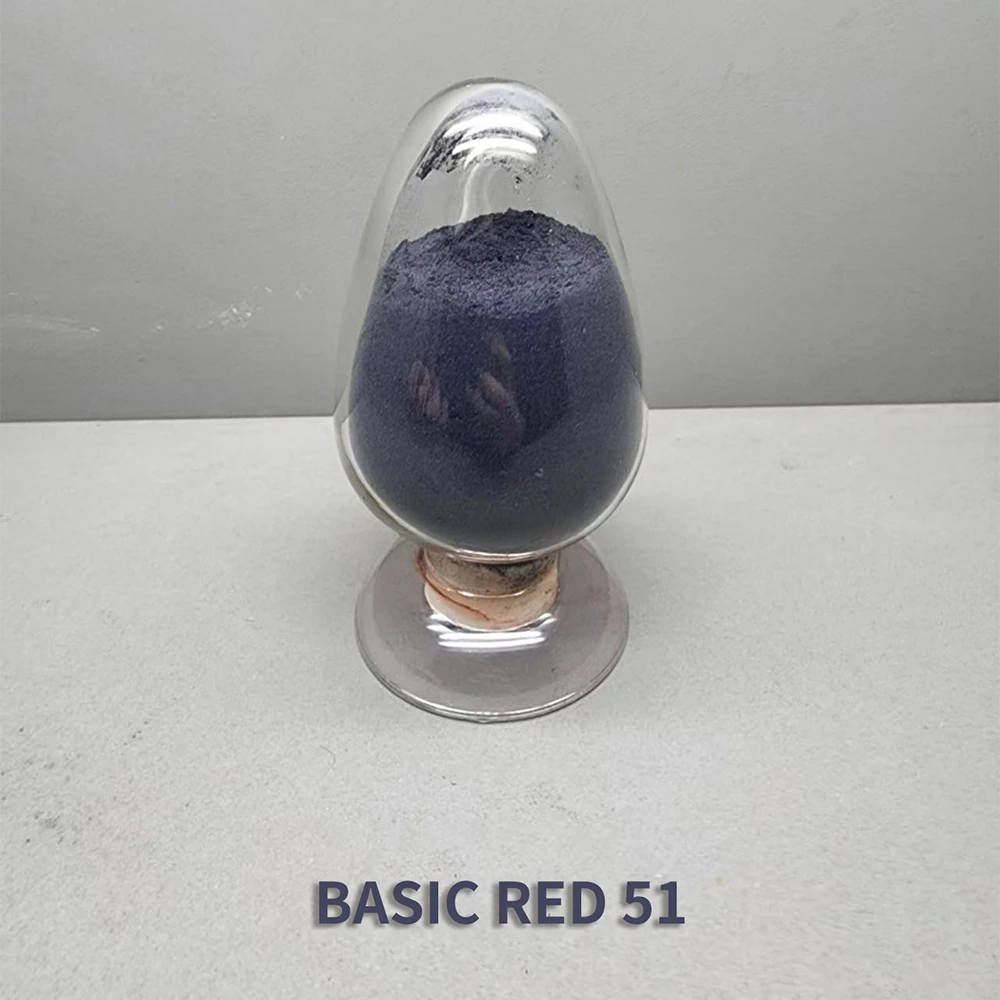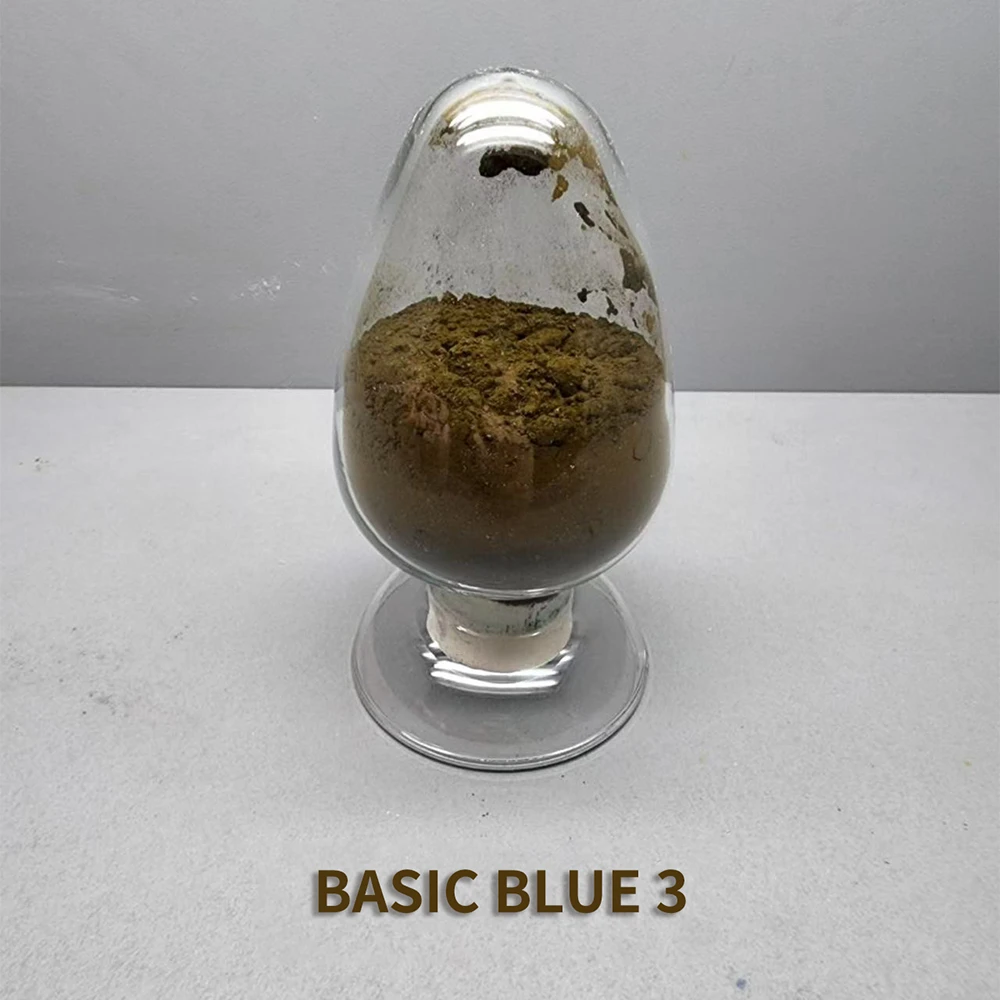
Magenta Fabric Dye – Durable, Eco-Friendly Textile Color Solutions
Magenta Fabric Dye: What It Is and Why It Matters Globally
Ever found yourself wondering why a simple color can mean so much in the fabric industry? Well, magenta fabric dye is one of those colors that quietly but profoundly shapes how textiles are made, perceived, and used worldwide. It’s not just a pretty pinkish-purple shade — it’s an innovation with ripple effects across fashion, manufacturing, and even humanitarian aid.
Understanding magenta fabric dye is about more than aesthetics. Globally, textile industries are embracing sustainable, durable, and versatile dyes that deliver consistency and vibrancy while doing less harm to people and the planet. The magenta fabric dye, specifically, plays a role in pushing innovation in both commercial and social contexts, helping materials stand out in tough conditions and brightening lives in places where reliable supplies are scarce.
Setting the Global Scene: Why Magenta Fabric Dye is in the Spotlight
The world consumes approximately 92 million tons of textiles annually, according to the United Nations Environment Programme. As the textile sector is one of the largest polluters, there’s serious pressure to innovate in dye manufacturing — reducing toxic residues, water use, and carbon footprints. Magenta fabric dye emerges here as a particularly exciting player thanks to improved formulations that promise high colorfastness with more eco-friendly chemistry.
On top of environmental challenges, magenta fabric dye addresses an important market need: vibrant, uniform coloration that doesn’t fade quickly with washing or weathering. For apparel brands and industrial textile users alike, this means reduced waste and enhanced product longevity, a big deal in both developed and emerging markets.
Yet, a common challenge is scaling production without compromising environmental standards, a puzzle many manufacturers and innovators face today.
What Exactly Is Magenta Fabric Dye?
Simply put, magenta fabric dye refers to a specific group of synthetic dyes used to impart a bright reddish-purple color to textiles. It’s a staple in modern dye palettes, but it also connects more deeply to industry movements toward colorfastness, sustainability, and adaptability.
Technically speaking, these dyes come from a family of azo or anthraquinone compounds, renowned for their stable chemical structures that adhere well to fibers like cotton, polyester, and blends. In humanitarian contexts—for example, uniforms in relief operations—this dye provides a vibrant, easily identifiable shade that holds up under stress and repeated washes.
Key Factors That Make Magenta Fabric Dye Stand Out
Durability and Colorfastness
One reason manufacturers love magenta fabric dye is its ability to resist fading even after multiple washes and exposure to sunlight. This durability is especially important in workwear or outdoor apparel.
Eco-conscious Formulations
Recent advances have introduced waterborne, low-toxicity magenta dyes that reduce harmful effluent discharge and minimize environmental impacts. Such innovations align well with ISO 14001 environmental standards and growing consumer demand for greener products.
Cost Efficiency and Scalability
Magenta fabric dye formulas have become more cost-efficient to produce thanks to streamlined manufacturing and abundant raw materials. This scalability means it’s accessible not just for premium markets but also for bulk industrial uses.
Compatibility with Various Fabrics
The dye’s chemical versatility allows it to bond effectively with a range of natural and synthetic textiles, from cotton and linen to nylon and polyester blends, making it a practical choice for diverse product lines.
Consistency and Vibrancy
A stable pigment profile ensures each batch matches in tonality, critical when manufacturing large orders or coordinating items with other colors, avoiding embarrassing misfits.
Product Specification Table: Typical Magenta Fabric Dye Properties
| Property | Specification | Notes |
|---|---|---|
| Color Shade | Magenta / Reddish-Purple | Consistent batch-to-batch |
| Type | Azo/Anthraquinone | High bonding affinity |
| Fastness to Washing | Grade 4-5 (ISO 105-C10) | Very good resistance |
| Eco-Compliance | REACH, Oeko-Tex Standard 100 | Non-toxic formulation |
| Application Method | Pad-dry, Exhaust Dyeing | Versatile process compatibility |
| Typical Usage Dosage | 3-5% owf (on weight of fabric) | Depending on shade depth |
How Magenta Fabric Dye Finds Its Place in the World
This dye isn’t reserved for just your favorite T-shirt or high-fashion magenta gown. Its versatility translates to quite a few industries:
- Apparel and Sportswear: Brands prize the color for boldness and longevity, especially in outdoor gear exposed to sun and sweat.
- Industrial Textiles: Protective clothing, uniforms, and safety vests leverage magenta dye for visibility and durability.
- Humanitarian Relief: NGOs use textiles dyed in magenta to mark critical gear and clothing, as the color is both striking and culturally neutral in many regions.
- Home Furnishings: Curtains, upholstery, and bedding frequently showcase magenta hues with lasting vibrancy enhanced by these dyes.
Interesting to note: In East Asia’s developing markets, the demand for affordable, eco-conscious magenta fabric dye is booming as brands expand production under stricter environmental regulations.
Advantages and the Long-Term Value of Magenta Fabric Dye
- Cost-effectiveness: Its blend of durability and consistency lowers re-dyeing and returns — saving brands money.
- Sustainability: Low environmental footprint formulations help companies meet ESG and regulatory goals.
- Reliability: Trusted for predictable color outcomes, reducing quality control headaches.
- Emotional impact: The vibrant magenta shade resonates with consumers seeking boldness and identity in their clothes.
Where Magenta Fabric Dye Is Headed: Future Innovations
The rise of digital textile printing is reshaping how dyes like magenta are applied, allowing for more precise and waste-minimizing methods. Combining this with bio-based dye molecules and digital color management enhances sustainability, reducing chemical usage drastically.
Meanwhile, automation in dyehouse operations means predictable batch consistency, fewer human errors, and shorter lead times — a boon for fast-fashion brands but also smaller players through democratized technology.
Overcoming Challenges: The Roadblocks and Solutions
Of course, there are hurdles. Variability in raw dye materials or water quality can affect final hues. Plus, cleanup costs for traditional dyeing are still a concern.
Innovative waterless dyeing techniques, advanced filtration, and continuous investment in green chemistry are answering these issues. Companies also invest in closed-loop systems capturing and reusing dye baths, drastically cutting waste while boosting profits.
Vendor Comparison Table: Magenta Fabric Dye Suppliers
| Supplier | Eco Compliance | Batch Consistency | Pricing | Availability |
|---|---|---|---|---|
| Yanhong Chemicals | REACH, Oeko-Tex | Excellent | Competitive | Global Shipping |
| DyePro International | ISO 14001 | Very Good | Moderate | Regional (Asia, EU) |
| ColorFast Solutions | Oeko-Tex | Good | Premium | Global |
Common Questions About Magenta Fabric Dye
Q1: How does magenta fabric dye differ from other color dyes?
A1: Magenta fabric dye typically offers a more vibrant and balanced hue between red and purple shades, coupled with excellent colorfastness. Compared to some other dyes, it also benefits from ongoing eco-friendly chemical advancements, making it a sustainable option.
Q2: Can magenta dye be used on all fabric types?
A2: Most magenta fabric dyes are compatible with a wide range of textiles, including cotton, polyester, and nylon. However, the exact formula should be matched to fabric type and intended use to achieve best results, which is usually supported by supplier guidelines.
Q3: How long does the color typically last on clothing?
A3: With proper dyeing and fabric care, magenta dye can maintain brightness for years, typically exhibiting a 4-5 grade on ISO fastness scales. This durability reduces the need for frequent replacement.
Q4: Are there environmental concerns with magenta fabric dye?
A4: Traditional synthetic dyes had environmental drawbacks, but modern magenta dyes often comply with strict eco-standards, minimizing toxicity and wastewater pollution. Choosing certified suppliers helps mitigate environmental impacts.
Q5: Where can I find reliable magenta fabric dye suppliers?
A5: Industry leaders like Yanhong Chemicals deliver certified and high-quality magenta fabric dyes with global shipping and after-sale support, making them a trusted choice for many manufacturers.
Wrapping Up: Why Magenta Fabric Dye is a Smart Choice Now and Tomorrow
When you think about it, magenta fabric dye is more than a color; it’s a bridge between tradition and the future, between glamor and responsibility. It helps manufacturers answer tough questions on sustainability while meeting consumer demand for bold, long-lasting hues.
If you’re looking to explore or upgrade your textile coloration, or just curious about what’s new in dye tech, don’t miss out on the innovations rolling out in magenta fabric dye. It’s a timely blend of technology, art, and environmental stewardship.
Take a moment to check out trusted sources such as Yanhong Chemicals and see how your next project could benefit from this vibrant dye solution. Sometimes, the right color choice makes all the difference.
-
Comprehensive Guide to Khaki Green Dye for Clothes and Textile ApplicationsNewsMar. 17, 2026
-
Fabric Dye Solutions for B2B Textile Industry | YanhongChemNewsDec. 03, 2025
-
Black Basic in Industrial Equipment: Essentials and InsightsNewsDec. 13, 2025
-
Ivory Fabric Dye - Durable, Eco-Friendly Textile Solutions | YanhongchemNewsDec. 10, 2025
-
Beige Fabric Dye Solutions for Sustainable and Durable Textile Coloring | YanhongchemNewsDec. 09, 2025
-
Fabric Dye Company: Durable, Sustainable Solutions for B2B Textile NeedsNewsDec. 03, 2025