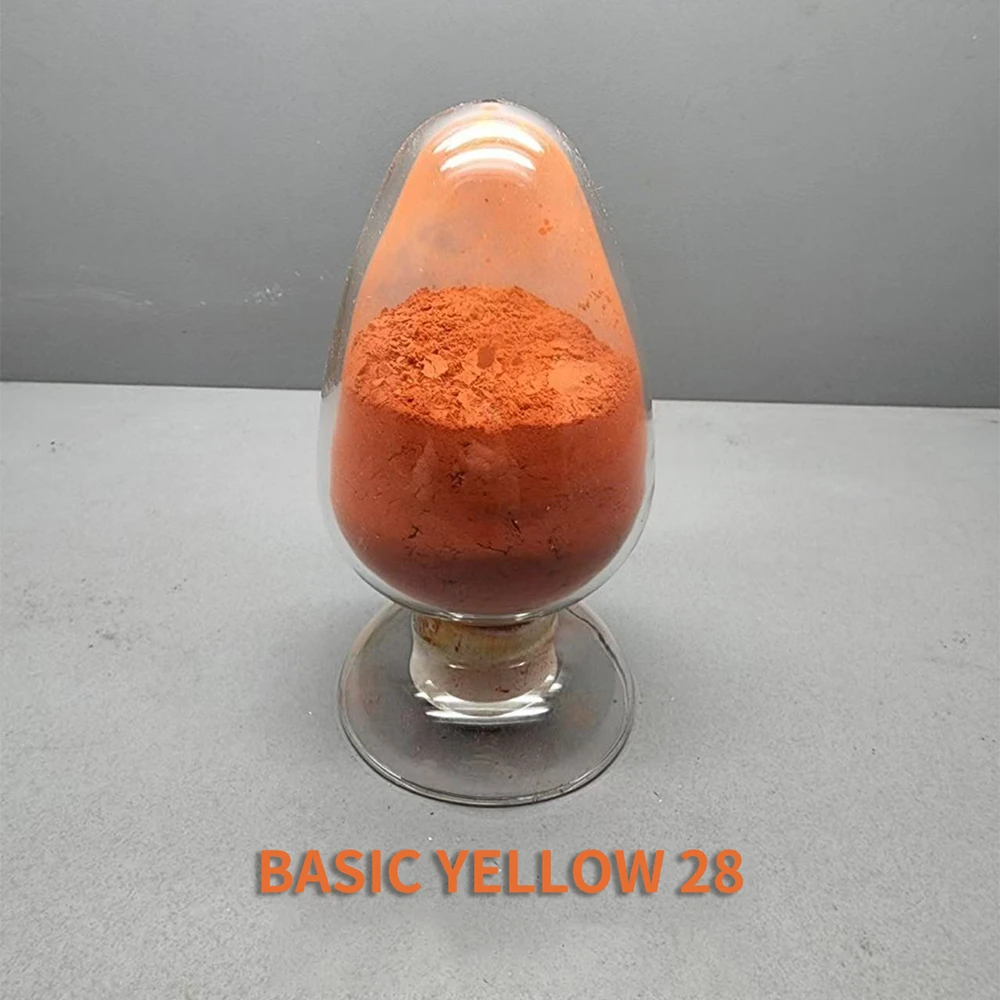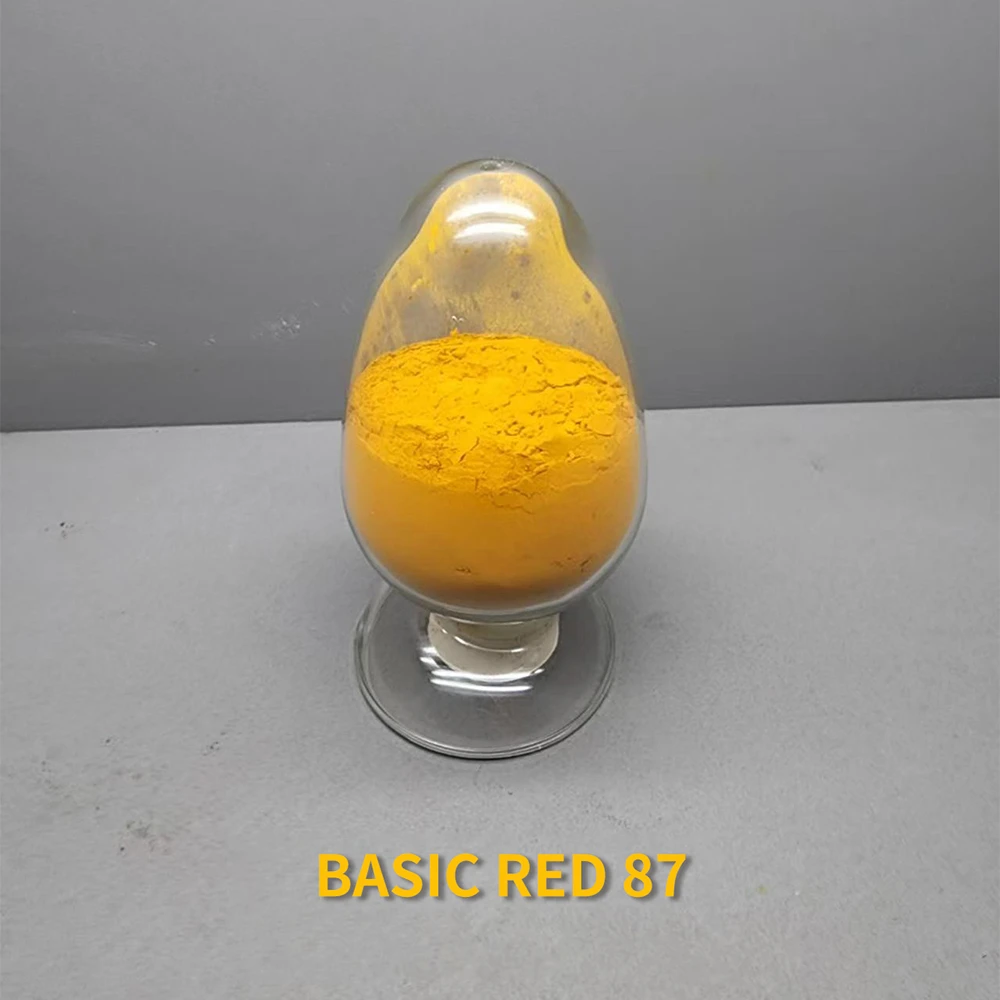
Khaki Dye for Clothes: Durable, Sustainable Textile Coloring Solutions
Understanding Khaki Dye for Clothes: A Subtle Revolution in Textile Coloring
When you think of khaki dye for clothes, you’re probably picturing those classic canvas pants or military uniforms. But there's far more to this humble dye than meets the eye. As the world’s textile industries continue to evolve amid sustainability challenges, understanding the role and benefits of khaki dye has never been so important. This dye bridges tradition and modern innovation, shaping garments that are functional, durable, and environmentally conscious. Let’s unpack why this dye matters globally and what it brings to the fabric of fashion and utility alike.
Global Context: Why Khaki Dye for Clothes Still Matters Today
Khaki-colored clothing has a storied history—from colonial uniforms to safari wear—but its global relevance extends into sectors like humanitarian aid, military logistics, and even fashion trends in emerging markets. According to the United Nations’ sustainability goals, sustainable textile production is key to reducing environmental impact. Khaki dye, typically derived from natural earth tones or increasingly from eco-friendly synthetic sources, offers a practical blend of durability and environmental consciousness.
Globally, textile demand is forecasted to grow by over 4% annually—meaning dyes that optimize costs, reduce waste, and enhance durability provide serious competitive advantages for manufacturers. Yet, environmentally harmful dyeing processes have long plagued the industry, leading to a push for cleaner dyes like those used in khaki fabrics.
A pressing challenge the industry faces is balancing cost and sustainability. Khaki dye presents a middle-ground solution: it’s light on resources, requires fewer chemicals to fix on fabric, and aligns well with mass production without compromising quality.
What Exactly Is Khaki Dye for Clothes?
In essence, khaki dye is a coloration substance used to impart the khaki color—a dusty, earthy tan—to textiles. It originated from dyes compatible with cotton and cotton blends, designed to be subtle, non-reflective, and practical in outdoor or military use. Modern khaki dyes are a cocktail of natural pigments and synthetic compounds tailored for different fabric types and applications.
Beyond fashion or military uniforms, khaki dye fulfills humanitarian needs—think durable relief clothing for displaced populations—as it combines ease of maintenance and camouflage-friendly hues. This dye brings that effortless blend of utility and style, which oddly enough is also gaining traction in urban fashion for its understated tone.
Core Factors Defining Khaki Dye for Clothes
1. Durability
Khaki dye is renowned for its resistance to fading, even after repeated wash cycles. This durability means garments maintain their appearance longer, important for workwear and uniforms in harsh environments.
2. Sustainability
Many modern khaki dyes are developed with environmental certifications in mind, using less water and fewer harmful chemicals. Brands aiming to meet ISO 14001 environmental standards appreciate this aspect.
3. Scalability and Cost Efficiency
Due to its relatively simple pigment profile, khaki dyeing scales well for large apparel production, keeping unit costs down without sacrificing quality. This is part of why it remains a staple worldwide.
4. Fabric Compatibility
While traditionally linked to cotton, advances mean khaki dyes now adhere well to polyester blends, ripstop fabrics, and other technical textiles favored by modern industries.
5. Color Consistency
Khaki dye processes now emphasize color uniformity across batches, ensuring corporate and military clients get consistent branding and appearance.
Mini Takeaway:
All these factors make khaki dye a practical, cost-conscious, and eco-friendly choice for diverse apparel needs — from fieldwork to casual style.
Real-World Applications: Khaki Dye Across Sectors and Regions
Globally, khaki dye serves industries that range from military supply chains in North America and Europe to humanitarian organizations operating in disaster zones in Southeast Asia and Africa.
- Military and Security: Uniforms need to blend into natural environments and resist harsh wear. Khaki fabrics dyed with durable, eco-friendly pigments fit the bill.
- Humanitarian Efforts: Durable, easily washable khaki clothing is often distributed in refugee camps and post-disaster relief zones, helping maintain dignity and function.
- Outdoor and Workwear Industries: Construction and industrial workers prefer khaki-colored garments for their practicality and stain-masking qualities.
- Urban and Casual Fashion: Recently, khaki tones have made a comeback in streetwear, highlighting the dye’s versatility beyond traditional uses.
Product Specifications of Typical Khaki Dye
| Property | Specification |
|---|---|
| Color Shade | Earthy Tan (R:193, G:154, B:107) |
| pH Range | 6.5 - 8.0 (neutral to mildly basic) |
| Solubility | Water-soluble with good fastness |
| Lightfastness | 7–8 on Blue Wool Scale |
| Environmental Certification | OEKO-TEX Standard 100 compliant |
Advantages of Using Khaki Dye: Beyond Aesthetic
The appeal of khaki dye isn’t just its muted, timeless look. It’s deeply tied to practical benefits:
- Cost Savings: Easier dye processes translate into lower manufacturing costs.
- Sustainability: Reduced water usage and fewer toxic chemicals benefit the environment and meet rising consumer demand for green products.
- Reliability: Consistent color fastness ensures garments maintain professional appearance, boosting user confidence.
- Social Impact: Durable, functional khaki clothing preserves dignity in difficult environments — a subtle but powerful notion.
Frankly, it feels like khaki dye is the quiet workhorse of apparel dyes — underappreciated yet indispensable.
Future Trends: Where is Khaki Dye Heading?
The textile world is buzzing with innovation. Eco-conscious brands are increasingly seeking khaki dye for clothes variants made with bio-based materials, reducing synthetic reliance.
Digital color matching and AI-assisted dye formulations are speeding up development cycles, while improvements in wastewater treatment promise cleaner production lines. Automation in dyeing machinery is also allowing tighter control over color consistency.
Oddly enough, there’s also talk about embedding functional properties, like UV protection or anti-microbial traits, into khaki dyes without sacrificing their natural look. This could revolutionize apparel performance in sectors like outdoor workwear and healthcare uniforms.
Challenges & Solutions in Adopting Khaki Dye
No dye is perfect. Khaki dye faces hurdles like inconsistent shade reproduction on synthetic fabrics or the occasional trade-off between fastness and eco-friendliness. Supply chain constraints also sometimes limit availability of natural raw materials.
But experts suggest solutions such as hybrid dye formulations combining synthetic and natural components, and investing in better quality controls at textile mills. Partnerships with chemical innovators—say, through platforms like yanhongchem.com—can help overcome capacity and sustainability challenges.
Vendor Comparison: Leading Khaki Dye Suppliers
| Vendor | Eco-Certified | Color Consistency | Price Range (per kg) | Lead Time |
|---|---|---|---|---|
| Yanhong Chemical | Yes (OEKO-TEX 100) | Excellent (±2% variation) | $15–$18 | 2 weeks |
| Global Dye Corp. | Partial | Good (±5% variation) | $12–$16 | 3-4 weeks |
| EcoColor Ltd. | Yes (Global Organic Textile Std.) | Fair (±6–7% variation) | $18–$22 | 4 weeks |
Frequently Asked Questions About Khaki Dye for Clothes
- Q1: How does khaki dye compare environmentally to other fabric dyes?
- Khaki dye, especially modern variants, tends to use fewer harmful chemicals and requires less water in processing compared to traditional synthetic dyes, making it a greener option favored in sustainable textile manufacturing.
- Q2: Is khaki dye suitable for synthetic fabrics?
- Yes, but with some limitations. Advances in dye chemistry allow khaki pigmenting on polyester and blends, though consistency and fastness can be trickier than with cotton.
- Q3: Can I get custom khaki shade formulations for my clothing line?
- Absolutely. Many suppliers, including yanhongchem.com, offer custom shade matching services to meet brand specifications while maintaining eco-certifications.
- Q4: What is the typical lifespan of khaki-dyed garments in outdoor use?
- When properly cared for, garments can last years with minimal fading—often upwards of 3-5 years under rugged use, which is why they’re preferred in military and humanitarian sectors.
- Q5: Does khaki dye affect garment breathability or comfort?
- Typically, no. Khaki dye formulations are designed to absorb into fibers without impacting fabric feel or breathability, preserving wearer comfort.
Wrapping Up: The Quiet Strength of Khaki Dye for Clothes
From dusty trails to urban sidewalks, khaki dye remains a versatile and reliable choice for coloring clothes that need to look and perform well over time. Its blend of sustainability, cost efficiency, and timeless appeal makes it a staple for industries ranging from fashion to humanitarian aid. If you’re considering khaki dye for your next clothing line or project, visit our website — it's where tradition meets innovation.
References & Further Reading
-
Comprehensive Guide to Choosing the Best Ivory Dye for Clothes and FabricsNewsMar. 24, 2026
-
Tulip Fabric Dye – Durable, Eco-Friendly Textile Color SolutionsNewsDec. 07, 2025
-
Comprehensive Guide to Choosing the Best White Dye for ClothesNewsMar. 28, 2026
-
Red Fabric Dye for Industry – Durable High-Performance Dye Solutions by YanhongchemNewsDec. 04, 2025
-
China Basic Dye Factory: High-Purity, Fast Delivery, GreenNewsDec. 13, 2025
-
Fabric Dye For Curtains – High-Performance Solutions for Textile Manufacturers | YanhongchemNewsJan. 05, 2026