Ivory Dye for Clothes: Sustainable, Durable Textile Coloring Solutions
The Subtle Art of Ivory Dye for Clothes: More Than Just a Shade
At first glance, ivory dye for clothes might seem like just another color option in the vast palette of textile dyes. But if you look a little closer, this soft, neutral shade embodies a unique intersection of tradition, industry innovation, and humanitarian appeal worldwide. Why does this matter? Well, ivory is often considered a color that represents purity, calmness, and timeless elegance — qualities that clothing manufacturers and consumers alike value deeply. Understanding the properties and applications of ivory dye can unlock new opportunities in fashion, sustainability, and technical textile markets.
So, what makes ivory dye stand out in a global context? How does it cater to today’s eco-conscious and quality-focused industries? Let’s unpack the story behind this gentle hue and why it’s quietly shaping wardrobes everywhere — from high-end designers in Milan to relief aid workers in remote regions.
Ivory Dye for Clothes in the Global Textile Landscape
Globally, the textile and apparel sectors are massive—accounting for over $1.5 trillion according to the UN's data on global trade (1). Within this immense ecosystem, dyeing techniques and color choices significantly influence environmental footprints and production costs. Ivory dye, with its subtle creamy tone, is gaining traction partly because it harmonizes well with natural fibers and blends easily with sustainable processing methods.
But there’s a challenge that few realize upfront: Ivory’s delicate shade demands precise dye formulation and rigorous quality control. If done poorly, the result can veer towards yellowish or muddy off-white — not quite the elegant ivory that brands seek. This raises the stakes for manufacturers trying to balance cost efficiency with premium appeal.
What Exactly Is Ivory Dye for Clothes?
Simply put, ivory dye is a colorant specially formulated to produce a pale, softly off-white hue reminiscent of natural ivory. It's mostly used on textile fibers like cotton, silk, and polyester blends, and it’s prized for its versatility in fashion and home textiles.
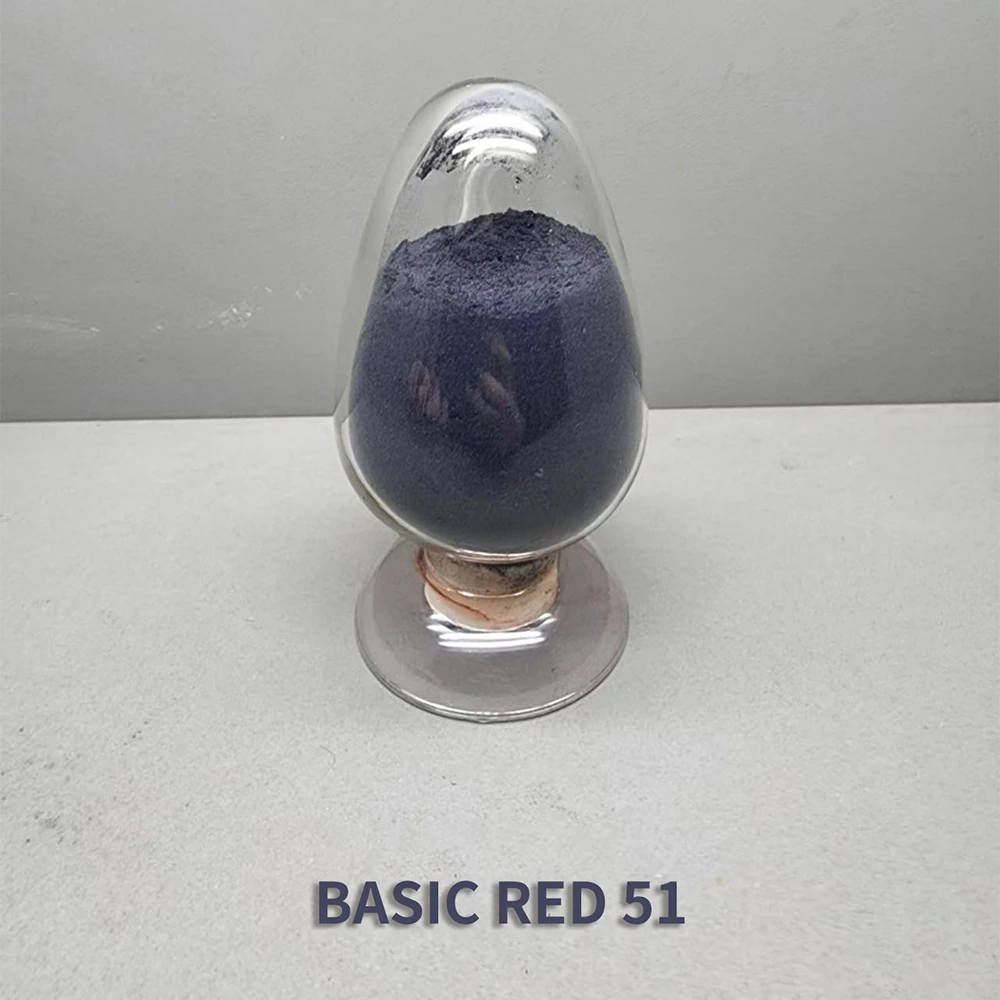
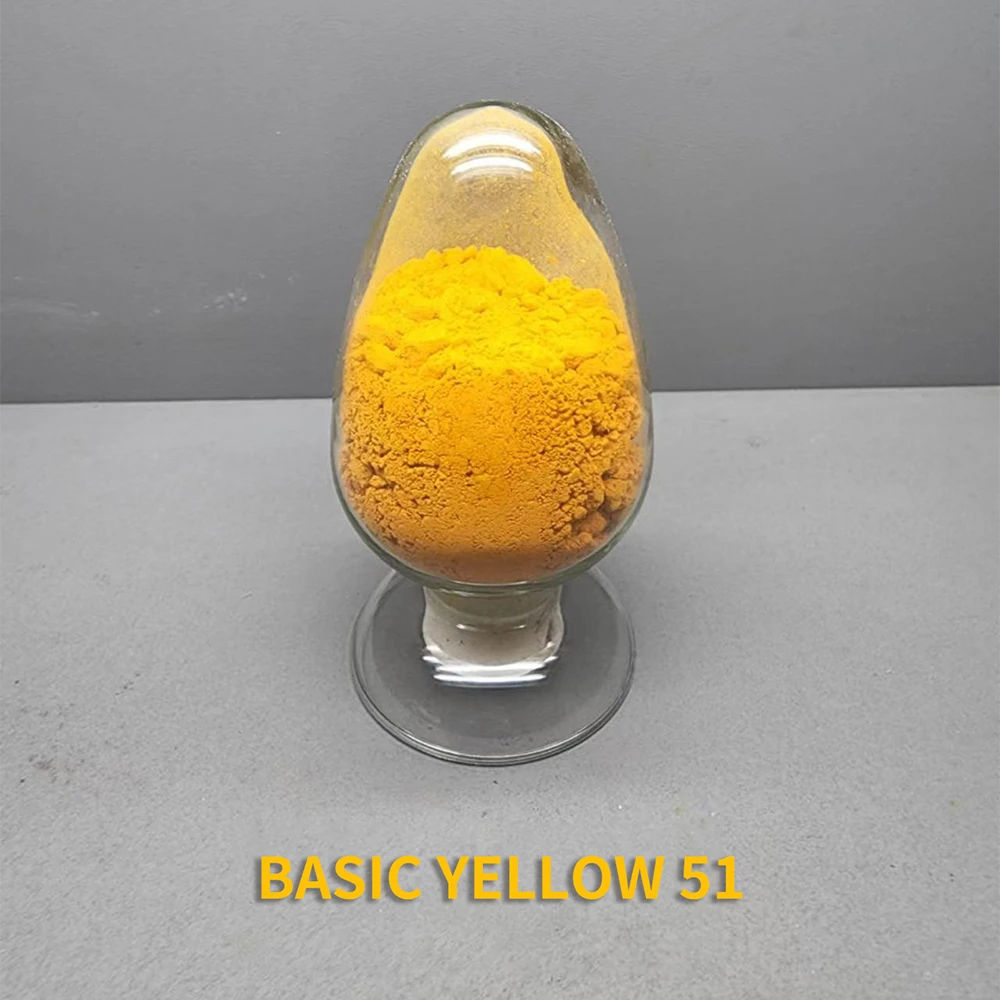
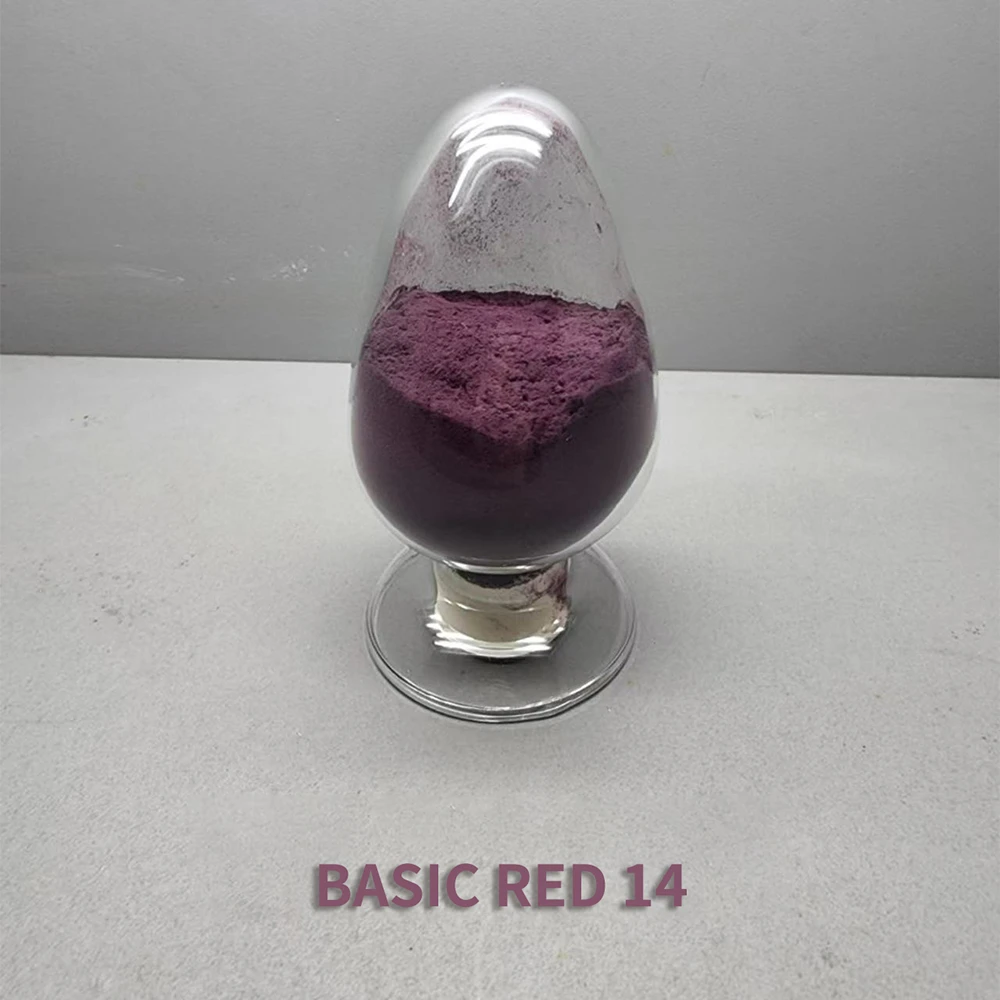
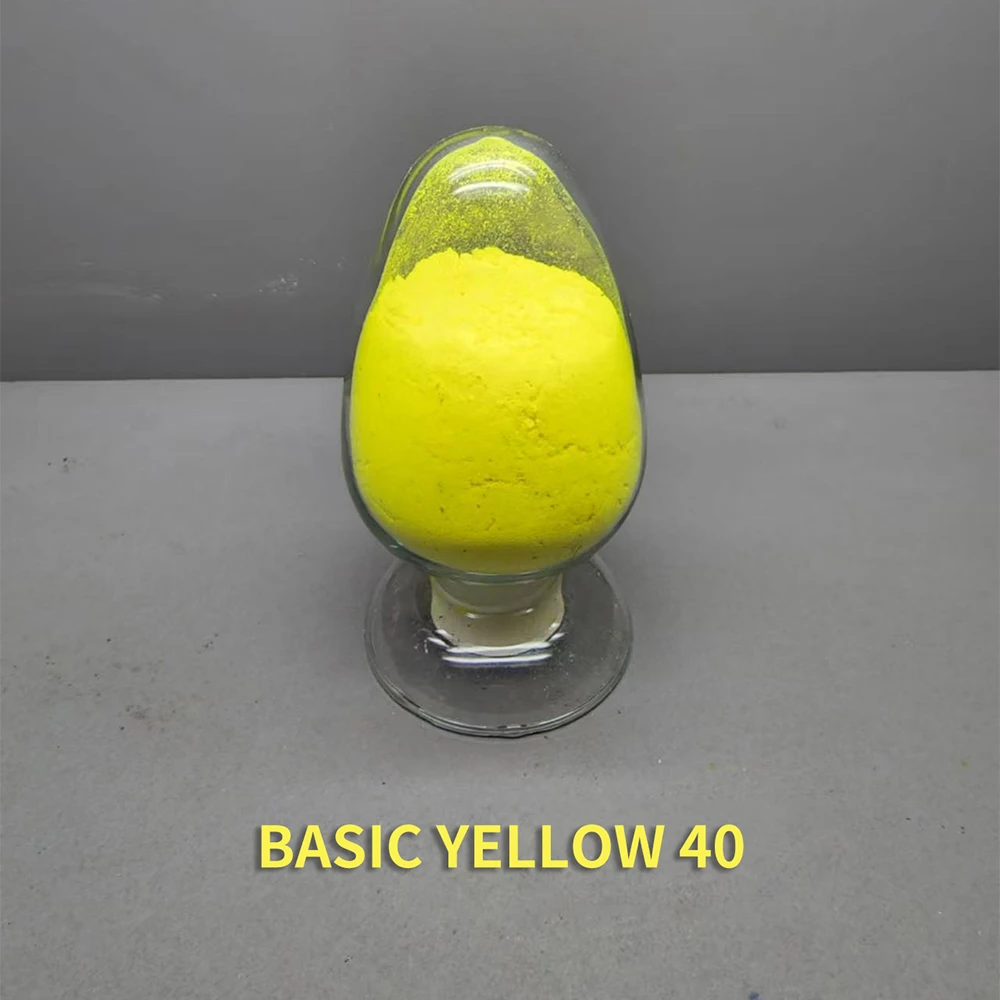
Modern ivory dyes are often a blend of azo and reactive dyes, optimized for compatibility with different fabrics and for endurance against washing and sunlight. Beyond fashion, humanitarian agencies sometimes prefer ivory-dyed clothing for uniforms and relief kits due to its neutral, dignified appearance and ease of color matching with other supplies.
Core Aspects of Ivory Dye for Clothes
1. Durability and Colorfastness
One big factor to consider—ivory dye must maintain its shade after repeated wash cycles and exposure to sunlight. Many brands emphasize reactive dyes for cotton because they bond chemically, offering superior wash fastness. For polyester blends, disperse dyes often come into play. This durability reassures consumers and reduces the need for premature garment replacement.
2. Scalability in Production
Whether dyeing thousands of t-shirts or a small artisan batch, the dye’s formula and process need to scale without color inconsistency. This is critical for multinational brands or NGOs supplying uniforms worldwide—they can't afford miscolored shipments. Scalability also factors into sustainability goals by minimizing waste.
3. Cost Efficiency
Ivory dye production must balance pigment quality with economical processing costs. Unlike bolder colors, ivory can sometimes be trickier to get right and may require extra quality controls, which can increase costs. But the payoff is a timeless color that appeals broadly, helping maintain product value.
4. Environmental Impact
Many manufacturers are pivoting to eco-friendly dye formulations to reduce chemical runoff and water pollution. Ivory dye, being lighter, sometimes allows less pigment use, translating into lower environmental impact. Certifications like ISO 14001 or OEKO-TEX standard play into this movement.
5. Versatility and Fashion Appeal
Ivory occupies a sweet spot between stark white and beige, offering designers a subtle alternative that pairs well with bright and muted palettes alike. It conveys softness without sacrificing sophistication — ideal for both casual wear and formal textiles.
Mini takeaway:
Ivory dye for clothes isn’t just about color; it’s a balancing act of durability, eco-sensitivity, scalability, and timeless aesthetic appeal.
Worldwide Uses of Ivory Dye: From Runways to Relief Camps
Ivory-dyed textiles find themselves in surprising places. In high fashion hubs like Paris and New York, designers use ivory fabrics to craft collections that exude understated elegance. Meanwhile, humanitarian organizations in Asia and Africa opt for ivory as a uniform dye choice, as it reflects cultural neutrality and maintains dignity in post-disaster garments.
In industrial contexts, ivory-dyed workwear appeals because it doesn’t show dust or stains as starkly as white, yet keeps a clean, professional look. In markets such as Japan and Korea, ivory is a staple hue for school uniforms and formal business attire.
| Specification | Detail / Value |
|---|---|
| Color Shade | Soft creamy off-white (Ivory) |
| Dye Type | Reactive & Azo for cotton blends; Disperse for polyester |
| Colorfastness | High resistance to washing & sunlight |
| Eco Certification | Often OEKO-TEX & ISO 14001 compliant |
| Applications | Fashion apparel, uniforms, home textiles |
| Typical Fabrics | Cotton, silk, polyester blends |
Comparing Leading Vendors of Ivory Dye Solutions
| Vendor | Sustainability | Pricing | Consistency | Global Reach |
|---|---|---|---|---|
| Yanhong Chem | High (OEKO-TEX, ISO 14001) | Mid-range | Excellent | Global (Asia, Europe, Americas) |
| Longtu Dyes | Moderate (some green tech) | Competitive | Good | Asia-focused |
| KoreaX Dyestuffs | High (green policies) | Premium | Very consistent | Asia, Europe |
Why Choose Ivory Dye? Advantages & Long-Term Benefits
- Environmental Sustainability: Ivory dyes often require fewer pigments, reducing chemical waste and water use.
- Emotional and Social Appeal: The color signals purity and care, important for humanitarian and fashion contexts alike.
- Cost Savings: Durable color fastness means fewer garment replacements and less waste.
- Brand Trust: Consistent shade quality helps brands maintain reputation and customer loyalty over time.
It’s funny—sometimes the quiet colors like ivory tell a bigger story about innovation and responsibility than bold patterns. They’re the gentle workhorses of fabric color choices.
Looking Ahead: Trends and Innovations in Ivory Dyeing
Things are moving fast in textile dye tech. The biggest buzz involves:
- Eco-Friendly Dyes: Bio-based and non-toxic dyes that preserve ivory’s signature softness but are kinder to the planet.
- Digital Dyeing: Precision application that reduces water and waste dramatically (think digital textile printers fine-tuning ivory shades).
- Automation & AI: Monitoring color consistency in real time, ensuring every batch hits that perfect creamy hue without manual guesswork.
Such advances promise to keep ivory dye not just relevant but essential in a market hungry for sustainability and style.
Common Challenges and Smart Solutions
Dyeing ivory can be tricky. Issues like unexpected yellowing, batch variation, and balancing cost vs. quality often crop up. Experts suggest:
- Implementing rigorous lab testing before bulk production.
- Using blended dye formulas tailored for specific fabrics.
- Partnering with suppliers like Yanhong Chem who specialize in sustainable, reliable ivory dyes.
Innovative chemical stabilizers and post-dye washing protocols also help fix stubborn color inconsistencies.
Frequently Asked Questions About Ivory Dye for Clothes
- Q: What fabrics work best with ivory dye?
- A: Ivory dye is versatile but performs best on natural fibers like cotton and silk. Polyester blends require disperse dye variants for optimal colorfastness.
- Q: Is ivory dye eco-friendly compared to other dyes?
- A: Generally yes, especially when sourced from vendors offering OEKO-TEX or ISO 14001-certified products. Ivory dye often uses fewer pigments, reducing environmental impacts.
- Q: How long does the ivory color last after washing?
- A: With high-quality reactive or disperse dyes properly applied, ivory shades remain vibrant and true for 20–30 wash cycles, sometimes even longer.
- Q: Can ivory dye be mixed to create other pastel shades?
- A: Absolutely! Ivory serves as a great base for subtle pastel blends by adjusting pigment concentrations, making it popular in fashion design.
- Q: How can international brands source reliable ivory dye suppliers?
- A: Working with established global vendors like Yanhong Chem ensures access to certified, consistent ivory dye products supported by global logistics.
Wrapping It Up: Why Ivory Dye Remains a Timeless Textile Choice
Ivory dye for clothes might not grab headlines the way vivid reds or blues do, but it quietly holds a vital place in fashion and industry. Its balanced attributes—durability, sustainability, elegance, and global versatility—make it a smart choice for brands and organizations that care about quality and responsibility.
For those interested in integrating ivory dye into sustainable production lines or humanitarian relief kits, it’s worth exploring the trusted options that combine innovation with eco-consciousness.
Looking for reliable ivory dye solutions and expert guidance? Visit our website: https://www.yanhongchem.com to discover products and partnerships tailored to your textile needs.
References:
- UN Comtrade Database on Textile Trade, 2023. https://comtrade.un.org
- OEKO-TEX Standard and Certification Overview, 2024. https://www.oeko-tex.com
- International Organization for Standardization (ISO) Environmental Standards, 2024. https://www.iso.org
-
High-Quality Synthetic Fabric Dye for Industrial Applications | Yanhong ChemNewsDec. 03, 2025
-
Reliable Powdered Fabric Dye for Industrial Textile ApplicationsNewsJan. 04, 2026
-
Premium Fabric Dye For Sale | Durable Industrial Textile Dyes from Yanhong ChemNewsDec. 03, 2025
-
Exploring the Benefits of Organic Dye for Clothes in Sustainable FashionNewsMar. 07, 2026
-
Fabric Dye for Sofa - Industrial-Grade Solutions & Supplier InsightsNewsDec. 07, 2025
-
Fabric Dyeing: Sustainable Techniques and Trends Transforming the Textile IndustryNewsDec. 03, 2025