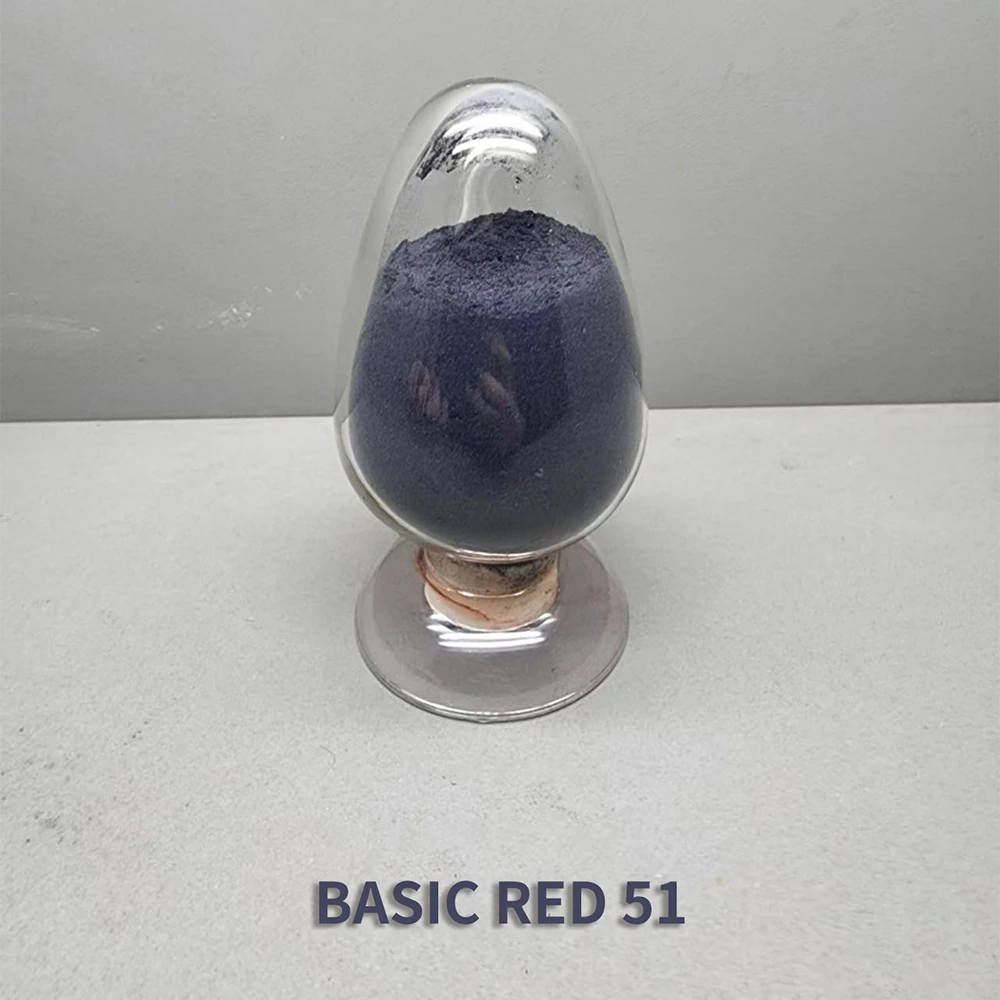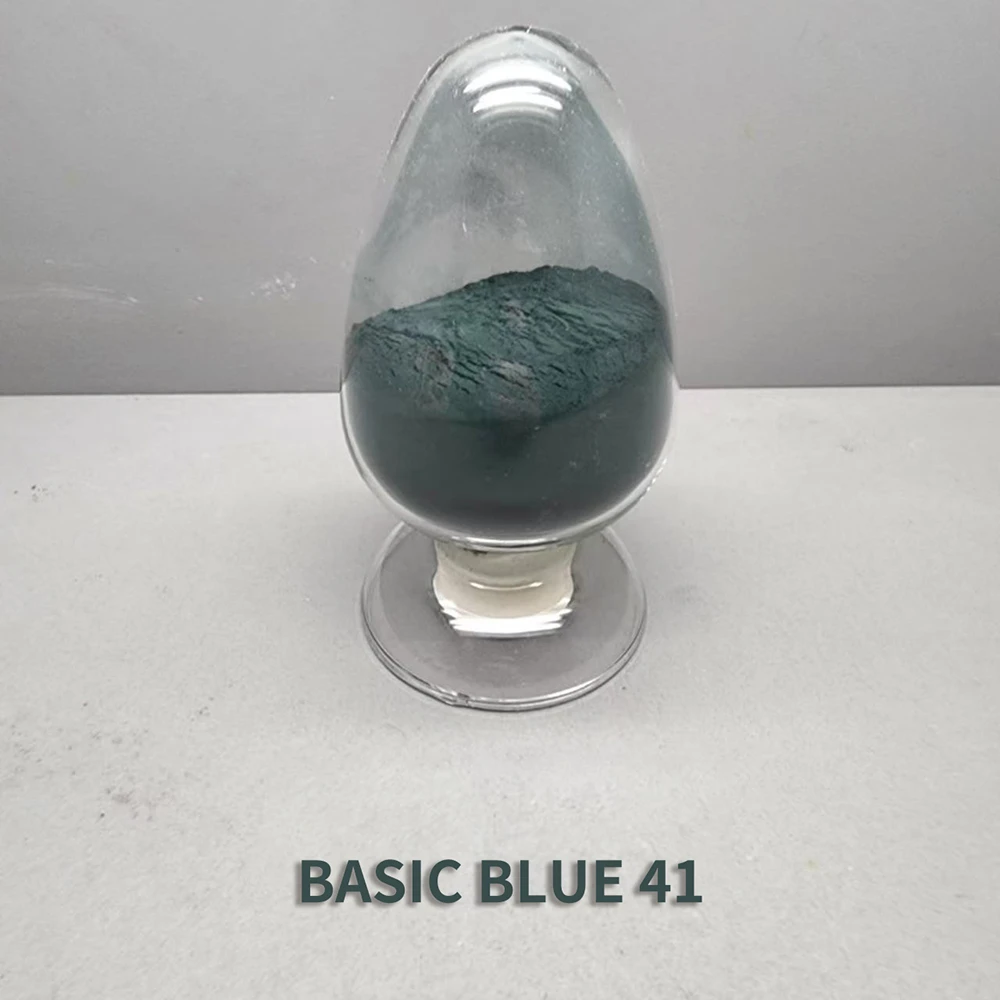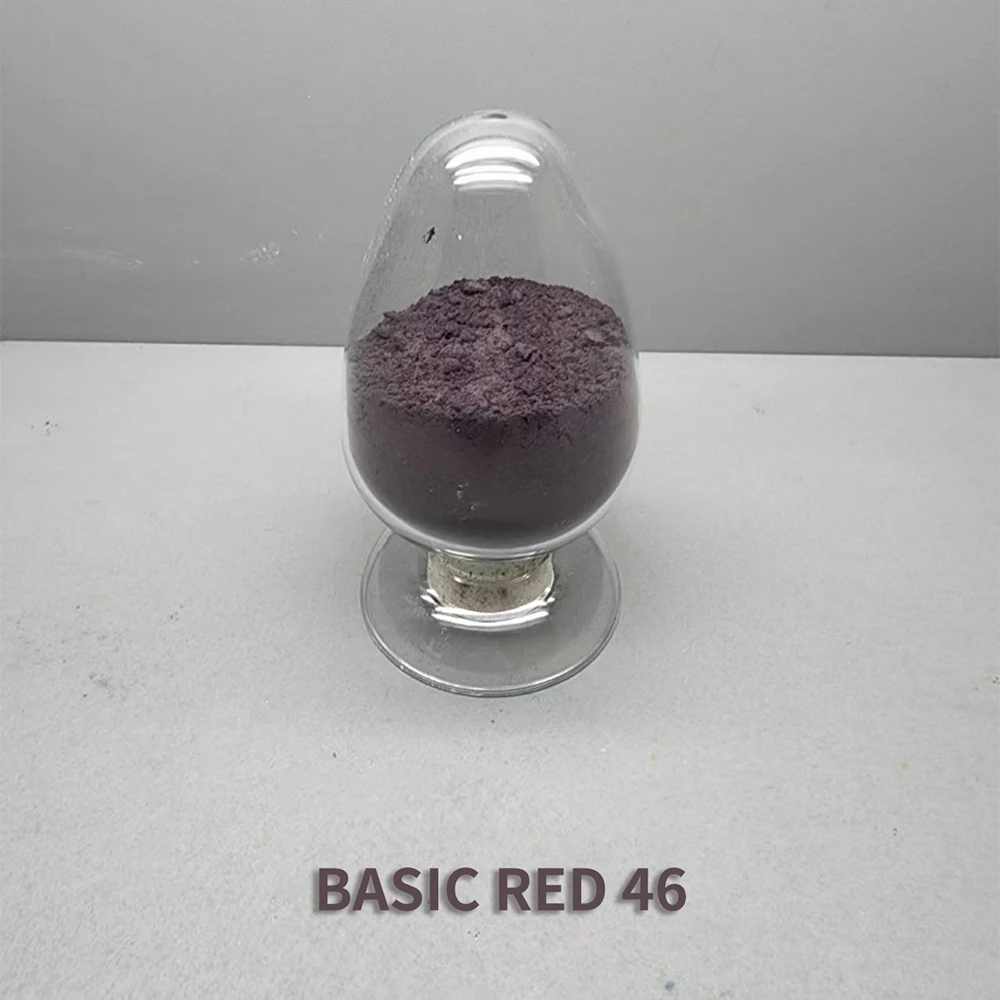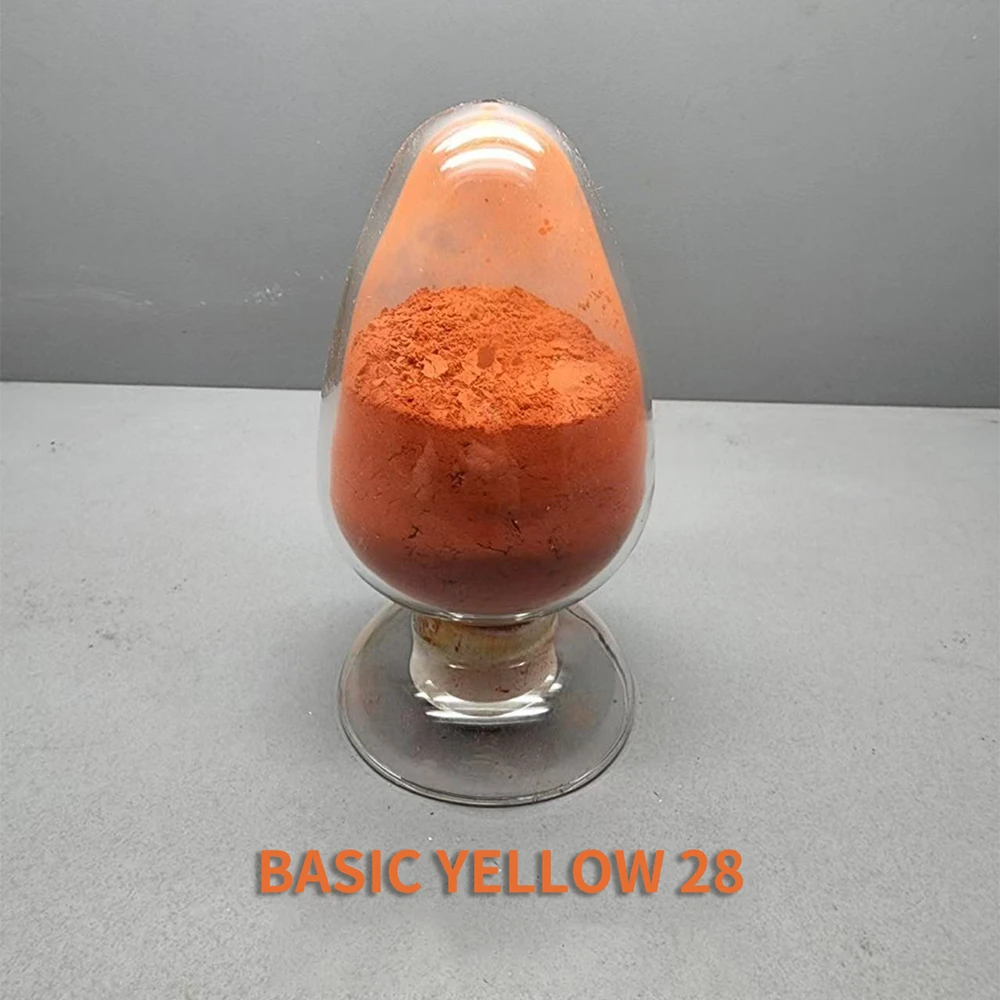
Industrial Strength Fabric Dye: Durable, Eco-Friendly Solutions for Modern Industries
Industrial Strength Fabric Dye: What It Is and Why It Matters Globally
When you hear the term industrial strength fabric dye, you might picture bold colors on giant rolls of cloth, churned out en masse by factories. But this product is far more than just vibrant hues on your everyday textiles — it’s a cornerstone in industries ranging from manufacturing to humanitarian relief. Why should anyone care about industrial fabric dyes beyond the factory floor? Because the durability, consistency, and sustainability of these dyes shape not only the products we use daily but also affect labor conditions, environmental footprints, and supply chain resilience worldwide.
Understanding the nuances of these dyes can help companies improve quality, reduce waste, and even empower communities in disaster zones. So, buckle up — this is more than just color. It’s color fortified for the demands of a modern, interconnected world.
The Global Context: Why Industrial Strength Fabric Dye Is Today’s Essential Resource
In 2023 alone, the global textile industry accounted for roughly 1.7 trillion USD in value (World Bank). Its massive scale demands materials—including dyes—that won’t just look good but last through wear, washing, and harsh conditions.
But here’s the kicker: the environmental impact of traditional fabric dyeing is no joke. Figures from the UN’s International Labour Organization highlight that textile dyeing contributes to water pollution and significant carbon emissions if not controlled. Hence, industrial strength fabric dyes that promise both performance and eco-friendly properties are urgently needed worldwide.
Moreover, industries like automotive, outdoor gear manufacturing, and emergency response rely on these robust dyes. The challenge? Balancing high-volume dyeing capability with strict sustainability standards — a tricky tightrope that innovators are getting better at walking.
What Exactly Is Industrial Strength Fabric Dye?
Put simply, industrial strength fabric dyes are specialized colorants formulated to withstand stringent conditions: think heat, UV exposure, abrasion, and chemical washing. Unlike home-use dyes, these are engineered for bulk application on materials destined for tough environments.
They’re crucial to industries where fabric failure isn’t an option. A tent in a refugee camp, brightly colored uniforms for safety crews, or upholstery in vehicles — they all rely on dyes capable of keeping their integrity through strain and time.
Mini Takeaway:
Industrial strength fabric dyes aren’t just about coloring fabric — they’re about trusted performance across global industries and critical social uses.
Key Components and Factors That Make Industrial Strength Fabric Dyes Stand Out
1. Durability
These dyes must resist fading under prolonged sun exposure or chemical treatment. Their molecules often contain anchors that bind tightly to fabrics, resisting washout or abrasion.
2. Scalability
Industrial dye formulations need to function well on everything from giant textile rolls to custom small batches, making process flexibility key.
3. Cost Efficiency
Given the scale of industrial fabrics, dyes should offer excellent coverage and predictability to keep costs manageable without sacrificing quality.
4. Environmental Compliance
With ISO and REACH standards tightening worldwide, many dye producers are now blending performance with eco-friendly solvents and bio-based ingredients.
5. Compatibility with Diverse Fabrics
Whether it’s polyester, nylon, cotton blends, or technical synthetics, dyes must bond reliably without damaging fabric texture or breathability.
Mini Takeaway:
The magic lies in dyes that juggle durability, cost, sustainability, and broad fabric compatibility — a tricky recipe many industrial producers are still perfecting.
Real-World Applications: How Industrial Strength Fabric Dyes Paint the World
From bustling manufacturing hubs in Southeast Asia to disaster relief tents sprawling across refugee camps in Africa, industrial strength fabric dyes play silent yet vital roles.
- Outdoor and Protective Gear: Hiking backpacks, jackets, and tents rely heavily on these dyes resisting UV and abrasion.
- Emergency Housing and Relief Supplies: Durable colored fabrics allow quick identification and durable protection in disaster zones.
- Automotive and Aerospace Industries: Seat covers and interior panels demand dyes that endure climate swings and everyday wear.
- Military and Uniform Production: Camouflage and high-visibility uniforms utilize industrial dyes for assurance in field conditions.
Take a look at industrial strength fabric dye manufacturers supplying UN relief programs — their fabrics have to be colorful, trusted, and long-lasting.
Mini Takeaway:
In every corner where fabric meets real-world stress, industrial dyes quietly uphold safety, identity, and resilience.
The Advantages and Long-Term Value of Using Industrial Strength Fabric Dye
First, there’s a financial upside. The right dye reduces product returns, lower maintenance costs in large-scale operations, and less environmental cleanup liability.
But beyond dollars, consider sustainability — modern industrial dyes increasingly use low-impact processes that cut water usage drastically and avoid toxic by-products. This not only safeguards ecosystems but boosts corporate reputations in a green-conscious marketplace.
And finally, there’s a human story. If you’re producing fabrics for protective gear or rapid-deployment shelters, you’re literally coloring the lives of people with dignity and safety. It’s a powerful and validating piece of the puzzle.
Looking Ahead: Innovations and Future Trends in Industrial Strength Fabric Dyes
Emerging trends hint at even greener, smarter dyes. Nano-encapsulation improves color fastness and reduces required chemical additives. Digital printing integration lets producers apply colors with less water waste and greater precision.
Sustainability dictates new polymers and biobased dyes, with some trials using algae-based pigments that also capture carbon emissions. And automation in dyeing facilities is reducing human exposure to hazardous chemicals while improving quality control.
Recognizing Challenges and Identifying Solutions
Not all is rosy, though. One big headache is balancing durability with environmental impact — many resilient dyes rely on synthetic chemicals that can be toxic if mismanaged. R&D investment and regulation compliance remain costly for many smaller producers.
Fortunately, partnerships between industry leaders, NGOs, and regulatory bodies are advancing solutions like closed-loop water systems and greener reagent chemistry. The industry is moving but cautiously—because mass production with sustainability is no small feat.
Frequently Asked Questions About Industrial Strength Fabric Dye
- Q1: How long does industrial fabric dye typically last under outdoor conditions?
- A: Depending on the exact formulation and fabric, industrial strength fabric dyes can withstand 3-7 years of outdoor exposure, resisting UV fading and abrasion better than domestic alternatives. Regular testing ensures they meet industry standards.
- Q2: Are these dyes safe for workers and the environment?
- A: Many manufacturers follow strict ISO safety standards and use low-impact chemicals. However, handling protocols and factory emissions vary, so it’s smart to check certifications like ISO 14001 or Oeko-Tex when sourcing.
- Q3: Can industrial strength fabric dyes be customized for specific fabric blends?
- A: Yes, dye manufacturers often tailor solutions based on fabric composition and end-use, especially for technical textiles used in aerospace, military, or medical fields.
- Q4: Is industrial strength fabric dye more expensive than consumer fabric dye?
- A: Typically, yes. But the longer lifecycle, consistent coverage, and regulatory compliance usually make it more cost-effective long-term for commercial users.
- Q5: How do companies balance cost and sustainability when choosing these dyes?
- A: Many adopt a lifecycle assessment approach, factoring in water use, emissions, and durability before purchase. Investing upfront in premium dyes can save money and environmental costs down the road.
Product Specification Table: Industrial Strength Fabric Dye Example
| Specification | Details |
|---|---|
| Type | Reactive & Disperse Blend |
| Color Fastness | 8+ (ISO 105-B02) |
| UV Resistance | Excellent (up to 3000 hours) |
| Eco Compliance | REACH, Oeko-Tex Standard 100 |
| Application Methods | Dip, Pad, Spray |
| Compatible Fabrics | Polyester, Nylon, Cotton blends |
Vendor Comparison: Top Industrial Strength Fabric Dye Producers
| Vendor | Sustainability Practices | Cost Range (USD/kg) | Fabric Compatibility | Certifications |
|---|---|---|---|---|
| Yanhong Chemical | Bio-based solvents, closed-loop water systems | $12 - $18 | Polyester, Nylon, Cotton blends | REACH, Oeko-Tex, ISO 14001 |
| Chromatech Dyes | Partial eco range, wastewater treatment | $10 - $16 | Mostly synthetics | ISO 9001 |
| EcoHue International | Fully organic line, zero VOC emissions | $20 - $28 | Natural fibers | Global Organic Textile Standard |
Conclusion: Why Industrial Strength Fabric Dye Still Matters
More than just colorants, industrial strength fabric dyes are a vital piece in the global industrial and humanitarian puzzle. They carry the weight of durability, eco-responsibility, and cost efficiency—values that matter not only to factories but also to the countless individuals who rely on fabrics every day, from workwear to shelter.
As the industry advances toward greener and smarter solutions, the demand for high-quality industrial dyes will only grow. Whether you’re a manufacturer, designer, or operator of critical infrastructure, investing in robust, sustainable dye solutions is one way to be part of that progress.
Curious to explore high-performance dyes that meet stringent industrial demands? Visit https://www.yanhongchem.com to see what’s possible.
References:
-
Factors Affecting The Coloring Of Cationic DyesNewsAug. 05, 2025
-
Durable Taupe Fabric Dye for Industrial Use | Expert InsightsNewsJan. 01, 2026
-
Exploring the World of Synthetic Dyes Applications and Industrial SourcingNewsMar. 09, 2026
-
Gold Fabric Dye: Durable, Sustainable, and Luxurious Textile SolutionsNewsDec. 07, 2025
-
Choosing The Right Dress Dye For Vibrant And Durable TextilesNewsMar. 06, 2026
-
Fabric Dye On Human Hair | Durable, High-Performance Dye Solutions from Yanhong ChemNewsDec. 03, 2025