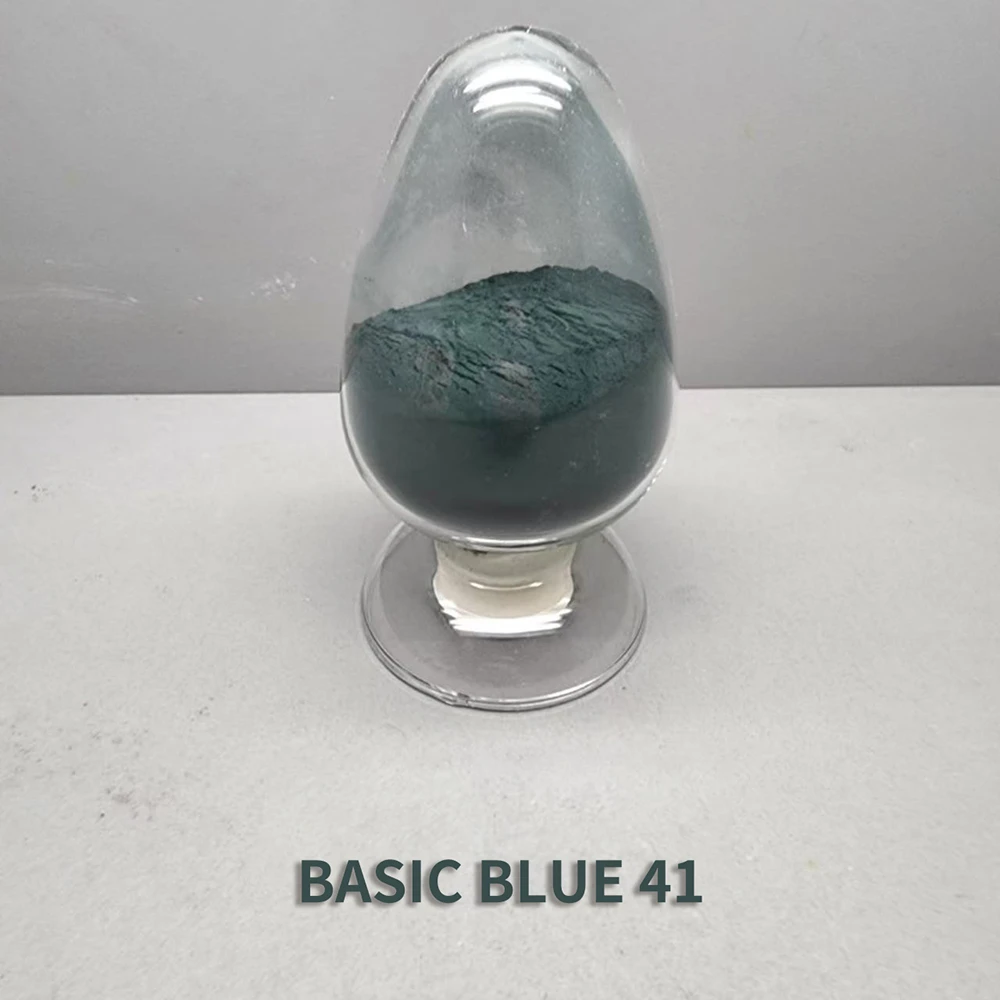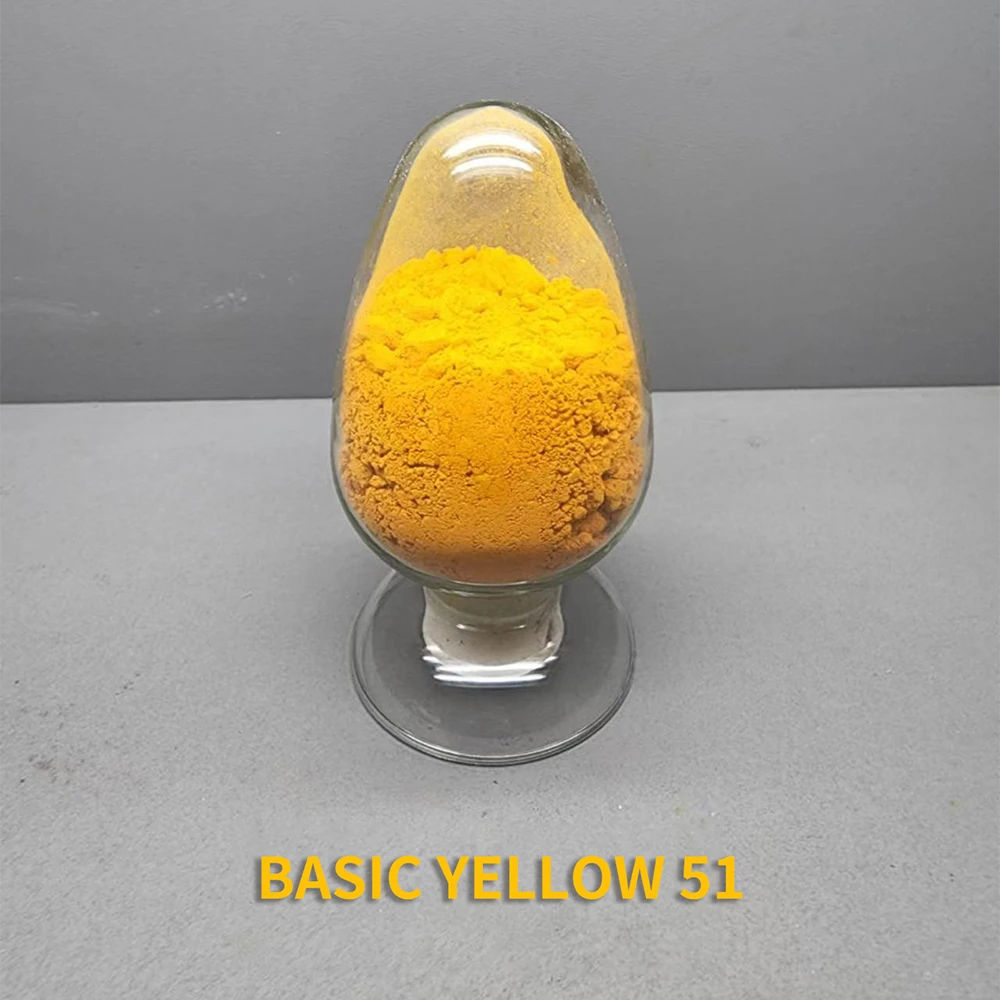
Green Fabric Dye | Sustainable Textile Solutions for Eco-Friendly Fashion
The Growing Buzz Around Green Fabric Dye: A Textile Revolution
Green fabric dye isn't just a fancy phrase tossed around at eco-summits anymore — it’s a vital part of the textile industry's evolving story. Globally, as sustainability becomes not just a buzzword but a demand, understanding what green fabric dyes are and why they matter is key to both environmental stewardship and industrial innovation.
Our clothes, curtains, and countless textiles come tinted with colors that, on the surface, seem innocent enough — but the manufacturing processes behind them often leave a hefty environmental footprint. Enter green fabric dye: a game-changer with lower water use, reduced toxic runoff, and a smaller carbon footprint. When we talk about green fabric dye, we're tapping into a future that aligns industry growth with responsible resource use.
Why Everyone’s Talking About Green Fabric Dye
It’s hard to overstate the environmental pressure textile dyeing exerts worldwide. According to the UN Environment Programme, textile dyeing consumes upwards of 200,000 tonnes of dye annually with significant pollution risks. Meanwhile, the World Bank reports textiles account for 17–20% of industrial water pollution globally. Isn't it time the industry addresses this head-on?
Green fabric dye solutions address these ongoing concerns — whether by using natural dyestuffs, waterless technologies, or biodegradable components. The challenge lies in balancing performance (vibrant color, wash-fastness) with these new sustainability bounds. Many manufacturers are rapidly innovating to keep pace with market demands for eco-smart textiles.
Defining Green Fabric Dye: More Than Just a Color
At the simplest level, green fabric dye refers to textile coloring agents produced with environmental considerations front and center. This includes dyes derived from renewable biological sources, synthetic dyes formulated to minimize hazardous chemicals, or processes designed to limit water and energy usage. The aim? Achieve the same rich textile hues but without the toxic trail.
It’s fascinating how this closely ties to both the modern fashion industry aiming to cut waste and humanitarian needs where durable, non-toxic fabrics improve safety in vulnerable communities. In a sense, green fabric dye crosses both style and substance, directly impacting lives and environments alike.
Key Aspects to Understand About Green Fabric Dye
1. Environmental Impact Reduction
Foremost, green fabric dyes reduce chemical pollutants in wastewater. Many dyes use low-impact ingredients, avoiding heavy metals or azo-compounds notorious for toxicity. That translates to cleaner rivers downstream and safer conditions for factory workers.
2. Durability and Colorfastness
One might worry that “greener” means “less durable,” but recent advances mean many eco-dyes hold color just as well as traditional ones. Fastness to light, washing, and abrasion can now match or exceed conventional dyes in many formulations.
3. Scalability and Industrial Viability
Scaling green fabric dye solutions from boutique artisan use to mass production is challenging, yet necessary. Solutions now incorporate automated processes compatible with existing machinery, cutting downtime and cost overhead.
4. Cost Effectiveness
While green fabric dyes can initially seem more expensive, cost savings often appear downstream — notably through reduced water treatment needs, lower energy consumption, and fewer regulatory fines. Plus, consumer willingness to pay premium for ethically made goods makes this a savvy long-term play.
5. Regulatory Approval & Certifications
Many green fabric dyes meet or exceed global standards like Oeko-Tex and GOTS certifications, reassuring brands and consumers. These certifications facilitate出口 and compliance in regulated markets, making them essential for international players.
Mini Takeaway:
Green fabric dye bridges environmental responsibility and practical textile performance through a blend of chemistry, engineering, and regulatory savvy.
Global Applications & Real-Life Use Cases
Green fabric dye finds diverse applications worldwide. For example:
- Fashion hubs like Scandinavia and Japan: Many indie designers use eco-dyes to connect with conscious consumers.
- Post-disaster aid organizations: They use green-dyed textiles to supply safe, hypoallergenic clothing and shelters that protect vulnerable populations without environmental harm.
- Industrial workwear providers: Green dyes are increasingly standard, providing less toxic apparel for mill and factory workers in Asia’s manufacturing belts.
Oddly enough, even remote regions benefit indirectly—for instance, textile mills adopting waterless dye technologies reduce waterway contamination affecting entire watersheds.
Advantages & Long-Term Value of Green Fabric Dye
Some obvious benefits but worth belaboring:
- Sustainability: Reduced pollution and waste promoting cleaner ecosystems.
- Health & Safety: Lesser exposure to harmful substances for workers and consumers.
- Branding & Consumer Trust: Environmentally conscious consumers reward green product initiatives.
- Economic Resilience: Resource savings and regulatory compliance lower risk and costs.
Frankly, it’s a win-win: manufacturers innovate, consumers feel better about purchases, and the planet breathes easier.
What’s Next? Future Trends in Green Fabric Dyeing
Innovation never sleeps. Here are some future pointers:
- Digital pattern printing: Cutting dye use by applying color directly where needed.
- Bioengineered dyes: Using bacteria or algae to produce vibrant dyes sustainably.
- Waterless dyeing processes: Leveraging supercritical CO2 and other emerging tech.
- Supply chain transparency: Blockchain tracking to verify eco credentials.
Challenges Ahead and Ways to Tackle Them
No shiny solution comes without hurdles:
- Higher upfront costs: Can deter small operators; subsidies or partnerships help.
- Color range limitations: Though rapidly expanding, some hues remain tricky.
- Consumer education: Misconceptions about durability or color richness need countering through marketing and labels.
Industry leaders often emphasize collaboration — pooling R&D resources and sharing best practices accelerates progress.
Green Fabric Dye: Product Specification Overview
| Specification | Typical Range | Notes |
|---|---|---|
| Source | Plant extracts, Bioengineered, Synthetic eco | Depends on product line |
| Water Usage | 30-60% less than conventional | Measured per kilo of fabric |
| Fastness (Washing) | 4-5 (scale 1-5) | Comparable to traditional dyes |
| Chemical Composition | Non-toxic, biodegradable | Certified to global standards |
| Cost per kg | $15-$25 | Varies by volume and type |
Top Green Fabric Dye Vendors Compared
| Vendor | Sustainability Certs | Price/kg | Color Range | Global Reach |
|---|---|---|---|---|
| EcoHue Textiles | GOTS, Oeko-Tex | $18 | 60+ | Europe, Asia |
| GreenDye Co. | Bluesign, Cradle to Cradle | $22 | 40+ | North America, Europe |
| BioSpectrum | ISO 14001, Oeko-Tex | $20 | 50+ | Asia, Africa |
FAQ: Your Most Common Questions About Green Fabric Dye
1. Are green fabric dyes suitable for all types of textiles?
Generally, yes. Modern green fabric dyes are formulated for various natural and synthetic fibers, including cotton, wool, and polyester blends. However, specific performance can vary, so testing on the intended fabric is recommended before large-scale production.
2. How much water savings can be expected using green fabric dyes?
Water savings typically range from 30% to 60% compared to traditional dyeing processes. Some innovative technologies even eliminate water use almost completely, but those require specialized equipment.
3. Do green fabric dyes cost more than conventional dyes?
The initial cost per kilogram may be slightly higher, around 10-30%. Yet, savings realized from reduced wastewater treatment, energy use, and meeting compliance often offset this difference over time.
4. Can green fabric dyes produce the same vibrancy and colorfastness?
Yes. Advances in chemistry have narrowed the gap significantly. Many green dyes now match or surpass traditional dyes' color fastness and vibrancy, especially when applied using modern processes.
5. How can manufacturers verify the environmental claims of green fabric dyes?
Look for certifications such as GOTS (Global Organic Textile Standard), Oeko-Tex Standard 100, and Bluesign. These certifications require strict testing and audit processes ensuring environmental and human safety standards are met.
Wrapping Up: Why Embracing Green Fabric Dye Is the Smart Move
In real terms, green fabric dye is more than a fad — it’s a measurable step toward cleaner, safer textiles for everyone. From improving worker safety in sprawling textile hubs to offering consumers guilt-free fashion choices, its promise is compelling. With ever-increasing regulations and market demand for sustainability, exploring green fabric dye solutions isn’t just wise; it’s practically mandatory.
Curious to dive deeper or source your own green fabric dye? Visit our website at https://www.yanhongchem.com to explore options tailored for your needs.
Final thought:
Sometimes, a splash of green is all it takes to brighten an entire industry.
References
-
Comprehensive Guide to Dark Green Fabric Dye: Sustainability and Durability in TextilesNewsDec. 07, 2025
-
Achieving the Perfect Pastel Shade with Light Pink Dye for ClothesNewsApr. 04, 2026
-
Burgundy Fabric Dye – Durable, Vibrant Solutions for Textile Industry | YanhongchemNewsDec. 11, 2025
-
China Basic Dye Factory - Eco-Friendly, OEM & Fast DeliveryNewsNov. 13, 2025
-
Inside a China Fabric Dye Factory: Insights and Vendor ComparisonNewsDec. 03, 2025
-
Fabric Dye For Furniture: Durable, Sustainable Solutions for B2B ManufacturersNewsDec. 08, 2025