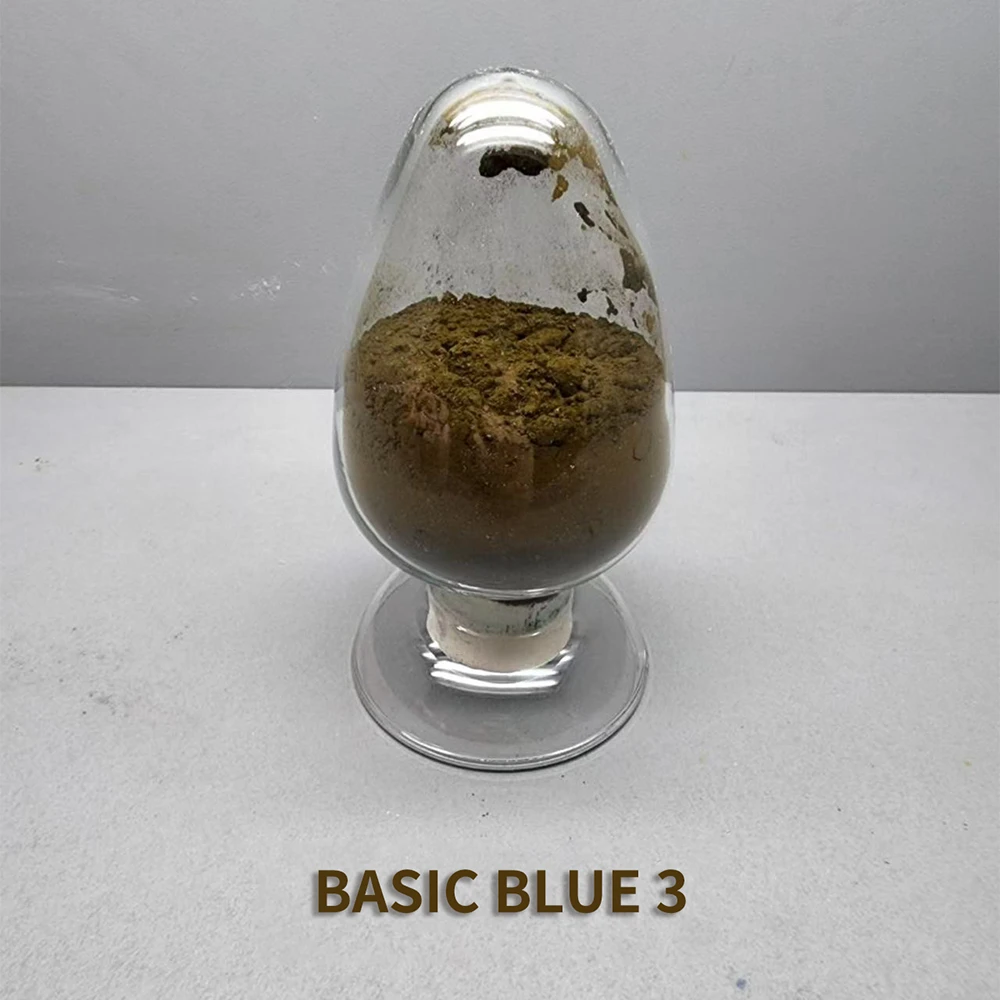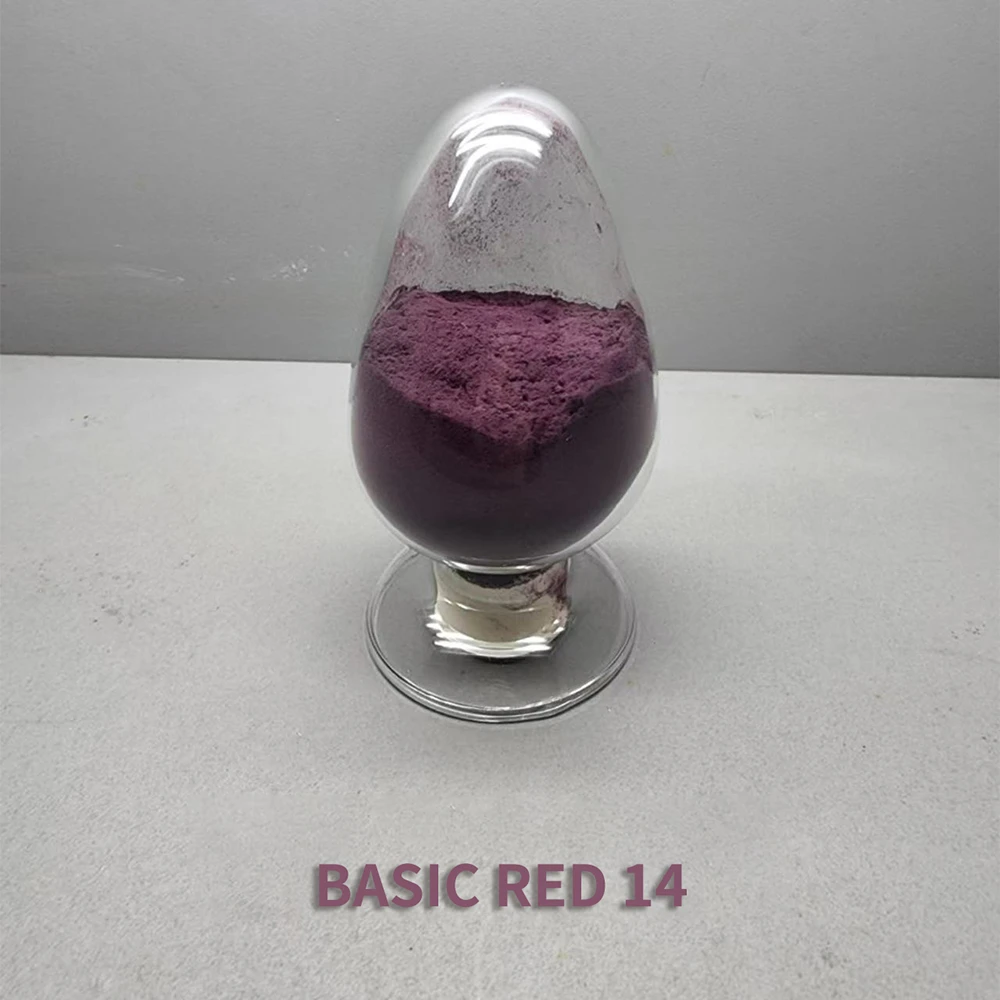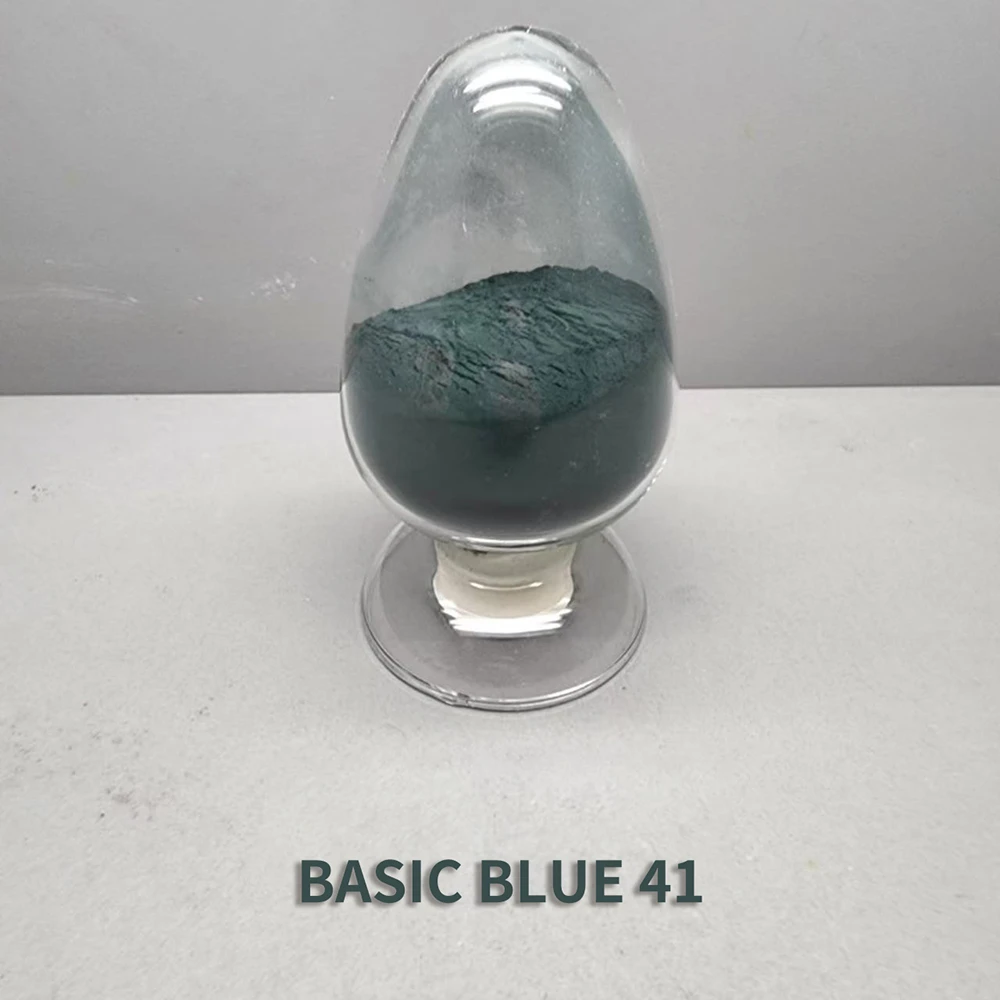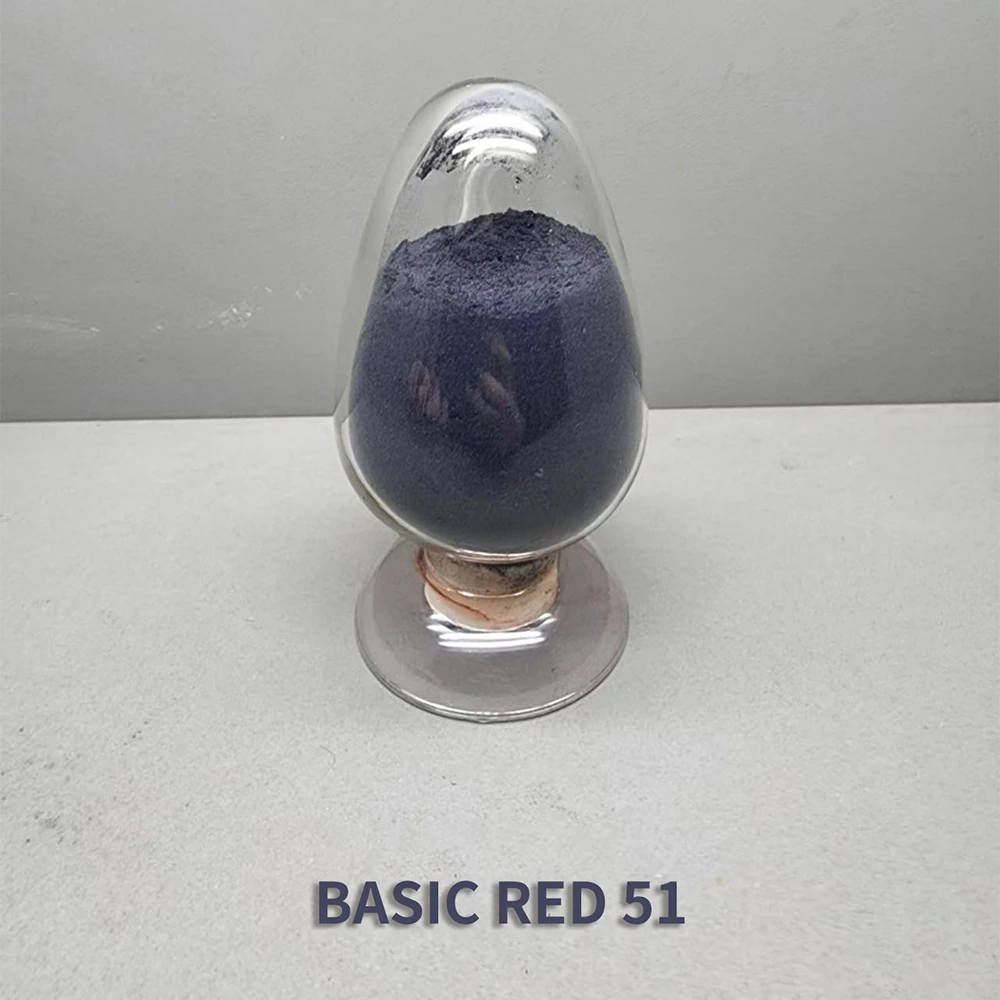
Fabric Dye for Sale – Quality Textile Dyes for Sustainable Fashion & Industry
Fabric Dye for Sale: Why It’s a Global Staple You Might Overlook
When you think of fabric dye for sale, it might just bring to mind a splash of color on your favorite shirt or the brand-new curtains you’ve been eyeing. But this humble product has a much larger role — from powering massive textile industries across continents to seeding breakthroughs in sustainable fashion. Understanding fabric dye, in its many forms, helps us grasp an often unseen piece of the global economic puzzle and environmental discussion.
Setting the Scene: The Global Importance of Fabric Dyes
The textile industry, powered by fabric dyes, is colossal — valued at over $1 trillion worldwide and employing millions. According to Wikipedia, the global demand for dyes has grown alongside rapid urbanization and evolving fashion tastes. And the numbers don’t lie: the statista report on sustainable fashion highlights a spike in eco-friendly dyes, speaking volumes about shifting priorities.
But here’s the rub. Traditional fabric dyes often come with significant environmental costs — pollutants, water use, and chemical waste, especially in developing economies. Growing regulations from the UN's Sustainable Development Goals (SDGs) urge the industry to rethink and innovate. So when the keyword fabric dye for sale pops up in procurement or product searches, there’s more at stake than just color. It’s about quality, safety, scalability, and sustainability.
Mini Takeaway:
- Fabric dyes power a trillion-dollar global textile market.
- Environmental impact and regulations are nudging industry changes.
What Exactly Is Fabric Dye for Sale?
Put plainly, fabric dye for sale refers to commercially available coloring agents applied to textiles. Manufacturers, designers, and small businesses alike buy these dyes to transform raw materials into vibrant garments or household items. The “for sale” part just means ready-for-market suppliers offer these dyes in liquid, powder, or paste forms — tailored to various fabrics like cotton, polyester, silk, or blends.
In a broader industrial sense, fabric dyes are pivotal for clothing production, decorative arts, and even humanitarian efforts, such as marking relief supplies or uniforms. Modern advances have introduced a variety of substances: reactive dyes binding chemically with fibers, dispersion dyes specialized for synthetics, and natural dyes regaining popularity due to eco-awareness.
Mini Takeaway:
- Fabric dye for sale is a commercially available textile coloring product.
- They come in multiple types suited for diverse fabric materials.
Key Aspects to Consider When Choosing Fabric Dye for Sale
1. Durability and Colorfastness
One of the first things industry pros check is how well a dye holds up against washing, sunlight, and wear. A robust fabric dye ensures garments don’t fade or bleed — critical for both mass-market brands and artisan producers.
2. Compatibility with Different Fibers
Not all dyes play nicely with every fabric. For example, natural cotton loves reactive dyes, whereas polyester needs disperse dyes. Understanding compatibility prevents wasted resources and ensures vibrant results.
3. Cost Efficiency
While premium dyes may cost more, their longevity and less frequent reapplication can offset initial expenses. Bulk buyers always weigh price against quality, and the “fabric dye for sale” market offers a spectrum from budget-friendly to high-end specialty products.
4. Environmental Impact
Eco-conscious businesses now prioritize dyes with low toxicity, zero heavy metals, and biodegradable compounds. Some suppliers even offer certifications aligning with ISO 14001 environmental standards.
5. Ease of Application
From high-volume automatic dyeing machines to small-scale artisan vats, the dye’s form and preparation must match the end-user’s capabilities. Some dyes require precise pH levels or temperatures, while others are more forgiving.
Mini Takeaway:
- Durability, fiber compatibility, cost, eco-impact, and user-friendliness are key.
- These factors directly influence the dye’s real-world success.
Product Specification: Representative Fabric Dye Options
| Specification | Reactive Dye (Cotton) | Disperse Dye (Polyester) | Natural Indigo Dye |
|---|---|---|---|
| Form | Powder | Liquid concentrate | Paste |
| Suitable fibers | Cotton, rayon | Polyester, acetate | Cotton, silk |
| Colorfastness | High | Medium-High | Medium |
| Eco-friendly | Moderate (depends on manufacturer) | Low (synthetic chemicals) | High |
| Typical price per kg | $15–25 | $12–20 | $30–50 |
Who Sells Fabric Dye for Sale? Comparing Suppliers
| Supplier | Product Range | Eco Certifications | Lead Time | Typical Pricing |
|---|---|---|---|---|
| Yanhong Chemicals | Reactive, disperse, acid, natural dyes | ISO 14001 certified | 7–10 days | Competitive |
| Dharma Trading Co. | Natural and synthetic dyes, small batches | Limited eco lines | 3–5 days | Higher for small quantities |
| Koch Colour | Industrial-scale synthetic dyes | Strong eco compliance | 10–15 days | Lower per unit bulk pricing |
Fabric Dye for Sale in Action: Real-World Applications
Think about everyday texturing: fashion brands rely on quality dyes to deliver consistent colors every season, whether in Milan or Mumbai. But oddly enough, fabric dye for sale also plays a role in sectors beyond fashion. For example:
- Disaster Relief and Uniforms: NGOs sourcing brightly colored, durable fabrics for field uniforms and gear often buy pre-dyed fabric or dyes from trusted suppliers.
- Home Textiles and Upholstery: High-end furniture makers use specific dyes for fade-proof upholstery suitable for sunny climates.
- Artisan and Ethnic Crafts: Indigenous dyers prioritize natural dyes, connecting heritage to commerce.
Many industries rely on suppliers who can meet diverse demands quickly and sustainably. In fact, companies like Yanhong Chemicals focus heavily on offering rapid delivery and a variety of dyes for sale internationally.
Mini Takeaway:
- Fabric dye for sale spans industries from high fashion to humanitarian relief.
- Reliable suppliers that combine speed and sustainability thrive in global markets.
The Long-Term Benefits You Might Not Have Considered
On the surface, dyes add color. But beneath that is a cascade of logical and emotional advantages. Logically, investing in quality fabric dye for sale means fewer mistakes, less waste, and more sustainable supply chains. Emotionally, the right dye carries dignity — garments that look fresh and feel good matter for workers, customers, even those receiving aid in crisis zones.
Sustainability also ties in deeply here. Many emerging dyes dramatically reduce water and energy use, answering a global call for green manufacturing. Trust and innovation meld beautifully; it’s not just about price but the story behind the dye.
What’s Next? Future Trends in Fabric Dye for Sale
The dye market is changing fast. Biotech innovations are creating enzymes that enable dyeing at lower temperatures, cutting emissions. Then, there’s a surge in digital printing with specialized inks replacing traditional dyes for small batch customization. Automation offers huge efficiency gains, while traceability through blockchain is becoming a buzzword to guarantee eco and social responsibility.
Opening windows further, we see policy-driven pushes — governments imposing stricter discharge limits on dye wastewater, for example. So suppliers and buyers alike eye greener chemistry and smarter logistics.
Common Hurdles and How Industry Experts Address Them
Fabric dyes are chemically complex, so challenges abound: inconsistent color results, toxic waste, cost fluctuations, supply delays. But experts suggest:
- Improving supplier transparency with certifications.
- Investing in R&D for natural and bio-based dyes.
- Building modular dyeing plants near raw materials to cut transport emissions.
Frankly, success feels like balancing tradition with tech — and luckily, there’s joyous room for both.
Frequently Asked Questions About Fabric Dye for Sale
Q1. What should I consider before buying fabric dye for sale in bulk?
Consider the type of fabric you’ll dye, environmental standards, and supplier reliability. Bulk purchasing benefits from consistent quality and favorable pricing, but verify delivery times and technical support.
Q2. Are natural fabric dyes as effective as synthetic ones?
Natural dyes offer eco benefits and unique aesthetics but usually lack the colorfastness and range of synthetic dyes. For artisan products, natural dyes shine; for mass production, synthetic dyes dominate.
Q3. How do eco-certifications impact fabric dye purchasing?
Certifications like ISO 14001 or Oeko-Tex ensure dyes meet environmental and safety criteria, which can enhance brand image and meet regulatory demands.
Q4. Can I use fabric dye for sale from one supplier across all my product lines?
Usually no; it depends on fiber types and end-product uses. Working closely with suppliers for tailored solutions is common.
Q5. Is there a trend towards digital fabric dyeing over traditional methods?
Yes, digital dyeing allows smaller batch sizes, reduces waste, and offers rapid design changes, making it popular in fast fashion and prototyping.
Wrapping Up: Why Fabric Dye for Sale Still Matters
At first glance, fabric dye for sale might seem mundane. But its layers—economic, environmental, social—run deep. Whether you’re sourcing for a boutique or scaling an industrial line, you’re touching a product that mixes chemistry, art, and sustainability. So, next time you browse for fabric dye for sale, maybe think about the ripple effects — the livelihoods, innovations, and future green promises tied to that humble packet of pigment.
Curious to explore top-quality, eco-conscious fabric dyes? Visit our website: https://www.yanhongchem.com for a wide variety of products and expert support.
References:
-
Beige Fabric Dye Solutions for Sustainable and Durable Textile Coloring | YanhongchemNewsDec. 09, 2025
-
Comprehensive Guide to China Basic Dye Manufacturer: Quality, Innovation & SustainabilityNewsDec. 03, 2025
-
Burgundy Fabric Dye – Durable, Vibrant Solutions for Textile Industry | YanhongchemNewsDec. 11, 2025
-
China Basic Dye Manufacturer | High Purity & Eco OptionsNewsDec. 13, 2025
-
High-Performance Cobalt Blue Fabric Dye for Industrial Applications | Yanhong ChemicalNewsJan. 05, 2026
-
China Basic Dye Factory: High-Purity, Fast Delivery, GreenNewsDec. 13, 2025