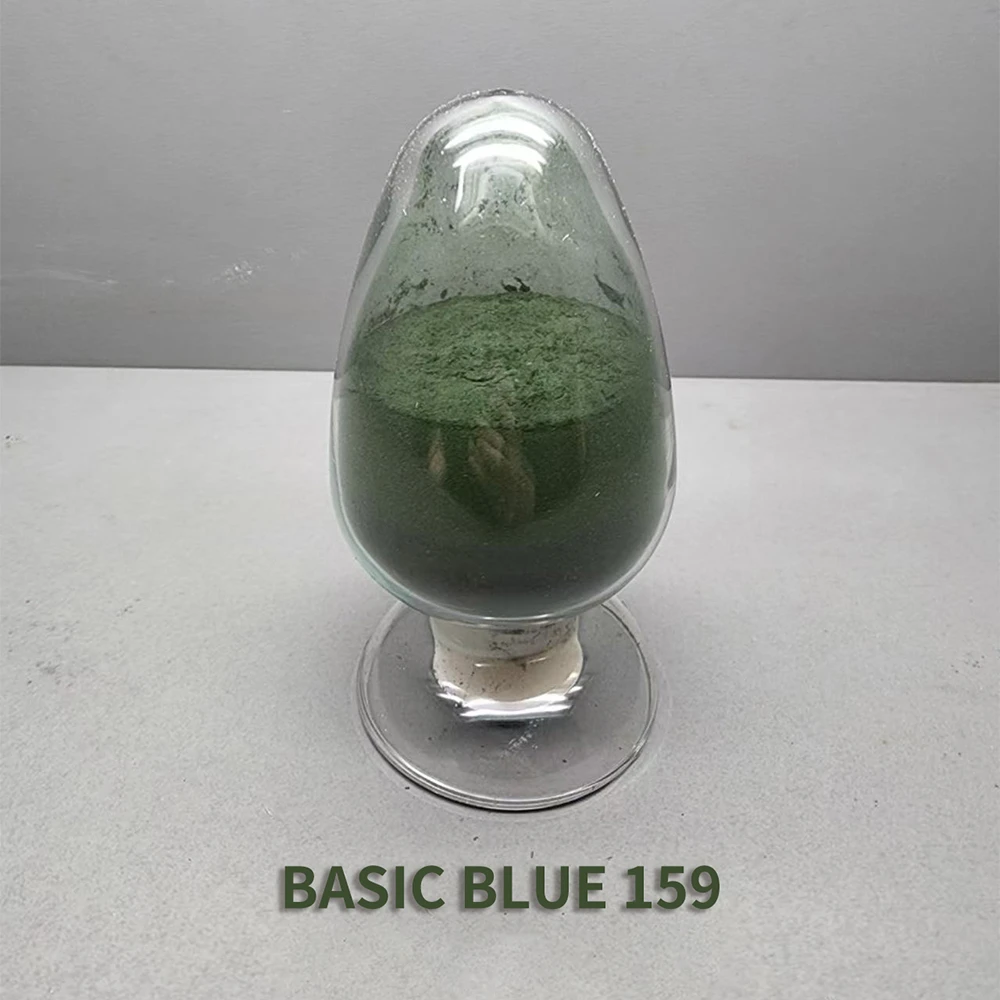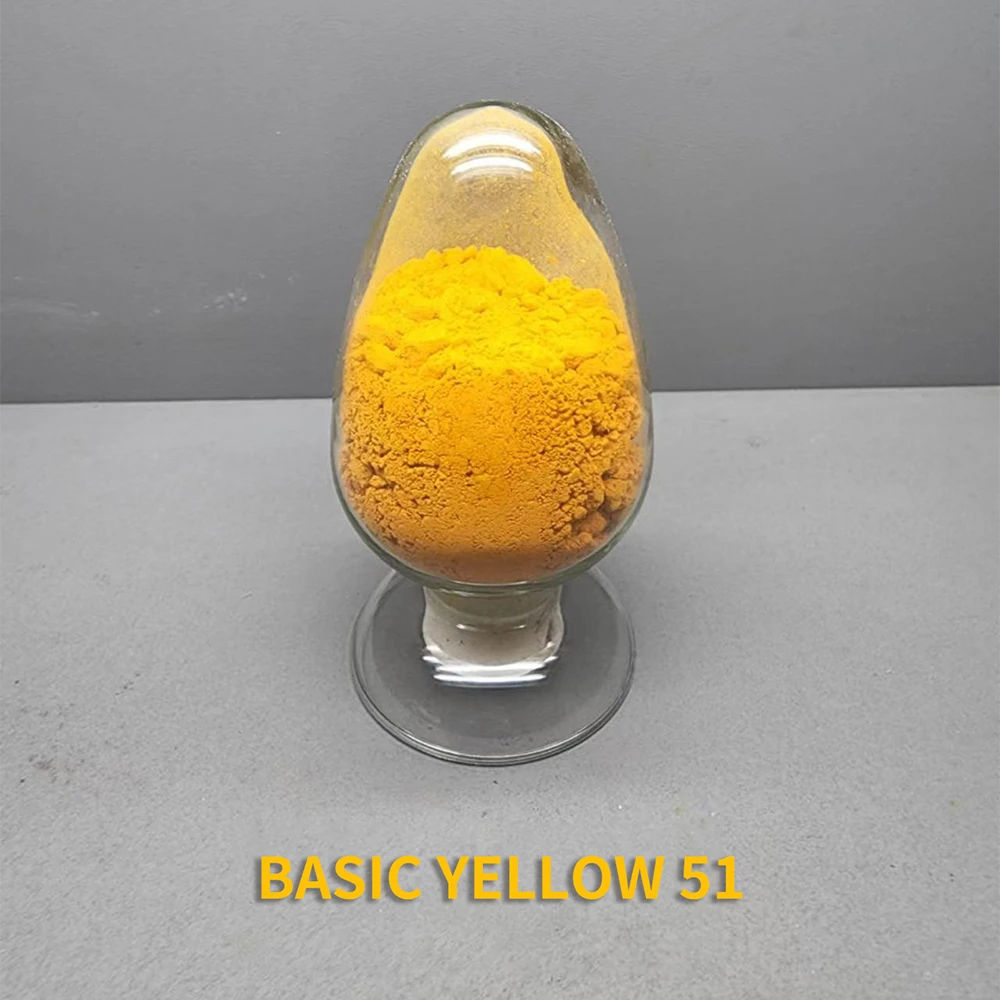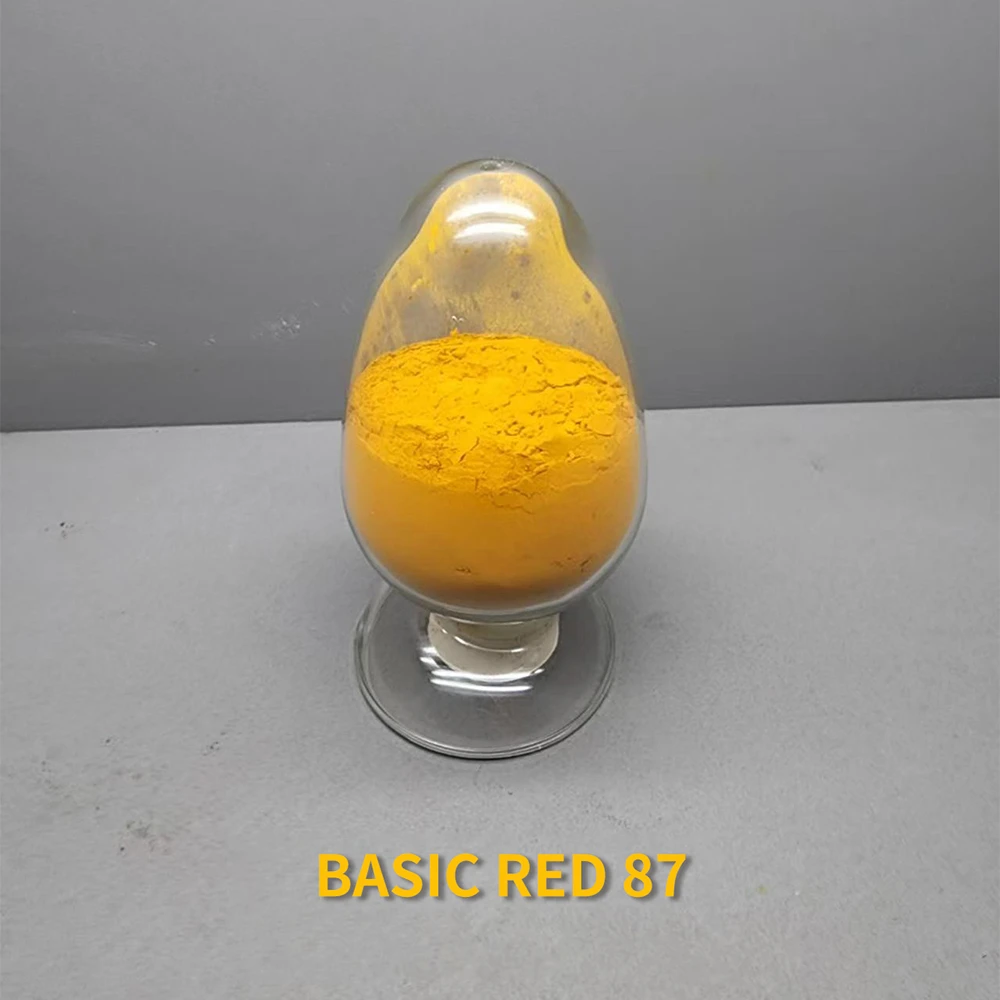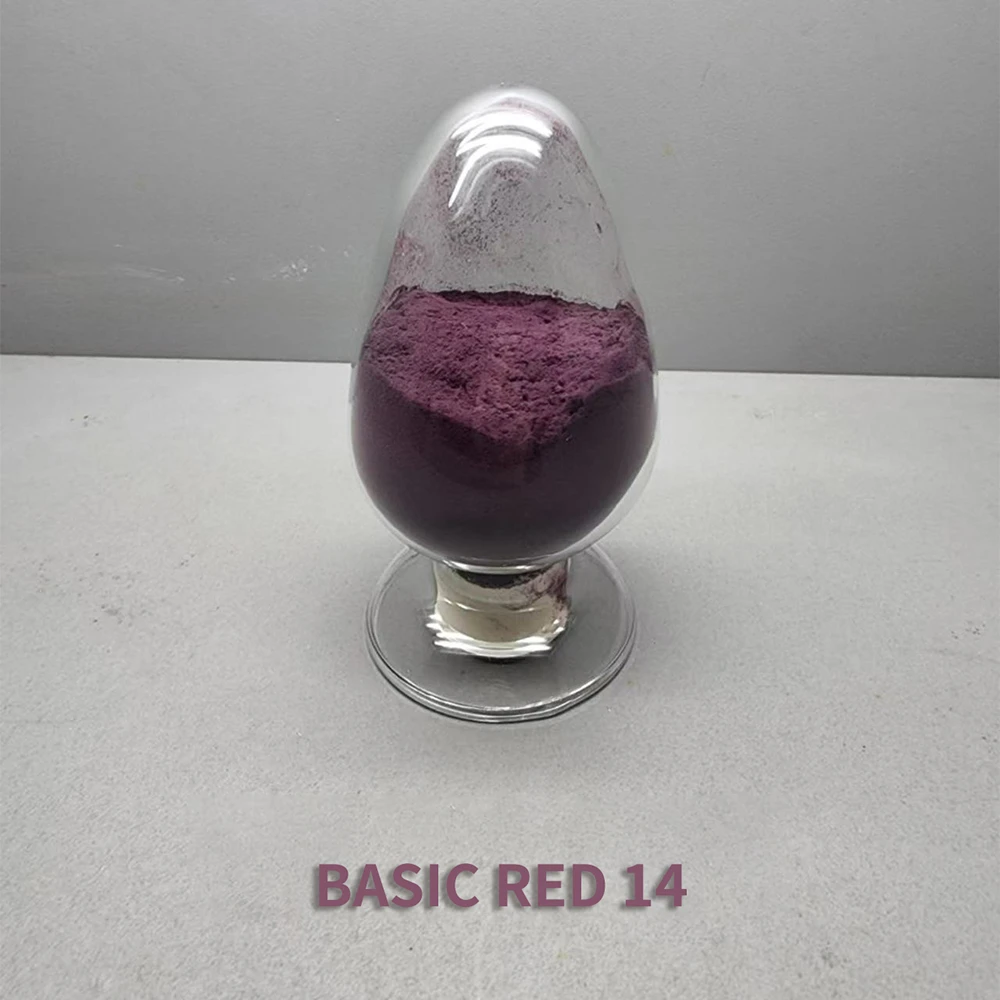
Environmentally Friendly Dyes For Fabrics – Sustainable Textile Solutions by Yanhong Chemical
Environmentally Friendly Dyes For Fabrics is a key solution in the textile industry, especially for businesses aiming to combine performance with sustainability. This article explores how Yanhong Chemical supports professionals with durable, high-performance products, and explains why this product is an ideal choice for manufacturers and suppliers across sectors.
Table of Contents
- Environmentally Friendly Dyes For Fabrics Overview
- Benefits & Use Cases of Environmentally Friendly Dyes For Fabrics
- Cost, Maintenance & User Experience
- Sustainability & Market Trends
Environmentally Friendly Dyes For Fabrics Overview
At its core, Environmentally Friendly Dyes For Fabrics represent a shift away from traditional chemical dyes that often rely on toxic substances and resource-heavy processes. Instead, they focus on using biodegradable, non-toxic, and resource-efficient chemicals that minimize environmental impact without compromising on color vibrancy or fabric durability. Oddly enough, the challenge many manufacturers face is matching the performance of conventional dyes while also adhering to stricter environmental regulations.
- They primarily utilize natural or bio-synthesized compounds, often derived from plant or microbial sources.
- A notable example includes the successful application of these dyes in denim manufacturing, where colorfastness and wash resistance are critical.
| Specification | Details |
|---|---|
| Chemical Composition | Bio-based azo and reactive compounds |
| Wastewater Impact | Up to 50% reduction in chemical oxygen demand (COD) |
| Colorfastness | Grade 4-5 (ISO standard) |
| Suitable Fabrics | Cotton, polyester blends, silk |
| Application Temperature | 40-60°C |
Benefits & Use Cases of Environmentally Friendly Dyes For Fabrics
You might wonder where these dyes find their real sweet spot. Frankly, the textile sector is just the start. Apparel manufacturers seeking certifications like OEKO-TEX® or GOTS have long pushed for safer dyeing alternatives. These dyes also shine in automotive interiors, upholstery, and technical fabrics where long-term durability is non-negotiable.
- Ensures compliance with strict environmental regulations, especially in the EU and North America.
- Offers excellent UV resistance and wash durability, which is a big plus for performance garments.
In a nutshell, these dyes usually require less water and energy during processing — a boon for companies watching production costs and carbon footprints alike.
Cost, Maintenance & User Experience
There’s often a concern about higher upfront costs with green products. However, when you factor in long-term savings from reduced water treatment fees, lower energy usage, and fewer replacements due to dye fading, the total cost of ownership can be surprisingly competitive. Many manufacturers who have tested Yanhong’s Environmentally Friendly Dyes note an appreciable return on investment within 12 to 18 months.
- Durable performance reduces fabric waste and enhances customer satisfaction.
- Simplified maintenance due to fewer chemical residues in washing processes.
User feedback often emphasizes how easy these dyes integrate into existing production lines, with minimal need to change machinery or protocols – which is always a relief when budgets are tight and distractions unwanted.
Sustainability & Market Trends
The broader industry trends point to a rising demand for transparency and sustainability – it feels like everyone wants to “do better” these days. In fact, government regulations in many places now incentivize or mandate the use of less harmful dyes. It’s no surprise that the global eco-friendly textile dyes market is projected to grow steadily over the next decade. Consumers, of course, are demanding more responsible products, pushing brands to scrutinize their supply chains closely.
Oddly enough, this kind of market pressure is driving innovation – not just in dye chemistry but also in waste treatment and water recycling technologies. Yanhong Chemical is well-positioned here, offering scalable and regulatory-compliant solutions that help companies stay ahead of evolving standards rather than scramble reactively.
| Vendor | Colorfastness | Eco-Certifications | Price Range | Special Features |
|---|---|---|---|---|
| Yanhong Chemical | Grade 4-5 (ISO) | GOTS, OEKO-TEX® | Moderate | Low water usage, bio-based compounds |
| Vendor B | Grade 3-4 | OEKO-TEX® | Higher | Focus on synthetic blends |
| Vendor C | Grade 4 | Limited certifications | Lower | Budget alternative, higher water use |
Frequently Asked Questions about Environmentally Friendly Dyes For Fabrics
- What is Environmentally Friendly Dyes For Fabrics and how does it work?
- These dyes are pigments or chemical compounds designed to color fabrics without the typical harmful environmental footprint. They often incorporate bio-based ingredients or processes that reduce water and chemical use. The dye molecules bond effectively with fabric fibers, providing strong colorfastness while ensuring that residues in wastewater are less toxic.
- What are the main benefits of using Environmentally Friendly Dyes For Fabrics in industrial applications?
- Besides obvious environmental benefits, these dyes often offer superior color durability, reduce processing times, and align with international eco-certifications. This helps factories meet regulatory standards more easily and appeal to increasingly eco-conscious brands and consumers.
- How does Environmentally Friendly Dyes For Fabrics compare to traditional alternatives?
- While traditional dyes may still have a cost advantage initially, environmentally friendly variants increasingly close the gap through efficiency and regulatory compliance. Additionally, they reduce toxic waste and energy consumption, which matters a great deal to both regulators and end-users.
- What industries can benefit most from Environmentally Friendly Dyes For Fabrics implementation?
- Textile manufacturers, apparel brands, automotive and upholstery fabric producers, as well as any sector requiring certified, durable fabrics stand to gain the most. For example, a recent case involved a mid-size denim producer reducing environmental compliance issues dramatically after switching to Yanhong’s solutions.
Conclusion on Environmentally Friendly Dyes For Fabrics from china
In closing, the value of Environmentally Friendly Dyes For Fabrics lies not only in their environmental promise but also in their ability to deliver performance that meets industry demands. Whether you’re aiming to future-proof your supply chain, reduce operational costs, or simply step up your green game, these dyes deserve a closer look.
- Recap the value of Environmentally Friendly Dyes For Fabrics.
- - Visit our website: https://www.yanhongchem.com
It’s been interesting diving into how the textile dye industry stands at a crossroads, balancing tradition and innovation. If you’re considering making a change, it’s worth testing these dyes in your context; sometimes the greenest path is also the smartest business move.
References:
1. Textile World, "Green Solutions in Dyeing," 2023.
2. OEKO-TEX® Association, Standards Overview, 2024.
3. Yanhong Chemical Product Datasheet, 2024.
-
Reliable Fabric Color Dye Insights for Industrial ApplicationsNewsDec. 07, 2025
-
A Comprehensive Guide to Achieving Beautiful Pastel Dye for ClothesNewsApr. 07, 2026
-
Basic Red 46 Dye - High-Purity, Bright Shade, Fast DeliveryNewsNov. 13, 2025
-
Magenta Fabric Dye for Industrial Textile Solutions | YanhongChemNewsJan. 02, 2026
-
Durable Taupe Fabric Dye for Industrial Use | Expert InsightsNewsJan. 01, 2026
-
Thermochromic Fabric Dye for Industrial Textiles | Yanhong ChemicalNewsDec. 31, 2025