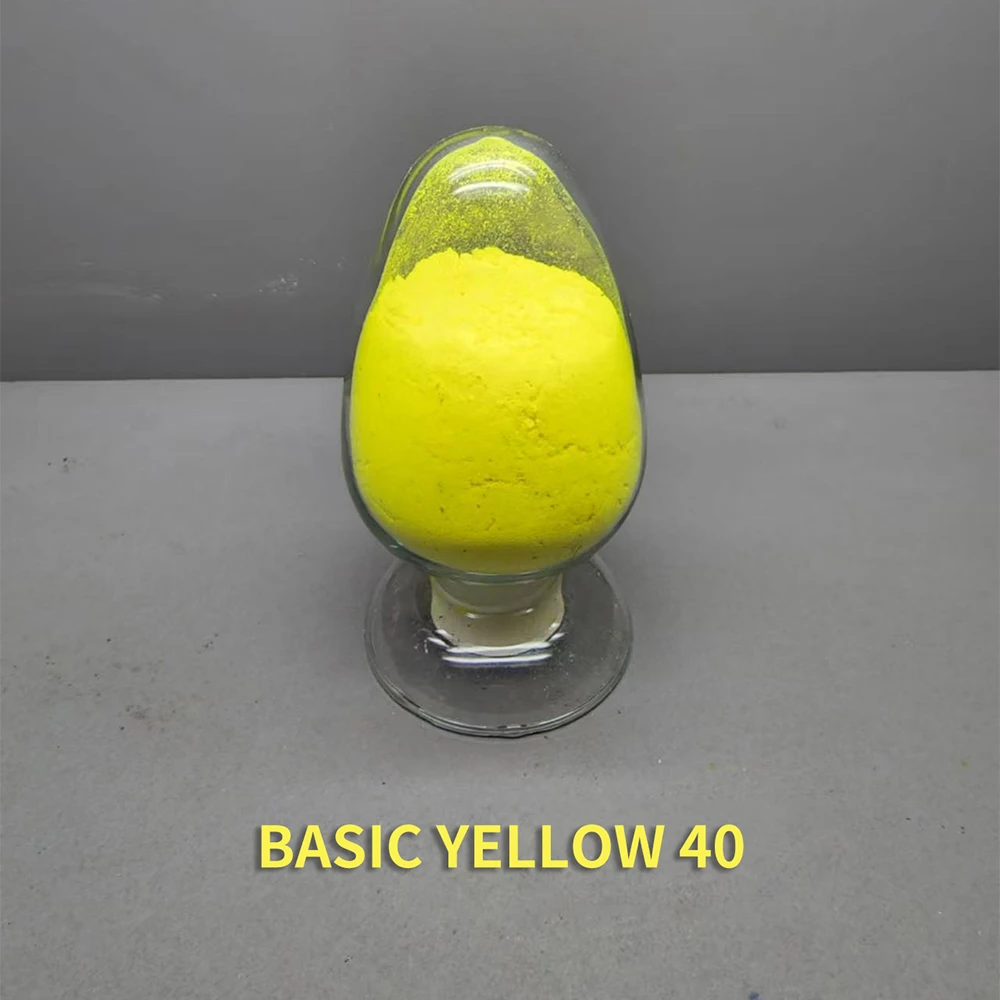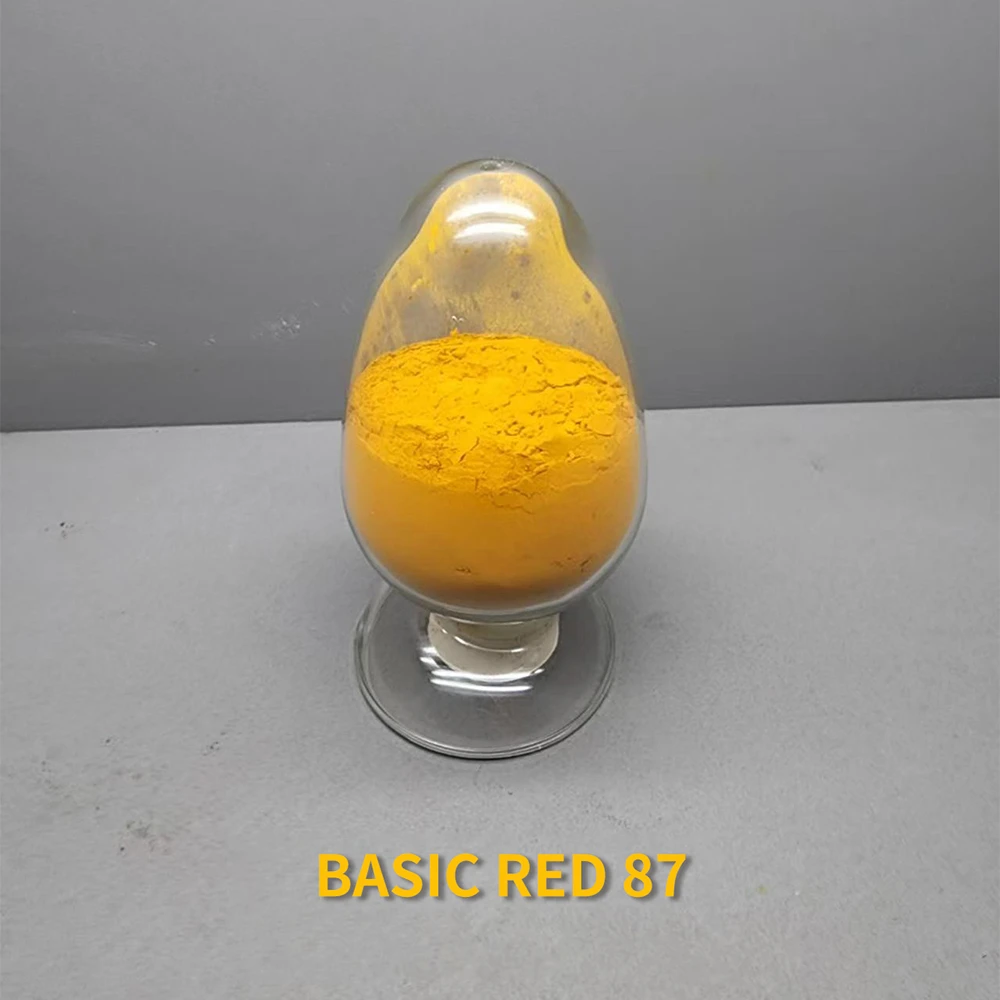
Eco Friendly Fabric Dye – Sustainable Textiles for a Greener Future
Understanding Eco Friendly Fabric Dye: A Sustainable Shift in Textiles
It’s no secret that textile manufacturing has historically been one of the planet's most polluting industries. The rise of eco friendly fabric dye marks an important step in turning this narrative around. But what exactly does it entail, why does it matter on a global scale, and how is it shaping not just the fabrics we wear but the future of ethico-environmental manufacturing? Let’s unravel it together.
Introduction: Why Eco Friendly Fabric Dye Matters Globally
Globally, textile dyeing accounts for nearly 20% of industrial water pollution, according to the United Nations Environment Programme (UNEP). The World Bank estimates that over 200,000 tons of dyes and pigments are discharged annually into water sources from textile factories. Beyond water contamination, chemical dyes often release volatile organic compounds (VOCs) and heavy metals, contributing to air pollution and long-term soil degradation. In a world increasingly worried about climate change, this environmental footprint is a wake-up call.
Eco friendly fabric dyes are emerging not just as a trend but as necessary technology. They address pressing industry challenges by offering sustainable alternatives with reduced toxicity, lower water usage, and biodegradability. In other words, they’re a practical step in reducing pollution while preserving vibrant, durable colors.
What Is Eco Friendly Fabric Dye?
Simply put, eco friendly fabric dye refers to coloring agents used in textiles that have a minimal environmental impact throughout their life cycle. Unlike conventional dyes, which often depend on petrochemicals, heavy metals, and synthetic chemicals, eco dyes draw from natural materials or scientifically crafted bio-based compounds that degrade safely without leaving harmful residues.
They connect closely to modern humanitarian values by supporting the wellbeing of textile workers and minimizing environmental harm in vulnerable communities. For instance, some eco dyes use plant extracts or microbial fermentation, reducing chemical waste and safeguarding water quality. In terms of industry, this aligns with ISO standards on environmental management (ISO 14001) and pushes manufacturers toward greener production.
Core Features of High-Quality Eco Friendly Fabric Dye
1. Durability and Colorfastness
One might imagine “green” dyes as less vibrant or less lasting, but that’s not necessarily true. Advanced eco dyes achieve impressive light and wash fastness. This means fabrics retain their color longer, which ironically reduces overall waste since consumers need fewer replacements. Durability is often a dealbreaker in commercial applications.
2. Scalability for Industrial Use
Eco friendly fabric dye isn’t just for small batches or artisanal printing anymore. Many manufacturers now produce these dyes at scale, compatible with existing machinery. This shift is crucial because sustainable processes must integrate with mass production to have a meaningful impact.
3. Cost Efficiency Over Time
While upfront costs for eco dyes can be marginally higher, many companies notice savings in wastewater treatment and reduced regulatory fees. Plus, as consumers prioritize sustainability, “eco” products gain market premium value.
4. Reduced Toxicity and Health Impact
From worker safety to end-user skin sensitivity, eco dyes result in significantly fewer adverse effects. This benefits factory environments and consumers alike, fulfilling both ethical and commercial demands.
5. Biodegradability and Environmental Impact
Many eco dyes break down naturally, avoiding accumulation of persistent chemicals in ecosystems. This lowers the overall ecological footprint of textile production, a goal echoed by the UN Sustainable Development Goals (SDGs).
Global Applications & Real-World Use Cases
Eco friendly dyes find homes in various sectors beyond fashion. In Asia, leading textile hubs like India and Bangladesh are adopting these dyes to comply with tightening environmental regulations. European luxury brands increasingly source garments dyed with plant-based pigments, offering certified “green” clothing lines. In the U.S., companies incorporate these dyes in mass-produced activewear, balancing performance with sustainability claims.
Interestingly, humanitarian organizations have leveraged eco-friendly dye technology for uniforms and shelter fabrics in post-disaster zones, where water pollution control is critical. Remote industrial setups in Africa use these dyes as they require fewer chemical inputs, aligning with limited infrastructure.
Basic Product Specifications Comparison
| Specification | Natural Plant-Based Dye | Bio-Synthetic Eco Dye | Low-Water Processed Dye |
|---|---|---|---|
| Colorfastness | Medium | High | High |
| Environmental Impact | Low | Very Low | Minimal water waste |
| Cost | Moderate | Higher | Moderate |
| Biodegradability | Yes | Yes | Yes |
| Typical Uses | Artisan textiles, niche fashion | Mass apparel, industrial fabrics | Sportswear, eco-brand products |
How Vendors Stack Up: A Quick Comparison
| Vendor | Eco Certification | Customization Options | Distribution Reach | Notable Clients |
|---|---|---|---|---|
| GreenHue Dyes | GOTS, OEKO-TEX | Full custom matching | Global | Eco fashion brands, NGOs |
| BioTint Solutions | ISO 14001 | Limited palette | North America, Europe | Large sportswear brands |
| PureLeaf Dyes | Fair Trade Certified | Artisan blends only | Limited, Asia focused | Boutique designers |
Advantages & Long-Term Value of Eco Friendly Fabric Dye
The benefits are, frankly, layered and compelling. From a cost perspective, many manufacturers save on water treatment and hazardous waste disposal—a non-trivial expense. Socially, the reduction in harmful chemicals protects factory workers and local communities. For brands, offering products dyed with eco friendly fabric dye builds trust with increasingly eco-conscious consumers.
Emotionally, it’s about safety and dignity: fabrics made without toxic residues reduce allergic reactions and skin sensitivities common in fast fashion. Plus, it sends a hopeful message — innovation can coexist with responsibility, and that kind of balance feels vital in 21st-century manufacturing.
Emerging Trends & Innovations
The next frontier? Digital printing combined with eco dyes is revolutionizing waste reduction by applying ink directly and minimizing excess. We also see new bio-based polymers coming into textile science, which, paired with naturally derived dyes, promise fully compostable fabrics. Green chemistry breakthroughs aim to cut down water use drastically; some companies experiment with solar-powered dye baths, as renewable energy meshes with sustainability goals.
Finally, policies like the European Green Deal push manufacturers globally to tighten environmental compliance, meaning the uptake of eco friendly fabric dye will likely accelerate.
Challenges and How the Industry is Tackling Them
Despite the advancements, some challenges persist. Cost remains a barrier for smaller producers. Color range sometimes can’t match synthetic dyes, and consistent large-scale supply chains are still in flux. Plus, biodegradability tests can vary by geography, causing regulatory hurdles.
Industry experts suggest partnerships between chemical engineers and textile designers, investment in scalable manufacturing tech, and consumer education as keys. Innovations like recombinant enzymes that speed dye fixation are also promising, pushing toward dye economies that waste almost nothing.
FAQ: Your Questions About Eco Friendly Fabric Dye
- Q: Are eco friendly fabric dyes suitable for all fabric types?
A: Most modern eco dyes work well on natural fibers such as cotton, linen, and wool. Advances have improved compatibility with some synthetic fabrics, but results vary depending on dye chemistry and fabric blends. - Q: How much water do eco dyes actually save compared to traditional dyes?
A: Certain low-water process eco dyes can reduce water usage by up to 60-80%. However, exact savings depend on the dyeing method and scale of production. - Q: Do eco friendly fabric dyes cost more?
A: Initially, yes—prices can be 10-30% higher, but companies often recoup these through lower waste management costs and better market positioning. - Q: Can these dyes be scaled for large production runs?
A: Definitely. Many vendors offer industrial-scale solutions compatible with existing machinery, though small-scale artisanal use remains common. - Q: Where can I find certified eco friendly fabric dyes?
A: Look for certifications like GOTS, OEKO-TEX, and ISO 14001 from reputable suppliers, and check smaller producers specializing in sustainable textiles.
Wrapping Up: Why Switching to Eco Friendly Fabric Dye is Worth It
In real terms, adopting eco friendly fabric dyes merges industry innovation with responsibility. It cuts pollution, safeguards health, and aligns brands with tomorrow’s values. There’s also a sort of joy in knowing your clothes—or products—come from a process that respects the earth and its people. If you’re interested in exploring solutions or want to dive deeper, visit eco friendly fabric dye and join the sustainable revolution.
1. United Nations Environment Programme (UNEP). Textile industry and pollution.
2. ISO 14001 environmental management standards.
3. World Bank Group. Water pollution from textile dyeing.
-
Organic Fabric Dye: Durable, Eco-Friendly Solutions for IndustryNewsDec. 31, 2025
-
Periwinkle Fabric Dye for B2B ApplicationsNewsJan. 24, 2026
-
Pink Fabric Dye - Durable, Eco-Friendly Textile Solutions for Industry | YanhongchemNewsDec. 04, 2025
-
China Basic Dye Manufacturer | Eco-Friendly, High FastnessNewsNov. 13, 2025
-
Comprehensive Guide to Effectively Setting Dye in Fabric for Lasting ColorNewsMar. 03, 2026
-
Exploring the Vibrant World of Turquoise Fabric Dye and Application TechniquesNewsJan. 28, 2026