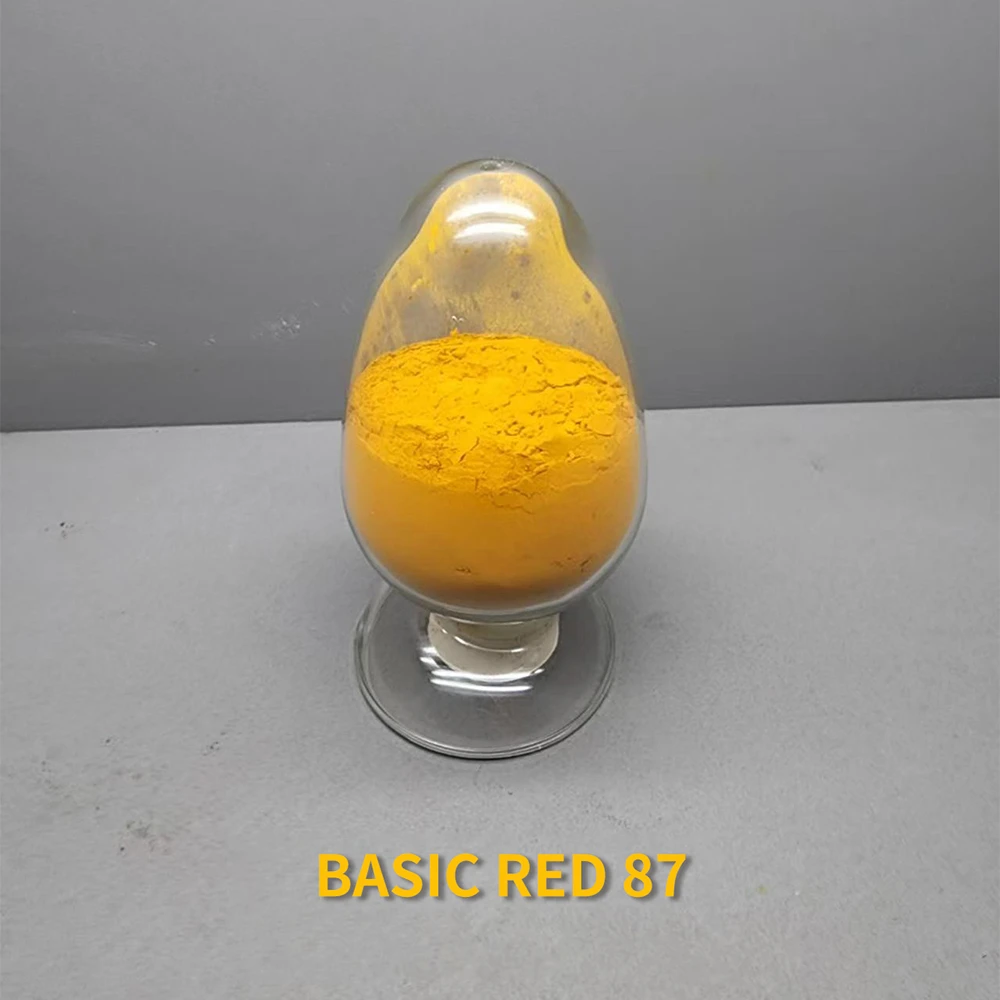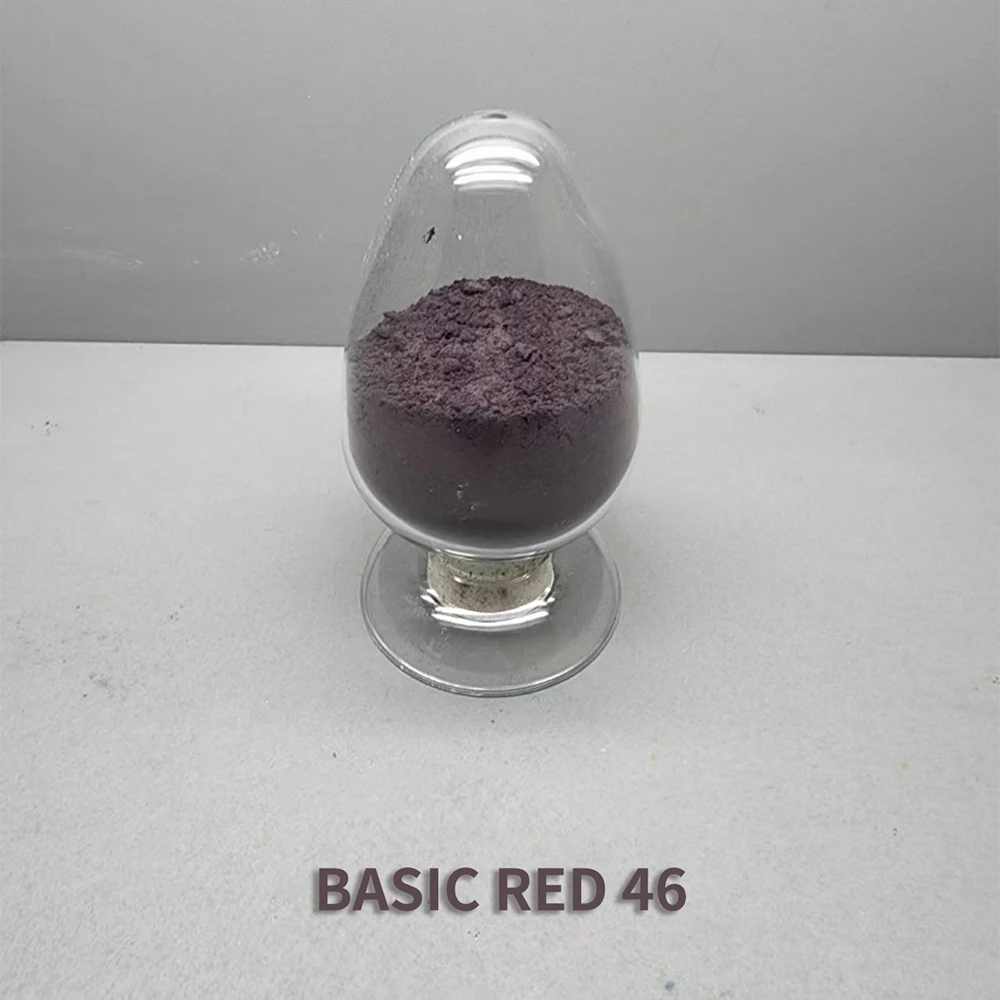
Durable and Eco-Friendly Lime Green Fabric Dye for Modern Textiles
Why Lime Green Fabric Dye Matters in Today’s Global Textile Landscape
When you think of bright, refreshing colors in fabrics, lime green fabric dye often stands out as a vibrant, eye-catching choice. But it’s more than just a splash of color—it plays a surprisingly pivotal role across industries globally. From sustainable fashion lines to safety gear in construction and healthcare uniforms, understanding lime green dye’s role unlocks insights into environmental responsibility, manufacturing innovation, and cultural trends. Frankly, it’s one of those hues that bridges creativity and function.
Globally, the textiles sector is valued at over $1.5 trillion and accounts for a significant chunk of industrial water usage and chemical waste (source: Wikipedia Textile Industry). As sustainability becomes a louder call, dyes like lime green—which can be formulated for low toxicity and high durability—are gaining attention. The color itself isn’t just trendy; it tackles challenges of visibility, eco-friendliness, and versatility, making it a go-to for everything from sportswear to hospital linens.
What Exactly Is Lime Green Fabric Dye?
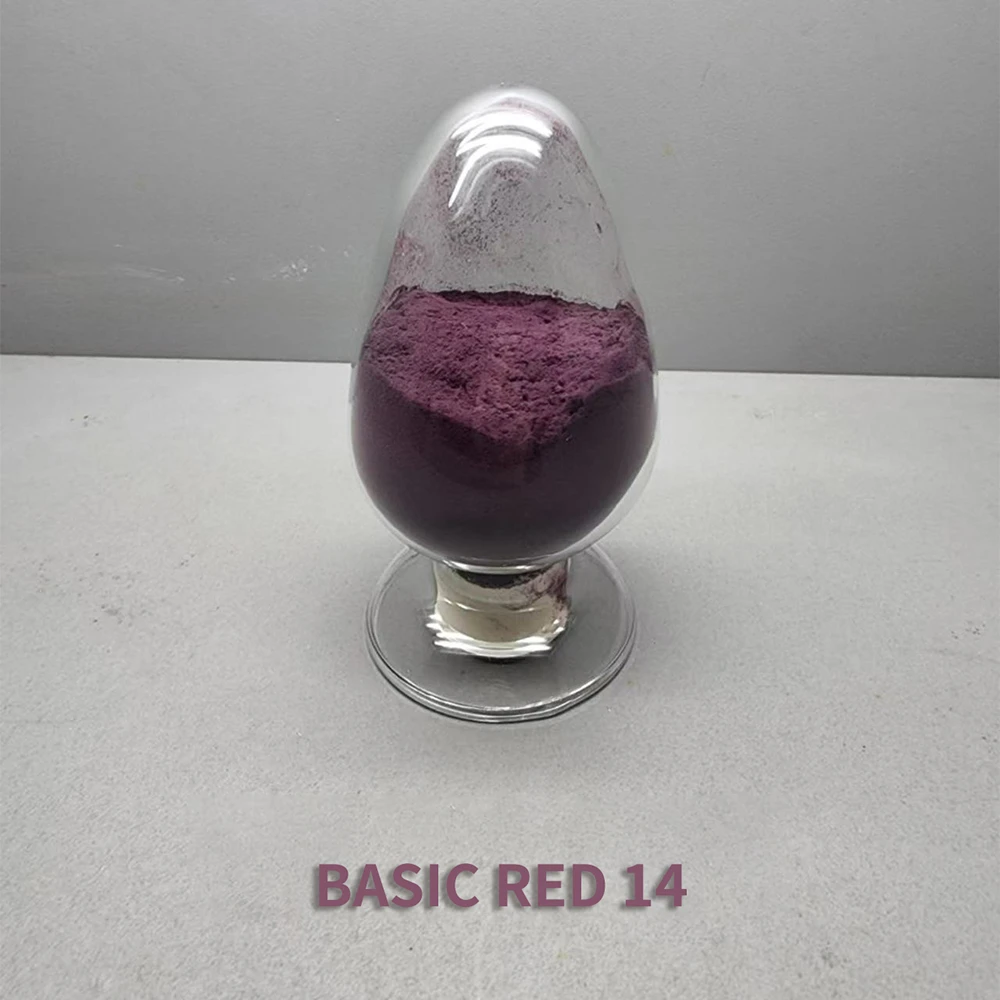
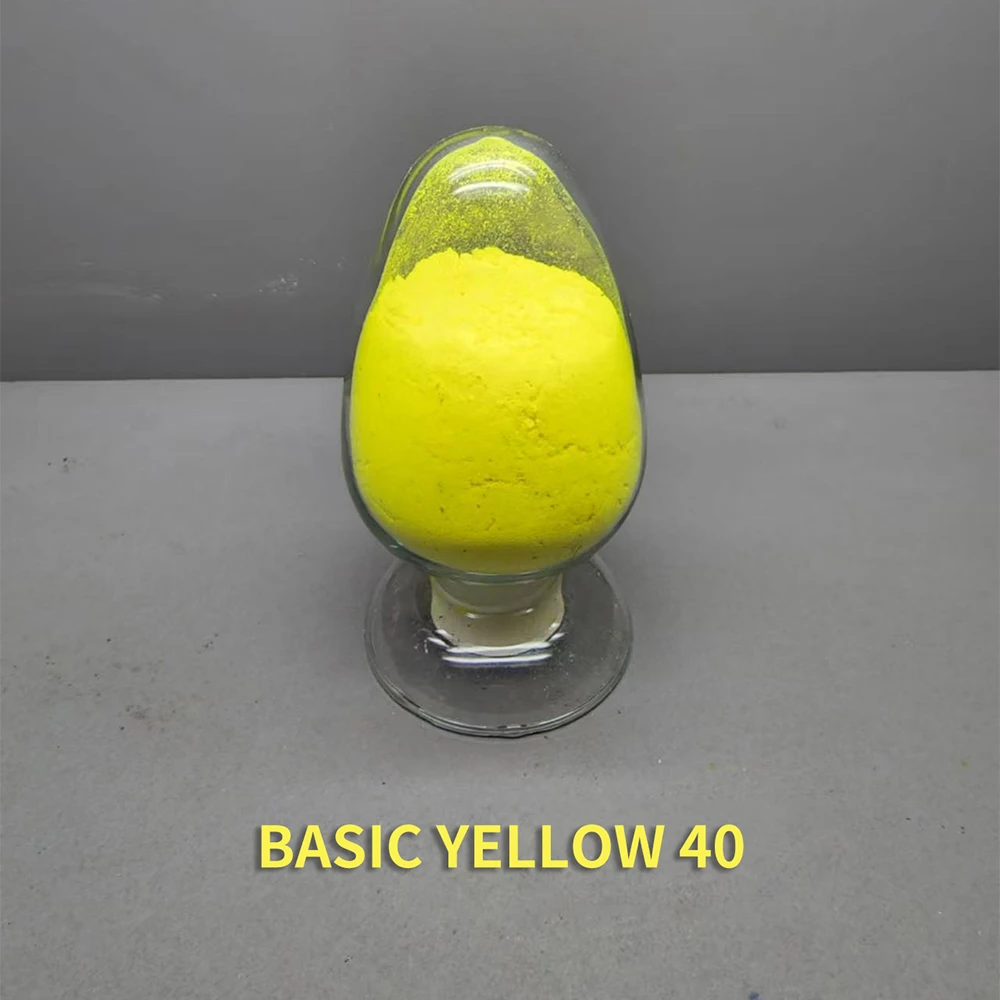
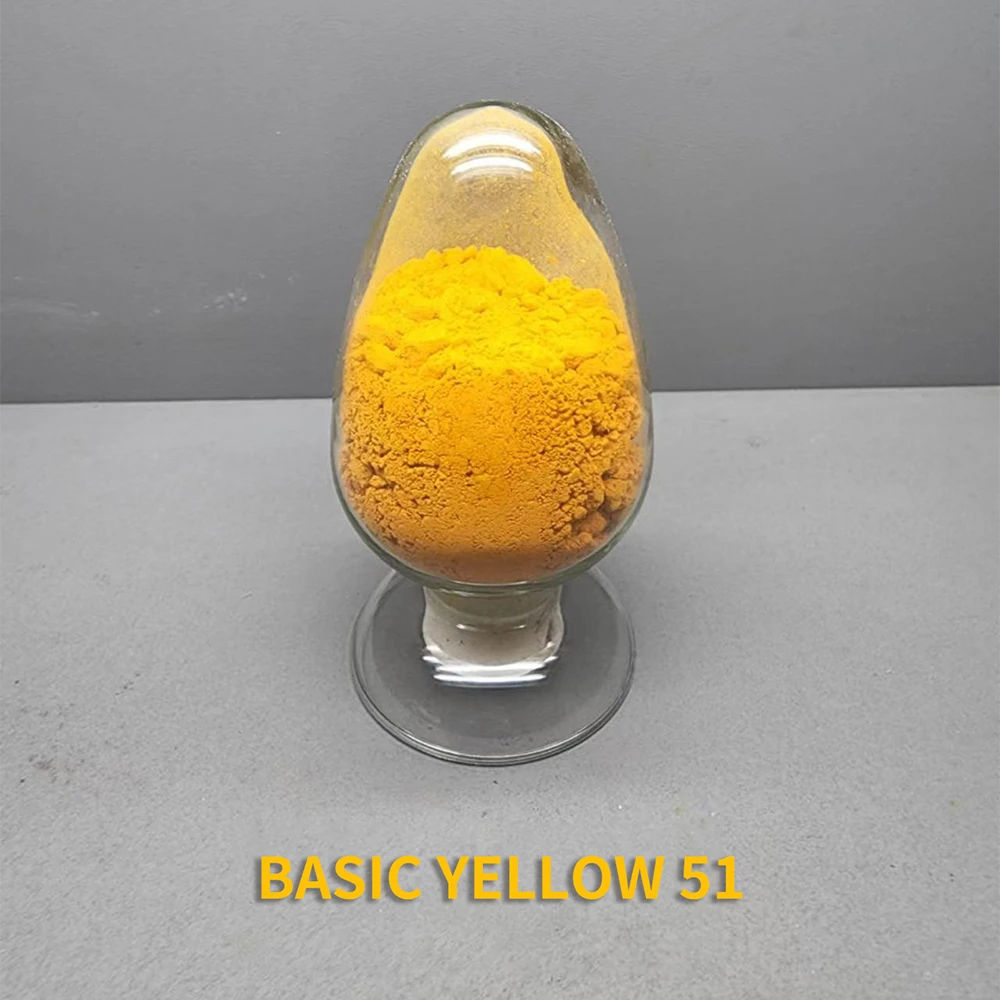
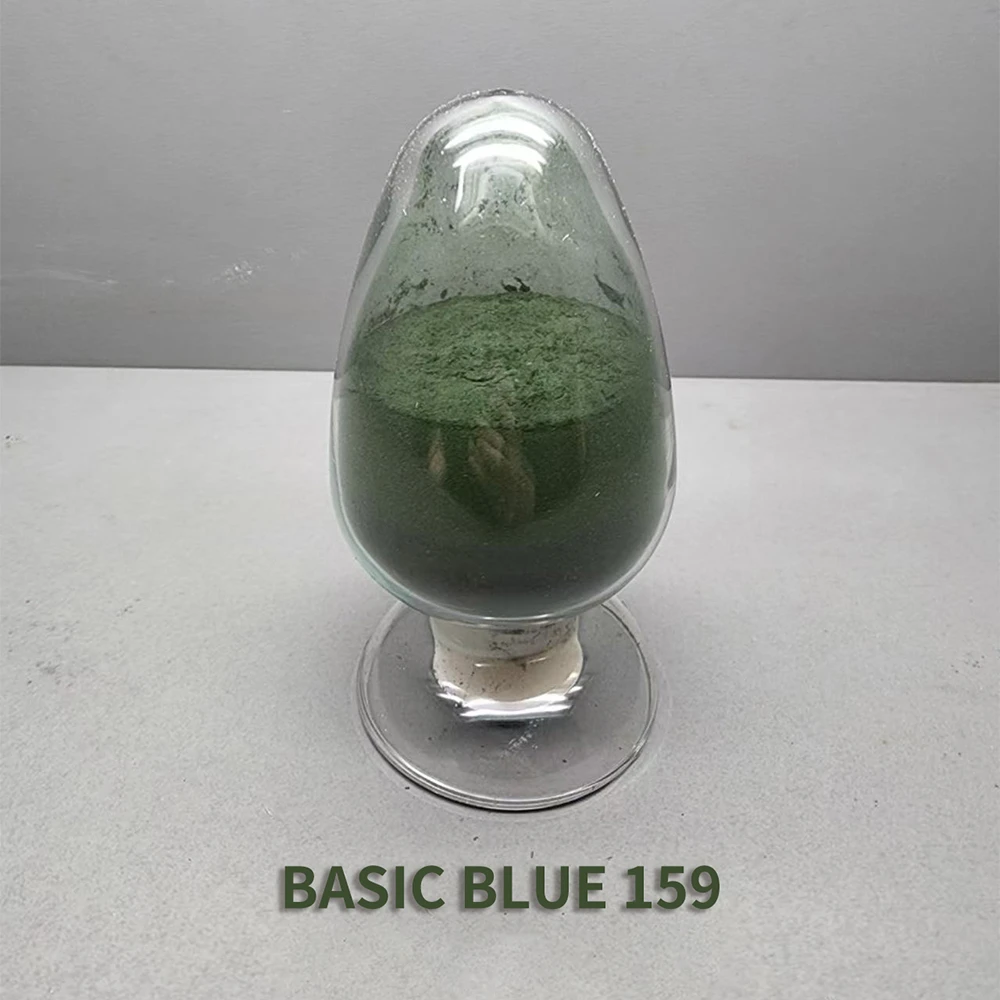
In simplest terms, lime green fabric dye refers to coloring agents used to impart that fresh, intense green-yellow shade to textiles. Usually, these dyes come in a variety of chemical formulations—reactive, acid, or pigment-based—depending on the fabric type and end-use.
Oddly enough, the lime green shade has found stronger roots beyond aesthetics. In humanitarian efforts, this hue’s visibility factor can be critical—think high-visibility rescue uniforms or brightly colored tents in disaster zones. Its symbolism also evokes freshness and renewal, fitting for environmentally mindful clothing brands.
Key Characteristics That Make Lime Green Fabric Dye Essential
Durability Against Fading
One of the main selling points of lime green fabric dye is how it resists fading under sunlight and washing. Many manufacturers now prioritize colorfastness to ensure longevity — which in real terms means less frequent re-dyeing, reducing chemical use and waste.
Environmental Friendliness
Eco-conscious formulas often come in low-impact varieties, requiring less water and fewer harsh chemicals. Some dyes harness natural extracts, although synthetic ones dominate for brighter, consistent results. The industry is, however, marching steadily towards greener alternatives.
Cost Efficiency
Compared to other bright dyes, lime green compounds can often hit a sweet spot between price and performance. They’re not the cheapest, but their longevity and ease of application make them cost-effective over time, especially in large scale textile manufacturing.
Scalability and Applicability
Whether it’s a tiny batch for bespoke fashion or bulk for uniforms, lime green dyes are adaptable. They work well with cotton, polyester, nylon, and blends, marking their versatility across industries.
Vibrancy and Visual Impact
The color itself grabs attention—ideal where high visibility matters or branding needs a pop. That “lime” zest naturally stands out in dull environments or low-light outdoor conditions.
Global Applications & Real-World Use Cases
Some might imagine lime green fabrics floating in boutique fashion runways, and they’d be right. But the dye’s real global footprint extends into:
- Safety and High-Visibility Clothing: Construction workers, road crews, and emergency responders frequently sport lime green garments for visibility.
- Healthcare and Institutional Uses: Hospitals worldwide are adopting brightly colored scrubs and linens to improve identification and reduce errors.
- Outdoor and Sportswear Customers: Runners, cyclists, and hikers prefer lime-green accents or full apparel for safety during dusk or heavy forest environments.
- Disaster Relief Efforts: In remote locations, brightly dyed tents and gear stand out amid chaotic surroundings to aid coordination.
For example, a recent NGO supplying post-disaster relief tents in Southeast Asia opted for this color to make their facilities easily locatable from aerial views—a small, smart detail that made a big difference.
Mini Takeaway
Lime green fabric dye isn’t only about looking fresh. It’s an intersection of functionality, safety, and sustainability, revered in many sectors for practical benefits.
Advantages and Long-Term Value of Choosing Lime Green Fabric Dye
The benefits extend well beyond the immediate appeal:
- Sustainability: Using environmentally optimized lime green dyes reduces harmful runoff and supports cleaner production.
- Cost Savings: Longer-lasting color means brands save on replacement costs and chemical inputs.
- Brand Differentiation: That punchy green can become a signature shade for companies, enhancing recognition and trust.
- Social Impact: High visibility improves worker safety and patient care, reflecting corporate responsibility.
Emotions matter too — there’s something uplifting about wearing or seeing that bright green, a color linked psychologically to growth and vitality. It’s no wonder many designers and industry professionals lean into lime green fabric dye for innovation, safety, and style simultaneously.
Looking Ahead: Trends and Innovations in Lime Green Dyeing
The textile industry is buzzing with innovations affecting dye technologies:
- Digital Printing Increasing Role: More precise fabric patterning means lime green can now be combined dynamically with other colors and textures without heavy chemical use.
- Bio-based Dye Manufacturing: Startups are exploring plant-derived pigments to replace petrochemical dyes, aiming at carbon neutrality in production.
- Smart Textiles: Integration of lime green dyes that incorporate UV protection or antimicrobial properties is becoming popular.
- Policy Pushes: Governments and standards bodies like ISO are tightening limits on harmful dyes, pushing manufacturers toward safer lime green coloring options.
So, buying lime green fabric dye in 2024 is going to be more than just about color — it’s about joining a wave of smarter, more sustainable textile innovation.
Challenges with Lime Green Fabric Dye and How to Overcome Them
It’s not all sunshine and lime, though. Some of the main challenges:
- Color Consistency: Achieving uniform lime green across different fabric batches can be tricky. Oddly enough, even slight pH variations or water hardness affect outcomes.
- Eco-Compliance Costs: Green dyes sometimes carry higher initial costs due to emerging technologies.
- Fastness with Cheap Substrates: Low-quality fabrics may not hold the vibrant color well, causing premature fading.
Industry experts recommend testing small samples under real-life wash and light exposure conditions. Furthermore, partnering with trusted suppliers (see our vendor comparison below) helps align expectations with actual results.
FAQ: Frequently Asked Questions About Lime Green Fabric Dye
- What fabric types work best with lime green fabric dye?
- Lime green dyes are versatile but perform exceptionally well on cotton, polyester, and nylon blends. Reactive dyes suit cellulose fibers like cotton, while acid dyes work better on synthetic or protein fibers.
- Are lime green fabric dyes environmentally safe?
- Many modern lime green dyes are formulated to be low-impact and comply with environmental standards like ISO 14001. Choosing certified vendors ensures safer chemical profiles.
- How long does lime green dye last under sunlight?
- Durability varies, but quality lime green fabric dyes can maintain brightness for up to 30+ washes with good sunlight fastness when applied correctly.
- Can I use lime green dye in home textile projects?
- Absolutely— though for home use, choosing fiber-reactive or all-purpose dyes recommended for specific fabrics will prevent bleeding or fading over time.
- Is lime green fabric dye suitable for high-visibility safety gear?
- Yes, its bright, easily noticeable color makes it ideal for safety apparel, often paired with reflective trims for maximum effect.
Comparing Popular Lime Green Fabric Dye Vendors
| Vendor | Dye Type | Eco Certification | Price Range | Application Tips |
|---|---|---|---|---|
| Yanhong Chemicals | Reactive / Pigment | ISO 14001 | $$ | Best for cotton blends, detailed shade cards available. |
| GreenHue Solutions | Natural / Bio-based | GOTS Certified | $$$ | Ideal for organic cotton, slower fixation time. |
| BrightTone Chemicals | Acid / Disperse | OEKO-TEX® | $ | Better for synthetics, quick application. |
Lime Green Fabric Dye: Technical Specifications at a Glance
| Specification | Details |
|---|---|
| Color Fastness to Washing | Grade 4-5 (ISO 105-C06) |
| Color Fastness to Light | Grade 6 (ISO 105-B02) |
| Chemical Composition | Reactive or pigment-based azo compounds |
| pH Range for Application | 6.5 to 11 (depending on fabric) |
| Environmental Certification | ISO 14001, OEKO-TEX, GOTS (varies) |
| Typical Fixation Temp. | 60-85°C |
Final Thoughts on Lime Green Fabric Dye
In wrapping this up, lime green fabric dye is one of those textile solutions that feels both practical and spirited. It delivers durability, environmental advantages, and a stunning splash of life to fabrics around the world. Whether you’re sourcing for fashion, safety gear, or humanitarian textiles, this dye offers a bright path forward.
If you want to explore high-quality, sustainable options for lime green fabric dye, don’t hesitate to check out Yanhong Chemicals—their expertise and certifications help put your projects on firm footing.
Sometimes, all it takes is a touch of lime green to add not just color but meaning.
References
-
Dye Sublimation Fabric: Durable & High-Performance Fabrics for Industry | YanhongchemNewsJan. 02, 2026
-
Exploring the Creative World of Fabric Dye on Wood for Stunning FinishesNewsFeb. 26, 2026
-
Dark Grey Fabric Dye – Durable Industrial Textile Solutions | Yanhong ChemicalNewsDec. 10, 2025
-
Jacquard Basic Dye: Durable, Vibrant Textile Solutions from Yanhong ChemicalsNewsDec. 03, 2025
-
Fabric Dye for Sofa - Industrial-Grade Solutions & Supplier InsightsNewsDec. 07, 2025
-
Exploring the World of Space Dye Fabric A Comprehensive GuideNewsMar. 04, 2026