Comprehensive Guide to Methylene Blue Basic Dye: Uses, Benefits & Suppliers
Understanding Methylene Blue Basic Dye: Its Global Importance and Core Benefits
If you’ve ever peeked under a microscope or glanced at a medical textbook illustration, you might have noticed that vivid bluish tint staining cells or tissues. That’s often the handiwork of methylene blue basic dye, an unassuming yet incredibly useful chemical that quietly powers countless industries worldwide. But why should the average person care about it?
Well, this dye isn’t just a color agent; it’s a multifaceted compound that helps scientists, healthcare professionals, textile manufacturers, and even environmental engineers solve pressing problems—from bacterial infections to water pollution monitoring. Understanding how methylene blue basic dye works, where it’s applied, and why it remains indispensable can give us a peek into broader themes of sustainability, resource optimization, and technological innovation today.
So, let’s dive in and uncolor the facts behind the methylene blue story.
The Global Context: Why Methylene Blue Basic Dye Matters in 2024
Globally, the chemical dyes and pigments market continues to be significant, valued at over 45 billion USD in 2023 (source: Statista). Within that, basic dyes like methylene blue hold a unique niche, particularly in medical diagnostics, textile production, and environmental monitoring.
In healthcare, for example, methylene blue is a frontline dye helping pathologists distinguish cellular structures swiftly and accurately. According to the WHO, around 70% of diagnostic staining worldwide involves basic dyes due to their affordability and effectiveness (WHO research).
But the bigger challenge that methylene blue addresses is versatility combined with accessibility. In many developing regions, expensive reagents just aren’t feasible, so having a dependable, easy-to-handle dye like methylene blue means diagnostics and environmental testing don’t stall.
Oddly enough, as industries push for “green” and sustainable alternatives, methylene blue basic dye has been under scrutiny for environmental impact, sparking innovation in low-waste application and biodegradability.
What Exactly Is Methylene Blue Basic Dye?
In simple terms, methylene blue basic dye is a synthetic chemical compound from the thiazine family. It’s water-soluble and goes by the chemical formula C16H18ClN3S. When dissolved, it dyes cells and materials a deep blue, making it highly useful in laboratory staining and textile coloring.
Importantly, the term "basic dye" refers to its nature as a cationic dye, meaning it carries a positive charge that binds well to negatively charged substrates like acidic tissue components or fibers.
Modern industries rely on it not just for looks but for functionality. From diagnosing methemoglobinemia in medicine to tracing water purification efficiency, methylene blue basic dye has broad practical applications tied directly to human health and environmental stewardship.
Why It’s More Than Pretty Blue
- Biomedical Applications: Used in staining blood and tissue to reveal cellular details.
- Textile Industry: Coloration of fibers with high affinity and durability.
- Water Treatment: Indicator dye to detect chlorine or organic contamination.
- Laboratory Research: Vital in redox reactions and as a photosensitizer in photodynamic therapy.
Six Key Attributes Making Methylene Blue A Go-To Dye
1. Durability and Stability
This dye is remarkably stable under normal conditions, resisting fading and chemical breakdown in aqueous solutions. That durability makes it reliable not only for lab work but for prolonged industrial applications.
2. High Affinity for Fibers and Biomolecules
Being cationic, methylene blue binds strongly to negatively charged surfaces like cellulose fibers and nucleic acids. This affinity results in vibrant, lasting coloration that doesn’t wash out easily.
3. Cost Efficiency
Compared to many intricate histological stains or patented dyes, methylene blue is inexpensive, widely manufactured, and easy to source—which means less strain on budgets, especially in resource-limited settings.
4. Scalability and Versatility
Bulk production methods date back over a century, but modern methods allow for scalable synthesis with consistent quality. Whether for industrial textile batches or medical labs, doses adapt easily.
5. Environmental Considerations
It's crucial to note methylene blue can pose environmental hazards if disposed in large quantities untreated. However, cutting-edge wastewater treatments and biodegradable formulations are emerging to counteract that.
6. Safety Profile
Generally considered safe in controlled uses, methylene blue has been used medicinally whereas toxicological effects appear only at high doses. Proper handling protocols are well-established.
Summary Table: Methylene Blue Basic Dye Specification
| Specification | Details |
|---|---|
| Chemical Formula | C16H18ClN3S |
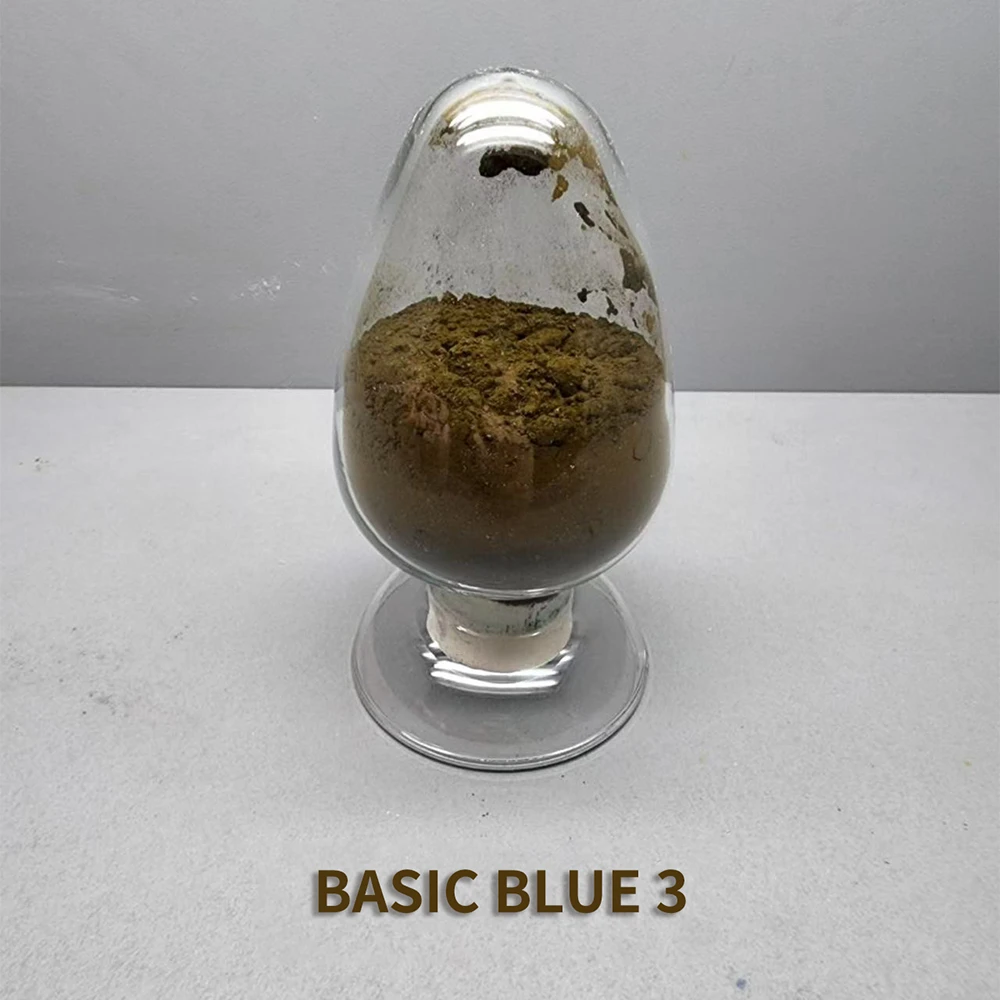
| Appearance | Dark green crystals or powder |
| Solubility | Water soluble, deep blue solution |
| pH Range for Use | 5.0 – 8.0 (optimal staining) |
| Applications | Textile dyeing, biomedical staining, water quality testing |
| Toxicity | Low; effects only at high doses |
Worldwide Use Cases: From Textile Mills to Medical Labs
It might surprise some that methylene blue basic dye bridges such diverse sectors. In Asia, textile manufacturers in Bangladesh and India rely heavily on it for speedy, durable blue hues on cotton and wool fabrics exported worldwide. Africa’s healthcare infrastructure, from clinics in Ethiopia to hospitals in South Africa, uses it routinely to highlight blood cells aiding malaria and tuberculosis diagnoses.
Meanwhile, remote water quality programs, such as those coordinated by NGOs in Southeast Asia and South America, deploy methylene blue indicator tests as cost-effective methods to monitor chlorine in drinking water, vital for public health.
I recently read a case study where a Sri Lankan post-tsunami relief operation employed methylene blue dyes to identify bacterial contamination in flood-affected water sources rapidly. Simple, effective, and lifesaving—the dye’s classic chemistry helped save thousands from waterborne diseases.
The Long-Term Advantages: Why Choose Methylene Blue?
- Economic Efficiency: Its low price point and high effectiveness reduce costs.
- Sustainability Potential: Innovations are bringing greener, biodegradable variants to minimize environmental impact.
- Reliability: Consistent quality in mass production guarantees dependable results.
- Social Impact: Enables reliable healthcare diagnostics and water safety tests, enhancing dignity and trust in underserved regions.
- Innovation Backbone: Its properties make it a candidate for next-gen solar cells and phototherapy treatments, blending tradition with future tech.
Looking Ahead: Emerging Trends and Innovations
Frankly, innovation around methylene blue basic dye is keeping pace with global challenges. The dye’s role in photodynamic therapy (PDT) is expanding rapidly. Researchers are enhancing its photosensitizing qualities to attack cancer cells more precisely (Wikipedia).
On the industrial front, big chemical manufacturers are investing in cleaner synthesis routes that lower energy use and hazardous waste generation. “Green” dye variants with biodegradability traits are entering the market, addressing the push for sustainability.
Digitization is also touching quality control—advanced spectroscopic methods now precisely measure methylene blue concentration in fabrics and water, improving traceability and reducing waste.
Challenges with Methylene Blue and Paths Forward
No solution is perfect. The main issues with methylene blue basic dye stem from environmental persistence—when large quantities enter waterways untreated, it can be toxic. Also, some medical labs struggle with purity variations from lower-cost suppliers.
Leading companies counter this with robust waste purification protocols and investing in R&D to develop lower-toxicity derivatives. Standards organizations like ISO are beginning to recommend testing procedures for dye residue levels post-application (ISO standards).
In essence, a balance is forming: applying methylene blue’s strengths wisely while innovating out of its limitations.
Frequently Asked Questions About Methylene Blue Basic Dye
- Q: What makes methylene blue basic dye preferred over other dyes in medical staining?
- A: Its strong affinity for acidic cell components and stability under lab conditions make staining reliable and vibrant, enabling clear diagnostics at a low cost.
- Q: Can methylene blue be safely used in water quality testing?
- Yes, when used in appropriate low concentrations as an indicator, it’s safe and provides valuable data on disinfectant levels, although excess dye disposal must be managed carefully.
- Q: How long does methylene blue dye last on textiles?
- It typically maintains color for years under normal use, though exposure to sunlight and harsh detergents can degrade its vibrant blue over time.
- Q: Are there eco-friendly alternatives to traditional methylene blue?
- New formulations aim to reduce environmental impact, including biodegradable variants, but full replacement in all applications is still a work in progress.
- Q: How do I source high-quality methylene blue dye internationally?
- Look for reputable suppliers with transparent quality certifications like ISO and MSDS documentation. Many chemical distributors export globally with good logistics.
Comparing Leading Vendors of Methylene Blue Basic Dye
| Vendor | Product Purity (%) | Price/kg (USD) | Lead Time | Certifications |
|---|---|---|---|---|
| Yanhong Chemicals | 99.8 | $12 | 2 weeks | ISO 9001, REACH |
| ChemLabs Global | 99.5 | $14 | 3 weeks | ISO 14001 |
| BlueTech Dyes | 98.9 | $11 | 1 week | GMP Certified |
Wrapping Up: Why Methylene Blue Basic Dye Continues To Matter
Exploring the world of methylene blue basic dye reveals a fascinating tapestry of chemistry, industry, and global health. It’s a compound that’s been around for over a century but keeps reinventing itself, stepping quietly into new roles and challenges. From basic textile dyeing to life-saving medical staining and future-forward therapies, methylene blue remains a stalwart ally.
If you’re considering methylene blue basic dye for your next project or lab, the best place to start is with trusted suppliers and up-to-date, quality-assured products. For more insights into sourcing, specifications, and the latest innovations, feel free to visit our website: methylene blue basic dye.
Sometimes the simplest blue can color the world in ways we scarcely imagine.
References
-
Dark Brown Fabric Dye – Industrial Quality and Supplier ComparisonNewsDec. 12, 2025
-
Neon Pink Fabric Dye – Vibrant, Durable, and Sustainable Textile Solutions | YanhongChemNewsDec. 12, 2025
-
China Fabric Dye Manufacturers: Sustainable & High-FastnessNewsDec. 12, 2025
-
Fabric Dye Solutions for B2B Textile Industry | YanhongChemNewsDec. 03, 2025
-
Comprehensive Guide to Fabric Dye Price Factors and Optimization StrategiesNewsFeb. 27, 2026
-
Basic Red Dye – Lab-Grade Basic Fuchsin Stain & SolutionNewsDec. 12, 2025