Comprehensive Guide to Fuchsine Basic: Uses, Benefits, and Industry Insights
Understanding Fuchsine Basic: A Vital Dye in Industry and Science
If you’ve ever dipped into the world of dyes, stains, or histology, the term fuchsine basic might have popped up. But why does it matter, really? Well, fuchsine basic plays a crucial role far beyond pretty colors. It’s a staple in industrial processes, scientific research, and even humanitarian efforts—making it a quietly powerful chemical globally. Grasping its properties and applications can unlock smarter uses in manufacturing, healthcare, and environmental testing.
An Industry and Global Snapshot
Globally, the dye and pigment market was estimated at nearly $35 billion in 2021 (source: Statista). Though fuchsine basic is relatively niche, its unique staining capabilities and vibrant color profile have made it invaluable in fields like microbiology, textile production, and analytical chemistry. In particular, the rise of diagnostic staining in hospitals worldwide has steadily increased demand. Oddly enough, incorporating this dye addresses certain global challenges such as reliable disease detection and quality control in manufacturing.
Yet, as industries expand, questions arise about the environmental footprint and safety of synthetic dyes. This is where understanding fuchsine basic deeply matters—both for optimizing its usage and paving ways for sustainable innovation.
What Exactly Is Fuchsine Basic?
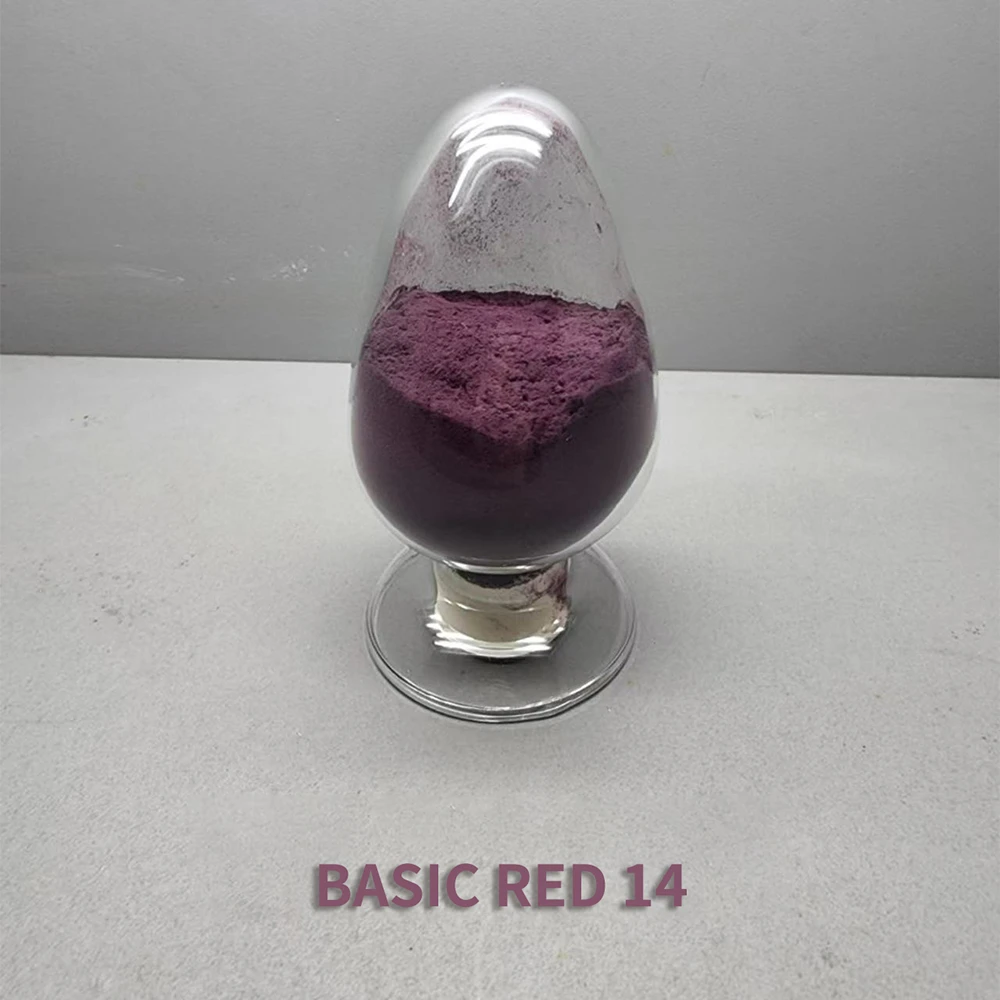
At its core, fuchsine basic is a synthetic magenta dye, known chemically as basic fuchsine or rosaniline hydrochloride. It belongs to the triphenylmethane family, characterized by vibrant red to magenta hues. In simpler terms, it’s the go-to dye in many staining procedures because of how it binds to cellular components—making microscopic details pop under a color-saturated lens.
Industrially, it’s not just for visuals. It’s integrated into textile dyeing, printing inks, and sometimes in chemical indicators. Its utility spans modern life and scientific humanitarian needs—like detecting tuberculosis bacteria in sputum smears, which can save lives in developing countries.
Key Factors That Define Fuchsine Basic
1. Color Intensity and Stability
The hallmark of fuchsine basic is its brilliant magenta color. Unlike some dyes that fade fast, it offers excellent lightfastness and chemical stability in various media. This durability means it’s reliable for both research labs and commercial textile applications.
2. Staining Efficacy
In microscopy, fuchsine basic selectively stains acid-fast bacteria and certain cellular structures, making it indispensable in diagnostics. Its affinity for nuclei and cytoplasm components allows for sharp contrast under microscopes.
3. Solubility and Handling
It dissolves well in water and alcohol solutions, making it versatile in labs or industrial mixing. Though generally safe with standard handling procedures, it requires care since some formulations can be toxic or carcinogenic if misused.
4. Cost Efficiency
Compared to other synthetic dyes, fuchsine basic remains affordable, especially at scale. Its dosage is low per application, so even small quantities go a long way.
5. Impurities and Purity Levels
The purity of fuchsine basic can influence its staining quality and safety. Products with fewer contaminants provide clearer results and minimize side effects, especially for biomedical use.
Fuchsine Basic in Real-World Applications
- Medical Diagnostics: Used in Ziehl–Neelsen staining to detect tuberculosis bacteria—critical in many countries with high TB prevalence.
- Textile Industry: Provides deep magenta hues for fabrics; valued for its colorfastness after washing.
- Ink Manufacturing: Gives vibrant reds to printing inks for packaging and artworks.
- Histology and Microbiology Labs: Helps visualize cellular components, ensuring accurate research outcomes.
- Environmental Monitoring: Occasionally used in water testing kits to indicate contamination levels.
For instance, in remote clinics in Southeast Asia, fuchsine basic staining kits have been foundational for quick TB diagnosis, drastically improving treatment timelines. Meanwhile, industrial zones in Europe count on its reliable colorfastness in safety marking inks.
Advantages of Using Fuchsine Basic
| Benefit | Description |
|---|---|
| Cost-effectiveness | Low dosage requirements reduce overall expenses. |
| Reliable staining | Allows precise visualization for diagnostics and research. |
| Versatility | Useful across industries—from textiles to healthcare. |
| Long shelf-life | Good stability reduces waste and improves logistics. |
| Societal impact | Supports disease control programs and quality industrial outputs. |
On an emotional note, it feels reassuring that such a dye supports critical healthcare diagnostics and everyday safety in manufacturing. The blend of scientific exactness and practical benefits grants it a quiet but real trustworthiness.
Looking Ahead: Innovations and Trends
The dye industry, including fuchsine basic, is looking toward greener syntheses and sustainable disposal methods to cut environmental hazards. Researchers are exploring bio-based analogs that mimic the vibrant qualities of fuchsine but with less toxicity.
Digital color matching and automated quality control are transforming how dyes like fuchsine basic get tailored and tested. Plus, stricter regulations worldwide are pushing vendors to improve purity and transparency, making users' decisions easier.
Challenges & Practical Solutions
Despite its advantages, fuchsine basic is not without issues. Some formulations carry carcinogenic risks if mishandled, and environmental persistence raises concerns. Also, batch-to-batch purity variability can affect staining consistency.
The industry combats these hurdles via enhanced purification processes, better personal protective equipment (PPE) guidelines, and development of closed-loop waste treatment. Frankly, widespread training about safe handling is just as important as chemical innovation here.
Vendor Comparison: Leading Fuchsine Basic Suppliers
| Supplier | Purity (%) | Price per kg | Sustainability Focus | Global Reach |
|---|---|---|---|---|
| Yanhong Chemicals | ≥98% | $350 | High – eco-friendly processes | Worldwide |
| Sigma-Aldrich | ≥99% | $500 | Moderate | Global |
| Tokyo Chemical Industries | ≥97% | $400 | Improving | Asia-Pacific focus |
Frequently Asked Questions about Fuchsine Basic
- What makes fuchsine basic preferred for medical diagnostics?
- Its ability to selectively stain acid-fast bacteria, like Mycobacterium tuberculosis, is unparalleled. The dye's vibrant magenta color produces clear contrast under microscopy, enabling quicker and more accurate diagnoses.
- Is fuchsine basic safe to handle in labs?
- With proper safety protocols and PPE, yes. However, some formulations may have carcinogenic potential if disposed of improperly or inhaled long-term. Training in handling and storage is essential.
- Can fuchsine basic be used for eco-friendly applications?
- While traditional fuchsine basic is synthetic and less eco-friendly, ongoing research focuses on developing greener synthesis pathways and improving waste management during disposal.
- How can I purchase fuchsine basic for industrial use?
- Vendors like Yanhong Chemicals offer bulk quantities with specifications tailored to industrial standards. Always verify purity and safety data sheets before procurement.
- Does fuchsine basic have alternatives with similar properties?
- There are dyes like crystal violet and malachite green in related families, but fuchsine basic's staining affinity and color intensity make it uniquely suited for certain diagnostic and industrial tasks.
Final Thoughts and a Call to Action
In real terms, understanding fuchsine basic isn’t just about color. It’s about the intersection of chemistry, industry, and global health. The dye’s reliability, affordability, and versatility grant it substantive long-term value. Looking ahead, its future lies intertwined with greener chemistries and smarter applications.
Want to learn more or source high-quality fuchsine basic? Visit our website to dive deeper into specifications, uses, and innovations.
Sometimes the smallest molecule underpins the biggest impacts—you just have to look a little closer to see it.
References
-
Comprehensive Guide to Choosing the Best White Dye for ClothesNewsMar. 28, 2026
-
China Basic Dye Manufacturer | High Purity & Eco OptionsNewsDec. 13, 2025
-
Basic Red 46 Dye - High-Purity, Bright Shade, Fast DeliveryNewsNov. 13, 2025
-
Fabric Dye for Couch – Industrial Insights & Supplier ComparisonNewsJan. 03, 2026
-
Top Insights on Cotton Fabric Dye for Industrial Use | Yanhong ChemNewsDec. 12, 2025
-
Reliable China Fabric Dye Manufacturers - Quality & Custom SolutionsNewsDec. 03, 2025