Comprehensive Guide to Dyes and Intermediates | Industry Insights & Sustainability
Understanding Dyes and Intermediates: What You Need to Know
Dyes and intermediates are the silent heroes behind many vibrant colors we see every day—whether in fabrics, plastics, or even food packaging. But beyond the splash of color, the science and supply chains involved matter globally more than most realize. It’s not just about aesthetics; it’s about innovation, sustainability, and industry resilience.
If you’re in manufacturing, textile, or chemical industries, or just curious about how fundamental chemicals shape modern life, knowing the ins and outs of dyes and intermediates gives you a real edge. Let’s take a dive into what these substances are, why they matter, and the challenges and opportunities they present worldwide.
Why Dyes and Intermediates Matter Globally
The global dye and intermediate market has grown steadily, surpassing several billion dollars annually, driven mainly by booming textile production in countries like China, India, and Bangladesh (source). The UN’s Industry Statistics also note that synthetic dyes account for around 70%-80% of the dying processes worldwide — a staggering figure demonstrating their ubiquity.
Yet, these chemical workhorses present environmental challenges — effluents from dye manufacturing can be toxic, and intermediates, the building blocks feeding into dye production, require careful handling. Companies and regulators alike face the challenge of balancing high production demand with environmental responsibility.
More broadly, as industries increasingly adopt sustainable practices, the dye and intermediates segment finds itself at a fascinating crossroads. Innovations in “greener” production processes are helping to reduce water use and hazardous waste, slowly but surely. That’s why understanding these chemicals isn’t just industry trivia; it’s a window into sustainability trends impacting many sectors.
What Exactly Are Dyes and Intermediates?
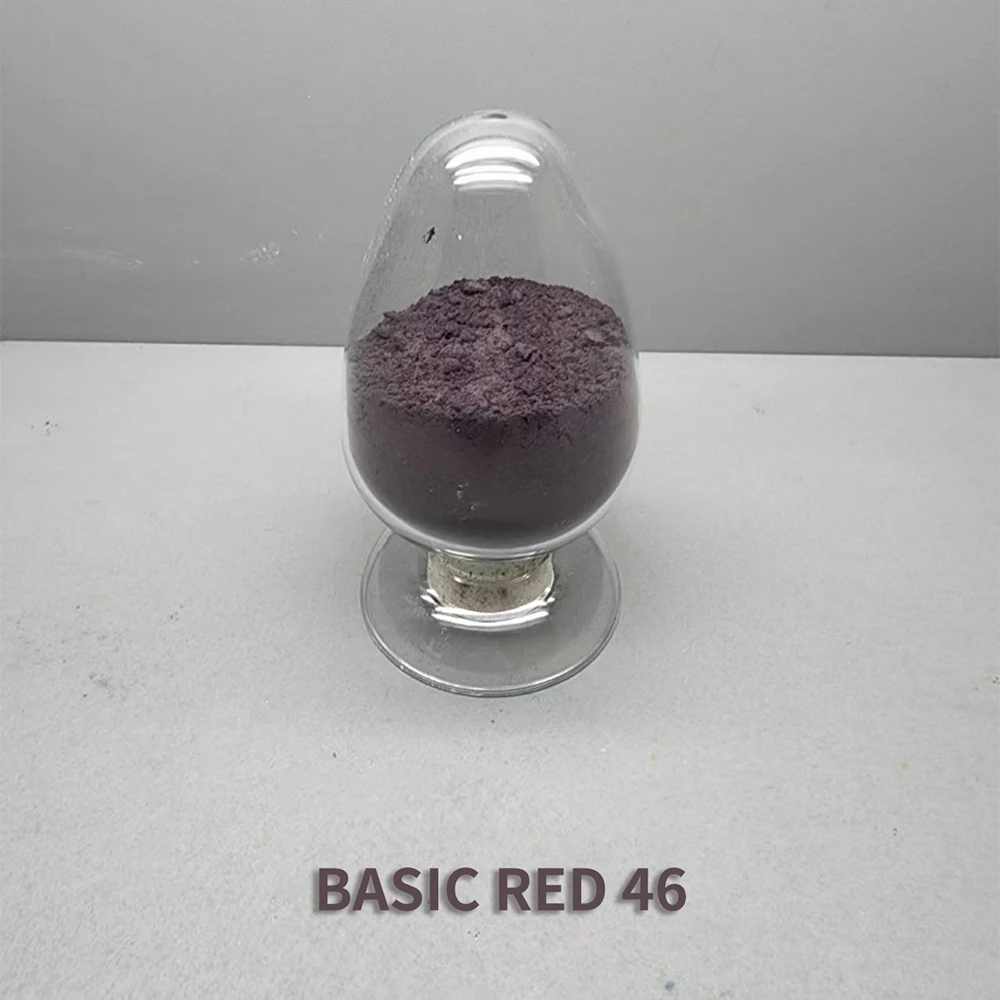
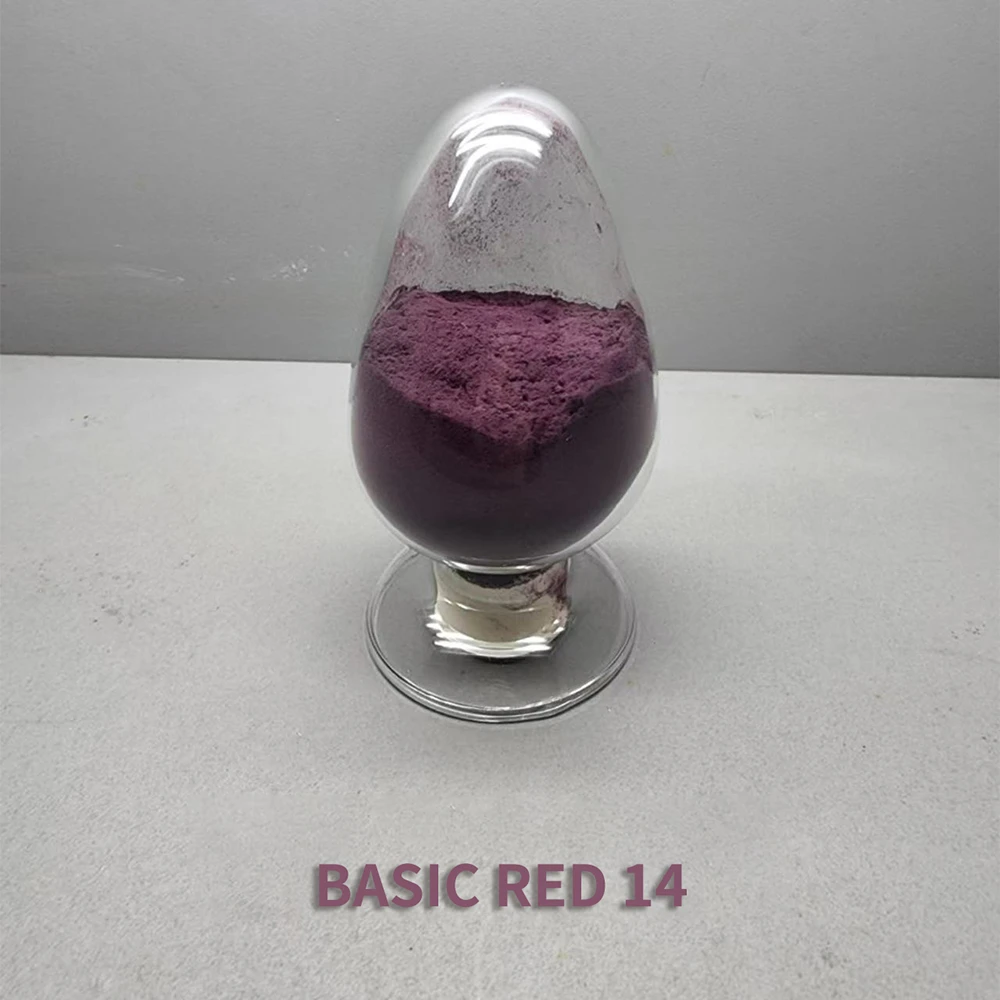
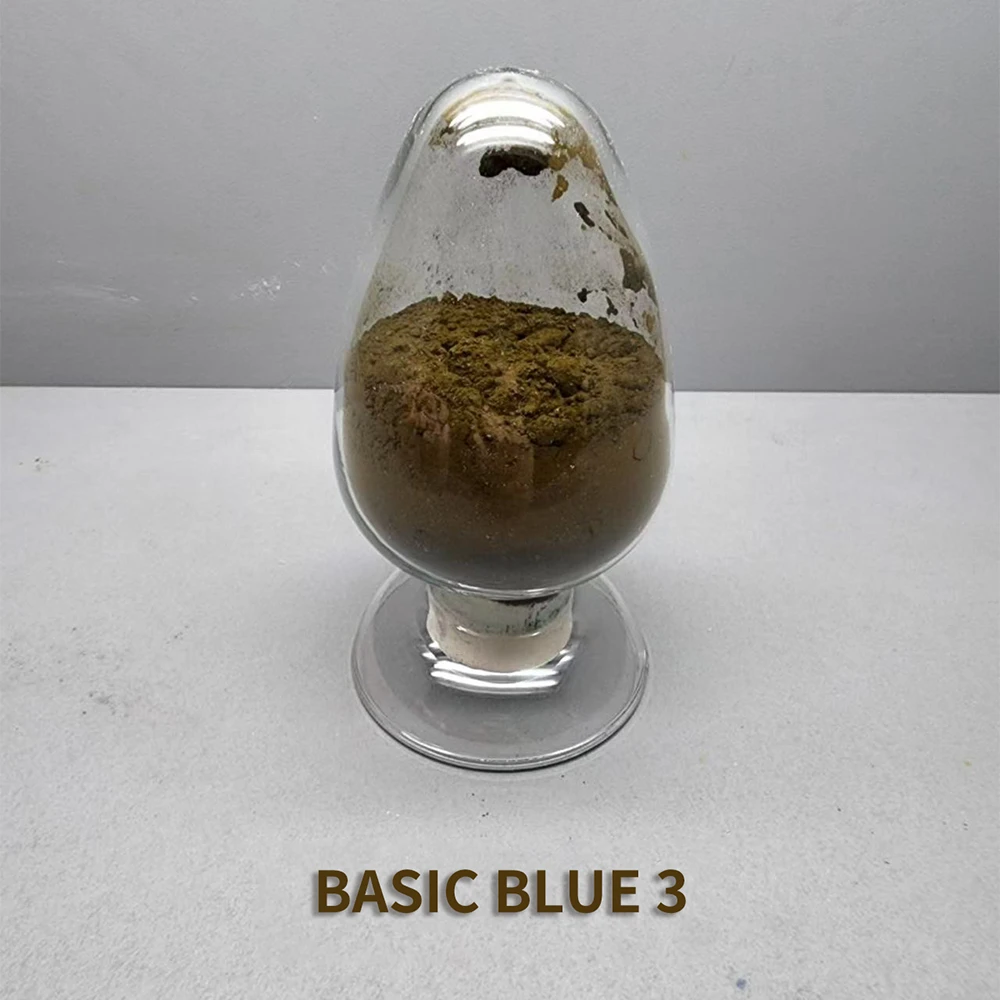
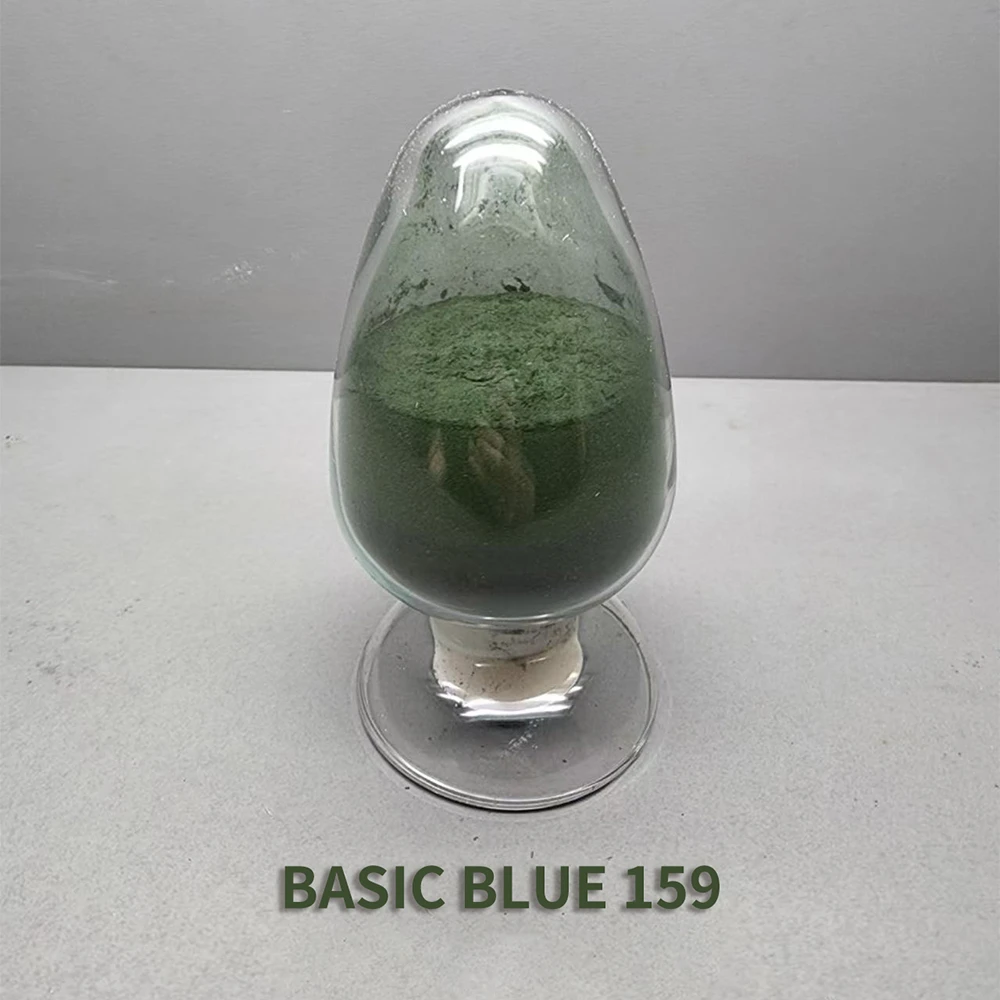
At the simplest level, dyes are substances that impart color to materials by chemically bonding or sticking to them. Intermediates are the precursor chemicals used in synthesizing these dyes. Think of intermediates as the raw ingredients that, mixed and processed correctly, yield the final dye compounds that paint your clothes or color your carpets.
For example, aminobenzene derivatives, naphthalenes, and benzidines are common intermediates that are transformed into azo and reactive dyes—two of the most widely used dye classes globally.
These chemicals link directly to daily life, from the clothes we wear to packaging and even certain inks. They also matter in humanitarian contexts—color-coded materials can aid disaster relief teams in identifying safe zones or medical supplies quickly.
Key Features Driving the Usage of Dyes and Intermediates
1. Durability
A dye’s resistance to fading under sunlight, washing, or chemical exposure is crucial. Durable dyes mean longer-lasting, vibrant textiles — which translates into better consumer satisfaction and sustainability (less waste).
2. Scalability
Because dye production is tied closely to global textile manufacturing, the chemicals must be scalable in volume without significant quality loss. Intermediates need to be reliably sourced and produced to keep up with fluctuating demand.
3. Environmental Impact
Traditionally, dye manufacturing posed significant ecological risks. However, newer intermediates and dyes focus on reducing toxic effluents and are designed for more eco-friendly degradation or recycling.
4. Cost Efficiency
Since textiles are price-sensitive products, manufacturers seek intermediates and dyes that offer consistent quality without driving up costs. Bulk production, simplified syntheses, and reduced waste pay off here.
5. Customization
Depending on textile type or packaging material, bespoke dye formulations or intermediate blends may be necessary. Flexibility in chemical properties allows for innovation in niche markets (like sportswear or protective clothing).
Mini takeaway: The magic combo: durability, scalability, eco-friendliness, cost savings, and customization capabilities define successful dye and intermediate products.
How Dyes and Intermediates Are Used Around the World
The textile industry remains the largest consumer of dyes and their intermediates, particularly regions with massive production hubs: South Asia, East Asia, and increasingly parts of Africa. For example:
- South Asia: Bangladesh and India rely heavily on affordable reactive dyes to fuel their garment industries.
- China: A global manufacturing power, China supplies intermediates that feed dye producers worldwide.
- Europe and North America: Higher environmental standards focus innovation on greener dyes and intermediates, often serving luxury markets.
Outside textiles, dyes are also integral in food coloring, paper manufacturing, and cosmetics, proving their versatility. In emergency response scenarios, specific dyes can mark supplies or areas for quick identification, supported by NGOs and governments.
Advantages and Long-Term Value of Modern Dyes and Intermediates
There’s more than just aesthetics at play. For industries:
- Cost savings: Improved production methods reduce energy and raw materials consumption.
- Sustainability: The shift towards biodegradable and less toxic dyes reduces environmental footprint and complies with increasing regulations.
- Social impact: Safer chemicals protect workers’ health in dye manufacturing plants.
- Reliability: Consistent quality supports global supply chains, from fast fashion to high-end apparel.
Emotionally, consumers today often associate color richness and garment longevity with trust and quality, reinforcing brand loyalty.
Product Specification Table: Sample Reactive Dye Intermediate
| Specification | Typical Value | Remarks |
|---|---|---|
| Appearance | Light yellow powder | Pure grade |
| Purity | ≥ 98% | Measured by HPLC |
| Moisture Content | ≤ 0.5% | Storage sensitive |
| Bulk Density | 0.6 g/cm³ | Info for shipping |
| pH (1% aqueous) | 6.5-7.5 | Neutral condition |
Vendor Comparison: Leading Dyes and Intermediates Suppliers
| Vendor | Product Range | Environmental Standards | Global Reach | Price Competitiveness |
|---|---|---|---|---|
| Yanhong Chemical | Extensive (Dyes & intermediates) | ISO 14001 Certified; eco-friendly lines | Asia, Europe, Americas | Competitive for volume orders |
| Vendor B | Limited dye range; some intermediates | Basic environmental compliance | Mostly domestic | Higher than average |
| Vendor C | Specialized intermediates only | Advanced R&D focus on green tech | Global niche markets | Premium pricing |
Emerging Trends and Innovations in Dyes and Intermediates
The industry is buzzing with innovations aiming at sustainable chemistry. Biodegradable dyes, the use of bio-based intermediates derived from renewable resources, and advances in digital printing inks that minimize chemical waste are gaining footholds. Automation and AI technologies now optimize production, reducing downtime and chemical errors.
Also, regulations like REACH (Registration, Evaluation, Authorisation and Restriction of Chemicals) in the EU push manufacturers to adopt safer chemicals, encouraging R&D for cleaner production routes. Oddly enough, competing needs of cost reduction and eco-friendliness spark creative chemistry more than ever.
Challenges and How Industry Players Are Addressing Them
Despite progress, water pollution, complex chemical synthesis, and cost pressures still pose challenges. Many smaller producers lack access to clean technologies or adequate waste treatment. Often, supply chain disruptions ripple through the market, making raw intermediates scarce and pricey.
The solution? Collaborative efforts — industry consortia, combined regulatory guidance, and tech sharing — help create more resilient pipelines. Plus, alternative raw materials and more efficient catalytic processes are beginning to reduce waste and emissions. It’s a slow climb, but momentum is building.
FAQ: Your Common Questions About Dyes and Intermediates
- What makes a dye considered "eco-friendly"?
- Eco-friendly dyes are made from less toxic raw materials, consume less water and energy in production, and degrade without leaving harmful residues. They comply with strict environmental certifications like OEKO-TEX or GOTS. Their intermediates also tend to be less hazardous and derived from sustainable sources.
- How do intermediates influence the final color quality?
- Intermediates define the dye’s chemical structure, impacting hue, brightness, and durability. Impurities or variations in intermediates can cause color inconsistencies, poor fixation on fabrics, and faster fading. That’s why quality control at this stage is crucial.
- Are synthetic dyes replacing natural dyes completely?
- Not entirely. Natural dyes still enjoy niche markets due to their eco-friendly perception and texture qualities. However, synthetic dyes dominate for their cost-effectiveness, color variety, and durability. Hybrid approaches sometimes marry the benefits of both.
- Can dyes and intermediates be customized for special applications?
- Absolutely. Manufacturers tailor formulations to meet textile types (cotton, polyester), desired fastness properties, or industry regulations. Customized intermediates enable innovative products, such as flame-retardant or UV-reactive textiles.
Wrapping It Up - Why Dyes and Intermediates Matter More Than You Think
The humble dye and its precursors are deeply intertwined with global industry, sustainability efforts, and even humanitarian uses. Understanding their complexities helps businesses navigate supply challenges while innovating responsibly.
Interested in exploring quality dyes and intermediates tailored for modern needs? Visit dyes and intermediates for reliable products with an eco-friendly focus.
Mini takeaway: While colors make our world vibrant, the science behind dyes and intermediates shapes the future of textile innovation and sustainability.
References:
1. Wikipedia - Dye
2. UNIDO Industrial Statistics Data, 2022
3. ISO 14001 Environmental Management Standards
-
Reliable Navy Fabric Dye for Industrial Textile Applications | YanhongNewsDec. 07, 2025
-
Reliable Fabric Color Dye Insights for Industrial ApplicationsNewsDec. 07, 2025
-
Jacquard Fabric Dye - Expert Insights & Industrial SolutionsNewsJan. 05, 2026
-
Exploring the Creative World of Fabric Dye on Wood for Stunning FinishesNewsFeb. 26, 2026
-
Cream Fabric Dye Solutions for Industrial Textile Applications | YanHong ChemNewsDec. 08, 2025
-
Industrial Dark Red Fabric Dye: Durable & High-Quality Textile ColorNewsDec. 31, 2025