Comprehensive Guide to Dye Example: Applications, Benefits & Future Trends
The Subtle Art of Understanding a Dye Example — Why It Matters Globally
At first glance, “dye example” might sound like just another term tossed in a chemistry lecture, or a footnote in a textile manual. But, if you dig a little deeper, you'll find it holds a key place in not just fashion and manufacturing, but in global industry and even humanitarian efforts. Consider this: the global textile market alone is expected to surpass $1.2 trillion by 2027, with dyes playing a silent yet vital role in it. Yet, the influence of dyes extends beyond colors — to sustainability, efficiency, and innovation.
So, why does understanding a dye example really matter? Because dyes impact everything from environmental footprints to product durability. They’re not just chemicals; they’re agents of change shaping industries worldwide. Grasping how dyes work and are applied can help industries optimize processes, reduce waste, and even unlock breakthroughs in eco-friendly production.
Mini Takeaway: Far from simple pigments, dye examples embody powerful tools linking chemistry, industry, and sustainability across global markets.
Setting the Scene: The Global Importance of Dye Examples
The story of dyes stretches back centuries, but the modern world’s reliance on them is staggering. According to the International Dye Industry Association, over 800,000 tons of dyes are produced globally each year, used in everything from textiles to printing inks and biological stains. This scale speaks volumes about the industrial importance of dyes as solutions for color, branding, and identification.
Yet, there's a catch. The dyeing process can be notoriously resource-intensive — think water usage, chemical runoff, and energy consumption. The World Bank estimates that textile dyeing contributes some 17-20% of industrial water pollution globally, a staggering figure by any measure.
Which leads us to a critical challenge: how to develop and apply dye examples that are both effective and environmentally responsible. The new wave of dye solutions aims to reconcile these needs, pushing innovation towards greener, scalable approaches.
What Exactly Is a Dye Example?
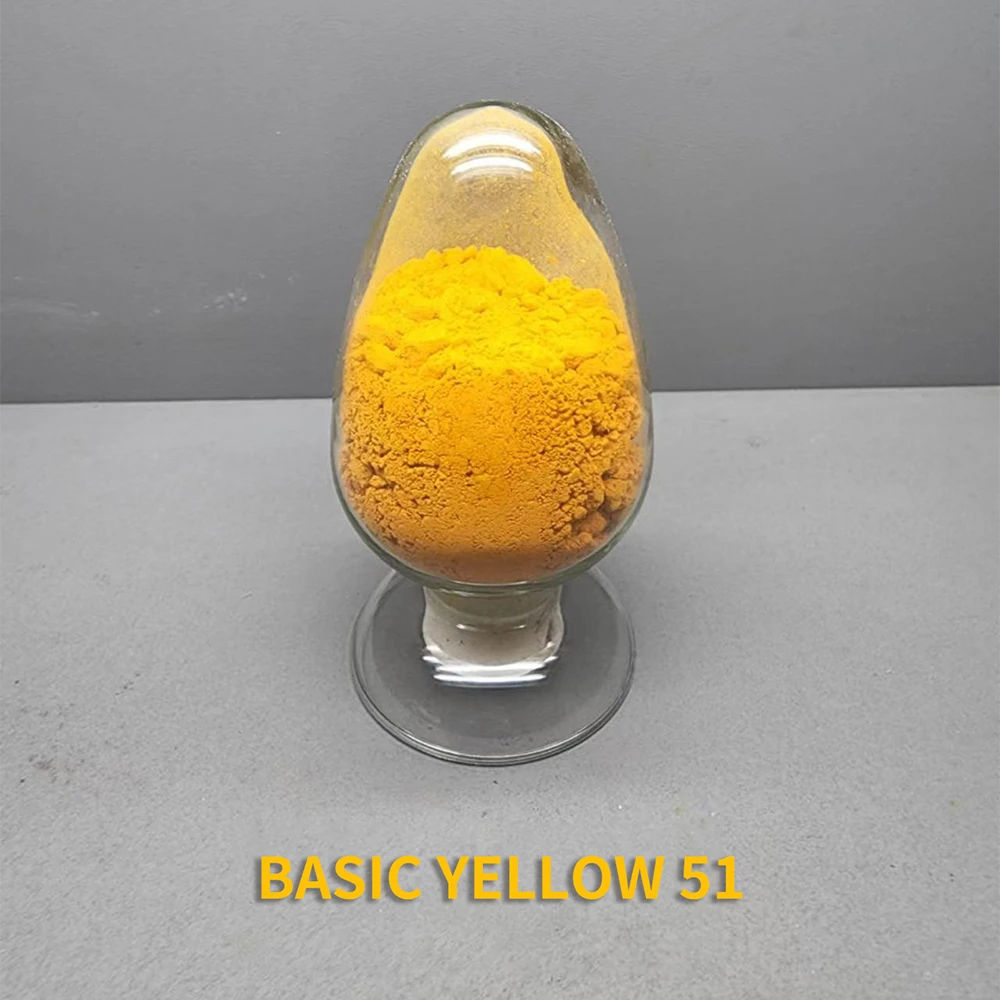
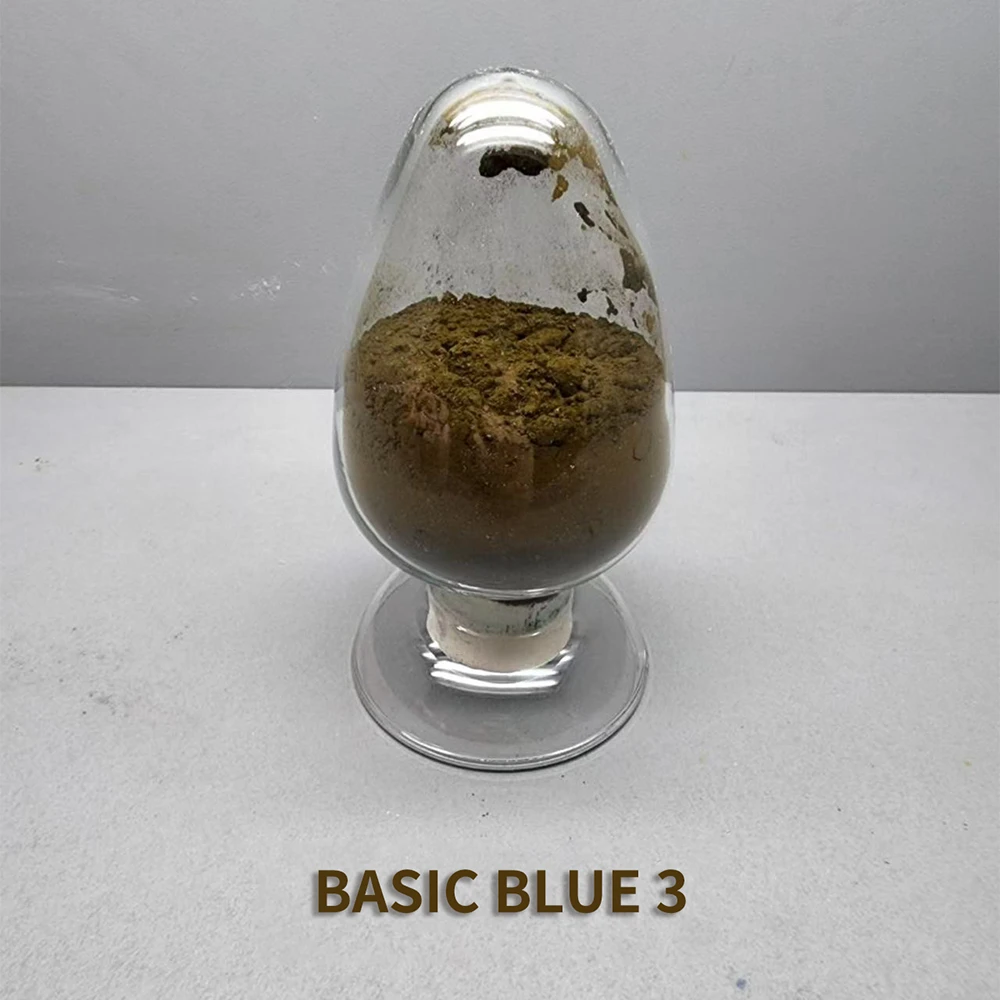
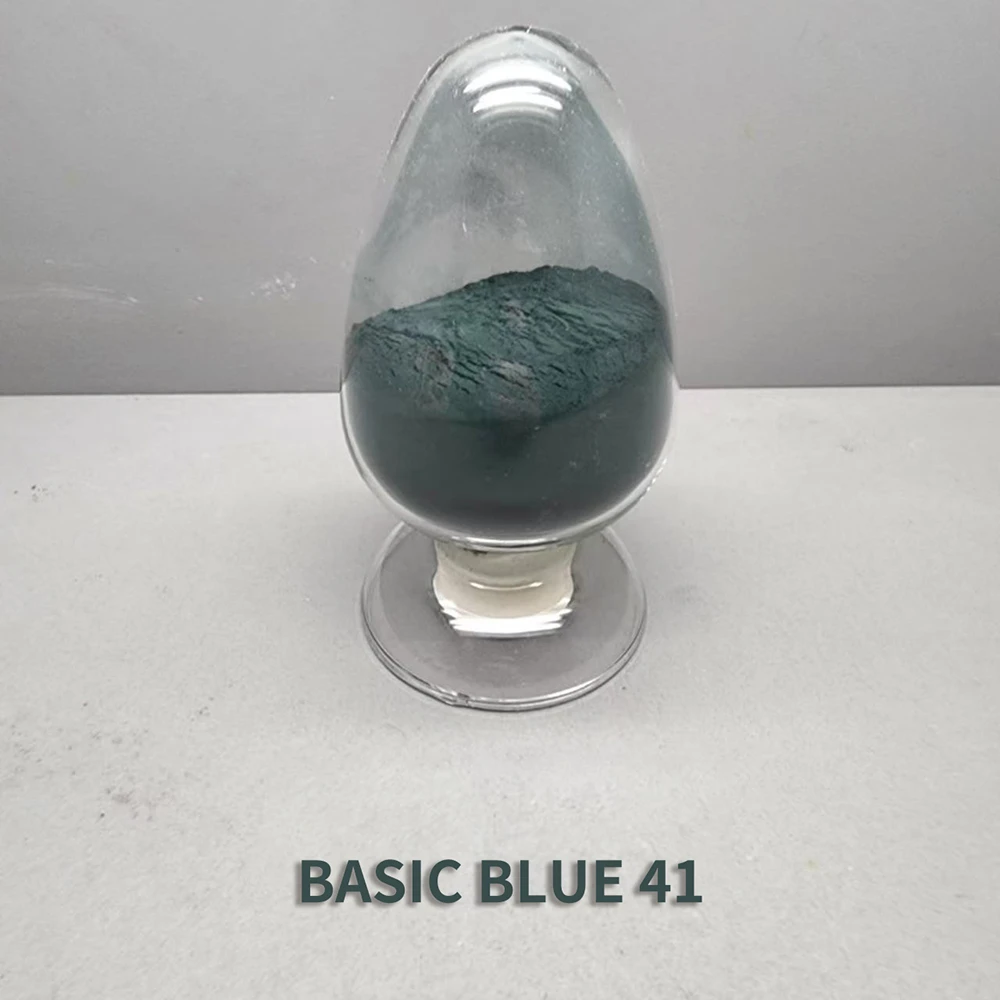
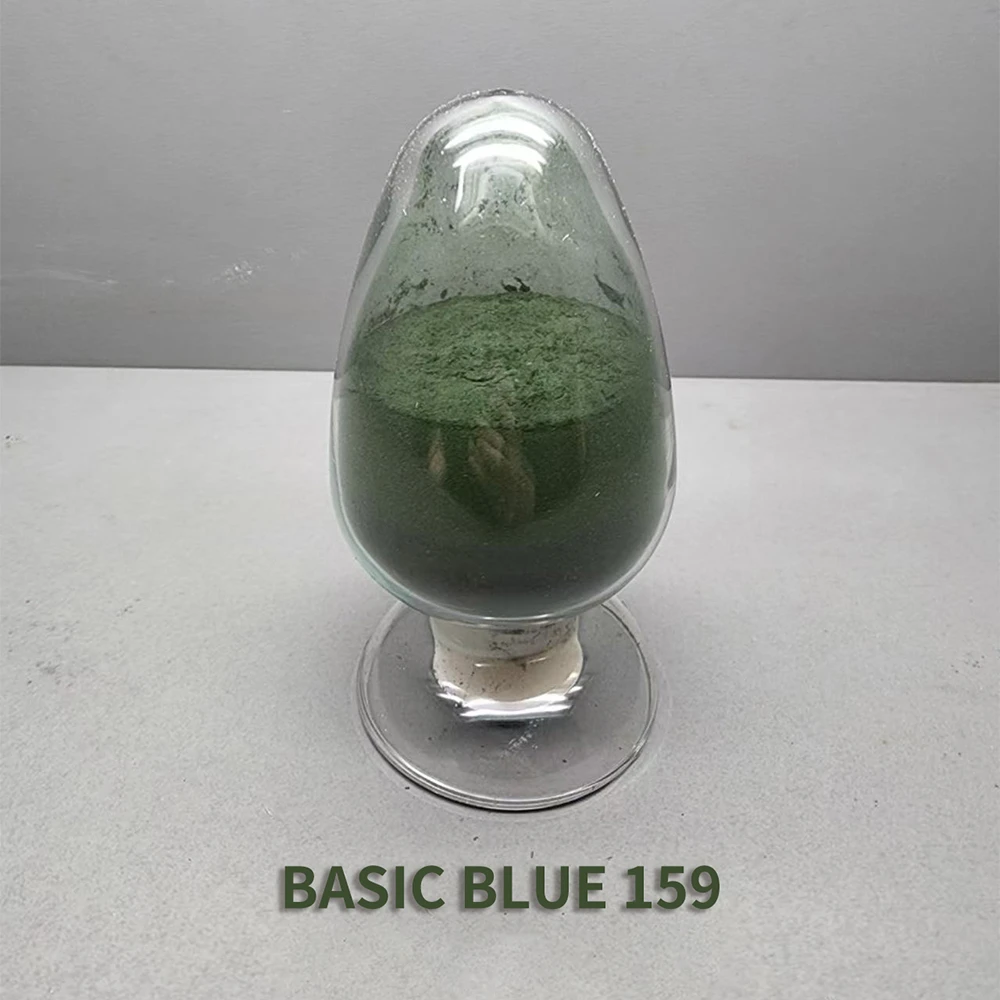
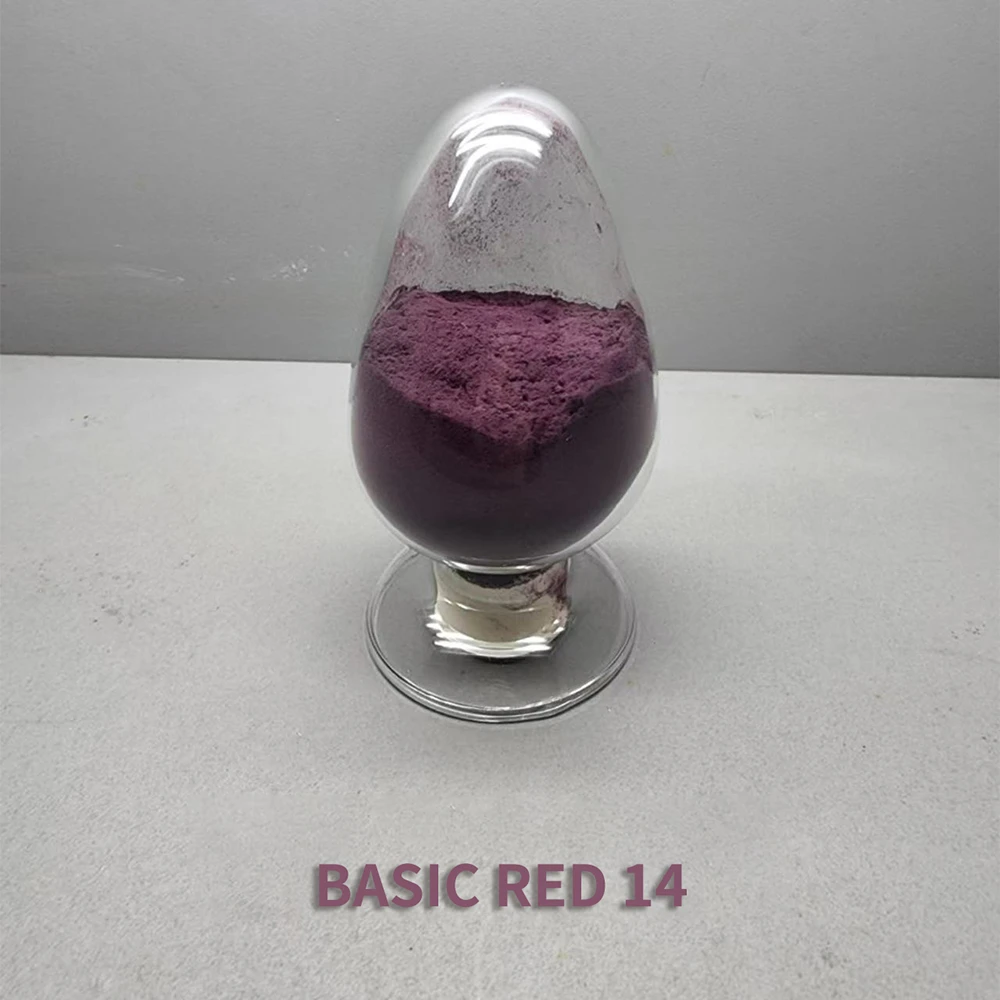
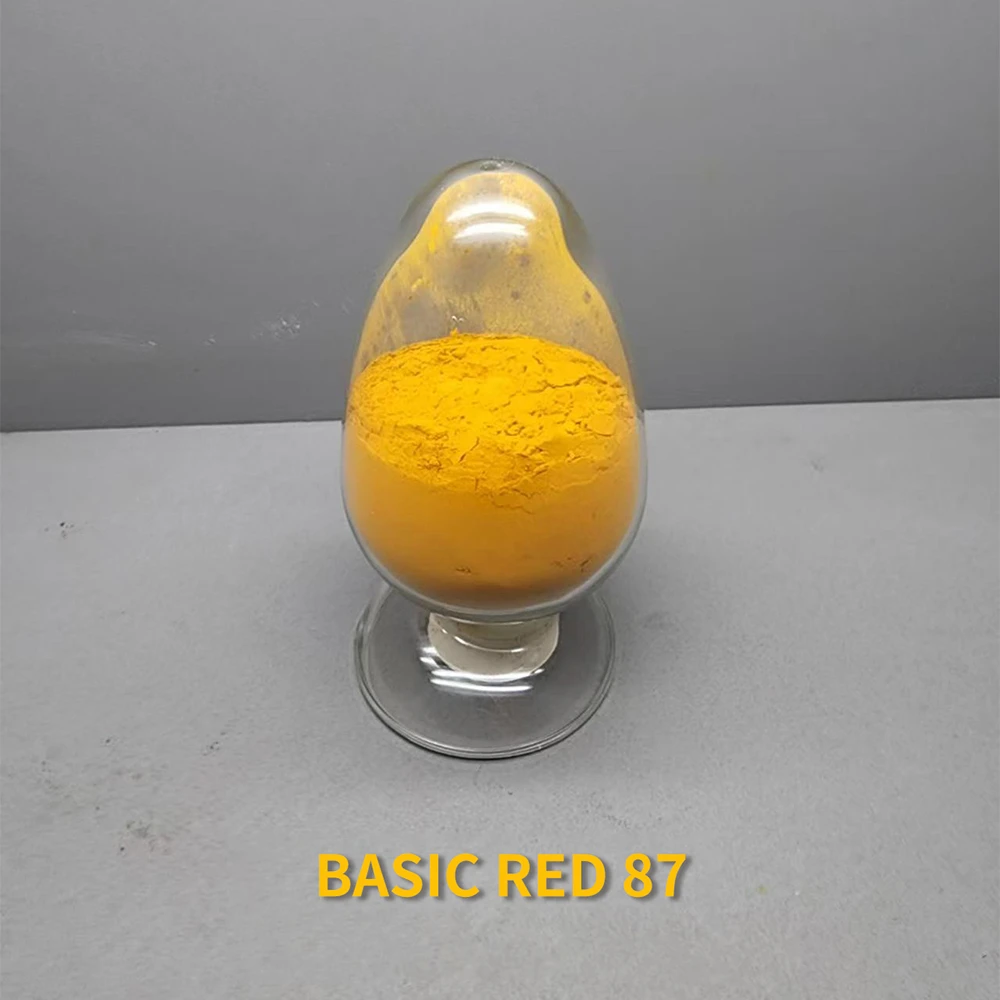
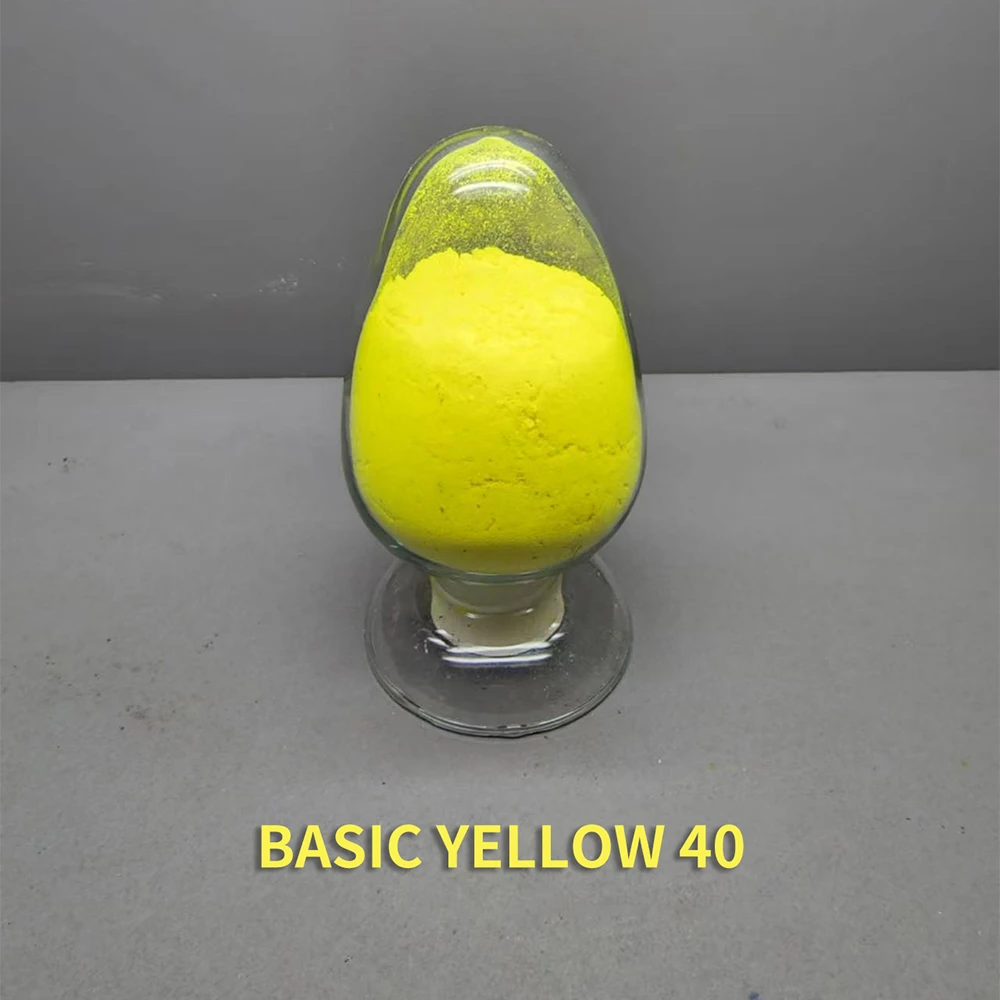
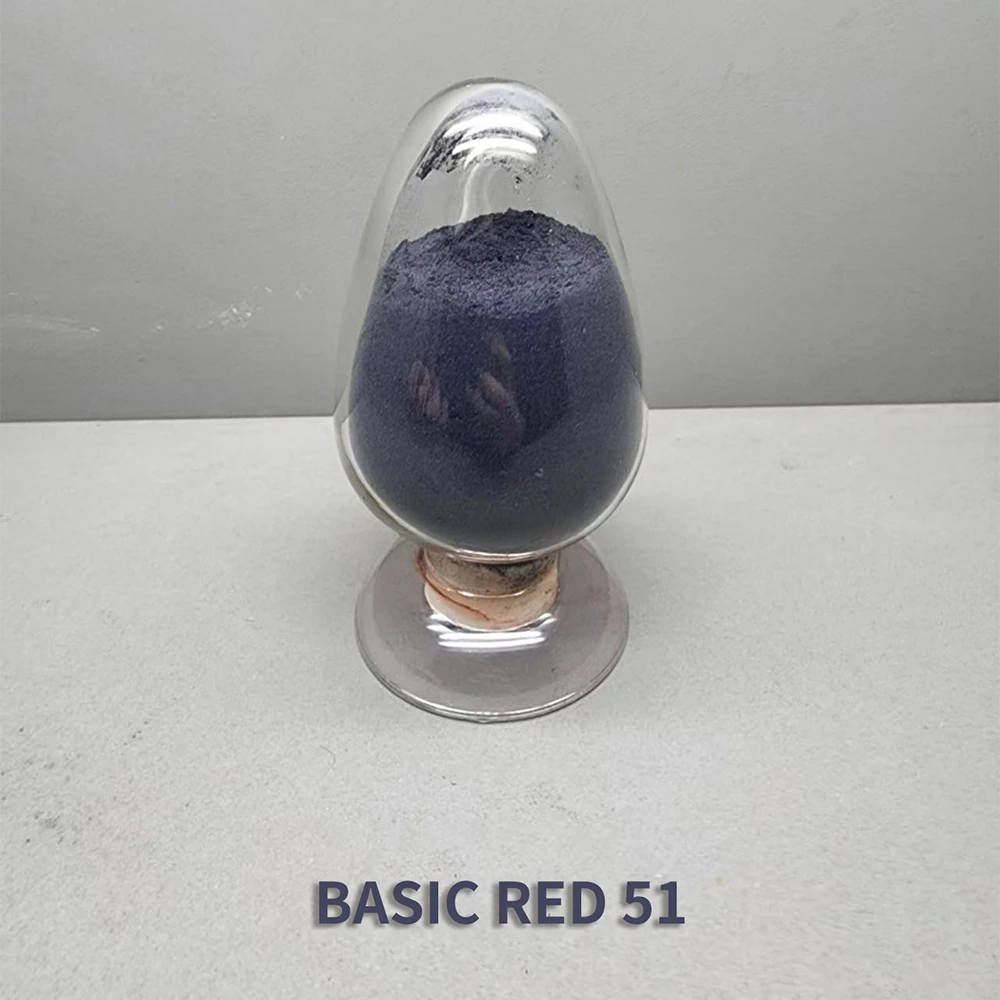
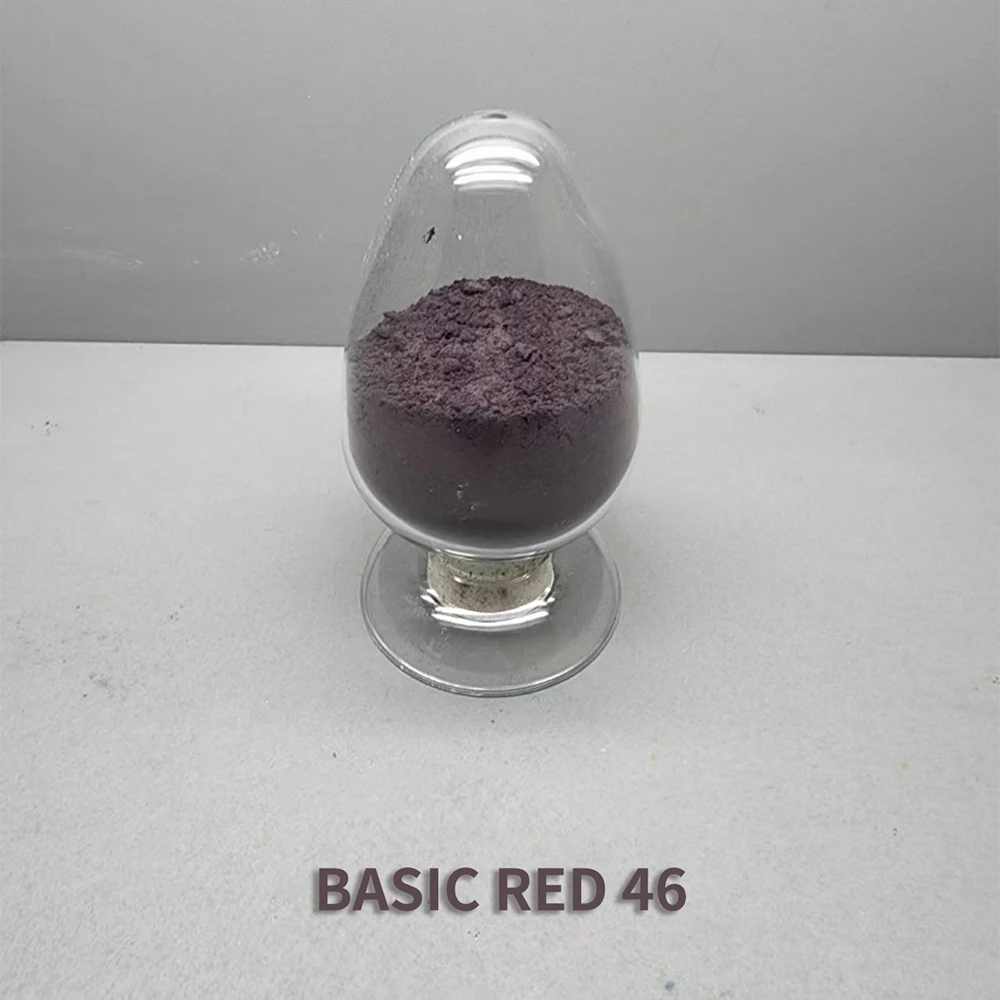
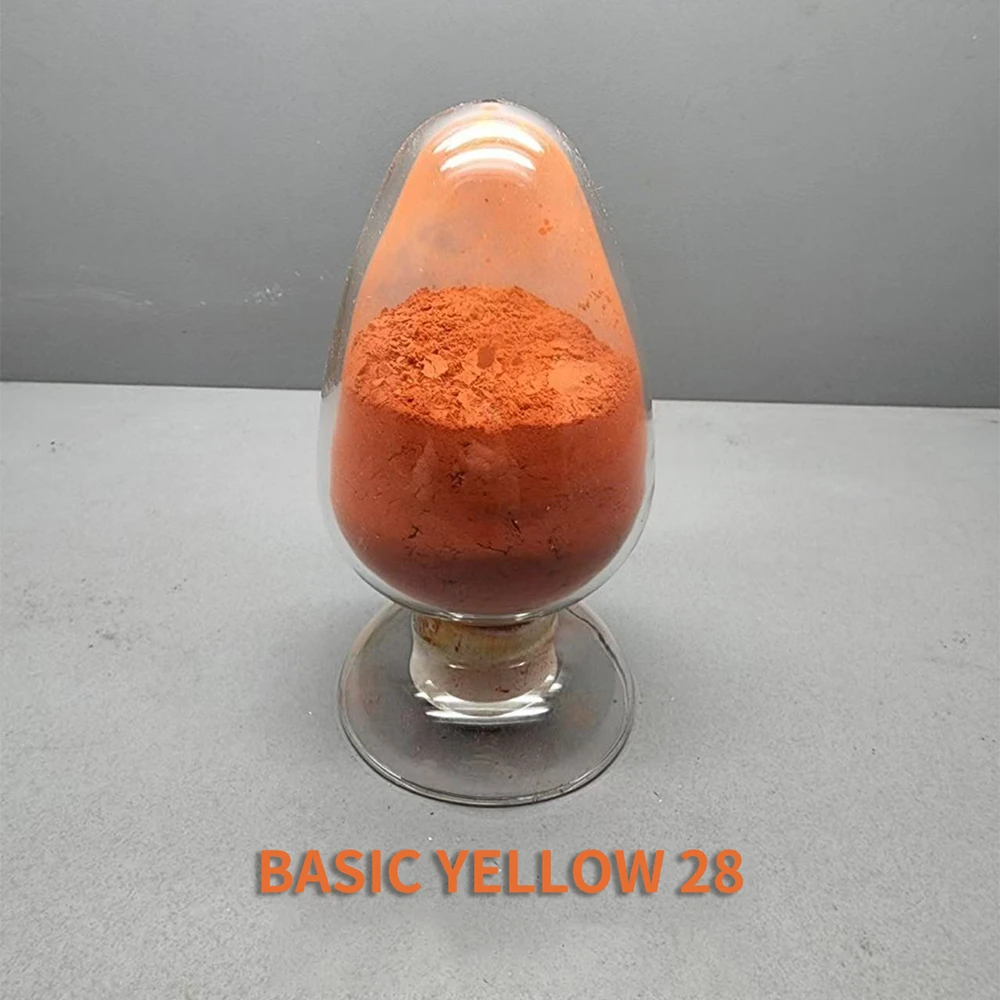
Simply put, a dye example refers to a specific type or formulation of dye used to color fabrics, plastics, or other materials. It can be a representative sample demonstrating properties like colorfastness, chemical composition, or environmental impact. Industries often use dye examples for testing, quality control, or marketing new products.
In the bigger picture, these examples link directly with how industries achieve vivid, lasting colors on goods ranging from clothing to packaging, but also how they innovate safer, more sustainable alternatives to traditional dyes. For humanitarian organizations, select dyes can offer rapid marking and identification in disaster zones, or materials that hold up in tough conditions.
Mini Takeaway: Think of dye examples as the “blueprints” or “samples” that guide the use, development, and sustainability of colored materials worldwide.
Core Components of Dye Examples That Matter Most
Colorfastness and Durability
One of the prime considerations when choosing a dye is how well it stands up against washing, sunlight, and wear. Colorfastness ensures colors remain vibrant and maintain integrity throughout a product’s life cycle. For instance, textile producers demand dyes that resist fading after repeated washes.
Environmental Impact
Traditional dyes may release harmful chemicals, but greener dye examples focus on bio-based sources, waterless dyeing, or biodegradable formulations. It’s not just industry buzz; new ISO standards reflect these sustainability pushes, which many companies now prioritize to reduce ecological footprints.
Cost Efficiency
Price definitely influences dye selection. More eco-friendly dyes can be pricier upfront but save money by reducing wastewater treatment or energy inputs. That said, dyes must also offer scalability — can they handle production volumes without escalating costs?
Application Versatility
Can a dye be used across multiple materials and processes? Versatility is golden. Some dyes are engineered specifically for synthetic fabrics, others for natural fibers, with added features like UV protection or antimicrobial effects.
Compliance and Safety
International regulations tighten control on toxic substances in dyes. Vendors now must document certifications like Oeko-Tex or REACH compliance, assuring buyers the dyes are safe for users and environments.
Mini Takeaway:
- Durability ensures longevity.
- Eco-conscious dyes reduce pollution.
- Cost and scalability matter for industry adoption.
- Versatility broadens usage.
- Safety regulations protect all involved.
How and Where Dye Examples Power Real-World Applications
Different industries around the globe depend on dye examples in distinctive yet sometimes overlapping ways:
- Fashion & Textiles: Countries like India, Bangladesh, and China are textile hubs relying on millions of tons of dyes annually. Fast fashion demands rapid, bright colors that meet environmental and labor standards.
- Automotive & Aerospace: Specialty dyes mark safety components, fuel-resistant plastics, and upholstery materials.
- Healthcare: Dyes assist in diagnostics, staining cells for analysis, and fabricating antimicrobial hospital gowns.
- Humanitarian Efforts: In disaster zones, colored tarps and shelters with durable dyes provide quick identification, boosting efficiency and safety in relief operations.
In fact, dye example innovations help relief agencies choose materials able to survive harsh weather while maintaining visibility — crucial in unstable environments.
Key Advantages and the Long-Term Value of Innovative Dye Examples
From a practical standpoint, improving dyes unlocks:
- Cost Savings: Less waste and energy use translates into real, measurable savings.
- Environmental Stewardship: Lower pollution means healthier ecosystems and compliance with global standards.
- Enhanced Product Quality: Stronger, more vibrant colors boost customer satisfaction and reduce returns.
- Social Impact: Safer, non-toxic dyes protect workers and consumers, reinforcing brand trust.
Beyond numbers, these benefits build a story of innovation, responsibility, and often, dignity — whether in fashion houses or refugee camps. It's pretty fascinating how something as “simple” as a dye reaches so much deeper.
Peering Ahead: Future Trends and Innovations in Dye Technology
Industry leaders are exploring:
- Bio-based dyes: From algae or plants, aiming to reduce reliance on petrochemicals.
- Digital printing: Precision application of dyes reducing waste.
- Waterless dyeing technologies: Cutting water consumption almost entirely.
- Smart dyes: Changing color in response to temperature or UV exposure, useful in safety and fashion.
The push towards sustainability isn’t just a fad. With governments setting tougher regulations (like the EU’s Green Deal), and consumers demanding eco-conscious products, dye example innovation is accelerating.
Current Challenges and How They're Being Tackled
Despite advances, hurdles remain:
- Cost Barriers: Advanced dyes can be more expensive initially.
- Scalability: Lab successes sometimes struggle in mass production.
- Technical Compatibility: Some eco-dyes work great on cotton but not synthetics.
Experts advocate a holistic approach, combining material science, policy incentives, and cross-sector collaboration. For instance, partnerships between chemical firms and NGOs focus on developing dyes tailored for humanitarian logistics — sharing knowledge and adjusting R&D accordingly.
Frequently Asked Questions About Dye Example
What makes a dye example suitable for large-scale textile manufacturing?
Suitability depends on its colorfastness, compatibility with existing fabrics, cost efficiency, and environmental impact. A good dye example keeps colors vibrant through washing and sunlight exposure, integrates smoothly with textile production lines, and satisfies local regulations on toxicity and emissions.
Are eco-friendly dye examples reliably cost-effective?
While prices can be higher upfront, eco-friendly dyes often reduce expenses linked to wastewater treatment, energy usage, and regulatory fines. Over time, these savings and growing consumer demand make sustainable dyes economically viable for many producers.
How can NGOs source dye examples suited for disaster relief materials?
NGOs typically consult with suppliers offering certified, durable, and non-toxic dye examples designed for extreme conditions. Organizations like dye example vendors often provide tailored samples and technical support to meet relief requirements and expedite procurement.
Can dye examples be customized for special functional properties?
Yes, modern dye technology allows customization for UV resistance, antimicrobial activity, or temperature responsiveness. Collaborative R&D enables creating dye examples that meet unique industry or field demands.
Product Specification Table: Typical Dye Example Profile
| Specification | Description |
|---|---|
| Chemical Type | Reactive azo dye |
| Color Range | Bright reds, blues, and greens |
| Water Solubility | High water solubility; suitable for aqueous dyeing |
| Environmental Certification | Oeko-Tex Standard 100 & REACH compliant |
| Typical Use | Cotton & polyester fabric dyeing |
| Fastness | Washing (4-5), Light (6) on Blue Wool scale |
Vendor Comparison Table for Popular Dye Examples
| Vendor | Eco Certification | Price/kg (USD) | Product Range | Lead Time (days) |
|---|---|---|---|---|
| Yanhong Chemical | Oeko-Tex, REACH | 12.50 | Reactive, Acid, Vat Dyes | 7-10 |
| ColorFast Ltd. | GOTS Certified | 14.30 | Natural Dyes, Reactive | 14-18 |
| EcoDyes Co. | Cradle to Cradle, REACH | 16.00 | Bio-based, Acid Dyes | 10-12 |
Wrapping Up: Why Dye Examples Still Color Our World’s Future
It’s kind of wondrous when you think about it — these humble chemical formulas, these dye examples, quietly influencing industries, sustainability efforts, and even humanitarian relief across the planet. They shape the clothes we wear, the equipment professionals rely on, and the shelter refugees find comfort in.
Understanding dye examples means engaging with a complex blend of science, economics, and social responsibility. The future promises even smarter, cleaner, and more versatile dyes that not only meet industry needs but nurture our shared environment.
So if you’re curious or involved in selecting, using, or innovating dyes, remember: your choice carries more hue—and weight—than you might assume.
Looking for expert solutions or want to dive deeper into specific dye examples? Visit https://www.yanhongchem.com for product catalogs, technical data, and more.
References
-
Fabric Dye On Human Hair | Durable, High-Performance Dye Solutions from Yanhong ChemNewsDec. 03, 2025
-
Unlock Vibrant Hues with Expert Mint Fabric Dye Techniques and OptionsNewsFeb. 11, 2026
-
Rye Fabric Dye: Sustainable Textile ColoringNewsJan. 26, 2026
-
Cream Fabric Dye Solutions for Industrial Textile Applications | YanHong ChemNewsDec. 08, 2025
-
Comprehensive Guide to Dark Green Fabric Dye: Sustainability and Durability in TextilesNewsDec. 07, 2025
-
Burgundy Fabric Dye – Durable, Vibrant Solutions for Textile Industry | YanhongchemNewsDec. 11, 2025