Comprehensive Guide to Basic Red Dye – Applications, Benefits & Vendors
Understanding Basic Red Dye: Why It Matters in Today’s Industry
When you hear the term basic red dye, it might conjure images of vibrant textiles or the bright flash of colored plastics. But this dye is more than just a colorant—it’s a staple chemical with far-reaching effects in industries worldwide. From textile manufacturers in Asia to printing facilities in Europe, understanding basic red dye helps businesses optimize production, reduce costs, and meet rising sustainability demands. In a world increasingly focused on environmentally sound chemistry and high-quality outputs, knowing the ins and outs of basic red dyes puts you ahead.
Oddly enough, the global market for dyes is expected to grow steadily by over 4% annually in the next decade, according to the Statista Market Report. This hints that the significance of dyes—not least basic red variants—is not fading anytime soon. Yet with chemical regulations tightening and awareness of textile pollution rising, manufacturers face the challenge of balancing performance with compliance.
Defining Basic Red Dye
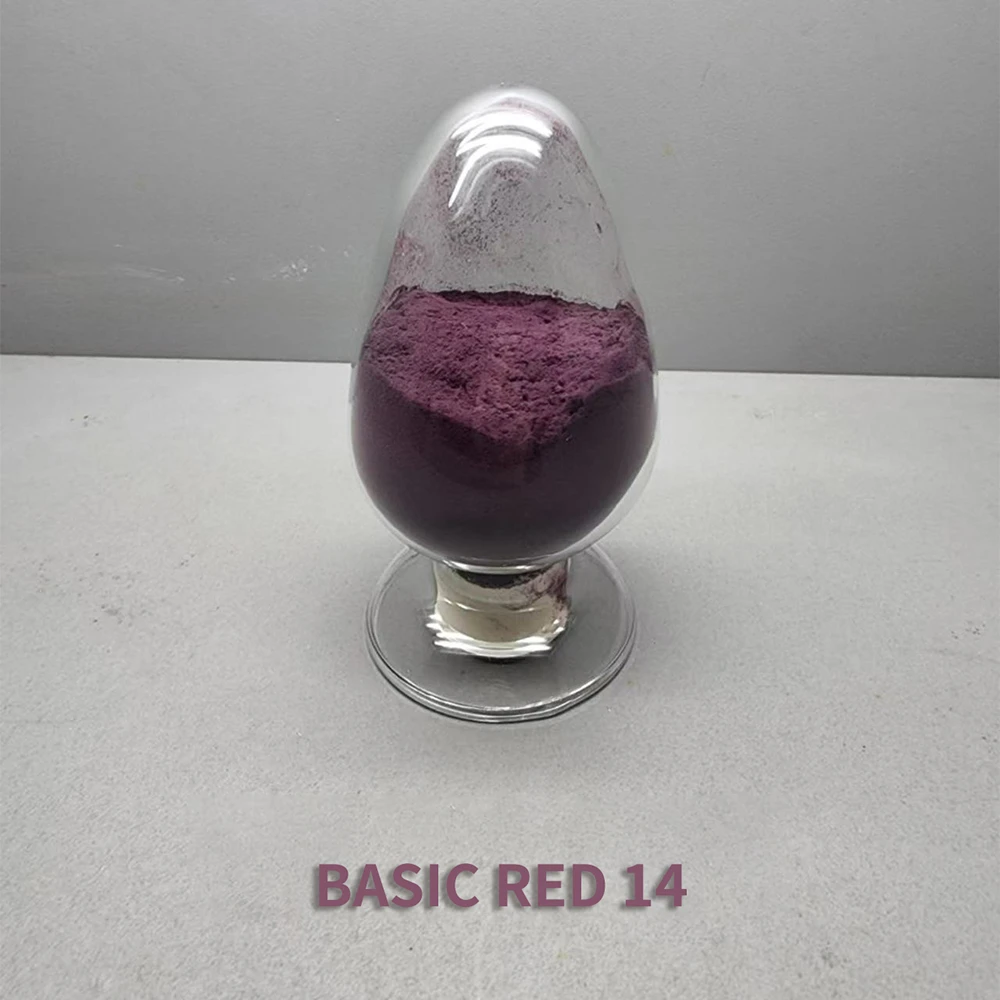
Simply put, basic red dye refers to a class of synthetic dyes known for their vivid red hues and excellent affinity towards materials like acrylic fibers, paper, and certain plastics. These dyes are typically classified as cationic, meaning they carry a positive charge and bind strongly to negatively charged surfaces. Their “basic” label stems from their chemical structure and pH behavior rather than just the color itself.
Basic red dyes hold a crucial spot in sectors ranging from textiles to printing inks, even in biomedical staining techniques. They’re prized for their brightness, durability, and solubility in water or organic solvents. When you consider large-scale fabric production or high-speed inkjet printing, these features become indispensable.
Core Aspects of Basic Red Dye
1. Colorfastness and Durability
Basic red dyes typically exhibit moderate to good colorfastness, which means the color resists fading from washing, light exposure, or rubbing. For clothing lines and home décor textiles, this durability directly translates to higher customer satisfaction—and fewer returns.
2. Solubility and Application Versatility
These dyes dissolve well in water and can be processed in solution dyeing or printing methods, supporting flexibility. Whether dipping fabric, coating plastics, or formulating inks, their solubility eases integration into existing manufacturing lines.
3. Toxicological and Environmental Profile
Historically, some basic red dyes faced scrutiny due to toxicity concerns. Modern formulations prioritize low-toxicity and biodegradability, aligning better with strict environmental policies such as REACH in the EU. Still, proper effluent treatment remains essential to minimize ecological impact.
4. Cost Efficiency
Compared to alternative pigments and specialty dyes, basic red dyes often offer a wallet-friendly option without sacrificing vibrancy—especially important for large-volume textile producers.
5. Scalability for Industrial Usage
Manufacturers can ramp up production of basic red dyes with relative ease thanks to established synthetic routes and raw materials availability, making them suitable for mass-market applications.
Mini takeaway:
Basic red dyes balance brightness, cost, and industrial adaptability, but care must be taken with environmental and health considerations.
Where in the World Is Basic Red Dye Making a Difference?
In Asia’s fast-growing textile hubs—think China, India, and Bangladesh—basic red dyes color thousands of tons of fabric annually. These countries, housing an estimated 60% of global textile production (World Bank Textile Data), rely on reliable dyes to maintain export quality standards.
In addition, the packaging and printing industries in Europe and the Americas use basic red dyes to produce vivid labels, promotional materials, and even security inks. Hospitals and research labs worldwide employ them as biological stains, where precision coloring is critical for diagnostics.
Post-disaster relief organizations sometimes use textiles colored with basic dyes when fast mass production of tarps or uniforms is necessary—owing to their quick-dyeing properties and bright visibility.
Product Specification Table for a Typical Basic Red Dye
| Specification | Typical Value |
|---|---|
| Color Appearance | Bright red powder or granulate |
| Molecular Weight | approx. 350–400 g/mol |
| Solubility | Water soluble, moderately soluble in alcohol |
| Light Fastness (1-8 scale) | 4–6 (moderate) |
| pH Range | 4–10 (stable) |
| Toxicity Classification | Low (per latest ISO safety data) |
Advantages and Long-Term Value of Basic Red Dye
- Cost-effective production: Enables bulk manufacturing without hefty price tags.
- Reliable color performance: Maintains good vibrancy and fading resistance over time.
- Broad compatibility: Works well with diverse substrates plus modern printing techniques.
- Environmentally evolving: Newer formulations reduce ecological footprint.
- Social impact: Vibrant, consistent coloring supports brand identity and consumer trust.
Many manufacturers have noted improved workflow efficiency since switching to updated basic red dyes, cutting downtime and waste. It’s a quiet revolution, but it feels like essential progress for industries balancing tradition and innovation.
Comparing Top Basic Red Dye Vendors
| Vendor | Product Purity (%) | Sustainability Credentials | Bulk Pricing | Global Shipping |
|---|---|---|---|---|
| Yanhong Chemical | >99.5% | ISO 14001 certified, low waste | Competitive | Available |
| Alfa Aesar | 98% | Limited info | Higher cost per kg | Worldwide |
| Sigma-Aldrich | 99% | Environmental policy in place | Moderate pricing | Global |
What’s Next? Future Trends and Innovations
Looking ahead, researchers and dye producers are focusing on:
- Eco-friendly synthesis: Using bio-based feedstocks and greener solvents to minimize harmful byproducts.
- Digital dyeing technologies: Precision application reduces waste and improves color reproducibility.
- Enhanced biodegradability: Creating dyes that break down faster post-use to limit environmental load.
- Smart textiles: Integrating responsive dyes that change shade with temperature or pH.
Incidentally, these innovations echo broader industrial trends toward sustainability and smart manufacturing—it’s not just about color anymore, but about how that color is made and used.
Common Challenges and Practical Solutions
Of course, basic red dyes aren’t a perfect palette. Some challenges include:
- Water pollution risk: Improper discharge can harm aquatic ecosystems.
- Color fading under extreme light exposure: Some applications need better longevity.
- Health regulations compliance: Vary by region and dye formulation.
Experts recommend rigorous effluent treatment, switching to low-impact dye variants, and ongoing quality testing to sidestep these problems. Also, partnerships with chemical suppliers like Yanhong Chemical that focus on safe, compliant products make a big difference.
FAQ: Common Questions About Basic Red Dye
Q1: How stable is basic red dye in outdoor textile applications?
A1: Basic red dyes typically have moderate stability outdoors; they maintain decent colorfastness to light but may fade over prolonged UV exposure. Using UV-protective coatings or blending with more stable pigments can improve lifespan.
Q2: Is basic red dye safe for products in contact with skin?
A2: Modern formulations comply with international safety standards like ISO and REACH, making them generally safe for textiles worn close to skin. However, sensitive users should check for hypoallergenic certification where available.
Q3: Can basic red dyes be used in printing inks?
A3: Absolutely. Their good solubility and vibrant color make them ideal for inks used in packaging and label printing industries. Ink formulations often optimize dye concentration for best adhesion and gloss.
Q4: How do I ensure environmental compliance when using basic red dyes?
A4: It’s critical to partner with suppliers offering certified low-toxicity dyes and implement advanced wastewater treatment systems. Regular environmental audits help ensure regulatory adherence.
Conclusion: Why Basic Red Dye Remains a Key Ingredient
So, here we have it: basic red dye is not just a splash of color but a carefully engineered chemical solution bridging industry needs with evolving sustainability frameworks. It’s cost-effective, versatile, and embedded in countless products that surround us daily. Adopting the right type and supplier for your needs means smoother manufacturing, better product quality, and a reduced environmental footprint.
Curious to learn more or source high-grade basic red dyes? Visit our website at https://www.yanhongchem.com and discover the chemical behind the color revolution.
References
-
Pink Fabric Dye - Durable, Eco-Friendly Textile Solutions for Industry | YanhongchemNewsDec. 04, 2025
-
Basic Red Dye – Lab-Grade Basic Fuchsin Stain & SolutionNewsDec. 12, 2025
-
Black Basic in Industrial Equipment: Essentials and InsightsNewsDec. 13, 2025
-
Reliable Navy Fabric Dye for Industrial Textile Applications | YanhongNewsDec. 07, 2025
-
Premium Fabric Dye For Sale | Durable Industrial Textile Dyes from Yanhong ChemNewsDec. 03, 2025
-
Upholstery Fabric Dye: Durable, Customizable, and Environmentally CompliantNewsDec. 11, 2025