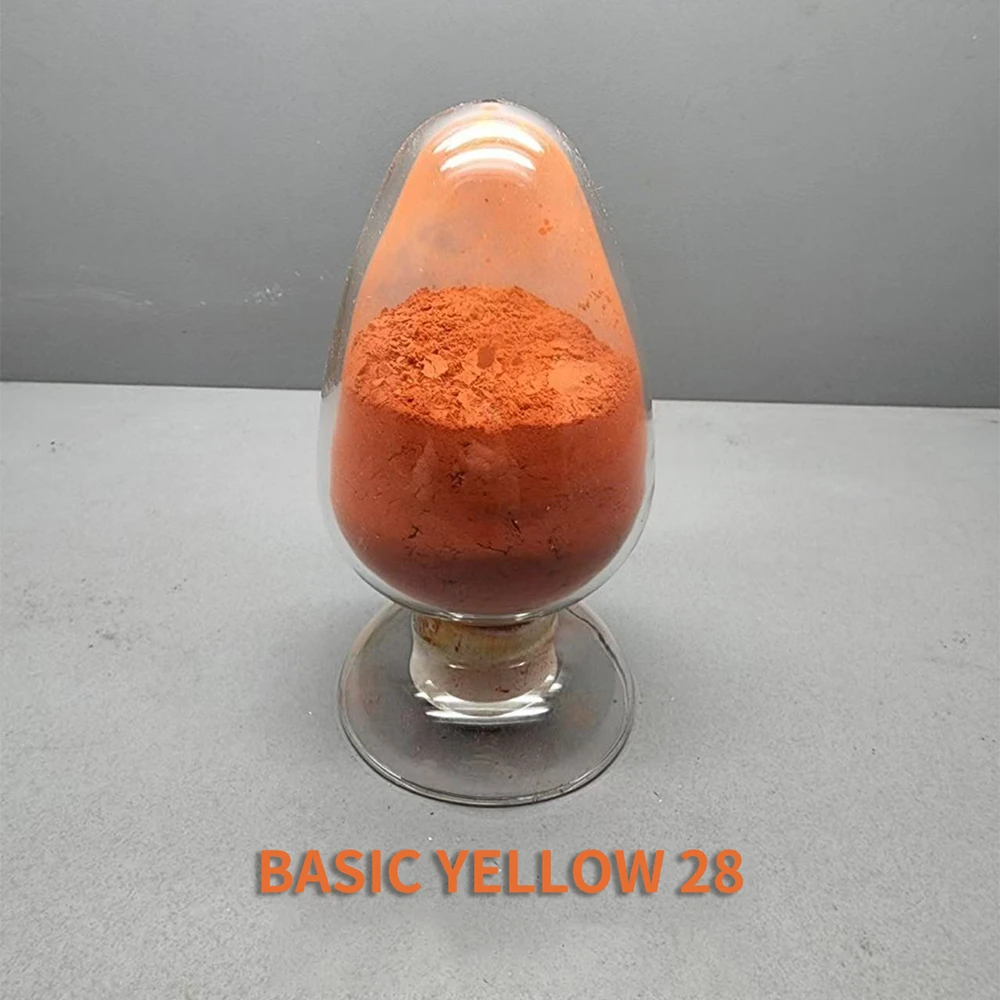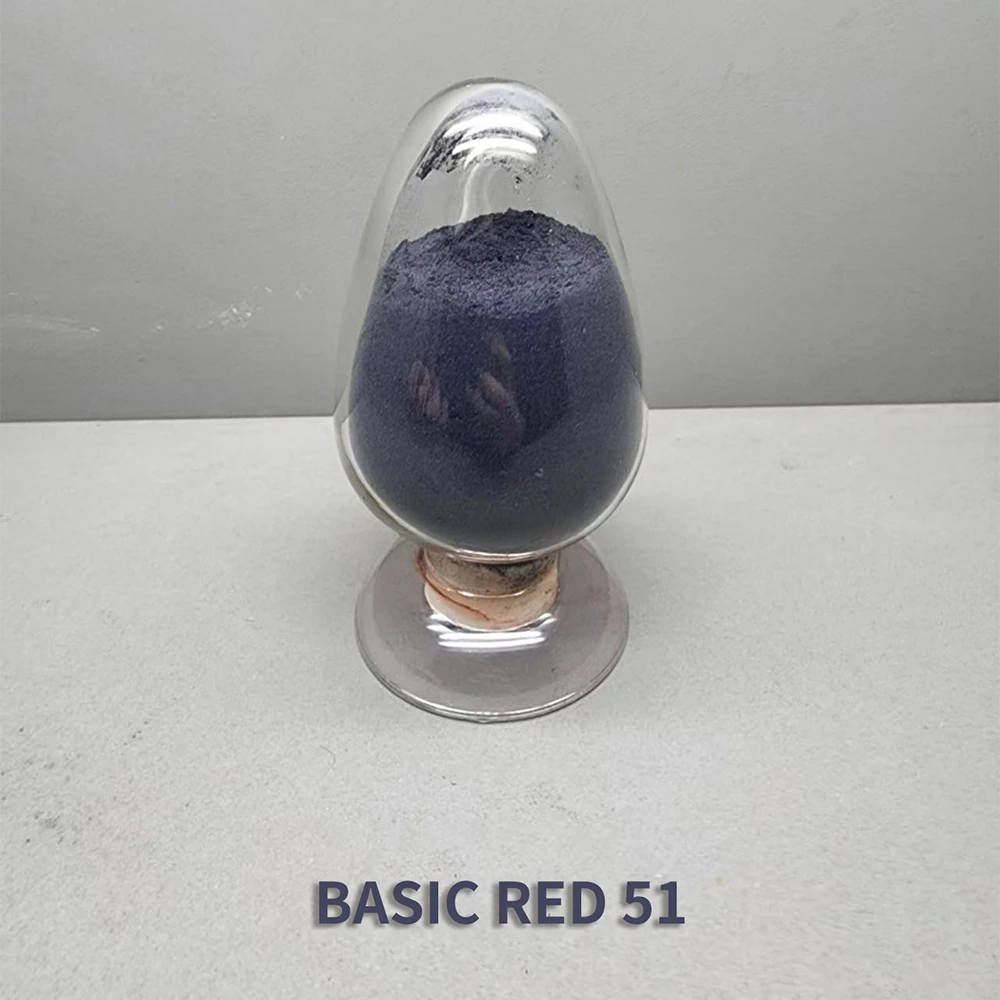
Comprehensive Guide to Basic Red 51 – Industrial Dye Insights & Applications
Understanding Basic Red 51: A Vibrant Thread in Industry and Innovation
Basic red 51 is more than just a chemical name tossed around in specialty shops or industrial catalogs. At its core, it is a dye with immense practical value — coloring fabrics, papers, plastics, and sometimes even engines of manufacturing that rely on precision and reliability. Globally, its reach extends beyond aesthetics: it’s a key player in sectors spanning textiles, printing, and even some niche biochemical applications. Understanding basic red 51 isn’t just about knowing a color; it's about grasping how this substance threads into global trade, manufacturing efficiency, and sustainable practices.
Why Basic Red 51 Matters Globally in 2024
The United Nations Industrial Development Organization (UNIDO) notes the textile industry as pivotal to many developing economies, accounting for nearly 5% of global manufacturing output. Here, basic red 51 sinks its roots, serving as a brilliant, reliable dye adopted worldwide, from Asia’s booming fashion hubs to Europe's specialized treaters of specialty fibers. According to recent ISO color consistency standards, dyes like basic red 51 face ever tougher scrutiny, not only for their performance but increasingly for safety and environmental impact. That means this dye isn’t just a color—it’s a compliance puzzle, an innovation challenge, and a sustainability opportunity all rolled into one.
Dress codes, branding, industrial labeling, or even anti-counterfeiting measures often involve hues traced back to basic red 51’s composition. The challenge? Conventional dyes can be water-polluting and energy-intensive to produce. Basic red 51 manufacturers have rapidly adapted, aiming to minimize this footprint, making it a concern that industry players and environmentalists both keep an eye on.
What Exactly Is Basic Red 51?
Put simply, basic red 51 is a synthetic cationic dye—a positively charged dye molecule that loves bonding with negatively charged fibers such as acrylic and wool. Its vibrant red tint finds use not just for surface color, but for imparting durable, colorfast properties to products meant to last through washing, wear, and sun exposure. In humanitarian and industrial contexts, this stability translates into long-term visual identities, essential in manufacturing and safety applications.
Core Characteristics of Basic Red 51
Colorfastness and Durability
One of the hallmark features of basic red 51 is its impressive resistance to fading. Whether it’s sunlight, washing, or friction, materials dyed with this chemical tend to keep their vivid red tone longer than many competitors. Many engineers swear by it, especially for outdoor-use textiles or industrial clothes where color conveys safety or team identity.
Wide Material Compatibility
Basic red 51 primarily bonds well with protein and synthetic fibers alike—think wool, nylon, and acrylic fabrics. This adaptability means it’s a favored choice for many manufacturers who juggle varying substrates but need uniform color output. Oddly enough, it sometimes even pops up in the paper and plastics arenas as an additive, showcasing versatility beyond textiles.
Cost Efficiency
When budgeting for large-scale dyeing operations, buyers often note that basic red 51 offers a balance between performance and cost. It’s neither cheapest nor priciest but strikes a "sweet spot" that keeps quality high without breaking the bank. That’s critical for fast fashion brands and industrial clients alike.
Environmental and Safety Profile
In recent years, regulations have made environmental compatibility non-negotiable. Basic red 51 manufacturers have optimized processes to reduce waste and harmful byproducts. Its classification as a cationic dye also helps minimize leaching in water treatment, though users must still handle it with proper safety protocols.
Easy Application Process
The dye integrates well with different dyeing techniques—immersion baths, printing, and powder coating. This flexibility simplifies production lines, reducing downtime and technical training requirements.
Summary Takeaway:
Basic red 51 balances vibrant, lasting color with adaptability and a growing emphasis on environmental safety — all of which make it a popular, practical choice worldwide.
Real-World Applications of Basic Red 51
Globally, from India’s bustling textile mills to Germany’s specialty printing workshops, basic red 51 plays a starring role. For example, in post-disaster relief operations across Southeast Asia, colored fabrics help distinguish aid categories and organizations visibly amid chaos. In manufacturing hubs of Eastern Europe, it’s used for color-coding safety gear, ensuring quick visual communication on factory floors. Japan’s tech industry even leverages it in specialty plastics for consumer electronics, where consistent color shades matter for brand identity.
Regions with warm, humid climates find its resistance to fading crucial, whereas cold and dry zones prize its durability against abrasion and water. Organizations like ISO and ASTM continually test and certify products dyed with basic red 51 to ensure compliance with global health and safety laws, underscoring how embedded it is in international supply chains.
Advantages and Long-Term Value of Basic Red 51
- Cost-effectiveness: Efficient usage with fewer re-dyes needed.
- Sustainability: Upgraded production processes lower environmental impact.
- Reliability: Consistent dyeing results reduce waste in manufacturing.
- Safety and brand identity: Clear coloration improves workplace safety and consumer recognition.
- Emotional value: Products that “look just right” inspire confidence and trust.
In short, it’s a dye that delivers value not just in appearance but in operational efficiency and consumer perception.
Product Specifications of Basic Red 51
| Property | Specification |
|---|---|
| Chemical Formula | C20H21ClN4 |
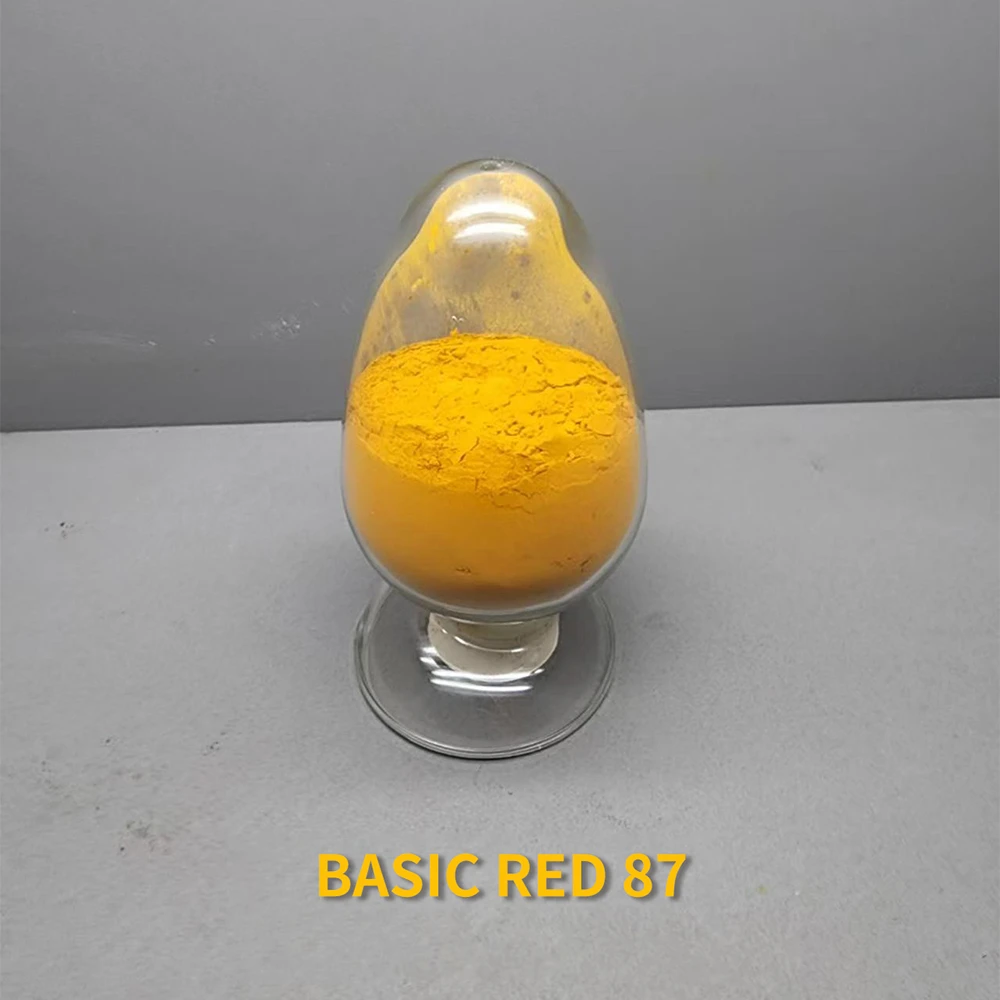
| Appearance | Dark red powder |
| Solubility | Water soluble (cationic dye) |
| pH Range for Optimal Use | 4 – 7 |
| Fastness to Washing | Grade 4 (ISO 105-C06) |
| Storage Stability | At least 12 months under recommended conditions |
Comparing Vendors of Basic Red 51
| Vendor | Purity (%) | Price (per kg) | Delivery Time | Environmental Compliance |
|---|---|---|---|---|
| Yanhong Chem | 99.0 | $15.50 | 5-7 days | ISO 14001 Certified |
| Global Dye Co | 98.5 | $16.00 | 7-10 days | Partial Compliance |
| EcoColor Solutions | 99.2 | $17.00 | 6-8 days | Full Green Certification |
What’s Next? Trends and Innovations with Basic Red 51
The future looks bright — and more sustainable. Manufacturers of basic red 51 are actively exploring bio-based precursors and attempting to reduce solvent use during synthesis. Witness the rise of digital textile printing: how well the dye adapts to ink formulations could revolutionize processes that traditionally suffer from long setup times and chemical waste. Add to that automation in quality control, ensuring each batch hits the exact shade without human guesswork.
Regulatory pressure will push for greener dyehouses and solvent recovery systems, with basic red 51 producers investing heavily to comply. As energy grids transition to cleaner sources globally, chemical manufacture itself becomes more eco-friendly — a quiet but crucial revolution behind the scenes.
Facing Challenges and Crafting Solutions
Not all is rosy, though. Basic red 51’s cationic nature means wastewater requires special attention; otherwise, residual dye could impact aquatic life. But then again, isn’t that true for many dyes? Advanced wastewater treatments, combined with process optimization (such as closed-loop dye baths), are making strides. I heard from a plant manager in Turkey who cut effluent CO2 emissions by 30% using novel filtration paired with this approach.
Another hurdle is occasional pesky color variation when switching textile batches — but digital color matching and AI-enhanced recipe control promise to iron out these inconsistencies in near real-time.
FAQ: Frequently Asked Questions About Basic Red 51
Q: What makes basic red 51 better than other red dyes?
A: Its impressive colorfastness, compatibility with multiple fibers, and environmental improvements make it a versatile, reliable choice. Compared to traditional dyes, it often requires less dye liquor and offers better durability.
Q: Is basic red 51 safe for use in products that contact skin?
A: When properly fixed and after standard washing, products dyed with basic red 51 generally meet international skin-safety standards. However, manufacturers must ensure no residual monomers or impurities remain.
Q: How long does basic red 51 maintain its color in outdoor applications?
A: Its fastness rating suggests it can last several years outdoors without significant fading, depending on exposure levels. Manufacturers typically guarantee color integrity for at least 2-3 years in harsh sunlight.
Q: Can basic red 51 be adapted for eco-friendly production?
A: Yes. Current industry trends focus on reducing harmful solvents and wastewater output, with some suppliers now offering ‘green’ grades certified to stricter environmental standards.
Q: How do I choose a reliable vendor for basic red 51?
A: Look for transparency in purity, certifications related to environmental compliance (like ISO 14001), consistent delivery times, and good customer support. You can compare vendors using tables like the one above to make an educated choice.
Conclusion: Why Basic Red 51 Should Be Part of Your Next Project
In the colorful world of industrial dyes, basic red 51 shines — balancing bold pigment performance with increasing sustainability and cost-effectiveness. Whether you’re working on a textile line in Asia, an industrial coating process in Europe, or developing eco-conscious product lines in the Americas, this dye fits a wide array of needs.
For ongoing innovation, compliance, and top-tier performance, you can trust providers like Yanhong Chem to supply quality basic red 51 batches crafted with expertise. Want to see how basic red 51 can transform your product palette? Visit our website to learn more and request samples.
References & Further Reading
-
Comprehensive Guide to Black Fabric Dye – Durability, Sustainability & Industry InsightsNewsDec. 03, 2025
-
Premium Blue Fabric Dye Insights for Industrial Textile UseNewsDec. 04, 2025
-
Basic Black in Industrial Equipment: Timeless and ToughNewsDec. 13, 2025
-
Fabric Dye For Furniture: Durable, Sustainable Solutions for B2B ManufacturersNewsDec. 08, 2025
-
Upholstery Fabric Dye: Durable, Customizable, and Environmentally CompliantNewsDec. 11, 2025
-
Comprehensive Guide to CI 42520: Industrial and Humanitarian ApplicationsNewsDec. 03, 2025