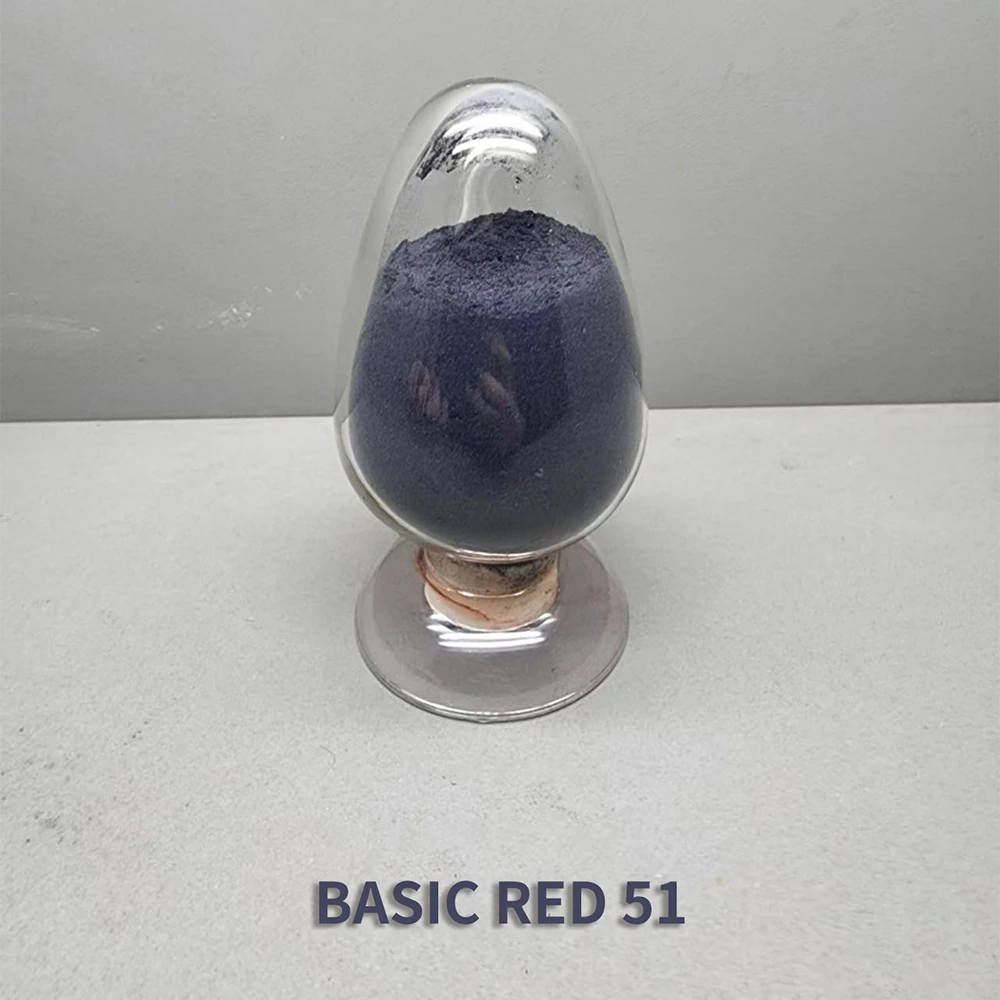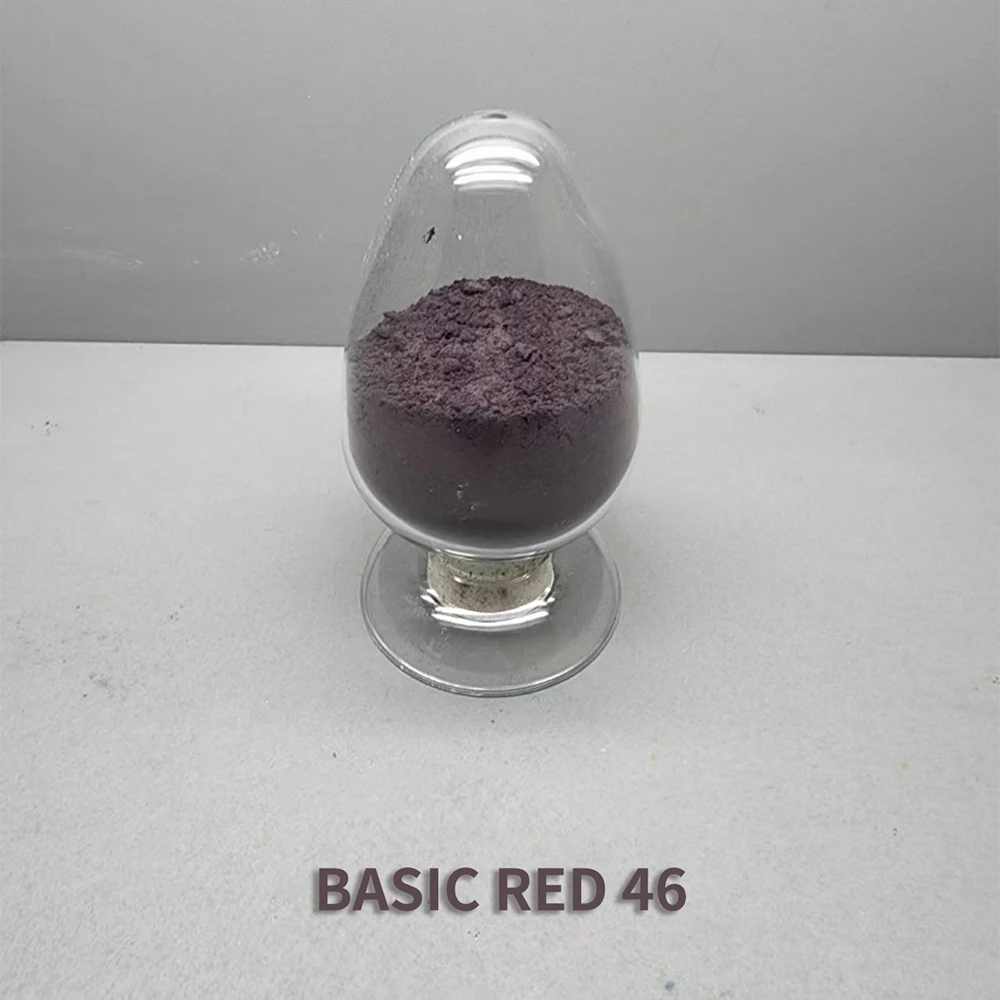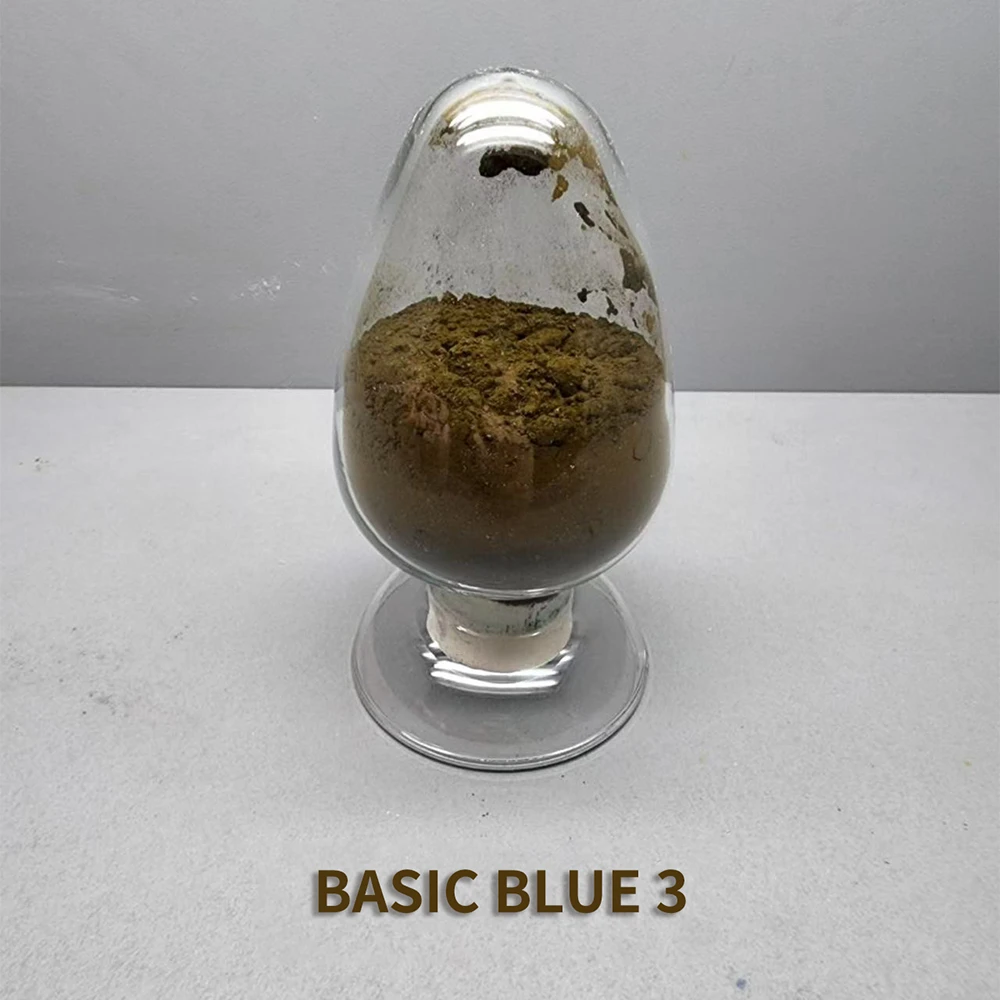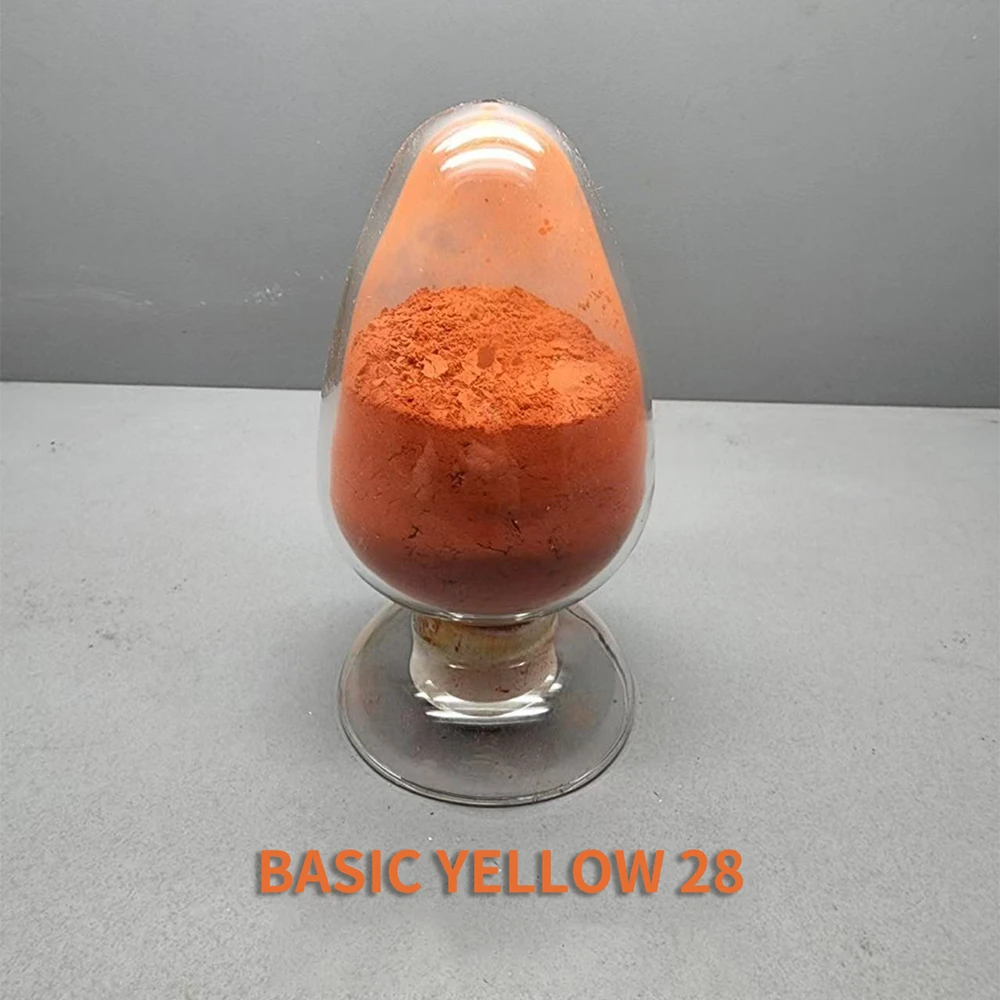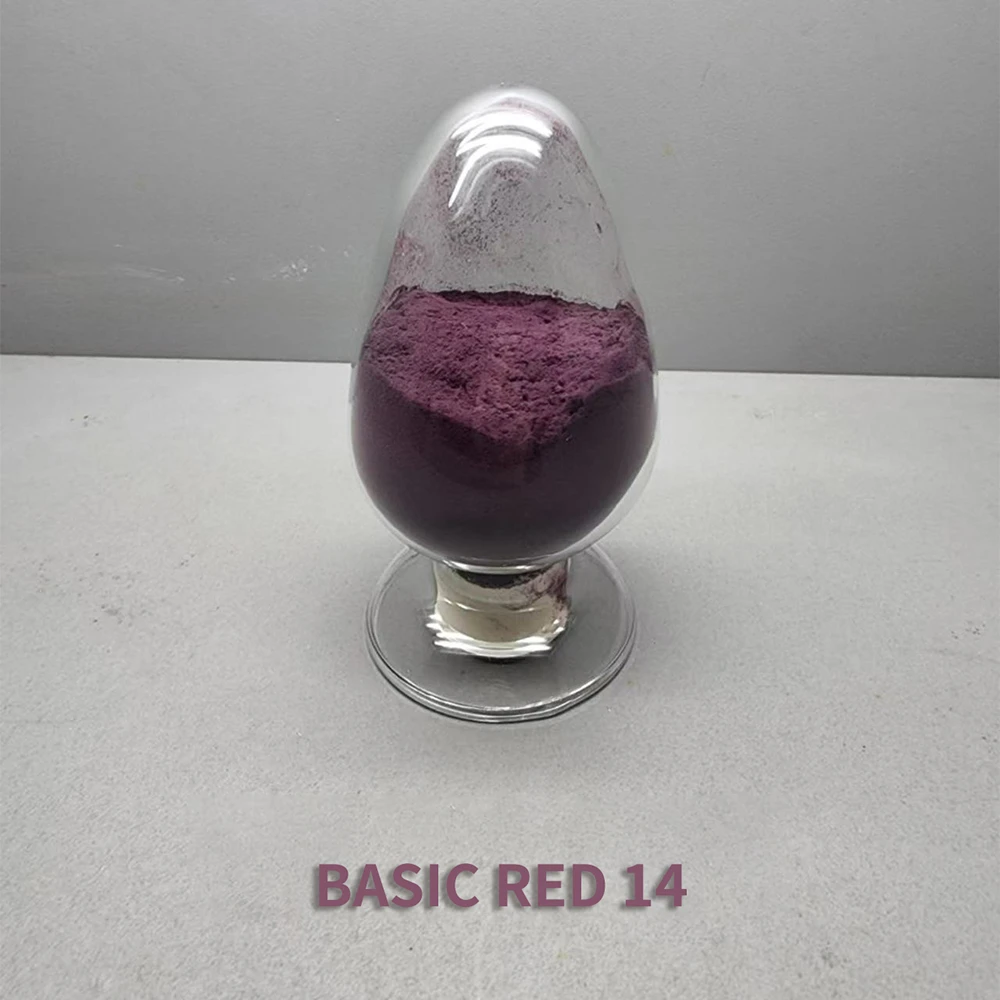
Comprehensive Guide to Basic Red 1: Industrial, Medical & Environmental Insights
Understanding Basic Red 1: Why It Still Matters Worldwide
If you’ve ever glanced at color charts or textile dye labels, basic red 1 might have sparked your curiosity — or maybe it’s something you keep seeing in industrial colorants but don’t quite know the story behind. It turns out, this dye is far from just a splash of pigment. Basic red 1 plays an important role globally, not just in coloring, but in how industries maintain fabric quality, promote sustainability, and meet regulatory standards.
Why should anyone outside the textile or chemical sector care? Well, colorants like basic red 1 influence everything from fashion’s environmental footprint to medical diagnostic tools. Understanding it means appreciating the connection between a simple chemical and huge sectors of manufacturing, healthcare, and environmental safety.
Global Context: Basic Red 1 in Industry and Beyond
Statistics from the United Nations Environment Programme show that the textile dye industry contributes approximately 20% of global industrial water pollution—surprising, right? It’s a wake-up call that chemicals including basic red 1 must be managed carefully. The ISO has been tightening regulations to ensure dyes are not only effective but also less harmful. Basic red 1, an anthraquinone class dye, is often scrutinized for its vibrant color output and its persistence in dye processes.
Industries worldwide wrestle with balancing vibrant dye performance with environmental safety. This is where basic red 1 becomes more than just a color—it’s part of a solution in innovations toward sustainable manufacturing. For example, countries in Southeast Asia, a hub for textiles, have adopted eco-friendly standards affecting dye choice, including basic red 1.
Mini takeaway: Basic red 1 is a vivid example of how industrial dyes play a global role, touching climate, health, and regulation.
Defining Basic Red 1: A Simple Explanation
At its core, basic red 1 is a cationic dye, meaning it carries a positive charge. This characteristic allows it to bind effectively with negatively charged fibers like acrylics and sometimes wool. Its chemical name is 1,2-Dimethyl-4-[(4-methylphenyl)azo]pyridinium chloride (though honestly, who remembers these names?). It is prized for producing a bright, durable red hue. If you’ve ever seen brightly dyed carpets or certain plastics, chances are basic red 1 or its variants played a role.
Its use extends beyond textiles. Basic red 1 features in biological staining where its affinity for certain cell components helps pathologists visualize microscopic structures. So, from industrial fabrics to the microscope slide, the dye has a surprisingly diverse footprint.
Mini takeaway: Simply put, basic red 1 dyes stuff red — and does so in a way that’s useful both industrially and medically.
Key Features of Basic Red 1: What Makes It Tick
1. Vibrancy and Colorfastness
The immediate reason for its widespread appeal is the intense, bright red it delivers. Many engineers say basic red 1 offers excellent light and wash fastness relative to other red dyes, making it a popular choice where durability is a must – think upholstery or outdoor textiles.
2. Solubility and Application Flexibility
Basic red 1 dissolves easily in water, allowing for precise control during dyeing processes. It works well both in batch and continuous dyeing, which means manufacturers can scale seamlessly.
3. Chemical Stability
Surprisingly, it withstands pH fluctuations during processing, which is critical in multi-step treatments. That stability reduces dye waste and improves cost efficiency for producers.
4. Environmental Considerations
Because it’s a basic dye, effluent treatment needs to be carefully planned. However, advances in wastewater treatment and biodegradation research are improving how industries deal with residues of basic red 1.
5. Compatibility with Fibers
Primarily used with acrylic fibers, it also tags along with wool and synthetic blends, making it versatile but somewhat limited. This makes it less common in cotton-based textiles, where direct or reactive dyes dominate.
Mini takeaway: Basic red 1 balances brilliance and durability but needs smart management in the environmental department.
Global Applications and Real-World Use Cases
The beauty of basic red 1 is how it finds its way into various niches:
- Textile Dyeing: Key in acrylic wool-blend garments and décor textiles, especially in Asia and Europe.
- Indicator Dyeing: Used in microscopy and histology labs globally, especially in medical diagnostics.
- Plastic and Paper Industries: Adding color to plastics and paper products with high color retention needs.
- Luxury Carpet Manufacturing: In regions like Turkey and Iran, where carpet quality and colorfastness are premium.
Oddly enough, some non-industrial uses include marking chemicals in water studies and tracing flow in hydrology research.
Example:
In the post-disaster recovery efforts in Southeast Asia, textile factories switched to dyes like basic red 1 that had streamlined environmental phrases in their certification, allowing faster restoration of jobs while respecting stricter environmental rules.
Advantages & Long-Term Benefits
What really stands out with basic red 1 is more than its vivid color. It offers excellent reliability outdoors, meaning items hold color well under sunlight, which saves money and reduces waste from frequent replacements. There’s also a sustainability angle: by selecting dyes with better fastness and easier wastewater management, factories lower their long-term environmental footprint.
Emotional benefits? Well, customers appreciate clothing or home goods that stay vibrant longer — it’s tied to trust in quality and brand image. In healthcare, accurate staining backed by reliable chemicals helps doctors make faster diagnoses, literally saving lives. So, basic red 1 holds more than pigment value; it embodies performance and trust.
Product Specifications Table
| Property | Specification |
|---|---|
| Chemical Name | Basic Red 1 (Cationic Dye) |
| Molecular Formula | C18H21ClN4 |
| Appearance | Bright red powder or crystals |
| Water Solubility | High (readily soluble) |
| Light Fastness | Good (4-5 on ISO scale) |
| Common Fiber Use | Acrylic, Wool |
Vendor Comparison: Choosing the Right Supplier for Basic Red 1
| Vendor | Purity (%) | Price (per kg) | Sustainability Certification | Lead Time (days) |
|---|---|---|---|---|
| Yanhong Chemicals | ≥ 98% | $45 | ISO 14001 | 5-7 |
| Global Dye Inc. | ≥ 96% | $50 | ISO 9001 | 7-10 |
| EcoDyes Ltd. | ≥ 95% | $48 | GOTS Certified | 10-12 |
What's Next? Trends and Innovations Shaping Basic Red 1 Use
Looking ahead, the basic red 1 dye landscape is evolving thanks to innovations focused on greener chemistry. Industry R&D now favors biodegradable colorants or formulations that reduce effluent toxicity. Digital textile printing also offers a more precise application, trimming waste dramatically.
Automation and AI control in dye houses mean production is faster and less error-prone, cutting dye consumption while enhancing color consistency. As regulations tighten globally on chemical safety, vendors and users alike are adopting certified ‘green’ standards.
Common Challenges and How the Industry Responds
But it’s not all rosy. Handling basic red 1 requires careful effluent treatment to avoid contaminating waterways. The dye’s persistence can be a headache for wastewater plants. Plus, limited fiber compatibility means it’s not a one-size-fits-all solution.
Still, experts are tackling these with breakthroughs in enzyme-assisted dye degradation and closed-loop water systems which recycle dye baths. I notice more factories piloting such tech, which almost feels like the industry acknowledging it can’t just keep coloring the planet red forever...
FAQ: Your Basic Red 1 Questions Answered
- What makes basic red 1 so effective on acrylic fibers?
- Because it’s a cationic dye, basic red 1 carries a positive charge that binds strongly to the negatively charged acrylic fibers. This electrostatic attraction leads to excellent dye uptake and colorfastness.
- Is basic red 1 safe for medical diagnostic use?
- Yes, in regulated environments, basic red 1 is widely used as a biological stain. It helps highlight cells under microscopes and is considered safe when handled according to industry standards.
- Can manufacturers reduce water pollution when using basic red 1?
- Absolutely. Methods like advanced filtration, enzymatic breakdown of dye residues, and closed-loop dye baths significantly reduce wastewater toxicity linked to basic red 1.
- How long does the color last on textiles dyed with basic red 1?
- When applied correctly, the dye is quite durable, retaining vibrancy for several years even with repeated washing and sunlight exposure. This depends partly on fiber quality and finishing techniques.
- Is basic red 1 considered sustainable?
- Not inherently, but ongoing innovations and certifications like ISO 14001 by suppliers improve its sustainability profile. Choosing vendors engaged in green chemistry practices helps.
Conclusion
So, where does that leave us with basic red 1? From vibrant textiles to lifesaving diagnostic tools, it’s a dye that packs more punch than you’d expect. It combines technical savvy—like colorfastness and solubility—with a pressing need for environmental mindfulness. The key is working with trusted suppliers and staying updated on sustainable practices, making basic red 1 a reliable and evolving tool in industries worldwide.
If you want to explore high-quality, sustainable basic red 1 dyes, why not check out Yanhong Chemicals? They offer certified, top-grade products ready for your industrial or scientific needs.
References:
-
China Basic Dye Factory: High-Purity, Fast Delivery, GreenNewsDec. 13, 2025
-
Basic Red Dye – Lab-Grade Basic Fuchsin Stain & SolutionNewsDec. 12, 2025
-
Rhodamine B Cationic Dye - Industrial Grade & Reliable SuppliersNewsDec. 03, 2025
-
Fabric Dye For Tie Dye – Durable, Vibrant Solutions for Textile Industries | YanhongchemNewsJan. 03, 2026
-
Understanding Synthetic Clothes Dye Composition Benefits and Sustainable PracticesNewsMar. 08, 2026
-
High-Performance Lilac Fabric Dye for Industrial Textile Applications | Yanhong ChemicalNewsDec. 13, 2025