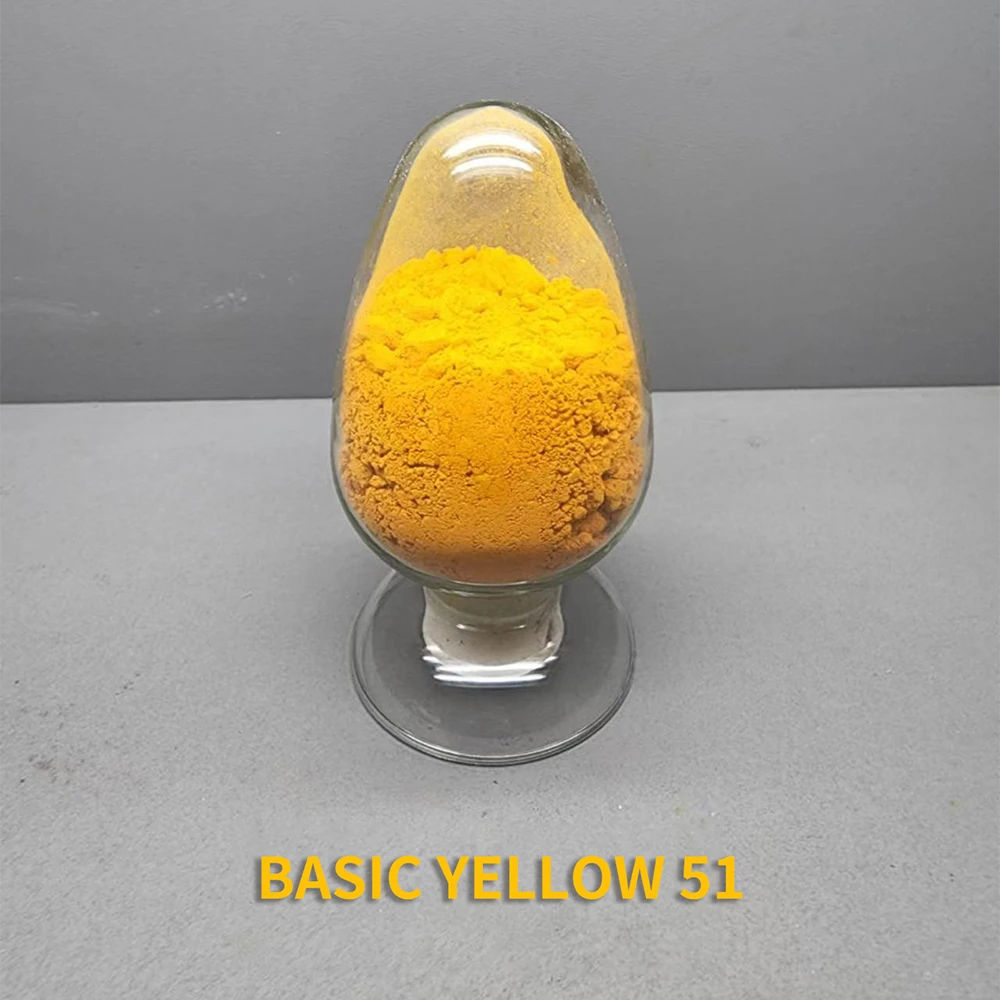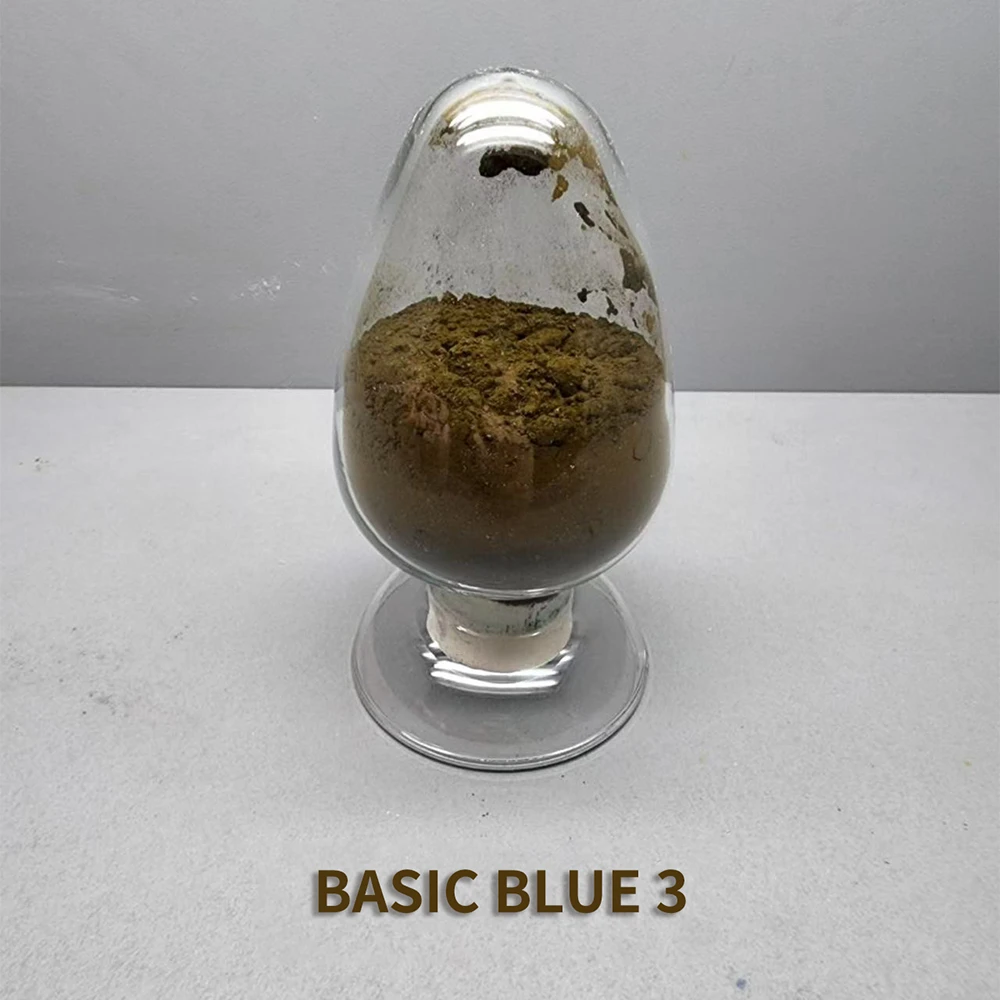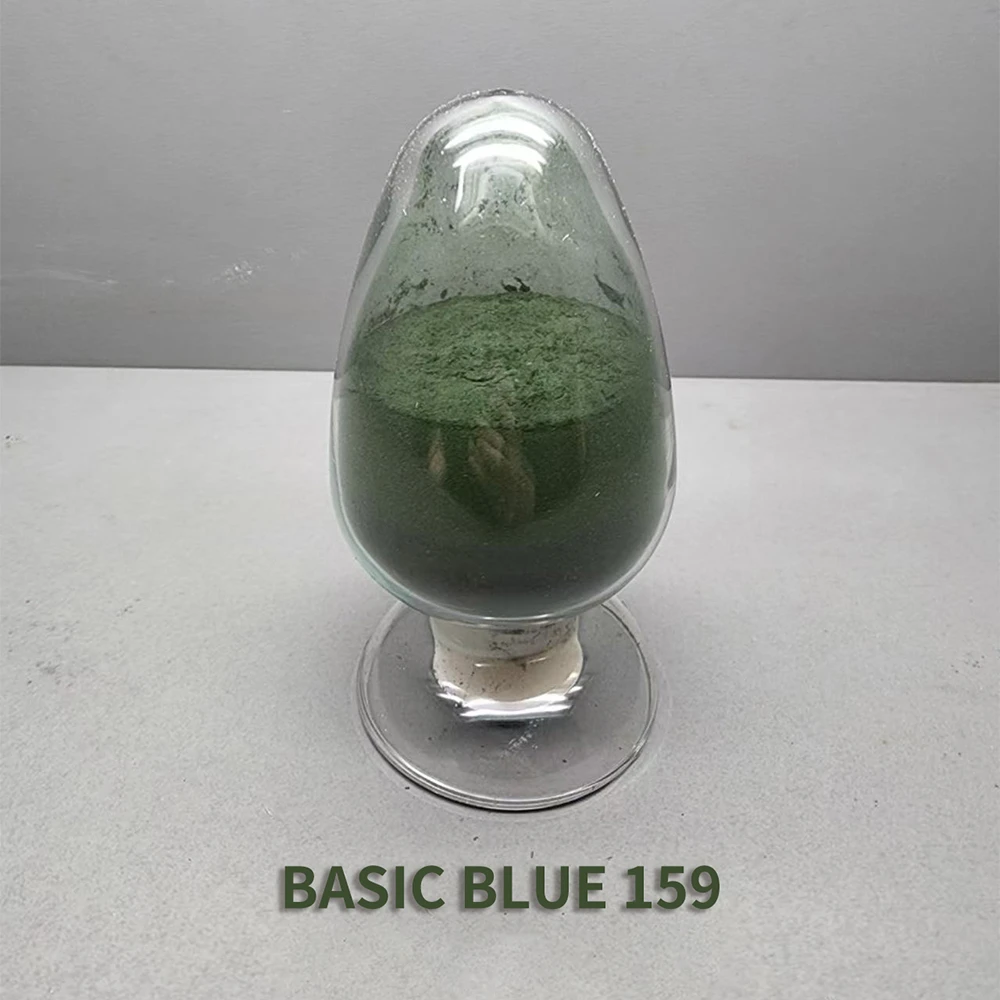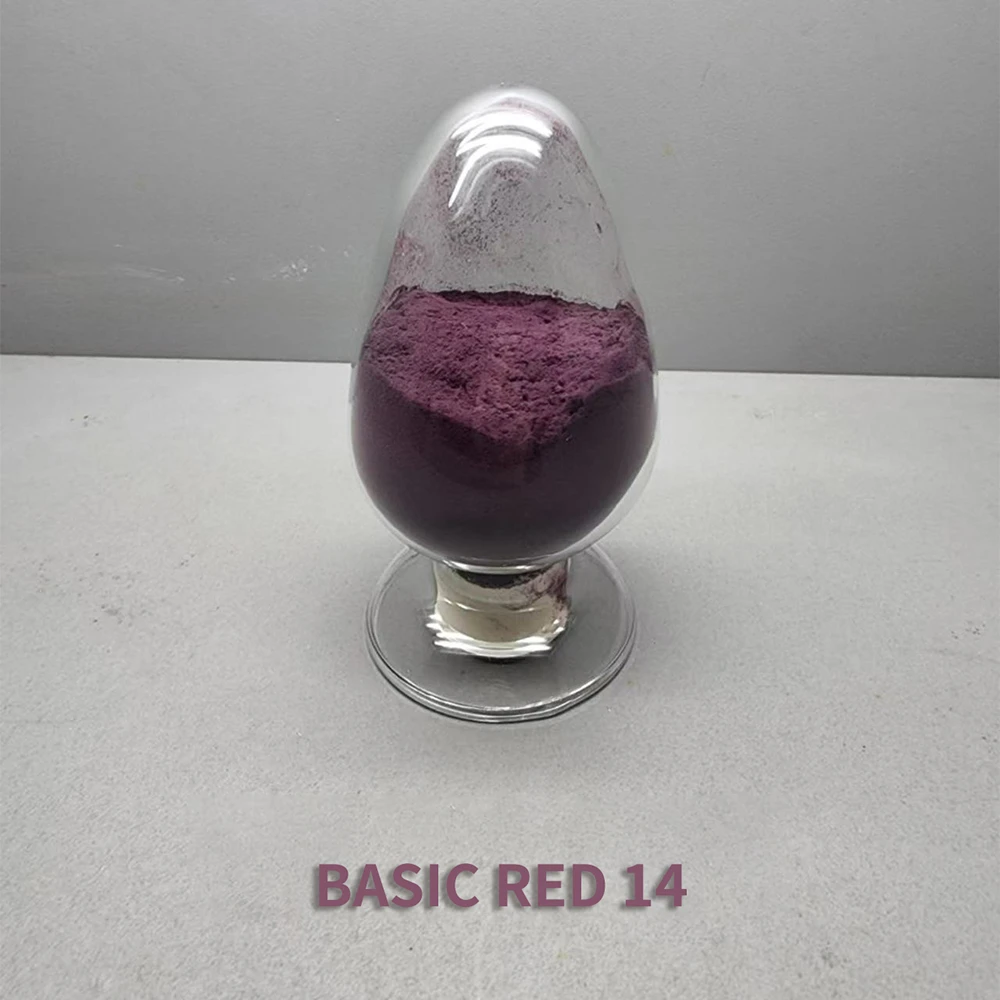
Comprehensive Guide to Basic Orange Dyes: Uses, Benefits, and Sustainability
What is Basic Orange and Why Does it Matter Globally?
In the colorful world of chemicals and dyes, basic orange stands out not only due to its vivid hue but also its importance across diverse industries worldwide. From textile manufacturing to biological staining, understanding what basic orange is and how it functions has tangible impacts on economic, environmental, and humanitarian spheres. While it might sound like just a color, its role touches everything from the fabrics we wear to the research labs that seek new medical discoveries.
Why the global interest? Basic orange dyes are part of the broader class of cationic dyes that have seen rising usage due to their vibrant colors and relative ease of application. Nations with strong textile sectors such as India, China, and Turkey rely heavily on these dyes for export-quality garments. Meanwhile, researchers in healthcare and forensic science use these compounds for vital staining processes. So the benefits of understanding basic orange span economic upliftment, scientific progress, and sustainable industrial practices.
Basic Orange in a Global Context: Brightening Industry and Science
The textile market alone employs millions worldwide, contributing nearly 2% to global GDP as per ISO textile standards and World Bank data. Within this vast arena, synthetic dyes like basic orange provide cost-effective, reliable coloring solutions. Nevertheless, the dye industry faces challenges including wastewater management and environmental compliance. Basic orange dyes by virtue of their chemical nature require thoughtful waste treatment methods to mitigate pollution — a crucial aspect highlighted by the United Nations’ Sustainable Development Goals targeting clean water and responsible consumption.
Yet their usefulness is undeniable. In developing regions, affordable dyes can empower small-scale producers to access global markets. Simultaneously, scientists use basic orange derivatives in histology to identify cells, contributing directly to medical breakthroughs. The dye thus serves as a bridge between traditional manufacturing and high-tech research.
What Exactly is Basic Orange?
Simply put, basic orange refers to a class of cationic (positively charged) synthetic dyes characterized by bright orange shades. Unlike natural dyes, these are man-made chemicals typically derived from azo compounds or related organic molecules. Their “basic” moniker stems from their chemical properties: they bind strongly to negatively charged surfaces like cellulose fibers within textiles or components of biological tissues.
This strong affinity makes basic orange dyes invaluable where vivid, long-lasting coloration is needed—think of brightly colored fabrics or intricate biological samples under a microscope. The versatility and brightness of these dyes are why they remain staples in multiple sectors.
Core Aspects of Basic Orange
- Color Fastness: The ability to resist fading under light or washing is crucial, especially for garments expected to last.
- Affinities to Substrates: The positive charge helps basic orange dyes attach firmly to fibers and tissues, avoiding blotchiness.
- Water Solubility: Their solubility in water streamlines application but also demands careful wastewater treatment.
- Toxicity Considerations: While generally safe under regulated use, some variants require monitoring due to potential harmful byproducts.
- Cost Efficiency: Basic orange offers a balance between brilliant coloring and affordability—important for developing economies.
Where and How is Basic Orange Used Worldwide?
Its applications are surprisingly broad:
- Textile Dyeing: Countries like Bangladesh and Vietnam produce millions of dyed garments a year, often utilizing basic orange for vibrant hues.
- Biological Staining: Medical labs in the US and Europe use basic orange variants to highlight cellular structures, aiding disease diagnosis.
- Paper Industry: For coloring paper products, basic orange dyes provide consistent tones that resist fading.
- Post-Disaster Textile Relief: In humanitarian contexts, rapid production of colorful textiles for aid worker uniforms or shelter fabrics employs these dyes due to quick processing.
- Research & Education: Universities dependent on histological staining kits use basic orange derivative chemicals daily in microscopy labs.
Oddly enough, despite its chemical complexity, basic orange facilitates something as simple yet vital as clean, identifiable visual materials—whether clothing or microscopic samples.
Product Specification of Basic Orange Dyes
| Specification | Details |
|---|---|
| Chemical Class | Cationic (Basic) Dyes |
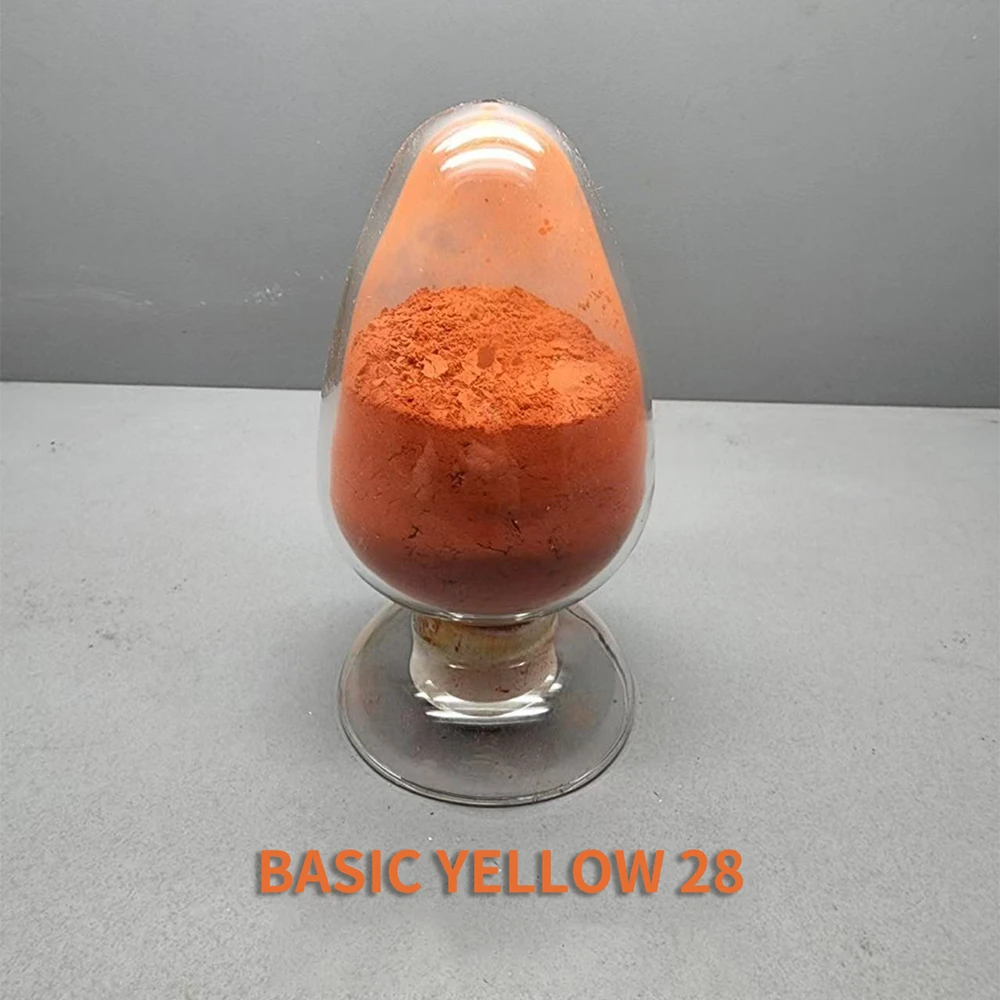
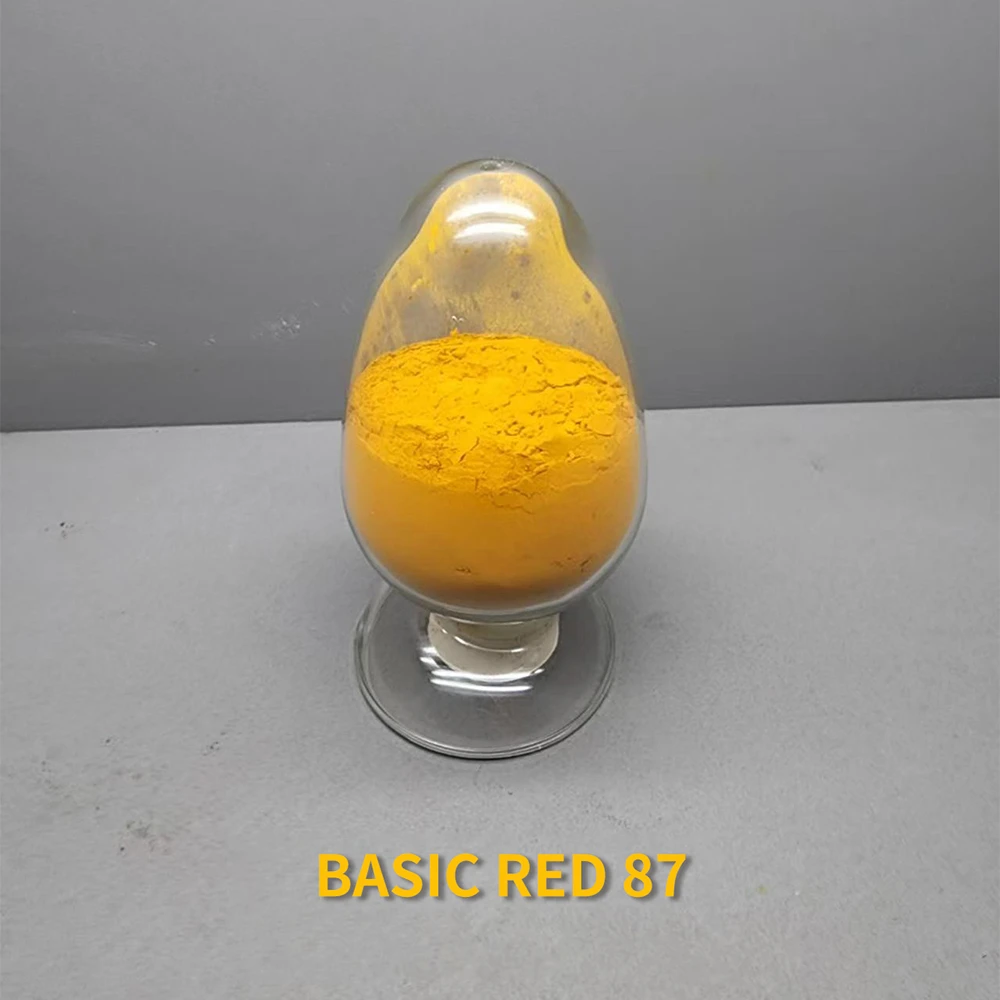
| Appearance | Orange powder or granules |
| Solubility | Water-soluble |
| Light Fastness | Moderate (Grade 4 on Blue Wool Scale) |
| Typical pH Range | 6 - 8 (neutral to slightly basic) |
| Applications | Textiles, biological staining, paper |
Comparing Leading Vendors of Basic Orange
| Vendor | Product Quality | Sustainability Efforts | Global Reach | Pricing |
|---|---|---|---|---|
| Yanhong Chemicals | High-grade, consistent | Advanced wastewater treatment | Asia, Europe, Americas | Competitive |
| DyeTech International | Good quality, stable colors | Moderate, exploring bio-alternatives | Europe, North America | Mid-range |
| ColorSynth Solutions | Premium, precise hues | High, with green chemistry focus | Global | Premium pricing |
Advantages and Long-Term Value of Basic Orange
Looking at basic orange through a broader lens, its advantages are both practical and emotional. Logically, the cost efficiency combined with bright, lasting coloration helps manufacturers reduce waste by decreasing rework from faded or uneven dyes. Socially, reliably colored textiles improve consumer trust and brand recognition.
From a sustainability perspective, newer production methods focus on lowering harmful effluents and energy use, which aligns with global goals for cleaner industry practices. For consumers and aid organizations alike, the vibrant and steadfast colors provided by basic orange mean better-looking and longer-lasting goods, which in times of crisis—think natural disasters—can help maintain dignity and hope.
Future Trends in the World of Basic Orange
The dye industry is ripe for innovation. Trends in sustainability push towards greener synthesis routes for basic orange dyes — including bio-based feedstocks or enzymatic production methods. Digitally controlled dyeing machines allow ultra-precise application to reduce waste and water consumption. Automation is changing how bulk dyeing processes adapt to custom orders or small-batch specialty colors.
Moreover, legislation is tightening around wastewater discharge, so vendors who invest in advanced treatment and recycling systems (like Yanhong Chemicals) tend to outperform peers. At the same time, end users are growing more focused on environmental impact over just upfront cost—an encouraging sign for eco-conscious adoption.
Addressing Challenges and Finding Solutions
Let’s be straight: the use of basic orange dyes isn’t without hurdles. Wastewater pollution remains a primary concern due to the dye’s solubility. Improper disposal can harm aquatic ecosystems, and dye residues may persist in sludge if untreated carefully.
Solutions? Industry leaders are pioneering closed-loop water systems and advanced filtration. Partnering with wastewater treatment technology firms is becoming standard practice. In real terms, many manufacturers now balance high-volume dyeing with environmental stewardship, ensuring compliance without sacrificing quality.
Frequently Asked Questions About Basic Orange
-
What industries use basic orange most frequently?
Basic orange is most commonly used in textile manufacturing for vibrant fabric coloration, biological labs for staining tissues, and the paper industry for coloring. It spans sectors from fashion to medical research. -
Is basic orange environmentally safe in textile production?
While basic orange dyes are water-soluble and require careful wastewater treatment, many manufacturers have adopted advanced effluent treatment techniques that significantly minimize environmental risks. -
How long does color from basic orange last on textiles?
Under normal usage and care, fabrics dyed with basic orange exhibit moderate to good light fastness, typically retaining color vibrancy for several months to years depending on exposure. -
Can basic orange be customized for different shades?
Yes, by adjusting chemical formulas and combining with other dyes, manufacturers can produce a range of orange hues and tones tailored to client needs. -
How can international buyers procure high-quality basic orange dyes?
It’s advisable to work with reputable chemical suppliers who provide documentation on product quality and environmental compliance. Vendors like Yanhong Chemicals offer global shipping and technical support.
Wrapping Up: Why Basic Orange Still Shines Bright
Basic orange dyes are a vivid thread woven through the fabric of global manufacturing and science. Their balance of color strength, cost-effectiveness, and adaptability make them indispensable, yet the industry must continue innovating toward greener production and tighter environmental controls to meet tomorrow’s challenges.
If you’re intrigued by the potential of basic orange—whether as a product developer, researcher, or sustainability advocate—I encourage you to explore further. For trusted, high-quality basic orange dye sourcing and information, visit Yanhong Chemicals to learn more and connect with experts who know the ins and outs.
It’s funny how something as seemingly simple as a color can trigger entire ecosystems of commerce, science, and progress. That’s the power of basic orange.
References
-
Comprehensive Guide to Achieving Brilliant White Colour Dye for ClothesNewsMar. 26, 2026
-
Basic Yellow 2 Dye - High Purity, Bright Shade, FastnessNewsDec. 13, 2025
-
Choosing The Right Dress Dye For Vibrant And Durable TextilesNewsMar. 06, 2026
-
High-Performance Lilac Fabric Dye for Industrial Textile Applications | Yanhong ChemicalNewsDec. 13, 2025
-
Neon Fabric Dye: Industrial-Grade Bright Textile Solutions | YanhongNewsDec. 09, 2025
-
Blush Fabric Dye: Industrial Textile SolutionsNewsJan. 25, 2026