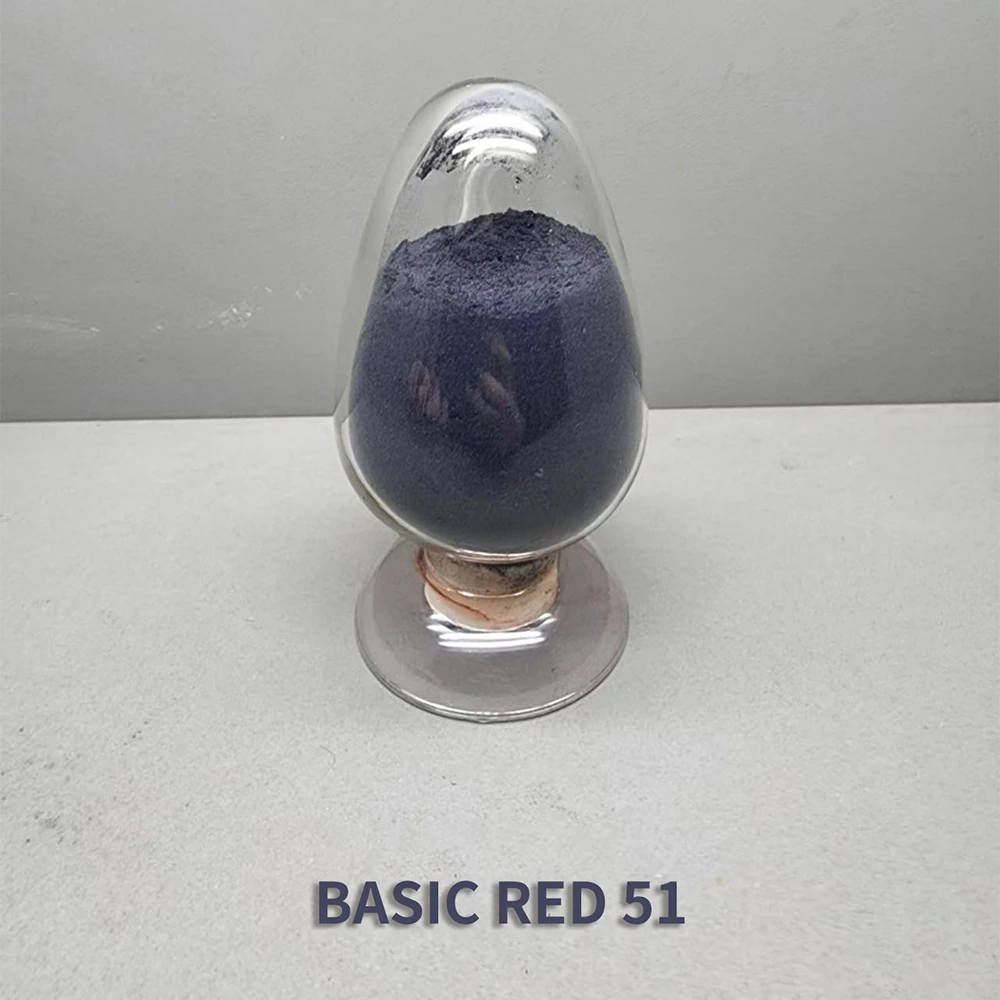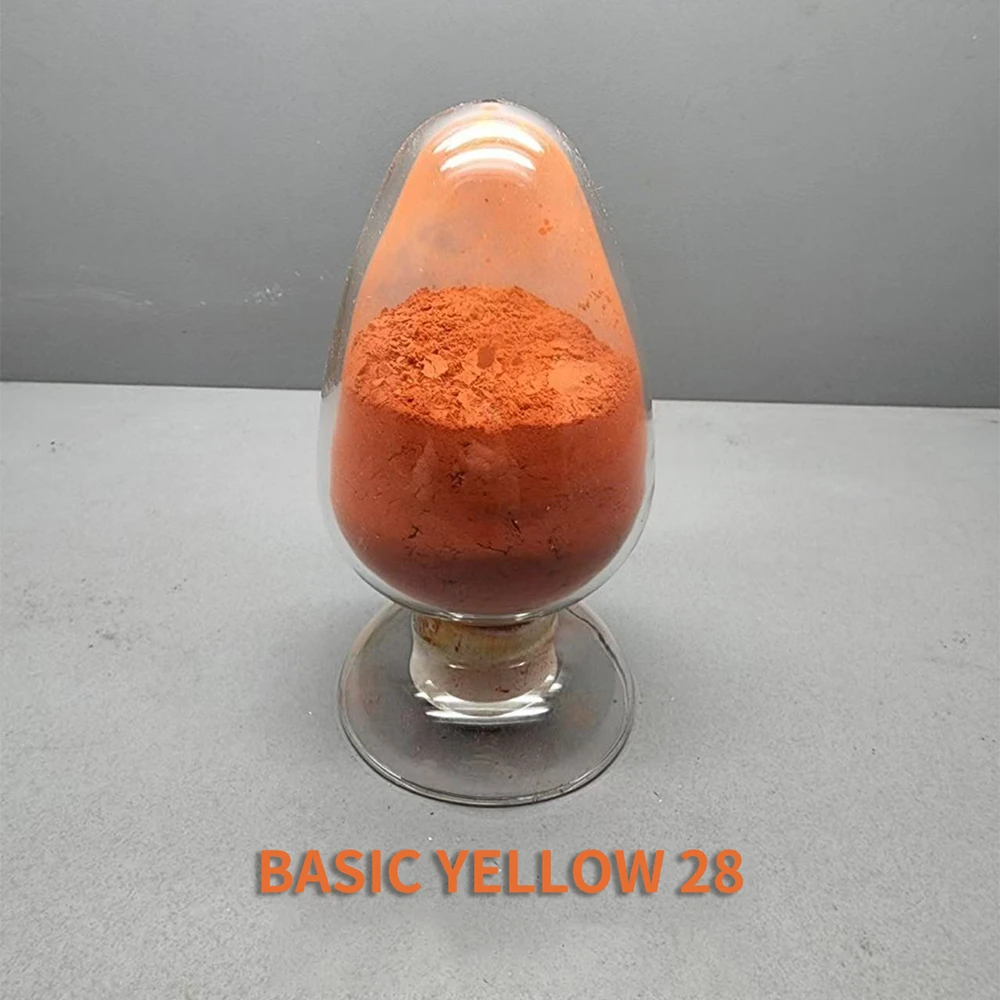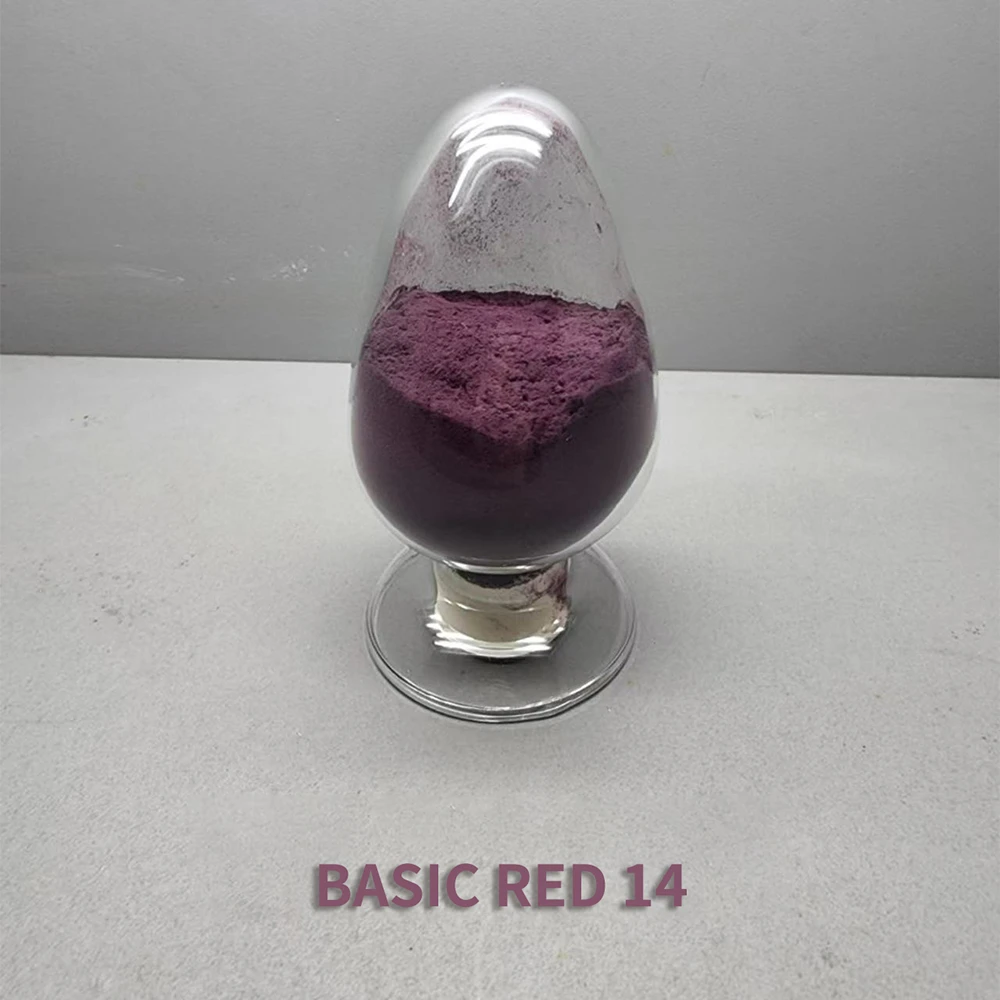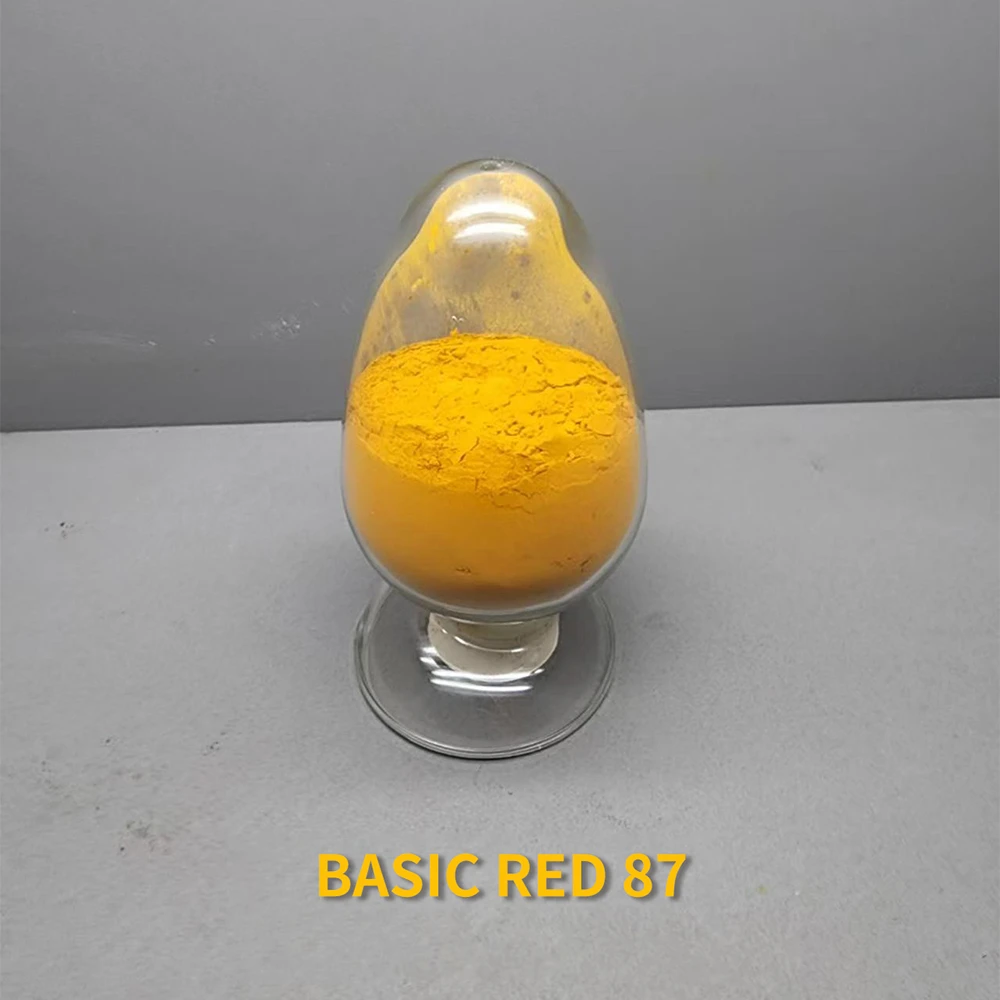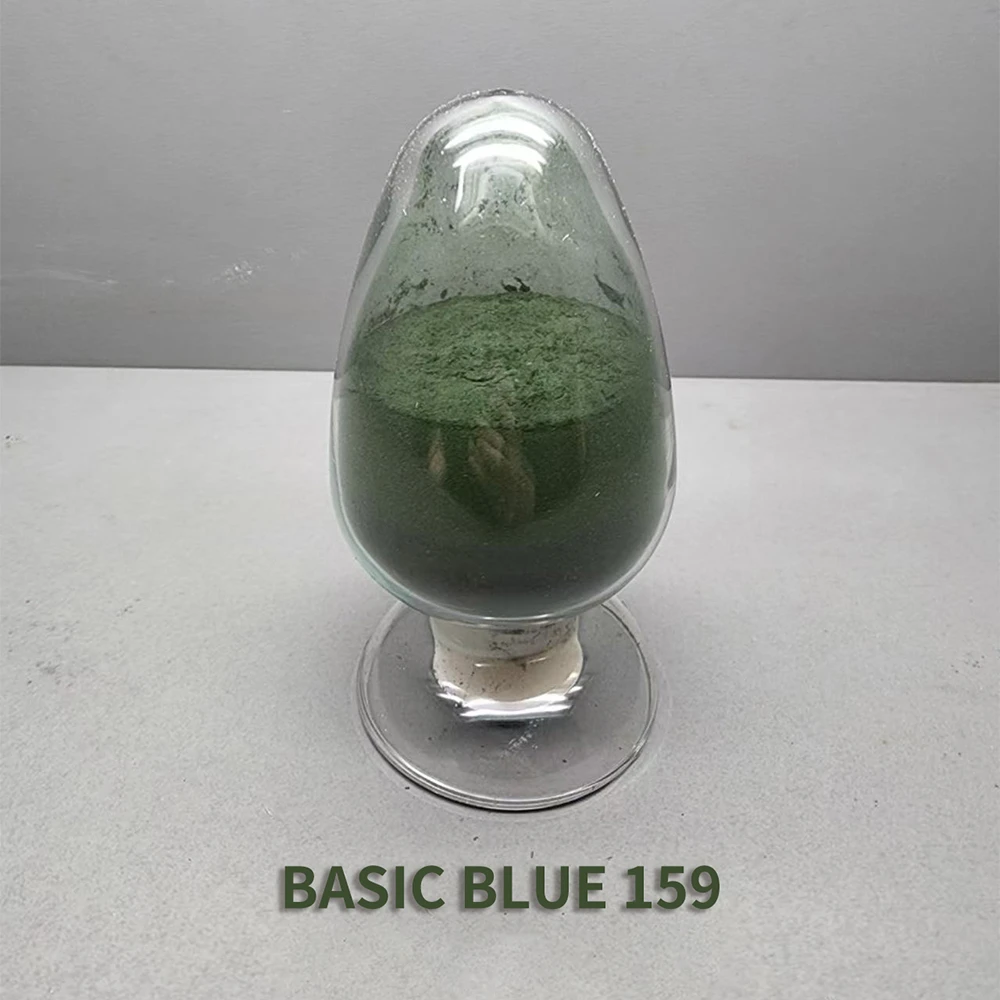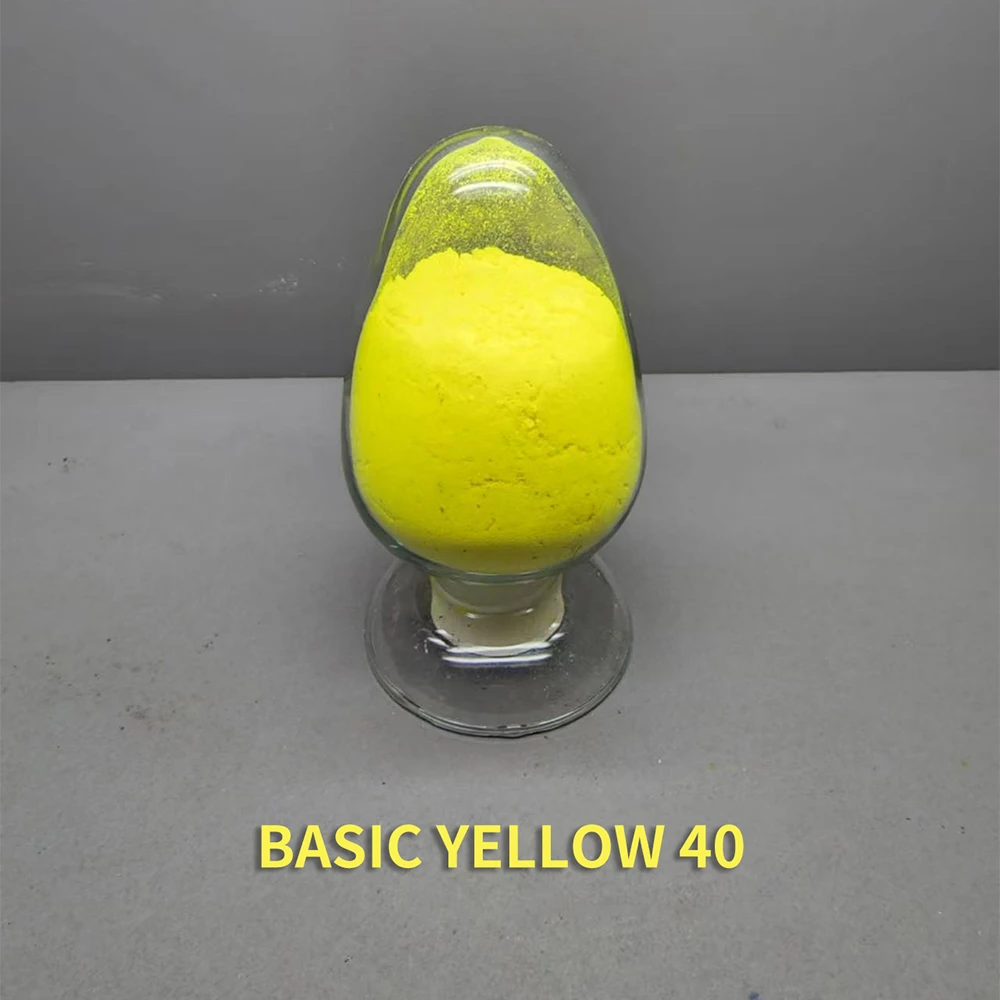
Comprehensive Guide to Basic Dye Example – Uses, Benefits & Industry Trends
Understanding Basic Dye Example: More Than Just Color
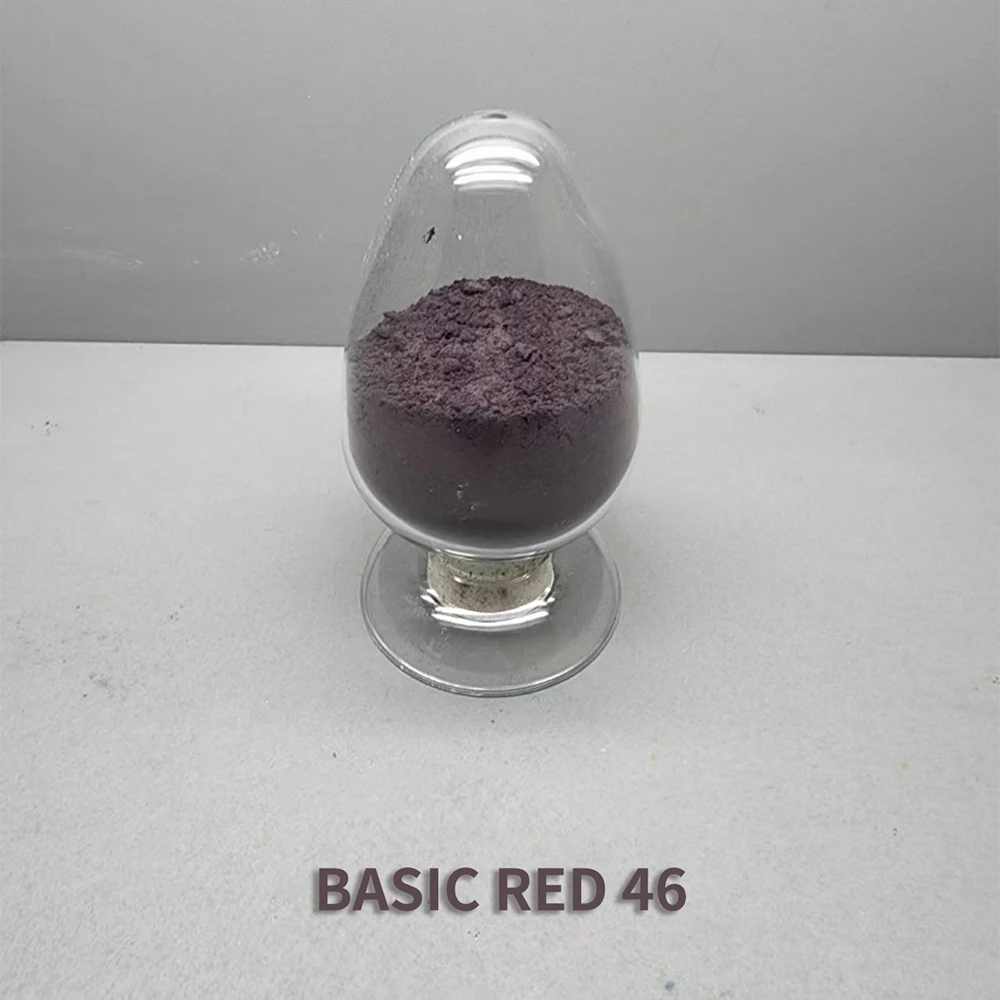
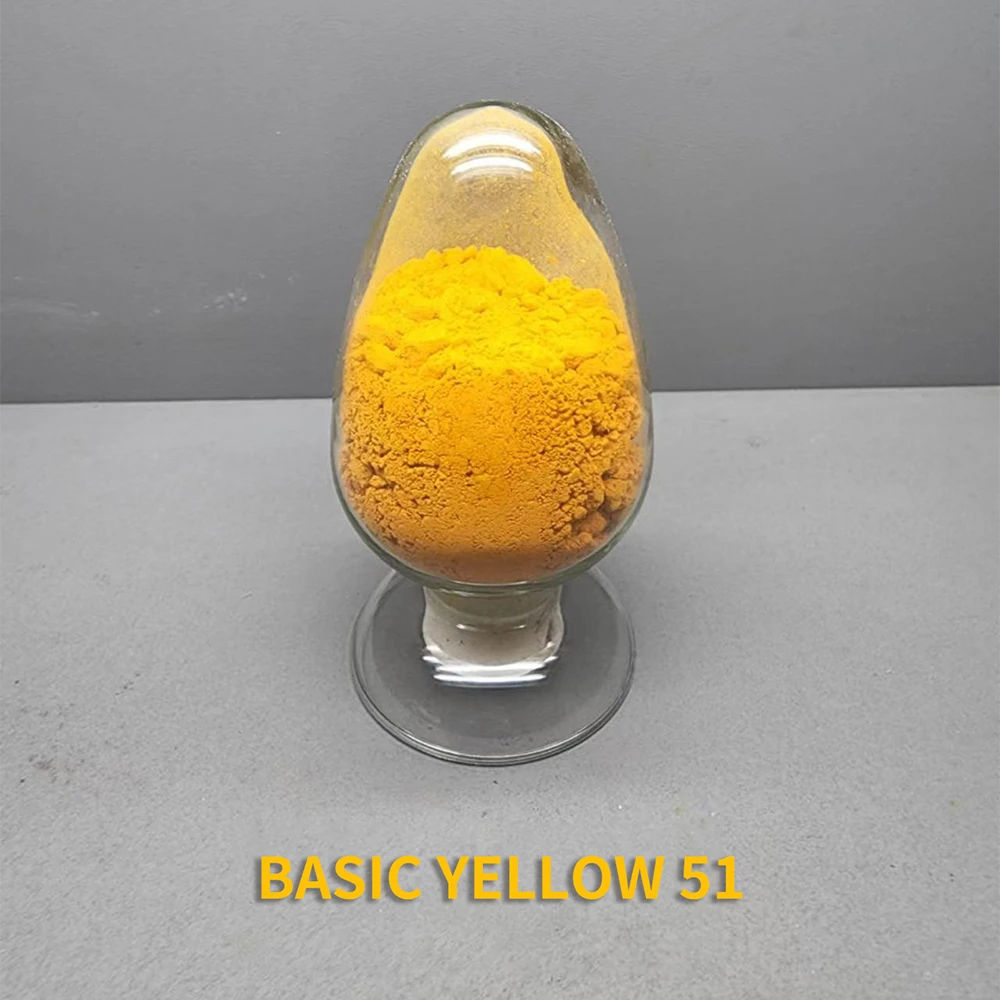
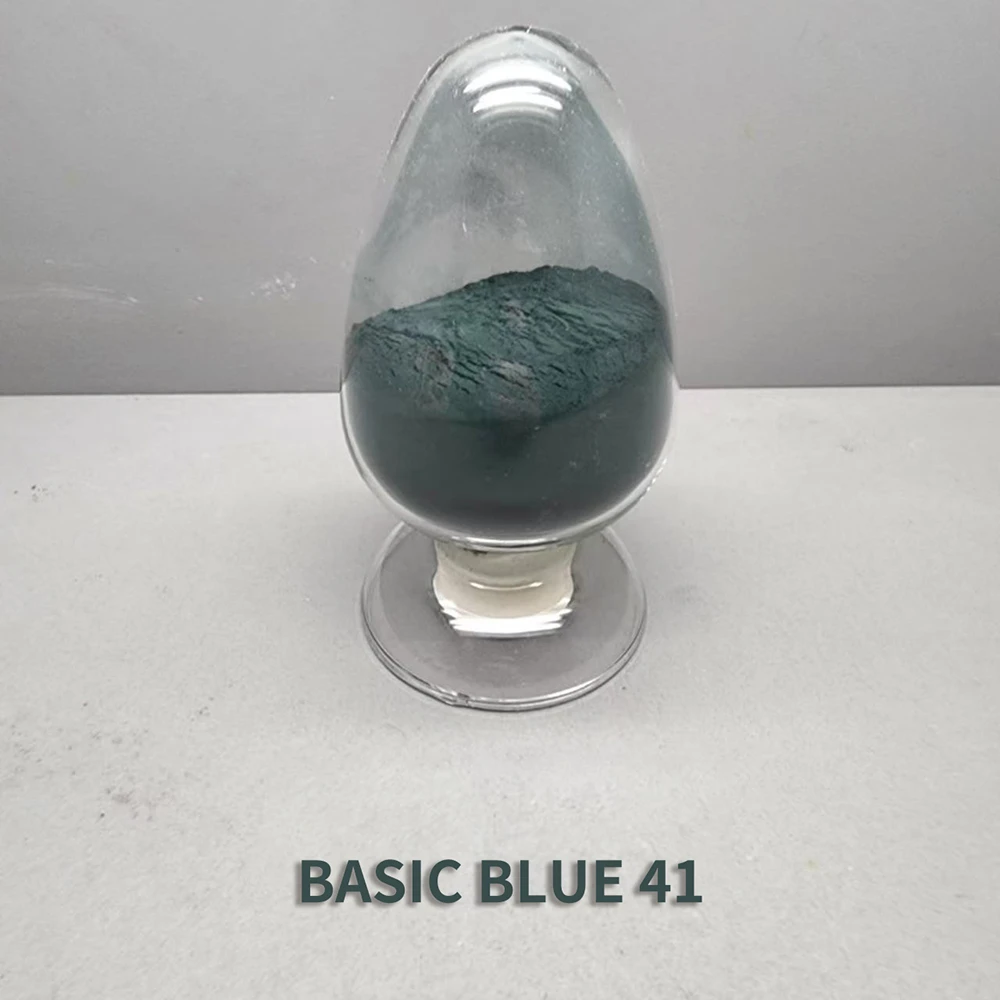
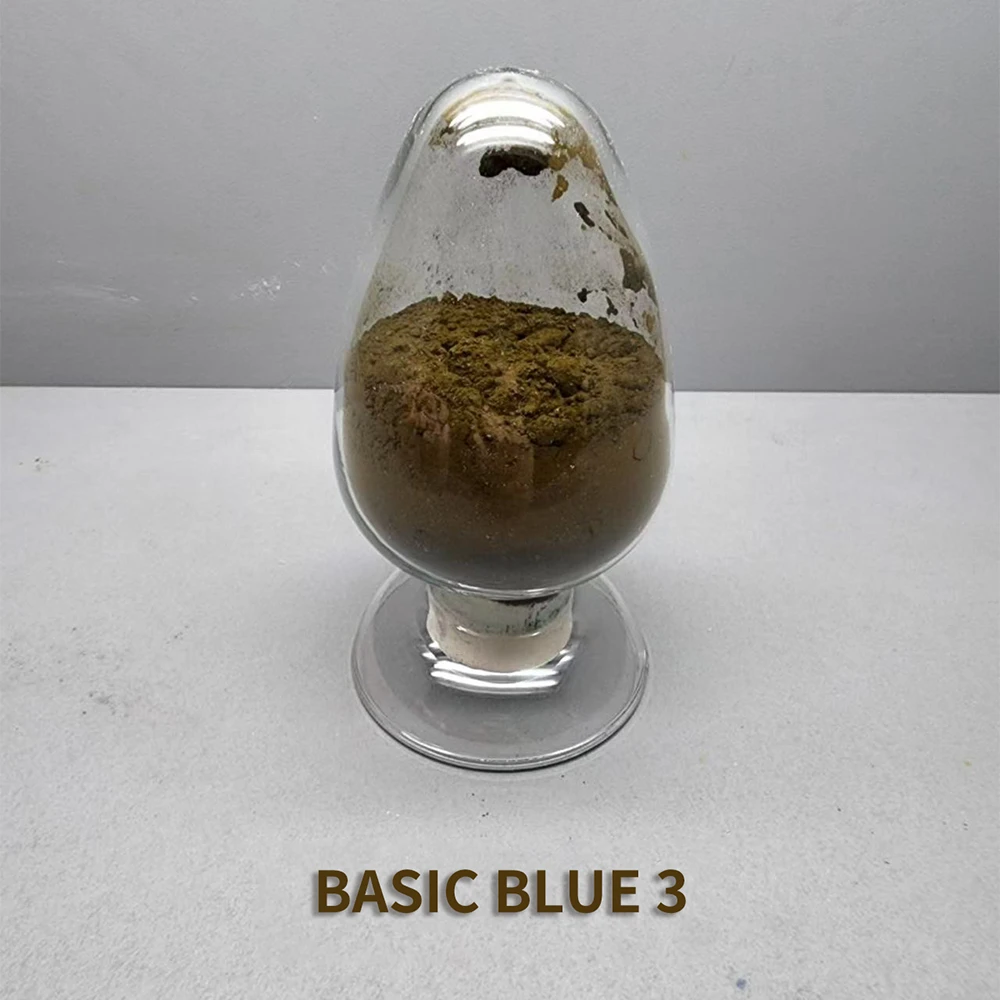
If you’ve ever wondered why certain fabrics cling to vibrant colors or how industries manage consistent tinting on a massive scale, the answer often lies in what's called a basic dye example. Now, this isn’t just some chemistry textbook jargon. Basic dyes play a surprisingly pivotal role in textiles, paper, leather, and even biological staining.
Globally, the dye industry is enormous—worth billions—with developments in dye chemistry impacting everything from sustainable production goals aligned with UN environmental targets, to cutting-edge biomedical staining techniques helping diagnose diseases. Understanding basic dyes is key if you’re swimming in industries that rely on reliable, vivid coloration. Plus, they’re often more affordable and faster acting than alternatives, which sort of explains their widespread use.
Why Basic Dyes Matter Globally
According to the United Nations Industrial Development Organization (UNIDO), the global textile market, which heavily depends on dyeing processes, is expected to surpass $1.2 trillion by 2025. Of course, a chunk of this involves basic dyes — known for their ability to bind strongly to negatively charged materials like acrylic fibers.
But here’s the catch: they can also pose environmental challenges due to their chemical nature. The World Bank’s reports on industrial water pollution underscore the need for better water treatment where basic dyes are involved. So, this reality motivates both researchers and manufacturers to innovate eco-friendlier dyes or more efficient application methods, marrying vibrant colors with sustainability.
Mini Takeaway:
Basic dyes aren’t just colors—they’re crucial industrial tools intertwined with economic growth and environmental responsibility.
Defining Basic Dye: The Essentials
Put simply, a basic dye is a type of dye that contains positively charged ions (cations). These are water-soluble and usually have crystalline, intensely colored particles. Because they carry a positive charge, they tend to bond well with negatively charged substrates like acrylic fibers and certain papers.
In practice, this ionic bonding means they offer brilliant, long-lasting coloration on compatible materials. This plays into industries ranging from textiles to histology labs where basic dyes (like methylene blue) stain cells for microscopic analysis, critical for medical diagnostics.
Core Components & Characteristics of Basic Dyes
1. Vivid Color Intensity
The hallmark of a basic dye example is its sharp, vivid color — often blues, reds, and greens. This intensity allows manufacturers to achieve strong hues with less dye mass, which is cost-efficient.
2. Water Solubility
Most basic dyes dissolve readily in water, making them easier to apply in aqueous dye baths. This trait also means they require careful effluent management to prevent pollution.
3. Strong Ionic Bonding
Thanks to their positive charge, basic dyes bind effectively to anionic (negatively charged) fibers, which explain their excellent fastness on acrylic fabrics compared to cotton (which is negatively charged but less receptive, requiring mordants).
4. Toxicity Concern
Some basic dyes can be toxic or carcinogenic in certain forms; hence, regulatory measures and safer alternatives have been a research focus in recent years.
5. Cost & Availability
Typically cheaper than reactive or disperse dyes, these are widely available and used in mass production, especially in lower-cost textiles and paper products.
Mini Takeaway:
Their chemistry—intense color, ionic nature, water solubility—defines how and where basic dyes shine (pun intended).
Practical Applications Around the World
Industries leveraging basic dyes vary widely:
- Textile manufacturing: Acrylic fibers dyed predominantly with basic dyes due to superior color fastness.
- Paper industry: For coloring papers and security printing, where luminescent dyes help prevent forgery.
- Leather processing: Certain basic dyes offer fast, uniform color to leather goods, especially in developing countries.
- Biomedical staining: Vital for cellular and tissue staining techniques, aiding pathologists worldwide.
For example, in Southeast Asia’s booming textile sector, many factories maximize efficiency and cost-effectiveness using basic dye technology, while balancing waste treatment challenges. Conversely, in North America and Europe, the focus is shifting toward sustainable dye variants inspired by the basic dye framework.
Basic Dye Example: Product Specification
| Property | Typical Value | Impact on Application |
|---|---|---|
| Color Fastness (to Washing) | Moderate (Grade 3-4) | Suitable for indoor textiles, less so for heavy-use garments |
| Water Solubility | High | Simplifies application, increases effluent cleanup needs |
| Substrate Compatibility | Acrylic > Cotton > Wool | Optimal with synthetic fibers |
| Toxicity | Varies, some carcinogenic in concentrated form | Requires safe handling and disposal |
| Price (per kg) | $5 - $12 (depending on type) | Cost-effective for mass production |
Vendor Comparison: Basic Dye Examples from Top Suppliers
| Supplier | Dye Quality (Grade) | Sustainability Efforts | Global Reach | Price Range |
|---|---|---|---|---|
| Yanhong Chemicals | A+ | ISO 14001 Certified, eco-packaging | Asia, Europe, Americas | $6 - $10/kg |
| Huntsman Corporation | A | Innovative wastewater tech | Worldwide | $8 - $12/kg |
| Dystar | B+ | Focus on natural alternatives | Europe, Asia | $5.5 - $11/kg |
Advantages & Long-Term Value of Basic Dyes
At their core, basic dyes mix affordability with bright colors that don’t quit easily on the right fabrics. This means designers and manufacturers get dependable results without passing pricey costs onto customers—important for mass-market apparel and everyday items.
Socially, they contribute indirectly to employment in dye manufacturing hubs, many of which are developing economies. Environmentally, recent innovations from companies like Yanhong Chemicals show promising steps toward reducing hazardous effluent, aligning with global standards. basic dye example production can thus support sustainable economic growth.
Emerging Trends in Basic Dye Technologies
- Eco-Friendly Formulations: Shift toward biodegradable basic dyes and replacing heavy metals.
- Digital Dyeing: Digital textile printing technologies incorporating basic dyes for precise application.
- Automation in Manufacturing: Robotics and AI reduced waste during application phases.
- Regulatory Pressure: ISO and REACH standards demanding safer chemical profiles.
Challenges & Solutions in Using Basic Dyes
Okay, so not everything is rosy. Basic dyes can cause water pollution if effluents aren’t treated properly. Also, their moderate wash fastness means garments might fade faster than premium reactive dyes on cotton blends.
Many textile mills now deploy closed-loop water treatment or switch to hybrid dyeing systems combining basic dyes with low-impact alternatives. Research labs continually test novel synthetic routes that mitigate toxicity without compromising color brightness.
FAQ: Your Basic Dye Example Questions Answered
- Q: What types of fibers do basic dyes bond best with?
A: Basic dyes have a strong affinity for synthetic fibers like acrylic due to the fibers’ negative charge. They perform less well on natural fibers like cotton unless mordants are used. - Q: Are basic dyes environmentally safe?
A: Historically, some basic dyes posed pollution risks. Today, many suppliers produce eco-certifiable dyes and recommend strict wastewater management to minimize environmental impact. - Q: Can basic dyes be used for biomedical applications?
A: Absolutely. Methylene blue, a classic basic dye example, is widely used for staining cells in laboratories, helping pathologists identify cell structures. - Q: How do I order bulk basic dyes internationally?
A: Suppliers like Yanhong Chemicals offer global shipping. You’ll need standard import/export documentation, but many vendors assist with customs compliance.
Wrapping It Up: Why Basic Dye Examples Are Here to Stay
Understanding the mechanics and utility of basic dyes opens doors to making smarter material choices, enhancing sustainability, and innovating in textiles and beyond. Their vivid colors and cost-effectiveness will remain valuable — especially as greener, safer variants push industry standards forward.
Interested in exploring basic dye example options that blend quality with sustainability? Check out trusted vendors and start reimagining your product’s color story today.
References:
-
Reliable Fabric Color Dye Insights for Industrial ApplicationsNewsDec. 07, 2025
-
Thermochromic Fabric Dye for Industrial Textiles | Yanhong ChemicalNewsDec. 31, 2025
-
Linen Fabric Dye Solutions for Industrial Applications | Yanhong ChemNewsJan. 07, 2026
-
Understanding Synthetic Clothes Dye Composition Benefits and Sustainable PracticesNewsMar. 08, 2026
-
Mustard Fabric Dye: Durable & Sustainable Color Solutions for Industrial Fabrics | YanhongchemNewsJan. 05, 2026
-
Neon Pink Fabric Dye – Vibrant, Durable, and Sustainable Textile Solutions | YanhongChemNewsDec. 12, 2025