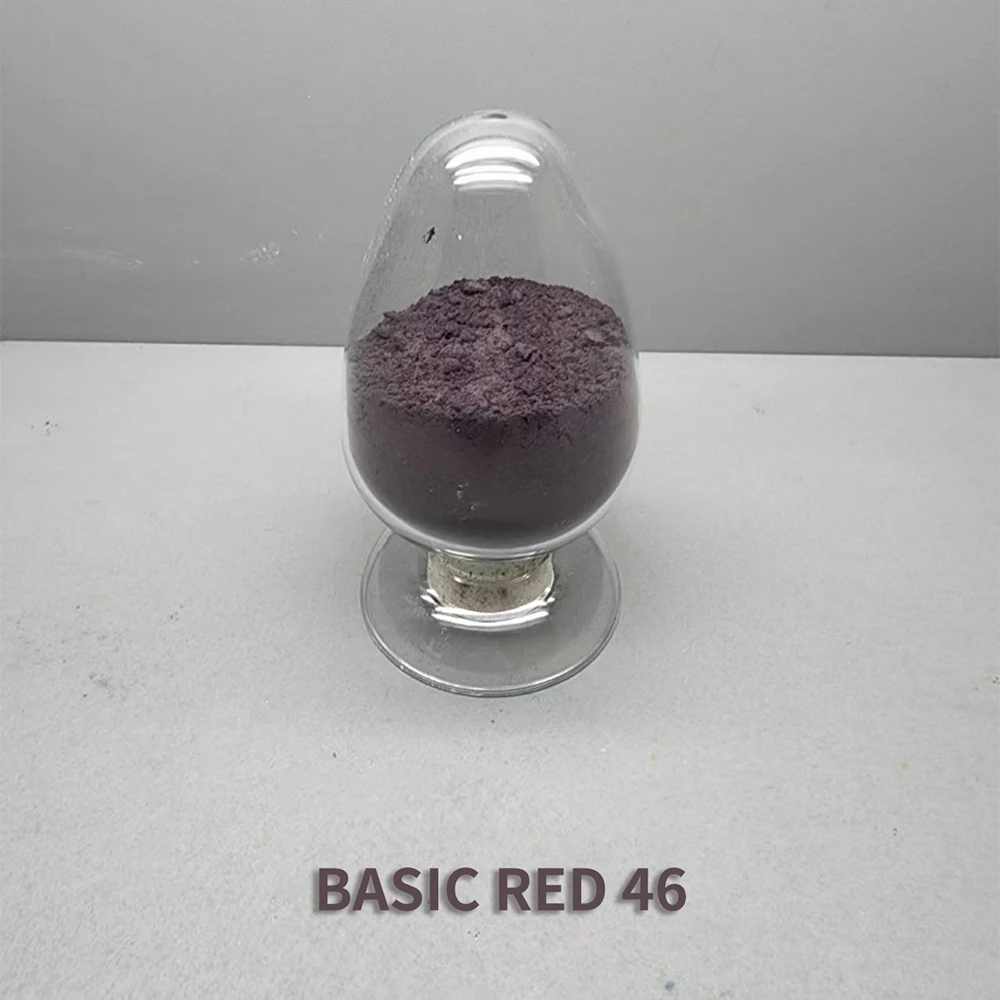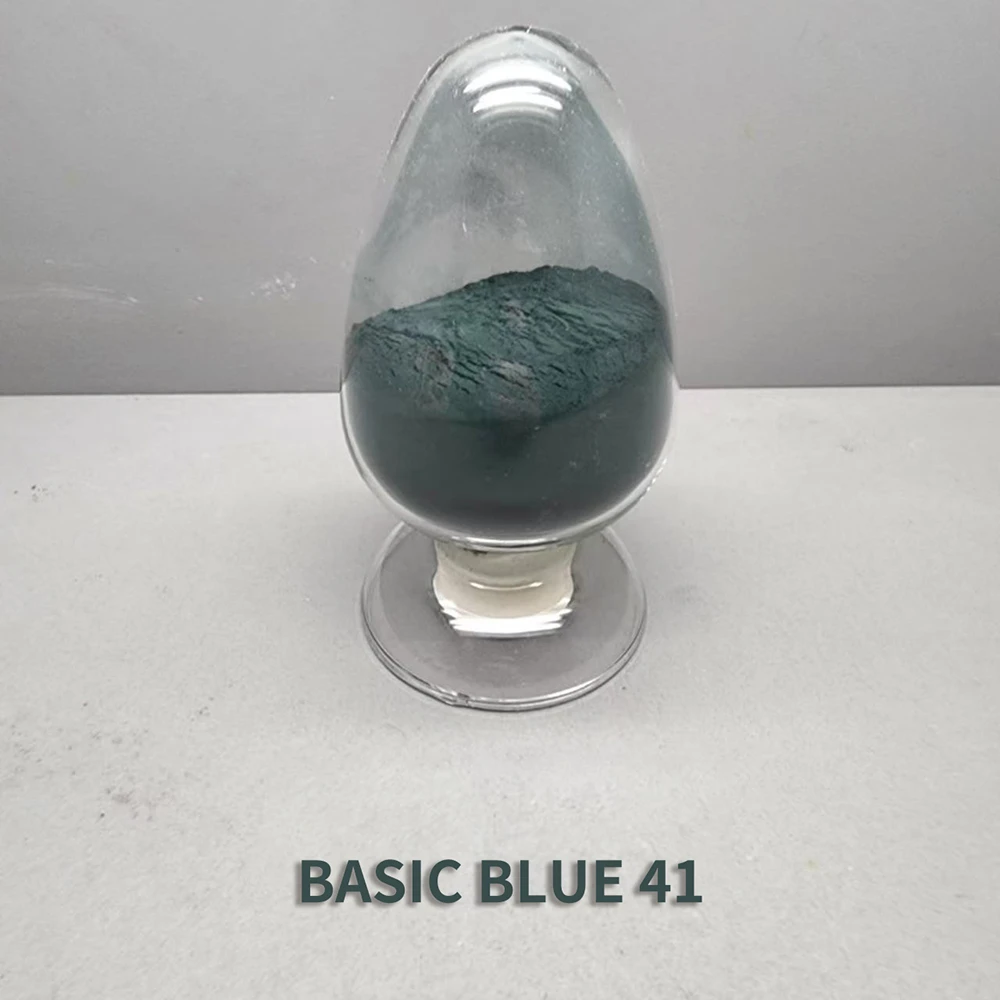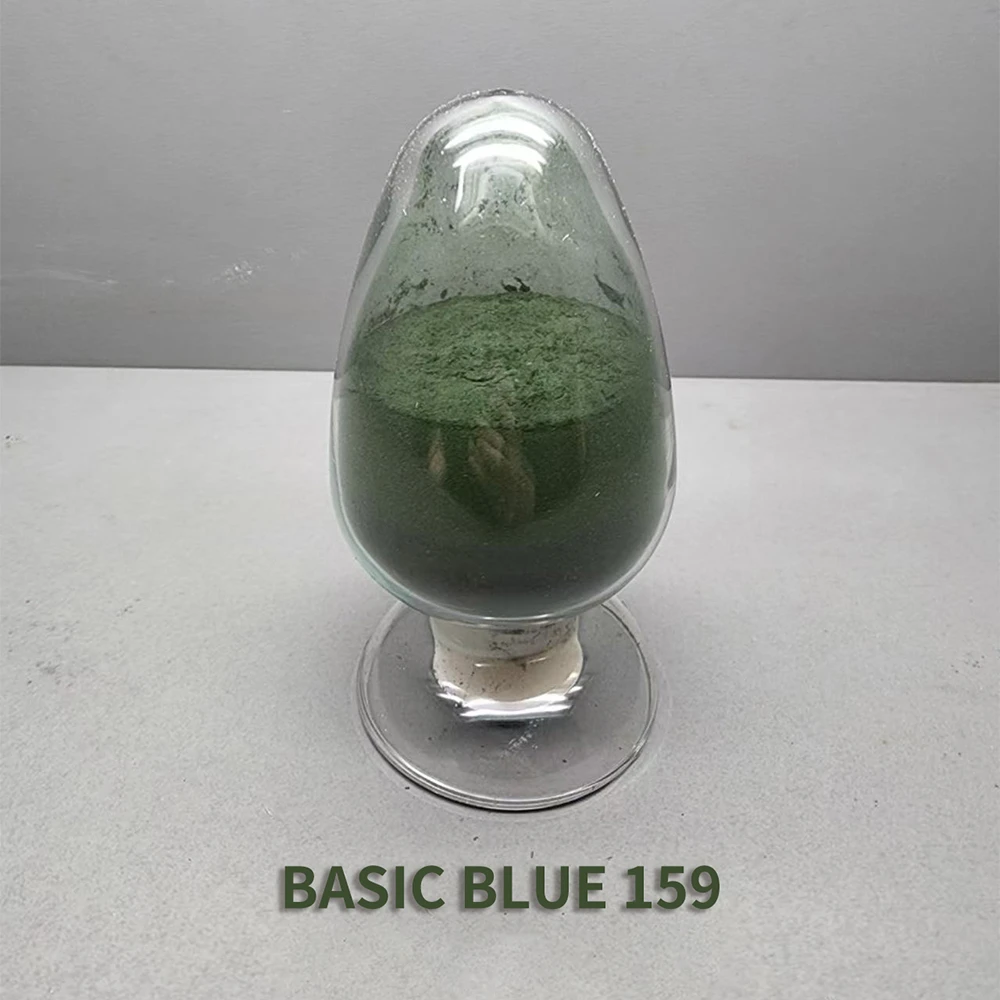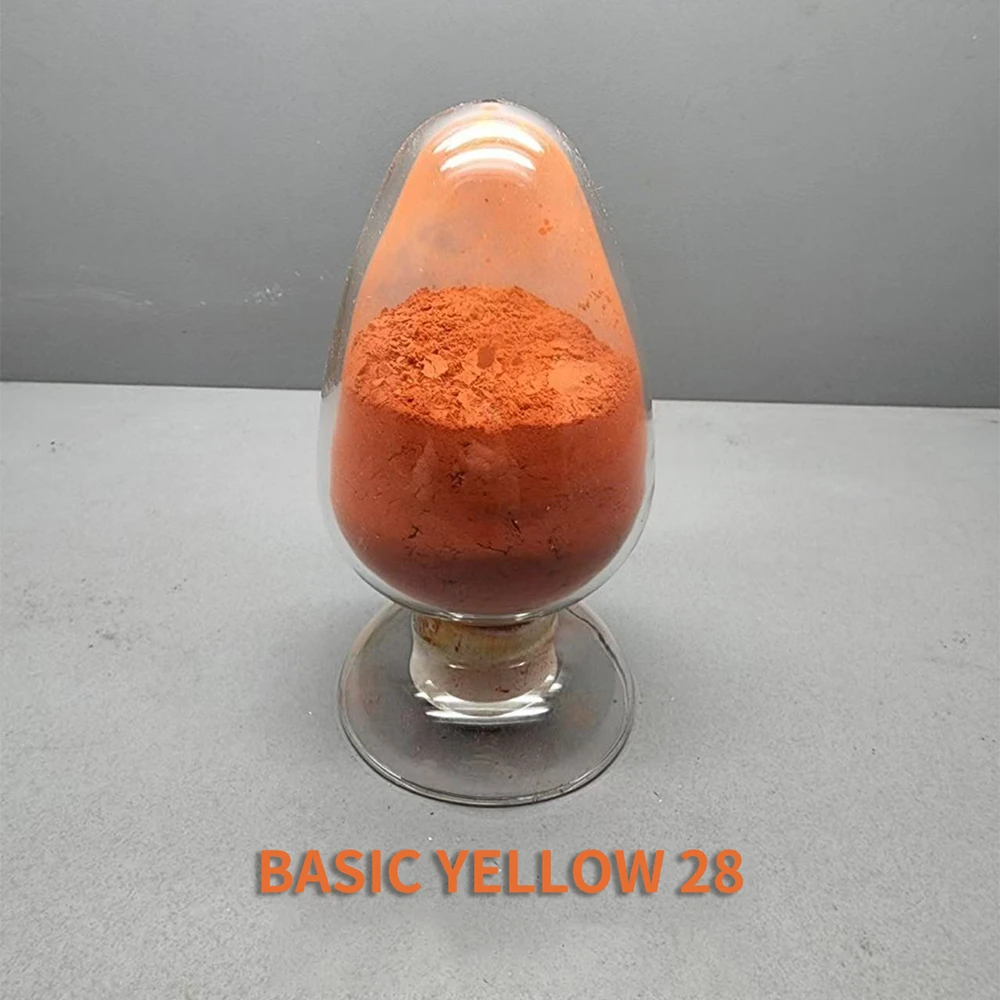
Commercial Fabric Dye Solutions: Durable, Eco-Friendly Textile Colors
Understanding Commercial Fabric Dye: Why It Matters in Today’s Global Textile Industry
Commercial fabric dye might sound like a straightforward topic — after all, dyes are just colors for textiles, right? But when you look closer, it’s a fascinating blend of chemistry, economics, and sustainability, with huge global implications. The success of everything from fast fashion to durable industrial fabrics hinges on the right dyes. No wonder quality and innovation here practically ripple through society, affecting jobs, trade balances, and even environmental health worldwide.
In this article, we’re digging into commercial fabric dye — what it really means, why the right dye chemistry is crucial, and how it fits into modern challenges such as sustainability, manufacturing efficiency, and humanitarian aid. Spoiler: This is way more than just color.
Global Context: The Far-reaching Impact of Commercial Fabric Dye
On a global scale, the textile dyeing industry is a behemoth. According to the UN Environment Programme (UNEP), textile dyeing accounts for almost 20% of industrial water pollution worldwide — a startling figure considering the ongoing efforts to improve water safety and reduce environmental harm. Around 100 million tons of textiles are dyed annually, with Asia (particularly China, India, and Bangladesh) dominating production.
From a market perspective, the dye and pigment industry was valued at about $30 billion and is projected to grow steadily through 2030. This data tells a story: fabric dyeing isn’t just a niche; it’s woven tightly into global industrial supply chains and everyday life. However, it also brings challenges — remember that water pollution, or the urgent need for eco-friendly dyes that don’t just fade fast or break down into toxic compounds.
Hence, commercial fabric dye innovation isn't just about beauty or fashion; it tackles major environmental and social challenges — including water scarcity and textile workers’ occupational health.
What Exactly Is Commercial Fabric Dye?
Put simply, commercial fabric dye refers to chemical substances formulated specifically to impart color to fabrics on an industrial scale. Unlike small-batch or artisanal dyes, these are designed for consistency, rapid application, and compatibility with different fibers — cotton, polyester, nylon, you name it. They can be acid dyes, reactive dyes, disperse dyes, or pigment-based, each type suited to a fabric class and application method.
These dyes are not just aesthetic enhancers but form the backbone of industries producing uniforms, home furnishings, technical textiles, and even gear for humanitarian efforts (think fast deployment tents or refugee shelter fabrics). So, whether enabling vibrant fashion or durable workwear, they help define modern industrial textiles.
Core Aspects of Commercial Fabric Dye
Durability and Fastness
One of the most critical factors is how well a dye holds up to washing, sunlight, abrasion, and chemical exposure. Fabrics for outdoor use or uniforms require long-lasting colors that don’t fade or bleed easily. In practice, this reduces replacement frequency and waste.
Scalability and Consistency
Imagine a truckload of fabric dyed one week looking different from the next. That’s a nightmare for manufacturers and brands. Commercial fabric dyes must allow precise control so large batches look uniform, meeting buyer and regulatory standards every time.
Cost Efficiency
While the chemistry is complex, the bottom line is simple: the dyeing process needs to be affordable. This doesn’t just mean cheap dyes but those compatible with machines, water use, and energy consumption, balancing quality and production costs.
Environmental Compatibility
Sustainability is no longer optional. Modern commercial fabric dyes must minimize water pollution, be biodegradable or at least less harmful, and reduce energy demands. With increasing regulations and customer awareness, “green” dyes aren’t just trendy — they’re essential.
Versatility Across Fibers
Given the blend of fibers in today's textiles, a dye’s ability to bond with both natural and synthetic materials is invaluable. Versatile dyes reduce the need for multiple inventories and simplify manufacturing.
Commercial Fabric Dye in Action: Global Applications
Here’s where theory meets practice — and there’s a lot happening worldwide:
- Fashion Industry: Fast fashion relies heavily on reactive and disperse dyes for bright, trendy colors that last through quick turnaround production.
- Technical and Industrial Textiles: Uniforms for military, medical scrubs, or safety gear need dyes with high fastness and specific chemical resistance.
- Humanitarian Relief: Organizations deploying shelters and tents post-disaster prefer commercial fabric dyes that resist fading in harsh environments, ensuring the safety and dignity of displaced populations.
- Home Furnishings: Upholstery, curtains, and carpets use commercial dyes that withstand sunlight and regular cleaning.
Regions like South Asia and Southeast Asia remain hubs due to skilled labor and infrastructure, while Europe and North America focus on innovation and sustainable dye formulations.
Product Specification Table: Popular Commercial Fabric Dye Attributes
| Attribute | Reactive Dye | Disperse Dye | Acid Dye |
|---|---|---|---|
| Primary Fabrics | Cotton, Rayon | Polyester, Nylon | Nylon, Wool, Silk |
| Water Usage | High | Moderate | Moderate |
| Colorfastness | High | Very High | High |
| Eco Impact | Medium | Lower | Low |
| Typical Use Cases | Casual Clothing | Sportswear, Uniforms | Apparel, Upholstery |
Comparison of Leading Fabric Dye Suppliers
| Supplier | Eco Certifications | Global Reach | Pricing Tier | Innovation Focus |
|---|---|---|---|---|
| DyePro Inc. | OEKO-TEX, GOTS | Asia, Europe, N.America | Mid-High | Biodegradable dyes |
| Colorsphere Ltd. | Bluesign, REACH | Europe, Africa | High | Digital & UV curable dyes |
| EcoHue Chemicals | GOTS, ISO 14001 | Global | Mid | Natural fiber reactive dyes |
Advantages and Long-Term Value of Commercial Fabric Dye
Beyond its basic role, commercial fabric dye offers:
- Cost Savings: Durable dyes reduce re-dyeing or fabric replacement, slashing overall costs.
- Sustainability: Many suppliers now offer eco-certified dyes, helping brands meet regulatory and consumer demands.
- Social Impact: Reliable colors in uniforms contribute to worker identity and safety.
- Innovation: New dye technologies reduce water use and energy consumption, aligning industry with green goals.
It’s a rare intersection of emotion and logic: good dye supports brand trust and aesthetic appeal but also environmental stewardship and operational efficiency.
Emerging Trends & Innovations
In real terms, a lot of R&D races toward eco-friendly and smart dyeing:
- Digital Dyeing: Using inkjet tech for fabric, reducing waste drastically.
- Bio-based Dyes: Derived from natural compounds to replace synthetic chemicals.
- Automation in Dyeing: Robotics increasing precision and lowering labor issues.
- Sustainability Certifications: Industry standards pushing adoption of low-impact dyes.
You see, the industry is quietly transforming, leveraging chemistry and tech to solve big ecological puzzles.
Challenges & How Industry Experts Are Overcoming Them
Despite progress, hurdles remain — chiefly:
- Water Pollution: Dye wastewater treatment remains uneven globally.
- Cost of Eco Dyes: More sustainable formulas often carry premium prices.
- Compatibility: Not all eco dyes work well across the full fiber spectrum.
However, there’s promising work in closed-loop dyeing systems, improved filtration, government incentives, and collaborative international projects to scale innovation economically.
Frequently Asked Questions About Commercial Fabric Dye
- What types of fabric work best with commercial fabric dyes?
- Commercial fabric dyes are formulated for various fibers — cotton and rayon usually use reactive dyes; polyester needs disperse dyes; wool and nylon typically employ acid dyes. Selecting the right dye depends on the fabric for optimal colorfastness.
- Are eco-friendly commercial dyes as durable as traditional dyes?
- Advances in bio-based and low-impact dyes have improved durability significantly. While some eco dyes may initially lag behind, many meet or exceed industry fastness standards, promising reliable long-term performance.
- How do commercial fabric dyes affect textile manufacturing costs?
- Costs depend on dye type, process water use, and environmental compliance. Eco-friendly dyes may cost more upfront but lead to savings via waste reduction and regulatory compliance.
- Can commercial fabric dyes be used in humanitarian relief textiles?
- Absolutely. Durable and colorfast commercial dyes are often selected for tents, uniforms, and gear to maintain appearance and performance even under harsh conditions.
- Where can I find reliable suppliers of commercial fabric dye?
- Leading suppliers with global reach and eco certifications include DyePro Inc., Colorsphere Ltd., and EcoHue Chemicals. Always check for certifications like OEKO-TEX, GOTS, and local regulatory approvals.
Wrapping It Up: Why Commercial Fabric Dye Should Not Be Overlooked
In short, commercial fabric dye is the unsung hero behind the colors we rely on daily — from our clothes to the tents that shelter displaced families. It blends science, sustainability, and economics in ways that touch global industries and communities alike. Choosing the right dye technology leads not only to vivid, lasting textiles but also a healthier planet and fairer markets.
If you’re looking to explore the latest in fabric dye solutions — or simply need trusted information to guide your purchase or production decisions — I’d recommend visiting commercial fabric dye. They offer up-to-date resources and products aligned with modern industry needs.
-
Gray Fabric Dye Solutions | Durable & Sustainable Textiles by YanhongChemNewsDec. 10, 2025
-
Rye Fabric Dye: Sustainable Textile ColoringNewsJan. 26, 2026
-
China Basic Dye Manufacturer | Eco-Friendly, High FastnessNewsNov. 13, 2025
-
Color Changing Dye for Fabric – Innovative Textile SolutionsNewsJan. 01, 2026
-
China Basic Dye Factory: High-Purity Dyes, Fast DeliveryNewsDec. 13, 2025
-
Cream Fabric Dye Solutions for Industrial Textile Applications | YanHong ChemNewsDec. 08, 2025