Burnt Orange Fabric Dye - Durable, Eco-Friendly Textile Color Solutions
The Warm Glow of Burnt Orange Fabric Dye: Why It Matters Beyond Aesthetic
You might think fabric dye is just about color, right? Well, burnt orange fabric dye is suddenly stepping into the spotlight for more than its stunning hue. From fashion runways to industrial applications, this specific shade is bridging tradition, innovation, and sustainability on a global scale. Understanding burnt orange fabric dye is like peeling back layers of chemistry, culture, and utility all wrapped up in one vibrant package.
Global Context: The Significance of Burnt Orange Fabric Dye Today
Across the textile industry—which, mind you, is a $1.2 trillion global market—the demand for diverse and durable dyes grows steadily 1. Burnt orange, with its earthy yet vivid tone, has long been culturally significant in various parts of the world, especially in India and Mexico. But beyond aesthetics, its chemical composition tends to offer better colorfastness and compatibility with eco-friendly fabrics. That’s critical given current UN sustainable textile goals pushing for less harmful production processes 2.
However, challenges abound. Environmental concerns about traditional dye processes polluting waterways meet a rising need for durable, vibrant fabric colors that last. Burnt orange fabric dye fits right in here—it offers solutions for eco-conscious manufacturers seeking both sustainability and sensual appeal.
What Exactly Is Burnt Orange Fabric Dye?
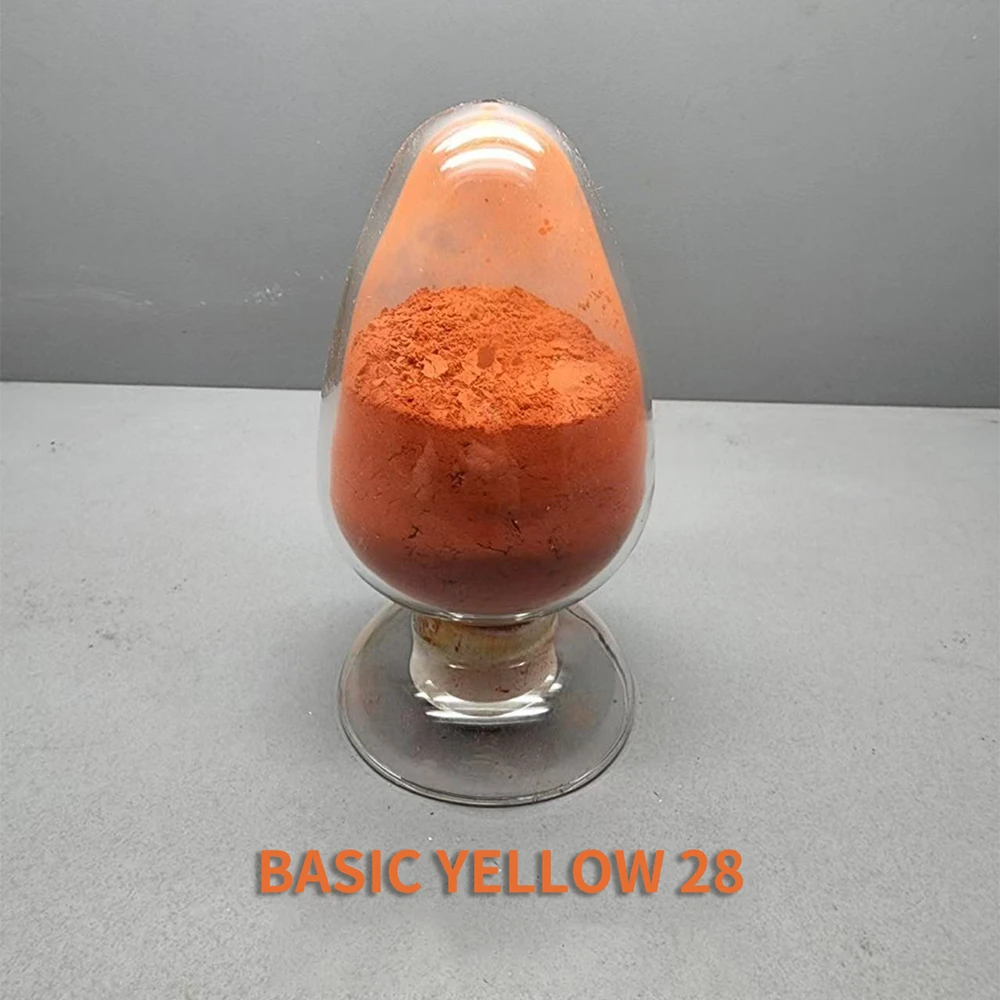
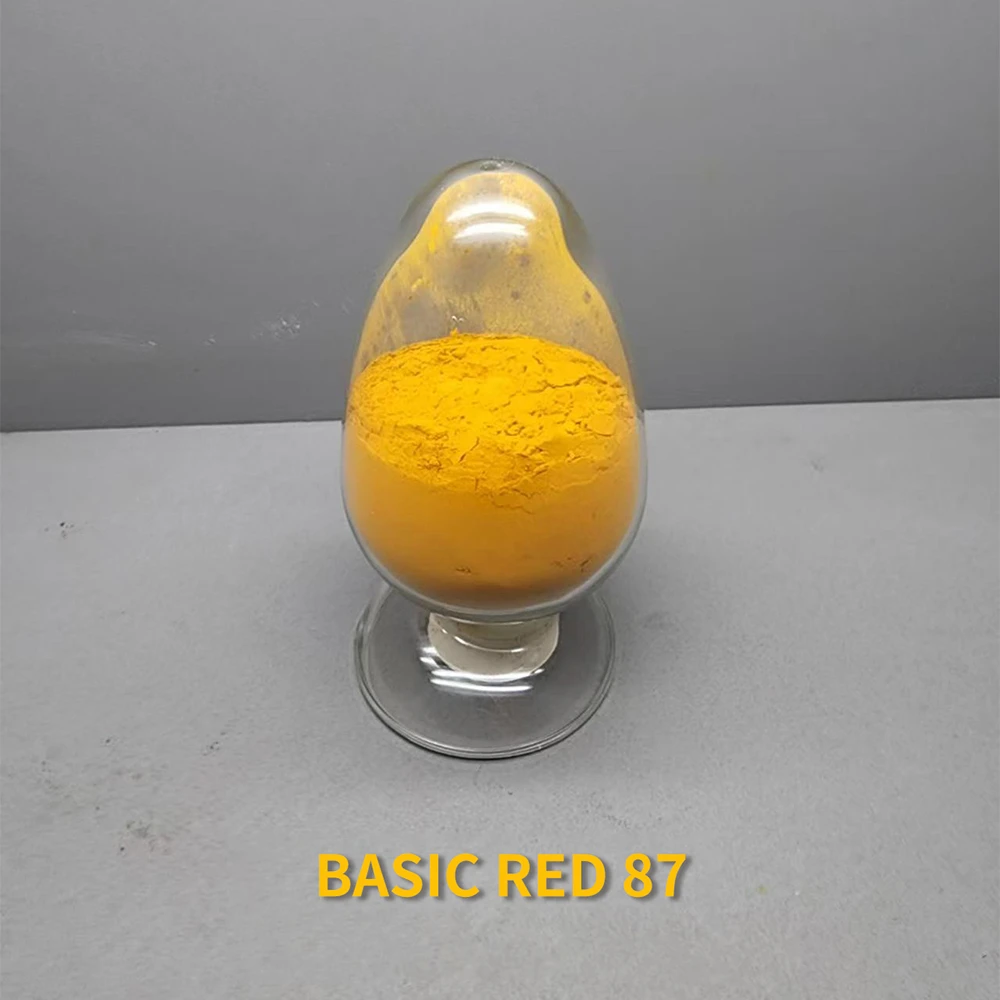
Simply put, burnt orange fabric dye is a pigment or chemical mixture designed to impart a deep, reddish-orange shade on textiles. Its 'burnt' aspect comes from the subtle smoky undertones that differentiate it from brighter oranges. It’s often a blend of azo dyes or natural extracts, chosen for durability and intensity.
This dye is especially important today because it serves industries ranging from high fashion to safety gear manufacturing. Think of those vivid work uniforms and emergency blankets—the burnt orange color helps catch attention and provides functional benefits like resistance to fading under sunlight or washing.
Key Factors Behind Burnt Orange Fabric Dye’s Success
1. Durability and Colorfastness
One of the top reasons burnt orange fabric dye has carved a niche is its resistance to fading. Whether exposed to UV rays or frequent washing, garments maintain their rich, warm hues much longer than many other dyes.
2. Eco-Friendly Formulations
Environmental awareness is huge now. Manufacturers often prioritize dyes with fewer toxic chemicals or those extracted from natural sources. Burnt orange dyes frequently check this box, enabling companies to hit sustainability targets while serving a practical need.
3. Versatility Across Fabrics
Not all dyes play nicely with all materials. But burnt orange fabric dye works well on cotton, wool, polyester blends, and even technical fabrics like ripstop nylon. This versatility makes it a darling for industries from apparel to outdoor gear.
4. Cost Efficiency
Granted, some premium dyes can be pricey, but burnt orange variants strike a nice balance. They offer reliable performance without breaking budgets—vital for mass production.
5. Scalability for Industrial Use
Burnt orange dyes can be produced in large quantities with consistent quality. For companies scaling from boutique batches to large factory runs, this predictability is priceless.
Mini takeaway:
These five factors show why burnt orange fabric dye isn’t just a color choice—it's a practical, industrial asset.
Typical Specifications of Burnt Orange Fabric Dye
| Specification | Details |
|---|---|
| Color Code | Pantone 16-1448 TCX (Burnt Orange) |
| Type | Azo-based & Natural Extracts |
| Colorfastness | Grade 4 (washing & light) |
| Applicable Fabrics | Cotton, Wool, Polyester, Nylon |
| Eco-Friendliness | Low VOC, Biodegradable Options |
| Typical Cost | $15–$25 per kilogram |
Burnt Orange Fabric Dye in Action: Global Use Cases
You’re probably wondering where all this fires up in real life. Well, burnt orange fabric dye sees extensive use worldwide:
- Safety & Emergency Gear: Workers' uniforms and high-visibility vests often choose burnt orange for its visibility and durability, especially in North America and Europe.
- Fashion & Apparel: Spring collections in Asia and Europe love this warm hue for its autumnal vibe, with designers seeking vibrant but sustainable prints.
- Humanitarian Aid: In relief operations across Africa and South Asia, burnt orange textiles are used for blankets and tarps; tough colorfastness means supplies look decent even after rough conditions.
- Sports & Outdoor Equipment: Tents, backpacks, and sports jerseys globally feature burnt orange, balancing eye-catching color with fabric resilience.
Mini takeaway:
From practical workwear to high fashion and emergency relief blankets, burnt orange fabric dye proves its worth everywhere.
Why Choose Burnt Orange Fabric Dye: Advantages and Long-Term Benefits
Beyond the obvious, burnt orange fabric dye brings a slew of advantages:
- Cost Effectiveness: Compared to other premium dyes, it offers stable prices alongside reliable quality.
- Durability: I’ve noticed many manufacturers rave about how garments retain color season after season.
- Sustainability: With options leaning towards low-impact production, it aligns well with circular economy principles.
- Emotional Resonance: Burnt orange evokes warmth, safety, and dignity—a subtle trust-builder in uniforms or humanitarian textiles.
Emerging Trends: What’s Next for Burnt Orange Fabric Dye?
The textile industry’s hurtling towards more than just new colors. Expect innovations like:
- Bio-based Dyes: Using microalgae or plant extracts to create eco-friendly burnt orange shades.
- Digital Dyeing Techniques: Reducing water use and waste, these methods offer more precise, vibrant coloration.
- Smart Textiles: Burnt orange dyes integrated with UV or temperature-responsive fibers for outdoor and safety gear.
- Policy Push: Regulations encouraging non-toxic dyes and closed-loop water systems.
Current Challenges & How Experts Are Tackling Them
Of course, it’s not all sunshine and smooth dye baths. Here’s what the field faces:
- Environmental Impact: Traditional azo dyes can release harmful amines if not properly managed.
- Color Consistency: Large batch variability can frustrate manufacturers.
- Material Compatibility: Some synthetic fabrics still resist perfect color absorption.
Industry veterans suggest hybrid approaches—mixing natural extracts with synthetics—to capture durability without sacrificing green ambitions. Moving towards closed-loop dyeing systems, investing in quality control, and digital dyeing are winning strategies.
Frankly, the future looks promising if these are taken seriously.
Vendor Comparison: Burnt Orange Fabric Dye Producers
| Vendor | Eco Certification | Price/kg | Fabric Compatibility | Industry Focus |
|---|---|---|---|---|
| Yanhong Chemicals | GOTS & OEKO-TEX Certified | $18 | Cotton, Wool, Polyester, Nylon | Fashion, Safety Gear, Outdoor |
| EcoDyes Inc. | 100% Natural Plant-Based | $22 | Natural Fibers (Cotton, Linen) | Sustainable Fashion |
| TexPro Solutions | OEKO-TEX Standard 100 | $15 | Polyester, Nylon Blends | Sportswear, Industrial Textiles |
FAQ: Your Burnt Orange Fabric Dye Questions Answered
Q1: How long does burnt orange fabric dye typically last on clothing?
A: With good quality dye and proper care, burnt orange color can retain vibrancy for up to 30 washes or several years of wear, depending on fabric and washing methods.
Q2: Is burnt orange fabric dye safe for sensitive skin?
A: Many manufacturers now produce hypoallergenic, eco-certified burnt orange dyes free from harsh chemicals, making them suitable for sensitive skin; however, it’s best to check the product specifics.
Q3: Can burnt orange fabric dye be used on synthetic fibers?
A: Yes, especially polyester and nylon blends. Specialized azo and dispersed dyes are formulated to bond well with synthetics without losing colorfastness.
Q4: Where can I find sustainable suppliers for burnt orange fabric dye?
A: Companies like Yanhong Chemicals and EcoDyes Inc. lead the market with certifications like GOTS and OEKO-TEX, combining eco-friendly production with quality.
Q5: Does burnt orange fabric dye require special waste disposal?
A: Correct handling of dye waste is essential. Eco-certified producers adopt closed-loop systems to minimize environmental impact. If you use traditional dyes, proper chemical treatment before disposal is vital.
In Conclusion: Burnt Orange Fabric Dye’s Lasting Impression
There’s something about burnt orange fabric dye that goes beyond just color—it's about bringing together environmental sense, industrial efficiency, and cultural warmth. Whether it’s the bright glow of a safety vest on a construction site or the subtle charm of a fashion piece, this dye represents a quiet revolution. So next time you see that deep orange shade, perhaps you’ll appreciate the science and story woven through it.
For those looking to explore burnt orange fabric dye options, I recommend checking out reliable suppliers like Yanhong Chemicals that offer certified, eco-friendly products tailored for today’s needs.
References:
- United Nations Environment Programme, 2022: Sustainable Textiles Global Market Report.
- International Standards Organization (ISO), 2023: Textile Dyeing Environmental Guidelines.
- World Bank Group, 2021: Industrial Pollution and Textile Manufacturing.
-
How to Choose the Best black colour dye for clothes for FabricsNewsApr. 16, 2026
-
Inside a China Fabric Dye Factory: Insights and Vendor ComparisonNewsDec. 03, 2025
-
Cold Water Fabric Dye: Sustainable & Efficient Textile SolutionsNewsDec. 13, 2025
-
Exploring the World of Synthetic Dyes Applications and Industrial SourcingNewsMar. 09, 2026
-
Comprehensive Guide to Brown Fabric Dye – Industry Insights, Applications & SustainabilityNewsDec. 04, 2025
-
Black Basic in Industrial Equipment: Essentials and InsightsNewsDec. 13, 2025