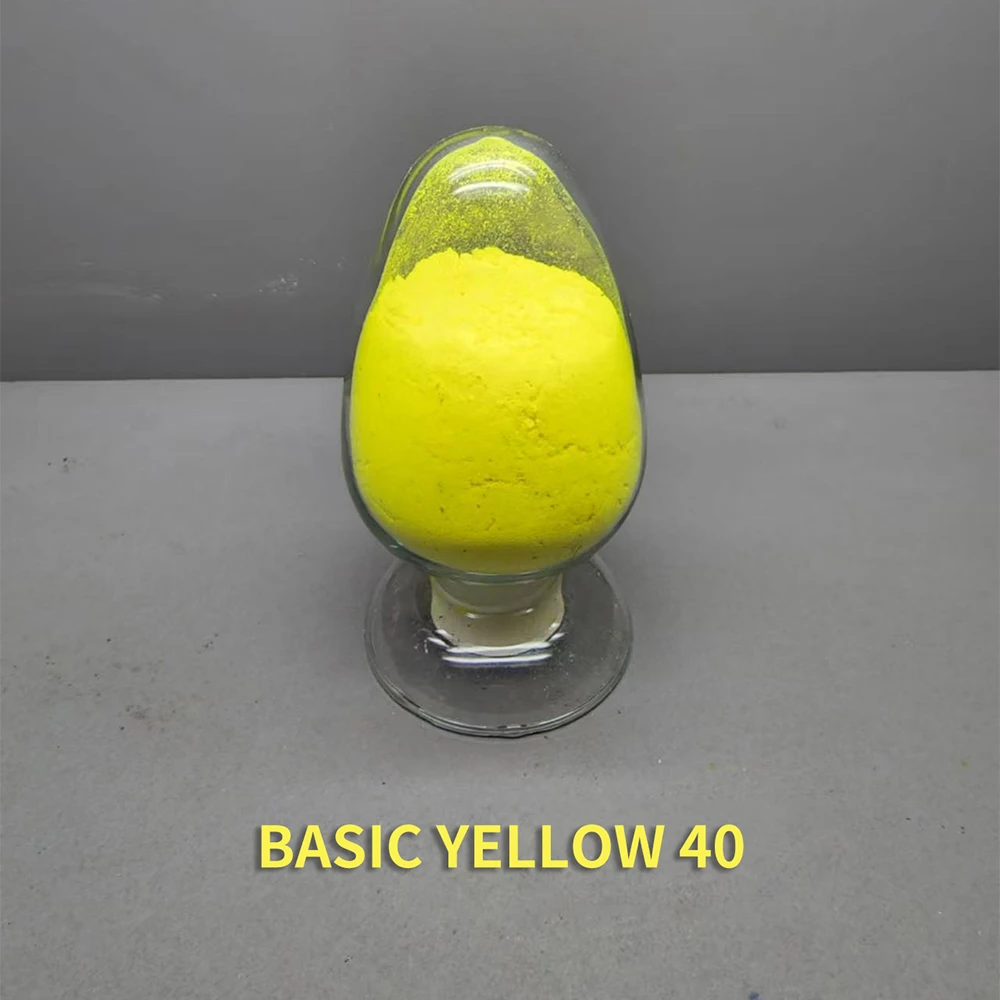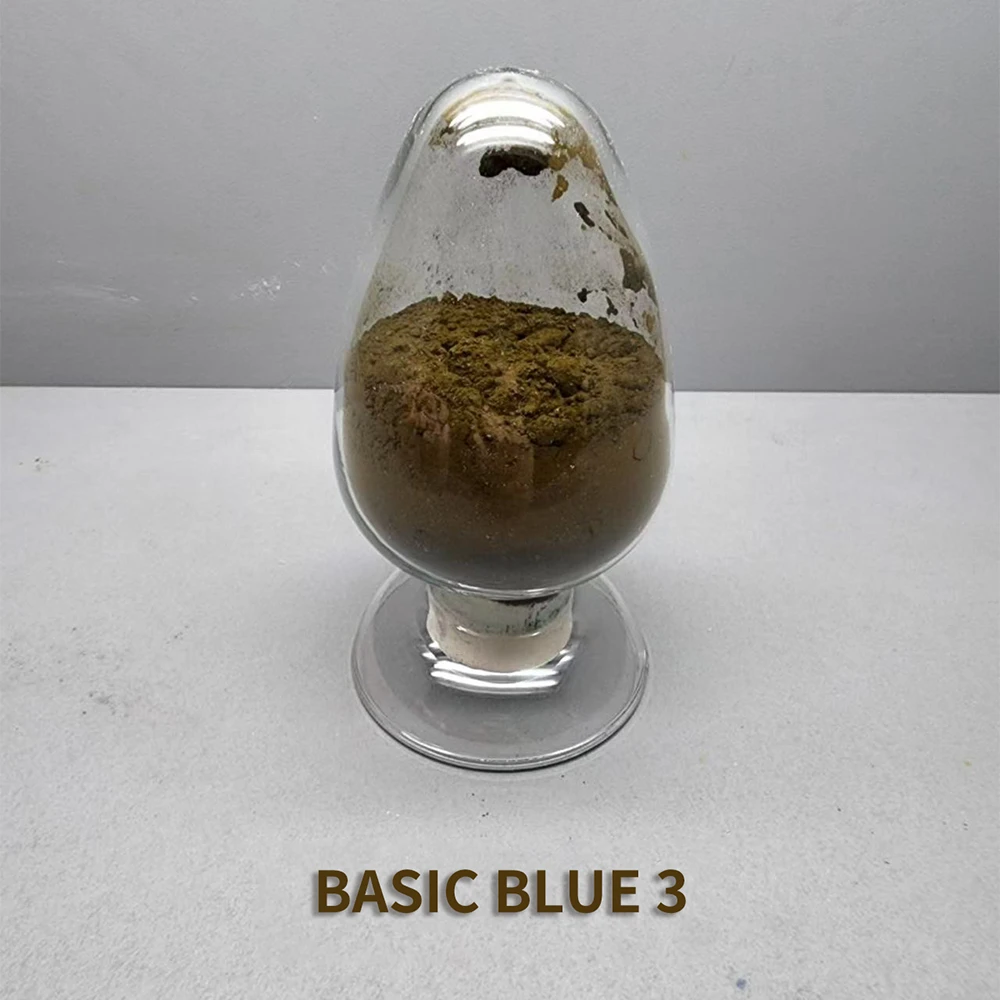
Black Color Dye for Jeans: Durable, Eco-Friendly Denim Solutions
Unraveling Black Color Dye for Jeans: Why This Simple Ingredient Matters Globally
On the surface, black color dye for jeans might seem like just another industrial chemical used in textile production. But dive a little deeper, and you'll see it touches on huge themes: sustainability, global trade, cultural fashion trends, and even human rights. From supply chains in Asia to denim factories in Europe and North America, the demand for high-quality black dyes keeps growing steadily. Why? Because jeans aren’t just clothes — they’re cultural icons, uniform essentials, and even a canvas for innovation. Understanding black color dye for jeans means better products, reduced environmental impact, and more durable, vibrant clothing for millions worldwide.
The Global Context: Why Black Dye for Jeans Is More Than Fashion
Denim accounts for a significant slice of the global apparel industry — estimated at over 70 billion USD per year (source: Statista). Black jeans, in particular, have surged in popularity thanks to versatile styling and a timeless aesthetic. The United Nations’ Sustainable Development Goals (SDGs) have pushed manufacturers to rethink dyeing processes, since traditional dyes often involve water waste, toxic chemicals, and non-renewable materials.
Factoid: According to the International Organization for Standardization (ISO), textile dyeing consumes roughly 20% of global water pollution. That means black color dye for jeans — if poorly sourced or applied — can cause serious environmental harm.
It’s a tough nut: manufacturers need dyes that meet high durability standards and colorfastness, yet comply with stricter environmental regulations worldwide. That balance — fashion, function, and eco-conscious production — is precisely why black color dye for jeans is such a hot topic globally.
What Is Black Color Dye for Jeans? Breaking It Down
At its core, black color dye for jeans refers to the pigments or chemical compounds that impart a rich, deep black hue to denim fabric. These dyes must adhere strongly, withstand multiple washes, resist sunlight fading, and feel comfortable on the skin. Increasingly, these dyes are developed to be azo-free (meaning they avoid certain harmful compounds) and compatible with water-saving dyeing methods.
Beyond the chemistry, this dyeing fits into a larger sustainability puzzle. Denim brands and factories harness black color dyes that support circular fashion principles — aiming to reduce waste, enable recycling, and lower carbon footprints.
Mini takeaway:
Black color dye for jeans is much more than color; it embodies industry shifts toward safer, sustainable, and longer-lasting textile solutions.
Core Factors Defining Black Dye Performance for Denim
1. Durability & Colorfastness
Jeans aren’t delicate gowns — they undergo rugged wear and frequent washing. So, dyes must resist fading, bleeding, and cracking. Many manufacturers prefer reactive or sulfur-based black dyes for their excellent fastness properties.
2. Environmental Impact
Given dyeing’s heavy water and chemical usage, sustainable dyes that minimize effluents and allow water recycling are increasingly demanded. Newer black color dyes meet or exceed global environmental standards.
3. Cost Efficiency
Denim producers often juggle tight margins, so dye cost versus performance is a critical balancing act. Suppliers who offer reliable, scalable black dye options at competitive pricing tend to lead the market.
4. Compatibility With Various Fabric Types
While cotton is the denim staple, blends involving elastane (stretch), polyester, or recycled fibers are common. Black dyes must adapt without compromising color quality or fabric feel.
5. Regulatory Compliance
Strict laws in Europe, the US, and increasingly Asia demand that dyes are free from carcinogens and other hazardous substances. Certification like OEKO-TEX ensures product safety for consumers and workers alike.
6. Technological Innovation
Advances in nano-dye applications, digital dyeing machines, and enzymatic processing are reshaping how black color dye for jeans is applied, improving precision and lowering waste.
Mini takeaway:
- Durability, sustainability, cost, and adaptability form the foundation of effective black denim dyes.
- Future-proof solutions must blend chemistry expertise with technological innovation.
Real-World Black Dye Use Cases: From Factories to Fashion Capitals
Across continents, black colors saturate denim garments — but the way black dye is sourced and applied can vary widely:
- Asia: Leading dye manufacturers in China and India use advanced water-saving dyeing to serve export markets in Europe and the US.
- Europe: Premium fashion brands rely on low-impact black dyes meeting strict EU textile regulations.
- North America: Smaller denim workshops increasingly adopt sustainable black dyes as consumers demand transparency.
- Latin America: Industrial textile hubs integrate black dye chemistry with eco-certification programs to compete globally.
Example: During disaster relief efforts, NGOs have used denim products dyed with eco-friendly black pigments to supply durable clothing suited for harsh climates, highlighting social impact beyond fashion.
Advantages and Long-Term Value of Choosing Quality Black Dyes
Investing in superior black color dye for jeans isn’t just about flawless looks; it touches on several layers of value:
- Economic: Saves costs over time by reducing returns and maintaining garment integrity.
- Environmental: Limits water pollution and chemical discharge, aligning operations with green mandates.
- Social: Protects worker health through safer chemical profiles, and enhances brand reputation for ethical sourcing.
- Consumer Trust: Satisfies growing demand for durable, skin-friendly apparel.
Black Color Dye for Jeans: Leading Product Specifications
| Specification | Details |
|---|---|
| Type | Reactive Black Dye, Sulfur Black Dye, Azo-free |
| Colorfastness | Grade 4-5 (ISO standard) |
| Water Usage | Reduced by up to 40% with modern methods |
| Environmental Compliance | OEKO-TEX, REACH, GOTS certifications available |
| Fabric Compatibility | Cotton, cotton blends, recycled fibers |
| Shelf Life | 12-18 months in sealed conditions |
Supplier Snapshot: Comparing Black Color Dye Vendors
| Vendor | Eco Certifications | Price Range (per kg) | Global Reach | Innovation Focus |
|---|---|---|---|---|
| Yanhong Chemical | OEKO-TEX, REACH | $12 - $18 | Asia, North America, Europe | Water-saving dye technology |
| Dystar | GOTS, Bluesign | $15 - $22 | Global | Digital dyeing processes |
| Archroma | OEKO-TEX, REACH | $13 - $20 | Europe, Asia | Sustainable reactive dyes |
What Lies Ahead for Black Color Dye in Denim?
Though we’ve made strides, innovation in black color dye for jeans is far from stagnant. Smart textile coatings, bio-based dyes, and AI-driven color matching are transforming the scene. There’s a palpable shift towards zero-waste dyeing factories powered by renewable energy—goals aligned tightly with the United Nations’ SDG 12 on responsible consumption.
Also, digitization in dye application allows unprecedented customization, reducing overproduction and waste. I think it’s fair to say the next decade will bring black denim that’s not only stylish but also a powerful statement in environmental stewardship.
Challenges and Solutions in Black Dye Application
Facing realities: uneven dye uptake, water-intensive processes, and hazardous chemical residues often trip up producers. But experts are closing these gaps:
- Enzyme-assisted dyeing lowers water use and enhances color penetration.
- Closed-loop wastewater treatment recycles dye effluents safely.
- Stringent quality control reduces returns due to color fading.
Manufacturers embracing these methods report both environmental gains and stronger customer loyalty — a win-win.
FAQs About Black Color Dye for Jeans
- What types of black dyes are best for durable jeans?
- Reactive black dyes and sulfur black dyes are commonly favored for their high colorfastness and resistance to washing, making them ideal for durable denim products.
- Are black color dyes environmentally safe?
- Modern black dyes certified by OEKO-TEX or REACH adhere to strict environmental standards, minimizing harmful chemical discharge and promoting worker safety.
- How does black dye affect denim recyclability?
- Sustainable black dyes improve recyclability by avoiding toxic residues, enabling fibers to be repurposed with less processing, thereby supporting circular fashion.
- Can black dye be applied to cotton blends?
- Yes, advances in dye chemistry allow even cotton-elastane or cotton-polyester blends to be dyed with black pigments without compromising color or fabric quality.
- How do I choose the best supplier for black color dye?
- Look for vendors with robust certifications (OEKO-TEX, REACH), strong client references, a focus on sustainability, and flexible pricing for your production scale.
In Closing: Why Quality Black Color Dye for Jeans Makes a Difference
To sum it all up, black color dye for jeans might seem like a small ingredient, but it's a cornerstone of a multi-billion-dollar industry evolving rapidly toward eco-consciousness and lasting performance. Selecting the right dye means investing not just in color, but in sustainability, regulation compliance, and brand reputation.
Curious to explore better black dyes or integrate sustainable dyeing into your manufacturing? Visit our site for detailed product info, technical support, and innovation news.
References
-
Comprehensive Guide to Dark Green Fabric Dye: Sustainability and Durability in TextilesNewsDec. 07, 2025
-
Mustard Fabric Dye: Durable & Sustainable Color Solutions for Industrial Fabrics | YanhongchemNewsJan. 05, 2026
-
Outdoor Fabric Dye: Durable & UV-Resistant Options for IndustryNewsDec. 09, 2025
-
China Basic Dye Manufacturer | High Purity & Eco OptionsNewsDec. 13, 2025
-
Basic Green Color – Sustainable Pigments for Industry & InnovationNewsDec. 13, 2025
-
Fabric Dyeing: Sustainable Techniques and Trends Transforming the Textile IndustryNewsDec. 03, 2025